
How to Improve Your Gut Health and Balance Your Gut Microbiome

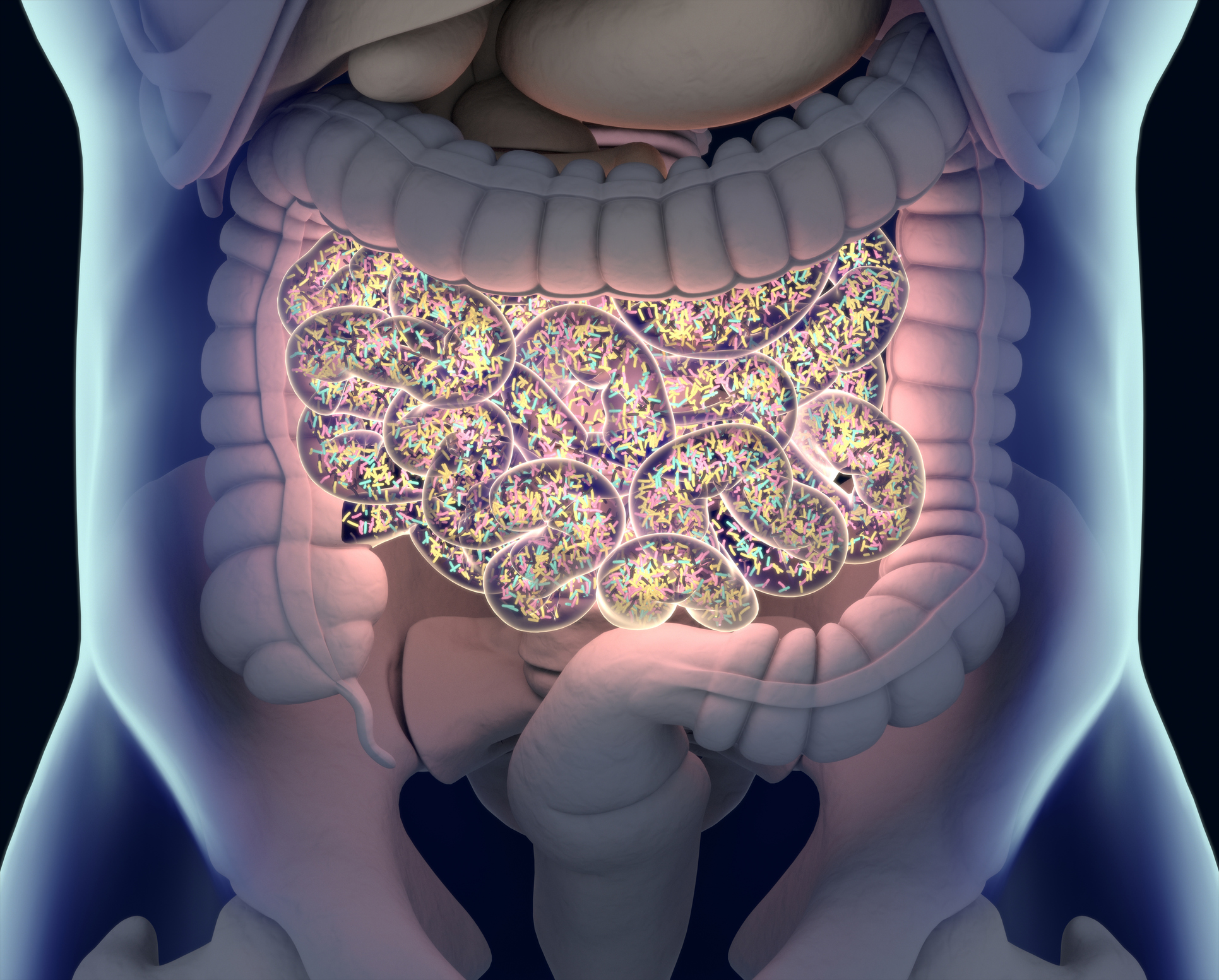
There are trillions of beneficial bacteria living in your gut, or gut microbiome, that are essential to your health and well-being. The gut microbiome plays an important role in strengthening your immune system and regulating daily bodily functions, including hunger signals and mood fluctuations.  

The gut contains 95 percent of the feel-good hormone, serotonin, which means what you eat can impact your ability to respond to stress, reduce anxiety, and help the body fight off germs, viruses, and bacteria that could make you sick. 

When you have an unhealthy gut, it can cause several diseases and conditions, including: 

  • Inflammatory bowel disease 
  • Obesity 
  • Small intestinal bacterial overgrowth 
  • Insulin resistance and other endocrine disorders 
  • Mental health conditions and neurological disorders 
  • Asthma 
  • Various cancers 

There can be several signs of an unhealthy and imbalanced gut, including: 

  • Intolerance to certain foods 
  • A frequent upset stomach 
  • Intense cravings 
  • Skin irritations  
  • Autoimmune disorders 
  • Intense cravings 
  • Migraines and frequent headaches 
  • Difficulty sleeping or excessive fatigue 
  • Irritability or other mood changes 
  • Changes in bathroom habits 

The most direct and effective way to improve your gut health is through your diet by getting enough dietary fiber. Dietary fiber is the key nutrient for maintaining the diversity of gut microbiota. Having low gut microbiota diversity is associated with many chronic inflammatory diseases, such as: 

  • Obesity 
  • Diabetes 
  • Irritable bowel disease (IBD) 

Several foods are high in fiber, including: 

  • Fruits 
  • Vegetables 
  • Nuts 
  • Whole grains, such as: 
  • Barley 
  • Bran 
  • Quinoa 
  • Oatmeal  
  • Brown rice 
  • Seeds 
  • Legumes, including peas, beans, and lentils 

Other recommendations for improved gut health include: 

  • Increasing consumption of whole foods by adopting the Mediterranean diet 
  • Limiting processed foods 
  • Eating smaller meals 
  • Eating more slowly and chewing food thoroughly 
  • Managing stress 
  • Exercising more 
  • Setting a gut bedtime 

Gut health can also be improved by taking probiotics and prebiotics. 

Probiotics are “good” bacteria and other microorganisms that reside in the gut and are believed to support a healthy immune system and good digestion. Probiotics can be found in fermented foods, including: 

  • Yogurt 
  • Kefir 
  • Sauerkraut 
  • Kombucha 
  • Pickles that are salt-based 
  • Tempeh 
  • Kimchi  
  • Miso 

Prebiotics are dietary fibers that probiotics feed on. They can be found in several high-fiber foods, including: 

  • Leeks 
  • Asparagus 
  • Garlic 
  • Onions 
  • Bananas 
  • Chicory root 

The Academy of Nutrition and Dietetics recommends that women aim for 25 grams of fiber per day and men for 38 grams per day.  

If you would like to improve your gut health and balance your gut microbiome, you can consult a physician by visiting Flushing Hospital Medical Center’s Ambulatory Care Center. To schedule an appointment, please call (718) 670-5486.

All content of this newsletter is intended for general information purposes only and is not intended or implied to be a substitute for professional medical advice, diagnosis or treatment. Please consult a medical professional before adopting any of the suggestions on this page. You must never disregard professional medical advice or delay seeking medical treatment based upon any content of this newsletter. PROMPTLY CONSULT YOUR PHYSICIAN OR CALL 911 IF YOU BELIEVE YOU HAVE A MEDICAL EMERGENCY.

Dispelling PTSD Myths

Knowing the facts about post-traumatic stress disorder is crucial because it helps to dismantle stigmas and confusion surrounding the disorder.

PTSD is a mental health condition that develops in people who have witnessed or experienced terrifying, traumatic, or significant life-changing events, such as natural disasters, car accidents, sexual assault, or combat.

According to the National Center for PTSD, the disorder affects approximately 5% of adults living in the United States in any given year.

Each person experiences PTSD in their own way.  They may experience any of the symptoms that fall within the following four categories:

  • Intrusion: Having intrusive thoughts such as repeated, unwanted, or distressing memories of the triggering event; reliving or having flashbacks of the traumatic event; or having nightmares about the event.
  • Avoidance: Avoiding reminders of the event, including activities, places, people, objects, or situations. Avoiding thinking or talking about traumatic events.
  • Changes in mood and thinking: Feeling ongoing sadness, guilt, or shame; having trouble remembering key details of the traumatic event, having ongoing negative thoughts about oneself and others, feeling detached from others, or being disinterested in activities once enjoyed.
  • Changes in arousal and reactivity: Having trouble concentrating, having trouble sleeping, being irritable or having angry outbursts, displaying aggressive, reckless, or destructive behavior, or being hypervigilant.

While the facts about PTSD have been established, harmful myths about PTSD persist.  Here are some inaccurate ideas people may have about the disorder:

  • Myth: Only military veterans experience PTSD

Truth: Anyone, including children, can develop PTSD

  • Myth: Having PTSD means you are weak or broken

Truth: PTSD is a medical condition that involves changes in how our brain responds to extreme stress. It is not a character flaw and has nothing to do with mental strength.

  • Myth: PTSD occurs immediately after a traumatic event

Truth: The symptoms of PTSD may not manifest or present right away.  It is common for the effects of PTSD to remain dormant for months or years before surfacing.

  • Myth: PTSD only occurs after extremely traumatic events

Truth: Trauma is subjective and manifests differently for every individual. What counts as trauma for one person may look different for another; therefore, no one’s experiences should be minimized.

  • Myth: People with PTSD are violent or dangerous

Truth: Most individuals with PTSD are not violent. In fact, they are more likely to experience avoidance and withdrawal. Many can lead normal lives and understand their responses with proper care and support.

  • Myth: Once you have PTSD, you’ll always have it

Truth: PTSD is a treatable medical condition. People can recover significantly with a treatment plan that can involve therapy, medication, or support systems.

Myths and misconceptions surrounding PTSD can make those who are affected feel isolated and delay treatment. Understanding the facts helps reduce stigma and encourages people to seek help.

To schedule an appointment with a licensed mental health professional at Jamaica Hospital Medical Center, please call 718- 206-5575.

All content of this newsletter is intended for general information purposes only and is not intended or implied to be a substitute for professional medical advice, diagnosis or treatment. Please consult a medical professional before adopting any of the suggestions on this page. You must never disregard professional medical advice or delay seeking medical treatment based upon any content of this newsletter. PROMPTLY CONSULT YOUR PHYSICIAN OR CALL 911 IF YOU BELIEVE YOU HAVE A MEDICAL EMERGENCY.
Glucose Tolerance Test

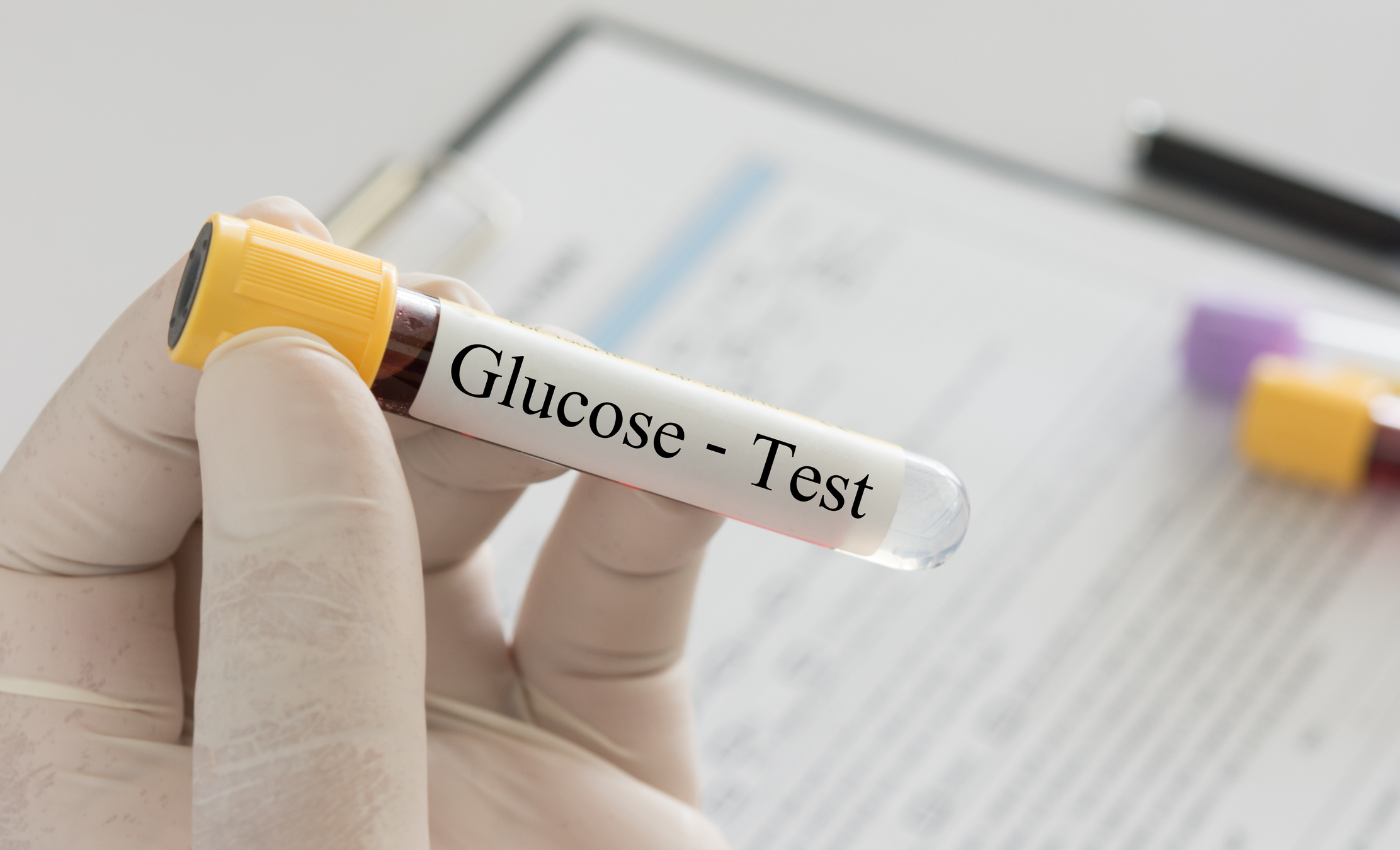
Doctor holding sample blood collection tube with glucose test label in the lab.A glucose tolerance test is a medical lab test used to measure how effectively our bodies process sugar after a meal.  It helps healthcare providers screen for or diagnose conditions such as insulin resistance, prediabetes, type 2 diabetes, or gestational diabetes.

The most common and standard glucose tolerance test is an oral glucose tolerance test (OGTT). However, other screening methods can include a glucose challenge test, used during pregnancy to screen for gestational diabetes, or an intravenous glucose tolerance test, primarily used in research and rarely used as an alternative to OGTT when a patient is unable to process oral glucose.

The Centers for Disease Control and Prevention (CDC) explains that a typical oral glucose tolerance test (OGTT) involves measuring your blood sugar levels before and after consuming a sweet liquid that contains glucose. You will need to fast overnight before the test, after which your blood will be drawn to measure your fasting blood sugar level. Then, you will drink the glucose solution, and your blood sugar levels will be checked again. These measurements typically occur at the 1-hour, 2-hour, and possibly 3-hour marks after drinking the solution.

After testing, you may resume your normal daily activities.  Your physician or healthcare provider should receive your lab results in the next few days.  Your test results may fall within the following ranges.

  • Normal – where blood sugar returns to an expected normal range after drinking the glucose solution
  • Prediabetes – where blood sugar is higher than normal but not high enough to determine a diabetes diagnosis
  • Diabetes -where blood sugar levels remain highly elevated

If your results show that you have diabetes, your doctor may determine  next steps based on how high your blood sugar levels are. They may want to test again to confirm their findings, request additional testing to check for related conditions, or create a treatment plan that may involve lifestyle changes or medications.


All content of this newsletter is intended for general information purposes only and is not intended or implied to be a substitute for professional medical advice, diagnosis or treatment. Please consult a medical professional before adopting any of the suggestions on this page. You must never disregard professional medical advice or delay seeking medical treatment based upon any content of this newsletter. PROMPTLY CONSULT YOUR PHYSICIAN OR CALL 911 IF YOU BELIEVE YOU HAVE A MEDICAL EMERGENCY.

The Dangers of Misusing the Allergy Medication Diphenhydramine

When people are experiencing allergy symptoms such as coughs, sneezes, a runny nose, congestion, and itchy eyes, nose, or throat, they turn to allergy medications like diphenhydramine to help quell them. Diphenhydramine is an over-the-counter (OTC) antihistamine that, when used as directed, is usually safe for occasional allergy or sleep symptoms. However, when diphenhydramine is misused and more than the recommended dosage is taken, it can cause serious health risks.  

According to the Centers for Disease Control and Prevention (CDC), an estimated one million people are seen in U.S. hospital emergency departments for adverse drug events each year, and more than one-fourth are hospitalized.  

Unfortunately, teenagers have been reportedly taking dangerously high doses of diphenhydramine intentionally to provoke hallucinations. In 2020, the U.S. Food and Drug Administration (FDA) warned that taking higher doses of diphenhydramine could lead to life-threatening complications, including heart problems, such as irregular heart rhythms, seizures, coma, or even death, after news reports of teenagers being admitted to emergency rooms or dying after a TikTok challenge encouraged them to misuse the allergy medication.  

In addition to life-threatening complications, misusing diphenhydramine can lead to cognitive decline, psychiatric harm, and neurological injury.  

The FDA recommends always reading the drug facts label on all over-the-counter medicines to find out if they contain diphenhydramine, how much and how often you should take them, and important safety information to avoid taking more than the dose listed and prevent serious health risks.  

Here are some safety tips to reduce the risk of the potentially harmful effects of misusing diphenhydramine: 

  • Lock medicine away safely to prevent accidental poisoning 
  • Choose medicines that only treat the symptoms you have 
  • Be mindful that many medicines contain multiple ingredients that may interact with alcohol dangerously 
  • Look out for the same active ingredients in medicines taken at the same time, as it may result in an overdose 
  • Do not take medicines longer than needed or in higher doses 
  • Do not take medicines with side effects that impact your ability to drive safely or use heavy machinery until you are in an appropriate and safe environment 
  • Read the dosing directions carefully, especially when it comes to infants and children 
  • Be cautious when taking more than one medicine at a time, as drug-to-drug interactions can cause serious health effects and can even be fatal 

If you or a loved one is experiencing a bad reaction or serious side effects to an allergy medication, you can schedule an appointment with a doctor at Jamaica Hospital Medical Center’s Ambulatory Care Center. Please call (718) 206-7001. Please call 911 if there is an emergency. 


All content of this newsletter is intended for general information purposes only and is not intended or implied to be a substitute for professional medical advice, diagnosis or treatment. Please consult a medical professional before adopting any of the suggestions on this page. You must never disregard professional medical advice or delay seeking medical treatment based upon any content of this newsletter. PROMPTLY CONSULT YOUR PHYSICIAN OR CALL 911 IF YOU BELIEVE YOU HAVE A MEDICAL EMERGENCY.

Aphasia Awareness Month

June is National Aphasia Awareness Month, a month dedicated to increasing understanding of aphasia. This acquired communication disorder impairs a person’s ability to process language but does not affect their intelligence.  

Aphasia affects the ability to speak and understand others, causing most people with the disorder to have trouble reading and writing. 

The most common cause of aphasia is stroke. About 25 to 40 percent of stroke survivors are afflicted with aphasia. It can also be a result of a head injury, a brain tumor, or other neurological causes. 

There are six types of aphasia, including: 

  • Global aphasia is the most severe form of aphasia and is applied to patients who can produce few recognizable words and understand little or no spoken language. People with global aphasia can’t read or write. It is often seen immediately after the patient has suffered a stroke and may rapidly improve if the damage to the brain has not been too extensive. However, with greater brain damage, there may be severe and lasting disability. 
  • Broca’s aphasia, or non-fluent aphasia, is a form of aphasia in which the speech output is severely reduced and is limited mainly to short utterances of less than four words. A person’s vocabulary access is limited, and so is their ability to form sounds. 
  • Mixed non-fluent aphasia is a form of aphasia that applies to people with sparse and effortful speech, which can resemble severe Broca’s aphasia. However, they remain limited in their speech comprehension and do not read or write beyond an elementary level. 
  • Wernicke’s aphasia, or fluent aphasia, is a form of aphasia in which the ability to grasp the meaning of spoken words is impaired. However, the ease of producing connected speech is not much affected. Reading and writing are often severely impaired. 
  • Anomic aphasia is a form of aphasia that is applied to people left with a persistent inability to supply the words for the things they want to say, particularly significant nouns and verbs. 
  • Primary progressive aphasia (PPA) is a neurological syndrome in which language capabilities become slowly and progressively impaired. Unlike the other forms of aphasia that result from stroke or brain injury, PPA is caused by Alzheimer’s or frontotemporal lobar degeneration. 

A healthcare provider can diagnose aphasia by performing physical and neurological exams. They can also use imaging tests, such as an MRI and a CT scan, to identify what is causing aphasia. 

Aphasia can also be diagnosed with the help of a speech-language pathologist who can complete a comprehensive language assessment to confirm the presence of aphasia and determine the appropriate course of language treatment. 

The assessment helps find out whether the person can: 

  • Name common objects 
  • Engage in a conversation 
  • Understand and use words correctly 
  • Answer questions about something read or heard 
  • Repeat words and sentences 
  • Follow instructions 
  • Answer yes and no questions and respond to open-ended questions about common subjects 
  • Read and write 

There are several treatments for aphasia, including: 

Speech and language rehabilitation therapy aims to improve the ability to communicate and help restore as much language as possible. This is done by teaching the person with aphasia how to make up for lost language skills and find other communication methods. This therapy: 

  • Starts early 
  • Often works in groups 
  • May include the use of computers 

Medications are being studied to treat aphasia that may improve blood flow to the brain and enhance its ability to recover or help replace the depleted chemicals in the brain. 

Brain stimulations, such as transcranial magnetic and direct current stimulation, are being studied to help improve the ability to name things. 

Because aphasia is often a sign of a serious problem, such as a stroke, seek emergency medical care if you suddenly develop any symptoms. 

If you are experiencing any symptoms of aphasia, you can consult with a neurologist at Jamaica Hospital Medical Center. To schedule an appointment, please call (718) 206-7246. 


All content of this newsletter is intended for general information purposes only and is not intended or implied to be a substitute for professional medical advice, diagnosis or treatment. Please consult a medical professional before adopting any of the suggestions on this page. You must never disregard professional medical advice or delay seeking medical treatment based upon any content of this newsletter. PROMPTLY CONSULT YOUR PHYSICIAN OR CALL 911 IF YOU BELIEVE YOU HAVE A MEDICAL EMERGENCY.
Jamaica Hospital Reverified By The ACS As a Level 1 Trauma Center

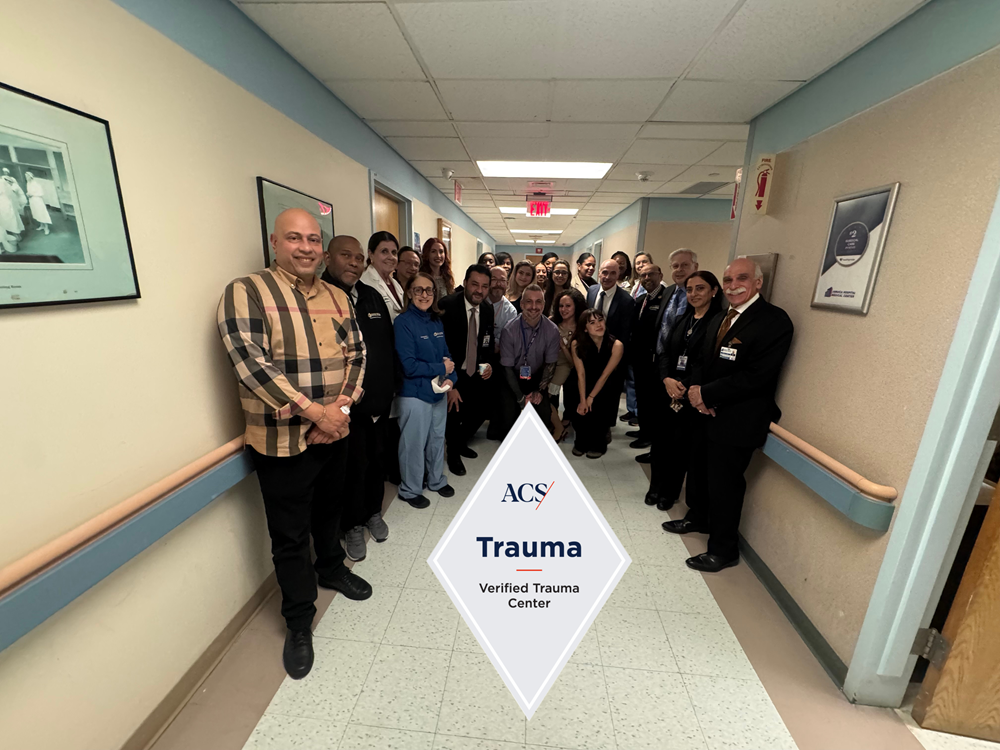
Jamaica Hospital Medical Center is proud to announce that it has been reverified as a Level 1 Trauma Center with zero deficiencies by the American College of Surgeons (ACS). This achievement marks the second consecutive survey in which the hospital has earned this prestigious status. Dr. Kenneth Fretwell, the hospital’s Chairman of the Department of Surgery and Interim Trauma Medical Director, stated, “This milestone is not just a recognition; it reflects a culture built on quality, accountability, and continuous improvement.”

The ACS sets the national gold standard for trauma quality. There are three levels of ACS trauma center verification, each defined by specific standards that reflect the center’s important role in serving its community. Level 1 verification is the highest achievable level. Hospitals that qualify have met rigorous standards for trauma care and performed well in on-site inspections, reviews of patient outcomes, research, and evaluations of staff and protocols.

Furthermore, institutions such as Jamaica Hospital that have achieved zero deficiencies have far exceeded the required standard (with no corrections needed) and are operating at an exemplary level as leaders in trauma care. “This achievement is a testament to the dedication, expertise, and collaboration of our entire team — from physicians and nurses to support staff and leadership, who work tirelessly to provide lifesaving care,” said Lourdes Goldenberg, Assistant Vice President of Jamaica Hospital’s Department of Surgery and Trauma. An ACS surveyor also commented on the trauma team’s performance, saying, “Your efforts did not go unnoticed by the survey team. I can go on and on for an entire day about the many strengths of your program.”

As an ACS-verified trauma center, Jamaica Hospital is also recognized as an ACS Surgical Quality Partner. This designation reflects the hospital’s commitment to continuously improving procedures and standards while maintaining a critical eye on processes at every stage.

Jamaica Hospital has a longstanding history as a high-performing Level 1 Trauma Center in its community. “For a long time, Jamaica Hospital has had the distinction of being the busiest trauma center in New York City. As a result of our second consecutive deficiency-free survey, we are also recognized among the best,” explained Mr. Bruce J. Flanz, President and CEO of Jamaica Hospital.

For decades, the hospital has served as one of the busiest trauma centers in the country, caring for numerous patients from the local community and travelers from across the globe, due to its proximity to John F. Kennedy International Airport and major highways. Jamaica Hospital is also a preferred Level 1 Trauma Center in Southeast Queens for New York City’s uniformed services. The center also operates one of the largest voluntary ambulance services in New York City’s 911 system.

Jamaica Hospital’s reverification as an ACS Level 1 Trauma Center underscores its commitment to providing optimal care for severely injured patients in critical situations and highlights the hospital’s high-performance standards. Goldenberg concluded, “Reverification affirms our adherence to the most rigorous clinical standards and our focus on continuous quality improvement, reflecting our mission to serve our community with excellence, compassion, and readiness.”

All content of this newsletter is intended for general information purposes only and is not intended or implied to be a substitute for professional medical advice, diagnosis or treatment. Please consult a medical professional before adopting any of the suggestions on this page. You must never disregard professional medical advice or delay seeking medical treatment based upon any content of this newsletter. PROMPTLY CONSULT YOUR PHYSICIAN OR CALL 911 IF YOU BELIEVE YOU HAVE A MEDICAL EMERGENCY.
New Colorectal Cancer Screening Guidelines

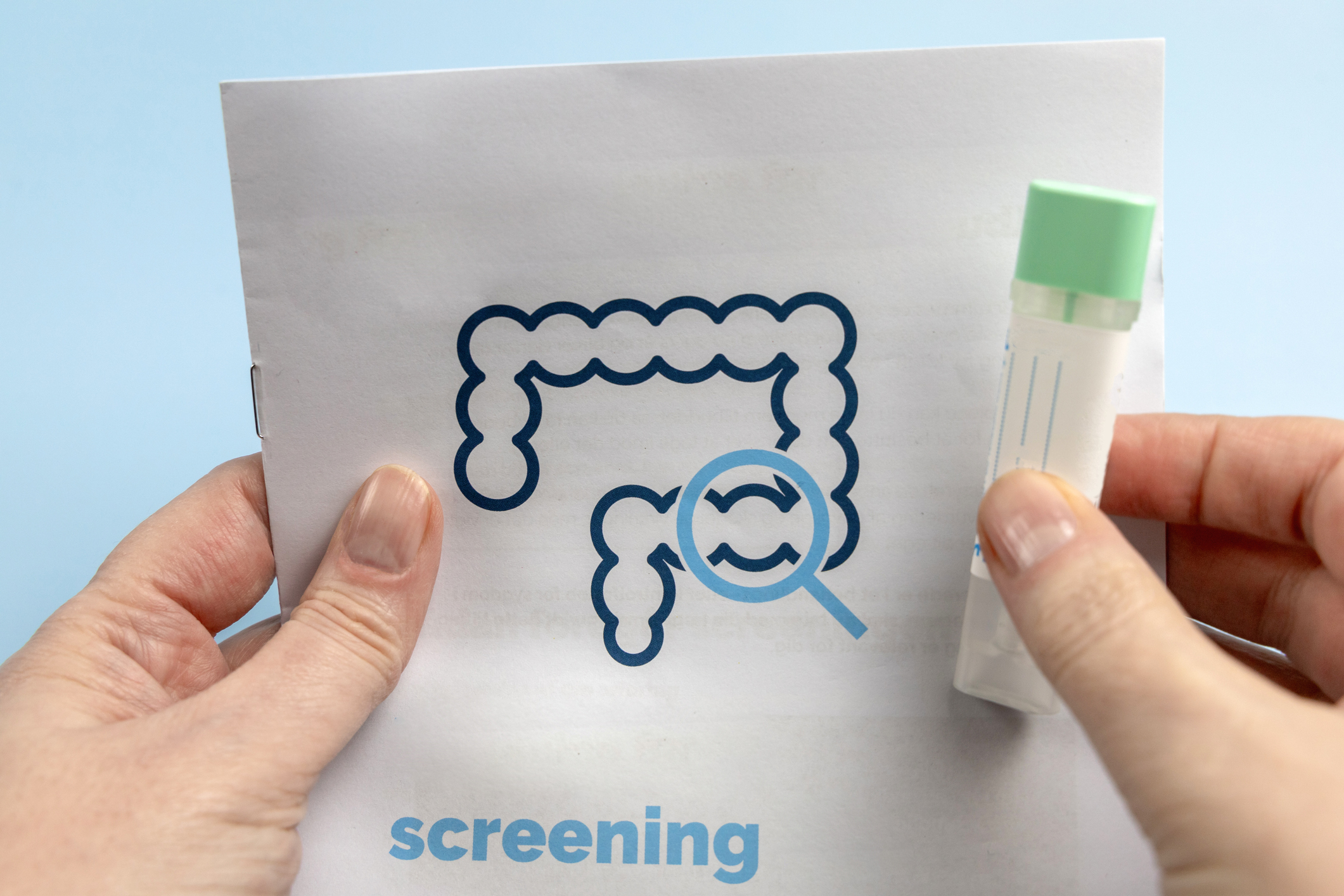
Rectal cancer screening test for home use and lab deliveryThe American Cancer Society (ACS) recently updated its colorectal cancer screening guidelines, introducing major changes to blood-based and at-home stool testing.

According to the ACS, the updated guidelines reaffirm that screening in average-risk adults begins at age 45 and continues through age 75 for those with a life expectancy greater than 10 years. Key changes in these guidelines include the introduction of new screening technologies and a focus on improving access and adherence to screening.

While the ACS recognizes colonoscopy as the gold standard for colorectal cancer screening, it also encourages the use of additional, acceptable screening, including:

  • The next generation-ng-mt-sDNA test, a stool test taken at home
  • A mt-sRNA test, a stool test taken at home
  • Blood-based test options, taken in a doctor’s office (It is important to note that blood tests have been found to be less effective in detecting stage I cancers and advanced precancerous lesions.)

The American Cancer Society emphasizes, all positive results of non-colonoscopy tests must be followed up with timely colonoscopy screening.  Acting quickly can help your doctor rule out or confirm colorectal cancer, potentially lowering the risks associated with the advanced stages of the disease.

Colorectal cancer is among the leading causes of cancer-related deaths in the United States. The ACS estimates that over 158,000 people living in the U.S. will be diagnosed with colorectal cancer in 2026. Colorectal cancer is expected to cause about 55,000 deaths this year. Regular screenings can prevent up to 60% of colorectal cancer deaths.

Despite having this knowledge, many people are not getting screened. The ACS reports that 1 in 3 eligible adults are not up to date with screening, and more than 20 million eligible Americans have never been screened.

“By offering more screening tools in our guideline update, more eligible adults will be able to participate in lifesaving colorectal cancer testing, helping to close the screening gap and catch more cancers at an earlier, treatable stage,” states the ACS.

If you are interested in learning more about colorectal cancer screening and your eligibility, speak with your doctor. To schedule an appointment with a doctor at Jamaica Hospital Medical Center, please call 718-206-7001.


All content of this newsletter is intended for general information purposes only and is not intended or implied to be a substitute for professional medical advice, diagnosis or treatment. Please consult a medical professional before adopting any of the suggestions on this page. You must never disregard professional medical advice or delay seeking medical treatment based upon any content of this newsletter. PROMPTLY CONSULT YOUR PHYSICIAN OR CALL 911 IF YOU BELIEVE YOU HAVE A MEDICAL EMERGENCY.

Men’s Health Month- Health Screenings for Men

June is Men’s Health Month. This observance aims to raise awareness about preventable health problems that affect men and boys.  

Statistics show men are less likely than women to seek medical attention when something affects their health. Men are also less likely to have preventative screenings and checkups with their healthcare providers. This is a problem as early detection of a medical condition is the best way to effectively treat and manage it. 

Additionally, avoiding or delaying checkups or screenings could result in a treatable condition becoming severe and/or fatal. 

The U.S. Preventative Services Task Force (USPSTF) publishes a list of recommended, age-specific screening guidelines for men to help them manage their health: 

Screenings guidelines recommended for men ages 18-39 include: 

  • Physical examinations 
  • Blood pressure screenings 
  • Cholesterol screenings 
  • Colon cancer screenings 
  • Dental examinations 
  • Prediabetes and type 2 diabetes screenings 
  • Eye examinations 
  • Immunizations  
  • Skin examinations 
  • Infectious disease screenings 

Screenings guidelines recommended for men ages 40-64 include: 

  • Physical examinations 
  • Blood pressure screenings 
  • Cholesterol screenings 
  • Colorectal cancer screenings 
  • Prostate cancer screenings 
  • Osteoporosis screening 
  • Lung cancer screening 
  • Infectious disease screening 
  • Immunizations 
  • Eye examinations 
  • Dental examinations 
  • Skin examinations 

It is important to visit your healthcare providers regularly, even if you are feeling healthy. These visits can help: 

  • Screen for any medical issues 
  • Encourage a healthy lifestyle 
  • Assess your risk for any future medical problems 
  • Update vaccinations and other preventative care services 
  • Help you get to know your healthcare provider in case of an illness 

If you are experiencing any medical problems or would like to receive health screenings, you can schedule an appointment at Jamaica Hospital Medical Center’s Ambulatory Care Center, by calling (718) 206-7001. 

All content of this newsletter is intended for general information purposes only and is not intended or implied to be a substitute for professional medical advice, diagnosis or treatment. Please consult a medical professional before adopting any of the suggestions on this page. You must never disregard professional medical advice or delay seeking medical treatment based upon any content of this newsletter. PROMPTLY CONSULT YOUR PHYSICIAN OR CALL 911 IF YOU BELIEVE YOU HAVE A MEDICAL EMERGENCY.

Ebola Disease

Ebola disease is a rare and severe illness that can be fatal if it isn’t immediately treated. Ebola disease is caused by a group of viruses known as orthoebolaviruses, which are primarily found in sub-Saharan Africa. They include: 

  • Ebola virus (EBOV), which causes Ebola virus disease 
  • Sudan virus (SUDV), which causes Sudan virus disease 
  • Bundibugyo virus (BDBV), which causes Bundibugyo virus disease 

Orthoebolaviruses can cause serious and often deadly diseases, with a mortality rate as high as 80-90 percent.  

Ebola doesn’t spread the same way as other respiratory viruses, such as the flu and COVID. You cannot get it from being near someone. 

People can get infected with Ebola disease in two ways: 

  • Through direct contact with the blood or bodily fluids of a person who has been infected or has died from the disease 
  • Through direct contact with objects or surfaces that have been contaminated with bodily fluids from a person sick with the disease  

People can’t transmit the disease before they have symptoms. However, they will remain infectious as long as their blood contains the virus.  

The incubation period from infection to the onset of symptoms varies from two to 21 days. However, symptoms begin eight to ten days after exposure to the virus.  

The symptoms of Ebola disease can be “dry” in the early stages of the illness and become “wet” as the illness progresses. Dry Ebola disease symptoms include: 

  • Fever 
  • Aches 
  • Pains 
  • Fatigue 
  • Sore throat 

Wet Ebola disease symptoms include: 

  • Diarrhea 
  • Vomiting 
  • Unexplained bleeding 
  • Loss of appetite 

If you live in or are traveling to regions where Ebola disease has been diagnosed, or is suspected, it is important to take steps to protect yourself, such as: 

  • Avoiding direct contact with the bodily fluids of people who are sick, which include their blood, urine, feces, saliva, sweat, vomit, breast milk, amniotic fluid, semen, and vaginal fluid 
  • Avoiding direct contact with items that have touched an infected person’s blood or bodily fluids, such as their clothes, bedding, needles, medical equipment, or any other items that may be contaminated 
  • Avoiding direct contact with the body of someone who was suspected or confirmed to have had Ebola disease, such as part of any funeral or burial practices 
  • Avoiding the blood, fluids, or raw meat from bats, forest antelopes, primates, or unknown animals 
  • Wearing personal protective equipment (PPE) if you encounter people who are sick or have died from Ebola disease, their blood and bodily fluids, or objects contaminated with their blood or bodily fluids  
  • Monitoring your health for 21 days after returning from an area with an ongoing Ebola disease outbreak. It is important to get medical care immediately if you develop symptoms of Ebola disease 

Healthcare providers can diagnose Ebola disease in people who are alive by ordering a polymerase chain reaction (PCR) blood test. They can also perform blood tests for orthoebulavirus antibodies to determine whether a patient recently had Ebola.  

The U.S. Food and Drug Administration (FDA) approved Ervebo, a vaccine that prevents Ebola disease in 2019, and two treatments, Inmazeb and Ebanga, to treat an Ebola disease infection in adults and children in 2020.  

Additionally, other treatments such as fluids and electrolytes administered by mouth or intravenously, medicine to support blood pressure, reduce vomiting and diarrhea, to manage fever and pain, and treatment for other infections give patients a better chance of surviving an Ebola disease infection.  

If you or a loved one is experiencing symptoms of Ebola disease, immediately call your local health department or the nearest hospital emergency room, before visiting in person. 

All content of this newsletter is intended for general information purposes only and is not intended or implied to be a substitute for professional medical advice, diagnosis or treatment. Please consult a medical professional before adopting any of the suggestions on this page. You must never disregard professional medical advice or delay seeking medical treatment based upon any content of this newsletter. PROMPTLY CONSULT YOUR PHYSICIAN OR CALL 911 IF YOU BELIEVE YOU HAVE A MEDICAL EMERGENCY.

Summer Recipe: Fish Tacos

Summer weather has arrived, and it means we will be looking for ways to cool off. Here is a delectable recipe for fish tacos that are light and refreshing and will make you feel like you’re eating at a beachside restaurant.  

Fish Tacos Recipe | Aida Mollenkamp | Food Network

All content of this newsletter is intended for general information purposes only and is not intended or implied to be a substitute for professional medical advice, diagnosis or treatment. Please consult a medical professional before adopting any of the suggestions on this page. You must never disregard professional medical advice or delay seeking medical treatment based upon any content of this newsletter. PROMPTLY CONSULT YOUR PHYSICIAN OR CALL 911 IF YOU BELIEVE YOU HAVE A MEDICAL EMERGENCY.