
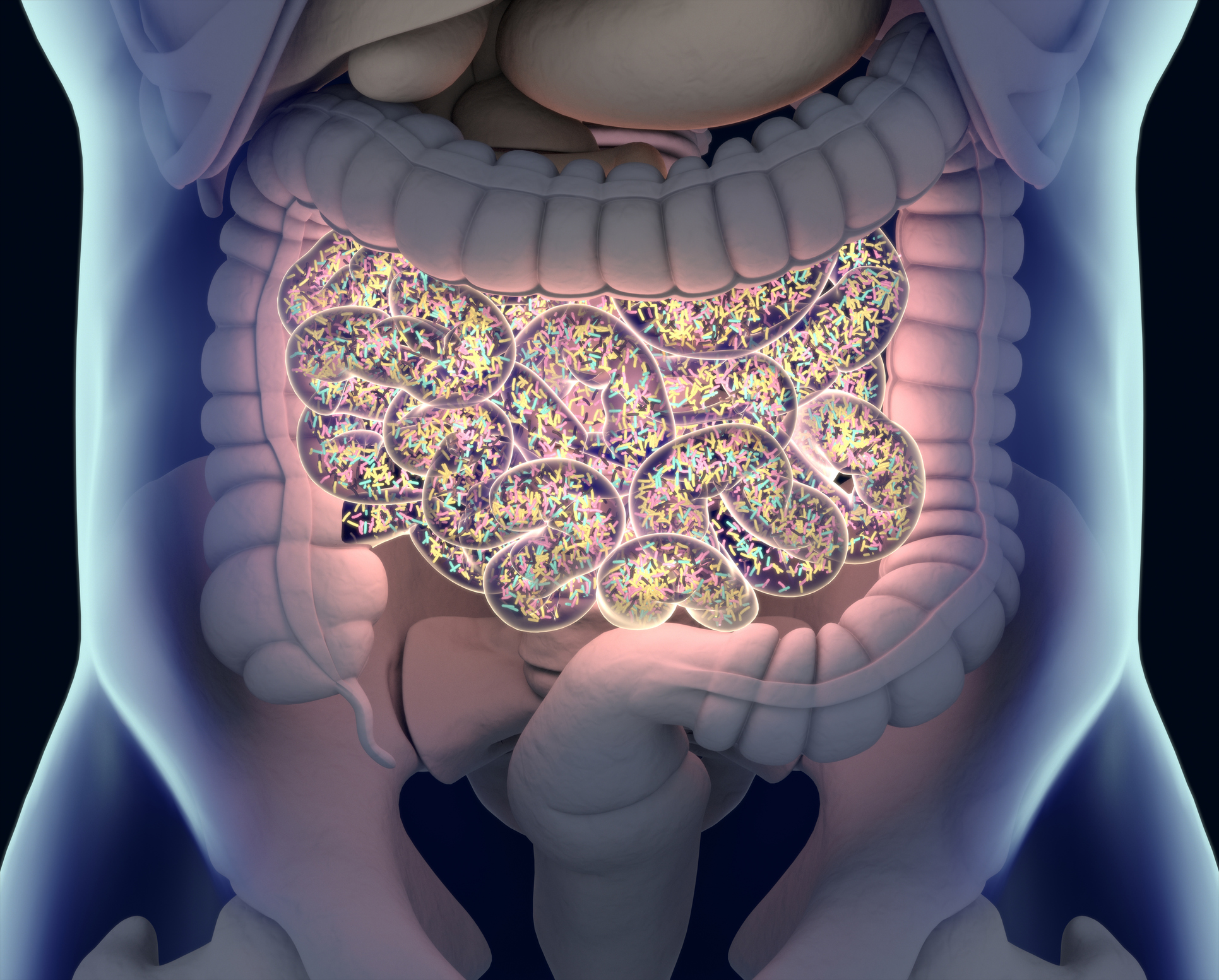
 There are trillions of beneficial bacteria living in your gut, or gut microbiome, that are essential to your health and well-being. The gut microbiome plays an important role in strengthening your immune system and regulating daily bodily functions, including hunger signals and mood fluctuations.
The gut contains 95 percent of the feel-good hormone, serotonin, which means what you eat can impact your ability to respond to stress, reduce anxiety, and help the body fight off germs, viruses, and bacteria that could make you sick.
When you have an unhealthy gut, it can cause several diseases and conditions, including:
- Inflammatory bowel disease
- Obesity
- Small intestinal bacterial overgrowth
- Insulin resistance and other endocrine disorders
- Mental health conditions and neurological disorders
- Asthma
- Various cancers
There can be several signs of an unhealthy and imbalanced gut, including:
- Intolerance to certain foods
- A frequent upset stomach
- Intense cravings
- Skin irritations
- Autoimmune disorders
- Intense cravings
- Migraines and frequent headaches
- Difficulty sleeping or excessive fatigue
- Irritability or other mood changes
- Changes in bathroom habits
The most direct and effective way to improve your gut health is through your diet by getting enough dietary fiber. Dietary fiber is the key nutrient for maintaining the diversity of gut microbiota. Having low gut microbiota diversity is associated with many chronic inflammatory diseases, such as:
- Obesity
- Diabetes
- Irritable bowel disease (IBD)
Several foods are high in fiber, including:
- Fruits
- Vegetables
- Nuts
- Whole grains, such as:
- Barley
- Bran
- Quinoa
- Oatmeal
- Brown rice
- Seeds
- Legumes, including peas, beans, and lentils
Other recommendations for improved gut health include:
- Increasing consumption of whole foods by adopting the Mediterranean diet
- Limiting processed foods
- Eating smaller meals
- Eating more slowly and chewing food thoroughly
- Managing stress
- Exercising more
- Setting a gut bedtime
Gut health can also be improved by taking probiotics and prebiotics.
Probiotics are “good” bacteria and other microorganisms that reside in the gut and are believed to support a healthy immune system and good digestion. Probiotics can be found in fermented foods, including:
- Yogurt
- Kefir
- Sauerkraut
- Kombucha
- Pickles that are salt-based
- Tempeh
- Kimchi
- Miso
Prebiotics are dietary fibers that probiotics feed on. They can be found in several high-fiber foods, including:
- Leeks
- Asparagus
- Garlic
- Onions
- Bananas
- Chicory root
The Academy of Nutrition and Dietetics recommends that women aim for 25 grams of fiber per day and men for 38 grams per day.
If you would like to improve your gut health and balance your gut microbiome, you can consult a physician by visiting Flushing Hospital Medical Center’s Ambulatory Care Center. To schedule an appointment, please call (718) 670-5486.
 Follow
All content of this newsletter is intended for general information purposes only and is not intended or implied to be a substitute for professional medical advice, diagnosis or treatment. Please consult a medical professional before adopting any of the suggestions on this page. You must never disregard professional medical advice or delay seeking medical treatment based upon any content of this newsletter. PROMPTLY CONSULT YOUR PHYSICIAN OR CALL 911 IF YOU BELIEVE YOU HAVE A MEDICAL EMERGENCY.