
 Reports of a cyclosporiasis outbreak in multiple states have been making headlines. Thousands of cases have been reported. The Centers for Disease Control and Prevention (CDC) is currently investigating the outbreak to determine the source of the illness.
What is cyclosporiasis?
According to the CDC, cyclosporiasis is an intestinal illness caused by the microscopic parasite Cyclospora cayetanensis, also known as Cyclospora.
Cyclosporiasis occurs more commonly in tropical or subtropical regions of the world, particularly in places where sanitation and water treatment may be limited. The parasite that causes the illness is endemic in parts of Central and South America, South and Southeast Asia, and some areas of the Middle East and Africa.
Cyclosporiasis is typically uncommon in the United States when compared to other foodborne illnesses caused by germs such as Salmonella. Though uncommon, outbreaks can happen, especially during the spring and summer months.
Outbreaks in the past have been linked to domestic and imported fresh produce (especially those eaten raw), including raspberries, pre-washed bagged green salad mixes, snow peas, cilantro, and basil.
What are the signs and symptoms of cyclosporiasis?
The CDC shares that the main symptom of cyclosporiasis is loud, watery (explosive) diarrhea. Other symptoms can include:
- Severe stomach cramps
- Nausea
- Vomiting
- Bloating
- Increased gas
- Loss of appetite
- Weight loss
- Low-grade fever
- Prolonged fatigue
- Body aches
These symptoms can appear after the incubation period, which, according to the CDC, can be 2 to 14 days. The incubation period is the time between ingesting the Cyclospora cayetanensis parasite and the onset of symptoms.
How does cyclosporiasis spread?
Transmission occurs through the fecal-oral route. Individuals become infected by ingesting contaminated food or water. Contamination frequently occurs when water supplies are tainted by fecal matter or when unwashed hands spread the parasite during food preparation.
Cyclosporiasis Prevention
The CDC reports that the best way to prevent infection is to avoid food or water that may be contaminated with stool. You can reduce the risk of exposure by following food and vegetable handling recommendations, such as:
- Washing your hands with soap and water before and after handling or preparing raw fruits and vegetables
- Washing all raw fruits and vegetables thoroughly before eating or preparing
- Washing produce that has been labeled as prewashed
- Thoroughly cleaning all food preparation surfaces and utensils with hot water and soap, or cleaning solutions
- Scrubbing firm fruits and vegetables, such as watermelons, with a clean produce brush
- Cutting away bruised and damaged sections of fruits and vegetables before preparing or eating
- Cooking produce to a temperature of at least 158 °F (70°C)
- Refrigerating cut, peeled, or cooked fruits and vegetables within two hours.
- When eating out, drink only sealed or bottled water and avoid tap water, or ice made from tap water
- Avoid eating raw fruits and vegetables that you have not prepared
When to see a doctor
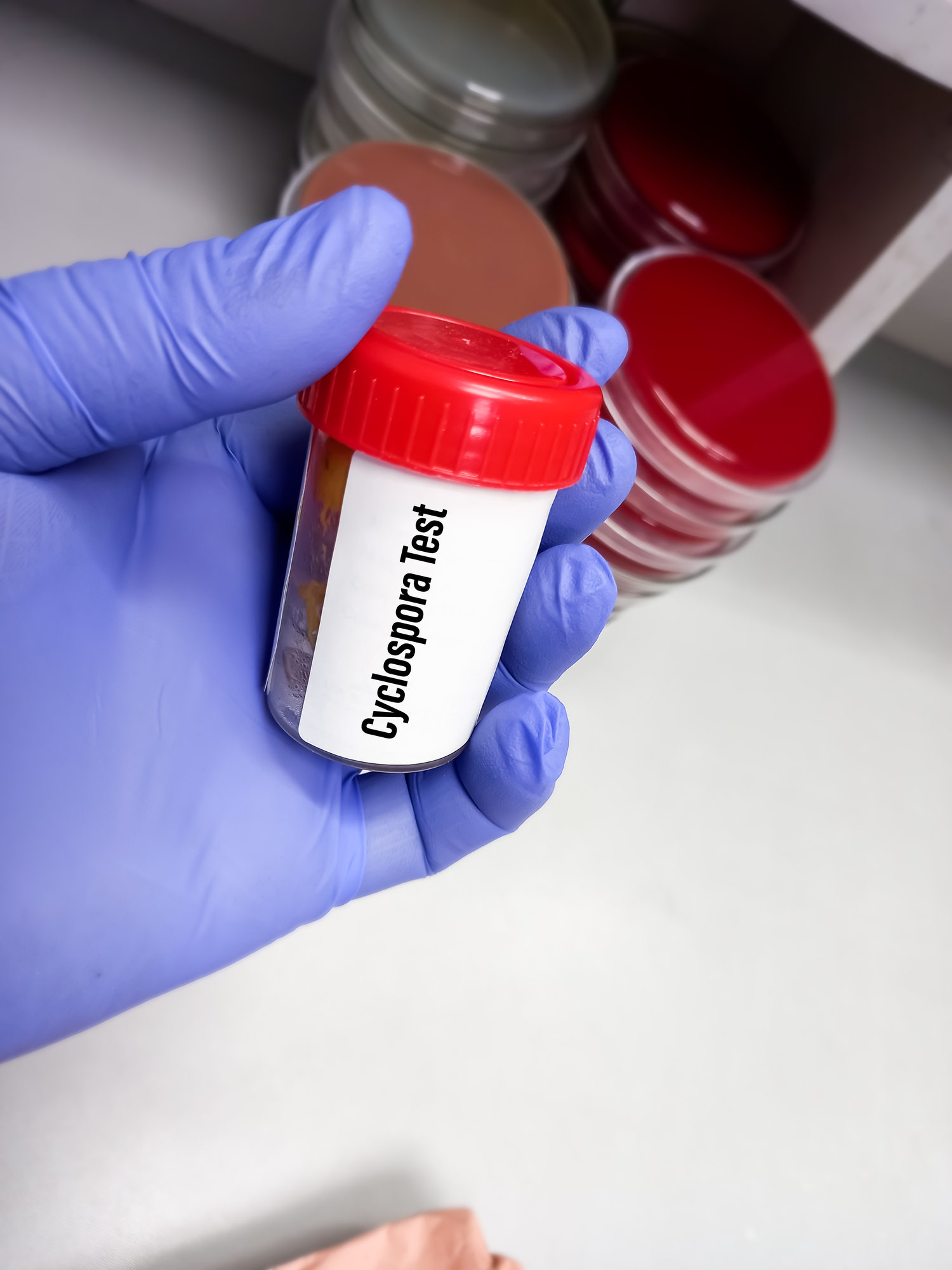
You should see your doctor right away if you are experiencing symptoms, especially several bouts of watery diarrhea each day. Your doctor can diagnose cyclosporiasis by ordering a stool test. Treatment for the infection is antibiotics. Your healthcare provider will also encourage you to drink plenty of fluids and to stay home if you feel sick.
To schedule an appointment with a doctor at Jamaica Hospital Medical Center, please call 718-206-7001.
 Follow
All content of this newsletter is intended for general information purposes only and is not intended or implied to be a substitute for professional medical advice, diagnosis or treatment. Please consult a medical professional before adopting any of the suggestions on this page. You must never disregard professional medical advice or delay seeking medical treatment based upon any content of this newsletter. PROMPTLY CONSULT YOUR PHYSICIAN OR CALL 911 IF YOU BELIEVE YOU HAVE A MEDICAL EMERGENCY.