Black Maternal Health Week: ElevateHer, Centering Pregnancy, and Heartwise

Black Maternal Health Week takes place annually from April 11th to April 17th 

Founded and led by the Black Mamas Matter Alliance, this week-long campaign aims to build awareness, activism, and community-building to amplify the voices, perspectives, and lived experiences of Black mothers and birthing people.  

Black Maternal Health Week highlights the importance of addressing the inequities of maternal and infant health.  

According to data from the New York City Health Department, Black non-Hispanic women are about five times more likely to die from a pregnancy-associated cause than white non-Hispanic women.  

This is due to the unfortunate number of disparities and challenges women in minority populations, such as Black women, may face pertaining to accessing prenatal care, including transportation issues, low socioeconomic status, lack of insurance, low education levels, and disparities in rural and urban healthcare access.  

Jamaica Hospital Medical Center has three services to address these disparities: ElevateHer, Centering Pregnancy, and Heartwise.  

ElevateHer is a comprehensive pregnancy program designed to support women throughout their pregnancy and postpartum journey. By taking a “whole person” approach, the program ensures that the health and well-being of the mother and baby are addressed. The program focuses on the health literacy of expectant and postpartum mothers by providing comprehensive, integrative healthcare education.  

Heartwise care is an example of comprehensive integrative care, as it is designed to raise awareness of the heightened risks of cardiovascular disease related to pregnancy complications.  

Cardiovascular disease (CVD) is the leading cause of death in women in the U.S. It is also the leading cause of pregnancy-related deaths in the U.S., which accounts for about 26.5% of such deaths. Approximately 1 in 3 pregnancy-related deaths are due to cardiovascular problems, with higher risks observed in Black women compared to their Hispanic or White counterparts.   

Conditions, such as preterm delivery, hypertension, diabetes, etc., can increase the risk of cardiovascular disease by two to four times later in life. To combat this, the ElevateHer program partners with Jamaica Hospital’s award-winning cardiology department for patients to have the appropriate follow-ups in group settings. 

In addition to ElevateHer and Heartwise, the Centering Pregnancy program, an innovative prenatal model, is designed to promote the overall health and well-being of mother and baby. 

Unlike traditional one-on-one prenatal visits, this approach incorporates small group sessions to receive medical care, education, and emotional support, to foster meaningful relationships between participants and clinicians. 

After an initial private visit with a provider, participants in the centering pregnancy program, all of whom are in similar stages of their pregnancy, meet in a small group setting for their prenatal appointments, where participants share with and learn from each other during their pregnancy. Each of the ten-centering prenatal care group sessions is approximately 90 minutes long. This group dynamic gives each of the participants the advantage of having more time with their provider. 

At the beginning of the session, our facilitator will guide each patient to get weighed, have their blood pressure checked, and record their values for the provider to review. The provider will listen to the baby’s heartbeat and review the pertinent patient-specific information. After this information is collected, the 8-12 participants will form a circle and begin the fun and interactive educational session. 

If you would like to learn more about these services, you can schedule an appointment with an OB/GYN at Jamaica Hospital Medical Center’s Women’s Health Center. To learn more, please call (718) 291-3276. 


All content of this newsletter is intended for general information purposes only and is not intended or implied to be a substitute for professional medical advice, diagnosis or treatment. Please consult a medical professional before adopting any of the suggestions on this page. You must never disregard professional medical advice or delay seeking medical treatment based upon any content of this newsletter. PROMPTLY CONSULT YOUR PHYSICIAN OR CALL 911 IF YOU BELIEVE YOU HAVE A MEDICAL EMERGENCY.

Why Spring is A Good Time to Rebuild Healthy Routines

Spring has finally arrived, and with it comes warm weather, blooming flowers and trees, and longer days. It is a time for renewal and rejuvenation, and as we thaw out from winter, we may realize that spending most of our time indoors has caused us to fall into sedentary habits, such as binging comfort foods, not exercising, and other sluggish routines.  

However, spring is the perfect time to refresh your health goals, rebuild healthy routines, and establish new habits. Here are some ways you can reset for the season: 

Spring cleaning usually relates to deep cleaning our homes and decluttering our closets. However, it can also be a great way to reset your mindset. A clutter-free environment can help encourage mental clarity, productivity, and relaxation. You can start spring cleaning by organizing your workspaces, donating unused clothes and items, and deep-cleaning busy areas to create a space that feels new and cheerful. You can also declutter any digital spaces, such as emails, phone apps, and limit screen time, which can promote a more mindful relationship with technology. 

Warmer temperatures and longer daylight hours make springtime the perfect time to take advantage of the sun. It allows us to enjoy its benefits, as it can boost our mood and energy. The spring sun recharges us with the vitamin D we were lacking after a cold and dreary winter. The sun also helps regulate circadian rhythms, which improves sleep and overall well-being. Even taking a short daily walk during the daytime can increase mental clarity and reduce stress. It is important to note that you should put on sunscreen, wear sunglasses, wide-brimmed hats, and garments with long sleeves and pants while outside to help prevent skin cancer.  

Spring is a great time to assess your work-life balance and make the necessary adjustments that support your well-being. If you suffered from seasonal affective disorder or felt burnt out during winter, spring is an opportunity to rebalance work and life for less stress. Prioritize self-care and set boundaries. Make time for activities that bring you joy and happiness, such as engaging in your favorite hobbies, socializing with friends, or spending time with family. It is also important to schedule breaks, time outdoors, and moments of relaxation. A healthy work-life balance can increase mental clarity, motivation, and happiness, which can help you enter spring with restored energy and focus. 

Warm spring weather provides the perfect temperature to move your workout outdoors. The standard minimum recommended time for moderate-intensity physical activity is 150 minutes per week. Whether it’s a morning jog, yoga in the park, evening walks, or gardening, it will do as long as your muscles are activated, and you do it consistently. Exercising in the sunshine adds a mood-enhancing benefit, as being amongst nature helps reduce cortisol levels, which improves heart health.    

The longer days of spring may also benefit sleep health. The natural light of the sun during the day helps regulate the body’s melatonin production and improve your sleep quality and energy levels. Create a relaxing evening routine by winding down with calming activities such as reading, meditating, or gentle stretching. Try to avoid consuming caffeine or heavy meals late in the evening, as they can disrupt restfulness.  

Spring is the time for new beginnings, which makes it an excellent time to focus on mental wellness. Mindfulness practices, such as meditation, deep breathing, or journaling, can help decrease stress and gain clarity. Take a few minutes each day to practice gratitude, as it can change your mindset and improve your emotional well-being. Think about establishing seasonal goals that fit your values, whether it is improving your fitness, learning a new skill or language, or creating more balance in your life. Connecting with nature, practicing self-reflection, and letting go of old habits can refresh your outlook, which can help you feel more grounded and at peace. 

This season of renewal is a great time to make dietary changes. Trade in heavy, processed foods for seasonal fruits, vegetables, and lighter meals that support digestion and energy. Focus on eating foods that are rich in nutrients, such as berries, leafy greens, citrus fruits, and lean proteins. It is also important to hydrate. Increase your water intake and try drinking herbal teas or lemon water to support natural detoxification. Evaluate your eating habits and identify areas where there can be improvement. Decrease your consumption of excess sugar, refined carbs, and artificial additives. Replace them with foods that are rich in fiber, healthy fats, and lean proteins. Add more fermented foods such as yogurt and kimchi, as they can also promote gut health, boost digestion, and immunity. 

Spring can be a seasonal reset, as it allows you to feel more energized, balanced, and refreshed. Incremental changes such as spending more time outdoors, improving your diet, prioritizing rest, and tidying up your space can make a major impact on both your physical and mental well-being. Embracing renewal and positive habits can help you enter spring rejuvenated, filled with happiness, vitality, and personal growth. 


All content of this newsletter is intended for general information purposes only and is not intended or implied to be a substitute for professional medical advice, diagnosis or treatment. Please consult a medical professional before adopting any of the suggestions on this page. You must never disregard professional medical advice or delay seeking medical treatment based upon any content of this newsletter. PROMPTLY CONSULT YOUR PHYSICIAN OR CALL 911 IF YOU BELIEVE YOU HAVE A MEDICAL EMERGENCY.

Integrative Health: Acupuncture

Integrative health combines modern and holistic medicines that can help prevent the onset of disease, address existing chronic conditions, and promote healing in patients.

This approach places the patient at the center of a treatment plan, considering the physical, emotional, and social needs of that individual.

Treatment plans may also include the use of conventional medicine, such as prescriptions, to manage chronic health conditions, as well as therapies and practices, such as acupuncture.

Acupuncture is a technique in which practitioners insert fine needles into the skin to treat health problems. The needles can be manually manipulated or stimulated with small electrical currents, which is called electroacupuncture.

Originating from traditional Chinese medicine, acupuncture has been in use in some form for at least 2,500 years, gaining worldwide popularity since the 1970s.

According to the World Health Organization (WHO), acupuncture is used as a therapeutic technique in 103 out of 129 countries that reported data.

Data from the National Health Interview Survey showed that the use of acupuncture by adults in the U.S. more than doubled between 2002 and 2022. In 2002, 1% of adults in the U.S. used acupuncture. In 2022, that percentage rose to 2.2%.

National survey data suggest that acupuncture is most used for back, joint, and neck pain in the U.S.

It isn’t fully understood how acupuncture works. However, there is evidence that shows that acupuncture may have effects on the central nervous system, effects on other body tissues, and placebo effects.

Studies done in animals and humans, including studies using imaging procedures to see what is happening in the brain, have shown that acupuncture may affect nervous system function.

Acupuncture may have direct effects on the tissues where the needles have been inserted, which has been seen in connective tissue.

Research has shown that acupuncture may be beneficial for several pain conditions, including knee pain resulting from osteoarthritis and postoperative pain. Acupuncture may also help relieve joint pain associated with the use of aromatase inhibitors, which are drugs used in people diagnosed with breast cancer.

An analysis of data from 20 studies (6,376 participants) of people with painful conditions (back pain, osteoarthritis, neck pain, or headaches) showed that the beneficial effects of acupuncture continued for a year after the end of treatment for all conditions except neck pain.

Acupuncture doesn’t only treat painful conditions. It has also been studied for at least 50 other health problems. There is evidence that indicates acupuncture may help relieve seasonal allergy symptoms, stress incontinence in women, and nausea and vomiting associated with cancer treatment, and may also help relieve symptoms and improve the quality of life in people with asthma, but it has not been shown to improve lung function.

Auricular acupuncture is a type of acupuncture that involves stimulating specific areas of the ear. Research on auricular acupuncture for chronic back pain and cancer pain has had promising results.

Relatively few complications from using acupuncture have been reported. However, complications have resulted from the use of nonsterile needles and improper delivery of treatments. When not delivered properly, acupuncture can cause serious adverse effects, including infections, punctured organs, and injury to the central nervous system.

The U.S. Food and Drug Administration (FDA) regulates acupuncture needles as medical devices and requires that they be sterile and labeled for single use only.

If you are interested in learning more about any of our integrative health services, events, or classes, or would like to schedule an appointment, please call us at (718) 206-5675.

All content of this newsletter is intended for general information purposes only and is not intended or implied to be a substitute for professional medical advice, diagnosis or treatment. Please consult a medical professional before adopting any of the suggestions on this page. You must never disregard professional medical advice or delay seeking medical treatment based upon any content of this newsletter. PROMPTLY CONSULT YOUR PHYSICIAN OR CALL 911 IF YOU BELIEVE YOU HAVE A MEDICAL EMERGENCY.

National Eating Disorder Awareness Week

National Eating Disorder Awareness Week (NEDAW) takes place February 23rd – March 1st. NEDAW raises awareness about eating disorders, challenges stigma, and provides hope and support to all who have been impacted by these conditions.  

Eating disorders are serious mental health conditions that can cause unhealthy relationships with how a person thinks about food, eating, weight, and how they see themselves. If eating disorders aren’t treated effectively, they can become long-term problems and can be fatal in some cases.   

Eating disorders are common. According to the National Eating Disorder Association (NEDA), studies show that 28.8 million people in the U.S. will have an eating disorder in their lifetime. 

There are several types of eating disorders. They include: 

  • Anorexia nervosa restricts food and/or caloric intake, and creates a fear of gaining weight and a distorted self-image 
  • Bulimia nervosa causes a person to binge or eat large amounts of food in a short amount of time, or believe that the food intake was large, which is followed by purging the food by vomiting or with the use of laxatives, or excessive exercise 
  • Avoidant/restrictive food intake disorder (ARFID) limits the amount or type of food eaten for reasons unrelated to a distorted self-image or an attempt to lose weight 
  • Binge eating disorder causes a person to eat or think there is a large amount of food in a short time, followed by feelings of shame, regret, guilt, or depression 
  • Pica causes a person to compulsively swallow non-food items, such as chalk, dirt, or paint 
  • Rumination disorder causes undigested food to return to a person’s mouth after swallowing it. Food is then rechewed, re-swallowed, or spit out 

It may be difficult to spot an eating disorder in a loved one, as they can often mimic some dietary or lifestyle changes. What’s more, you may not be able to tell if someone is suffering from an eating disorder by looking at them. Eating disorders have several signs and symptoms, including: 

  • Mood swings 
  • Fatigue 
  • Fainting or dizziness 
  • Thinning hair or hair loss 
  • Unexplained weight changes or drastic weight loss 
  • Unusual sweating or hot flashes 

Behavioral symptoms of eating disorders include: 

  • Restrictive eating 
  • Eating a lot of food in a short amount of time 
  • Avoiding certain foods 
  • Forced vomiting after meals or misuse of laxatives 
  • Compulsive exercising after meals 
  • Frequent bathroom breaks after eating 
  • Withdrawing from friends or social activities 
  • Hiding food or throwing it away 
  • Food rituals, such as chewing food longer than necessary or eating in secret 

These symptoms look and feel different for each person and vary depending on the type of eating disorder they have, and can affect their health, emotions, and ability to function in important areas of life 

If a person has an eating disorder, they may experience several feelings, including: 

  • Food is their enemy, or it can harm them 
  • They did something wrong or shameful after they ate food 
  • They aren’t the correct weight or body size 
  • They are perceived negatively by other people 
  • They are “failing” if they don’t meet certain food or weight requirements 
  • What and how they eat is the only thing they can control in their life 
  • They don’t want to spend time with others due to the fear of being judged 

There isn’t an exact known cause for eating disorders. However, research has suggested that several factors can lead to a person developing an eating disorder, including: 

  • Genetics 
  • Brain biology 
  • Underlying mental health conditions 
  • Cultural and social ideals 

Eating disorders can be developed by anyone at any age but are most common among adolescents and teenagers. A person may be at increased risk of developing an eating disorder if they: 

  • Have a history of eating disorders or other mental health conditions in their biological family 
  • Have an underlying mental health condition such as anxiety, depression, or obsessive-compulsive disorder (OCD) 
  • Experienced a physical, emotional, or sexual trauma 
  • Participate in activities where their weight or body size is a factor, such as swimming, gymnastics, or wrestling 
  • Have gone through a major change, such as starting a new school or job, a divorce, or a move 
  • Have type 1 diabetes. Studies have found that up to 25% of women with type 1 diabetes develop an eating disorder 
  • Has a driven personality and is a perfectionist 

Untreated eating disorders can cause a person to have several serious health complications, as severely restricting calories, vomiting, or extreme exercise can take a toll on their physical health. Complications include: 

  • Arrhythmia, heart failure, and other heart problems 
  • Stroke  
  • Gastrointestinal problems 
  • Acid reflux 
  • Low blood pressure 
  • Osteoporosis 
  • Organ failure and brain damage 
  • Severe dehydration and constipation 
  • Stopped menstrual cycles 
  • Tooth damage 

A healthcare provider may diagnose a person’s eating disorder by reviewing their symptoms, performing a physical exam, and ordering imaging, blood, or urine tests.  

A mental health professional, such as a psychologist or psychiatrist, can also diagnose an eating disorder by conducting a psychological evaluation to learn more about a person’s eating behaviors and beliefs. They will use the American Psychiatric Association’s Diagnostic and Statistical Manual of Mental Disorders, Fifth Edition (DSM-5-TR) to make a diagnosis. The DSM-5-TR outlines symptoms for each type of eating disorder. 

Treatments for eating disorders can vary by type, but they can include: 

  • Psychotherapy, such as cognitive behavioral therapy (CBT) 
  • Medications such as antidepressants, antipsychotics, or other medications 
  • Nutrition counseling from a registered dietitian 

As a mental health condition, your feelings about food or your body image may put you at risk of suicide or suicidal thoughts. If at any time you feel overwhelmed or need someone to talk to, call or text 988 to reach the Suicide and Crisis Lifeline (U.S.). Someone is available to help you 24/7. 

If you or a loved one is experiencing symptoms of an eating disorder and needs the assistance and support of a mental health professional at Jamaica Hospital Medical Center, please call 718-206-5575 to schedule an appointment. Call 911 if there is an emergency. 

All content of this newsletter is intended for general information purposes only and is not intended or implied to be a substitute for professional medical advice, diagnosis or treatment. Please consult a medical professional before adopting any of the suggestions on this page. You must never disregard professional medical advice or delay seeking medical treatment based upon any content of this newsletter. PROMPTLY CONSULT YOUR PHYSICIAN OR CALL 911 IF YOU BELIEVE YOU HAVE A MEDICAL EMERGENCY.

Do Using Smart Rings Actually Help You Be Healthier?

Recently, technology has brought us fitness trackers and smart watches that can help us track our workouts, daily steps, and even monitor our sleep, stress, heart rate, and blood oxygen levels.  

However, smart rings have become another way to track our health, and can be used to monitor movement, body temperature, sleep, heart rate, stress, as well as menstrual cycles. 

Unlike smartwatches, smart rings don’t have screens to view these health metrics. Instead, they use a Bluetooth connection to send health data to your smartphone.  

When a smart ring detects a person’s cardiovascular health, it uses infrared photoplethysmography technology (PPG), which uses a light source and a photodetector on the surface of the skin to measure the variations in blood circulation. These variations can estimate heart rate variability, blood oxygen saturation, blood pressure, and artery stiffness.  

Out of the different sensors a smart ring has, the PPG is the most studied one due to its proposed accuracy in tracking heart rate and monitoring overall cardiovascular health. However, most studies note that they are significantly less accurate than medical-grade technology.  

According to the National Library of Medicine, in a study with 35 healthy individuals, researchers compared the heart rate and heart variability measured by a smart ring with an ECG during the night. Results showed that some health parameters matched the medical-grade measurement, but most were inaccurate. 

To monitor body temperature, smart rings use a sensor called a thermistor, which estimates body temperature based on a person’s skin temperature. Smart rings also use this feature to assess stress levels and identify other bodily issues. However, a systematic review of the sensors and functionalities of wearable health technology, like a smart ring, indicates that these devices may not accurately indicate a person’s core body temperature, as researchers point out that a person’s skin temperature is a few degrees Fahrenheit lower than their body’s temperature.  

What’s more, researchers emphasize that a person’s skin temperature fluctuates based on environmental conditions. When considering these two factors, it may be assumed that the thermistor sensor won’t be accurate. 

Companies that produce smart rings have detailed the use of a variety of sensors to support women’s health. This feature relies mostly on the smart ring’s temperature feature, which they claim to use to track menstrual cycles and fertility windows. 

Numerous studies have examined the accuracy of smart rings, which have produced promising results. According to the National Library of Medicine, in a pilot study with 22 participants, researchers used a smart ring to analyze temperature changes during the menstrual cycle. They discovered that the temperature readings were consistent with oral temperatures that were taken with ambulatory equipment.  

In a separate study with 26 participants, it was found that this study was consistent with the previous study’s findings, demonstrating that smart rings could be a beneficial tool for monitoring menstruation. This study also detected that there was a significant temperature drop around ovulation, highlighting that smart rings could be an additional tool to track fertility. 

Although these results are promising based on limited studies on smart rings, further research is needed as they are not 100% accurate.  

Most of the smart rings on the market combine various metrics such as heart rate, heart rate variability, body temperature, and movement, to estimate a person’s daily stress levels and provide tips to reduce them. 

According to the National Library of Medicine, research suggests that there is a connection between stress and decreased parasympathetic regulation, the regulation that affects heart rate, heart rate variability, and respiratory rate. These are changes that a smart ring could potentially detect.  

Additionally, a study with 525 college students explored this subject further. The study indicated that sleep data from smart rings could help predict stress. Notably, some experts do not consider smart rings as promising as research, as they highlight the negative effect smart rings may have on mental health. The reason is that while smart rings are promoted as a tool to shift lifestyle habits, they may cause the opposite effect, noting that constant monitoring of health metrics can create obsessive behaviors and paranoia about a person’s well-being. It could also be harmful to a person’s self-confidence, as a person may feel like they are not meeting the expectations and goals that a smart ring sets for them. 

Smart rings can perform a sleep analysis by tracking a person’s heart rate, blood oxygen, and sleep cycles. They may also include features, such as a snoring score and a recovery metric that indicates energy levels before a person starts their day.  

Polysomnography (PSG) is used to track sleep, which uses a variety of signals such as brain activity, eye movements, muscle activity, blood pressure, heart rate, and more. Although smart rings are not as accurate as PSG, researchers have been drawn to them due to the smart ring’s potential to monitor a person’s sleep at home comfortably.  

Any current evidence on smart rings for tracking sleep is still very limited and conflicting. While some small studies highlight their potential. However, studies with bigger sample sizes indicate that smart rings can over- or underestimate some sleep parameters. A study in the National Library of Medicine compared the accuracy of several health technology devices on 35 individuals overnight. The study found that a smart ring surpassed the accuracy of smartwatches in various sleep parameters such as wake, light sleep, deep sleep, and REM sleep. 

Smart rings can measure a person’s physical activity with two sensors: an accelerometer that tracks movement and speed, and a gyroscope that helps determine orientation. Smart rings gather data from these motion sensors, as well as the PPG and body temperature trackers, to understand how physical activity affects the body.  

Research is limited in this area; however, a study in the National Library of Medicine focused on the accuracy of smart rings in measuring caloric expenditure and steps. The results indicated that smart rings were far from accurate, causing researchers to note the need to improve these devices, specifically their estimation of energy expenditure. 

Another study on step count was consistent with a study that indicated a smart ring overestimated step count, compared to a medical-grade device to detect motion called ActiGraph. 

A systematic review on wearable tech devices supported the findings of the studies, noting that they may be useful for estimating step count but shouldn’t be trusted to measure calorie expenditure. 

Smart rings and other wearable devices that can track a person’s health can be useful. However, it is important not to use them to self-diagnose conditions. It is important to see a healthcare provider when experiencing any symptoms to professionally diagnose conditions.  

If you are experiencing any medical problems, you can schedule an appointment at Jamaica Hospital Medical Center’s Ambulatory Care Center. Please call (718) 206-7001. 


All content of this newsletter is intended for general information purposes only and is not intended or implied to be a substitute for professional medical advice, diagnosis or treatment. Please consult a medical professional before adopting any of the suggestions on this page. You must never disregard professional medical advice or delay seeking medical treatment based upon any content of this newsletter. PROMPTLY CONSULT YOUR PHYSICIAN OR CALL 911 IF YOU BELIEVE YOU HAVE A MEDICAL EMERGENCY.

Tips to Help You Keep Your New Year’s Health Resolutions

Every New Year’s Eve, we ambitiously make resolutions that we intend to keep. Unfortunately, keeping those resolutions is easier said than done.  

For many of us, we set many long-term goals as a New Year’s resolution. Setting long-term goals, such as losing a certain amount of weight without a plan or outline of specific ways to accomplish that goal, often sets us up for failure. This is why experts recommend that we achieve long-term goals by making a plan and taking small incremental steps that help us change our behaviors over time. These behavioral modifications must be repeated for them to become routine. 

Here are some additional tips to help you stay on track with keeping your New Year’s resolution: 

  • Instead of stopping an old habit, try starting a new habit. Rather than stop eating candy, try to eat more fruits and vegetables. Starting a new habit can push an old habit aside, which may make it more likely that you will stick with your new routine 
  • Add another habit onto one of your current ones. For example, you can do stretches after brushing your teeth. Pairing a new habit with an old or current one can be an effective way to create a long-term lifestyle change 
  • Focus on the process of achieving your goal rather than focusing on the outcome. Fixating on the outcome can cause you to be discouraged when you have trouble accomplishing that goal 
  • Track your progress by using an app, journal, or calendar to help you monitor the progress you are making. Keeping data on your progress can be a positive reinforcement and help keep you accountable 
  • Plan ahead by considering any challenges you may face while trying to keep your resolution. For example, if you are trying to eat healthy, think about what you are going to buy at the grocery store or what you may order at a restaurant. If you are trying a new exercise routine, schedule when you are going to exercise so it doesn’t conflict with any other activities 
  • Give yourself grace when you make a mistake. Being negative and self-critical when you mess up may make you less likely to stick to your new habits. Be more compassionate with yourself and be as consistent as you can  

If you would like help keeping your New Year’s health resolutions, you can schedule an appointment with a physician at Jamaica Hospital Medical Center’s Ambulatory Care Center. Please call (718) 206-7001. 

All content of this newsletter is intended for general information purposes only and is not intended or implied to be a substitute for professional medical advice, diagnosis or treatment. Please consult a medical professional before adopting any of the suggestions on this page. You must never disregard professional medical advice or delay seeking medical treatment based upon any content of this newsletter. PROMPTLY CONSULT YOUR PHYSICIAN OR CALL 911 IF YOU BELIEVE YOU HAVE A MEDICAL EMERGENCY.

The Importance of an Annual Physical Exam

A new year is upon us, and we are all looking for ways to improve our health. An important way to do so is to get an annual physical exam.

Getting a physical exam provides us with an opportunity to check our overall health and prevent any health issues from becoming more serious. It can also cultivate a relationship with a primary healthcare provider who can help:

· Manage current health issues

· Prevent illnesses

· Monitor the risk of chronic disease

· Identify illnesses that don’t have symptoms

· Monitor your weight, blood pressure, heart rate, and basic body chemistry

· Adjust your lifestyle to one that is suitable for your age

Even if you feel fine, it is a good idea to see your healthcare provider to ensure you are taking the right steps to maintain and improve your health.

If you would like to receive a physical exam, you can schedule an appointment with a physician at Jamaica Hospital Medical Center’s Ambulatory Care Center. Please call (718) 206-7001.

All content of this newsletter is intended for general information purposes only and is not intended or implied to be a substitute for professional medical advice, diagnosis or treatment. Please consult a medical professional before adopting any of the suggestions on this page. You must never disregard professional medical advice or delay seeking medical treatment based upon any content of this newsletter. PROMPTLY CONSULT YOUR PHYSICIAN OR CALL 911 IF YOU BELIEVE YOU HAVE A MEDICAL EMERGENCY.

COPD Myths

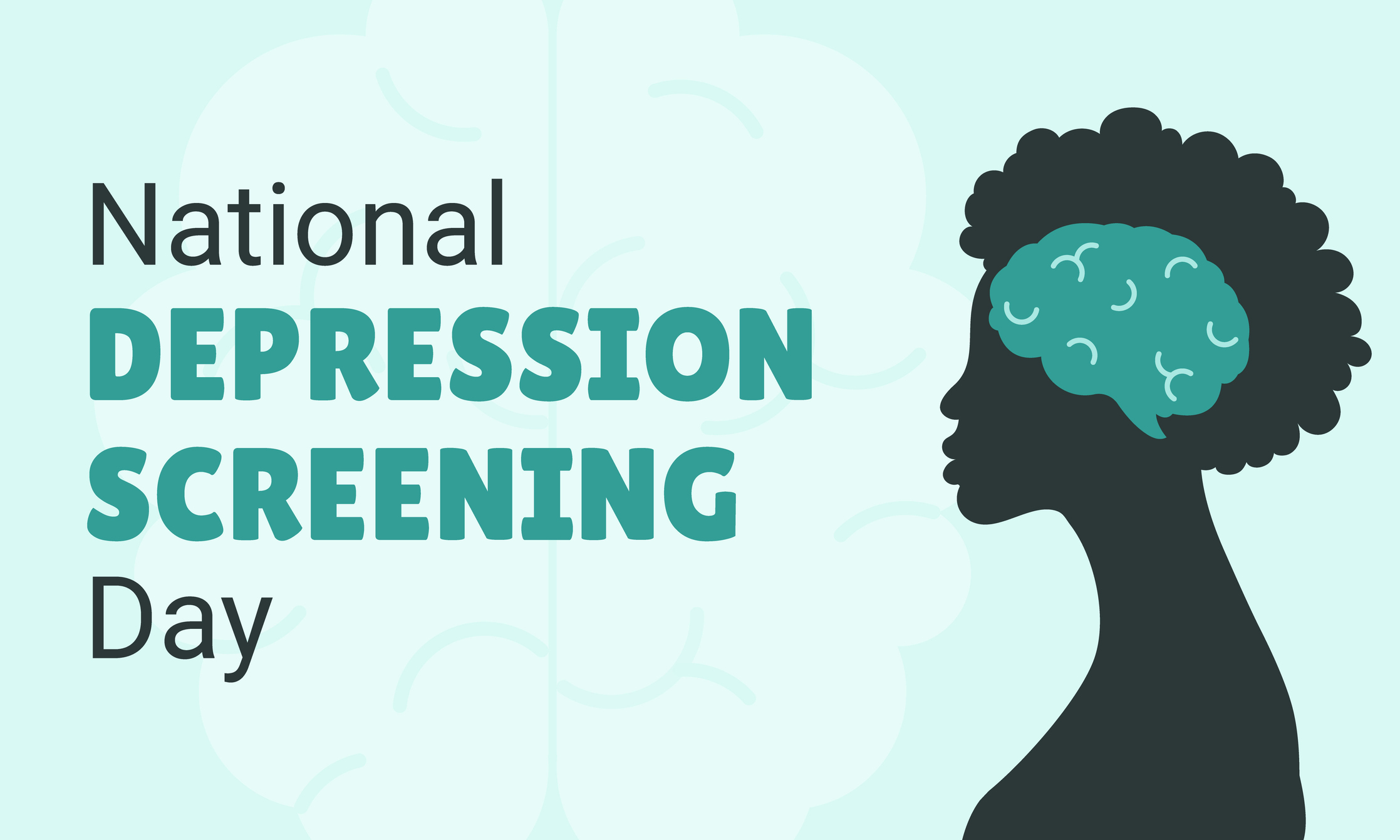
Chronic obstructive pulmonary disease, or COPD, is a group of health conditions, such as chronic bronchitis and emphysema, that limit airflow in the lungs.

Many myths and misconceptions exist about COPD. Here are some misconceptions surrounding COPD:

Myth #1: Only people who smoke get COPD

COPD is often associated with smoking, as smoking cigarettes and other tobacco products is the most common cause of the damage done to the lungs and airways. However, nearly 30% of people with COPD have never smoked a cigarette. Nonsmoking causes of COPD include:

  • Long-term exposure to polluted air, such as smog in an urban area or dust and fumes at a workplace
  • Genetics plays a role, specifically a condition called Alpha-1 antitrypsin deficiency (Alpha-1)
  • Asthma that’s active or even inactive. Researchers have found that 29% of people with asthma eventually receive a COPD diagnosis
  • Childhood respiratory illnesses, such as pneumonia

Myth #2: COPD is rare

According to estimates from the Centers for Disease Control and Prevention (CDC), over six in 100 adults in the U.S. had a COPD diagnosis in 2022.

That means millions of adults across the country have received a diagnosis of COPD. The actual proportion of adults with COPD may be higher due to delays in obtaining a diagnosis.

Myth #3: Exercise is too hard if you have COPD

Shortness of breath, wheezing, a chronic cough, and fatigue can all be a part of COPD. Any one of these symptoms can make exercising challenging.

Moderate exercise may not affect your lungs. In some cases, exercise can minimize the symptoms of COPD while strengthening the heart and helping reduce stress.

Try to build up to 20 to 30 minutes of exercise three to four times a week. Combine safe cardiovascular activities such as walking or biking with stretching and strength-building. It won’t be easy to start exercising. Speak with your healthcare provider about building an exercise plan that works for you. They may be able to connect you with a respiratory therapist for breathing techniques and exercises you can do. It is recommended that you speak to your doctor about your health before starting a new exercise regimen.

Myth #4: Only older people develop COPD

COPD is more common in people 65 or older. However, younger people can also develop this condition.

A 2023 study found that COPD affected more than 1.6% of adults ages 20 to 50 in the U.S. Adults aged 35 to 50 had a higher risk of COPD than those under the age of 35.

A history of smoking or secondhand smoke exposure significantly increases the risk of COPD in young adults.

Myth #5: COPD is a man’s disease

The Centers for Disease Control (CDC) reports that women are more likely to develop COPD than men in the U.S.

More women than men have also died from COPD since 2000 in the U.S.

Exposure to tobacco smoke and other pollutants raises the risk of COPD for anyone; however, women can experience more harmful effects than men from these pollutants.

Women with COPD also tend to get a diagnosis later than men, after the disease has progressed and treatment is less effective. This may contribute to reduced survival in women with COPD.

Myth #6: Nothing can be done to treat COPD

COPD treatments are available to help limit symptoms and potentially slow the progression of COPD.

Your treatment plan can include lifestyle changes like quitting smoking (if you smoke), as well as one or more of the following:

  • Vaccinations
  • Medications
  • Pulmonary rehabilitation
  • Supplemental oxygen
  • Lung transplant
  • Surgery

Talk with your healthcare provider to learn more about your treatment options.

Myth #7: There’s no point in quitting smoking after you develop COPD

Avoiding tobacco smoke is one of the most important things you can do to manage COPD.

If you smoke, cutting back and quitting can help limit symptoms and slow the progression of COPD.

Although more research is necessary, it may also be helpful to avoid e-cigarettes and other vaping products.

Avoiding smoking and vaping altogether is likely your healthiest option. Talk with a healthcare provider to learn about smoking cessation counseling, medication, or other resources that can help you cut back and quit smoking or vaping.

Jamaica Hospital’s Medical Home Department has partnered with the American Lung Association to bring you Freedom from Smoking, a comprehensive and successful group-based smoking cessation program. For more information or to register, call: 718-206-8494


All content of this newsletter is intended for general information purposes only and is not intended or implied to be a substitute for professional medical advice, diagnosis or treatment. Please consult a medical professional before adopting any of the suggestions on this page. You must never disregard professional medical advice or delay seeking medical treatment based upon any content of this newsletter. PROMPTLY CONSULT YOUR PHYSICIAN OR CALL 911 IF YOU BELIEVE YOU HAVE A MEDICAL EMERGENCY.

Winter Dehydration

Dehydration in the winter may seem less likely than in the summertime, but it is still a risk. According to the U.S. National Academies of Sciences, Engineering, and Medicine, the recommended amount of daily fluid intake is around 15.5 cups for men and 11.5 for women. For many of us, it might be harder to reach these quantities during the winter months.

Some causes of winter dehydration include:

  • Indoor heat
  • Bundling up in too many layers
  • Lack of thirst
  • Fluid loss from respiration
  • More frequent urination

There are many signs of dehydration, including:

  • The color of your urine
  • Constipation
  • Fatigue
  • Dry mouth and chapped lips
  • Dry skin
  • Headaches
  • Difficulty concentrating
  • Irritability
  • Feeling faint or dizzy
  • A rapid heart rate

Here are some tips for staying hydrated in the winter:

  • Drink warm fluids if it is too difficult to drink cold water when it’s cold outside.
  • Infuse plain water with flavor, by adding flavorings such as a wedge of lemon or lime, other pieces of fruit, or unsweetened water enhancers.
  • Carry a reusable water bottle with you to encourage daily hydration.
  • Eat homemade soups and water-rich fruits and vegetables to help increase fluid intake
  • Avoid drinking caffeine as it can contribute to dehydration.
  • Swap drinking an alcoholic beverage for a mocktail.
  • Make hydration a routine by drinking a certain amount of water daily.

If you have symptoms of dehydration, consult a physician immediately. Severe cases can lead to complications and potentially death. For less severe cases, you can schedule an appointment with a physician at Jamaica Hospital Medical Center’s Ambulatory Care Center, by calling (718) 206-7001. If you are experiencing an emergency, call 911.

All content of this newsletter is intended for general information purposes only and is not intended or implied to be a substitute for professional medical advice, diagnosis or treatment. Please consult a medical professional before adopting any of the suggestions on this page. You must never disregard professional medical advice or delay seeking medical treatment based upon any content of this newsletter. PROMPTLY CONSULT YOUR PHYSICIAN OR CALL 911 IF YOU BELIEVE YOU HAVE A MEDICAL EMERGENCY.
Bad Hygiene Habits That Can Make You Sick

We all have our bad habits. We also have bad hygienic habits. Here are some bad hygienic habits that can make you sick:

  • Washing your hands incorrectly- when you don’t wash your hands properly, germs can get into the body through the eyes, nose, and mouth and make you sick. Germs from unwashed hands can get into foods and drinks while people prepare or consume them.
  • Irregular brushing or flossing of teeth- not brushing or flossing your teeth can lead to swollen, bleeding gums, bad breath, cavities, and gum disease.
  • Rarely showering or bathing- not showering can cause acne, rashes, and life-threatening infections.
  • Infrequently washing bedding- bedsheets that haven’t been washed in months or longer become a petri dish of bacteria, fungus, and dust mites, and can lead to a staph infection.
  • Leaving in contact lenses for days- wearing contact lenses for a week or longer can lead to severe eye infections, including corneal ulcers.
  • Not washing bras or underwear regularly- not washing your underwear properly leaves the risk of contracting yeast infections, thrush, and urinary tract infections. Wearing unwashed bras can cause acne, rashes, or worse.
  • Sharing toothbrushes, razors, or hairbrushes- using someone else’s toothbrush can lead to oral infections. Using someone’s razor can lead to skin infections like staph and also transmit viruses like hepatitis and HIV.
  • Reusing water bottles without washing them- refilling your reusable water bottle without washing it can cause large amounts of bacteria including E. coli to form.
  • Not washing produce before eating or cooking with them- ingesting the bacteria on unwashed fruits and veggies can give you food poisoning, and consuming the pesticides on some of these foods can raise your risk of serious conditions.
  • Not washing your hair regularly- bacteria will start to collect and clog your hair follicles, which could lead to infection.
  • Using your kitchen sponge for too long- using a dirty sponge can spread salmonella, E. coli, and staphylococcus, among other nasty substances.

Good hygiene isn’t about eradicating yourself of germs. You can kick bad hygiene habits by not letting harmful bacteria fester or not taking shortcuts.

All content of this newsletter is intended for general information purposes only and is not intended or implied to be a substitute for professional medical advice, diagnosis or treatment. Please consult a medical professional before adopting any of the suggestions on this page. You must never disregard professional medical advice or delay seeking medical treatment based upon any content of this newsletter. PROMPTLY CONSULT YOUR PHYSICIAN OR CALL 911 IF YOU BELIEVE YOU HAVE A MEDICAL EMERGENCY.