Warning Signs of Blood Clots

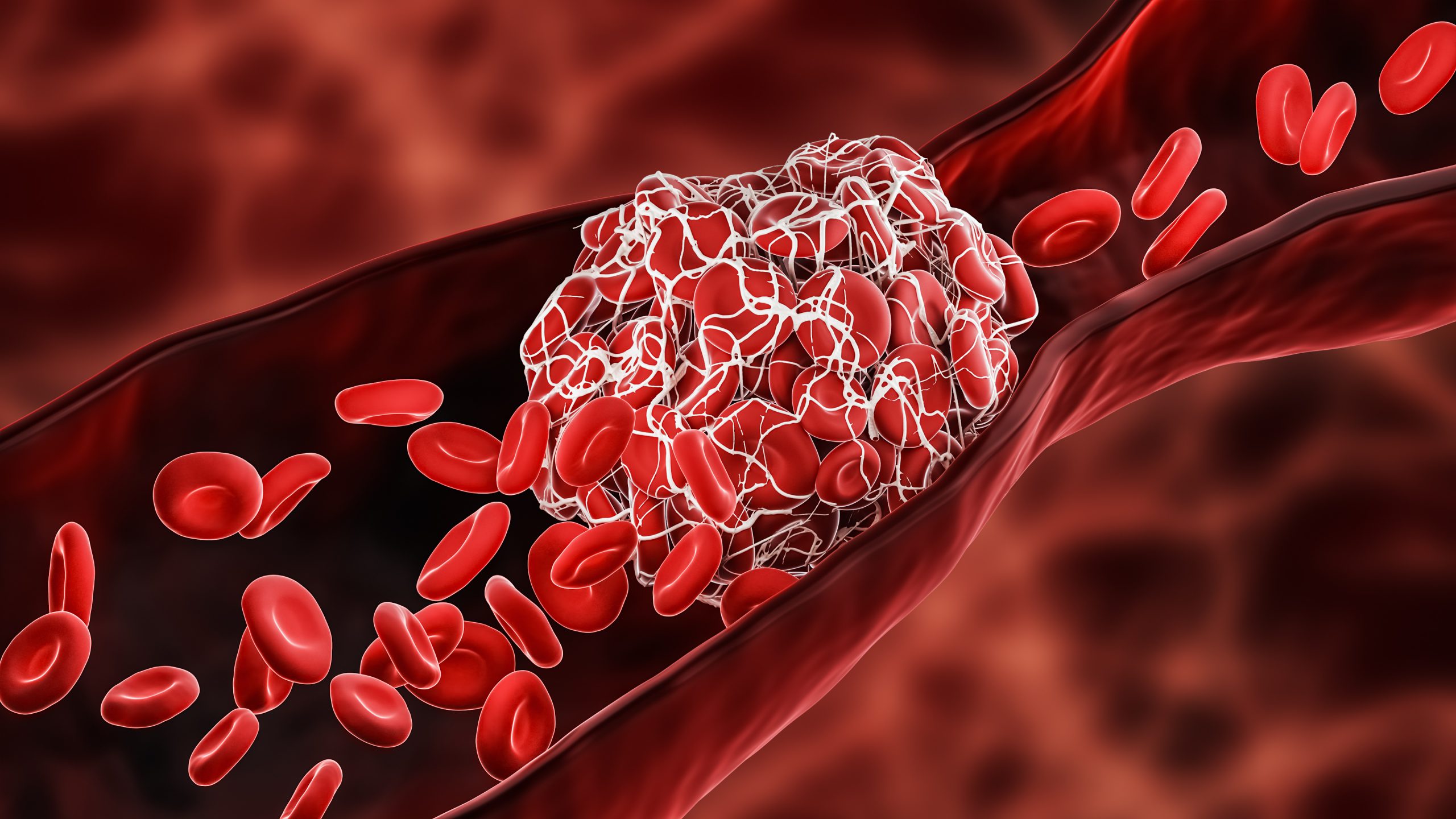
Blood clots are gel-like clumps of blood that have partially solidified in a blood vessel. Clotting is a natural and essential process that stops bleeding when you’re injured. However, some blood clots can form anywhere along the 60,000 miles of blood vessels in the body and are most likely to happen in the veins. These are called venous blood clots. The most common kinds of venous blood clots are: 

  • Deep vein thrombosis (DVT)- DVT usually forms in the legs in the deep veins of the body. Thrombosis is when clots stay put and block blood flow. 
  • Pulmonary embolism (PE)- Embolisms are blood clots that break free and travel to other parts of the body. If a DVT breaks off and travels to the lungs, it can create a pulmonary embolism.  

Arterial clots are less common, occurring when a blood clot clogs an artery. These clots can block oxygen from reaching the heart or brain, which can lead to a heart attack or stroke. 

Anyone can develop a blood clot; however, certain factors can increase the risk of developing them, including: 

  • Prolonged immobility, such as during long flights or hospital stays 
  • Surgery, especially involving the legs, hips, or abdomen 
  • Pregnancy and the postpartum period 
  • Hormonal birth control or hormone replacement therapy 
  • Smoking 
  • Obesity 
  • Family history of blood clots or clotting disorders 
  • Cancer or cancer treatments 
  • Age 

Recognizing the signs and symptoms of a blood clot can be lifesaving. Here are the signs and symptoms to watch out for: 

  • Swelling in one limb 
  • Pain or tenderness in the affected area 
  • Red or discolored skin 
  • Warmth in the skin 
  • Sudden shortness of breath 
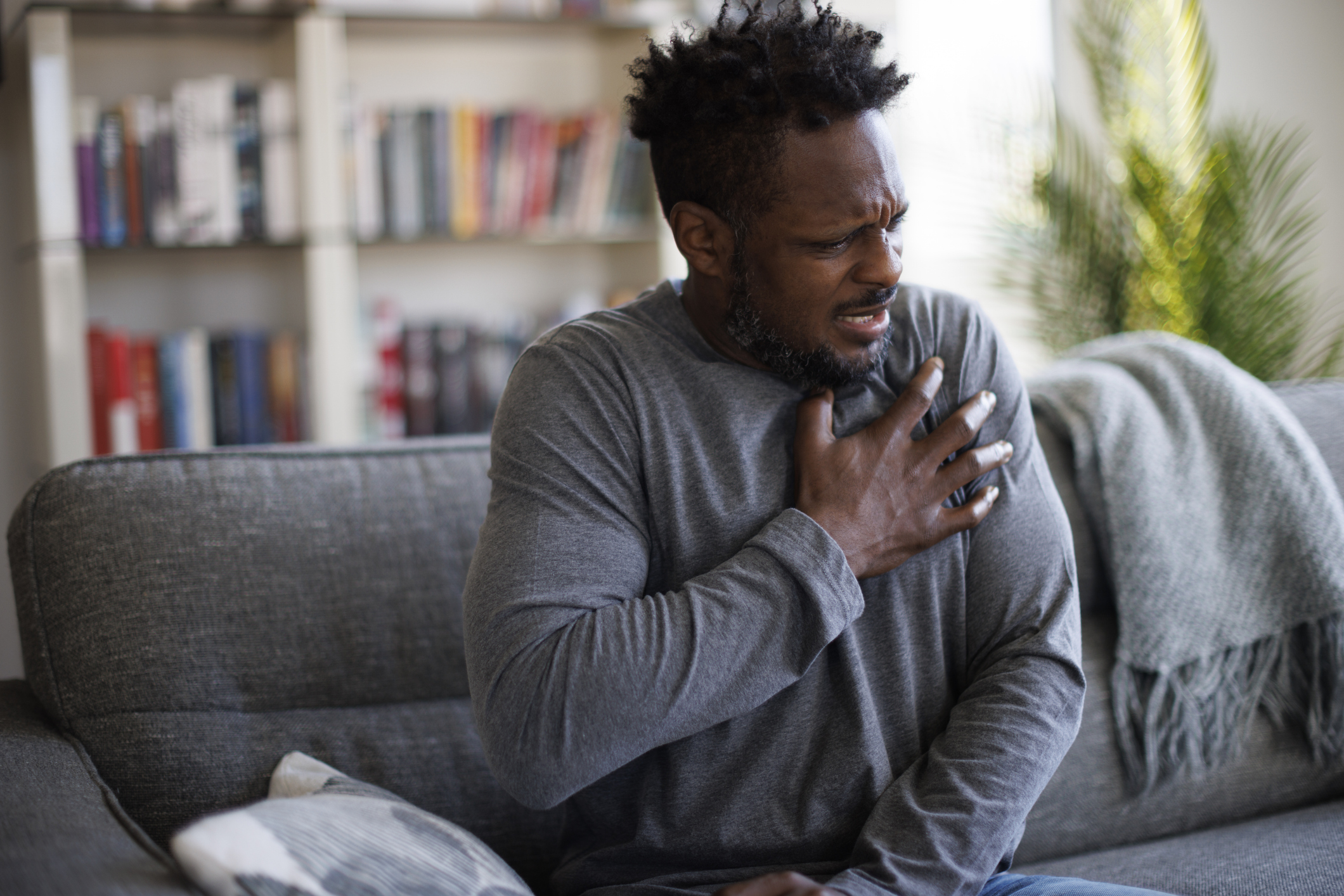
  • Chest pain 
  • Coughing, possibly with blood 
  • Rapid heartbeat or palpitations 
  • Leg fatigue or heaviness 
  • Dizziness or fainting 

Blood clots are known to be silent killers as their symptoms can be similar to symptoms of other, less serious conditions. That’s why it is crucial to understand and recognize the signs and symptoms of blood clots, especially if you are at an increased risk of developing them. Awareness and timely action can help prevent major complications from a stroke, pulmonary embolism, or heart attack.  

If you are experiencing symptoms of a blood clot or think you may be at risk of developing one, you can schedule an appointment with one of our vascular surgeons in NYC or learn more about the services at our vascular surgery center in New York. Please call 718-206-6713. 

All content of this newsletter is intended for general information purposes only and is not intended or implied to be a substitute for professional medical advice, diagnosis or treatment. Please consult a medical professional before adopting any of the suggestions on this page. You must never disregard professional medical advice or delay seeking medical treatment based upon any content of this newsletter. PROMPTLY CONSULT YOUR PHYSICIAN OR CALL 911 IF YOU BELIEVE YOU HAVE A MEDICAL EMERGENCY.

Signs and Symptoms of Stroke in Women

Men are more likely to have a stroke. However, women have a higher lifetime risk and are also more likely to die from a stroke.

The Centers for Disease Control and Prevention (CDC) estimates that one in five women will have a stroke. Women have a higher lifetime risk of stroke because they tend to live longer than men. They also have unique risk factors, including:

  • Pregnancy
  • Preeclampsia
  • The use of hormonal birth control
  • Hormone replacement therapy
  • Obesity
  • Migraine with aura, which is more common in women
  • Atrial fibrillation (AFib), which is more common in women over 75 years of age

Many symptoms of stroke are common in both men and women, including:

  • Sudden difficulty seeing in one or both eyes
  • Sudden numbness or weakness of the face and limbs, most likely on one side of the body
  • Sudden difficulty speaking or understanding
  • Sudden and severe headaches with no known cause
  • Sudden dizziness, difficulty walking, or loss of balance or coordination

Women may report symptoms that are often not associated with strokes in men. These symptoms can include:

  • Nausea or vomiting
  • Seizures
  • Hiccups
  • Shortness of breath
  • Pain
  • Fainting or loss of consciousness
  • General weakness

Because these symptoms can signify a different condition, it can be difficult to connect them immediately to a stroke. This can delay treatment and slow recovery.

The American Stroke Association recommends an easy strategy for identifying the symptoms of a stroke. If you think you or someone around you may be having a stroke, you should act FAST:

  • Face – ask the person to smile. Does one side of their face droop?
  • Arms – ask the person to raise both arms. Does one arm drift downward?
  • Speech – ask the person to repeat a simple phrase. Is their speech slurred or strange?
  • Time – if you observe any of these symptoms, it is time to call 911 or your local emergency services.

When it comes to a stroke, every minute counts. The longer you wait to call emergency services, the more likely it is that the stroke will result in brain damage or disability.

Jamaica Hospital Medical Center has been accredited as a Comprehensive Stroke Center (the highest designation of stroke care) by the Joint Commission. Whether you’ve survived a stroke or may be at risk of experiencing one, you can schedule an appointment for neuroendovascular screening, stroke rehabilitation, or any other form of stroke treatment that we provide. To schedule an appointment, please call 718-206-7001.

All content of this newsletter is intended for general information purposes only and is not intended or implied to be a substitute for professional medical advice, diagnosis or treatment. Please consult a medical professional before adopting any of the suggestions on this page. You must never disregard professional medical advice or delay seeking medical treatment based upon any content of this newsletter. PROMPTLY CONSULT YOUR PHYSICIAN OR CALL 911 IF YOU BELIEVE YOU HAVE A MEDICAL EMERGENCY.

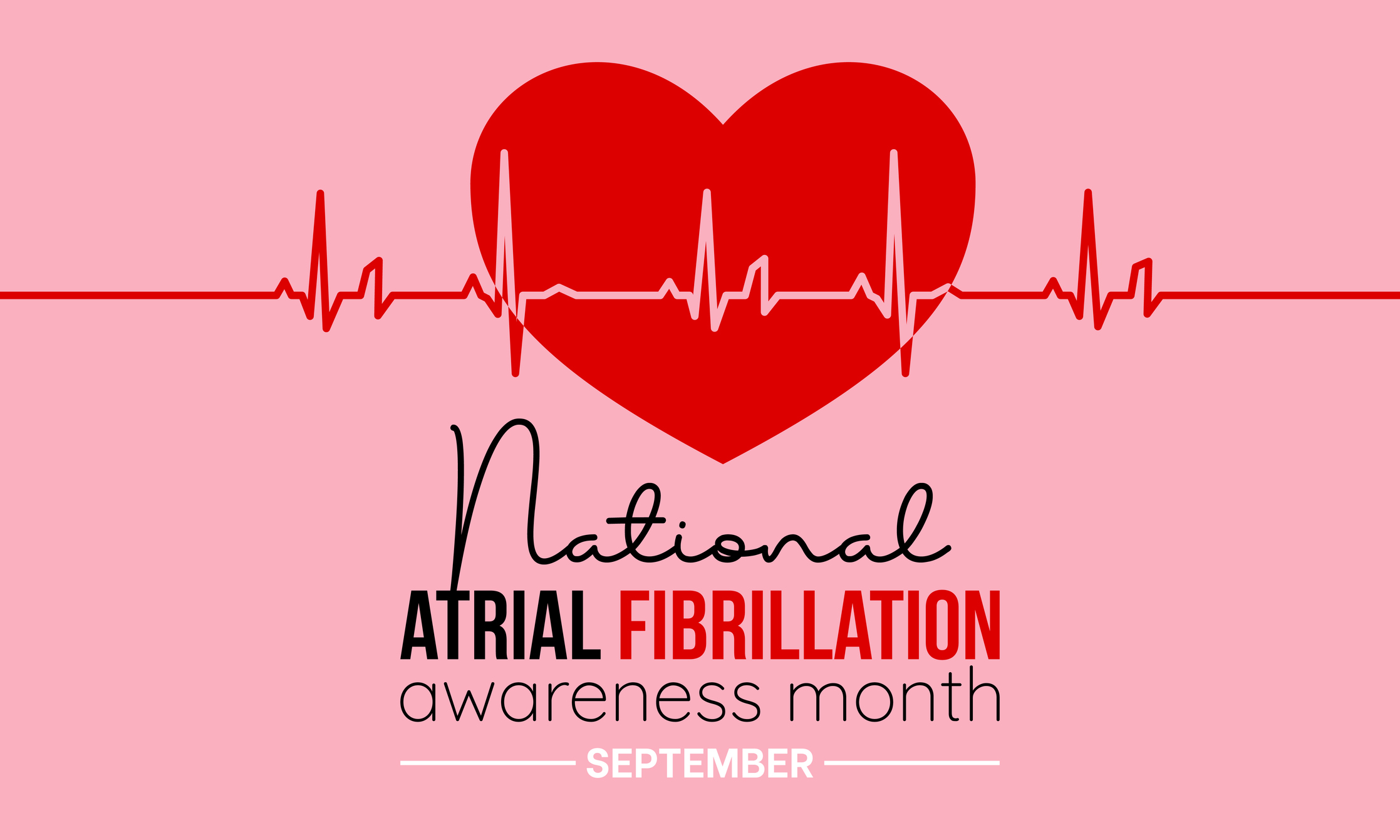
National Afib Awareness Month

September is National Afib Awareness Month. Afib stands for atrial fibrillation, a type of arrhythmia or abnormal heartbeat. During Afib, the heart’s upper chambers, or the atria, beat chaotically and irregularly. They beat out of sync with the lower heart chambers, the ventricles.

Afib can lead to blood clots in the heart. It also increases the risk of stroke, heart failure, and other heart-related complications.

It usually isn’t life-threatening, but it is a serious medical condition that needs proper treatment to prevent serious health issues.

There are many symptoms of Afib, they can include:

  • Feelings of a fast, fluttering, or pounding heartbeat
  • Chest pain
  • Dizziness
  • Fatigue
  • Lightheadedness
  • Reduced ability to exercise
  • Shortness of breath
  • Weakness

People can experience three types of Afib, including:

  • Paroxysmal Afib
  • Persistent Afib
  • Long-standing persistent Afib

The most common cause of Afib is problems with the heart’s structure. Other health problems and heart diseases that can cause Afib include:

  • A congenital heart defect
  • Sick sinus syndrome
  • Obstructive sleep apnea
  • Heart attack
  • High blood pressure
  • Lung diseases, including pneumonia
  • Coronary artery disease
  • Thyroid diseases
  • Infections from viruses

Many factors can increase your risk of Afib, including:

  • Age
  • Caffeine, nicotine, or illegal drug use
  • Drinking too much alcohol
  • Changes in the level of body minerals
  • Family history
  • Long-term health conditions
  • Obesity
  • Some medicines and supplements

Healthy lifestyle choices can reduce the risk of heart disease and prevent Afib. Some basic heart-healthy tips include:

  • Controlling high blood pressure, high cholesterol, and diabetes
  • Not smoking or using tobacco
  • Eating a diet that is low in salt and saturated fat
  • Exercising at least 30 minutes a day at least five days a week
  • Getting at least seven to nine hours of sleep a day
  • Maintaining a healthy weight
  • Reducing and managing stress

Afib is diagnosed when a healthcare provider examines you and asks questions about your medical history and symptoms. Tests may be done to look for conditions causing irregular heartbeats such as heart disease or thyroid disease, including:

  • Blood tests
  • ECG or EKG
  • Holter monitor
  • Event recorder
  • Implantable loop recorder
  • Exercise stress tests
  • Chest X-ray

The goals of Afib treatment are to reset and control the heartbeat and prevent blood clots. Treatment for Afib depends on how long you’ve had it, your symptoms, and the cause of the irregular heartbeat. Afib treatment can include:

  • Medications
  • Cardioversion therapy
  • Surgery or catheter procedures

If you are experiencing any symptoms of Afib, you can schedule an appointment at Jamaica Hospital Medical Center’s Cardiology Department by calling (718) 206-7100. If you are experiencing an emergency, please dial 911 right away.


All content of this newsletter is intended for general information purposes only and is not intended or implied to be a substitute for professional medical advice, diagnosis or treatment. Please consult a medical professional before adopting any of the suggestions on this page. You must never disregard professional medical advice or delay seeking medical treatment based upon any content of this newsletter. PROMPTLY CONSULT YOUR PHYSICIAN OR CALL 911 IF YOU BELIEVE YOU HAVE A MEDICAL EMERGENCY.

Blood Clots

Blood clots are gel-like clumps of blood that form in your arteries and veins. Blood clots help control bleeding, but can also cause serious medical issues like deep vein thrombosis, pulmonary embolism, and heart attack.

Blood clots are the first line of defense if something damages your blood vessels. This is why bleeding usually stops after a few minutes when you cut yourself. You can also develop a blood clot when you have been immobile for a long time or have medical conditions that increase your risk of getting them.

Blood clots are made of small colorless fragments of cells produced by your bone marrow called platelets. They are also made of a sticky blood protein that looks like strings called fibrin. Platelets and fibrin work together to seal injured areas of your blood vessels.

You can have blood clots anywhere in your body. When they develop in the veins of your arms and legs it’s called deep vein thrombosis. Blood clots that form in the arteries of your lungs are called pulmonary embolism. A stroke occurs when blood clots block blood flow to your brain. When blood clots are in your heart, they can cause a heart attack.

If you are experiencing leg pain, swollen legs, or skin discoloration, these may be symptoms of deep vein thrombosis. Chest pain or shortness of breath can be symptoms of blood clots in your lungs or heart.

Some other possible symptoms of blood clots to be mindful of include:

  • A cough that produces blood sputum
  • A fast heartbeat
  • Lightheadedness
  • Pain that spreads to the shoulder, arm, back, or jaw
  • Sudden weakness or numbness of the face, arm, or leg
  • Sudden difficulty speaking or understanding speech

Some conditions focus on blood clots such as blood clotting issues. Some blood clotting disorders include:

  • Factor V Leiden- an inherited disorder and most common blood clotting disorder. It slightly increases your risk of deep vein thrombosis or pulmonary embolism.
  • Prothrombin Gene Mutation- an inherited condition that slightly increases your risk of deep vein thrombosis or pulmonary embolism.
  • Antiphospholipid Syndrome- an autoimmune disorder that increases the risk of blood clots.

People who have an increased risk of developing blood clots include:

  • People 65 years of age or older
  • Pregnancy
  • People who are obese
  • People who have cancer
  • Those on birth control or hormone therapy
  • Smokers
  • Immobile people

Ways to reduce the risk of developing blood clots include:

  • Avoid sitting for long periods
  • Drinking plenty of fluids
  • Changing your lifestyle

If you are experiencing any of these symptoms, you can schedule an appointment with a doctor at Jamaica Hospital Medical Center’s Ambulatory Care Center, please call (718) 206-7001. If you are experiencing an emergency, call 911.


All content of this newsletter is intended for general information purposes only and is not intended or implied to be a substitute for professional medical advice, diagnosis or treatment. Please consult a medical professional before adopting any of the suggestions on this page. You must never disregard professional medical advice or delay seeking medical treatment based upon any content of this newsletter. PROMPTLY CONSULT YOUR PHYSICIAN OR CALL 911 IF YOU BELIEVE YOU HAVE A MEDICAL EMERGENCY.

Strokes On The Rise In Younger People

A stroke occurs when blood supply to part of the brain is blocked or reduced, or when there is bleeding in the brain.  A stroke can result in brain damage, long-term disability, or death.

Data shows that people over the age of 55 have a higher risk of stroke than others. Although the risk of stroke increases with age, it is important to remember that it can happen to anyone. Younger people can have strokes too.

According to the American Heart Association, approximately 10-15% of strokes occur in adults aged 18-50 years, and the incidence of ischemic stroke (caused by a clot blocking blood flow to the brain) is rising in that group.

Several factors may increase the risk of stroke in younger adults. They are:

  • Pregnancy
  • Smoking
  • Illicit drug use
  • Binge drinking
  • Taking birth control pills that include estrogen
  • Sickle cell disease
  • Blood clotting disorders
  • Migraine with aura
  • Diabetes
  • Hypertension
  • Patent foramen ovale
  • Obesity
  • Genetics

The risk of stroke can be reduced by receiving the appropriate care for certain diseases and health conditions, avoiding the use of illicit drugs, and making positive lifestyle changes such as eating healthy, exercising, quitting smoking, and minimizing alcohol consumption.

Having a stroke can have a serious impact on your health. This is why knowing the warning signs and receiving timely treatment is crucial. The acronym B.E.F.A.S.T (balance, eyes, face drooping, arm weakness, speech difficulty, time to call 911) can help you remember the warning signs of a stroke and respond quickly.

Jamaica Hospital Medical Center has been accredited as a Comprehensive Stroke Center (the highest designation of stroke care) by the Joint Commission. Whether you’ve survived a stroke or may be at risk of experiencing one, you can schedule an appointment for neuroendovascular screening, stroke rehabilitation, or any other form of stroke treatment that we provide.   To schedule an appointment, please call 718-206-7001.

All content of this newsletter is intended for general information purposes only and is not intended or implied to be a substitute for professional medical advice, diagnosis or treatment. Please consult a medical professional before adopting any of the suggestions on this page. You must never disregard professional medical advice or delay seeking medical treatment based upon any content of this newsletter. PROMPTLY CONSULT YOUR PHYSICIAN OR CALL 911 IF YOU BELIEVE YOU HAVE A MEDICAL EMERGENCY.