
How Does Negative News Affect Your Mental Health?

Current events in the news have been very tense, stressful, and depressing. The constant barrage of negative news on local and cable news stations, as well as social media, feels never-ending.  

Watching or reading the news can have a negative impact on our mental health.  

When we watch news footage that upsets us, our body’s “fight or flight” response is activated. Adrenaline and the stress hormone cortisol are released, causing us to experience symptoms similar to those we feel when we are in danger, such as a rapid heart rate, shallow breathing, and an upset stomach, among others. 

Negative news can increase symptoms of depression and anxiety. According to Mental Health America (MHA), one study found that people showed an increase in symptoms after only 14 minutes of news consumption. The symptoms worsen when people feel they have no ability to improve the situations they are learning about on the news.  

As these symptoms worsen, they can cause a person to doomscroll. Doomscrolling is when a person actively seeks saddening or negative material to read or scroll through on social media or news media outlets. Doomscrolling can also greatly impact your mental health as it reinforces negative thoughts and a negative mindset, and can also cause feelings of: 

  • Apprehension 
  • Sadness and anger 
  • Uncertainty about the future 

Doomscrolling has many potential effects, including: 

  • May worsen mental health issues 
  • May lead to insomnia 

Doomscrolling can be attributed to someone relying on social media for their news, which can drive addictive behavior. In 2020, the Pew Research Center found that about 53% of U.S. adults said they “often” or “sometimes” get their news from social media. Among the social media sites where they get their news from, 36% of Americans regularly get their news from Facebook, 23% from YouTube, and 15% from Twitter/X.  

Regularly getting your news can be detrimental as clickbait headlines, mis- and disinformation, and social media algorithms are designed to keep you coming back for more, making it difficult to stop returning to apps for your news.  

People are more likely to be negatively affected by the news when it is personally relevant to them and when they share an identity with the people involved in the news story. This is the case for members of the BIPOC and LGBTQIA+ communities because they are more often targets of violence and hate crimes. 

With all the negative news, there are many ways to support ourselves and each other during these times, such as: 

  • Identifying your triggers by taking time to think about the topics that cause symptoms of anxiety and depression, so you can limit your consumption of media with triggering content 
  • Reading the news instead of watching news videos. Studies done by the American Psychological Association (APA) show that this can be less triggering due to written news articles containing less disturbing imagery 
  • Limiting your time watching or reading the news. Although doomscrolling may help you feel more informed, it ultimately does more harm than good. Aim for no more than 30 minutes a day if possible 
  • Engaging in an enjoyable activity after taking in the news to help you decompress 
  • Getting involved with a group that is working on the issues you are passionate about can help you feel empowered to make a change instead of feeling helpless about the world around you 
  • Joining a supportive community of people who share a common identity, such as an affinity group, can help foster resilience and create solidarity during these difficult times of prejudice or injustice 
  • Being conscious of where your news sources come from, as some can be more based on opinions than facts. Make sure the information you’re getting is accurate and provides diverse perspectives 
  • Focusing more on what brings you joy and happiness, such as engaging in social activities, spiritual practices, physical movement, mindfulness and gratitude practices, creative hobbies, journaling, or spending time with a pet 

Today’s 24-hour news cycle can seem difficult to stay clear of. If you need the assistance and support of a mental health professional at Jamaica Hospital Medical Center, please call 718-206-5575 to schedule an appointment. 

All content of this newsletter is intended for general information purposes only and is not intended or implied to be a substitute for professional medical advice, diagnosis or treatment. Please consult a medical professional before adopting any of the suggestions on this page. You must never disregard professional medical advice or delay seeking medical treatment based upon any content of this newsletter. PROMPTLY CONSULT YOUR PHYSICIAN OR CALL 911 IF YOU BELIEVE YOU HAVE A MEDICAL EMERGENCY.
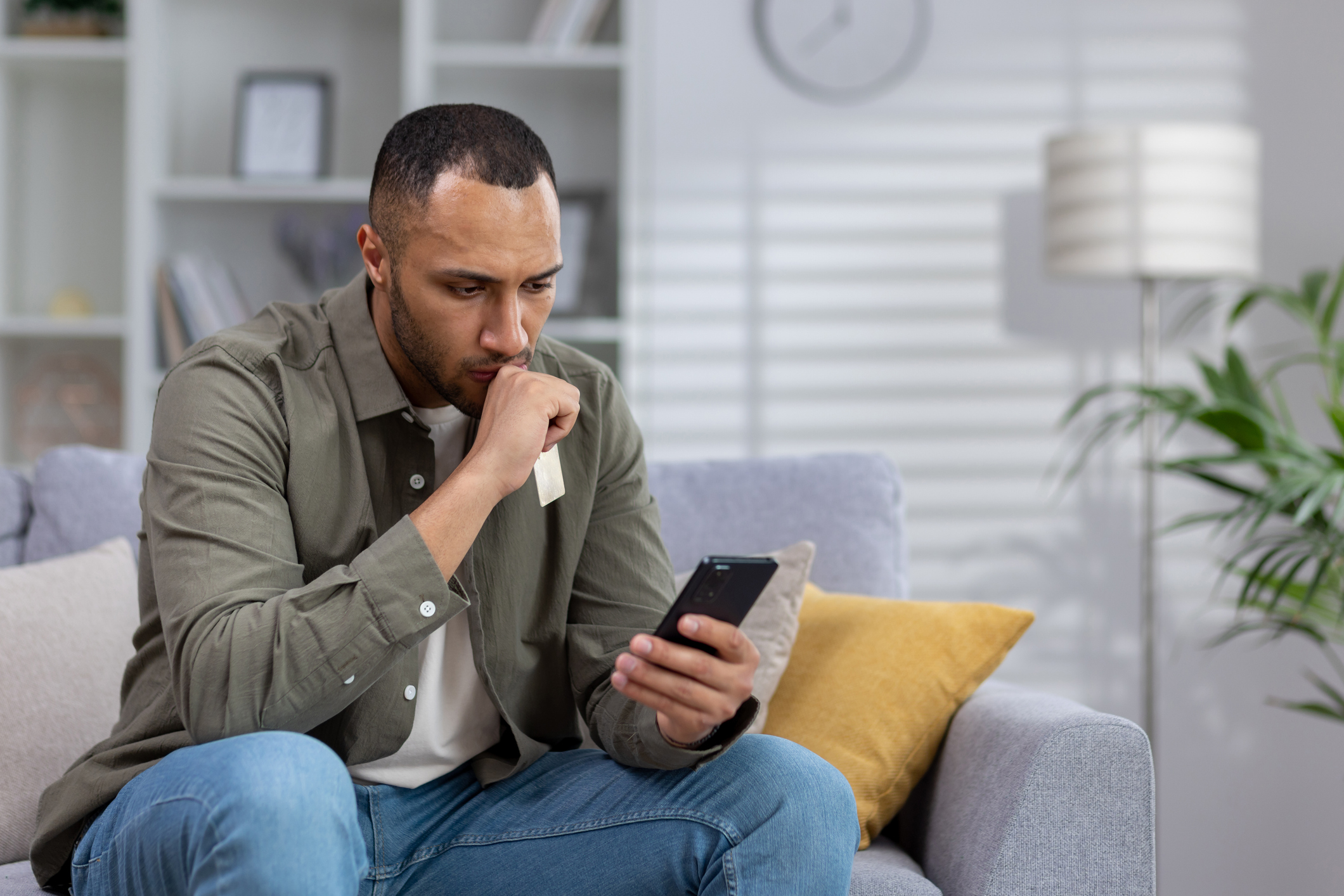
How Your Social Media Consumption Can Influence Your Eating Habits

Social media has made it easier for us to connect with loved ones and even celebrities. For better or worse, social media has changed our lives.

Whether it is foodies posting photos of their meals, following food influencers, home chefs, or nutritionists, our social media consumption consciously and unconsciously affects what and how we eat.

A study from the University of Birmingham examined how Facebook users’ perceptions of food-related content in their social networks influenced their eating habits. Researchers found that perceived social norms about food consumption significantly predicted users’ intake of fruits, vegetables, energy-dense snacks, and sugar-sweetened beverages.

The study found that when people believed their peers ate more fruits and vegetables, they were likely to do the same. Furthermore, perceived norms around high-calorie snacks and sugary drinks also influenced consumption, whether encouraging or discouraging these choices.

While this implies that exposure to health-conscious content could promote healthier eating habits, it also poses the problem of someone’s social media feed being filled with fad diets, misleading nutrition information, or a lack of nutrient-dense food representation, which may negatively affect their dietary choices.

Research suggests that when social media users’ feeds are flooded with images of bodies that fit the “ideal” body image, they have lower self-esteem, feel shame, and feel the need to manipulate their diet to lose weight, gain weight, or gain muscle, leading to disordered eating, which is often misdiagnosed as healthy or disciplined eating habits.

With the negative feelings that can come with a social media feed, there are new movements such as intuitive eating, Health at Every Size (HAES), body acceptance, and body positivity that are helping bring a positive effect.

Research shows that these movements help to rectify the impact of social media on disordered eating behaviors and negative body image:

  • When compared to a control group, people enrolled in a HAES intervention were less susceptible to hunger and inhibition than those in the control group
  • A systematic review of HAES interventions demonstrated a positive effect on mental health outcomes and physical activity, and they also promote positive changes in eating habits.
  • An eight-year longitudinal study found that intuitive eating produces better psychological health and lower use of disordered eating behaviors
  • Body acceptance and body positivity movements on social media show diverse body types and sizes through fashion and beauty-related activism, physically active portrayals of people in bigger bodies, and a focus on holistic wellbeing. However, like any community-driven movement, these movements are not immune to conflicting messaging.

As social media continues to play a powerful role in how it shapes its users’ perceptions of health, nutrition, and body image, it is up to us to understand that our self-worth, eating, and wellness habits shouldn’t be dictated by social media.

All content of this newsletter is intended for general information purposes only and is not intended or implied to be a substitute for professional medical advice, diagnosis or treatment. Please consult a medical professional before adopting any of the suggestions on this page. You must never disregard professional medical advice or delay seeking medical treatment based upon any content of this newsletter. PROMPTLY CONSULT YOUR PHYSICIAN OR CALL 911 IF YOU BELIEVE YOU HAVE A MEDICAL EMERGENCY.

Doomscrolling

Doomscrolling is when a person actively seeks out saddening or negative material to read or scroll through on social media or news media outlets.

Gaining prevalence in 2020, the idea behind doomscrolling is attempting to get access to all the information you need to keep yourself protected from what is dangerous around you. Unfortunately, you can become unable to tear yourself away from all the horrible headlines.

According to research, people with a high level of neuroticism (a general tendency toward negative emotions) may be more likely to engage in doomscrolling. Neuroticism is one of the big five personality traits, along with openness, conscientiousness, extraversion, and agreeableness.

Dr. Richard Mollica, a professor of psychiatry at Harvard Medical School says that women and people with a history of trauma are the two most vulnerable groups when it comes to doomscrolling.

Doomscrolling can reinforce negative thoughts and a negative mindset, something that can greatly impact your mental health. Research has linked consuming negative news to an increase in depression and anxiety and can also cause them to experience feelings of:

  • Apprehension
  • Sadness and anger
  • Uncertainty about the future

Some potential effects of doomscrolling include:

  • May worsen mental health issues
  • May lead to insomnia
  • Can contribute to “crazymaking” or “gaslighting”, a form of abuse that makes you feel off-balance mentally or emotionally by making you believe you’re crazy.

Here are some tips to help you stop doomscrolling:

  • Avoid catastrophizing by not letting your mind jump straight to the worst-case scenario.
  • Think about how you feel after doomscrolling
  • Keep your phone off your nightstand
  • Switch your phone to grayscale
  • Limit your screen time
  • Opt out of notifications
  • Don’t bring your phone to the dinner table
  • Focus on the now
  • Seek out positive news
  • Practice gratitude
  • Move your body
  • Disconnect
  • Ask for help

Embrace mindfulness and practice checking your phone consciously, not compulsively. If you need the assistance and support of a mental health professional at Jamaica Hospital Medical Center, please call 718-206-5575, to schedule an appointment.

All content of this newsletter is intended for general information purposes only and is not intended or implied to be a substitute for professional medical advice, diagnosis or treatment. Please consult a medical professional before adopting any of the suggestions on this page. You must never disregard professional medical advice or delay seeking medical treatment based upon any content of this newsletter. PROMPTLY CONSULT YOUR PHYSICIAN OR CALL 911 IF YOU BELIEVE YOU HAVE A MEDICAL EMERGENCY.
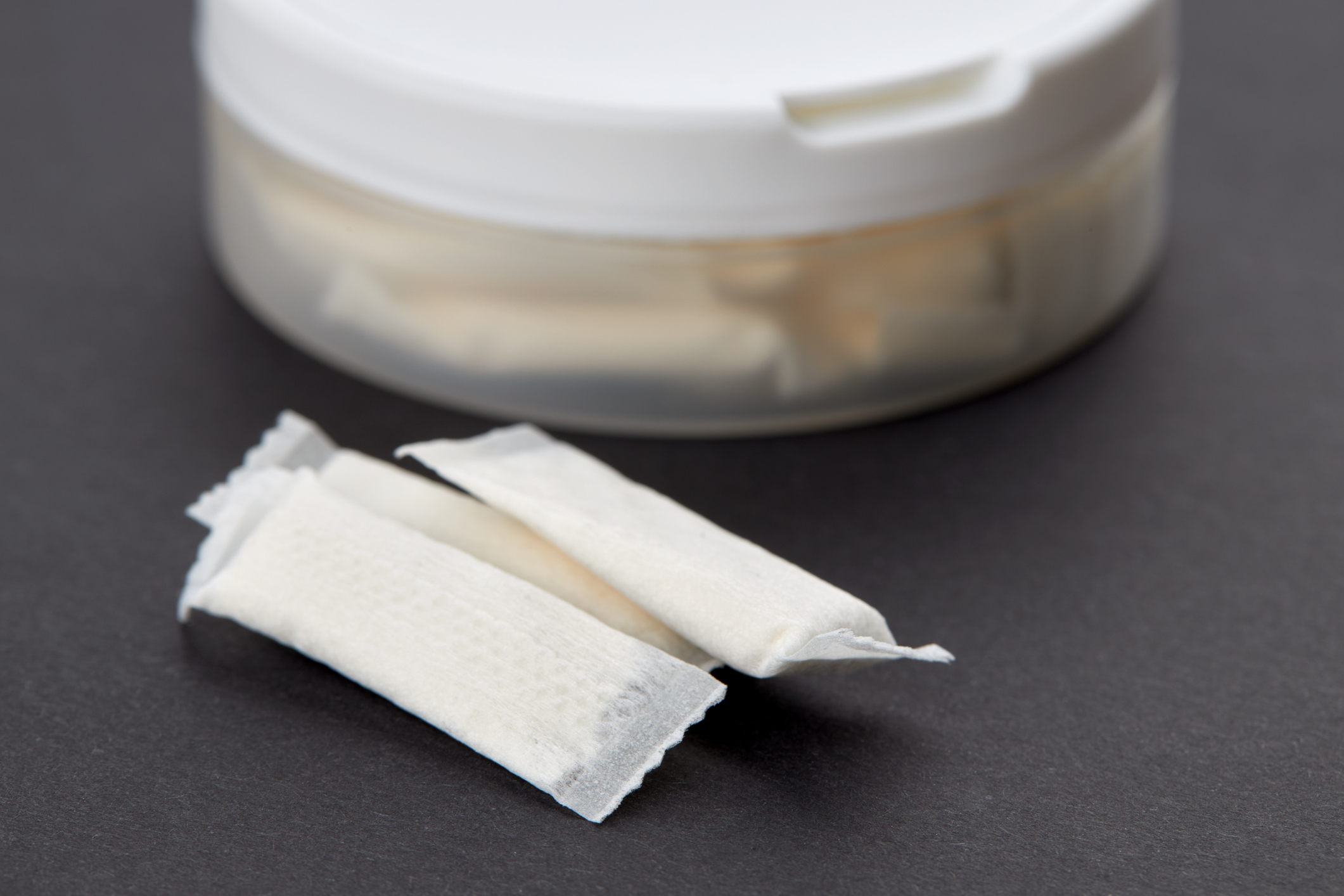
What Parents Should Know About Oral Nicotine Pouches

According to the Centers for Disease Control and Prevention, cigarette smoking hit a historic low in 2023, with the adult smoking rate dropping to 11%. Because of the steady decline of smokers over the years, tobacco companies have tried other ways to retain customers as well as attract new ones by introducing new products.

One of those new products is oral nicotine pouches. Oral nicotine pouches are small permeable pouches typically placed between the lip and the gum containing crystalized nicotine powder in various flavors. Although little is known about the product, nicotine pouches have become one of the fastest-growing categories, increasing sales from about 126 million units to over 800 million units between 2019 and 2022.

Oral nicotine pouches are aimed at adults who are looking for a tobacco-less, smoke-free alternative to cigarettes as they try to stop smoking. However, according to the 2023 National Youth Tobacco Survey conducted by the Food and Drug Administration and the Centers for Disease Control and Prevention, in October of 2023, 1.5% of middle and high school students reported using nicotine pouches in the previous 30 days.

Tobacco companies sell nicotine pouches in attractive packaging and assorted flavors, including citrus, berry, peppermint, coffee, and mango. Researchers are concerned that this marketing tactic is likely to appeal to young people who may not be aware of the harmful effects of nicotine. Some social media influencers have promoted the use of nicotine pouches by showing how they use them in their daily lives, discreetly placing them in their mouths at work and school, as well as doing taste tests.

“Nicotine pouches are marketed as a nicotine product that provides a buzz without the harmful effects of tobacco or smoking. However, people using these products should be aware that ‘tobacco-free’ does not mean ‘risk-free’”, says Alexandra Howell, DMD, Oral Medicine Specialist and Assistant Professor in the Department of Oral Diagnostic Services at Virginia Commonwealth’s University’s School of Dentistry.

Despite the long-term health impact of nicotine pouches being unknown, the side effects of its use can include:

  • Nicotine addiction
  • Irritation of the gums
  • Lung problems
  • Infertility problems
  • Stomach problems
  • Sore mouth
  • Hiccups
  • Nausea

Nicotine pouches can also present several cardiovascular risks. The use of these products can lead to increased heart rate and blood pressure increasing the risk of developing cardiovascular diseases such as hypertension, heart disease, and potential heart attacks.

To speak with a Family Medicine doctor at Jamaica Hospital Medical Center about smoking cessation, please call (718) 206-6942.


All content of this newsletter is intended for general information purposes only and is not intended or implied to be a substitute for professional medical advice, diagnosis or treatment. Please consult a medical professional before adopting any of the suggestions on this page. You must never disregard professional medical advice or delay seeking medical treatment based upon any content of this newsletter. PROMPTLY CONSULT YOUR PHYSICIAN OR CALL 911 IF YOU BELIEVE YOU HAVE A MEDICAL EMERGENCY.

Employee Spotlight on Jason Jones

This month we are pleased to shine our employee spotlight on Jason Jones, Echotechnologist. Jason has been working at Jamaica Hospital for 11 years. He grew up in Brooklyn where he attended PS 321 in Park Slope and Bishop Ford Catholic High School. He went on to study at the Fashion Institute of Technology where he earned an Associate degree in photography. At the age of 27 Jason joined the U.S. Air Force as a Medical Technician and was stationed in Japan. He currently still lives in Brooklyn with his wife and two daughters.

Upon his return to the United States, Jason worked as a personal trainer at the New York Sports Club before enrolling in the Sanford Brown Institute where he studied to become an Ultrasound Technician.

In his free time Jason enjoys spending time with his two daughters, ages 2 and 11. He and his wife enjoy taking them on trips and doing all kinds of fun things together as a family. Jason also enjoys exercising, all kinds of sports, and he likes many types of music.  On the weekends he likes to cook, and his tastes are wide ranging including Japanese, Italian, Spanish and Indian cuisine.

Jason feels very fortunate to be working at Jamaica Hospital for all of these years. There is a real feeling of being part of a team in his department, and after all these years, it’s really like a family. The work is challenging but it is very rewarding. He feels that his interactions with the patients are going to help improve their quality of life. The technology and skills that he uses each day allows him to combine his love of medicine with his passion for photography. He equates his diagnostic exams to making a movie, where he is putting together a story board of their condition so that the physicians can have a better understanding of how to treat each patient’s condition.

Jason looks forward to having a long career at Jamaica Hospital. While he has no current plans on retiring at the present time, his long range plans include spending more time vacationing in Japan, with the thought of retiring there one day. Japan holds a special place in his heart and he would like to get to return for the Olympics in 2020.  For the time being we are fortunate to have him as a valued member of our team.

All content of this newsletter is intended for general information purposes only and is not intended or implied to be a substitute for professional medical advice, diagnosis or treatment. Please consult a medical professional before adopting any of the suggestions on this page. You must never disregard professional medical advice or delay seeking medical treatment based upon any content of this newsletter. PROMPTLY CONSULT YOUR PHYSICIAN OR CALL 911 IF YOU BELIEVE YOU HAVE A MEDICAL EMERGENCY.

Meet Ann Marie Gonzalez

This month we would like to introduce you to Ann Marie Gonzalez, Senior Accounting Clerk in the Business Office at Jamaica Hospital Medical Center. Ann Marie has been with the hospital for over 17 years and is well known to everyone at the hospital for her warm personality and enthusiasm.
Ann Marie grew up in Williamsburg Brooklyn and is a graduate of Grover Cleveland High School in Ridgewood. Her Italian family background taught her to love family and friends and have respect for other people. She is married to her husband Joe who also works at Jamaica Hospital and has two daughters, the older one recently got married . Ann Marie and her family currently live in Manalapan New Jersey and they share their home with a cat and dog which they adore.
She enjoys entertaining at her home and the more people that show up the happier she is. Ann Marie is known for her cooking and her baking skills which she learned from her mother and grandmother. Nobody leaves a dinner party at her house feeling hungry. She is also known for her generosity. If anyone ever needs anything they know that they can count on her to be there for them.
There are so many reasons why Ann Marie enjoys working at Jamaica Hospital. Her co-workers are like family to her. They work well together as a team and she looks forward to coming to work every morning because of all these wonderful people. Ann Marie enjoys interacting with the patients both on the phone and in person, always trying to make sure they have a pleasant experience. She is thankful for all of the opportunities that Jamaica Hospital has given to her and her family.
Ann Marie brings her joy of life to Jamaica Hospital. She always wants to make a positive impact on other people’s lives and through her cheerful personality, she makes every day a little bit nicer for everyone she meets.

All content of this newsletter is intended for general information purposes only and is not intended or implied to be a substitute for professional medical advice, diagnosis or treatment. Please consult a medical professional before adopting any of the suggestions on this page. You must never disregard professional medical advice or delay seeking medical treatment based upon any content of this newsletter. PROMPTLY CONSULT YOUR PHYSICIAN OR CALL 911 IF YOU BELIEVE YOU HAVE A MEDICAL EMERGENCY.

MediSys Launches A New Website

Recently the Medisys Health Network launched a website called “MedisysCares”.  This site highlights eight medical conditions that are commonly found in our community and include:
Breast Cancer
Cervical Cancer
Colon Cancer
Hepatitis B and C
Human Papilloma Virus
Lung Cancer
Prostate Cancer
Smoking Cessation

The objective of this website is to reduce the incidence of these diseases in our community by promoting healthy lifestyle choices and to encourage people with these health conditions to manage their healthcare through routine follow up and compliance.
The website can be found at

All content of this newsletter is intended for general information purposes only and is not intended or implied to be a substitute for professional medical advice, diagnosis or treatment. Please consult a medical professional before adopting any of the suggestions on this page. You must never disregard professional medical advice or delay seeking medical treatment based upon any content of this newsletter. PROMPTLY CONSULT YOUR PHYSICIAN OR CALL 911 IF YOU BELIEVE YOU HAVE A MEDICAL EMERGENCY.

Lamb Kebabs and Lima Bean Salad


National Lima Bean Respect Day is observed on April 20.  Lima beans are a good source of protein, iron, magnesium, potassium and zinc.  Lima beans can increase energy levels by helping to restore iron.  They are delicious in soups, stews, salads, casseroles, by themselves or mixed with other vegetables.

In honor of National Lima Bean Respect Day, try this easy and delicious Lamb Kebabs and Lima Bean Salad recipe:

INGREDIENTS

  • 3 tablespoons olive oil
  • 2 tablespoons red wine vinegar
  • 1 tablespoon chopped fresh oregano
  • 2 cloves garlic, chopped
  • Kosher salt and black pepper
  • 3/2 pound boneless lamb top round steak or shoulder chop, cut into 16 pieces
  • 1 lemon, cut into 8 pieces
  • 1medium red onion, cut into 8 wedges (stem end left intact)
  • 1 pound frozen baby lima beans
  • 1 ounce Feta, crumbled (1/4cup)
  • ¼ cup pitted Kalamata olives, coarsely chopped
  • ¼ cup torn fresh mint leaves

DIRECTIONS

  1. Soak 8 wooden skewers in water for at least 15 minutes. Bring a large saucepan of water to a boil.
  2. Meanwhile, in a medium bowl, make the vinaigrette: whisk together the oil, vinegar, oregano, garlic and ¼ teaspoon each salt and pepper. Transfer half the vinaigrette to another medium brown, add the lamb and toss to coat.
  3. Heat broiler. Thread the lamb, lemon and onion onto the skewers and place on a broiler-proof baking sheet.  Broil 3 to 4 minutes per side for medium-rare.
  4. Add the beans and 1 tablespoon salt to the boiling water and cook until the beans are tender, 2 to 3 minutes. Rinse with cold water, drain well and add to the bowel with the remaining vinaigrette.  Add the Feta, olives and mint and toss to combine.  Serve with the kebabs


Serves:                 4

Total Time:         40 min

For this and other easy recipes visit –


All content of this newsletter is intended for general information purposes only and is not intended or implied to be a substitute for professional medical advice, diagnosis or treatment. Please consult a medical professional before adopting any of the suggestions on this page. You must never disregard professional medical advice or delay seeking medical treatment based upon any content of this newsletter. PROMPTLY CONSULT YOUR PHYSICIAN OR CALL 911 IF YOU BELIEVE YOU HAVE A MEDICAL EMERGENCY.

Is Social Media Making Me Fat?

Have you ever wondered why when you see postings of food on social media that are pleasing to your eyes, you immediately begin to desire that food or think, “Gee, I’m hungry?

The human mind is divided into two parts, the conscious and subconscious mind.  The conscious mind works while we are awake, while the subconscious mind is always activated.  The subconscious mind regulates everything in our body, our character, our speech and receives and processes information. The food and beverage postings on social media speak directly to our conscious and subconscious mind.

According to researchers, 70 percent of household meals in America are influenced by digital media.  Pictures of food and beverages show up on news feeds 63 percent of the time.  One popular social media site noted that a widely used food hashtag marked photos of snacks and meals 54 million times on their site alone.

In addition to subliminally causing you to want to eat more food, studies have shown that people who spent two hours or more using a device with LED display, such as a smart phone or tablet, had a corresponding dip in melatonin levels.  Melatonin is the chemical that prepares your body for sleep. When we lose sleep, we can pack on extra pounds because there is a link between sleep loss and weight gain.  If you are awake for longer periods of time, you may be more inclined to reach for a late night snack or bag of chips.

Some steps you can take to curb your hunger and promote good health are:

  • Choose fresh, whole foods like fruits, vegetables, and lean meats.
  • Prepare your meals at home and limit dining out and processed on-the-go meals.
  • Try to avoid being distracted by TV, work, driving or surfing on your computer, phone or tablet while eating.
  • Regulate your social media feed, especially if the pictures of food and beverages make your stomach moan.

Obesity is on the rise because many factors, but keep in mind that you are in control and can make healthy choices to live a healthy life. It’s better to eat with your stomach and not with your eyes.


All content of this newsletter is intended for general information purposes only and is not intended or implied to be a substitute for professional medical advice, diagnosis or treatment. Please consult a medical professional before adopting any of the suggestions on this page. You must never disregard professional medical advice or delay seeking medical treatment based upon any content of this newsletter. PROMPTLY CONSULT YOUR PHYSICIAN OR CALL 911 IF YOU BELIEVE YOU HAVE A MEDICAL EMERGENCY.

Grandma’s Chicken Soup


When you have a cold or flu, it is best to keep hydrated and drink at least eight glasses of fluid a day.  A great way to keep hydrated, help relieve the symptomscongested nose and sore throat is to eat chicken soup.

Researchers believe that substances in chicken soup can help reduce the inflammation associated with a cold or flu.

If you would like to test the effects of chicken soup on your cold or flu you may want to try

Grandma’s Chicken Noodle Soup Recipe –

Ingredients:

2 ½ cups wide egg noodles

1 teaspoon vegetable oil

12 cups chicken broth

1 ½ tablespoons salt

1 teaspoon poultry seasoning

1 cup chopped celery

1 cup diced carrots

1 cup chopped onion

1/3 cup cornstarch

¼ cup water

3 cups diced, cooked chicken meat

Directions:

  1. Bring large pot of lightly salted water to a boil.  Add egg noodles and oil, boil for 8 minutes, or until tender.  Drain and rinse under cool running water.
  2. In a large saucepan or Dutch oven, combine broth, salt, and poultry seasoning.  Bring to a boil.  Stir in celery and onion.  Reduce heat, cover and simmer for 15 minutes.
  3. In a small bowl, mix cornstarch and water together until cornstarch is completely dissolved. Gradually add to soup, stirring constantly.  Stir in noodles and chicken, and heat through.

Serves 12

For this and other easy, delicious recipes you may want to visit .

All content of this newsletter is intended for general information purposes only and is not intended or implied to be a substitute for professional medical advice, diagnosis or treatment. Please consult a medical professional before adopting any of the suggestions on this page. You must never disregard professional medical advice or delay seeking medical treatment based upon any content of this newsletter. PROMPTLY CONSULT YOUR PHYSICIAN OR CALL 911 IF YOU BELIEVE YOU HAVE A MEDICAL EMERGENCY.