
World Vitiligo Day

June 25th is World Vitiligo Day. Vitiligo is a disease that causes skin to lose color or pigmentation. Smooth white or light areas called macules or patches appear on the skin. It generally starts on the hands, forearms, feet, and face.

Vitiligo occurs when the cells that produce melanin, melanocytes, stop making it or die. It is unclear what exactly causes vitiligo; however, it may be related to the following:

  • An autoimmune condition
  • Family history
  • A trigger event, such as stress, severe sunburn, or skin trauma, such as a chemical burn

About 1% of the global population has vitiligo. It affects all races and sexes equally. Vitiligo is more visible in people with darker skin tones. Although the disease can develop at any age, macules or patches usually become apparent before the age of 30.

A person may be at a higher risk of developing vitiligo if they have certain autoimmune conditions, such as:

  • Addison’s disease
  • Anemia
  • Type 1 diabetes
  • Lupus
  • Psoriasis
  • Rheumatoid arthritis
  • Thyroid disease

There are several types of vitiligo, including:

  • Generalized- the most common type of vitiligo that causes macules to appear in various places on the body
  • Segmental- this type only affects one side of the body or one area, such as the hands or face
  • Mucosal- this type affects the mucous membranes of the mouth and/or genitals
  • Focal- this rare type is where the macules develop in a small area and don’t spread in a certain pattern within one to two years
  • Trichome- this type causes a bullseye with a white or colorless center, then an area of lighter pigmentation, and an area of the person’s natural skin tone
  • Universal- this rare type causes more than 80% of the skin to lose pigment

The signs and symptoms of vitiligo include:

  • Patches of skin or mucous membranes that lose color and appear white or lighter than your natural skin tone
  • Patches of hair on the body turn silver, gray, or white

Symptoms can be mild and only affect a small area of the body or severe, affecting a large area of the skin. Some people with vitiligo experience itchy skin before depigmentation starts.

To diagnose vitiligo, a healthcare provider will ask about your medical history and examine your skin, possibly with a special lamp. This evaluation may also include a skin biopsy and blood tests.

The choice of treatment for vitiligo depends on your age, how much skin is involved and where, how quickly the disease is progressing, and how it’s affecting your life.

Medications and light-based therapies are available to help restore skin color or even skin tone, though results may vary and are unpredictable. Some treatments have serious side effects, so a healthcare provider may suggest that you try changing the appearance of your skin by applying a self-tanning product or makeup first.

If you and a healthcare provider decide to treat your condition with a drug, surgery, or therapy, it may take several months to judge its effectiveness. You may also have to try a combination of approaches before finding what works best.

If you have vitiligo, certain self-care tactics may help you care for your skin and improve its appearance, including:

  • Protecting your skin from the sun and artificial sources of UV light
  • Concealing affected skin
  • Not getting a tattoo

To schedule an appointment with a dermatologist at Jamaica Hospital Medical Center, please call (718) 206-7001.


All content of this newsletter is intended for general information purposes only and is not intended or implied to be a substitute for professional medical advice, diagnosis or treatment. Please consult a medical professional before adopting any of the suggestions on this page. You must never disregard professional medical advice or delay seeking medical treatment based upon any content of this newsletter. PROMPTLY CONSULT YOUR PHYSICIAN OR CALL 911 IF YOU BELIEVE YOU HAVE A MEDICAL EMERGENCY.
The Health Effects of High Cortisol Levels

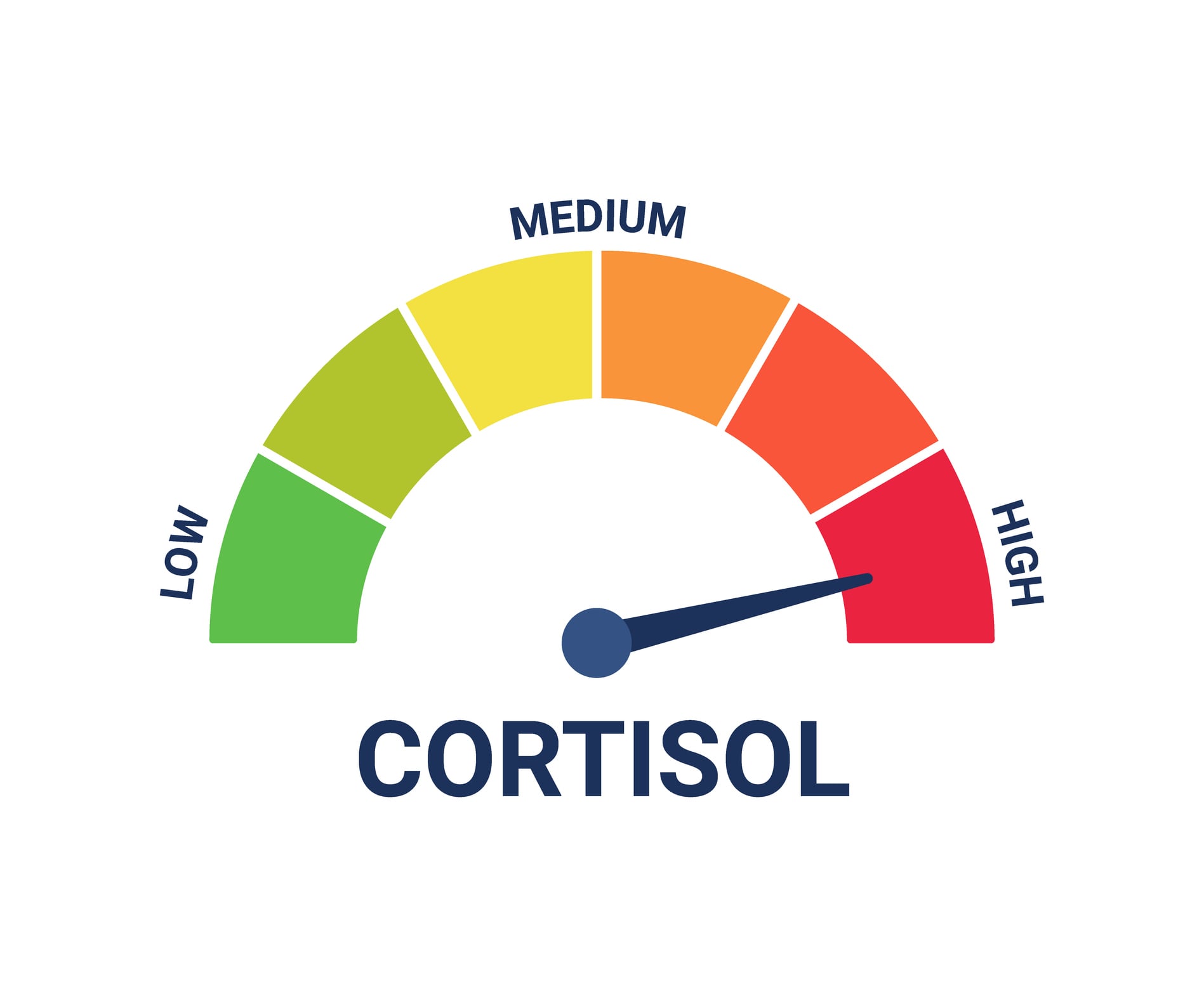
High cortisol hormone level on measuring scale, stress test. Control health, care and safe. Arrow on extreme level cortisol. Cortisol, commonly known as the “stress hormone”, is a steroid hormone produced by the adrenal glands.

Cortisol helps the body respond to stress by mobilizing energy to cope with stressors, or perceived threats. Cortisol triggers the “fight or flight” response.

In addition to regulating your body’s stress response, cortisol plays other important roles, including:

  • Regulating blood pressure
  • Controlling the sleep/wake cycle
  • Regulating metabolism and glucose (blood sugar) levels
  • Managing how the body uses proteins, carbohydrates and fats
  • Suppressing inflammation
  • Controlling heart rate

Because cortisol affects most systems in the body, having elevated levels and prolonged exposure can have a negative impact on your health.  Having high cortisol levels for a long time can lead to:

  • High blood sugar
  • High blood pressure
  • Hirsutism or excessive hair growth in women
  • Muscle weakness
  • Osteoporosis
  • Wide pink or purple stretch marks on the belly, hips, breasts, underarms or thighs
  • Weight gain in the abdomen or face
  • Acne
  • Skin that bruises easily
  • Severe fatigue
  • Reduced fertility

There are several reasons why our bodies may produce high levels of cortisol, including:

  • Cushing syndrome
  • Chronic stress
  • Adrenal gland tumors
  • Taking high doses of certain medications, such as corticosteroids

If you are experiencing symptoms related to high cortisol levels, it is recommended that you consult your doctor. They can assess your health by asking about your medical history and lifestyle, and ordering tests to investigate the cause of your symptoms.

Treatment depends on the underlying cause and may include the surgical removal of tumors, adjusting medication doses, prescribing medication to regulate cortisol production, or making lifestyle changes.

To schedule an appointment with a doctor at Jamaica Hospital Medical Center, please call 718-206-7001.

All content of this newsletter is intended for general information purposes only and is not intended or implied to be a substitute for professional medical advice, diagnosis or treatment. Please consult a medical professional before adopting any of the suggestions on this page. You must never disregard professional medical advice or delay seeking medical treatment based upon any content of this newsletter. PROMPTLY CONSULT YOUR PHYSICIAN OR CALL 911 IF YOU BELIEVE YOU HAVE A MEDICAL EMERGENCY.

Sickle Cell Disease

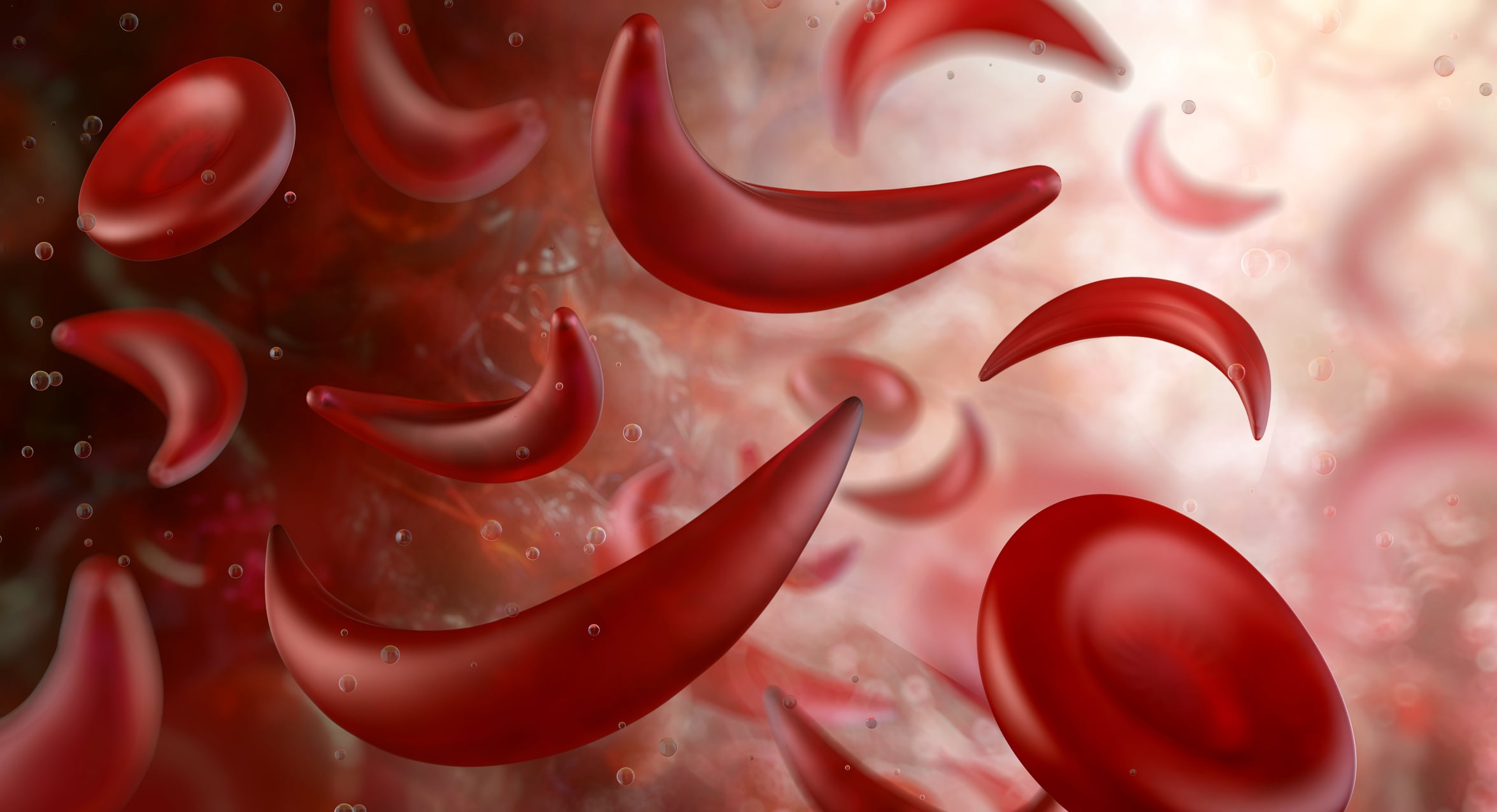
Sickle cell disease is a group of inherited blood cell disorders that affect hemoglobin, the protein that carries oxygen through the body. A genetic mutation in the HBB gene causes sickle cell disease. The HBB gene is responsible for making a part of hemoglobin. The disease gets its name from the abnormal crescent or “sickle” shape that some red blood cells develop, causing those red blood cells to block the blood flow through the body, creating recurring episodes of pain.

Sickle cell disease is a lifelong disease affecting more than 100,000 people in the United States and 20 million worldwide. It is the most common inherited blood disorder in the United States. In the U.S., most people who have sickle cell disease are of African ancestry or identify themselves as black. About one in 13 Black or African American babies is born with the sickle cell trait. About one in every 365 Black or African American babies is born with sickle cell disease. Many people who come from Hispanic, Southern European, Middle Eastern, or Asian Indian backgrounds also have sickle cell disease.

There are many symptoms of sickle cell disease. Early symptoms can include:

  • Jaundice- a condition that causes the color of the skin or whites of the eyes to turn yellow
  • Extreme tiredness
  • Painful swelling of the hands and feet

Many serious symptoms and complications of sickle cell disease include:

  • Episodes of severe pain
  • Anemia symptoms- fatigue, shortness of breath, dizziness, and an irregular heartbeat
  • Fever
  • Acute chest syndrome
  • Stroke
  • Priapism
  • Avascular necrosis
  • Pulmonary hypertension
  • Organ damage
  • Leg ulcers
  • Gallstones
  • Deep vein thrombosis
  • Pregnancy complications
  • Vision problems
  • Frequent infections

Sickle cell disease is diagnosed using a blood test that can check for the form of hemoglobin that underlies sickle cell anemia. In the United States, this test is part of routine newborn screening, but older children and adults can also get it.

If you or your child has sickle cell disease, your healthcare provider may suggest other tests to check for possible complications. If you or your child carries the sickle cell gene, you will likely be referred to a genetic counselor.

If you have sickle cell disease, there are many ways to manage and treat it, including:

  • Medicines
  • Blood transfusions
  • Blood and bone marrow transplant
  • Gene therapies
  • Complementary and alternative medicine (CAM)

Your healthcare team will probably include a doctor specializing in blood diseases called a hematologist.

If you need help managing symptoms of sickle cell disease or sickle cell trait, schedule an appointment with a hematologist at Jamaica Hospital Medical Center’s Department of Internal Medicine at (718) 206-7001.


All content of this newsletter is intended for general information purposes only and is not intended or implied to be a substitute for professional medical advice, diagnosis or treatment. Please consult a medical professional before adopting any of the suggestions on this page. You must never disregard professional medical advice or delay seeking medical treatment based upon any content of this newsletter. PROMPTLY CONSULT YOUR PHYSICIAN OR CALL 911 IF YOU BELIEVE YOU HAVE A MEDICAL EMERGENCY.
How Much Protein Do You Really Need?

Protein is essential to maintaining overall good health. However, consuming extra protein often comes from eating meats high in saturated fats, which can add to elevated LDL cholesterol levels or “bad cholesterol.

The recommended daily allowance (RDA) is 0.8 g/kg per day for adults 18 years or older. Based on weight, growing children and pregnant or lactating women require more protein than a typical adult man or woman. In terms of calories, the recommendation is that 10% to 35% of your daily calories come from protein.

You can consume your recommended daily allowance of protein from several food sources. If someone’s body weight is 70kg (154 lbs.), the RDA of protein is 56 g/day. If you drink an 8-ounce glass of milk, you’ll take in about 8 grams of protein. Add a cup of yogurt for about another 11 grams. Follow that up with a 3-ounce piece of lean/extra lean meat, which is about 21 grams of protein, and a cup of dry beans, which is about 16 grams, and you have already reached the 56-gram daily requirement for an adult man. For an adult woman, a 46-gram daily requirement of protein can be reached by eating one serving of low-fat Greek yogurt, a 4-ounce serving of lean chicken breast, and a bowl of cereal with skim milk.

The American Heart Association has a guided outline of the suggested servings for each food group:

  • Choose plant-based proteins such as legumes, nuts, lentils, or chickpeas. These are not only high in protein but fiber. Legumes, for example, can pack about 16 grams of protein per cup and are low in fat and an inexpensive alternative to meat.
  • Opt for low-fat or fat-free dairy options instead of full-fat dairy products.
  • Include regular intake of fish and seafood 2 to 3 times a week, especially oily fish such as salmon, anchovies, herring, mackerel, tuna, and sardines, which are high in polyunsaturated fats. Make sure to avoid seafood that is fried. These forms do not have health benefits.
  • When choosing meat or poultry, opt for lean cuts, skinless poultry, and avoid processed forms.
  • Eggs are another good source of protein and provide other sources of nutrients that benefit your health. Healthy individuals can include up to a whole egg or equivalent daily. However, people with dyslipidemia should be cautious in consuming eggs.
  • Choose main dishes that combine meat and vegetables, such as low-fat soups or a stir-fry.
  • Be aware of portion size. Aim for 3-ounce servings (4 ounces raw) of cooked poultry or meat per meal.

Before you add or make any drastic changes to your diet, it is important to consult with your healthcare provider before doing so.

The registered dietitians at Jamaica Hospital Medical Center are ready to help you plan a diet that can reduce your risk of disease, maintain a healthy weight, and improve your overall health. To learn more or to schedule an appointment, please call (718) 657-7093.

All content of this newsletter is intended for general information purposes only and is not intended or implied to be a substitute for professional medical advice, diagnosis or treatment. Please consult a medical professional before adopting any of the suggestions on this page. You must never disregard professional medical advice or delay seeking medical treatment based upon any content of this newsletter. PROMPTLY CONSULT YOUR PHYSICIAN OR CALL 911 IF YOU BELIEVE YOU HAVE A MEDICAL EMERGENCY.

Cataract Awareness Month

June is Cataract Awareness Month, a month to educate the public on an eye disease that is the leading cause of vision loss in the United States and the world’s leading cause of blindness.  

Most cataracts occur when aging or injury changes the tissue that makes up the eye’s lens, and proteins and fibers in the lens begin to break down, causing it to become cloudy. Most cataracts develop slowly and don’t disturb eyesight early on, but with time, they will eventually affect a person’s vision.  

There are several symptoms of cataracts, including: 

  • Clouded, blurred, or dim vision 
  • Trouble seeing at night 
  • Sensitivity to bright light and glare 
  • The need for brighter light for reading and other activities 
  • Seeing “halos” or streaks that form around lights 
  • Frequent changes in eyeglass or contact lens prescription 
  • Fading or yellowing of colors 
  • Double vision in one eye 

There are many types of cataracts, including: 

  • Nuclear cataracts 
  • Cortical cataracts 
  • Posterior subcapsular cataracts 
  • Congenital cataracts 

Several factors can increase the risk of cataracts, including: 

  • Increasing age 
  • Diabetes 
  • Getting too much sunlight 
  • Smoking 
  • Obesity 
  • Family history of cataracts 
  • Previous eye injury or inflammation 
  • Prolonged use of corticosteroid medicines 
  • Drinking excessive amounts of alcohol 

Ophthalmologists and optometrists diagnose cataracts through a comprehensive eye exam. A healthcare provider will closely examine your eyes for signs of cataracts and assess their severity. They will also ask about your vision, medical history, and if you’re having trouble with everyday tasks because you can’t see as well as before. Tests used to diagnose cataracts include: 

  • Slit lamp exam 
  • Visual acuity test 

Cataract surgery is the only way to remove cataracts and restore clear vision. During this surgery, an ophthalmologist removes the clouded natural lens and replaces it with an intraocular lens (IOL). An IOL is an artificial lens that permanently stays in the eye.  

No studies have proven how to prevent or slow the growth of cataracts. However, healthcare professionals think several strategies may be helpful, including: 

  • Getting regular eye exams 
  • Quitting smoking 
  • Managing other health problems 
  • Choosing a healthy diet that includes plenty of fruits and vegetables 
  • Wearing sunglasses 
  • Reducing alcohol use 

If you’re experiencing cataract symptoms, you can schedule an appointment at Jamaica Hospital Medical Center’s Ophthalmology Center by calling (718) 206-5900. 


All content of this newsletter is intended for general information purposes only and is not intended or implied to be a substitute for professional medical advice, diagnosis or treatment. Please consult a medical professional before adopting any of the suggestions on this page. You must never disregard professional medical advice or delay seeking medical treatment based upon any content of this newsletter. PROMPTLY CONSULT YOUR PHYSICIAN OR CALL 911 IF YOU BELIEVE YOU HAVE A MEDICAL EMERGENCY.

Do Compression Socks Help with Circulation?

Compression socks, or compression stockings, are socks of varying lengths and tightness that are made to fit more tightly than normal socks, so they gently squeeze your legs.  

Compression socks are a popular treatment for tired legs and calf swelling. They support healthy circulation and can increase energy levels and lower the risk of blood clots. There are three primary types of compression socks: 

  • Nonmedical support hosiery, which is available for anyone to buy over the counter 
  • Graduated compression socks, which are only available by prescription from a doctor, require a professional fitting 
  • Anti-embolism compression socks, which are prescribed for individuals who are at increased risk for pulmonary embolism 

Compression socks are safe to wear when done correctly. However, that doesn’t mean they are safe for everyone in every situation. Some people shouldn’t use compression socks, like those with delicate or easily irritated skin. Some potential risks of wearing compression socks incorrectly include: 

  • They can cut off your circulation 
  • They can chafe and bruise your legs 
  • They can cause itching, redness, and irritation 

The safest way to use compression socks is to follow a healthcare provider’s guidance. Some best practices for safely wearing compression socks include: 

  • Getting compression socks fitted properly by a professional 
  • Getting fitted for the correct size of compression socks if you have gained or lost weight 
  • Following instructions from the sock or stocking manufacturers and your healthcare provider 
  • Checking your skin for changes such as redness, dents, dryness, and chafing between every wear 
  • Hand-washing compression socks and hanging them dry to prevent warping or changes in the fabric 
  • Disposing of compression socks after 30 or so wears, as soon as you notice them losing their stretch 
  • Taking your compression socks off every day and replacing them with a clean, dry pair so the socks don’t adhere to your skin and become difficult to remove 

To schedule an appointment with one of the Queens, NYC vascular surgeons at Jamaica Hospital or to learn more about the services we offer, please call (718) 206-7001. 

All content of this newsletter is intended for general information purposes only and is not intended or implied to be a substitute for professional medical advice, diagnosis or treatment. Please consult a medical professional before adopting any of the suggestions on this page. You must never disregard professional medical advice or delay seeking medical treatment based upon any content of this newsletter. PROMPTLY CONSULT YOUR PHYSICIAN OR CALL 911 IF YOU BELIEVE YOU HAVE A MEDICAL EMERGENCY.
National Gun Violence Awareness Day

June 6th is National Gun Violence Awareness Day, a day that honors the victims and survivors of gun violence and builds a community with those working to end gun violence.

National Gun Violence Awareness Day, also known as Wear Orange Day, originated on June 2nd, 2015, which is what would have been Hadiya Pendleton’s 18th birthday. Hadiya was shot and killed on a playground in Chicago, Illinois. Soon after this tragedy, Hadiya’s friends commemorated her life by wearing orange, the color hunters wear to protect themselves and others.

#WearOrange honors Hadiya and the 125 people shot and killed every day in the United States, along with hundreds more who are wounded and the countless others whose lives have been changed by gun violence.

To participate in National Gun Violence Awareness Day, you can do the following:

Attend a gun safety community event.
Talk to friends, family, and neighbors. Start a conversation about gun safety and why it matters in your community.
Wear the color orange.
Post yourself wearing or holding something orange and use #WearOrange to show your support for gun violence prevention.

For this 11th year of National Gun Violence Awareness Day, #WearOrange and join in remembering the millions of lives stolen or impacted by gun violence and taking action by advocating for gun violence prevention in their honor.

All content of this newsletter is intended for general information purposes only and is not intended or implied to be a substitute for professional medical advice, diagnosis or treatment. Please consult a medical professional before adopting any of the suggestions on this page. You must never disregard professional medical advice or delay seeking medical treatment based upon any content of this newsletter. PROMPTLY CONSULT YOUR PHYSICIAN OR CALL 911 IF YOU BELIEVE YOU HAVE A MEDICAL EMERGENCY.
Normal Pressure Hydrocephalus

Normal pressure cephalus (NPH) is a condition that occurs when cerebrospinal fluid builds up inside the skull and presses on the brain.

Normal pressure hydrocephalus can affect several brain-related abilities, including:

  • Thinking and concentration
  • Memory
  • Movement

There are two forms of normal pressure hydrocephalus, and they happen at equal rates. The two types are:

  • Primary (idiopathic) NPH means that it isn’t happening because of another medical condition, and the cause is unknown. Experts suspect idiopathic NPH can involve one or more age-related issues with how the body makes, circulates, and reabsorbs cerebrospinal fluid. About half the cases of NPH are idiopathic.
  • Secondary NPH happens when another medical condition affects how the body makes, circulates, or reabsorbs cerebrospinal fluid. Some examples of conditions that can cause secondary NPH include:
    • A brain aneurysm
    • Intracranial hemorrhage
    • Brain tumors, including cancer
    • Encephalitis or meningitis
    • Stroke
    • Traumatic brain injuries

Normal pressure hydrocephalus is usually difficult to diagnose because it shares several symptoms with dementia and similar age-related conditions. It is also common for NPH to happen at the same time as age-related conditions. About 30% of people with NPH also have Alzheimer’s or a similar degenerative brain disease.

The symptoms of NPH usually start gradually, and develop and worsen over three to six months. The three main symptoms of NPH are known as Hakim’s triad. Between 50% and 75% of people with NPH show all three symptoms at the same time. Hakim’s triad includes three types of symptoms, which include:

  • Gait issues are the most likely of the three symptoms to occur. About 80% to 95% of people with NPH show this kind of symptom. Some of these symptoms may resemble movement-related symptoms of Parkinson’s disease, however, a key difference is that NPH symptoms typically only affect the legs and feet. If you have NPH, it often causes the following:
    • Trouble lifting your feet
    • Taking shorter and unsteady steps
    • Hesitating or walking uncertainly
  • Urinary incontinence is when you lose control of your bladder, causing you to pee unintentionally. Early on, this can cause a strong urge to pee often that is difficult to control.
  • Cognitive difficulties are the third key symptom of NPH and can appear as or cause any of the following:
    • Mental and physical slowness
    • Memory problems
    • Executive dysfunction
    • Emotional changes

A healthcare provider can diagnose NPH using a combination of methods that include:

  • physical and neurological exams
  • Asking questions about your medical history and symptoms
  • diagnostic imaging, such as an MRI, cisternogram scan, and CT scans
  • Lab tests, such as a spinal tap

Depending on your symptoms, a healthcare provider may recommend other tests to rule out conditions that have symptoms similar to NPH.

NPH is usually a treatable disease. The approach to treatment varies depending on whether it is primary/idiopathic or secondary NPH. Unlike most brain-related conditions, treating NPH rarely involves medications because NPH doesn’t respond to medications.

Primary/idiopathic NPH is usually treatable, with the most common and most effective treatment being surgery to implant a device called a shunt.

Secondary NPH may be curable, only if it happens because of a curable condition. The treatment for secondary NPH varies depending on the underlying cause. A healthcare provider is the best person to tell you about the possible treatments and what they recommend.

If you commonly experience symptoms of normal pressure hydrocephalus or other brain-related conditions, you can receive specialized treatment from a neurologist at Jamaica Hospital Medical Center’s Ambulatory Care Center. To schedule an appointment, please call (718)-206-7001.

All content of this newsletter is intended for general information purposes only and is not intended or implied to be a substitute for professional medical advice, diagnosis or treatment. Please consult a medical professional before adopting any of the suggestions on this page. You must never disregard professional medical advice or delay seeking medical treatment based upon any content of this newsletter. PROMPTLY CONSULT YOUR PHYSICIAN OR CALL 911 IF YOU BELIEVE YOU HAVE A MEDICAL EMERGENCY.

June Is Men’s Health Month

June is designated as Men’s Health Month. This observance aims to raise awareness of health issues that affect men and encourage the prevention and early detection of diseases such as prostate cancer, hypertension, and other conditions.

Many of the health risks faced by men are preventable or treatable if detected early.

One of the most effective ways to detect certain health problems early or prevent them is to get regular screenings.

Key health screenings include:

  • Prostate cancer
  • Colorectal cancer
  • Blood pressure
  • Lung cancer
  • Diabetes
  • High cholesterol
  • Osteoporosis

In addition to getting regular screenings, it’s important to make lifestyle changes that help reduce health risks, such as:

  • Eating a healthy diet
  • Quitting smoking
  • Exercising
  • Limiting alcohol consumption
  • Getting adequate sleep

Prioritizing mental health is also crucial for overall well-being. It’s important to recognize and be attentive to the signs and symptoms of mental health conditions.  Don’t hesitate to reach out for support by confiding in trusted friends or family or seeking assistance from licensed healthcare professionals.

Jamaica Hospital offers a variety of services that can help you manage your health. To learn more, please visit our website at www.JamaicaHospital.org

All content of this newsletter is intended for general information purposes only and is not intended or implied to be a substitute for professional medical advice, diagnosis or treatment. Please consult a medical professional before adopting any of the suggestions on this page. You must never disregard professional medical advice or delay seeking medical treatment based upon any content of this newsletter. PROMPTLY CONSULT YOUR PHYSICIAN OR CALL 911 IF YOU BELIEVE YOU HAVE A MEDICAL EMERGENCY.

Primary Heart Attack Center Certification

Every year, more than 800,000 people in the U.S. have a heart attack. A heart attack, or myocardial infarction, occurs when blood flow to the heart muscle is reduced or blocked. The blockage is usually due to a buildup of fat, cholesterol, and other substances in the heart’s arteries. The amount of damage to the heart muscle depends on the artery and the treatment.

Most heart attacks are caused by coronary artery disease, which is the most common cause of death in the United States.

The warning signs of a heart attack include:

  • Chest discomfort that lasts more than a few minutes or doesn’t go away and returns
  • Pain or discomfort in the arms, back, neck, jaw, and stomach
  • Shortness of breath

Other signs of a heart attack can include:

  • Breaking out in a cold sweat
  • Nausea
  • A rapid or irregular heartbeat
  • Unusual tiredness
  • Heartburn or indigestion
  • Lightheadedness

Several key factors can affect your risk of having a heart attack. Unfortunately, some heart attack risk factors aren’t things you can modify. They include:

  • Age and sex
  • Family history of heart disease
  • Lifestyle
  • Certain health conditions

Healthcare providers usually diagnose heart attacks in an emergency room setting. If you have heart attack symptoms, you should undergo a physical exam. A healthcare provider will check your pulse, blood oxygen levels, and blood pressure, and listen to your heart and lung sounds. They will also ask about the symptoms you experienced.

A healthcare provider will diagnose a heart attack using the following testing procedures:

  • Blood tests
  • An Electrocardiogram (EKG or ECG)
  • An echocardiogram
  • A coronary angiogram
  • A heart computed tomography (CT) scan
  • A heart MRI
  • An exercise stress test
  • Nuclear heart scans

Treating a heart attack means restoring blood flow to the affected heart muscle immediately. This can happen in various ways, ranging from medication to surgery. Treatment will likely include:

  • Supplementary oxygen
  • Medications
  • Percutaneous coronary intervention
  • Coronary artery bypass grafting

Although several risk factors for a heart attack can’t be modified, there are many ways to reduce your risk of a heart attack, including:

  • Scheduling a check-up with a healthcare provider
  • Quitting tobacco products
  • Exercising regularly
  • Eating nutritious foods
  • Maintaining a healthy weight
  • Managing existing health conditions
  • Reducing stress
  • Taking medications as prescribed
  • Keeping all medical appointments

Jamaica Hospital Medical Center has been awarded the Joint Commission’s Primary Heart Attack Center certification with a gold seal.

This certification standardizes patient care across hospital settings regarding identification, assessment, monitoring, management, data sharing, and performance improvement for multidisciplinary STEMI heart attack care. Our hospital collaborates with the American Heart Association (AHA) in providing patient-centric cardiac care for all patients, their families, and the community the hospital serves.

The protocols and performance measures related to this designation reduce variances and promote standardization of the best practices in cardiac care. This, in turn, assists in improving clinical outcomes.

For more information about heart attacks, visit the American Heart Association’s website: https://www.heart.org/en/health-topics/heart-attack/about-heart-attacks

If you are experiencing an emergency, please dial 911 right away. If you are experiencing heart attack symptoms, you can schedule an appointment at Jamaica Hospital Medical Center’s Cardiology Department by calling (718) 206-7100.


All content of this newsletter is intended for general information purposes only and is not intended or implied to be a substitute for professional medical advice, diagnosis or treatment. Please consult a medical professional before adopting any of the suggestions on this page. You must never disregard professional medical advice or delay seeking medical treatment based upon any content of this newsletter. PROMPTLY CONSULT YOUR PHYSICIAN OR CALL 911 IF YOU BELIEVE YOU HAVE A MEDICAL EMERGENCY.