
Benefits of Yoga for Heart Health

There are many aerobic exercises that can increase the heart rate and help prevent or manage heart disease. However, calming exercises such as yoga are good for the heart as well.  

Yoga is a mind-body activity that involves moving through a series of body poses and breathing exercises that can improve strength, flexibility, balance, and relaxation. There are dozens of different formats, or practices of yoga, such as hatha, anusara, and ashtanga, that emphasize different focuses, such as toning, strength training, or meditation.  

One of yoga’s clearest benefits to the heart is its ability to relax the body and mind. Emotional stress can cause several physical effects, including the release of hormones such as cortisol and adrenaline, which can narrow the arteries and increase blood pressure. The relaxation response that yoga provides not only slows the heart rate and lowers blood pressure; it may also reduce inflammation and promote favorable changes in blood vessel function that protect the heart.  

Additionally, practicing yoga can help lower blood cholesterol and blood glucose levels.  

As mind-body practices, yoga encourages people to slow down and be more mindful about heart-healthy behaviors, such as eating well and getting enough sleep. These habits, along with positive emotions that some forms of yoga aim to inspire, such as compassion and gratitude, may also help foster cardiovascular health.  

Recent studies support the benefits of yoga for heart health. One study has shown that blood measurements and waist circumference, which are signs of heart disease, improved in middle-aged adults with metabolic syndrome who practiced yoga for three months.  

Another study has shown that attending slow-paced yoga classes twice a week reduced the frequency of atrial fibrillation episodes in patients with that condition. Additionally, in another report, patients with heart failure who went through an eight-week yoga program showed improvement in exercise capacity and quality of life. They also had lower blood levels of markers for inflammation, which contributes to heart disease.  

Research has also indicated that yoga may be a useful tool in helping smokers quit, as smoking is one of the biggest risk factors for heart disease.  

If you would like to learn about other ways to be heart healthy, you can schedule an appointment at Jamaica Hospital Medical Center’s Cardiology Department by calling (718) 206-7100. 

All content of this newsletter is intended for general information purposes only and is not intended or implied to be a substitute for professional medical advice, diagnosis or treatment. Please consult a medical professional before adopting any of the suggestions on this page. You must never disregard professional medical advice or delay seeking medical treatment based upon any content of this newsletter. PROMPTLY CONSULT YOUR PHYSICIAN OR CALL 911 IF YOU BELIEVE YOU HAVE A MEDICAL EMERGENCY.
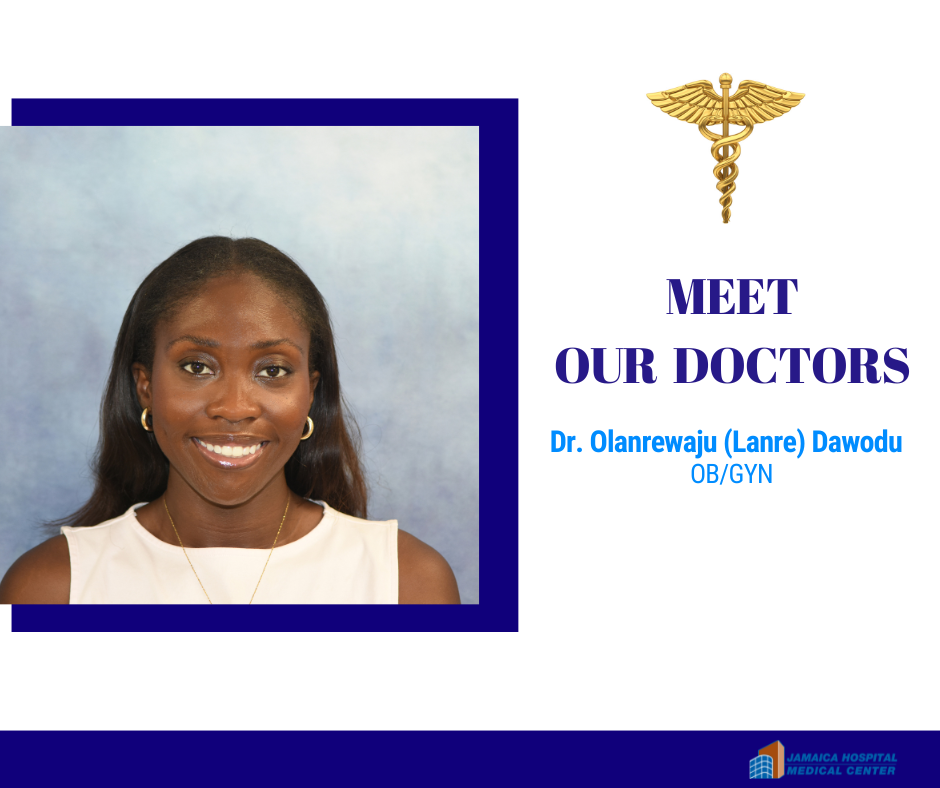
Meet Our Doctors: Dr. Dawodu

We are pleased to introduce Dr. Olanrewaju (Lanre) Dawodu, the newest member of the obstetrics and gynecology team at Jamaica Hospital Medical Center.

Dr. Dawodu is an attending physician, specializing in minimally invasive gynecological surgery (MIGS). She chose minimally invasive gynecological surgery as a specialty because it allows her to treat complex conditions, such as fibroids, endometriosis, infertility, and chronic pelvic pain. “I am passionate about using advanced surgical techniques that not only relieve symptoms, but also speed recovery and restore function, allowing those affected to reclaim their health and quality of life”, she said. Dr. Dawodu was drawn to medicine because it allows her to combine science, hands-on skills, and patient advocacy. “Over time, I became especially motivated by the need to improve care for women whose health concerns are often minimized or overlooked,” she explained.

Dr. Dawodu attended Wayne State University for her undergraduate degree and Meharry Medical College for medical school. She completed her residency at the Hospital of the University of Pennsylvania and a fellowship at Columbia University Irving Medical Center, and is board-certified in obstetrics and gynecology. Dr. Dawodu treats patients with fibroids, menstrual disorders, endometriosis, chronic pelvic pain, ovarian cysts, and other benign but complex gynecologic conditions. She specializes in both uterine-preserving procedures and definitive treatments such as hysterectomy. “I offer the full spectrum of minimally invasive surgical options, including hysteroscopy, laparoscopy, and robotic surgery, tailoring each approach to a patient’s individual needs and goals”, says Dr. Dawodu.

Although Dr. Dawodu wasn’t born or raised in Queens, she has lived in New York City for the past four years and is proud to serve the Queens community through Jamaica Hospital. “I am excited to build a comprehensive program in complex benign gynecology here in Queens”, she said. She also noted that Jamaica Hospital wonderfully serves a diverse population and she is eager to provide advanced surgical options to patients who might not otherwise have access to them, stating, “I hope to bring compassionate care, surgical expertise, and a focus on patient-centered outcomes. My goal is to help my patients feel heard, validated, and empowered in their healthcare decisions, while ensuring they have access to the latest minimally invasive treatments.” Beyond surgery, Dr. Dawodu is committed to mentorship, education, and improving the efficiency of care. She is excited to grow with Jamaica Hospital as it expands access to minimally invasive gynecologic options in Queens.

We are proud to welcome Dr. Dawodu to our team and look forward to the work she and the rest of the Department of Obstetrics and Gynecology will do to provide high-quality care to our community.

All content of this newsletter is intended for general information purposes only and is not intended or implied to be a substitute for professional medical advice, diagnosis or treatment. Please consult a medical professional before adopting any of the suggestions on this page. You must never disregard professional medical advice or delay seeking medical treatment based upon any content of this newsletter. PROMPTLY CONSULT YOUR PHYSICIAN OR CALL 911 IF YOU BELIEVE YOU HAVE A MEDICAL EMERGENCY.

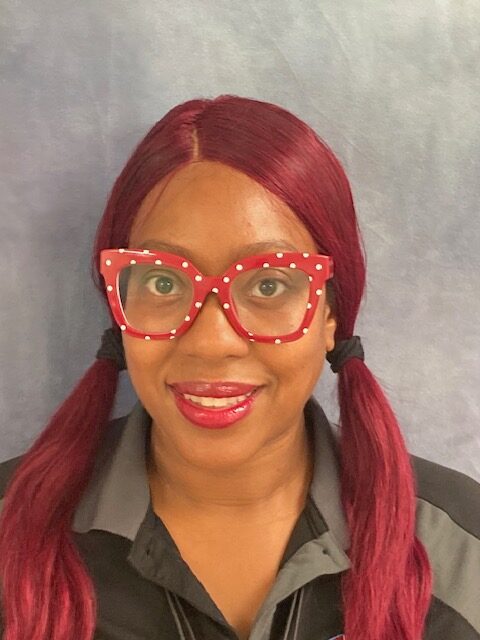
Employee Spotlight Shines on Catherine Conley

This month, we are proud to shine our Employe Spotlight on Catherine Conley who works in the shipping and receiving department at Jamaica Hospital Medical Center. Catherine began her career with the hospital seven years ago as a medical assistant in the Women’s Health Center and two years ago she moved over to her current position in shipping and receiving.

Catherine was raised in the Williamsburg section of Brooklyn where she attended P.S. 132, and J.H.S 126. She continued her education at Queens Vocational Technical School graduating in 1999. She currently resides in Queens. Catherine has one daughter who is 22 years old of whom she is very proud, and a seven year old dog named Harley.

In her free time, Catherine enjoys going for long walks, roller skating, doing yoga and watching action movies. Her favorite movie series are the Transformers which she has seen countless times. Her most recent vacation was  a cruise to Mexico in 2024. She plans on visiting the Dominican Republic and Jamaica next year. Catherine’s favorite foods are Soul, Italian, Spanish, and Caribbean.

Catherine enjoys starting her day by listening to music. She likes many different types of music, especially Pop, Rock, Rap, and her favorite performers are James Brown, Gladys Knight, Marilyn Manson, Kid Rock and Wu Tang Clan.

Family and friends are very important to Catherine. She says that she is very thankful to have positive people in her life. She feels very fortunate to work at Jamaica Hospital because the team of people she works with is phenomenal.  She is always very happy to come to work every morning. We are glad to have Catherine as a member of our staff and we look forward to her continuing to work with us for many more years into the future.

All content of this newsletter is intended for general information purposes only and is not intended or implied to be a substitute for professional medical advice, diagnosis or treatment. Please consult a medical professional before adopting any of the suggestions on this page. You must never disregard professional medical advice or delay seeking medical treatment based upon any content of this newsletter. PROMPTLY CONSULT YOUR PHYSICIAN OR CALL 911 IF YOU BELIEVE YOU HAVE A MEDICAL EMERGENCY.
How to Care for a Loved One Who Has Dementia

Caring for a loved one with dementia comes with many emotional and physical challenges. Whether you are providing round-the-clock care at home, or visiting them at a homecare facility a couple or few times a week, understanding how to better care for a loved one with the condition can have a transformative effect on your relationship with them.

Dementia is a general term that represents a group of diseases and illnesses that cause the loss of cognitive functioning to the point that it interferes with a person’s daily life and activities.

Cognitive changes they may experience include:

  • Memory loss, usually noticed by someone else
  • Problems communicating or finding words
  • Trouble with visual and spatial abilities, such as getting lost while driving
  • Problems with reasoning or problem-solving
  • Trouble performing complex tasks
  • Trouble with planning and organizing
  • Poor coordination and control of movements
  • Confusion and disorientation

Some people with dementia can’t control their emotions, and they may also have psychological changes, such as:

  • Personality changes
  • Depression
  • Anxiety
  • Agitation
  • Inappropriate behavior
  • Hallucinations

Dementia is caused by damage to your brain, affecting its nerve cells and destroying the brain’s ability to communicate with its various areas. Dementia can also result from blocked blood flow to the brain, depriving it of oxygen and nutrients. Without oxygen and nutrients, brain tissue dies.

Progressive dementias get worse over time. Types of dementias that worsen and aren’t reversible include:

  • Alzheimer’s disease (the most common cause of dementia)
  • Vascular dementia
  • Lewy body dementia
  • Frontotemporal dementia
  • Mixed dementia

As your loved one may be experiencing changes in thinking, remembering, and reasoning in ways that affect their daily life and activities, they will need more help with simple, everyday tasks. Here are some ways you can care for a loved one to ensure they are provided with compassionate and effective support:

  • Establish a consistent daily routine that offers a sense of security for your loved one. Schedule their meals, medications, and activities at the same times each day. This can help reduce confusion and anxiety and make the caregiving process smoother.
  • Communicate clearly and calmly with your loved one. This can be achieved by doing the following:
    • Using simple words and short sentences
    • Maintaining eye contact and speaking slowly
    • Being patient and giving them time to process and respond
  • Making your loved one’s environment dementia-friendly to ensure the home is safe and easy to navigate. You can do this by:
    • Removing tripping hazards
    • Labeling drawers and rooms with words and pictures
    • Using night lights to reduce nighttime disorientation
  • Encourage their independence and dignity by allowing them to do as much as they can on their own, breaking tasks into manageable steps, and offering gentle guidance when needed
  • Avoid arguing and correcting a misstatement or memory error. Use validation therapy by acknowledging their feelings and redirecting the conversation gently, as this can reduce their agitation
  • Engage in meaningful activities that stimulate the mind and body, which can boost their mood and cognitive function. These activities can include:
    • Listening to music
    • Looking at old photos
    • Simple puzzles and crafts
  • Watch for signs of discomfort as individuals with dementia may not always clearly express their pain or discomfort. Watch for non-verbal cues, such as restlessness, facial expressions, or changes in behavior
  • Take care of yourself. As a caregiver of a loved one with dementia, burnout is common. Prioritize your own health by taking breaks, seeking emotional support, and joining caregiver support groups
  • Plan for your loved one’s future by making early decisions about legal documents, long-term care options, and financial planning
  • Use assistive technology and tools such as reminder clocks, GPS trackers, and medication dispensers

If your loved one is experiencing any of these dementia symptoms, you can schedule an appointment with a neurologist at Jamaica Hospital Medical Center’s Ambulatory Care Center by calling (718) 206-7001. If they are experiencing an emergency, call 911.


All content of this newsletter is intended for general information purposes only and is not intended or implied to be a substitute for professional medical advice, diagnosis or treatment. Please consult a medical professional before adopting any of the suggestions on this page. You must never disregard professional medical advice or delay seeking medical treatment based upon any content of this newsletter. PROMPTLY CONSULT YOUR PHYSICIAN OR CALL 911 IF YOU BELIEVE YOU HAVE A MEDICAL EMERGENCY.
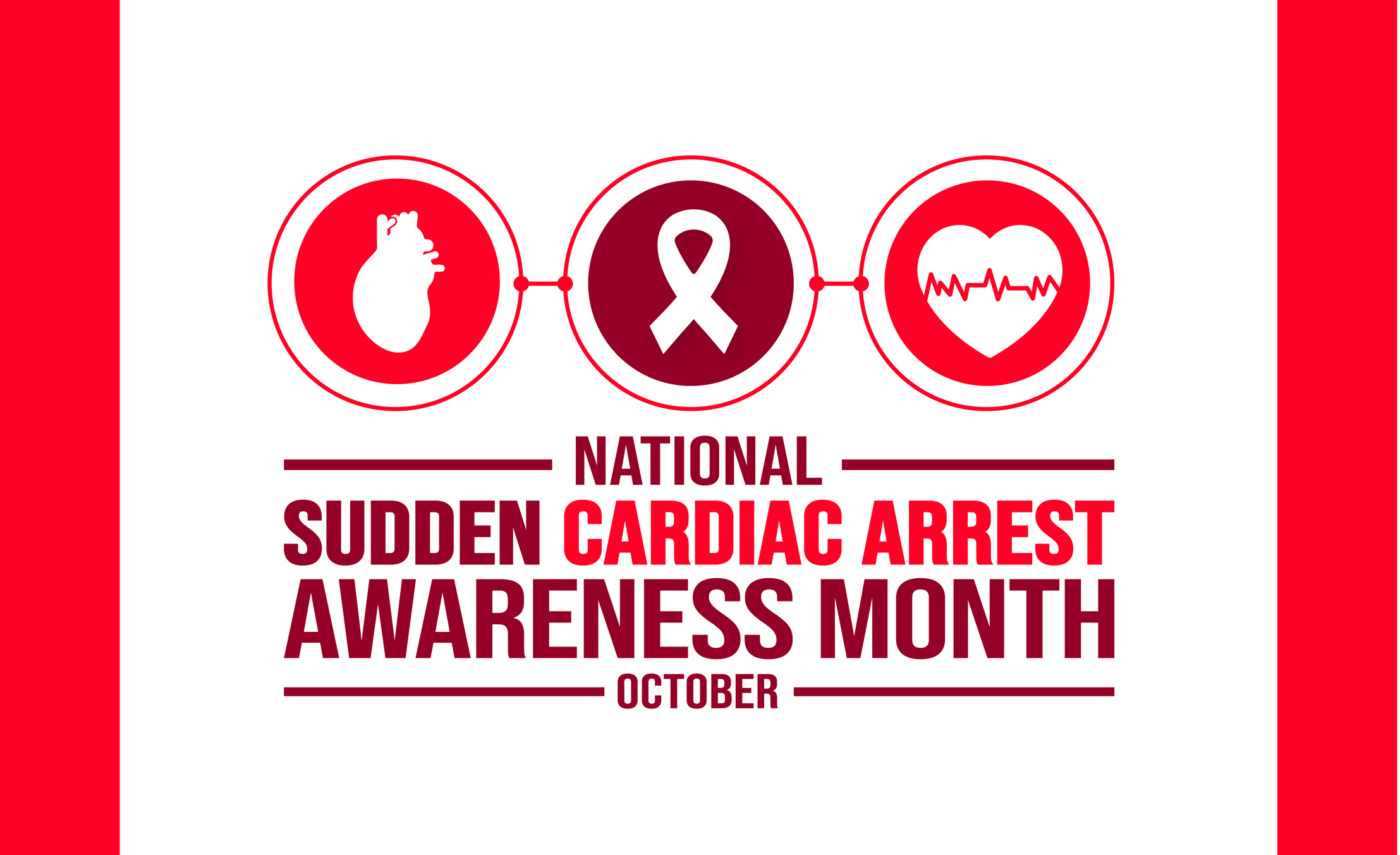
National Sudden Cardiac Arrest Awareness Month

October is National Sudden Cardiac Arrest Awareness Month. It is a call to action aimed at raising awareness about the signs and symptoms of sudden cardiac arrest and highlighting its impact on individuals, as well as guiding how to help save lives.

Here are some things to know about cardiac arrest:

· More than 356,000 out-of-hospital cardiac arrests occur annually in the U.S., and nearly 90% of them are fatal

· Cardiopulmonary resuscitation (CPR) can double or triple survival rates, yet fewer than half of victims receive bystander aid

· Sudden cardiac arrest kills one person every two minutes

· About 70% of cardiac arrests happen at home

· An estimated 10,000 cardiac arrests occur at work each year in the U.S.

· Sudden cardiac arrest is the leading cause of death on school campuses

Having a heart attack can increase your risk of experiencing sudden cardiac arrest; however, there are distinct differences between a heart attack and cardiac arrest, their causes, and symptoms.

A heart attack occurs when blood flow to the heart is severely reduced or blocked. The blockage is typically caused by a buildup of fat, cholesterol, or other substances in the coronary arteries.

Sudden cardiac arrest occurs when the heart suddenly stops beating and pumping blood to vital organs.

Signs of sudden cardiac arrest include:

· Unconsciousness

· No breathing or only gasping for air

Many factors can put someone at risk of sudden cardiac arrest, including:

· Family history of coronary artery disease

· Smoking

· High blood pressure and high cholesterol

· Obesity

· Diabetes

· A sedentary lifestyle

· Drinking too much alcohol

· Using illegal drugs such as cocaine or amphetamines

Every second counts in a sudden cardiac arrest. In 95% of sudden cardiac arrest cases, the victim is lost. Survival from an out-of-hospital cardiac arrest greatly depends on nearby loved ones or bystanders promptly calling 911, initiating CPR, and using an automated external defibrillator (AED). For every minute that immediate CPR and use of a defibrillator are delayed, the odds of survival decrease by 10%.

Knowing how to start CPR and how to use an AED greatly increases the chance of survival of a sudden cardiac arrest. The survival rate of sudden cardiac arrest is about 10% for out-of-hospital incidences and 21% for in-hospital events, yet research shows that high-quality CPR has a significant impact on survival outcomes, whether inside or outside the hospital.

Unfortunately, sometimes people refrain from helping someone who needs CPR because of the fear of injuring the person or doing something wrong. Calling 911 and starting chest compressions is better than doing nothing at all because it can help give the person a better chance of survival.

Here is what you can do when someone is in sudden cardiac arrest:

· Call 911 or have someone nearby call 911 immediately. The emergency dispatcher can guide you on what you can do until advanced medical help arrives. This includes how to perform Hands-Only CPR.

· Check to see if the person is breathing or responsive

· Send someone to get the AED

· If the person is not breathing, or gasping for air, and they are not responsive, start CPR immediately. If you don’t know CPR, perform hands-only CPR, pushing hard and fast on the center of the chest

· Use an AED if available. Portable AEDs are available in many public places

Sudden cardiac arrest can affect anyone and everyone. That is why it is important to be educated about sudden cardiac arrest, the warning signs, and how to respond if someone around you goes into cardiac arrest.

All content of this newsletter is intended for general information purposes only and is not intended or implied to be a substitute for professional medical advice, diagnosis or treatment. Please consult a medical professional before adopting any of the suggestions on this page. You must never disregard professional medical advice or delay seeking medical treatment based upon any content of this newsletter. PROMPTLY CONSULT YOUR PHYSICIAN OR CALL 911 IF YOU BELIEVE YOU HAVE A MEDICAL EMERGENCY.

Hemorrhoids

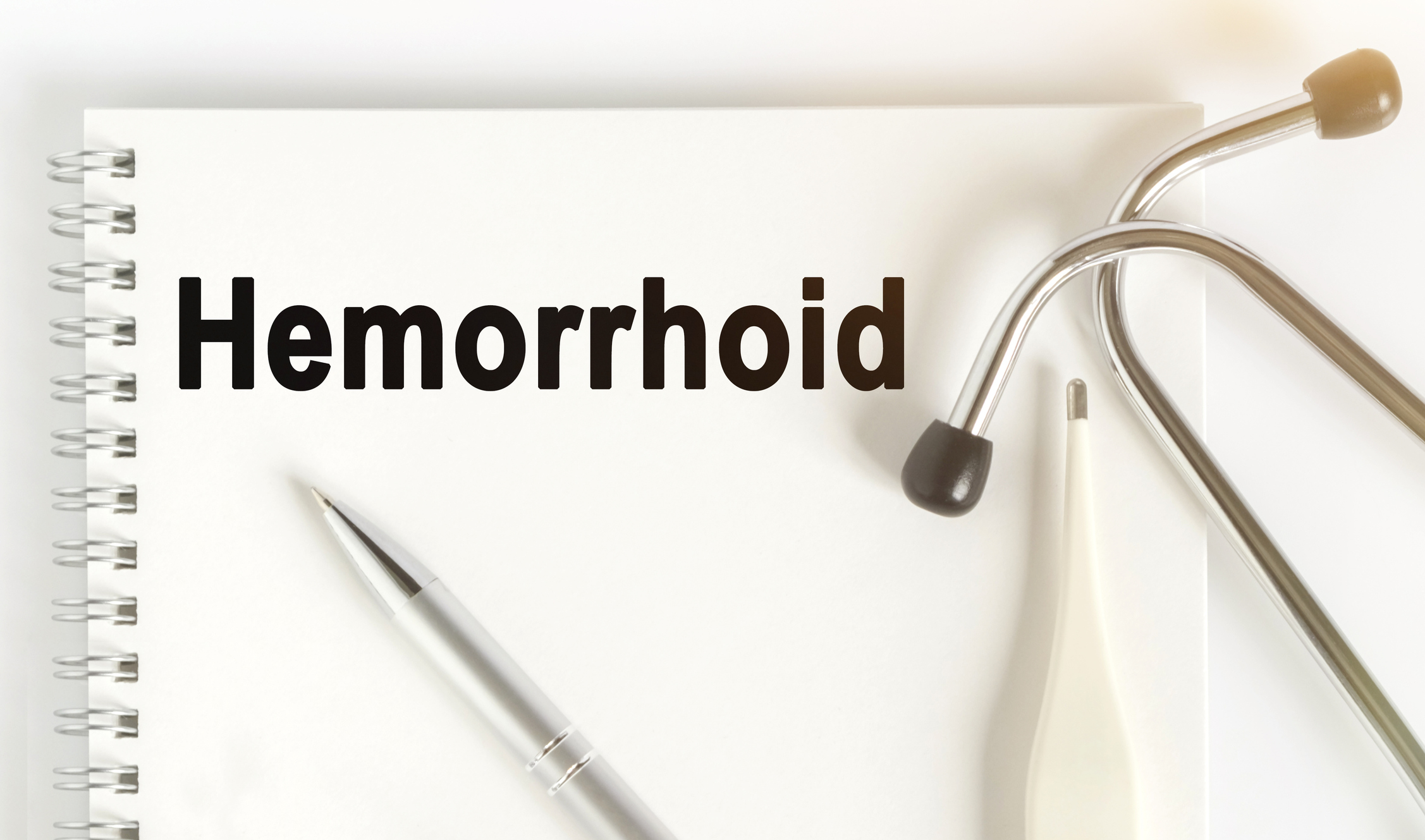
On the table are a stethoscope, a thermometer, a pen and a notebook with the inscription -Hemorrhoid. The concept of medicine.Hemorrhoids, also called piles, are swollen or enlarged veins that form in the lower rectum and around the anus.

There are two types of hemorrhoids: internal and external hemorrhoids.  Internal hemorrhoids form in the lining of the anus and the lower rectum. External hemorrhoids develop under the skin around the anus.

Hemorrhoids are common in both men and women, affecting an estimated 50% of adults at some point in their lives.  Some people are more at risk of developing hemorrhoids than others. They include those who:

  • Live a sedentary lifestyle or have a profession where they sit for long periods
  • Are pregnant
  • Have a family history of hemorrhoids
  • Are between the ages of 45 and 65 years old

Hemorrhoids develop when there is increased pressure on the veins in the anus or rectum, which leads to inflammation and swelling.

Increased pressure on the veins in these areas may be caused by:

  • Chronic constipation or diarrhea
  • Straining when passing stool
  • Sitting on the toilet for extended periods
  • Eating a low-fiber diet
  • Being pregnant
  • Frequently lifting heavy objects
  • Being overweight or obese
  • Having anal intercourse

The symptoms of hemorrhoids vary based on the type you have (internal or external).  You may experience:

  • Itching
  • Swelling or hard lumps around the anus
  • Pain or discomfort in the affected area
  • Bleeding (You may see bright red blood in stool, on toilet paper, or in the bowl, after pooping)

Symptoms of more minor hemorrhoids may be treatable at home, using over-the-counter hemorrhoid and pain medications, soaking in sitz baths, drinking more water, eating more fiber, or taking laxatives.

You should see a doctor if symptoms persist (not improving after one week of at-home treatments), and especially if your stool turns black or red, or if you notice more blood than usual.

Your doctor can diagnose hemorrhoids by performing a physical examination or tests such as a digital rectal exam or anoscopy.  They may recommend treatments based on the symptoms you are experiencing and their severity. Treatment can include injections, surgery, rubber band ligation, or using infrared light to burn hemorrhoids.

To schedule an appointment with a doctor at Jamaica Hospital Medical Center, please call 718-206-7001.


All content of this newsletter is intended for general information purposes only and is not intended or implied to be a substitute for professional medical advice, diagnosis or treatment. Please consult a medical professional before adopting any of the suggestions on this page. You must never disregard professional medical advice or delay seeking medical treatment based upon any content of this newsletter. PROMPTLY CONSULT YOUR PHYSICIAN OR CALL 911 IF YOU BELIEVE YOU HAVE A MEDICAL EMERGENCY.
A Delicious and Comforting Potpie Recipe that Will Keep You Cozy This Fall

As fall progresses, the days will become shorter, the nights will become colder, and we will be looking for things to keep us cozy on those crisp autumn evenings. Here is a potpie recipe that is both delicious and comforting.

https://www.foodnetwork.com/recipes/basic-potpie-recipe-recipe-1939630

All content of this newsletter is intended for general information purposes only and is not intended or implied to be a substitute for professional medical advice, diagnosis or treatment. Please consult a medical professional before adopting any of the suggestions on this page. You must never disregard professional medical advice or delay seeking medical treatment based upon any content of this newsletter. PROMPTLY CONSULT YOUR PHYSICIAN OR CALL 911 IF YOU BELIEVE YOU HAVE A MEDICAL EMERGENCY.
Patient Testimonial- Chris Barker says, “Dr. Guerges was very professional, and explained everything in depth”

“Dr. Guerges was very professional, and explained everything in depth”, is what Chris Barker, a certified gemologist and construction contractor, said after having surgery to fix a blockage in his leg.

While Mr. Barker was working his construction job, he began having health problems and fell ill. He then started to notice a pain and burning sensation in his leg. This leg pain was so severe that it prevented him from walking long distances and significantly impeded his ability to carry out his day-to-day functions and to carry out his job. That is when he came to Jamaica Hospital Medical Center and met with Dr. Mina Guerges, the attending vascular surgeon.

During a consultation, Dr. Guerges discovered that Mr. Barker was suffering from a long-standing blockage in his leg that was preventing blood from reaching his foot, and he made plans to perform surgery to fix the blockage in his leg immediately. The surgery went smoothly. Using state-of-the-art technology, Dr. Guerges was able to restore blood flow to Mr. Barker’s leg, and he was immediately pain-free and back at work. “The surgical team was very professional”, said Mr. Barker.

Mr. Barker says he is doing well now since the surgery. Mr. Barker is grateful to Dr. Guerges and his team for their assistance throughout this experience.

At Jamaica Hospital, our surgical team is using cutting-edge technology to salvage limbs and prevent major amputations. To schedule an appointment with one of our vascular surgeons in NYC or learn more about the services at our vascular surgery center in New York, please call 718-206-6713.

All content of this newsletter is intended for general information purposes only and is not intended or implied to be a substitute for professional medical advice, diagnosis or treatment. Please consult a medical professional before adopting any of the suggestions on this page. You must never disregard professional medical advice or delay seeking medical treatment based upon any content of this newsletter. PROMPTLY CONSULT YOUR PHYSICIAN OR CALL 911 IF YOU BELIEVE YOU HAVE A MEDICAL EMERGENCY.

Harnessing AI in Stroke Care

At Jamaica Hospital Medical Center, we are committed to bringing the latest innovations in stroke care to our patients.

Artificial intelligence (AI) is now playing an important role, helping us improve both the speed of treatment and the quality of recovery.

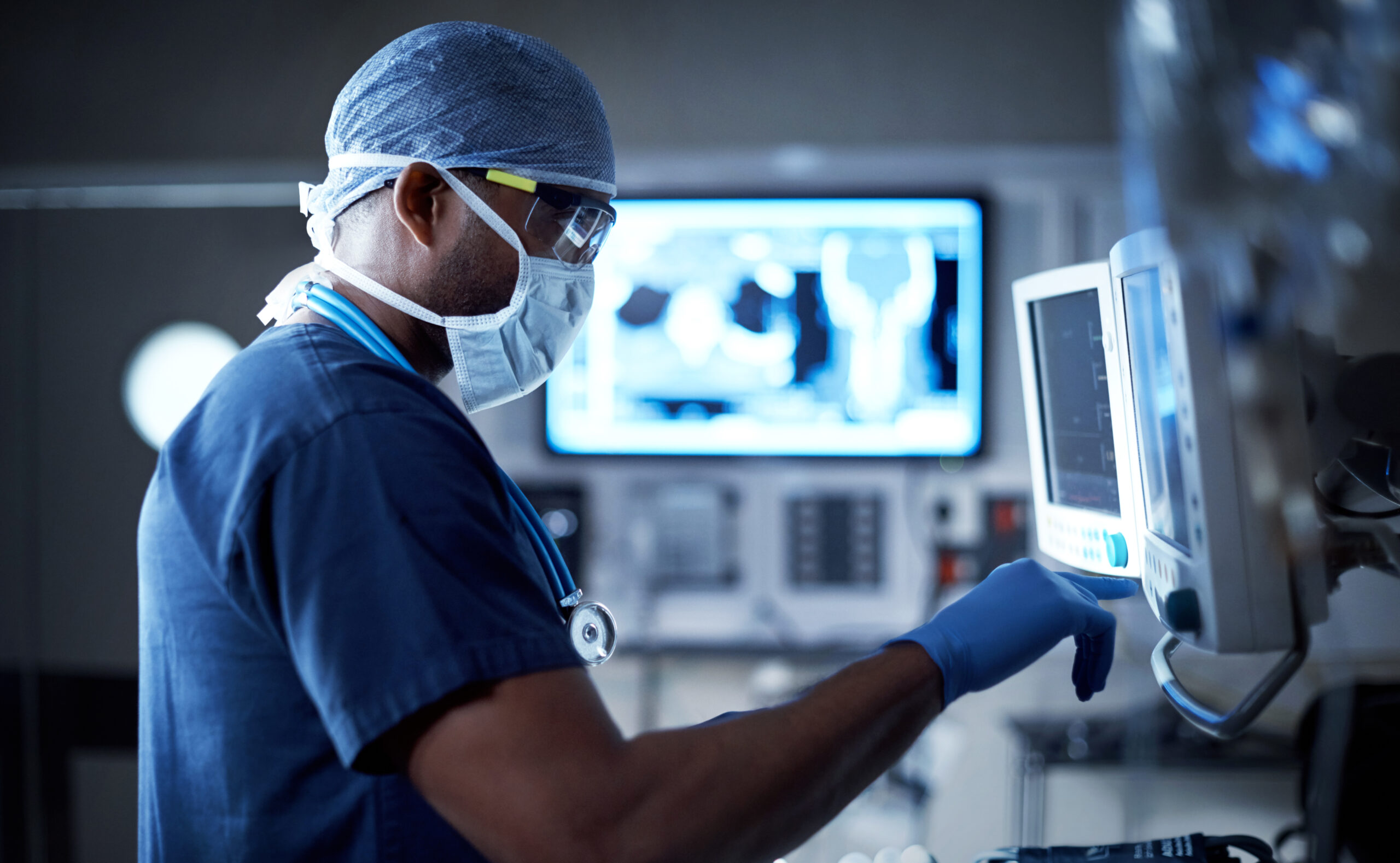
One of the technologies we use to speed up stroke diagnosis is Aidoc, an advanced AI system that reviews CT scans in real time to detect strokes caused by clots or bleeding in the brain.

By alerting our stroke team immediately, Aidoc reduces delays and supports rapid decisions for clot-busting medication or thrombectomy. This ensures that more patients can receive life-saving treatment within the critical “golden hour.”  The “golden hour” in stroke refers to the first 60 minutes after symptoms arise. This is a critical time because prompt medical intervention can greatly minimize brain damage and enhance recovery outcomes.

Jamaica Hospital is a certified Comprehensive Stroke Center, the highest designation for excellence in the care of stroke patients. This recognition highlights our commitment to delivering the highest quality of care for stroke patients. By integrating advanced AI technology with compassionate care, our hospital continues to excel in enhancing outcomes for stroke patients in our community.


All content of this newsletter is intended for general information purposes only and is not intended or implied to be a substitute for professional medical advice, diagnosis or treatment. Please consult a medical professional before adopting any of the suggestions on this page. You must never disregard professional medical advice or delay seeking medical treatment based upon any content of this newsletter. PROMPTLY CONSULT YOUR PHYSICIAN OR CALL 911 IF YOU BELIEVE YOU HAVE A MEDICAL EMERGENCY.

Inguinal Hernia Repair- Pediatric Surgery

Inguinal hernia surgery is one of the most common surgeries performed in infants and children.

An inguinal hernia happens when part of the membrane lining the abdominal cavity or intestine protrudes through a weak spot in the abdomen, often along the inguinal canal. This can form a bulge in the groin or scrotum, which can be painful.

There are two types of inguinal hernias, direct inguinal hernia and indirect inguinal hernia.

A direct inguinal hernia penetrates directly through the wall of the inguinal canal.

An indirect inguinal hernia enters the inguinal canal through the top. This usually occurs because of a birth defect, when the opening of a fetus’s canal doesn’t close all the way during development in the uterus. The inguinal canal extends from a child’s abdomen to their genitals.

Inguinal hernias usually only develop on one side of a child’s groin, developing on the right side more often than on the left side. About 10% of the time, inguinal hernias develop on both sides of the groin.

Inguinal hernias are most common in children six years of age or younger, and are more common in premature infants, with 90% of them affecting baby boys.

A baby boy’s testicle forms above the lower abdominal wall and descends through the inguinal canal into the scrotum. The place where the testicle passes through is more susceptible to a hernia because it is a preexisting opening.

In females, the inguinal canal is narrower and begins under the abdominal wall. It carries the round ligament that supports the uterus, and this tough ligament helps to reinforce the muscle wall. However, if a female has connective tissue disease, they may be more susceptible to hernias where connective tissue attaches the uterus to the inguinal canal. Congenital indirect inguinal hernias may also affect baby girls, but it is rare.

Not all inguinal hernias have symptoms. Sometimes, symptoms come and go. A hernia may slide in and out of the opening, or a child may only feel it during certain activities.

In children, you may see a lump in their groin area that gets bigger when they cry. It may go away when they sleep. An inguinal hernia may not always be noticeable because it may be tucked behind muscle fibers.

Some signs and symptoms of an inguinal hernia include:

  • A bulge in the area of the pubic bone, which becomes more obvious when upright, especially if you cough or strain
  • A burning or aching sensation at the bulge
  • Pain or discomfort in your groin, especially when bending over, coughing, or lifting
  • A heavy or dragging sensation in the groin
  • Weakness or pressure in the groin
  • Occasional, pain and swelling around the testicles when the protruding intestine descends into the scrotum
  • Crankiness and difficulty feeding in infants

Some inguinal hernias have no apparent cause. Other causes of hernias can include:

  • Increased pressure within the abdomen
  • A preexisting weak spot in the abdominal wall
  • Straining during bowel movements or urination
  • Strenuous activity
  • Chronic coughing or sneezing

Some risk factors that contribute to developing an inguinal hernia include:

  • Being male
  • Family history
  • Premature birth and low birth weight
  • Previous inguinal hernia or hernia repair

A physical exam is usually performed to diagnose an inguinal hernia in a child. A doctor will check for a bulge in the child’s groin or scrotum area while they are straining or crying, and then determine if it goes away when they are relaxed. If the child is old enough, they may ask them to stand and cough or strain because standing and coughing can make a hernia more prominent.

An inguinal hernia in a child is usually treated as soon as possible, as children are more at risk of dangerous complications from them. Complications that can develop from an inguinal hernia include:

  • Incarcerated hernia- occurs when the contents of the hernia get stuck. When this happens, a child’s healthcare provider can’t push the hernia back into their abdomen
  • Strangulated hernia- occurs when the hernia gets stuck and cuts of the blood supply to the child’s intestines. The lack of blood flow to a child’s intestines can cause tissue death. This is a serious and painful condition and is a medical emergency

Healthcare providers recommend surgery for most inguinal hernias. The types of surgeries used to repair inguinal hernias include:

  • Open surgery
  • Laparoscopic surgery

Our friendly on-site staff members are happy to provide you with the information you need about the surgical options available to your child at Jamaica Hospital Medical Center. For more information about our Queens, NYC surgical services or to make an appointment, please call (718) 206-7001.


All content of this newsletter is intended for general information purposes only and is not intended or implied to be a substitute for professional medical advice, diagnosis or treatment. Please consult a medical professional before adopting any of the suggestions on this page. You must never disregard professional medical advice or delay seeking medical treatment based upon any content of this newsletter. PROMPTLY CONSULT YOUR PHYSICIAN OR CALL 911 IF YOU BELIEVE YOU HAVE A MEDICAL EMERGENCY.