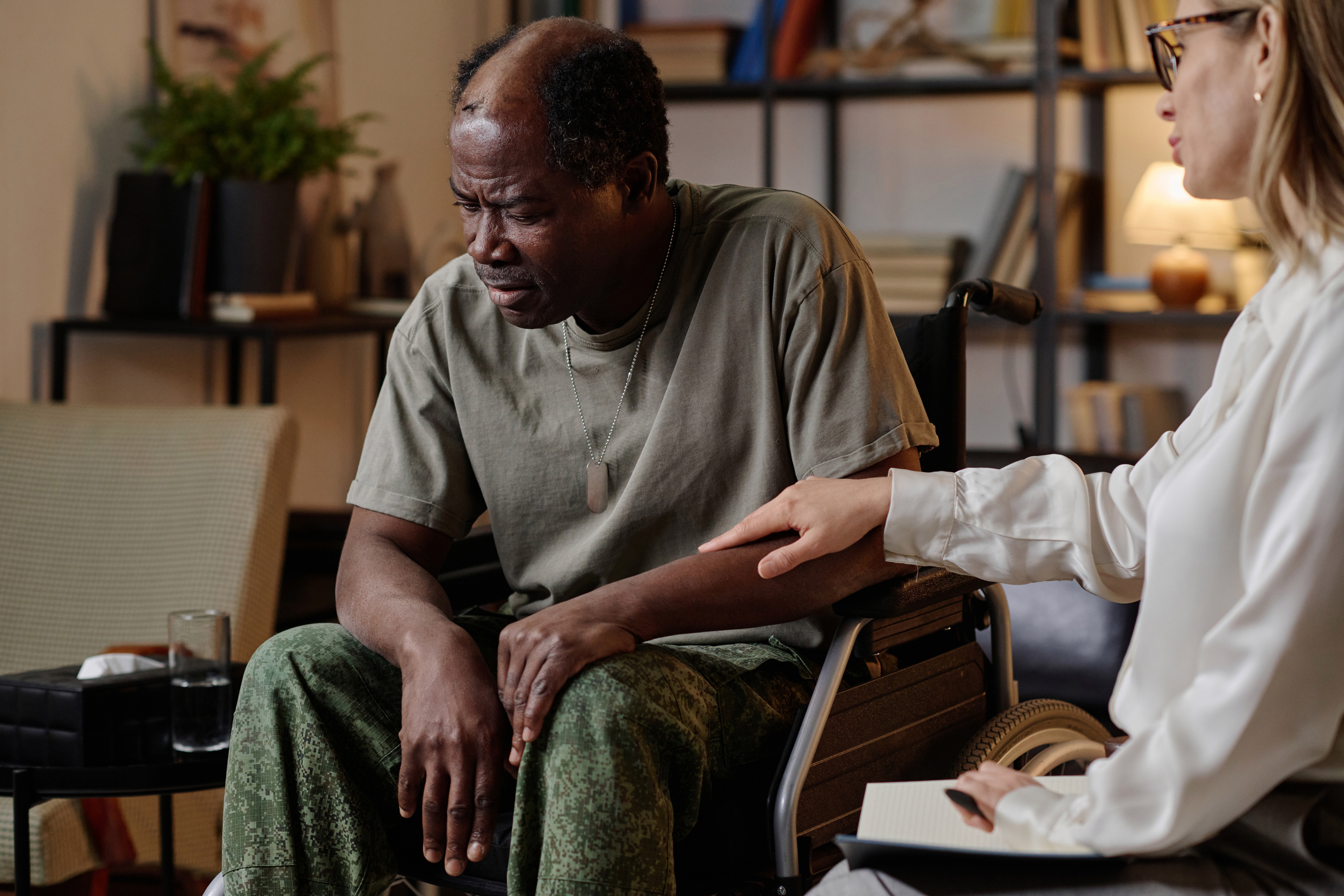
 Knowing the facts about post-traumatic stress disorder is crucial because it helps to dismantle stigmas and confusion surrounding the disorder.
PTSD is a mental health condition that develops in people who have witnessed or experienced terrifying, traumatic, or significant life-changing events, such as natural disasters, car accidents, sexual assault, or combat.
According to the National Center for PTSD, the disorder affects approximately 5% of adults living in the United States in any given year.
Each person experiences PTSD in their own way. They may experience any of the symptoms that fall within the following four categories:
- Intrusion: Having intrusive thoughts such as repeated, unwanted, or distressing memories of the triggering event; reliving or having flashbacks of the traumatic event; or having nightmares about the event.
- Avoidance: Avoiding reminders of the event, including activities, places, people, objects, or situations. Avoiding thinking or talking about traumatic events.
- Changes in mood and thinking: Feeling ongoing sadness, guilt, or shame; having trouble remembering key details of the traumatic event, having ongoing negative thoughts about oneself and others, feeling detached from others, or being disinterested in activities once enjoyed.
- Changes in arousal and reactivity: Having trouble concentrating, having trouble sleeping, being irritable or having angry outbursts, displaying aggressive, reckless, or destructive behavior, or being hypervigilant.
While the facts about PTSD have been established, harmful myths about PTSD persist. Here are some inaccurate ideas people may have about the disorder:
- Myth: Only military veterans experience PTSD
Truth: Anyone, including children, can develop PTSD
- Myth: Having PTSD means you are weak or broken
Truth: PTSD is a medical condition that involves changes in how our brain responds to extreme stress. It is not a character flaw and has nothing to do with mental strength.
- Myth: PTSD occurs immediately after a traumatic event
Truth: The symptoms of PTSD may not manifest or present right away. It is common for the effects of PTSD to remain dormant for months or years before surfacing.
- Myth: PTSD only occurs after extremely traumatic events
Truth: Trauma is subjective and manifests differently for every individual. What counts as trauma for one person may look different for another; therefore, no one’s experiences should be minimized.
- Myth: People with PTSD are violent or dangerous
Truth: Most individuals with PTSD are not violent. In fact, they are more likely to experience avoidance and withdrawal. Many can lead normal lives and understand their responses with proper care and support.
- Myth: Once you have PTSD, you’ll always have it
Truth: PTSD is a treatable medical condition. People can recover significantly with a treatment plan that can involve therapy, medication, or support systems.
Myths and misconceptions surrounding PTSD can make those who are affected feel isolated and delay treatment. Understanding the facts helps reduce stigma and encourages people to seek help.
To schedule an appointment with a licensed mental health professional at Jamaica Hospital Medical Center, please call 718- 206-5575.
 Follow
All content of this newsletter is intended for general information purposes only and is not intended or implied to be a substitute for professional medical advice, diagnosis or treatment. Please consult a medical professional before adopting any of the suggestions on this page. You must never disregard professional medical advice or delay seeking medical treatment based upon any content of this newsletter. PROMPTLY CONSULT YOUR PHYSICIAN OR CALL 911 IF YOU BELIEVE YOU HAVE A MEDICAL EMERGENCY.