
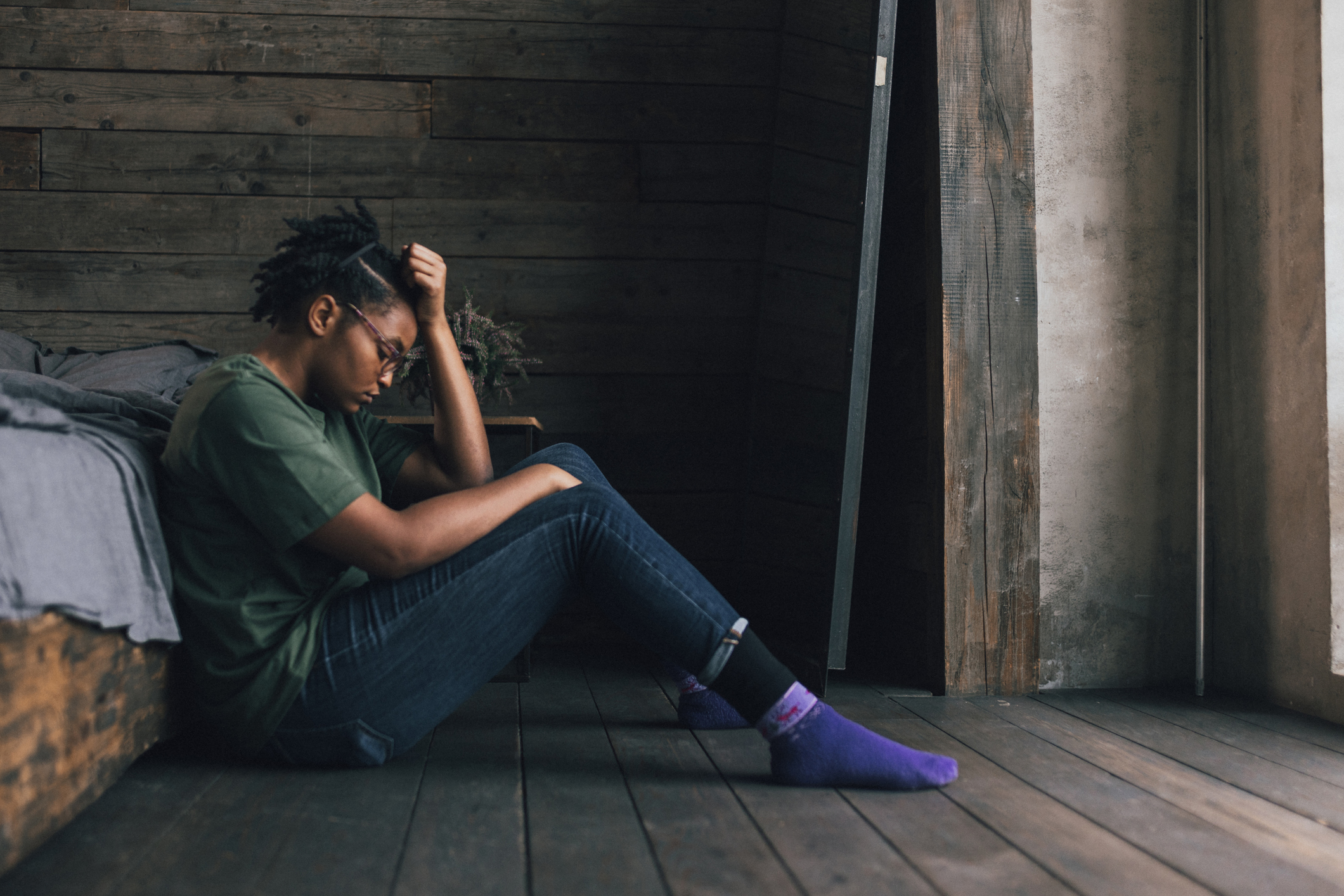
 When a person has social anxiety disorder, or social phobia, everyday interactions can cause significant anxiety, self-consciousness, and embarrassment because they fear being scrutinized or negatively judged by others around them. Fear and anxiety may lead to avoidance that can disrupt their lives. Additionally, severe stress can affect daily routines and common everyday social experiences, including:
- Attending parties or social gatherings
- Interacting with unfamiliar people or strangers
- Starting conversations
- Making eye contact
- Going to school or work
- Dating
- Eating in front of others
- Using a public restroom
For those living with social anxiety disorder, comfort levels in social situations vary and depend on personality traits and life experiences. Some people are naturally reserved, and others are more outgoing.
Having feelings of shyness or discomfort in certain situations isn’t necessarily a sign of social anxiety disorder, particularly in children. Social anxiety disorder typically begins in the early to mid-teens, though it can sometimes begin in younger children or in adults.
The signs and symptoms of social anxiety disorder can include constant:
- Intense fear or anxiety during social situations
- Intense fear of interacting or talking with strangers
- Worry about embarrassing or humiliating yourself
- Fear of situations in which you may be judged negatively
- Avoidance of doing things or speaking to people out of fear of embarrassment
- Avoidance of situations where you might be the center of attention
- Fear of physical symptoms that may cause you embarrassment, such as:
- Blushing
- Sweating
- Trembling
- Having a shaky voice
- Anxiety in anticipation of a feared activity or event
- Expectation of the worst possible consequences from a negative experience during a social situation
- Analysis of your performance and identification of flaws in your interactions after a social situation
For children with social anxiety disorder, anxiety about interacting with adults or peers may present itself as crying, having temper tantrums, clinging to parents, or refusing to speak in social situations.
Several physical signs and symptoms can accompany social anxiety disorder, including:
- A fast heartbeat
- Trouble catching your breath
- Sweating
- Trembling
- Blushing
- An upset stomach or nausea
- Dizziness or lightheadedness
- A feeling that your mind has gone blank
- Muscle tension
Social anxiety disorder symptoms can change over time and may flare up if you’re facing a lot of changes, stress, or demands in your life. Although avoiding situations that cause anxiety may make you feel better in the short term, your anxiety is likely to continue over the long term if left untreated.
Like several other mental health conditions, social anxiety disorder likely stems from a complex interaction of biological and environmental factors, including:
- Brain structure
- Inherited traits
- Environment
Many factors can increase the risk of developing social anxiety disorder, including:
- Family history
- Temperament
- New social or work demands
- Negative experiences
- Having an appearance or condition that draws attention to you
If social anxiety is left untreated, it can control your life, as anxieties can interfere with work, school, relationships, or enjoyment of life, and can cause:
- Low self-esteem
- Poor social skills
- Isolation and difficult social relationships
- Trouble being assertive
- Negative self-talk
- Hypersensitivity to criticism
- Low academic and employment achievement
- Substance abuse, such as drinking too much alcohol
- Suicidal ideation, suicide, or suicide attempts
To diagnose you with social anxiety disorder, a healthcare provider will want to determine whether other conditions may be causing your anxiety or if you have the disorder along with other physical or mental health disorders. They may determine a diagnosis based on:
- A physical exam that helps assess whether any medical condition or medication may trigger symptoms of anxiety
- A discussion of your symptoms, such as how often they occur, and in what situations
- Reviewing a list of situations to see if they make you anxious
- Self-report questionnaires about symptoms of social anxiety
- Criteria listed in the Diagnostic and Statistical Manual of Mental Disorders (DSM-5)
The treatment for social anxiety disorder depends on how much it affects your ability to function in your daily life. The most common treatment for social anxiety disorder includes psychotherapy, medications, or a combination of both.
There isn’t a way to predict what will cause someone to develop anxiety disorders. However, you can take steps to reduce the impact of symptoms if you’re anxious, such as:
- Getting help early
- Setting priorities in your life
- Keeping a journal
- Avoiding unhealthy substance use
Social anxiety disorder can be a chronic mental health condition, but learning coping skills in psychotherapy and taking medications can help you gain confidence and improve your ability to interact with others.
If you are experiencing symptoms of social anxiety and need the assistance and support of a mental health professional at Jamaica Hospital Medical Center, please call 718-206-5575 to schedule an appointment.
 Follow
All content of this newsletter is intended for general information purposes only and is not intended or implied to be a substitute for professional medical advice, diagnosis or treatment. Please consult a medical professional before adopting any of the suggestions on this page. You must never disregard professional medical advice or delay seeking medical treatment based upon any content of this newsletter. PROMPTLY CONSULT YOUR PHYSICIAN OR CALL 911 IF YOU BELIEVE YOU HAVE A MEDICAL EMERGENCY.