
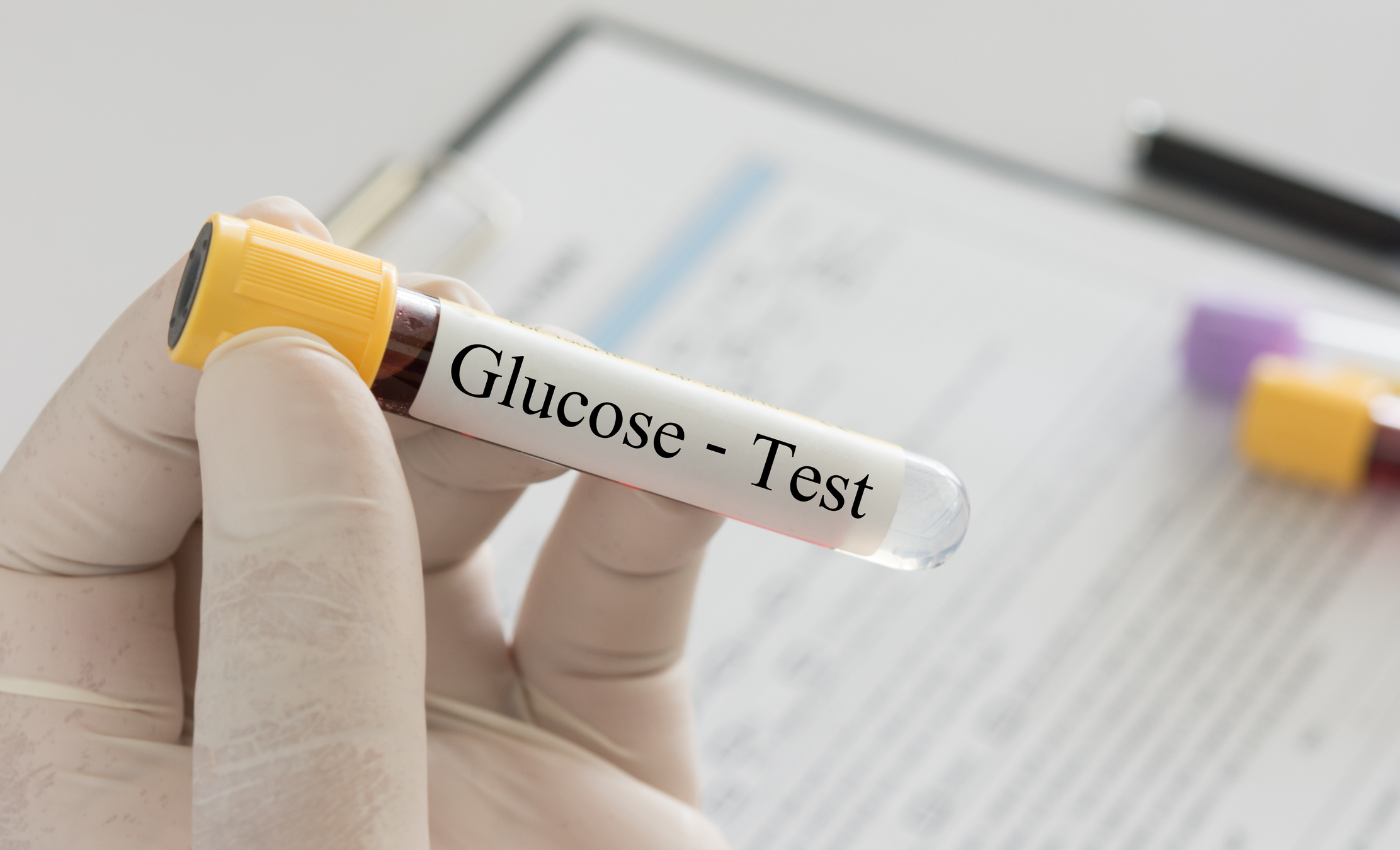
 A glucose tolerance test is a medical lab test used to measure how effectively our bodies process sugar after a meal. It helps healthcare providers screen for or diagnose conditions such as insulin resistance, prediabetes, type 2 diabetes, or gestational diabetes.
The most common and standard glucose tolerance test is an oral glucose tolerance test (OGTT). However, other screening methods can include a glucose challenge test, used during pregnancy to screen for gestational diabetes, or an intravenous glucose tolerance test, primarily used in research and rarely used as an alternative to OGTT when a patient is unable to process oral glucose.
The Centers for Disease Control and Prevention (CDC) explains that a typical oral glucose tolerance test (OGTT) involves measuring your blood sugar levels before and after consuming a sweet liquid that contains glucose. You will need to fast overnight before the test, after which your blood will be drawn to measure your fasting blood sugar level. Then, you will drink the glucose solution, and your blood sugar levels will be checked again. These measurements typically occur at the 1-hour, 2-hour, and possibly 3-hour marks after drinking the solution.
After testing, you may resume your normal daily activities. Your physician or healthcare provider should receive your lab results in the next few days. Your test results may fall within the following ranges.
- Normal – where blood sugar returns to an expected normal range after drinking the glucose solution
- Prediabetes – where blood sugar is higher than normal but not high enough to determine a diabetes diagnosis
- Diabetes -where blood sugar levels remain highly elevated
If your results show that you have diabetes, your doctor may determine next steps based on how high your blood sugar levels are. They may want to test again to confirm their findings, request additional testing to check for related conditions, or create a treatment plan that may involve lifestyle changes or medications.
 Follow
All content of this newsletter is intended for general information purposes only and is not intended or implied to be a substitute for professional medical advice, diagnosis or treatment. Please consult a medical professional before adopting any of the suggestions on this page. You must never disregard professional medical advice or delay seeking medical treatment based upon any content of this newsletter. PROMPTLY CONSULT YOUR PHYSICIAN OR CALL 911 IF YOU BELIEVE YOU HAVE A MEDICAL EMERGENCY.