MediSys Health Network Research Day

The MediSys Health Network of Jamaica Hospital and Flushing Hospital Medical Centers held its Fourth Annual Research Conference and Poster Competition.  

The posters submitted are broken into three categories: Case Reports, Empirical Research, and Quality Improvements. They are then graded on a rubric of five areas: format, visual, content 1, content 2, and impact.  

The first-place winning posters in Case Reports were “Osler-Weber-Rendu Syndrome: Diagnosis and Management of Pulmonary Hypertension” by T. Okan, M. Al-Dmour, M. Hussein, S. Mohammed, V. Patel, A. Doshi, S. Jain, and K. Doshi (JHMC) and “HIV and Miliary Tuberculosis Co-Infection: A Case Series” by A. Inghirami, M.A. Burrola-Suarez, and J. Shakil (FHMC). 

Second-place winning posters of the category included “A Case of Bilateral Pulmonary Embolism Treated with Catheter-Directed Thrombolysis in a Patient Who Presented with Syncope and Chest Pain” by R. Maharjan, S. Rao, Z. Lasic (JHMC), and “Spontaneous Splenic Rupture in a 74-Year Old on Apixaban” by C. Montesano, D. Egbo, N. Marfo, M.A. Louis, and  N. Mandava.  

And finally, the third-place posters were “The Use of Intravenous Thrombolytics for Acute Ischemic Stroke in Patients with Thrombocytopenia Complicated by Hemorrhagic Conversion Due to Undiagnosed Malignancy” by A. Sivapalan, C. Ninan, and A. Waddell (JHMC) and “Breast Cancer and Tumor Lysis Syndrome: A Rare Critical Issue” by V. Khachatryan, M.A. Burrola-Suarez, M.T. Rahman, N. Tasnim, K. Cappas, and A. Khan (FHMC). 

In the Empirical Research Category, the posters that were awarded first place were “Assessing Patient-Providers’ Conversations about Stress and Health” by F. Khan, A. Mir, L. Gance, S. Chemouni Bach, M. Basant, A. Chorzepa, L. Keating, C. Nienaber, A. Roth, D. Chen, and E. Brondolo (JHMC) and “Circadian Variations of Glucose Challenge Test Results in Pregnancy: Examining Non-Linear Trends” by A. Makol, L. Keating, R.J. Robitsek, T. Tang, Lien B, L. Woo, and I. Ngai (FHMC).  

Second-place winning posters were “Comparing Acidity and Dental-Hypersensitivity Between Arginine Mouthrinse and SDF” by M.R. Mears, L. Keating, and J. Weiss (JHMC) and “Exploring Potential Under Diagnosis of Hypophosphatasia” by R. Faridizad, K. Cappas Cordero, S. Khalid, H. Sadia, M. Mafi, A. Russo, L. Keating, and K. Robinson (FHMC). 

Lastly, the third-place winning posters of the category were “Point of Care Fentanyl Testing VS. Standard Testing in a Chemical Dependency Unit” by M.S. Radeos, J. Cintron-Hernandez, B. Balchan, G. John, B. Joseph, A.M. Radeos, J. Wong, and D. Chen (JHMC) and “Adipose Rebound in Patients with Congenital Hypothyroidism in an Urban Multiethnic Community Hospital” by N.L. Sands, A. Glowacki, A. Gogenini, M. Roland, and L.Q. Lew (FHMC). 

In the final category Quality Improvements, the first-place winning posters were, “Improving Pain Documentation in Osteopathic Manipulative Treatment: Efforts to Support a Developing Standard of Care” by H. Liu, H. Jaber, A. Jaramillo, F. Khan, Z. Sagarwala, C. Pang, R. Resendez Rodriguez, E. Siaw, S. Varughese, H. Woo, A. Eromosele, L. Keating, P. Cruz, C. Nienaber, A. Roth, and E. Brondolo (JHMC) and “QI Project: Assessing Internal Medicine Interns’ Confidence in Various Tasks Over the Course of Intern Year” by S. Dubey, M. Roland, and K. Beekman (FHMC). 

Congratulations to all of those who placed, the honorable mentions of each category, and everyone who participated in this year’s Research Day Conference and Poster Competition.


All content of this newsletter is intended for general information purposes only and is not intended or implied to be a substitute for professional medical advice, diagnosis or treatment. Please consult a medical professional before adopting any of the suggestions on this page. You must never disregard professional medical advice or delay seeking medical treatment based upon any content of this newsletter. PROMPTLY CONSULT YOUR PHYSICIAN OR CALL 911 IF YOU BELIEVE YOU HAVE A MEDICAL EMERGENCY.

Asthma in the Summer

Summer can be a difficult season for people with asthma. The heat and humidity can affect airways, with the hot air causing them to tighten and narrow. This can trigger symptoms such as wheezing, breathing difficulty, shortness of breath, and other symptoms that increase the likelihood of asthma attacks.  

Similarly, humid air is not only heavy and hard to breathe in, but it can trap irritants and allow allergens such as dust mites and mold to thrive and diminish air quality, triggering asthma symptoms. This effect occurs regardless of the type of asthma a person has. If a person has allergic asthma, they may find managing their asthma to be especially difficult in the summer. The same is true if a person has exercise-induced asthma and tends to be more active during the summer.   

Asthma symptoms are usually more common in the fall and winter; however, summer creates unique risks as there are more causes of summer asthma. Causes of summer asthma symptoms include: 

  • Having asthma means the lungs are sensitive to extreme heat. Breathing in hot air can aggravate airways and trigger symptoms. Becoming dehydrated can cause a person to breathe more rapidly than normal, which can also play a role in setting off symptoms.  
  • Ozone is a product of atmospheric chemicals and sunlight. Although more research is needed to discount statistical uncertainty and better assess adult lung function in response to different levels of exposure, many researchers believe this pollutant can exacerbate asthma, especially in children. This is based on studies that show lung function worsens in the days after ozone levels peak, affecting people with asthma and even people without it. 
  • If you have allergic asthma and are triggered by certain allergens that are especially prevalent in June, July, and August, it stands to reason you’re more likely to have asthma attacks during these months.  
  • March through June: tree pollen is high 
  • May through early June: grass pollen is high 
  • June: outdoor mold spores peak and decrease after the first frost 
  • August through the first frost: weed pollen is high (daily peaks around noon) 
  • Whether it is a small campfire or a raging wildfire, exposure to smoke is more likely in the summer months. Smoke carries fine particulate matter that can get into a person’s airways and have a major impact on asthma.  

If you have a history of worsened asthma in the summer, an asthma healthcare provider will work with you to create a seasonal action plan, which may include incorporating additional medications and/or lifestyle measures into your overall management measures.  

It is key to head into summer with your asthma well under control. It is not under control if: 

  • You use a rescue inhaler more than twice a week 
  • Asthma symptoms interrupt sleep more than twice a month 
  • You need a new rescue inhaler more than twice a year 

Avoiding allergens altogether may be difficult, especially if you enjoy being outside in warm weather. In addition to following your prescribed treatment plan, this may involve taking some special precautions in the summertime, including: 

  • Checking the pollen counts for your area 
  • Staying indoors and/or limiting outdoor activities on days with extreme heat, high humidity, high pollen counts, wildfire smoke days, thunderstorm warnings, and ozone alert days 
  • Showering after outdoor activities 
  • Not letting dust accumulate in your home 
  • Using a dehumidifier and an air conditioner 
  • Considering immunotherapy 

It is important to follow your asthma action plan, try to avoid triggers, and stick to the asthma medication regimen prescribed by your healthcare provider. These steps may include taking daily asthma controller medication to prevent asthma symptoms and rescue medications to treat acute symptoms.  

If your asthma symptoms are becoming difficult to deal with, you can visit Jamaica Hospital Medical Center’s Ambulatory Care Center. To schedule an appointment, please call (718) 206-7001. 


All content of this newsletter is intended for general information purposes only and is not intended or implied to be a substitute for professional medical advice, diagnosis or treatment. Please consult a medical professional before adopting any of the suggestions on this page. You must never disregard professional medical advice or delay seeking medical treatment based upon any content of this newsletter. PROMPTLY CONSULT YOUR PHYSICIAN OR CALL 911 IF YOU BELIEVE YOU HAVE A MEDICAL EMERGENCY.

Tardive Dyskinesia

Tardive dyskinesia (TD) is a neurological syndrome that involves involuntary movements.  

Researchers don’t know the exact cause of tardive dyskinesia. However, the main theory is that it can develop due to the use of dopamine receptor-blocking medications. This includes short-term and long-term use of medications, though it is more likely to develop after long-term use. It can also occur after the discontinuation of, a change in, or the reduction in medication.  

Tardive dyskinesia can develop due to exposure to the following medications: 

  • Antipsychotic medications 
  • Anti-nausea medications 
  • Certain antidepressants 

Tardive dyskinesia can cause involuntary movements of the: 

  • Facial muscles 
  • Tongue 
  • Neck 
  • Trunk muscles 
  • Limbs 

Facial involuntary movements caused by TD may include: 

  • Lip-smacking or making sucking motions with your mouth 
  • Grimacing or frowning 
  • Sticking the tongue out or against the inside of your cheek 
  • Chewing movements 
  • Puffing of your cheeks 
  • Rapid eye blinking 

Other involuntary movements may include: 

  • Making repetitive finger movements like you’re playing the piano 
  • Thrusting or rocking your pelvis 
  • Walking with a duck-like gait 
  • Inability to remain physically still 

These symptoms can range from mild and barely noticeable to severe. 

A healthcare provider may describe these symptoms as: 

  • Dystonia- which are uncontrollable muscle contractions 
  • Myoclonus- which are brief, sudden muscle movement 
  • Buccolingual stereotypy- which are repetitive movements of your mouth 
  • Tics- which are habitual contractions of your muscles, often in your face 

Certain risk factors can increase the risk of developing tardive dyskinesia, including: 

  • Age: People over the age of 40 are more likely to develop TD. Those who are over the age of 65 are especially at risk due to age-related neurological changes 
  • Sex: Females are more likely to develop TD. Those who are in post-menopause have rates of TD as high as 30% after almost a year of exposure to antipsychotic medications 
  • Race: Studies show that Black Americans are more likely to develop TD than white Americans. And people of Filipino and Asian descent have a lower risk of developing TD than people of Caucasian descent 
  • Bipolar disorder: People with bipolar disorder who take antipsychotic medications are more sensitive to developing TD compared to other people taking the same medications 

To diagnose tardive dyskinesia, a healthcare provider will ask about your symptoms, medical history, and medication history. If you take any medications that are known to cause tardive dyskinesia, your healthcare provider may suspect TD. They may refer you to a neurologist, movement disorder specialist, or psychiatrist.  

Healthcare providers refer to the Diagnostic and Statistical Manual of Mental Disorders (DSM-5) to diagnose tardive dyskinesia. It states that symptoms of TD must last for at least one month after stopping the medication to get a diagnosis of the condition. You must have been on medication for at least three months if you’re younger than 40 or younger, or one month if you’re over 40.  

A healthcare provider may recommend other tests to confirm TD or rule out other conditions with similar symptoms, such as Huntington’s disease, using laboratory tests and imaging tests such as a brain CT scan and/or MRI.  

A healthcare provider will determine what treatment plan is right for you depending on several factors, such as: 

  • How severe your TD symptoms are 
  • How long you have been taking a medication 
  • Your age 
  • What medication you are taking 
  • Associated conditions, such as other neurological disorders 

If you are experiencing symptoms of tardive dyskinesia, you can schedule an appointment with a doctor at Jamaica Hospital Medical Center’s Ambulatory Care Center by calling (718) 206-7001. 

All content of this newsletter is intended for general information purposes only and is not intended or implied to be a substitute for professional medical advice, diagnosis or treatment. Please consult a medical professional before adopting any of the suggestions on this page. You must never disregard professional medical advice or delay seeking medical treatment based upon any content of this newsletter. PROMPTLY CONSULT YOUR PHYSICIAN OR CALL 911 IF YOU BELIEVE YOU HAVE A MEDICAL EMERGENCY.

Employee Spotlight Shines on Shiv Kumarie Santram, RN

This month we are proud to shine our Employee Spotlight on Shiv Kumarie Santram, RN, Clinical Nurse Manager. Shiv began her nursing career at Jamaica Hospital Medical Center in 2016, on 4 South Telemetry. In 2017 she was promoted to Assistant Head Nurse of the unit and in 2020 Shiv was promoted to Clinical Nurse Manager. She is currently on 6 South, a Med-Surgical Unit.

Shiv was born in Endeavour Leguan, Guyana where she attended Eastern Leguan Primary School, Leguan Secondary School and West Demerara Secondary School. She emigrated to the United States in 2001 and continued her education at Long Island University, obtaining her BSN degree in 2015, and her MSN/MBA in 2022 from Grand Canyon University. Shiv is currently pursuing her DNP at Grand Canyon University with an expected graduation date of 2027.

Shiv married her husband Navindra Santram in 2004 and he  also works at Jamaica Hospital.  They have two teenage sons and live in South Ozone Park, Queens. Their family also includes a dog named Summer and a cat named Spring. In her free time Shiv enjoys online shopping, watching tv shows without commercials and she volunteers in the community with her family at health fairs, cleaning up the beach in Rockaway and in local parks. She likes to travel, and her favorite places to visit are Florida and Jamaica. Shiv likes her cultural food from Guyana, especially crab curry with eggplant and eddo.  She enjoys listening to Bollywood music, playing cricket and outdoor camping.

Over the years, Shiv has received several recognitions and awards. These included: Excellence in Patient Safety; Making a Difference, certificate of appreciation (outstanding courage, strength, leadership and professionalism), CARE recognition (providing exemplary compassion, advocacy, respect and engagement to patient and family members); and in 2024 Leadership of the Year.

Shiv’s dedication to patient care extends well beyond the walls of our hospital. She was a member in October 2024 of the MediSys Disaster Medical Response Team: Humanitarian aid in Asheville, NC affected by hurricane Helene.

Shiv represented Jamaica Hospital in 2024 at the Sigma Theta Tau International Research Congress Sharing Insights; Advance Care: Disseminating Nursing Research and Evidence for the Future in Singapore, Indonesia. Also in 2024, she represented Jamaica Hospital – 1199 SEIU in missionary work at Montego Bay Jamaica ” Empathy in Action: Caring Beyond Ourselves; Honoring Self-Care”.

Shiv likes working at Jamaica Hospital because she wants to make a difference in people’s lives. The people she works with have become like family to her and assisting patients on a daily basis provides  her great satisfaction. We look forward to her continuing to work with us for many more years in to the future.

All content of this newsletter is intended for general information purposes only and is not intended or implied to be a substitute for professional medical advice, diagnosis or treatment. Please consult a medical professional before adopting any of the suggestions on this page. You must never disregard professional medical advice or delay seeking medical treatment based upon any content of this newsletter. PROMPTLY CONSULT YOUR PHYSICIAN OR CALL 911 IF YOU BELIEVE YOU HAVE A MEDICAL EMERGENCY.

Menopause and Memory Issues

Menopause occurs when a person goes 12 consecutive months without a menstrual period. Memory lapses and trouble concentrating are common symptoms of menopause and even perimenopause. These menopausal symptoms are caused by the female sex hormone estrogen, which is necessary for maintaining sexual and reproductive health.  

Low estrogen levels can cause temporary bouts of brain fog and impact verbal memory, including the ability to recall words and names. However, this type of menopause-related forgetfulness isn’t the same as the early signs of dementia. 

Dementia is a general term that represents a group of diseases and illnesses that cause a decline in cognitive functioning to the point that it interferes with a person’s daily life and activities. It is caused by damage to the brain, affecting its nerve cells and destroying the brain’s ability to communicate with its various areas. 

The first signs of dementia are typically things like getting lost in familiar places or confusion about how to perform everyday activities, such as driving home from the store, and inability to remember names.  

Another key factor in someone affected by dementia is age. Alzheimer’s disease mainly affects people over the age of 65. Less than 10% of cases occur in people younger than 65, especially those without a family history of early-onset Alzheimer’s. 

Menopause, on the other hand, usually happens in your mid-40s to mid-50s, and perimenopause can start years earlier.  

Midlife “brain fog” can be frustrating and worrisome at times. However, with some extra care and attention to your health, it can be managed and controlled.  

Here are some ways to cope with menopausal memory issues: 

  • Get enough sleep 
  • Eat a balanced diet that includes brain-enhancing foods, such as cruciferous vegetables rich in color, to serve as antioxidants 
  • Create and stick to a regular exercise routine 
  • Stop multitasking, as it can drain the brain’s abilities 
  • Exercise your brain by doing activities that can improve your mental fitness, such as: 
  • Doing crossword puzzles, board games, or chess 
  • Going for a vigorous walk 
  • Reading a novel 
  • Taking up a new physical activity, such as ballroom dancing or boxing 
  • Meditating 
  • Starting a journal about positive experiences 
  • Learning a foreign language 
  • Trying tai chi 

If you are experiencing symptoms of menopausal memory loss, you can visit Jamaica Hospital Medical Center’s Women’s Health Center or contact us at 718-291-3276 to make an appointment.   

All content of this newsletter is intended for general information purposes only and is not intended or implied to be a substitute for professional medical advice, diagnosis or treatment. Please consult a medical professional before adopting any of the suggestions on this page. You must never disregard professional medical advice or delay seeking medical treatment based upon any content of this newsletter. PROMPTLY CONSULT YOUR PHYSICIAN OR CALL 911 IF YOU BELIEVE YOU HAVE A MEDICAL EMERGENCY.
A Tasty and Delectable Summer Recipe for Teriyaki Wings

Are you looking for something to serve at a summer gathering or just for a weeknight meal? Here is a recipe for tasty, delectable teriyaki wings to serve on a breezy summer night. https://www.foodnetwork.com/recipes/tyler-florence/teriyaki-chicken-wings-recipe-1915521

All content of this newsletter is intended for general information purposes only and is not intended or implied to be a substitute for professional medical advice, diagnosis or treatment. Please consult a medical professional before adopting any of the suggestions on this page. You must never disregard professional medical advice or delay seeking medical treatment based upon any content of this newsletter. PROMPTLY CONSULT YOUR PHYSICIAN OR CALL 911 IF YOU BELIEVE YOU HAVE A MEDICAL EMERGENCY.

How High Blood Pressure Affects Kidney Health

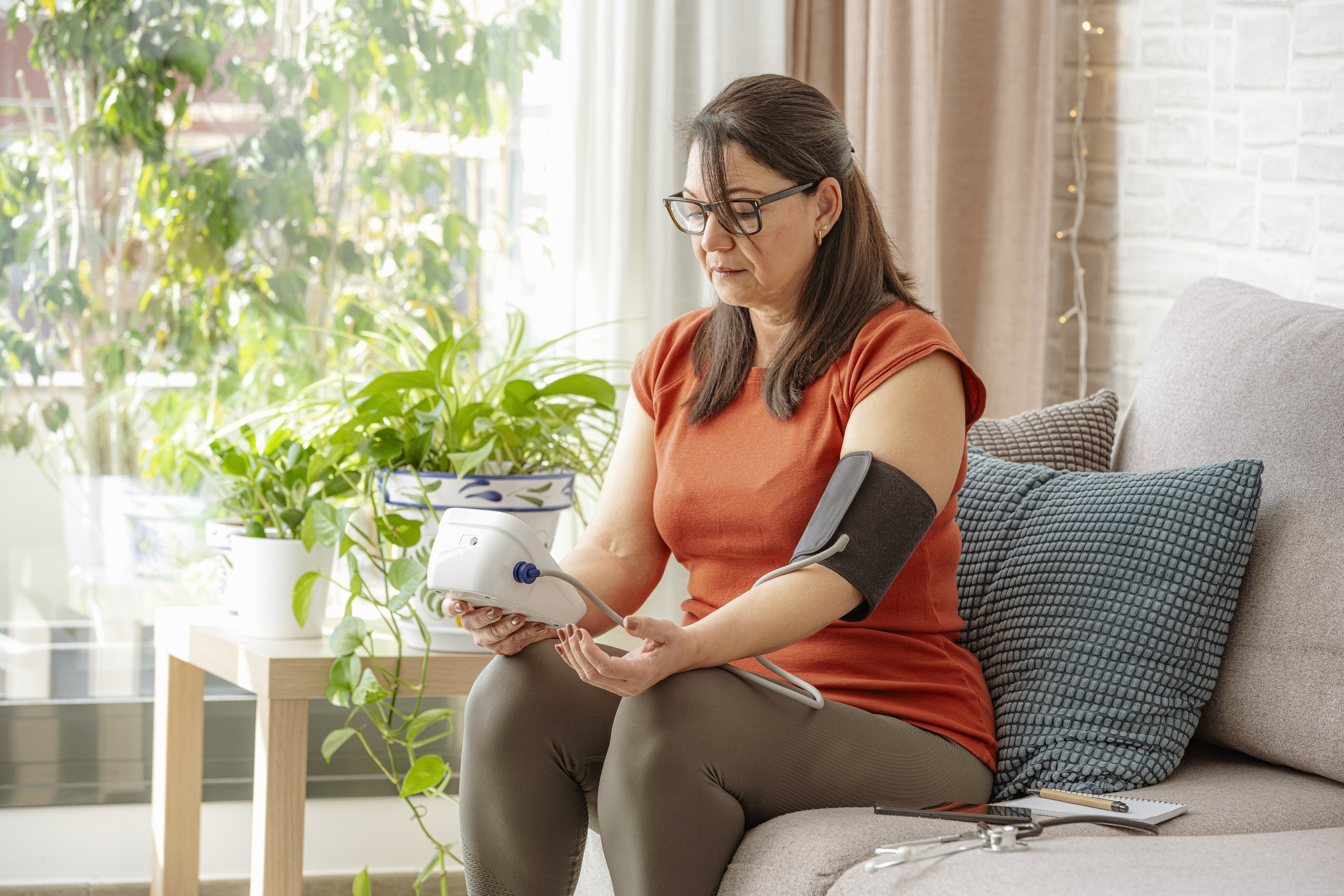
Portrait of a woman sitting on sofa using blood pressure gaugeHypertension, or high blood pressure, negatively impacts our health, including kidney health.

Uncontrolled high blood pressure is a leading cause of kidney failure, and impaired kidney function can also lead to higher blood pressure levels.

High blood pressure, if left untreated or uncontrolled over time, can damage the blood vessels in our kidneys. When this happens, the kidneys do not receive enough oxygen and nutrients needed for proper functioning.

Additionally, high blood pressure can cause scarring of kidney tissue, a condition known as hypertensive arteriolar nephrosclerosis. This scarring impairs our kidneys’ ability to filter blood and regulate fluids.

When kidneys are damaged, they cannot filter blood effectively and struggle to remove waste and excess fluid from the body. This retention of fluids, salt, and toxins can further elevate blood pressure.

To significantly reduce the risk of these complications and others associated with high blood pressure, it is important to manage our health effectively. This can be achieved by:

  • Taking medications as prescribed
  • Limiting our sodium intake
  • Eating a healthy diet
  • Having regular blood pressure screenings
  • Drinking less alcohol
  • Exercising
  • Quitting smoking or using tobacco
  • Controlling cholesterol

Working with your doctor to control your blood pressure can help you minimize your risk of kidney damage and other health problems. To schedule an appointment with a doctor at Jamaica Hospital Medical Center, please call 718-206-7001.

All content of this newsletter is intended for general information purposes only and is not intended or implied to be a substitute for professional medical advice, diagnosis or treatment. Please consult a medical professional before adopting any of the suggestions on this page. You must never disregard professional medical advice or delay seeking medical treatment based upon any content of this newsletter. PROMPTLY CONSULT YOUR PHYSICIAN OR CALL 911 IF YOU BELIEVE YOU HAVE A MEDICAL EMERGENCY.
Sleep Apnea Complications

Sleep apnea is a potentially serious sleep disorder in which breathing repeatedly stops and starts. If you snore loudly and feel tired even after a full night’s sleep, you might have sleep apnea.  

There are three main types of sleep apnea. They include: 

  • Obstructive sleep apnea (OSA) is the most common form of sleep apnea. It occurs when throat muscles relax and block the flow of air into the lungs. 
  • Central sleep apnea (CSA) occurs when the brain doesn’t send proper signals to the muscles that control breathing. 
  • Treatment-emergent central sleep apnea, also known as complex sleep apnea, occurs when an individual with OSA develops CSA while undergoing therapy for their OSA.  

The symptoms of obstructive and central sleep apnea overlap, which makes it difficult to determine which type a person has. The most common symptoms of obstructive and central sleep apnea include: 

  • Loud snoring 
  • Episodes in which a person stops breathing during sleep 
  • Gasping for air during sleep 
  • Awakening with a dry mouth 
  • Morning headaches 
  • Insomnia 
  • Hypersomnia 
  • Difficulty paying attention while awake 
  • Irritability 

Sleep apnea can cause several complications, including: 

  • Daytime fatigue 
  • High blood pressure or heart problems 
  • Type 2 diabetes 
  • Metabolic syndrome 
  • Complications with medicines and surgery 
  • Liver problems 
  • Sleep-deprived partners 

To diagnose sleep apnea, a healthcare provider will evaluate your symptoms and sleep history. They may refer you to a sleep disorder center, where a sleep specialist can help determine if further evaluation is needed. An evaluation can involve overnight monitoring of your breathing and other body functions during sleep testing. Tests to detect sleep apnea include: 

  • Nocturnal polysomnography 
  • Home sleep tests 

If you have OSA, a healthcare provider may refer you to an ear, nose, and throat specialist to rule out a blockage in your nose and throat.  

To treat sleep apnea, a healthcare provider may recommend lifestyle changes, such as losing weight or quitting smoking, in mild cases. Other sleep apnea treatments include: 

  • Continuous positive airway pressure (CPAP) 
  • Other airway pressure devices 
  • Oral appliances 
  • Tissue removal 
  • Tissue shrinkage 
  • Jaw repositioning 
  • Implants 
  • Nerve stimulation 
  • Tracheostomy  

Jamaica Hospital Medical Center is one of the few hospitals in Queens to offer Inspire therapy, a breakthrough treatment option for obstructive sleep apnea (OSA) for those who cannot use continuous positive airway pressure (CPAP) therapy. 

To learn more about Inspire at Jamaica Hospital Medical Center, please visit Jamaicahospital.org or call (718) 206-7110 to make an appointment with an ENT specialist. 

All content of this newsletter is intended for general information purposes only and is not intended or implied to be a substitute for professional medical advice, diagnosis or treatment. Please consult a medical professional before adopting any of the suggestions on this page. You must never disregard professional medical advice or delay seeking medical treatment based upon any content of this newsletter. PROMPTLY CONSULT YOUR PHYSICIAN OR CALL 911 IF YOU BELIEVE YOU HAVE A MEDICAL EMERGENCY.

What is Listeria?

Many food products have been recalled over the past few months due to various outbreaks of listeria.  

Listeria or Listeria monocytogenes is a species of pathogenic or disease-causing bacteria found in moist environments, soil, water, decaying vegetation, and animal feces. It can survive and even grow under refrigeration and other food preservation measures.  

Most people encounter listeriosis, a foodborne illness, as it can be found in hot dogs, deli meats, fresh vegetables, fresh fruits (especially melons), and unpasteurized dairy products. These foods have the highest risk of being contaminated by Listeria bacteria. However, any food that is handled or prepared improperly can be affected. 

Listeria bacteria are unique from many other foodborne illnesses because they survive and multiply in low temperatures, including refrigerators and freezers. It can multiply to dangerous levels during storage, and it doesn’t change the smell, taste, or texture of the food that it contaminates, like other bacteria.  

Most people get listeriosis from eating contaminated foods. The listeriosis incubation period (the time between when you’re first infected and when you first show symptoms) varies. It usually takes one to two weeks, but can be as short as a couple of days or as long as three months.  

Symptoms of a listeria infection can include: 

  • Fever 
  • Chills 
  • Muscle aches 
  • Nausea 
  • Diarrhea 

If the listeria infection spreads to the nervous system, symptoms may include: 

  • Headache 
  • Stiff neck 
  • Confusion or changes in alertness 
  • Loss of balance 
  • Convulsions 

Those at risk of severe listeria infection include: 

  • Pregnant women 
  • People older than 65 years old 
  • People with weakened immune systems 
  • People suffering from chronic diseases 

The most effective way to diagnose a listeria infection is a blood test. Samples of urine and spinal fluid may also be tested.  

The treatment for a listeria infection varies depending on the severity of the signs and symptoms. Most people with mild symptoms require no treatment at all. Antibiotics can treat more serious listeria infections.  

Some ways to prevent a listeria infection include: 

  • Washing hands thoroughly with warm, soapy water before and after handling or preparing food. After cooking, use hot soapy water to wash utensils, cutting boards, and other food preparation surfaces.  
  • Cleaning raw vegetables with a scrub brush or vegetable brush under running water. 
  • Using a food thermometer to make sure meat, poultry, and egg dishes are cooked at a safe temperature.  

If you or someone you know is experiencing symptoms of a listeria infection, you can visit Jamaica Hospital Medical Center’s Ambulatory Care Center. To schedule an appointment, please call (718) 206-7001. If you or someone you are with is experiencing an emergency, call 911 immediately. 

All content of this newsletter is intended for general information purposes only and is not intended or implied to be a substitute for professional medical advice, diagnosis or treatment. Please consult a medical professional before adopting any of the suggestions on this page. You must never disregard professional medical advice or delay seeking medical treatment based upon any content of this newsletter. PROMPTLY CONSULT YOUR PHYSICIAN OR CALL 911 IF YOU BELIEVE YOU HAVE A MEDICAL EMERGENCY.

Common Summer Skin Problems

Summer has arrived, and we will all be spending more time outdoors enjoying the warm weather and sunshine. However, spending more time outdoors means an increased exposure to sunlight, insects, and other elements of summer can lead to common skin conditions. 

Some common summer skin conditions include: 

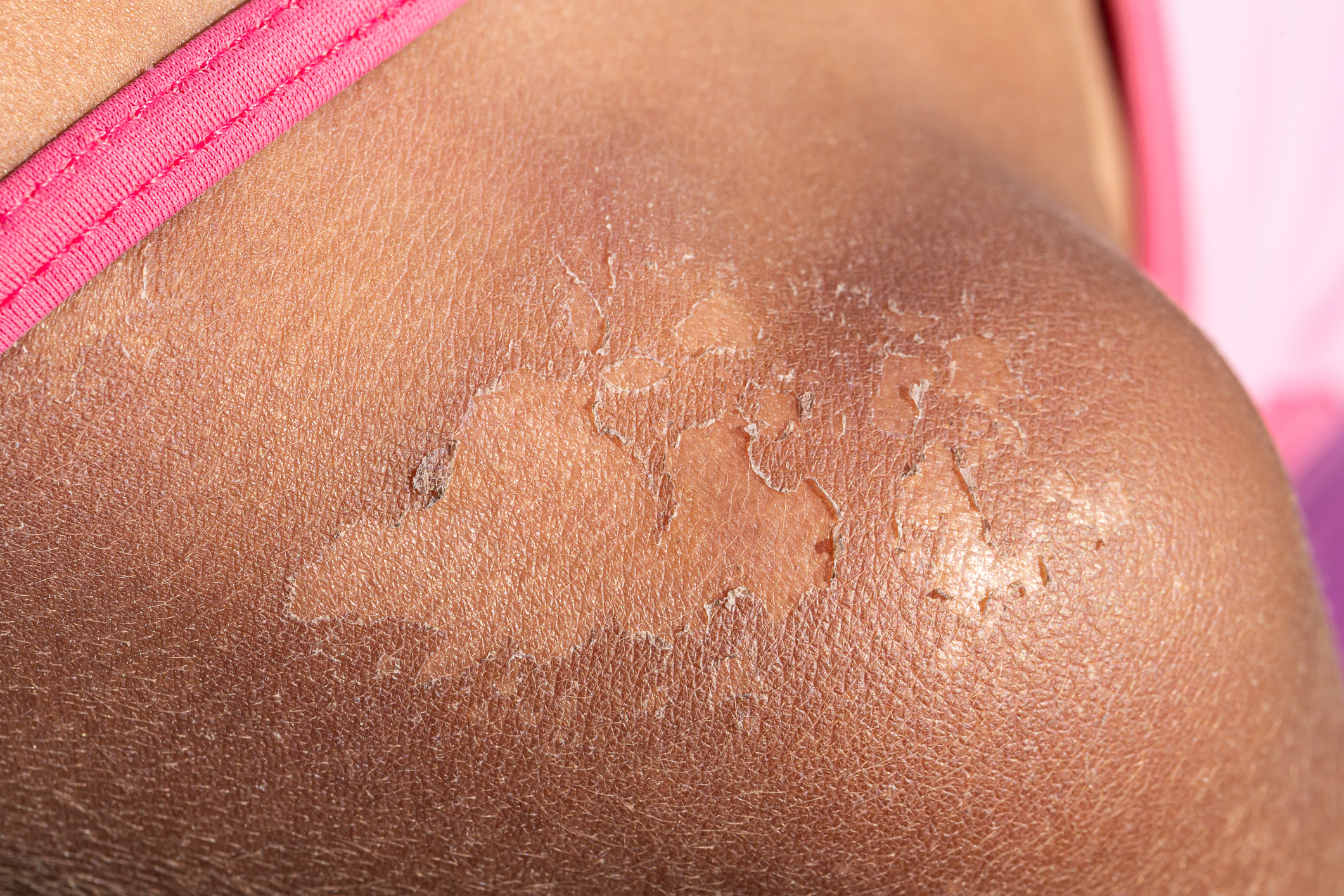
  • Sun skin damage- sun safety is a priority when it comes to summer skin care. Even a few bad sunburns can increase the risk of skin cancer, premature wrinkling, and aging. Some ways to protect your skin include: 
  • Using a good, broad-spectrum, water-resistant sunscreen on your face and other exposed areas, even on cloudy days. 
  • Apply generously, and remember not to forget the lips, rims of the ears, the back of the neck, and tops of the feet 
  • Choose a sunscreen with an SPF of at least 30 
  • Reapply about every two hours and after swimming or sweating 
  • Covering up with sun-protection clothing and always wear a hat and sunglasses 
  • Staying inside or in a shaded area during peak sunny hours 
  • Insect bites and stings can leave the skin with painful welts and can even spread disease. A tick bite can spread Lyme disease. Wasp, bees, hornets, and yellow jacket stings can be painful, especially if you are allergic. Mosquito bites can make summertime gatherings miserable. 

To help prevent insect bites and stings, you can follow these steps: 

  • Use repellent to keep bugs off your skin 
  • Use a fan to circulate the air to help keep bugs from biting 
  • Treat bites with an anti-itch medication, as scratching bug bites can cause infection, break the skin, and leave scars 
  • Rashes and skin irritations- things such as summer heat, poison ivy, swimming in certain bodies of water, perspiration, and other factors can cause skin irritations and rashes.  

Hot summer air and sweat can cause and/or aggravate certain skin conditions, such as acne, tinea, and prickly heat.  

Plants such as poison ivy, poison oak, and poison sumac are plentiful in the summer. If you go for a run or hike, or go camping, be mindful that the oils from these plants can cause an allergic reaction that can be severe, with redness, swelling, and intense itchiness. The best way to prevent coming in contact with these plants is to learn what they look like so you can avoid them while outdoors. If you are exposed to these plants, wash your hands and clothes thoroughly to remove as much oil as possible.  

Bodies of water can contain bacteria, parasites, and other irritants that can cause certain water-related rashes, such as: 

  • Swimmer’s itch 
  • Sea lice 
  • Chlorine rash 

Some general summer skin care tips to keep your skin healthier during the summer months include: 

  • Stay hydrated by drinking plenty of water to keep your skin healthy and moisturized from the inside 
  • Limit your exposure to the sun 
  • Take cool showers and dry off when you’re hot and sweaty 
  • Use a mild cleanser daily and avoid heavy makeup 

If you are suffering from any summer skin condition, you can visit Jamaica Hospital Medical Center’s Ambulatory Care Center. To schedule an appointment, please call (718) 206-7001. 

All content of this newsletter is intended for general information purposes only and is not intended or implied to be a substitute for professional medical advice, diagnosis or treatment. Please consult a medical professional before adopting any of the suggestions on this page. You must never disregard professional medical advice or delay seeking medical treatment based upon any content of this newsletter. PROMPTLY CONSULT YOUR PHYSICIAN OR CALL 911 IF YOU BELIEVE YOU HAVE A MEDICAL EMERGENCY.