
Flat Feet

Flat feet mean you have little to no arch in the soles of your feet. You may be flat-footed from childhood or have lost your arches due to a medical condition.

The arches of your feet play an important role in the mechanics of walking upright. Your arches are made of bones and connective tissues, and they:

  • Act as a springboard and shock absorber
  •  Adapt your foot to uneven walking surfaces
  • Protect nerves and vessels in the soles of your feet
  • Store and release energy as you walk

Some healthcare providers make a distinction between mildly flat feet that don’t cause any issues and the foot deformity they call pes planus. Flat arches cause other changes to your foot due to pes planus, including:

  • The flattened arch causes your heel to point outward and your ankle to roll inward
  • The arch on the inner side of your sole is flattened and appears to touch the ground
  • Your talus bone, a bone on the inner side of your foot, sticks out

Healthcare providers may classify flat feet as either flexible or rigid, or congenital or acquired.

Flexible flat feet are the most common type of flat feet. You can see the arches in your feet when you aren’t standing on them, but they disappear when you stand.

Rigid flat feet are a rare type of flat feet and mean that your feet have no arches whether you’re standing or sitting.

Congenital flat feet mean a baby has a birth defect that prevents their feet from developing arches. Some hereditary connective tissue disorders can make your arches too weak to hold up. Additionally, some families have flatter arches than others. However, genes can also cause genetic disorders or defects that affect how your arches form or prevent them from forming. These conditions include:

  • Down syndrome
  • Cerebral palsy
  • Osteogenesis imperfecta
  • Marfan syndrome
  • Clubfoot
  • Ehlers-Danlos syndrome
  • Joint hypermobility syndrome
  • Tarsal coalition

Acquired flat feet, or fallen arches, is a progressive collapsing deformity of the foot that occurs in adulthood, after your feet have developed their natural arches. Arch collapse can happen slowly or rapidly. Diseases and injuries can cause them, including:

  • Arthritis
  • Injury
  • Posterior tibial tendon dysfunction
  • Charcot foot

Flat feet don’t always cause symptoms. However, they can change the way you walk and can also transfer too much stress to parts of your lower body that aren’t prepared to bear it.

  • Early symptoms might include:
  • Foot pain after walking
  • Shin splints from overcompensating
  • Ankle pain from overpronation

Over time, you may develop:

  • Chronic pain even when you’re not walking
  • Gait disorders and abnormalities
  • Deformities such as bunions or hammertoes

These symptoms may cause you pain in your knees, hips, and lower back. You might also be more at risk of developing secondary conditions, such as:

  • Foot and ankle arthritis
  • Repetitive strain injuries
  • Ankle instability and sprains

An orthopedist or podiatrist can recognize flat feet after performing a physical exam by observing the shape and position of your foot, how it moves, and how you stand and walk on it. They will ask about your health history and any prior injuries or conditions that may have caused it. They might take images by taking a foot X-ray to confirm flat feet or to look deeper into the cause of it.

Many people won’t need treatment for flat feet. If they don’t have symptoms, they won’t need to fix them. If flat feet cause you occasional, mild aches and pains, you can treat them with:

  • Over-the-counter (OTC) pain relievers, such as nonsteroidal anti-inflammatory drugs (NSAIDs) or acetaminophen
  • Orthotic shoe inserts or other walking supports
  • Physical therapy exercises that stretch and strengthen your feet

Flat feet that cause chronic or significant pain, or other complications might need additional treatment. Depending on what’s causing it, some people might need surgery to fix the underlying issue.

It is important to know that there isn’t anything you can do to prevent flat feet. However, staying at a healthy weight may ease pain caused by flat feet.

The Department of Podiatry at Jamaica Hospital Medical Center provides a wide variety of medical treatments and surgical procedures for adults and children. To make an appointment, please call (718) 206-6713/6712

All content of this newsletter is intended for general information purposes only and is not intended or implied to be a substitute for professional medical advice, diagnosis or treatment. Please consult a medical professional before adopting any of the suggestions on this page. You must never disregard professional medical advice or delay seeking medical treatment based upon any content of this newsletter. PROMPTLY CONSULT YOUR PHYSICIAN OR CALL 911 IF YOU BELIEVE YOU HAVE A MEDICAL EMERGENCY.
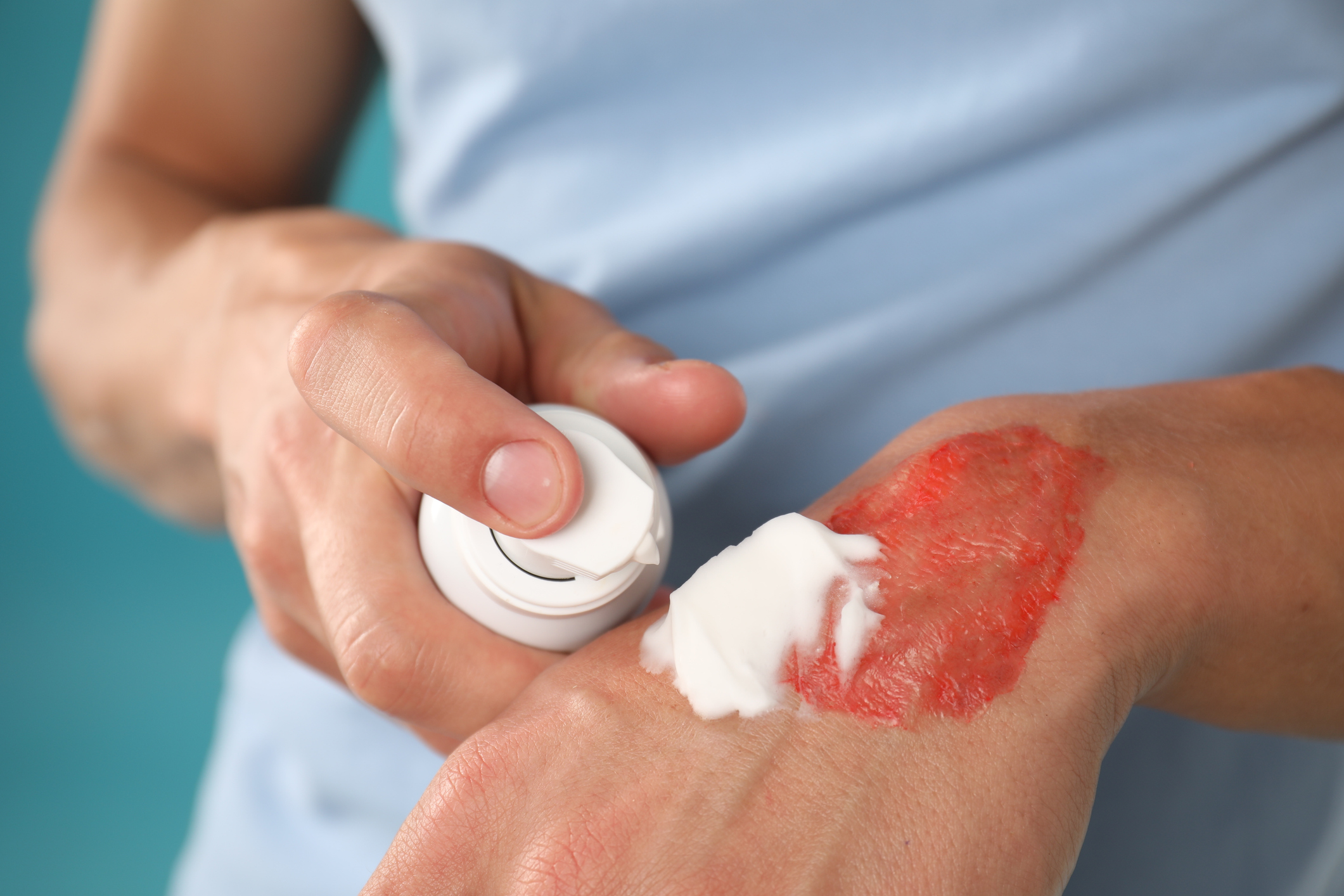

Burn Treatment Myths De-Bunked

Getting a burn on any part of your body can be painful, especially based on its severity. When we get a burn, we may try to use homeopathic remedies as treatment. However, some of these homeopathic burn treatment options are either not recommended or have little to no research on whether they help or improve the healing process.

Here are some burn treatment myths and the facts to help you treat your burn wounds properly and avoid using potentially harmful remedies:

Myth #1: Using cold water to stop the burning process

A burn injury can damage your skin and disrupt or impair your body’s natural ability to regulate its temperature. This is why, after getting a burn, such as a sunburn, you may get cold more easily despite your skin feeling hot to the touch. Those who experience more severe burns are not only unable to regulate their body temperature but are at an increased risk of developing hypothermia.

Instead, use slightly warm or tepid water to rinse the affected area for 15-20 minutes before washing the burn with a gentle soap. Hot water should be avoided entirely because it can cause pain or make the burn worse.

Myth #2: Using ice to numb the burned area, cool it down, or reduce the swelling

Ice is not an effective way to treat a burn and shouldn’t be used, as it can irritate the burn and cause more damage to the wound bed. Ice also stops blood flow via vasoconstriction, which can worsen the injury.

Instead, run a towel under tepid water and wring it out so it isn’t soaking wet. Place the damp towel on the burn for ten-minute intervals to reduce swelling and pain. Be sure not to do this too often, as keeping the burn moist may promote the onset of infection.

Myth #3: Using butter and cooking oils to heal burns

Butter and cooking oils should not be used to treat burns. They can make the burn worse by trapping heat, keeping the area hot, and creating an environment that is conducive to bacterial infection.

Instead, use burn creams and antibiotic ointments to create a barrier between the wound bed and the outside environment to help prevent infection. Apply these creams and ointments directly to the affected area, then cover or wrap it with a dry, sterile bandage. Change the bandage often, as a dirty bandage promotes infection.

Myth #4: Using toothpaste to relieve pain from burns

Toothpaste often contains mint ingredients or flavoring, and this cooling sensation mimics the effects of lidocaine found in topical pain-relieving gels and creams. It isn’t recommended to put lidocaine or mint products such as toothpaste on burns, especially second- or third-degree burns, as it will make the wound painful, uncomfortable, and irritated. Additionally, toothpaste is not sanitary enough to put on any open wound and may increase the risk of infection.

Instead, use aloe vera, as it is the most natural treatment for minor burns because of its healing capabilities. Aloe vera reduces inflammation, promotes circulation, reduces bacterial colonization, and helps heal the affected area faster.

Myth #5: Using milk, flour, or egg whites to treat burns

When you eat a very spicy meal and your tongue is burning, you can drink milk to cool the burning sensation. However, putting milk on a burn may encourage infection of the wound bed, as it comes with the risk of certain harmful pathogens, such as Brucella, E. coli, Listeria, and Salmonella. Raw flour, like milk, is associated with the harmful pathogens Salmonella and E. coli. It also comes with the risk of infection, as it can dirty the wound, making it harder to clean and disinfect. Additionally, no evidence that applying eggs to a burn helps heal the wound. Using eggs to treat a burn carries the risk of salmonella poisoning, bacterial infection, and allergic reaction.

Instead, use cool water to clean the wound, and apply aloe vera, burn creams, or antibiotic ointments to help the wound heal.

Myth # 6: Using rubbing or drinking alcohol to sterilize a burn wound, and popping blisters

It may seem like a good idea to use rubbing or even drinking alcohol to sterilize a burn wound. However, they should not be used as an antibacterial solution, as they can irritate the burn, cause pain, and kill beneficial bacteria. Alcohol is also highly flammable and can catch fire if you are still near the source of the burn. Popping blisters can increase the risk of developing an infection. Blisters are not like pimples. The fluid buildup in the blister is the immune system’s attempt to protect you from further damage and infection.

Instead, use cool water to flush the wound and an antiseptic for burns to sterilize it. Also, avoid popping blisters. A healthcare provider who specializes in burns may pop the blisters for other clinical care.

If you are suffering from a burn injury and need treatment, you can schedule an appointment with a physician at Jamaica Hospital Medical Center’s Ambulatory Care Center. Please call (718) 206-7001.

All content of this newsletter is intended for general information purposes only and is not intended or implied to be a substitute for professional medical advice, diagnosis or treatment. Please consult a medical professional before adopting any of the suggestions on this page. You must never disregard professional medical advice or delay seeking medical treatment based upon any content of this newsletter. PROMPTLY CONSULT YOUR PHYSICIAN OR CALL 911 IF YOU BELIEVE YOU HAVE A MEDICAL EMERGENCY.
Patient Testimonial- Wayne Singleton

“I am grateful to Dr. Atalay and the hospital staff for aiding in my recovery”, is what I said after Dr. Atalay and the staff at Jamaica Hospital Medical Center saved my life after I had a major stroke at work. 

On January 21st of this year, I was working at my job when suddenly, I began to experience the symptoms of a stroke. As the stroke advanced, I collapsed. My colleague came out of his office to help and called an ambulance.  

The ambulance brought me to the Emergency Department at Jamaica Hospital Medical Center, where I was immediately prepped for surgery. Dr. Yahya Atalay, a neuro-intervention specialist, treated me and successfully performed a thrombectomy, a procedure to remove the clot from my brain via my groin. 

Presently, I am enrolled in cardio-rehabilitation three days per week. I do light to moderate exercises, and I monitor my vitals daily. I am recovering from my stroke one day at a time. 

Thank you to Dr. Atalay and the Jamaica Hospital staff for everything they have done for me. 

All content of this newsletter is intended for general information purposes only and is not intended or implied to be a substitute for professional medical advice, diagnosis or treatment. Please consult a medical professional before adopting any of the suggestions on this page. You must never disregard professional medical advice or delay seeking medical treatment based upon any content of this newsletter. PROMPTLY CONSULT YOUR PHYSICIAN OR CALL 911 IF YOU BELIEVE YOU HAVE A MEDICAL EMERGENCY.
National Immunization Awareness Month

August is recognized as National Immunization Awareness Month (NIAM). It is a month observed to highlight the importance of vaccination for people of all ages.   

Vaccinations are important at every stage of life. They are one of the safest preventative care measures available and help play a vital role in keeping you healthy.   

Vaccines work by stimulating the immune system to protect the body against viruses or bacteria that cause infection. After vaccination, the immune system is better prepared to respond quickly when the body encounters the disease-causing organism.  

From infants to older adults, immunizations play a critical role in preventing serious diseases such as measles, whooping cough, flu, shingles, and HPV-related cancers. Skipping vaccines can leave you and your family vulnerable to these illnesses.   

Getting vaccinated plays an important role in keeping your family and community healthy, as vaccinations help protect you from infectious diseases and can lessen the severity of illness. They don’t just help protect you; they also help keep diseases from spreading to others, such as your family, neighbors, classmates, coworkers, and others in the community. Especially those who are most vulnerable to illness, such as infants, elderly people, and those with weakened immune systems.    

National Immunization Awareness Month offers a timely reminder as families prepare for back-to-school and flu season approaches. If you would like to help raise awareness about the importance of vaccination, encourage friends and family to talk to a healthcare provider they trust about staying up to date on their vaccinations. 

All content of this newsletter is intended for general information purposes only and is not intended or implied to be a substitute for professional medical advice, diagnosis or treatment. Please consult a medical professional before adopting any of the suggestions on this page. You must never disregard professional medical advice or delay seeking medical treatment based upon any content of this newsletter. PROMPTLY CONSULT YOUR PHYSICIAN OR CALL 911 IF YOU BELIEVE YOU HAVE A MEDICAL EMERGENCY.

Dysautonomia

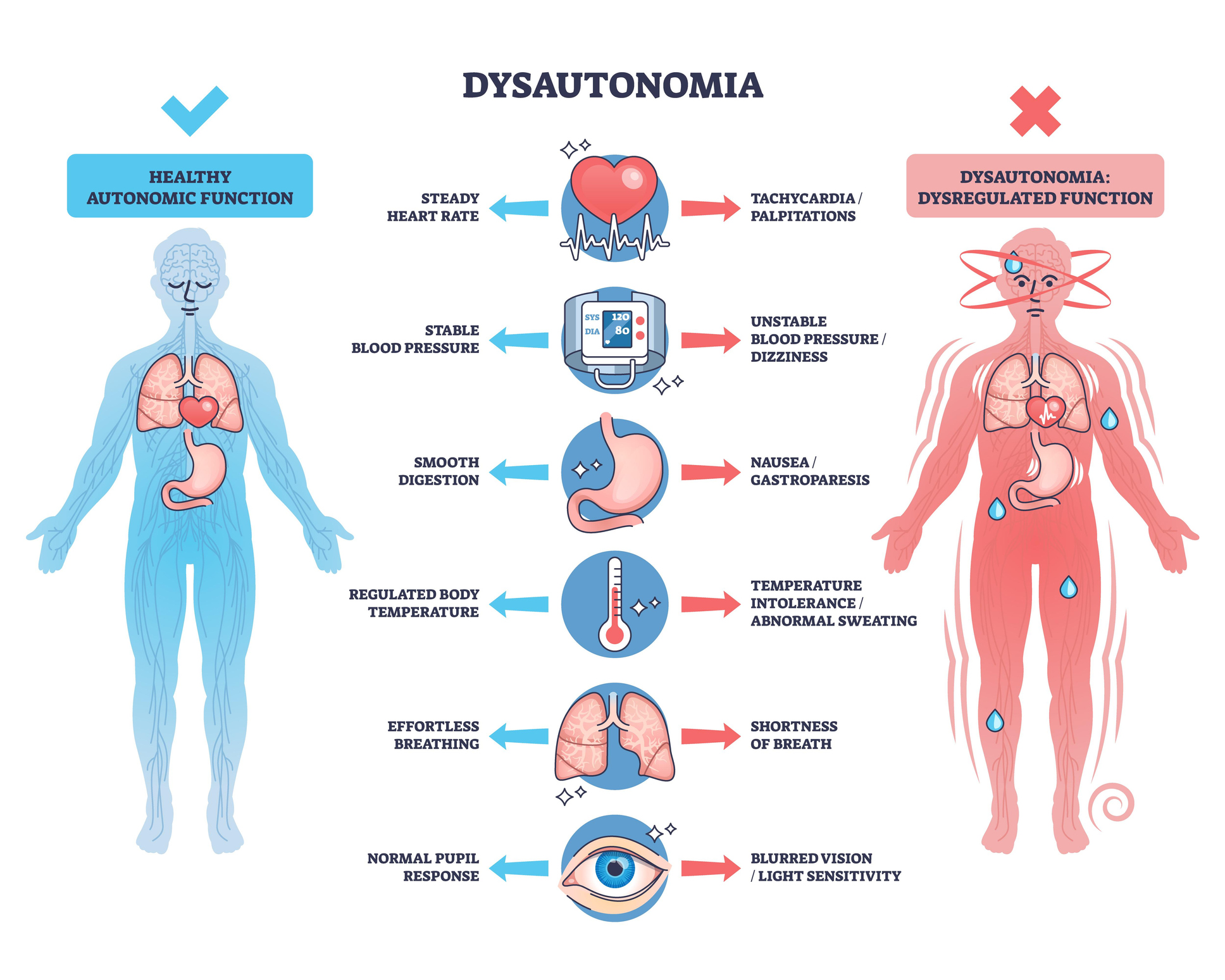
Dysautonomia is the general term for nervous system disorders that disrupt the autonomic nervous system (ANS).  

There are two main types of dysautonomia: primary and secondary. 

Primary dysautonomia can happen on its own without a specific cause and isn’t as common as secondary dysautonomia. Two types of primary dysautonomia are familial dysautonomia, which means it is inherited, and idiopathic dysautonomia, which means it happens for reasons healthcare providers can’t explain or detect. Your odds of having familial dysautonomia are increased if you: 

  • Have a family member, such as a parent or sibling, with dysautonomia 
  • Are of Jewish heritage, especially if you are Ashkenazi Jewish heritage 
  • Are of Eastern European heritage 

Secondary dysautonomias are conditions that can cause or contribute to dysautonomia, such as: 

  • Amyotrophic lateral sclerosis (ALS) 
  • Autoimmune autonomic ganglionopathy (AAG) 
  • Amyloidosis 
  • Botulism 
  • COVID-19 infection, especially long COVID 
  • Lewy body dementia 
  • Lupus 
  • Parkinson’s Disease 
  • Multiple Sclerosis (MS) 
  • Rheumatoid Arthritis 
  • Type 2 diabetes 

The autonomic nervous system manages all the body processes you don’t think about, such as your blood pressure, body temperature, breathing, digestion, heart rate, sweating, and much more. If you have dysautonomia, one or more of these ANS processes aren’t functioning properly.  

Dysautonomia can cause several different symptoms due to its effect on the autonomic nervous system, including: 

  • Nausea and vomiting 
  • Brain fog, forgetfulness, or trouble focusing 
  • Balance problems 
  • Vertigo  
  • Migraines or frequent headaches 
  • Mood swings or anxiety 
  • Fatigue or ongoing tiredness 
  • Sexual dysfunction 
  • Vision issues, such as blurred vision or trouble with your eyes adjusting to light changes  
  • Pinpoint pupils or unusually wide-eyed pupils 
  • Unusually dry or watery eyes 
  • Trouble swallowing 
  • Sound or light sensitivity 
  • Chest pain or discomfort 
  • Runny nose 
  • Shifts in body or skin temperature 
  • Sweating more or less than usual, or sweating more in certain body parts 
  • Clammy or pale skin 
  • Exercise intolerance 
  • Excessive drooling 

There can be several possible complications of dysautonomia because of how it affects vital body processes. Most of the complications revolve around symptoms of dysautonomia, especially when they’re severe or disrupt your usual routine and activities. Serious symptoms and complications typically include: 

  • Trouble breathing, such as shortness of breath 
  • Heart rate issues, such as heart palpitations, irregular heartbeat, or a fast or slow heart rate 
  • Dizziness, lightheadedness, fainting, or passing out (especially when standing up), which can lead to injuries from falls 
  • Disrupted digestion, such as changes in bowel movements, such as constipation or diarrhea 
  • Disrupted kidney function, leading to urinary tract infections, a frequent urge to pee, or urinary incontinence 

Diagnosing dysautonomia is often a process of elimination, using a combination of methods and tests. It also involves determining how and when symptoms happen and finding the pattern linking them. Experienced healthcare providers may find it challenging to diagnose dysautonomia because it can cause symptoms throughout the body that might not seem connected. Healthcare providers may also link symptoms to the condition causing dysautonomia but not realize dysautonomia is also happening. 

Some of the tests that may help diagnose dysautonomia or help rule out other conditions include: 

  • Physical and neurological exams 
  • Heart tests, especially an electrocardiogram 
  • Ultrasound and other tests for symptoms related to urinary incontinence 
  • Blood tests, especially testing for antibodies that indicate an autoimmune disorder or testing levels of certain neurotransmitters such as catecholamines 
  • Tilt table test 
  • Sweat tests, such as the quantitative sudomotor axon reflex test 
  • Pupil measurement testing, also known as pupillometry 

There is no cure for dysautonomia. However, many symptoms are manageable, and the approach for treating dysautonomia depends on several factors, especially the cause. 

Some treatment approaches that might help include: 

  • Staying hydrated 
  • Making dietary changes 
  • Taking medications to increase blood pressure 
  • Taking immune-suppressing medications or other immune system treatments 

If you are experiencing any symptoms of dysautonomia, you can consult a neurologist at Jamaica Hospital Medical Center. To schedule an appointment, please call (718) 206-7246. 


All content of this newsletter is intended for general information purposes only and is not intended or implied to be a substitute for professional medical advice, diagnosis or treatment. Please consult a medical professional before adopting any of the suggestions on this page. You must never disregard professional medical advice or delay seeking medical treatment based upon any content of this newsletter. PROMPTLY CONSULT YOUR PHYSICIAN OR CALL 911 IF YOU BELIEVE YOU HAVE A MEDICAL EMERGENCY.
Wellness Wednesday Tip: Healthy Eating

Eating healthy can be difficult, especially when you don’t have the time, and there is the convenience of fast-food restaurants and processed foods.  

Most people in the United States need to eat more nutrient-dense foods and limit highly processed foods, added sugars, added sodium, and refined carbohydrates.  

Healthy eating emphasizes protein, dairy, vegetables, fruits, healthy fats, whole grains, and limiting added sugars. 

The best way to practice healthy eating is to aim for having a variety of colors on your plate. Fruits and vegetables such as oranges, tomatoes, dark leafy greens, and fresh herbs are full of vitamins, fiber, and minerals.  

Too much added sugars in your diet, such as cane sugar, corn syrup, dextrose, fructose, maple syrup, and honey, can contribute to weight gain, obesity, type 2 diabetes, and heart disease. Sugary beverages are common sources of added sugar. 

To limit added sugars, you can: 

  • Drink water with berries or slices of lemon, lime, or cucumber instead 
  • Read nutrition labels and choose foods with no or lower amounts of added sugars 
  • Limit sugary snacks and snack on fruit or vegetable slices instead 
  • Add fruit to your whole grain cereal or yogurt for sweetness 
  • Avoid adding flavored syrups to your coffee 

Eating too much sodium can raise your risk of high blood pressure, heart attack, and stroke. More than 70% of the sodium Americans consume comes from packaged or prepared foods. While sodium has several forms, 90% of the sodium we consume is from salt.  

To cut back on sodium, you can: 

  • Read the nutrition facts label to find foods that are low in sodium or lower-sodium options 
  • Buy unprocessed foods, such as fresh or frozen vegetables, to prepare at home 
  • Avoid highly processed foods, such as breads, pizza, and deli meats that are high in sodium 

Fiber helps maintain our digestive health and helps us feel fuller longer. Fiber also helps control our blood sugar and lowers our cholesterol levels. Fruits and vegetables, whole grains, legumes, nuts, and seeds are good sources of fiber.  

To increase your fiber intake, you can: 

  • Start your day with a whole-grain cereal, such as oatmeal 
  • Add fresh fruit with a meal or as a dessert 
  • Slice raw vegetables for quick snacks 
  • Top your whole-grain cereal with berries, pumpkin seeds, or almonds 
  • Add a half-cup of beans or lentils to a salad to add texture and flavor 

Protein is also an important part of healthy eating. Including protein-rich foods in your diet is essential for maintaining overall health and well-being. 

Protein options include: 

  • Eggs 
  • Poultry 
  • Seafood 
  • Red meat 
  • Beans 
  • Peas 
  • Lentils 
  • Legumes 
  • Nuts 
  • Seeds 
  • Soy products such as tofu 

Good nutrition is about choosing healthy foods and beverages on a consistent basis. Eating healthy, whole, nutrient-dense foods can support longevity and vitality, and lower your risk of heart disease, certain cancers, and chronic illnesses, such as diabetes and obesity.  

Jamaica Hospital Medical Center’s Registered Dietitians assist patients with growing their knowledge about nutrition, wellness, and healthy eating. To make an appointment, please call 718-657-7093. 

All content of this newsletter is intended for general information purposes only and is not intended or implied to be a substitute for professional medical advice, diagnosis or treatment. Please consult a medical professional before adopting any of the suggestions on this page. You must never disregard professional medical advice or delay seeking medical treatment based upon any content of this newsletter. PROMPTLY CONSULT YOUR PHYSICIAN OR CALL 911 IF YOU BELIEVE YOU HAVE A MEDICAL EMERGENCY.

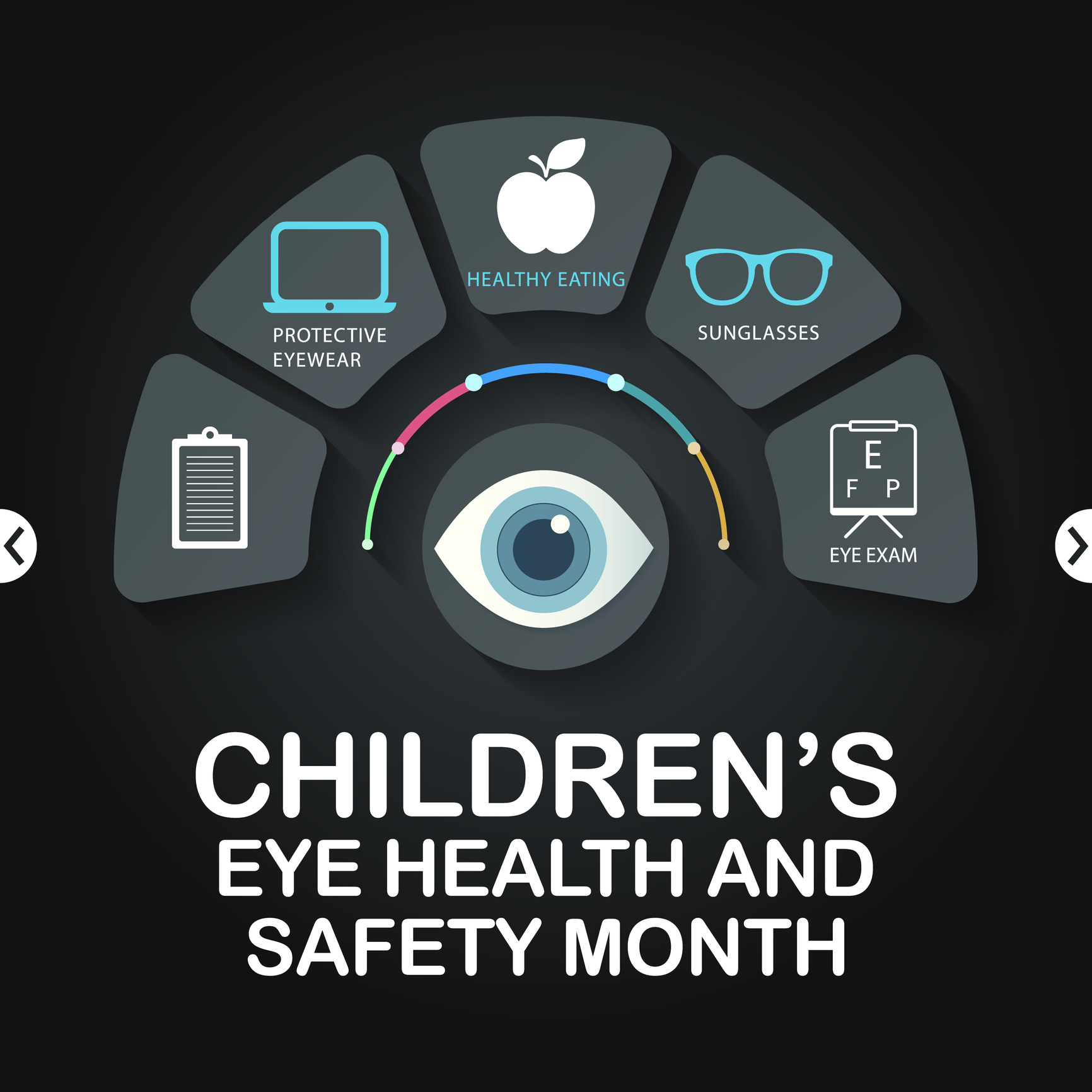
Children’s Eye Health and Safety Month

August is recognized as Children’s Eye Health and Safety Month. With children preparing for the new school year, it is important to have their eyes checked.

Vision is a vital part of a child’s development. It is how they learn, play, and interact with the world around them. Uncorrected vision problems can impair child development, interfere with learning, and even lead to permanent vision loss.

Unfortunately, many eye problems in children go undetected, which can lead to long-term issues. Regular eye exams are crucial in identifying problems early, ensuring your child has the best chance for healthy vision. Good vision is essential for their performance in school, in sports, and for their overall well-being.

Vision issues in children are common in the United States. They are vulnerable to many eye problems, including:

  • Injuries
  • Infections
  • Nearsightedness

There are many things to be aware of that may indicate a problem with your child’s eyes, such as:

  • Their eyes don’t line up or appear crossed
  • Their eyelids are red-rimmed, crusted, or swollen
  • Their eyes are watery or inflamed
  • They rub their eyes a lot
  • They close or cover one eye
  • They tilt their head forward
  • They have trouble reading or doing other close-up work
  • They hold objects close to their eyes to see
  • They blink more than usual or seem cranky when doing close-up work
  • Things are blurry or hard to see for them

There are many ways to protect your child’s eye health, including:

  • Getting regular eye exams
  • Wearing protective eyewear during sports and other activities
  • Limiting screen time
  • Practicing healthy nutrition

If you would like to schedule an eye exam for your child, you can visit an ophthalmologist at Jamaica Hospital Medical Center. To schedule an appointment, please call (718) 206-5900.

All content of this newsletter is intended for general information purposes only and is not intended or implied to be a substitute for professional medical advice, diagnosis or treatment. Please consult a medical professional before adopting any of the suggestions on this page. You must never disregard professional medical advice or delay seeking medical treatment based upon any content of this newsletter. PROMPTLY CONSULT YOUR PHYSICIAN OR CALL 911 IF YOU BELIEVE YOU HAVE A MEDICAL EMERGENCY.

Back to School Anxiety

A new school year is fast approaching. And with it comes lots of excitement, but it can also cause anxiety for children.

Starting a new school or being away from parents can cause much anxiety in children. That anxiety fades for most children as the year progresses. But for others, it doesn’t. Here are some examples of behaviors that may indicate your child is continuing to struggle with anxiety:

  • Continually seeking reassurance or asking repeated, worried questions despite receiving an answer
  • Tantrums when separating from parents or caregivers before going to school
  • Increased complaints of experiencing headaches, stomachaches, and fatigue in the absence of an illness
  • A significant change in their sleep pattern, such as taking an hour to fall asleep, or waking you up with worries during the night when they might typically sleep well
  • Difficulty getting along with family members or friends
  • Avoidance of normal activities in and outside of school

Here are some tips to help ease back-to-school anxiety:

  • Approach anxiety instead of avoiding it
  • Practice school routines
  • Model behavior you’d like to see
  • Ensure they are getting enough sleep
  • Check in with stress levels
  • Talk to school mental health professionals
  • Blend back to school with fun activities so the transition is less sudden

If you or your child needs the assistance and support of a mental health professional at Jamaica Hospital Medical Center, please call 718-206-5575 to schedule an appointment.


All content of this newsletter is intended for general information purposes only and is not intended or implied to be a substitute for professional medical advice, diagnosis or treatment. Please consult a medical professional before adopting any of the suggestions on this page. You must never disregard professional medical advice or delay seeking medical treatment based upon any content of this newsletter. PROMPTLY CONSULT YOUR PHYSICIAN OR CALL 911 IF YOU BELIEVE YOU HAVE A MEDICAL EMERGENCY.
Dehydration Kidney Stones

Drinking water is essential for our health and wellbeing. Not drinking enough water can lead to health complications such as dehydration, which contributes to the formation of kidney stones. Kidney stones are solid masses or clusters of crystals that form from substances such as minerals, acids, and salts in the kidneys. These stones can be as small as a grain of sand, or in rare cases, larger than a golf ball. 

Stones occur when there is little liquid and too many of the minerals, acids, and other substances such as calcium, sodium, oxalate, and uric acid in the urine, causing them to stick together and form crystals or stones. Kidney stones can form over months or years. 

According to research done by the National Institutes of Health (NIH), dehydration is an important risk factor for kidney stones because the body doesn’t have enough water to dilute minerals and salts in the urine. The research further stated that a person should drink enough water to have about two liters of urine output daily to prevent kidney stones and pay attention to the color of their urine to know if the goal is achieved or not. Dark colored urine is a sign of dehydration.  

The most common symptom of kidney stones is pain in the lower back, belly, or side, which might feel like it extends from the groin to the side. This pain can be dull, or it can be sharp and severe and comes in waves. Other symptoms of kidney stones include: 

  • Bloody urine 
  • Pain when urinating 
  • The inability to urinate 
  • Feeling the urge to urinate a lot 
  • Cloudy or foul-smelling urine 
  • Nausea and vomiting 
  • Fever or chills 

Drinking water plays a very important role in preventing kidney stones because it helps dilute the urine and reduces the concentration of minerals and salts that can form stones. Drinking enough water throughout the day causes the kidneys to produce more urine, which helps flush out substances such as calcium, oxalate, and uric acid before they can combine and form crystals.  

A healthcare provider can diagnose kidney stones by performing urine, imaging, and blood tests.  

To treat a small kidney stone, a healthcare provider will have the person monitor their symptoms until it passes in their urine. They may also prescribe medications to keep them comfortable and help the stone pass on its own. Larger kidney stones need treatment depending on their size, location, whether they are causing infections or symptoms, and other factors.  

Medications to treat kidney stones help relax the ureter to help pass the stone more easily, help manage any nausea and vomiting, and help manage pain.  

Procedures to remove large kidney stones include: 

  • Shockwave lithotripsy 
  • Ureteroscopy 
  • Percutaneous nephrolithotomy 
  • Laparoscopic surgery 

It is recommended to drink up to three liters of water daily and throughout the day to help prevent kidney stones from returning. Other ways to prevent kidney stones from returning include: 

  • Drinking water, but drinks like tea and coffee also count 
  • Adding fresh lemon juice to your water 
  • Avoiding eating too much salt 
  • Avoiding fizzy drinks 

If you are experiencing symptoms of kidney stones and would like more information about receiving treatment from a urologist at Jamaica Hospital Medical Center. To make an appointment, please call 718-206-7001.    

All content of this newsletter is intended for general information purposes only and is not intended or implied to be a substitute for professional medical advice, diagnosis or treatment. Please consult a medical professional before adopting any of the suggestions on this page. You must never disregard professional medical advice or delay seeking medical treatment based upon any content of this newsletter. PROMPTLY CONSULT YOUR PHYSICIAN OR CALL 911 IF YOU BELIEVE YOU HAVE A MEDICAL EMERGENCY.

How Does Anesthesia Work?

What is anesthesia?

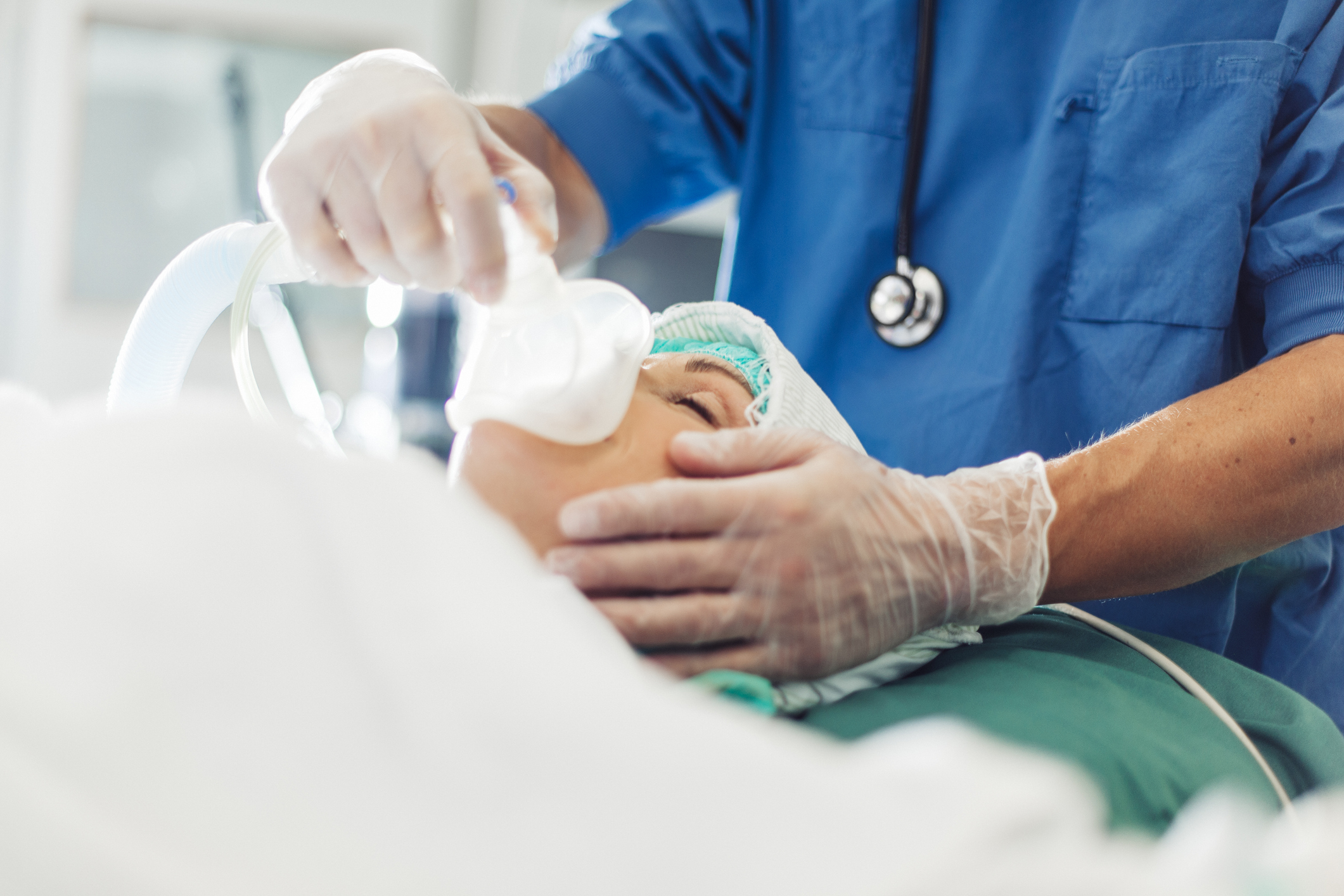
Anesthetic nurses in operation room at hospital with patientAnesthesia is the use of anesthetics, which are medications that prevent a person from feeling pain during operations or other medical procedures.

Anesthetics work by blocking pain or sensation in the body or putting the brain to sleep. These medications can be given intravenously through an IV, inhaled, injected, taken orally, or applied topically.

Types of anesthesia and how they work

There are four main types of anesthesia, and each works differently by temporarily blocking pain signals between your body and your brain. They include:

  1. General anesthesia – makes you completely unconscious (you are put in a complete medically induced sleep). The anesthetics given affect the whole body and stop pain and awareness.  They also prevent movement and memory formation during surgery.  General anesthesia is typically administered by IV or inhaled as a gas and is used during major operations such as heart surgery or abdominal surgery.  Breathing support and monitoring of vital functions are required during surgery.
  2. Regional anesthesia – works by numbing a large area of the body, such as the arm, shoulder, or the lower half of the body.  You may remain awake or receive mild sedation during a procedure in which regional anesthesia is given.   Regional anesthesia is administered by injecting medication near a cluster of nerves. This temporarily prevents pain signals from that region of the body from reaching the brain.  Regional anesthesia is used for childbirth (an epidural) or targeted orthopedic surgeries on the hand or feet.
  3. Local anesthesia numbs a small, specific part of the body. These medications work by preventing local nerves from sending pain signals to the brain.   You are awake and alert during procedures in which local anesthesia is given.  Local anesthetics can be administered by injections or applied topically as sprays, gels, or ointments. They are commonly used during dental procedures, skin biopsies, minor plastic surgery, or stitching a wound on your skin.
  4. Sedation – helps you to relax or makes you feel sleepy without necessarily causing complete unconsciousness. Sedatives are often given to reduce anxiety or decrease awareness. You can usually breathe on your own and may or may not remember the procedure. Sedatives can be administered by IV, injection, or pills or liquids taken by mouth, and are used during dental procedures, colonoscopies, or minor surgeries. A trained healthcare provider will monitor your vitals while you are sedated.

Types of anesthesiology professionals

Modern anesthesia is considered very safe when it is administered by trained professionals. Medical professionals involved in this process include anesthesiologists, who are medical doctors specializing in anesthesia, Certified Registered Nurse Anesthetists (CRNAs), who are nurses with advanced training in anesthesia, and Certified Anesthesiologist Assistants (CAAs), who assist anesthesiologists. These skilled individuals work together to ensure your safety during the procedure.

All content of this newsletter is intended for general information purposes only and is not intended or implied to be a substitute for professional medical advice, diagnosis or treatment. Please consult a medical professional before adopting any of the suggestions on this page. You must never disregard professional medical advice or delay seeking medical treatment based upon any content of this newsletter. PROMPTLY CONSULT YOUR PHYSICIAN OR CALL 911 IF YOU BELIEVE YOU HAVE A MEDICAL EMERGENCY.