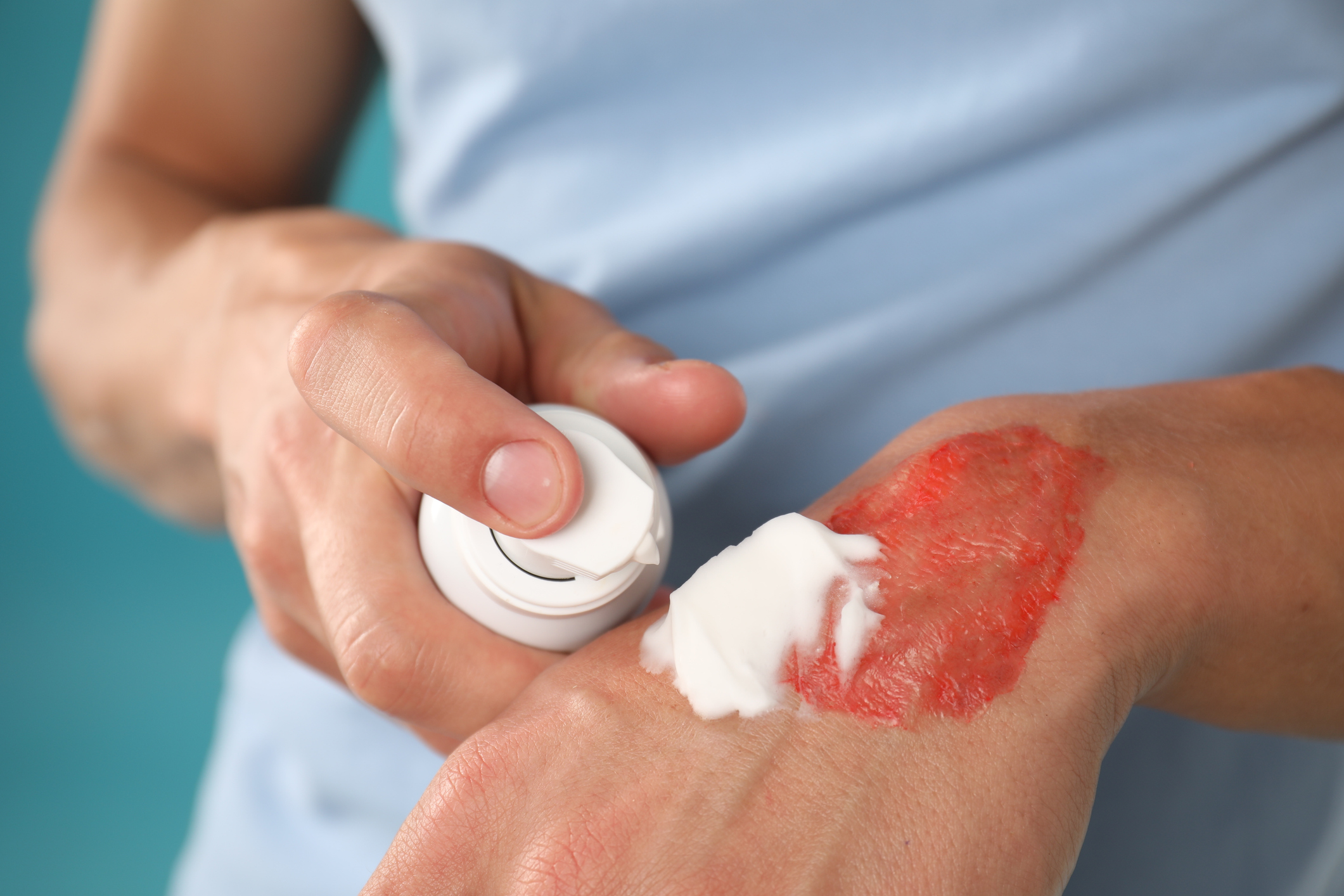
Burn Treatment Myths De-Bunked

Getting a burn on any part of your body can be painful, especially based on its severity. When we get a burn, we may try to use homeopathic remedies as treatment. However, some of these homeopathic burn treatment options are either not recommended or have little to no research on whether they help or improve the healing process.

Here are some burn treatment myths and the facts to help you treat your burn wounds properly and avoid using potentially harmful remedies:

Myth #1: Using cold water to stop the burning process

A burn injury can damage your skin and disrupt or impair your body’s natural ability to regulate its temperature. This is why, after getting a burn, such as a sunburn, you may get cold more easily despite your skin feeling hot to the touch. Those who experience more severe burns are not only unable to regulate their body temperature but are at an increased risk of developing hypothermia.

Instead, use slightly warm or tepid water to rinse the affected area for 15-20 minutes before washing the burn with a gentle soap. Hot water should be avoided entirely because it can cause pain or make the burn worse.

Myth #2: Using ice to numb the burned area, cool it down, or reduce the swelling

Ice is not an effective way to treat a burn and shouldn’t be used, as it can irritate the burn and cause more damage to the wound bed. Ice also stops blood flow via vasoconstriction, which can worsen the injury.

Instead, run a towel under tepid water and wring it out so it isn’t soaking wet. Place the damp towel on the burn for ten-minute intervals to reduce swelling and pain. Be sure not to do this too often, as keeping the burn moist may promote the onset of infection.

Myth #3: Using butter and cooking oils to heal burns

Butter and cooking oils should not be used to treat burns. They can make the burn worse by trapping heat, keeping the area hot, and creating an environment that is conducive to bacterial infection.

Instead, use burn creams and antibiotic ointments to create a barrier between the wound bed and the outside environment to help prevent infection. Apply these creams and ointments directly to the affected area, then cover or wrap it with a dry, sterile bandage. Change the bandage often, as a dirty bandage promotes infection.

Myth #4: Using toothpaste to relieve pain from burns

Toothpaste often contains mint ingredients or flavoring, and this cooling sensation mimics the effects of lidocaine found in topical pain-relieving gels and creams. It isn’t recommended to put lidocaine or mint products such as toothpaste on burns, especially second- or third-degree burns, as it will make the wound painful, uncomfortable, and irritated. Additionally, toothpaste is not sanitary enough to put on any open wound and may increase the risk of infection.

Instead, use aloe vera, as it is the most natural treatment for minor burns because of its healing capabilities. Aloe vera reduces inflammation, promotes circulation, reduces bacterial colonization, and helps heal the affected area faster.

Myth #5: Using milk, flour, or egg whites to treat burns

When you eat a very spicy meal and your tongue is burning, you can drink milk to cool the burning sensation. However, putting milk on a burn may encourage infection of the wound bed, as it comes with the risk of certain harmful pathogens, such as Brucella, E. coli, Listeria, and Salmonella. Raw flour, like milk, is associated with the harmful pathogens Salmonella and E. coli. It also comes with the risk of infection, as it can dirty the wound, making it harder to clean and disinfect. Additionally, no evidence that applying eggs to a burn helps heal the wound. Using eggs to treat a burn carries the risk of salmonella poisoning, bacterial infection, and allergic reaction.

Instead, use cool water to clean the wound, and apply aloe vera, burn creams, or antibiotic ointments to help the wound heal.

Myth # 6: Using rubbing or drinking alcohol to sterilize a burn wound, and popping blisters

It may seem like a good idea to use rubbing or even drinking alcohol to sterilize a burn wound. However, they should not be used as an antibacterial solution, as they can irritate the burn, cause pain, and kill beneficial bacteria. Alcohol is also highly flammable and can catch fire if you are still near the source of the burn. Popping blisters can increase the risk of developing an infection. Blisters are not like pimples. The fluid buildup in the blister is the immune system’s attempt to protect you from further damage and infection.

Instead, use cool water to flush the wound and an antiseptic for burns to sterilize it. Also, avoid popping blisters. A healthcare provider who specializes in burns may pop the blisters for other clinical care.

If you are suffering from a burn injury and need treatment, you can schedule an appointment with a physician at Jamaica Hospital Medical Center’s Ambulatory Care Center. Please call (718) 206-7001.

All content of this newsletter is intended for general information purposes only and is not intended or implied to be a substitute for professional medical advice, diagnosis or treatment. Please consult a medical professional before adopting any of the suggestions on this page. You must never disregard professional medical advice or delay seeking medical treatment based upon any content of this newsletter. PROMPTLY CONSULT YOUR PHYSICIAN OR CALL 911 IF YOU BELIEVE YOU HAVE A MEDICAL EMERGENCY.

Burns

Burns are one of the most common injuries to occur in the home.  An estimated 250,000 children under the age of 17 are treated annually in hospitals and ERs for burn injuries.

There are three primary types of burns:

  • First-degree burns- damage is done only to the outer layer of the skin. These burns  can result in minor swelling, blisters or redness
  • Second-degree burns- damage is done to the outer layer and the layer underneath the skin. Skin may develop blisters or begin to thicken
  • Third-degree burns- damage is done to deeper tissue. Skin might appear charred, white or leathery in appearance

When treating minor burns that do not require emergency care such as first-degree burns, doctors recommend:

  • Holding the burned area under cool (not cold) running water or applying a cool compress. Do not apply ice as this can cause further damage
  • Taking over-the-counter-pain relievers
  • Applying an anesthetic lotion that contains aloe vera  to the affected area
  • Applying an antibiotic ointment
  • Bandaging the burn , with a sterile, non- adhesive, gauze bandage (not cotton balls as small fibers can adhere to the burn)

You should seek medical attention if:

  • There are signs of an infection
  • The burn blister is larger than three inches in diameter
  • Pain endures for several hours
  • The burn appears deep
  • The burn affects a widespread area such as the face, feet, hands, groin or buttocks

Burns in the home can be prevented when proper safety measures are practiced.  The National Fire Protection Association offers helpful tips to help keep you and your family safe. Please visit their website https://www.nfpa.org for more information.

All content of this newsletter is intended for general information purposes only and is not intended or implied to be a substitute for professional medical advice, diagnosis or treatment. Please consult a medical professional before adopting any of the suggestions on this page. You must never disregard professional medical advice or delay seeking medical treatment based upon any content of this newsletter. PROMPTLY CONSULT YOUR PHYSICIAN OR CALL 911 IF YOU BELIEVE YOU HAVE A MEDICAL EMERGENCY.

Dark Circles Under the Eyes

Having dark circles under your eyes is not uncommon but they can be frustrating for those who have them.  There are many ways adults and children can develop dark circles under their eyes.

Some of the more common factors that contribute to dark circles are lack of sleep or too much sleep, an iron deficiency, stress, allergies or nasal congestion.

Dark circles under the eyes caused by the more common factors can often be resolved by using over the counter remedies.

If you are getting adequate sleep, have a healthy diet, take vitamin supplements and dark circles still persist, you may have a condition called hyperpigmentation.

Hyperpigmentation is caused by an excessive amount of melanin in your system causing dark patches to develop on the skin.  These patches often form under the eyes.

Some additional causes of hyperpigmentation are:

  • Excessive sun exposure
  • Scarring
  • Genetics
  • Aging
  • Acne
  • Burns
  • Skin pigmentation abnormalities (Thin skin under the eye showing veins)

Since hyperpigmentation does not fade on its own and in some cases can be permanent, you may want to seek the advice of a dermatologist.

To schedule an appointment with a dermatologist at Jamaica Hospital Medical Center, call 718-206-6742.

All content of this newsletter is intended for general information purposes only and is not intended or implied to be a substitute for professional medical advice, diagnosis or treatment. Please consult a medical professional before adopting any of the suggestions on this page. You must never disregard professional medical advice or delay seeking medical treatment based upon any content of this newsletter. PROMPTLY CONSULT YOUR PHYSICIAN OR CALL 911 IF YOU BELIEVE YOU HAVE A MEDICAL EMERGENCY.

Kitchen Safety Tips This Holiday Season

As the holiday season approaches, the kitchen can become especially busy for many. During this time of year, we tend to host more family dinners, and holiday parties. With all this increased kitchen activity, safety can sometimes be overlooked.

ThinkstockPhotos-81754625While cooking-related injuries can take place any time of year, these incidents tend to increase in frequency around the holidays. Some of the injuries that take place in the kitchen include cuts, sprains and eye-related injuries, but the most common type of cooking-related injury are burns to the skin from hot liquids such as water, grease, or other substances.

Caution is the best practice for avoiding burns especially, while frying or boiling your favorite holiday foods. It is best to keep the flame at a reasonable level to avoid splatter burns when frying food. Also, be careful with your eyes while working in the kitchen as oil or hot water can cause irritation, injury or infection.

In addition to burns, hospitals also treat many people who suffered lacerations from knives while chopping or carving foods. Most injuries occur on the hand, knuckles or tips of the fingers. In some cases these injuries can result in stiches or even the loss of a digit. When using knives it is very important to use the right tool for the job. Don’t use a bread knife to carve a piece of meat or try to chop vegetables with a paring knife. It might sound odd, but always keep your knives sharpened. More kitchen injuries come from people using cutlery with dull blades than sharp ones.

Here are a few additional cooking safety tips:
• When chopping vegetables, slice downward and away from your body while keeping your fingers away from the blade.

• Never fry a turkey indoors or in a garage or other structure attached to a building. Be careful to follow specific thawing, preparation, and cooking temperature and timing instructions to avoid potential serious injury.

• Keep a fire extinguisher handy in the kitchen, and know how to use it.

• Never leave your food unattended while frying or grilling.

• Use a timer and routinely check whatever you’re cooking.

• Keep your cutting area well-lit and dry. Good lighting will help prevent an accidental cut of the finger and making sure your cutting surface is dry will prevent ingredients from slipping while chopping.

• Make sure to wear a mitten when you are grabbing food from the oven.

Jamaica Hospital’s Trauma Division recognizes that many of these injuries, accidents, and fatalities are preventable. Our Trauma Division is fully dedicated to reducing and preventing these injuries through community outreach, education and advocacy.

All content of this newsletter is intended for general information purposes only and is not intended or implied to be a substitute for professional medical advice, diagnosis or treatment. Please consult a medical professional before adopting any of the suggestions on this page. You must never disregard professional medical advice or delay seeking medical treatment based upon any content of this newsletter. PROMPTLY CONSULT YOUR PHYSICIAN OR CALL 911 IF YOU BELIEVE YOU HAVE A MEDICAL EMERGENCY.