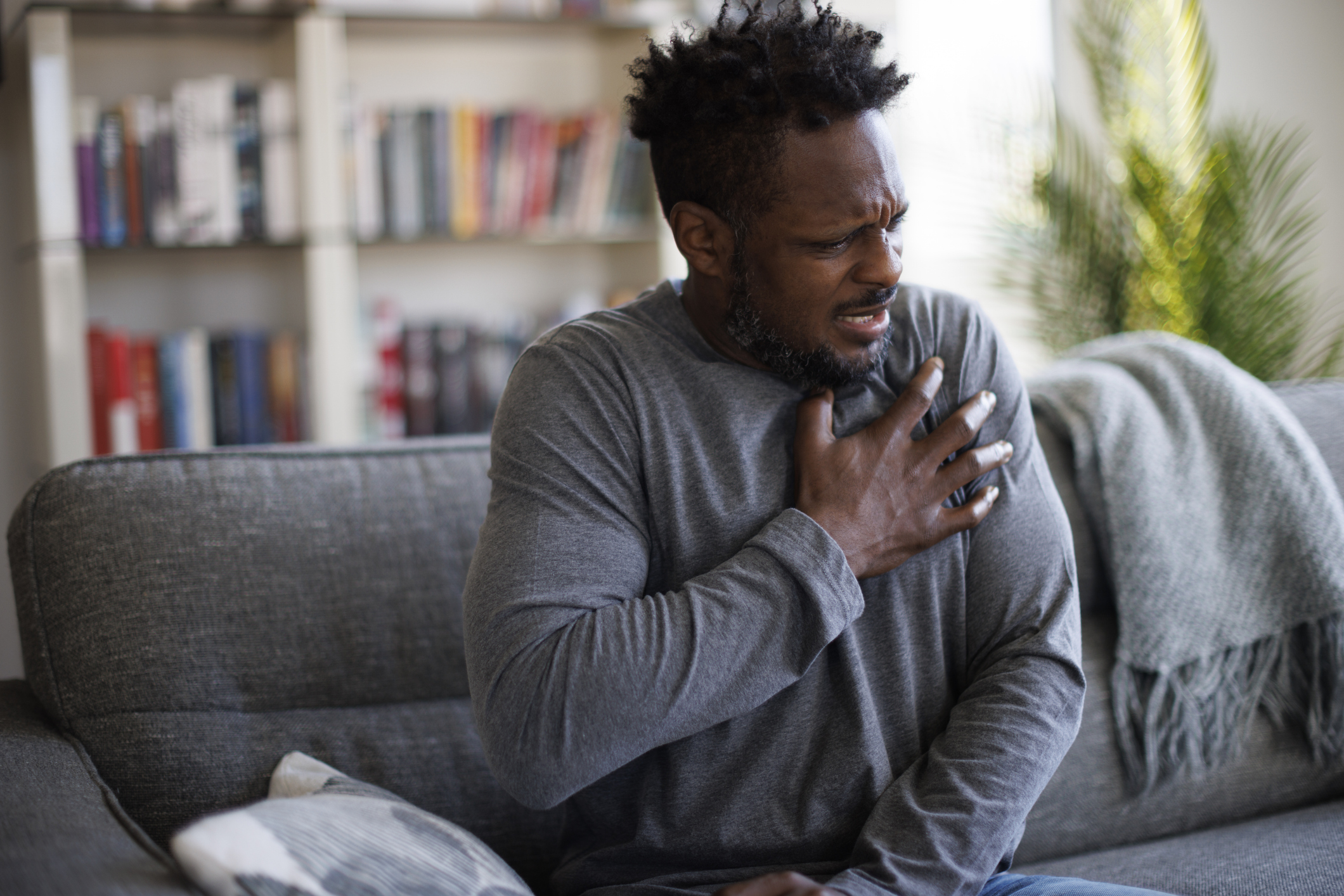
How Does Winter Weather Increase Your Risk of Cardiovascular Disease?

As we get deeper into this winter season, extreme, record-low cold temperatures have brought snow and frigid winds with them. These conditions can severely affect your heart, especially if you already suffer from or are at risk of cardiovascular disease.  

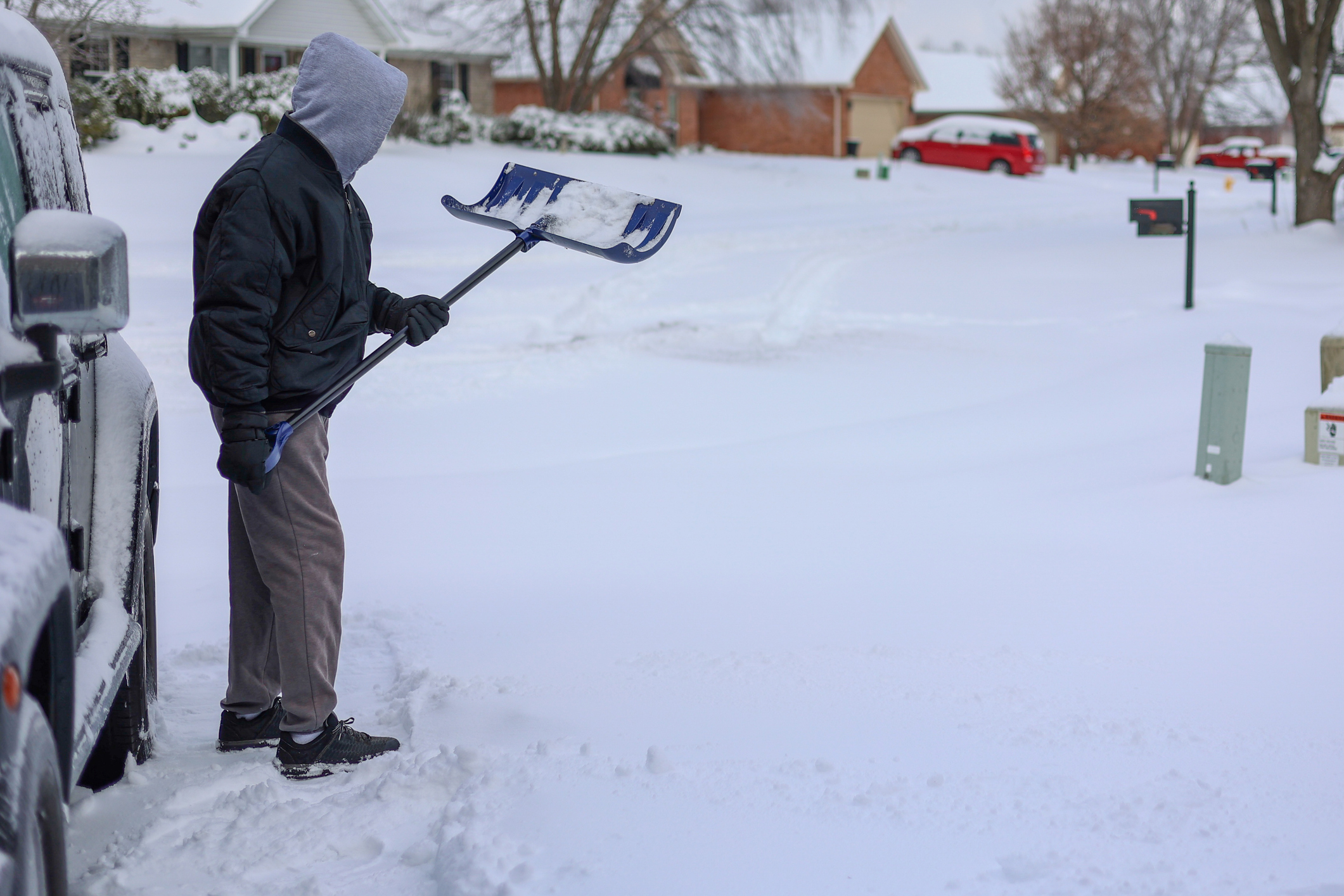
The cold temperatures affect the heart by causing blood vessels to constrict, which is the body’s natural reaction to send blood deeper into the body. This doesn’t cause problems for those with healthy arteries. However, if someone has arteries that were narrowed by fatty plaque, cold-related blood vessel constriction can leave them more vulnerable to chest pain or a heart attack. This is especially true when engaging in a strenuous outdoor activity such as walking quickly in a strong wind or shoveling snow, which can commonly trigger a heart attack. 

Strenuous outdoor activity in cold weather isn’t the only thing that can put the heart at risk. Cold temperatures also increase the risk of suffering from hypothermia. Hypothermia means the body’s temperature has fallen below 95 degrees Fahrenheit or 35 degrees Celsius, and the body can’t produce enough energy to keep its temperature warm enough. Cold-related blood vessel constriction keeps vital organs warm and helps reduce heat loss. If a person has narrowed blood vessels, the heart must work harder to pump blood through the body, which then raises blood pressure and puts stress on the heart. Hypothermia has several symptoms, including: 

  • Lack of coordination 
  • Slowed reaction time 
  • Mental confusion 
  • Shivering 
  • Sleepiness 

Hypothermia can be life-threatening, so it is extremely important to take proper precautions to stay warm by dressing in layers, keeping your head and ears covered, and keeping your hands and feet warm. 

If you are going to engage in any strenuous outdoor activities, here are some tips to keep you safe: 

  • Take frequent breaks 
  • Learn the warning signs of a heart attack and listen to your body 
  • Learn CPR 
  • Be aware of the dangers of hypothermia 
  • Don’t drink alcohol before or immediately after a strenuous activity 
  • Consult with your healthcare provider 

If you have, or are at risk of developing, or are experiencing symptoms of a heart condition, you should consult a cardiologist to explore the most effective precautions you can take to protect your heart health during the winter season. You can schedule an appointment at Jamaica Hospital Medical Center’s Cardiology Department by calling (718) 206-7100. If you are experiencing an emergency, please dial 911 right away. 


All content of this newsletter is intended for general information purposes only and is not intended or implied to be a substitute for professional medical advice, diagnosis or treatment. Please consult a medical professional before adopting any of the suggestions on this page. You must never disregard professional medical advice or delay seeking medical treatment based upon any content of this newsletter. PROMPTLY CONSULT YOUR PHYSICIAN OR CALL 911 IF YOU BELIEVE YOU HAVE A MEDICAL EMERGENCY.

Cardiovascular Disease in Women

Cardiovascular disease can be deadly for anyone. However, women face unique risks, largely due to differences in anatomy and hormones. They are more likely to have other heart attack symptoms and have a higher chance of developing symptoms from heart failure 

Over 60 million women (44%) in the United States are living with some form of heart disease. Heart disease is the leading cause of death in women in the United States and can affect them at any age.  

There are three types of heart disease. They include: 

  • Coronary artery disease is the most common heart disease, caused by plaque in the walls of the arteries that supply blood to the heart and other parts of the body. After menopause, women are at a higher risk of coronary artery disease because of hormonal changes.  
  • Arrhythmia is a condition in which the heart beats too slowly, too fast, or irregularly. A common example is atrial fibrillation.  
  • Heart failure happens when the heart is too weak to pump enough blood to support other organs in the body. This condition is serious, but it doesn’t mean the heart has stopped beating. 

Although some women have no symptoms, other women may experience: 

  • Angina is usually felt as a dull or heavy chest discomfort or ache 
  • Pain in the neck, jaw, or throat 
  • Pain in the upper abdomen or back 

These symptoms may happen when you are resting or active. Women may also have other symptoms, including: 

  • Nausea 
  • Vomiting 
  • Tiredness that won’t go away of feels excessive 

In some women, the first signs and symptoms if heart disease can be: 

  • A heart attack 
  • Palpitations 

A heart attack occurs when blood flow to the heart muscle is reduced or blocked. The amount of damage to the heart muscle depends on the artery and the treatment.  

The warning signs of a heart attack include: 

  • Chest discomfort that lasts more than a few minutes or doesn’t go away and returns 
  • Pain or discomfort in the arms, back, neck, jaw, and stomach 
  • Shortness of breath 

Other signs can include: 

  • Breaking out in a cold sweat 
  • Nausea 
  • A rapid or irregular heartbeat 
  • Unusual tiredness 
  • Lightheadedness 

Medical treatment for a heart attack is based on the type of heart attack and where the blockage in the coronary artery is.  

A complete blockage of the artery of the heart is a STEMI or ST-elevation myocardial infarction. A partial blockage is an NSTEMI heart attack or a non-ST-elevation myocardial infarction. The different ways to restore blood flow to the affected heart muscle during a heart attack include: 

  • Clot-dissolving medications 
  • Balloon angioplasty and stenting 
  • Surgery 

If you are experiencing an emergency, please call 911 right away. If you are experiencing heart attack symptoms, you can schedule an appointment at Jamaica Hospital Medical Center’s Cardiology Department by calling (718) 206-1700.  

All content of this newsletter is intended for general information purposes only and is not intended or implied to be a substitute for professional medical advice, diagnosis or treatment. Please consult a medical professional before adopting any of the suggestions on this page. You must never disregard professional medical advice or delay seeking medical treatment based upon any content of this newsletter. PROMPTLY CONSULT YOUR PHYSICIAN OR CALL 911 IF YOU BELIEVE YOU HAVE A MEDICAL EMERGENCY.

Ways To Prevent Heart Disease

Heart Health Queens

Cardiovascular disease is a general term that describes a wide range of conditions that affect your heart’s ability to function normally and pump blood to the rest of your body.

If your heart is not working properly, it can lead to serious complications such as heart attack or stroke.

There are several risk factors that can increase your chances of developing complications associated with cardiovascular disease. Some factors such as age or family history are non-modifiable, meaning they cannot be changed. However, there are others that are modifiable and can be changed to lower your risk of developing disease. Modifiable risk factors include tobacco use, lack of exercise, stress, a poor diet and medication adherence. Here are some tips on how you can reduce these risks and prevent heart disease:

1. Exercise Regularly – The American Heart Association recommends including 30 minutes of moderate-intensity aerobic exercise, 5 days a week, in your routine. This will help to keep your heart muscle strong.
2. Eat Healthy – Make sure to eat lots of vegetables, fruits and whole grains. Avoid fatty foods and salt. One of the recommended diets to help prevent heart disease is the DASH (Dietary Approaches to Stop Hypertension) diet.
3. Stop Smoking – Smoking can damage your blood vessels and raise your blood pressure which increases your chances of having a heart attack.
4. Reduce Your Stress – Stress can also raise your blood pressure and put a strain on your heart. One of the ways to reduce stress is practicing relaxation techniques such as meditation or yoga. If you feel your stress is too much to handle on your own, talk to your primary care doctor or a mental health professional.
5. Properly Manage Other Medical Conditions – Having high blood pressure, high cholesterol and diabetes put you at a much greater risk for heart disease. Make sure you take medications that your doctor prescribed to manage these conditions.

Making an appointment for an annual physical with your primary care doctor can also lower your risk. Annual visits can help your doctor detect the early signs of heart disease. Your doctor can talk to you about your risk factors and help you to begin living and maintaining a heart-healthy lifestyle. You should see a doctor immediately if you begin to experience symptoms such as chest pain, fainting, shortness of breath or irregular heartbeat. These are often indicators of serious heart-related problems that require urgent medical attention.

To speak with a Family Medicine doctor about heart disease, please call (718) 206-6942.

Nikki Joseph D.O.

All content of this newsletter is intended for general information purposes only and is not intended or implied to be a substitute for professional medical advice, diagnosis or treatment. Please consult a medical professional before adopting any of the suggestions on this page. You must never disregard professional medical advice or delay seeking medical treatment based upon any content of this newsletter. PROMPTLY CONSULT YOUR PHYSICIAN OR CALL 911 IF YOU BELIEVE YOU HAVE A MEDICAL EMERGENCY.