MPox

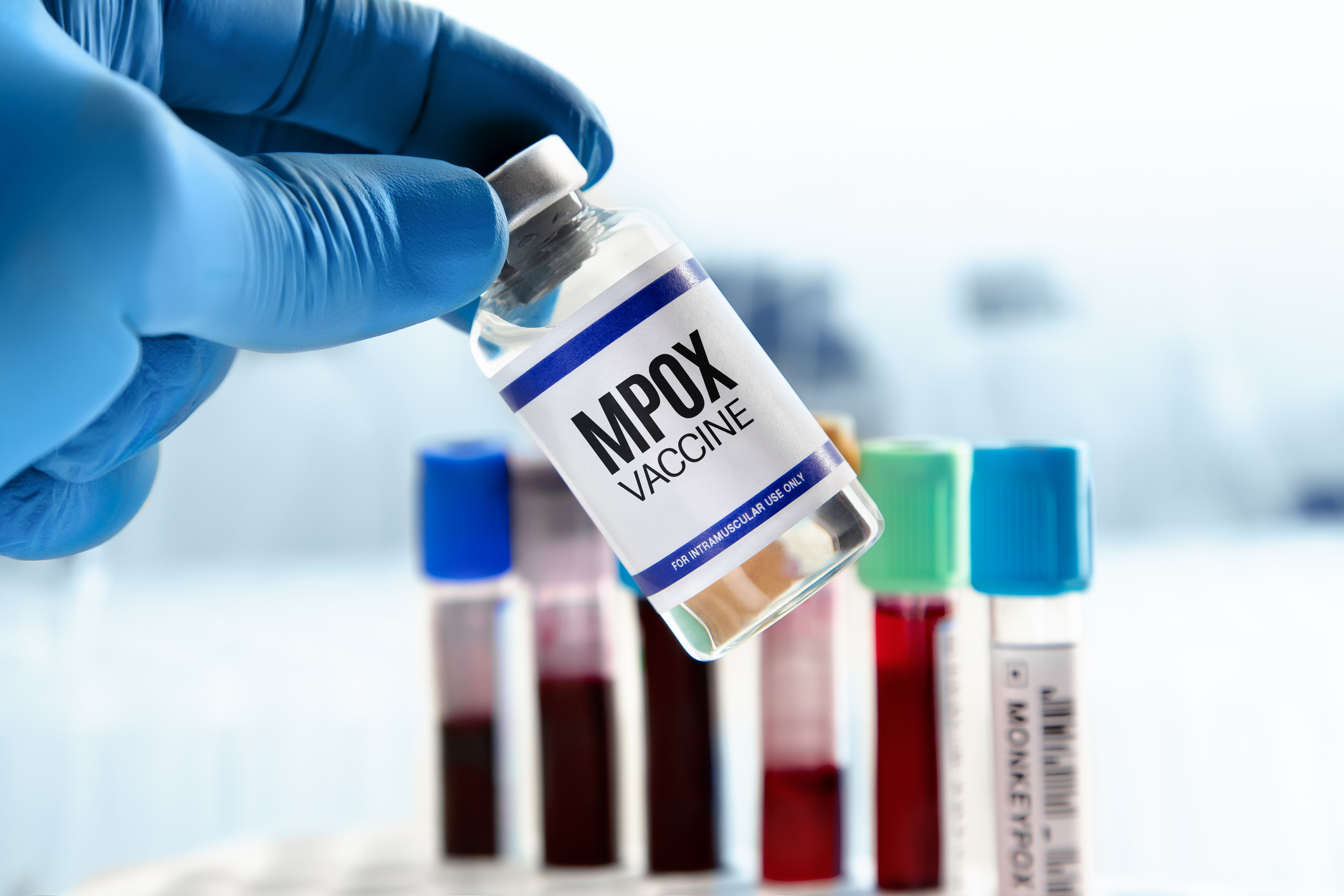
Mpox previously known as monkeypox, is a viral illness caused by the monkeypox virus. The virus usually affects rats, mice, or monkeys. But it can occur in people as well.

Mpox usually occurs in Central and West Africa. Cases outside of Africa are due to international travel, imported animals, and close contact with an animal or person infected with mpox.

Mpox symptoms may start three to 17 days after exposure. Symptoms last two to four weeks and may include:

  • Fever
  • Skin rash
  • Swollen lymph nodes
  • Headache
  • Muscle aches and backaches
  • Chills
  • Fatigue

A skin rash starts about one to four days after a fever. It first appears on the face, hands, or feet and then spreads to other body parts. You can spread mpox while you have symptoms.

There are many ways that mpox can spread, including:

  • Person to person
    • Direct contact with rashes, scabs, or bodily fluids of a person with mpox
    • Extended close contact with respiratory droplets from an infected person, including sexual contact
    • Clothes, sheets, blankets, or other materials that have been in contact with rashes or bodily fluids of an infected person
    • An infected pregnant person can spread the mpox virus to a fetus
  • Animal to person
    • Animal bites or scratches
    • Wild game that is cooked for food
    • Products, such as skins or furs made from infected animals
    • Direct contact with bodily fluids or rashes of animals with mpox

There are many steps you can take to prevent infection or the spread of the mpox virus, including:

  • Avoiding close contact with people who have a rash that looks like mpox
  • Avoiding the handling of clothes, sheets, blankets, or other materials that have been in close contact with an infected animal or person
  • Quarantining people who have mpox from healthy people
  • Washing your hands well with soap and water after contact with an infected person or animal. If soap and water aren’t available, use an alcohol-based hand sanitizer
  • Avoiding animals that may carry the virus

The treatment for most people with mpox is aimed at relieving symptoms. Care may include managing skin damage from the mpox rash, drinking enough fluids to help keep stool soft, and pain management. There is no specific treatment approved for mpox. Healthcare professionals may treat mpox with antiviral drugs used to treat smallpox. If you have mpox, quarantine at home in a room separate from family and pets until your rash and scabs heal.

You can make an appointment for mpox treatment and prevention at Jamaica Hospital Medical Center’s on-site Ambulatory Care Center by calling (718) 206-7001.

All content of this newsletter is intended for general information purposes only and is not intended or implied to be a substitute for professional medical advice, diagnosis or treatment. Please consult a medical professional before adopting any of the suggestions on this page. You must never disregard professional medical advice or delay seeking medical treatment based upon any content of this newsletter. PROMPTLY CONSULT YOUR PHYSICIAN OR CALL 911 IF YOU BELIEVE YOU HAVE A MEDICAL EMERGENCY.

Updated Vaccine for Returning Students

The new school year is right around the corner. That means parents will be taking their children shopping for new school supplies and clothes. In addition to updating their child’s wardrobe and supplies, parents should remember to schedule vaccinations before the school year begins.

Vaccines are the best way to prevent your child from getting many illnesses and spreading them to others. Each age group has recommended vaccines they need to receive before starting their new grade:

Vaccines for children aged four to six before they start kindergarten:

  • Flu – needed every year
  • COVID-19
  • Measles, mumps, and rubella (MMR)
  • Diphtheria, tetanus, and pertussis (DTaP)
  • Chickenpox
  • Polio

Vaccines for children aged seven to 10 before they start elementary school:

  • Flu
  • COVID-19

Vaccines for children aged 11 to 12 before they begin middle school:

  • Flu
  • COVID-19
  • Tetanus, diphtheria, and pertussis (Tdap)
  • Meningococcal conjugate (MenACWY)
  • HPV

Vaccines for children aged 13-18 before they enter junior and high school:

  • Flu
  • COVID-19
  • Meningococcal conjugate (MenACWY)
  • HPV

Vaccines for college-aged teenagers:

  • Flu
  • COVID-19
  • Meningococcal conjugate (MenACWY)
  • HPV

You can find the complete schedule of recommended vaccines for your child by age on the Centers for Disease Control and Prevention’s website. To schedule an appointment for your child to receive the vaccines needed, you can call Jamaica Hospital Medical Center’s Ambulatory Care Center at 718-206-7001.


All content of this newsletter is intended for general information purposes only and is not intended or implied to be a substitute for professional medical advice, diagnosis or treatment. Please consult a medical professional before adopting any of the suggestions on this page. You must never disregard professional medical advice or delay seeking medical treatment based upon any content of this newsletter. PROMPTLY CONSULT YOUR PHYSICIAN OR CALL 911 IF YOU BELIEVE YOU HAVE A MEDICAL EMERGENCY.
Jamaica Hospital Offers Tips To Manage Your Children’s Vaccinations During World Immunization Week

It is World Immunization Week; an observance led by the World Health Organization (WHO) to raise public awareness about how immunizations can save lives. During this week-long event, efforts are made to encourage parents to vaccinate their children against a variety of preventable diseases.

Immunizations prevent illness, disability and death from many diseases, including:

  • Cervical cancer
  • Diphtheria
  • Hepatitis B
  • Measles, mumps and rubella
  • Pertussis (whooping cough)
  • Pneumonia
  • Polio
  • Rotavirus diarrhea
  • Tetanus

Despite all their benefits, there is still an estimated 18.7 million infants worldwide still missing out on basic vaccines.

One of the best ways for parents to keep track of their children’s immunization history and make sure they are up-to-date on all of their vaccinations is by setting up an electronic medical record (EMR), like MyChart, which is available for free to all Jamaica Hospital patients.

In addition to allowing parents to access to their children’s records, including their immunization history, MyChart also gives patients the ability to:

  • Review test results online
  • Review health education topics
  • Access discharge instructions
  • Request prescription refills online
  • Interact with your provider via email
  • Request an appointment

To create an account is easy. All a patient needs to do is go to the Jamaica Hospital website and click the link to MediSys MyChart: https://mychart.medisys.org and click on the “sign up now” tab.

World Immunization Week is an opportunity for Jamaica Hospital to remind parents of the importance of maintaining their children’s vaccinations and how MyChart can help them do that. My making it easy to access their immunization history, parents can make sure their children are properly protected.

All content of this newsletter is intended for general information purposes only and is not intended or implied to be a substitute for professional medical advice, diagnosis or treatment. Please consult a medical professional before adopting any of the suggestions on this page. You must never disregard professional medical advice or delay seeking medical treatment based upon any content of this newsletter. PROMPTLY CONSULT YOUR PHYSICIAN OR CALL 911 IF YOU BELIEVE YOU HAVE A MEDICAL EMERGENCY.

National Immunization Awareness Month

Doctor Giving Male Patient Injection

August is National Immunization Awareness Month. The importance of this designation is to make people aware about the different types of vaccines they should get throughout their lifetime. Vaccines are important to keep the body healthy by building up an immunity to serious diseases. If you would like to make an appointment with a physician at Jamaica Hospital, please call .

All content of this newsletter is intended for general information purposes only and is not intended or implied to be a substitute for professional medical advice, diagnosis or treatment. Please consult a medical professional before adopting any of the suggestions on this page. You must never disregard professional medical advice or delay seeking medical treatment based upon any content of this newsletter. PROMPTLY CONSULT YOUR PHYSICIAN OR CALL 911 IF YOU BELIEVE YOU HAVE A MEDICAL EMERGENCY.