Lupus Awareness Month

May is observed as Lupus Awareness Month, a month used to educate, advocate, and support those affected by lupus.

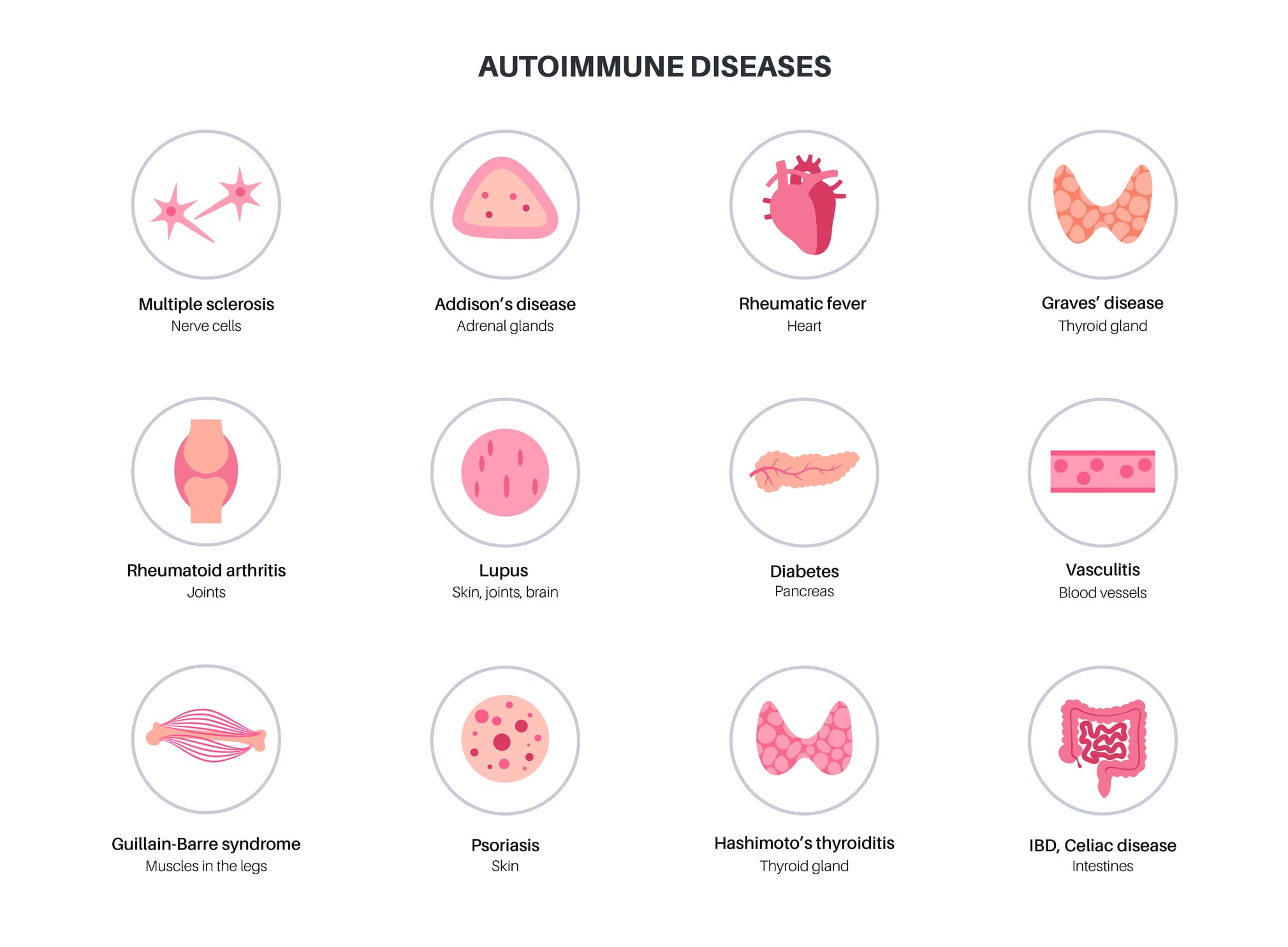
Lupus is an autoimmune disease that occurs when the body’s immune system attacks its tissues and organs. Inflammation caused by lupus can affect many different body systems, such as the joints, skin, kidneys, blood cells, brain, heart, and lungs.

Healthcare providers sometimes call lupus systemic lupus erythematosus (SLE). It is the most common type of lupus, which means you have lupus throughout your body. Other types of lupus include:

  • Cutaneous lupus erythematosus is lupus that only affects your skin
  • Drug-induced lupus occurs when some medications trigger lupus symptoms as a side effect. It is usually temporary and might go away after you stop taking the medication that caused it
  • Neonatal lupus occurs when babies are sometimes born with lupus. Babies born to biological parents with lupus aren’t certain to have lupus, but they might have an increased risk

No two cases of lupus are exactly alike. Signs and symptoms may come on suddenly or develop slowly, may be mild or severe, and may be temporary or permanent. Most people with lupus have a mild form of the disease characterized by flare-ups, when signs and symptoms may get worse for a while, and then improve or disappear completely for a time.

The signs and symptoms of lupus you experience will depend on which body systems are affected by the disease. The most common signs and symptoms include:

  • Fatigue
  • Fever
  • Joint pain, stiffness, and swelling
  • A butterfly-shaped rash on the face that covers the cheeks and bridge of the nose, or rashes elsewhere on the body
  • Skin lesions that appear or worsen with sun exposure
  • Fingers and toes that turn white or blue when exposed to cold or during stressful periods
  • Shortness of breath
  • Chest pain
  • Dry eyes
  • Headaches, confusion, and memory loss

Lupus likely results from a combination of genetics and environment.

People with an inherited predisposition for lupus may develop the disease when they come into contact with an environmental trigger of the disease. Some potential triggers of lupus include:

  • Sunlight
  • Infections

Diagnosing lupus is difficult because signs and symptoms can vary from person to person and may change over time, overlapping with those of many other disorders.

No one test can diagnose lupus. The combination of blood and urine tests, signs and symptoms, and results of a physical examination can lead to a diagnosis. Blood and urine tests may include:

  • A complete blood count
  • Erythrocyte sedimentation rate
  • Kidney and liver assessment
  • Urinalysis
  • Antinuclear antibody (ANA) test

If your healthcare provider suspects that lupus is affecting your lungs or heart, they may suggest imaging tests that can include:

  • A chest X-ray
  • An echocardiogram

Lupus can harm the kidneys in many ways, and treatments can vary depending on the type of damage it causes. Sometimes, a kidney biopsy is needed to determine the best treatment. A skin biopsy can be performed to confirm a diagnosis of lupus affecting the skin.

A healthcare provider will suggest treatments for lupus that manage your symptoms. The goal is to minimize damage to the organs and how much lupus affects your day-to-day life. Most people with lupus need a combination of medications to help them prevent flare-ups and lessen the severity of symptoms during one. Medications you might need include:

  • Nonsteroidal anti-inflammatory drugs (NSAIDs)
  • Corticosteroids
  • Antimalarial drugs
  • Immunosuppressants
  • Biologics

Simple measures can help prevent lupus flare-ups if they occur, and help you to better cope with the signs and symptoms you experience, including:

  • Seeing your doctor regularly
  • Being sun smart
  • Getting regular exercise
  • Quitting smoking
  • Eating a healthy diet
  • Asking your healthcare provider if you need vitamin D and calcium supplements

For more information about the Lupus Center at the campus of Jamaica Hospital Medical Center or to make an appointment with a lupus doctor, call (718) 206-9888 or the Lupus Hotline at 1-877-33-LUPUS.

All content of this newsletter is intended for general information purposes only and is not intended or implied to be a substitute for professional medical advice, diagnosis or treatment. Please consult a medical professional before adopting any of the suggestions on this page. You must never disregard professional medical advice or delay seeking medical treatment based upon any content of this newsletter. PROMPTLY CONSULT YOUR PHYSICIAN OR CALL 911 IF YOU BELIEVE YOU HAVE A MEDICAL EMERGENCY.

The Difference between Type 1 and Type 2 Diabetes

Diabetes is a chronic disease that occurs when the body doesn’t produce enough insulin or can’t use the insulin it produces effectively.

There are two main types of diabetes: type 1 and type 2.

Type 1 and type 2 diabetes have similar names, however, they are different diseases with distinctive causes.

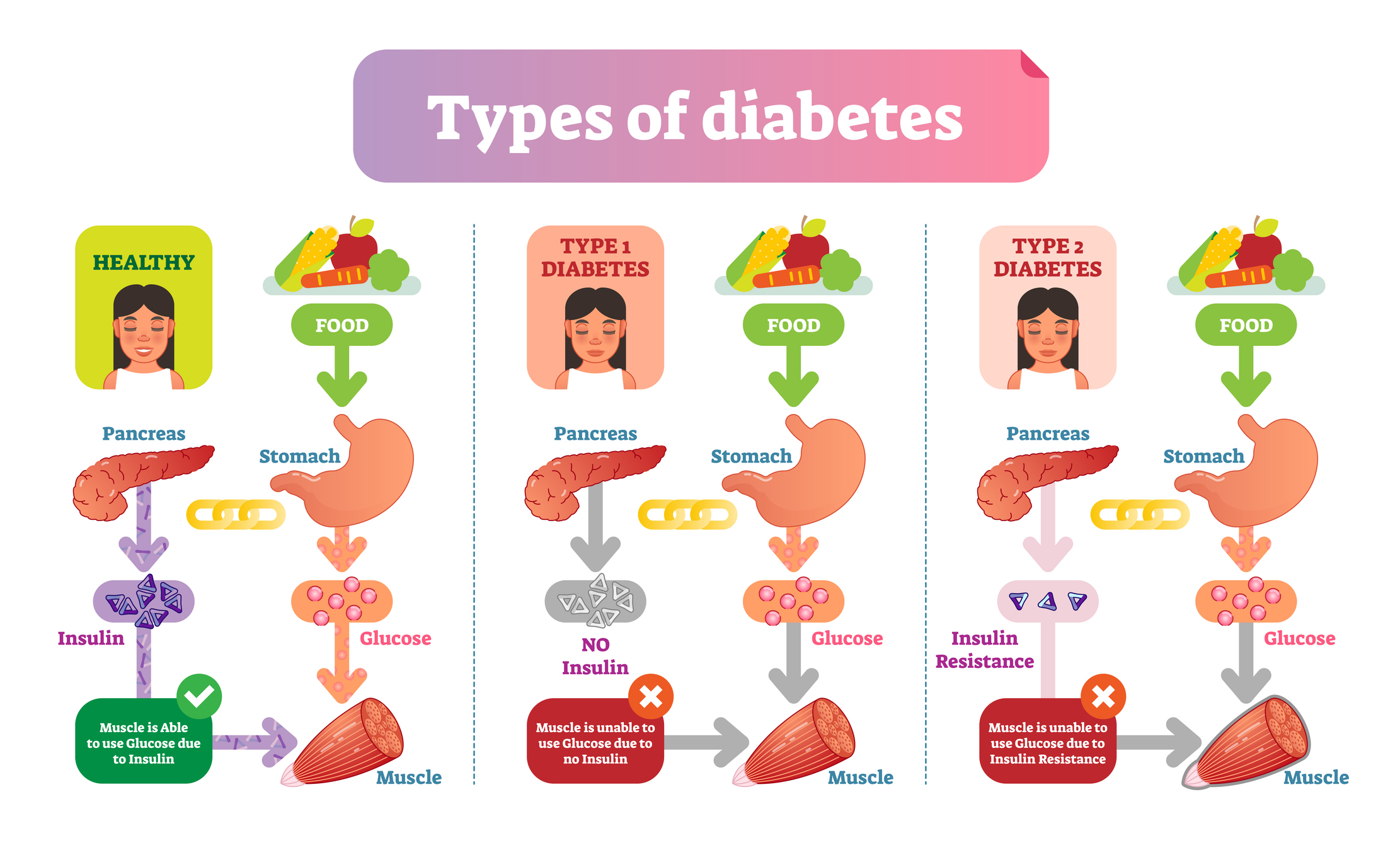
A key difference between type 1 and type 2 diabetes is type 1 is caused by an autoimmune reaction and develops early in life. Type 2 diabetes develops over several years and is related to lifestyle factors such as being inactive and carrying excess weight, and is usually diagnosed in adults.

Type 1 diabetes is believed to be caused by an autoimmune reaction where the immune system attacks and destroys the insulin-producing beta cells in the pancreas, mistaking them for foreign invaders. After the beta cells are destroyed, the body can no longer produce insulin.

Researchers are unsure why the immune system attacks the body’s cells. They believe it may be due to genetic and environmental factors, such as being exposed to viruses.

People who have type 2 diabetes have an insulin resistance. The body can still produce insulin but is unable to use it effectively.

Researchers aren’t sure why some people become insulin-resistant and others don’t, but several lifestyle factors may contribute to it, such as being inactive and carrying excess weight.

Other genetic and environmental factors may also play a role. When a person develops type 2 diabetes, the pancreas will overcompensate by producing more insulin. Because the body can’t effectively use the insulin, glucose accumulates in the bloodstream.

Risk factors for type 1 diabetes are less clear than risk factors for type 2 diabetes.

The known risk factors for type 1 diabetes include:

  • Family history
  • Age

Risk factors for type 2 diabetes include:

  • Having prediabetes or slightly elevated blood sugar levels
  • Carrying excess weight or having obesity
  • Having a lot of belly fat
  • Being physically active less than three times a week
  • Being over the age of 45
  • Having had gestational diabetes
  • Giving birth to a baby weighing more than nine pounds
  • Being Black, Hispanic or Latino, American Indian, or Alaska Native due to structural inequities contributing to health disparities
  • Having an immediate family member with type 2 diabetes
  • Having polycystic ovary syndrome (PCOS)

If not managed properly, type 1 and type 2 diabetes can lead to symptoms that can include:

  • Urinating frequently
  • Feeling very thirsty and drinking a lot of fluids
  • Feeling very hungry
  • Feeling very fatigued
  • Having blurry vision
  • Having cuts or sores that don’t heal properly
  • Having very dry skin
  • Having more infections than usual

People with type 1 and type 2 diabetes can also experience irritability, mood changes, and unintentional weight loss.

Unfortunately, type 1 diabetes can’t be prevented. However, it is possible to lower the risk of developing type 2 diabetes through lifestyle changes that include:

  • Maintaining a moderate weight
  • Working with a healthcare provider to develop a healthy weight-loss plan, if you are overweight
  • Increasing activity levels
  • Eating a balanced diet and reducing the intake of sugary foods and overly processed foods

If you are experiencing diabetes symptoms, you can call to schedule an appointment with an endocrinologist at Jamaica Hospital Medical Center’s Ambulatory Care Center at (718) 206-7001.

All content of this newsletter is intended for general information purposes only and is not intended or implied to be a substitute for professional medical advice, diagnosis or treatment. Please consult a medical professional before adopting any of the suggestions on this page. You must never disregard professional medical advice or delay seeking medical treatment based upon any content of this newsletter. PROMPTLY CONSULT YOUR PHYSICIAN OR CALL 911 IF YOU BELIEVE YOU HAVE A MEDICAL EMERGENCY.
National Afib Awareness Month

September is National Afib Awareness Month. Afib stands for atrial fibrillation, a type of arrhythmia or abnormal heartbeat. During Afib, the heart’s upper chambers, or the atria, beat chaotically and irregularly. They beat out of sync with the lower heart chambers, the ventricles.

Afib can lead to blood clots in the heart. It also increases the risk of stroke, heart failure, and other heart-related complications.

It usually isn’t life-threatening, but it is a serious medical condition that needs proper treatment to prevent serious health issues.

There are many symptoms of Afib, they can include:

  • Feelings of a fast, fluttering, or pounding heartbeat
  • Chest pain
  • Dizziness
  • Fatigue
  • Lightheadedness
  • Reduced ability to exercise
  • Shortness of breath
  • Weakness

People can experience three types of Afib, including:

  • Paroxysmal Afib
  • Persistent Afib
  • Long-standing persistent Afib

The most common cause of Afib is problems with the heart’s structure. Other health problems and heart diseases that can cause Afib include:

  • A congenital heart defect
  • Sick sinus syndrome
  • Obstructive sleep apnea
  • Heart attack
  • High blood pressure
  • Lung diseases, including pneumonia
  • Coronary artery disease
  • Thyroid diseases
  • Infections from viruses

Many factors can increase your risk of Afib, including:

  • Age
  • Caffeine, nicotine, or illegal drug use
  • Drinking too much alcohol
  • Changes in the level of body minerals
  • Family history
  • Long-term health conditions
  • Obesity
  • Some medicines and supplements

Healthy lifestyle choices can reduce the risk of heart disease and prevent Afib. Some basic heart-healthy tips include:

  • Controlling high blood pressure, high cholesterol, and diabetes
  • Not smoking or using tobacco
  • Eating a diet that is low in salt and saturated fat
  • Exercising at least 30 minutes a day at least five days a week
  • Getting at least seven to nine hours of sleep a day
  • Maintaining a healthy weight
  • Reducing and managing stress

Afib is diagnosed when a healthcare provider examines you and asks questions about your medical history and symptoms. Tests may be done to look for conditions causing irregular heartbeats such as heart disease or thyroid disease, including:

  • Blood tests
  • ECG or EKG
  • Holter monitor
  • Event recorder
  • Implantable loop recorder
  • Exercise stress tests
  • Chest X-ray

The goals of Afib treatment are to reset and control the heartbeat and prevent blood clots. Treatment for Afib depends on how long you’ve had it, your symptoms, and the cause of the irregular heartbeat. Afib treatment can include:

  • Medications
  • Cardioversion therapy
  • Surgery or catheter procedures

If you are experiencing any symptoms of Afib, you can schedule an appointment at Jamaica Hospital Medical Center’s Cardiology Department by calling (718) 206-7100. If you are experiencing an emergency, please dial 911 right away.


All content of this newsletter is intended for general information purposes only and is not intended or implied to be a substitute for professional medical advice, diagnosis or treatment. Please consult a medical professional before adopting any of the suggestions on this page. You must never disregard professional medical advice or delay seeking medical treatment based upon any content of this newsletter. PROMPTLY CONSULT YOUR PHYSICIAN OR CALL 911 IF YOU BELIEVE YOU HAVE A MEDICAL EMERGENCY.

Sickle Cell Awareness Month

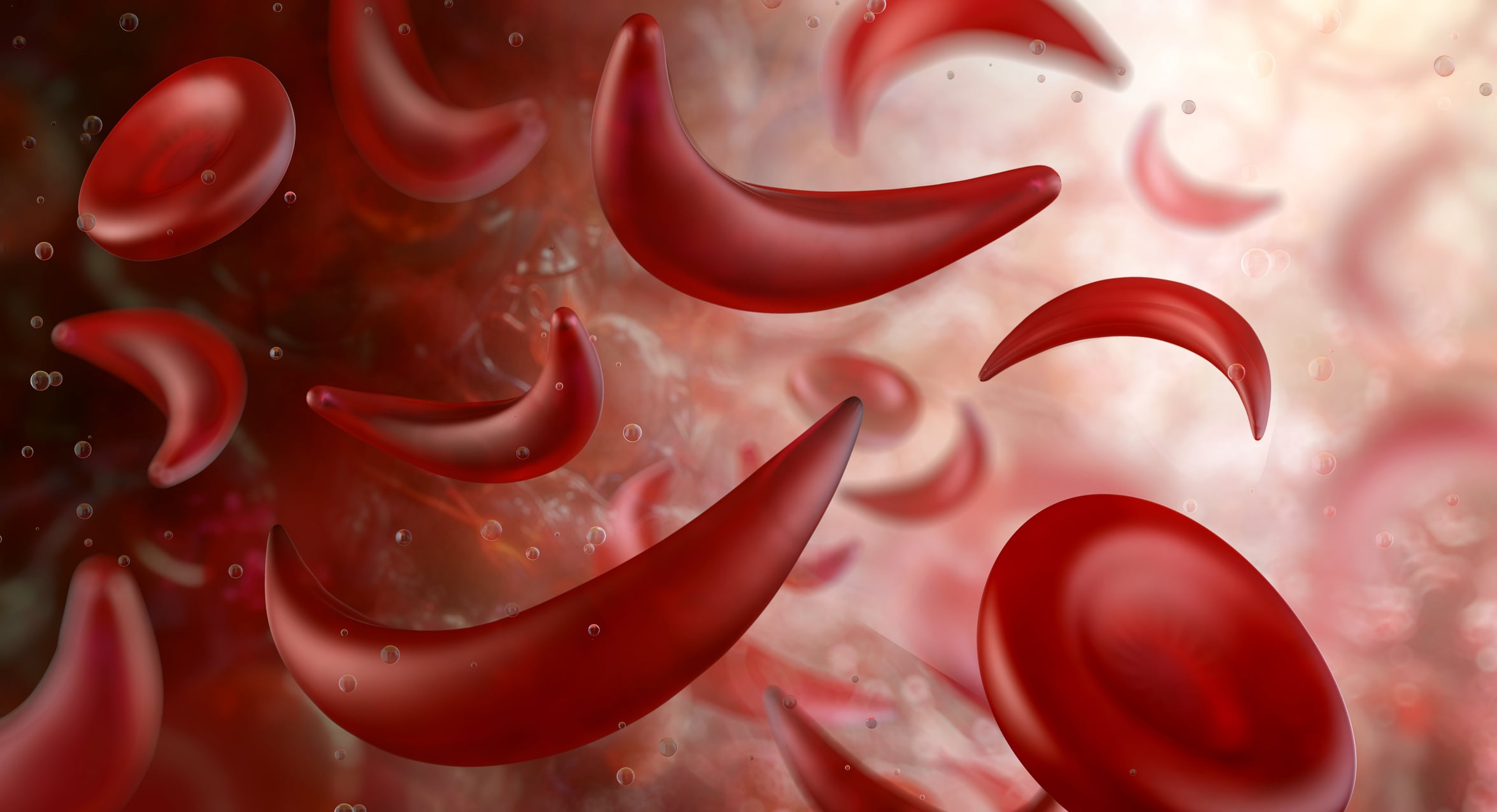
September is sickle cell awareness month. Sickle cell disease is a group of inherited red blood cell disorders that affect hemoglobin, the protein that carries oxygen through the body. It is the most common inherited blood disorder in the United States. The disease gets its name from the abnormal crescent or “sickle” shape that some red blood cells develop, causing those red blood cells to block the blood flow through the body creating recurring episodes of pain.

Sickle cell disease is a lifelong disease affecting more than 100,000 people in the United States and 20 million worldwide. In the U.S., most people who have sickle cell disease are of African ancestry or identify themselves as black. About one in 13 Black or African American babies are born with the sickle cell trait and about one in every 365 Black or African American babies are born with sickle cell disease. Many people who come from Hispanic, Southern European, Middle Eastern, or Asian Indian backgrounds also have sickle cell disease.

There are many symptoms of sickle cell disease. Early symptoms can include:

  • Jaundice- a condition that causes the color of the skin or whites of the eyes to turn yellow
  • Extreme tiredness
  • Painful swelling of the hands and feet

Many serious symptoms and complications of sickle disease can include:

  • Episodes of severe pain
  • Anemia symptoms- fatigue, shortness of breath, dizziness, and an irregular heartbeat
  • Fever
  • Acute chest syndrome
  • Stroke
  • Priapism
  • Avascular necrosis
  • Pulmonary hypertension
  • Organ damage
  • Leg ulcers
  • Gallstones
  • Deep vein thrombosis
  • Pregnancy complications
  • Vision problems
  • Frequent infections

There are many ways to manage and treat sickle cell disease including:

  • Medicines
  • Blood transfusions
  • Blood and bone marrow transplant
  • Gene therapies
  • Complementary and alternative medicine (CAM)

Your healthcare team will probably include a doctor specializing in blood diseases called a hematologist.

If you need help managing symptoms of sickle cell disease or sickle cell trait, schedule an appointment with a hematologist at Jamaica Hospital Medical Center’s Department of Internal Medicine at (718) 206-7001.

All content of this newsletter is intended for general information purposes only and is not intended or implied to be a substitute for professional medical advice, diagnosis or treatment. Please consult a medical professional before adopting any of the suggestions on this page. You must never disregard professional medical advice or delay seeking medical treatment based upon any content of this newsletter. PROMPTLY CONSULT YOUR PHYSICIAN OR CALL 911 IF YOU BELIEVE YOU HAVE A MEDICAL EMERGENCY.
Eastern Equine Encephalitis

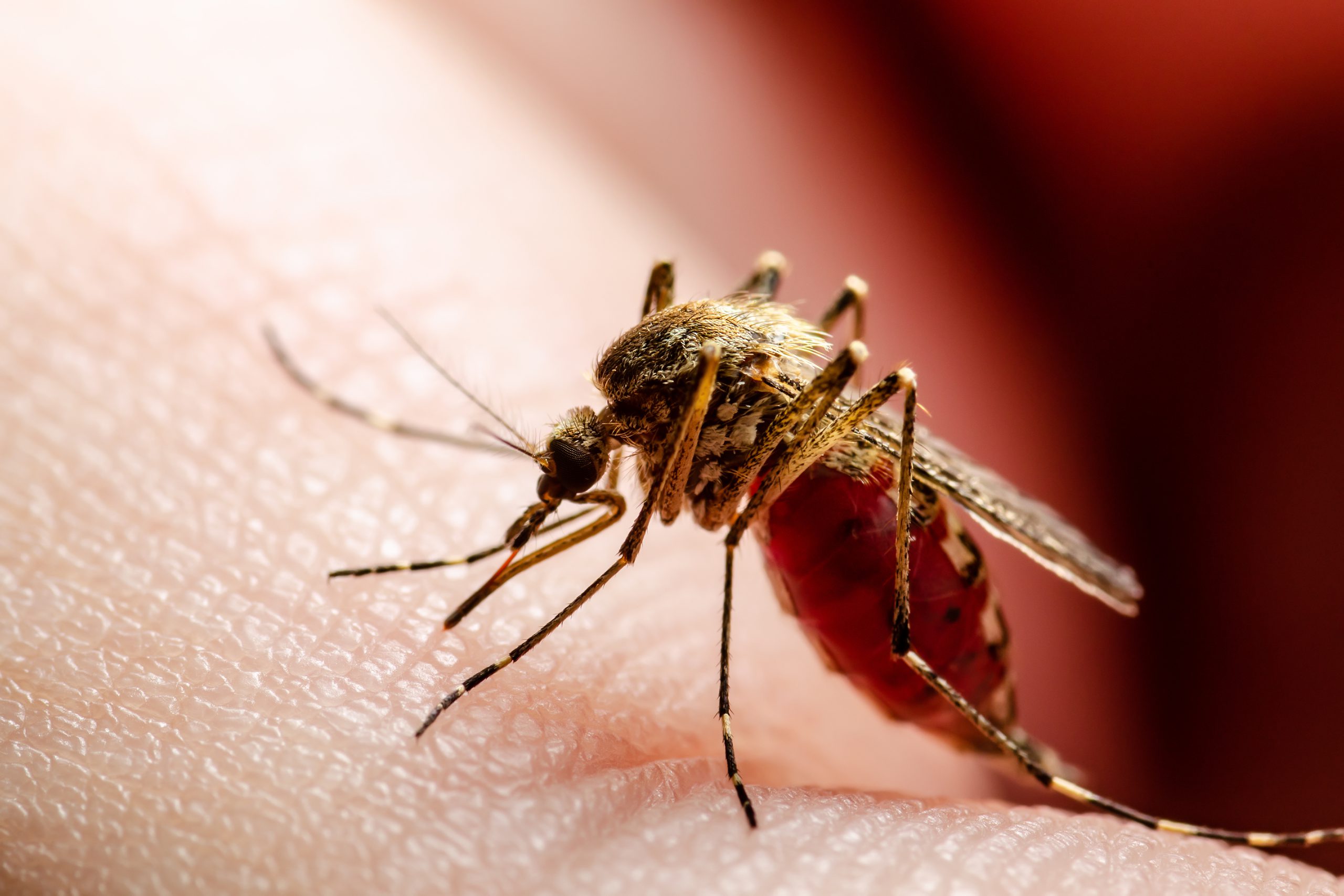
Eastern equine encephalitis (EEE) is a serious infection that causes encephalitis or severe brain inflammation. It is spread through the bite of a mosquito infected with the EEE virus or EEEV.  Eastern equine encephalitis cannot be transmitted from person to person.

The EEE virus can affect the way the brain and nerves function, and potentially lead to long-term or life-threatening complications.

Some people infected with EEEV may not present with any symptoms; however, if symptoms appear, they could range from mild to severe and include:

  • Fever
  • Muscle pain
  • Joint pain
  • Chills
  • Diarrhea
  • Headache
  • High fever
  • Vomiting
  • Drowsiness

The symptoms of an EEE infection typically appear 4-10 days after being bitten by an infected mosquito.

An EEE infection may progress into more serious complications such as:

  • Seizures
  • Coma
  • Behavioral changes
  • Paralysis

According to the Centers for Disease Control and Prevention (CDC), a third of the people who develop severe EEE die and those who survive may have some degree of brain damage; therefore, it is important that you see a doctor if you are experiencing any symptoms.

Your doctor may diagnose EEE based on signs and symptoms, travel history (traveling to areas where the EEE virus is prevalent), mosquito exposure, and blood or spinal lab tests. Treatment typically involves getting enough fluids, rest, or taking over-the-counter medications to relieve pain. Patients may require hospitalization in severe cases.

Eastern equine encephalitis can be prevented by protecting yourself from mosquito bites. The CDC recommends using insect repellant, wearing protective clothing, and taking steps to control mosquitos indoors and outdoors.

All content of this newsletter is intended for general information purposes only and is not intended or implied to be a substitute for professional medical advice, diagnosis or treatment. Please consult a medical professional before adopting any of the suggestions on this page. You must never disregard professional medical advice or delay seeking medical treatment based upon any content of this newsletter. PROMPTLY CONSULT YOUR PHYSICIAN OR CALL 911 IF YOU BELIEVE YOU HAVE A MEDICAL EMERGENCY.
Group B Strep Awareness Month

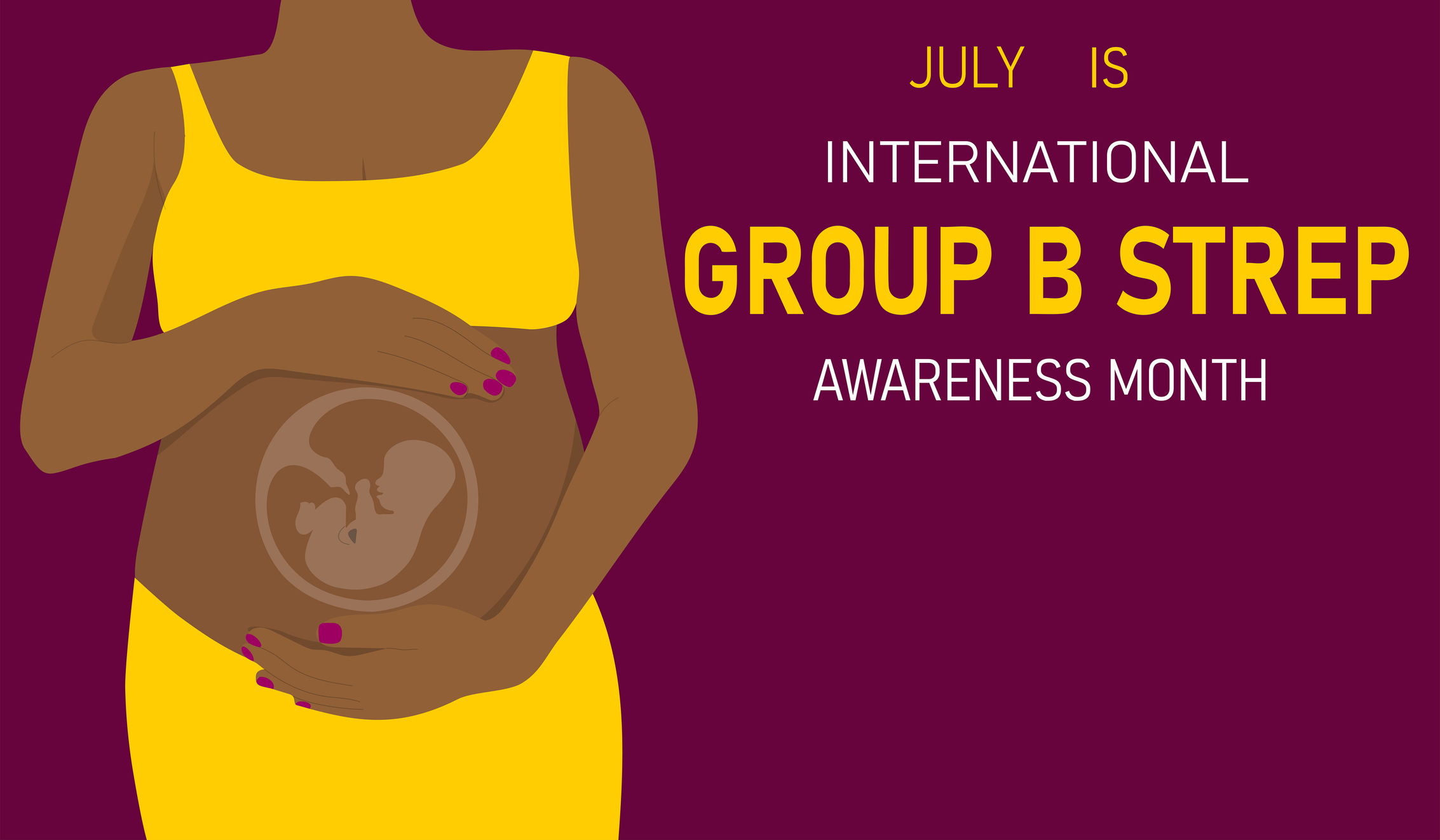
Group B Strep (GBS), or Strep B, is a bacteria that lives naturally in our bodies and comes and goes without showing symptoms or causing harm unless it enters a part of the body free from bacteria. If the bacteria infects the lining around the brain it causes it to swell resulting in meningitis.

GBS bacteria live in the gastrointestinal and genital tracts. It can cause many types of infection which can be life-threatening. These infections and their symptoms include:

  1. Bacteremia (bloodstream infection)
  • Fever
  • Chills
  • Low alertness.
  1. Sepsis (the body’s extreme response to an infection)
  • Fever
  • Chills
  • Low alertness.
  1. Bone and joint infections
  • Fever
  • Chills
  • Swelling
  • Stiffness or inability to use the affected limb or joint.
  1. Urinary tract infections
  • Pain or burning while urinating.
  • Frequent urination.
  • Feeling the need to urinate despite having an empty bladder.
  • Bloody urine.
  • Pressure or cramping in the groin or lower abdomen.
  1. Meningitis
  • Fever
  • Headache
  • Stiff neck.
  • Nausea and vomiting.
  • Sensitivity to light.
  • Confusion
  1. Pneumonia
  • Chest pain when breathing or coughing.
  • Confusion
  • Cough
  • Fatigue
  • Fever or chills.
  • Nausea, vomiting, or diarrhea.
  • Shortness of breath.
  1. Skin and soft tissue infections
  • Fever
  • Red skin.
  • Swollen skin or infected area.
  • Skin or infected area is warm to the touch.
  • Skin or infected area is full of pus or other drainage.

GBS bacteria most commonly causes bacteremia, sepsis, pneumonia, and meningitis in newborns. This occurs when bacteria is passed on to the newborn as it goes through the birth canal during vaginal delivery.

GBS disease symptoms in newborns and babies include:

  • Fever
  • Difficulty when feeding.
  • Irritability or lethargy in the infant.
  • Difficulty breathing.
  • A blueish color to their skin.

Doctors diagnose GBS disease by taking samples of a patient’s blood, urine, or spinal fluid depending on the type of infection.

Treatment for GBS depends on the type of infection. Doctors usually treat GBS disease with antibiotics. People with soft tissue and bone infections may need surgery.

It is important to start treatment as soon as possible.

If you would like to get screened for GBS bacteria, you can schedule an appointment with an OB/GYN at Jamaica Hospital Medical Center’s Women’s Health Center. To learn more, please call (718) 291-3276.


All content of this newsletter is intended for general information purposes only and is not intended or implied to be a substitute for professional medical advice, diagnosis or treatment. Please consult a medical professional before adopting any of the suggestions on this page. You must never disregard professional medical advice or delay seeking medical treatment based upon any content of this newsletter. PROMPTLY CONSULT YOUR PHYSICIAN OR CALL 911 IF YOU BELIEVE YOU HAVE A MEDICAL EMERGENCY.
What Is Anemia?

Anemia is the most common blood condition in the United States and affects over two billion people globally. More women suffer from iron deficiency anemia than men. Anemia reduces the number of healthy red blood cells available to carry oxygen throughout your body, leaving you feeling tired and weak.

The symptoms of anemia can range from mild and temporary to chronic and severe, potentially causing life-threatening complications such as heart failure. Severe symptoms may be more likely for people over the age of 65.

The severity of anemia mainly depends on its cause, which can include factors such as:

  • Deficiency of iron, folate, or vitamin B-12
  • Acute or chronic inflammatory diseases
  • Radiation and chemotherapy
  • Infections and autoimmune diseases
  • Exposure to toxic chemicals
  • Bone marrow disease
  • Blood disease
  • Genetics

Not all forms of anemia are preventable, particularly if it’s inherited genetically or the result of a condition with unclear causes. Increasing your intake of foods rich in iron, folate, and vitamins B-12 and C can help prevent certain forms of anemia or manage anemic symptoms.

Additionally, you may be able to prevent anemia associated with other conditions by managing the risk factors of those conditions. This may include reducing your intake of alcohol or avoiding exposure to toxic substances as much as possible.

A hematologist can provide treatment to help relieve anemia symptoms through intravenous infusions, red blood cell transfusions, bone marrow transplants, erythropoietin injections, or surgery to stop internal bleeding that may cause the condition.

If you’re looking for a diagnosis or anemia treatment, you can schedule an appointment with a hematologist at Jamaica Hospital Medical Center by calling (718) 206-7001.

All content of this newsletter is intended for general information purposes only and is not intended or implied to be a substitute for professional medical advice, diagnosis or treatment. Please consult a medical professional before adopting any of the suggestions on this page. You must never disregard professional medical advice or delay seeking medical treatment based upon any content of this newsletter. PROMPTLY CONSULT YOUR PHYSICIAN OR CALL 911 IF YOU BELIEVE YOU HAVE A MEDICAL EMERGENCY.
Sickle Cell Awareness Month

Over 100,000 Americans suffer from sickle cell disease. According to the National Heart, Lung, and Blood Institute, Black and Hispanic-American babies are most often born with the disease. Additionally, one in every 13 Black babies is born with sickle cell trait (HbAS), which generally doesn’t cause symptoms of sickle cell disease, but may lead to health issues in response to physical stresses such as dehydration or strenuous physical exercise.

A person with sickle cell disease has abnormal hemoglobin, causing their red blood cells to become hard and sticky. These cells form into a shape resembling a sickle and have a short life cycle, leading to a constant shortage of red blood cells and symptoms that include pain, infections, strokes, and acute chest syndrome.

There are also several different forms of sickle cell disease. Common types include:

  • Sickle cell anemia (HbSS), which causes standard sickle cell disease symptoms as well as potential issues such as delayed puberty and vision problems
  • HbSC, a typically mild form of sickle cell disease
  • HbS beta thalassemia, in which a child inherits the genes for both sickle cell disease and beta thalassemia, another cause of abnormal hemoglobin

Rare forms of sickle cell disease include:

  • HbSD, in which a child inherits the sickle cell “S” gene and a “D” gene
  • HbSE, in which a child inherits the “S” and “E” genes
  • HbSO, in which a child inherits the “S” and “O” genes

Sickle cell disease can be diagnosed through a blood test shortly after a baby’s birth or through a sample of the amniotic fluid surrounding a baby in the womb. A blood test can also be used to diagnose an adult with sickle cell disease.

People with sickle cell disease can manage their symptoms by staying hydrated, regulating their body temperature, and avoiding spaces with low oxygen levels. Practicing good hand hygiene can also help.

If you need help managing symptoms of sickle cell disease or sickle cell trait, schedule an appointment with a hematologist at Jamaica Hospital Medical Center’s Department of Internal Medicine at (718) 206-7001.

All content of this newsletter is intended for general information purposes only and is not intended or implied to be a substitute for professional medical advice, diagnosis or treatment. Please consult a medical professional before adopting any of the suggestions on this page. You must never disregard professional medical advice or delay seeking medical treatment based upon any content of this newsletter. PROMPTLY CONSULT YOUR PHYSICIAN OR CALL 911 IF YOU BELIEVE YOU HAVE A MEDICAL EMERGENCY.
Dark Circles Under the Eyes

Having dark circles under your eyes is not uncommon but they can be frustrating for those who have them.  There are many ways adults and children can develop dark circles under their eyes.

Some of the more common factors that contribute to dark circles are lack of sleep or too much sleep, an iron deficiency, stress, allergies or nasal congestion.

Dark circles under the eyes caused by the more common factors can often be resolved by using over the counter remedies.

If you are getting adequate sleep, have a healthy diet, take vitamin supplements and dark circles still persist, you may have a condition called hyperpigmentation.

Hyperpigmentation is caused by an excessive amount of melanin in your system causing dark patches to develop on the skin.  These patches often form under the eyes.

Some additional causes of hyperpigmentation are:

  • Excessive sun exposure
  • Scarring
  • Genetics
  • Aging
  • Acne
  • Burns
  • Skin pigmentation abnormalities (Thin skin under the eye showing veins)

Since hyperpigmentation does not fade on its own and in some cases can be permanent, you may want to seek the advice of a dermatologist.

To schedule an appointment with a dermatologist at Jamaica Hospital Medical Center, call 718-206-6742.

All content of this newsletter is intended for general information purposes only and is not intended or implied to be a substitute for professional medical advice, diagnosis or treatment. Please consult a medical professional before adopting any of the suggestions on this page. You must never disregard professional medical advice or delay seeking medical treatment based upon any content of this newsletter. PROMPTLY CONSULT YOUR PHYSICIAN OR CALL 911 IF YOU BELIEVE YOU HAVE A MEDICAL EMERGENCY.

March is National Kidney Month


March is National Kidney Month and the National Kidney Foundation is urging all Americans to give their kidneys a well-deserved checkup.

The kidneys are two, fist-sized organs in your lower back. They maintain overall health by serving following functions:

  • Filtering waste out of 200 liters of blood each day
  • Regulating of the body’s salt, potassium and acid content
  • Removing toxins from the body.
  • Balancing the body’s fluids
  • Releasing hormones that regulate blood pressure
  • Producing an active form of vitamin D that promotes strong, healthy bones
  • Controlling the production of red blood cells

According to the U.S. Centers for Disease and Control, some quick facts on Kidney Disease are:

  • Kidney disease is the 9th leading cause of death in the country.
  • More than 26 million Americans have kidney disease, and most don’t know it.
  • There are over 95,000 people waiting for kidney transplants.
  • Currently, more than 590,000 people have kidney failure in the U.S. today.

Often times, kidney failure can be prevented or delayed through early detection and proper treatment of underlying disease such as diabetes and high blood pressure which can slow additional damage to the kidneys.

If you are 18 years or older with diabetes, high blood pressure, cardiovascular disease or a family history of kidney disease, you should schedule an appointment with your doctor and ask that you be screened for kidney disease.

If you would like to make an appointment to have your Kidney’s checked, you can call Jamaica Hospital Medical Center’s Ambulatory Care Center at 718-206-7001 for an appointment.

All content of this newsletter is intended for general information purposes only and is not intended or implied to be a substitute for professional medical advice, diagnosis or treatment. Please consult a medical professional before adopting any of the suggestions on this page. You must never disregard professional medical advice or delay seeking medical treatment based upon any content of this newsletter. PROMPTLY CONSULT YOUR PHYSICIAN OR CALL 911 IF YOU BELIEVE YOU HAVE A MEDICAL EMERGENCY.