National Afib Awareness Month

September is National Afib Awareness Month. Afib stands for atrial fibrillation, a type of arrhythmia or abnormal heartbeat. During Afib, the heart’s upper chambers, or the atria, beat chaotically and irregularly. They beat out of sync with the lower heart chambers, the ventricles.

Afib can lead to blood clots in the heart. It also increases the risk of stroke, heart failure, and other heart-related complications.

It usually isn’t life-threatening, but it is a serious medical condition that needs proper treatment to prevent serious health issues.

There are many symptoms of Afib, they can include:

  • Feelings of a fast, fluttering, or pounding heartbeat
  • Chest pain
  • Dizziness
  • Fatigue
  • Lightheadedness
  • Reduced ability to exercise
  • Shortness of breath
  • Weakness

People can experience three types of Afib, including:

  • Paroxysmal Afib
  • Persistent Afib
  • Long-standing persistent Afib

The most common cause of Afib is problems with the heart’s structure. Other health problems and heart diseases that can cause Afib include:

  • A congenital heart defect
  • Sick sinus syndrome
  • Obstructive sleep apnea
  • Heart attack
  • High blood pressure
  • Lung diseases, including pneumonia
  • Coronary artery disease
  • Thyroid diseases
  • Infections from viruses

Many factors can increase your risk of Afib, including:

  • Age
  • Caffeine, nicotine, or illegal drug use
  • Drinking too much alcohol
  • Changes in the level of body minerals
  • Family history
  • Long-term health conditions
  • Obesity
  • Some medicines and supplements

Healthy lifestyle choices can reduce the risk of heart disease and prevent Afib. Some basic heart-healthy tips include:

  • Controlling high blood pressure, high cholesterol, and diabetes
  • Not smoking or using tobacco
  • Eating a diet that is low in salt and saturated fat
  • Exercising at least 30 minutes a day at least five days a week
  • Getting at least seven to nine hours of sleep a day
  • Maintaining a healthy weight
  • Reducing and managing stress

Afib is diagnosed when a healthcare provider examines you and asks questions about your medical history and symptoms. Tests may be done to look for conditions causing irregular heartbeats such as heart disease or thyroid disease, including:

  • Blood tests
  • ECG or EKG
  • Holter monitor
  • Event recorder
  • Implantable loop recorder
  • Exercise stress tests
  • Chest X-ray

The goals of Afib treatment are to reset and control the heartbeat and prevent blood clots. Treatment for Afib depends on how long you’ve had it, your symptoms, and the cause of the irregular heartbeat. Afib treatment can include:

  • Medications
  • Cardioversion therapy
  • Surgery or catheter procedures

If you are experiencing any symptoms of Afib, you can schedule an appointment at Jamaica Hospital Medical Center’s Cardiology Department by calling (718) 206-7100. If you are experiencing an emergency, please dial 911 right away.


All content of this newsletter is intended for general information purposes only and is not intended or implied to be a substitute for professional medical advice, diagnosis or treatment. Please consult a medical professional before adopting any of the suggestions on this page. You must never disregard professional medical advice or delay seeking medical treatment based upon any content of this newsletter. PROMPTLY CONSULT YOUR PHYSICIAN OR CALL 911 IF YOU BELIEVE YOU HAVE A MEDICAL EMERGENCY.
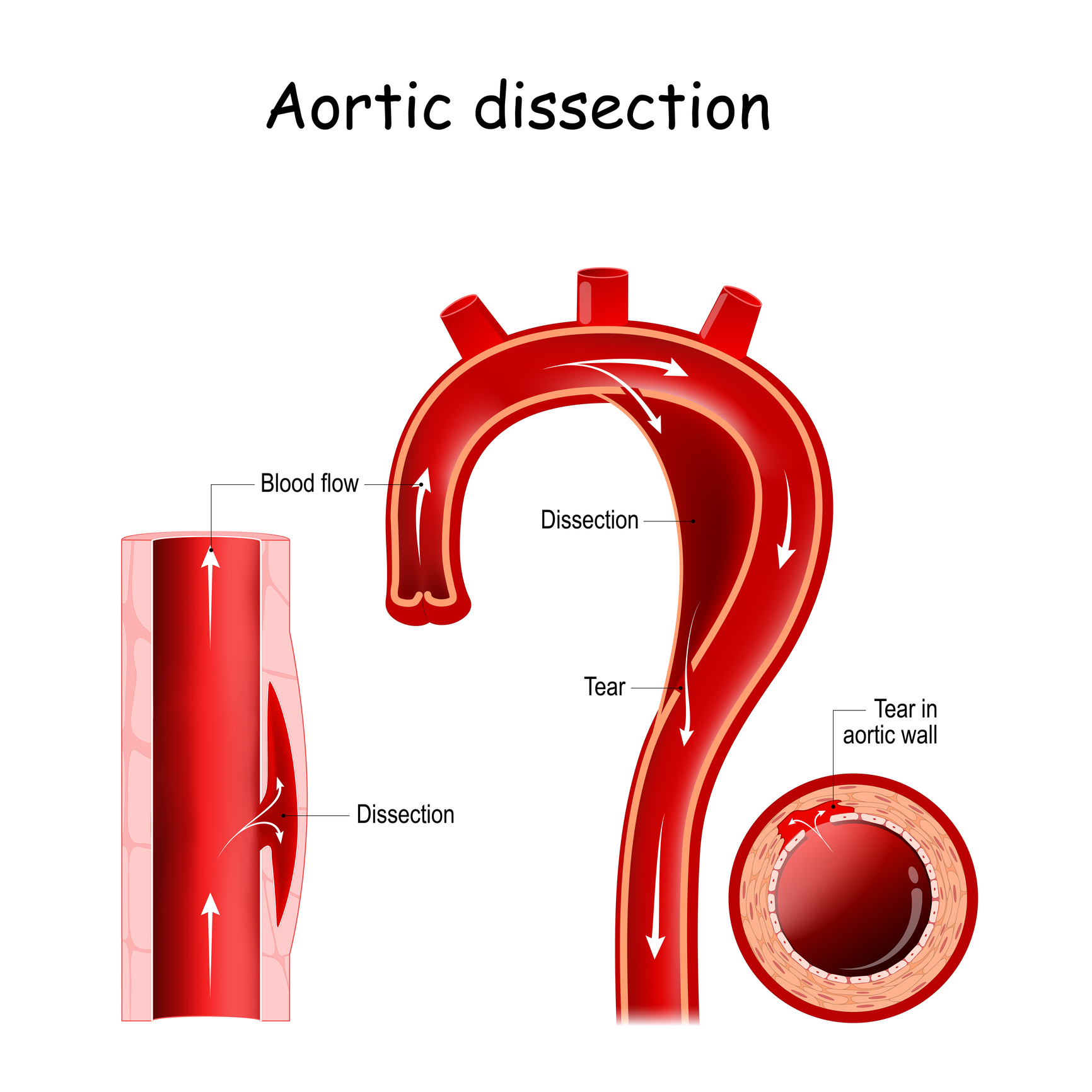

Aortic Dissection

An aortic dissection is a serious condition that occurs when blood rushes through a tear in a weakened area of the aorta’s wall causing it to split or dissect.

Symptoms of aortic dissection can be similar to the symptoms of other heart problems like a heart attack. These signs and symptoms include:

  • Sudden severe chest or upper back pain.
  • Sudden severe stomach pain.
  • Loss of consciousness.
  • Shortness of breath.
  • Symptoms that are similar to those of a stroke.
  • Weak pulse in one arm or thigh.
  • Leg pain
  • Difficulty walking

Aortic dissections are divided into two groups, depending on which part of the aorta is affected. These groups are:

  • Type A- is more common and dangerous. It involves a tear in the part of the aorta where it exits the heart. A tear may also occur in the upper aorta.
  • Type B- involves a tear in the lower aorta only.

Some factors that can raise your risk of aortic dissection include:

  • Hypertension
  • Hardening of the arteries
  • Aortic aneurysm
  • An aortic valve defect
  • A narrowing of the aorta at birth

Certain genetic diseases can also increase the risk of aortic dissection. They include:

  • Turner syndrome
  • Marfan syndrome
  • Other connective tissue disorders.
  • Inflammation of the arteries

Other potential risk factors for aortic dissection include:

  • Sex
  • Age
  • Pregnancy
  • Cocaine use
  • High-intensity weightlifting.

Aortic dissection is uncommon and usually occurs in men in their 60s and 70s. The condition can cause many complications including:

  • Death due to severe internal bleeding.
  • Organ damage, such as kidney failure or life-threatening intestinal damage.
  • Stroke
  • Aortic valve damage or rupture into the lining around the heart.

It can be challenging to detect an aortic dissection because symptoms can mimic those of other diseases and health problems which can delay a diagnosis.

A doctor may think you have aortic dissection if you have:

  • Sudden tearing or ripping chest pain.
  • A difference in blood pressure between the right and left arms.
  • Widening of the aorta on a chest X-ray.

Tests to diagnose aortic dissection include:

  • Transesophageal echocardiogram (TEE)
  • CT scan of the chest.
  • MRA

An aortic dissection is a medical emergency that requires immediate treatment. Treatment can include surgery or medications depending on the area of the aorta involved.

Treatments for Type A and Type B aortic dissection may include:

  • Surgery
  • Medications

After treatment, you may need to take medication to control your blood pressure for the rest of your life. You may also need regular CT or MRI scans to monitor your condition.

If you are experiencing any symptoms of aortic dissection, you can schedule an appointment at Jamaica Hospital Medical Center’s Cardiology Department by calling (718) 206-7100. If you are experiencing an emergency, please dial 911 right away.


All content of this newsletter is intended for general information purposes only and is not intended or implied to be a substitute for professional medical advice, diagnosis or treatment. Please consult a medical professional before adopting any of the suggestions on this page. You must never disregard professional medical advice or delay seeking medical treatment based upon any content of this newsletter. PROMPTLY CONSULT YOUR PHYSICIAN OR CALL 911 IF YOU BELIEVE YOU HAVE A MEDICAL EMERGENCY.

Heart Murmurs

A woman sitting on a couch holding her chest due to a heart murmur.While using a stethoscope to listen to your heart, your doctor may hear a ‘swishing’ or ‘whooshing’ sound instead of the ‘lub-dub’ sound that a normal heart makes. This slight change in the sound of your heart may mean you have a heart murmur. Often, heart murmurs can be identified at the time of birth; this is known as a congenital heart murmur. However, they can also develop later in life.

Heart murmurs are not always a sign of an underlying heart problem; these are known as “harmless” heart murmurs. However, in other cases, they may indicate conditions such as endocarditis (an infection of the inner lining of the heart) or valve calcification (a hardening or thickening of the valves in the heart).

If you have a harmless heart murmur, you won’t experience any additional symptoms, but if it is an abnormal heart murmur caused by an underlying medical condition, you could experience any of the following symptoms:

  • Skin that appears blue, especially on your fingertips and lips
  • Swelling or sudden weight gain
  • Shortness of breath
  • Chronic cough
  • Enlarged liver
  • Enlarged neck veins
  • Poor appetite and failure to grow normally (in infants)
  • Heavy sweating with minimal or no exertion
  • Chest pain
  • Dizziness
  • Fainting

Heart murmurs can be genetic; having blood relatives with a heart defect means that you have an increased likelihood of developing one. Additionally, medical conditions such as hypertension, hyperthyroidism, and pulmonary hypertension can increase your risk of a heart murmur. In adults, a heart murmur may improve once the underlying medical condition is addressed. In children, murmurs may go away on their own as the child matures.

If you believe you have a heart murmur or your primary care doctor has detected one, it’s important to follow up with a cardiologist to ensure that any serious underlying cause is treated as soon as possible. You can schedule an appointment at Jamaica Hospital Medical Center’s Cardiology Department by calling (718) 206-7100.

All content of this newsletter is intended for general information purposes only and is not intended or implied to be a substitute for professional medical advice, diagnosis or treatment. Please consult a medical professional before adopting any of the suggestions on this page. You must never disregard professional medical advice or delay seeking medical treatment based upon any content of this newsletter. PROMPTLY CONSULT YOUR PHYSICIAN OR CALL 911 IF YOU BELIEVE YOU HAVE A MEDICAL EMERGENCY.

Heart Disease and Hot Weather

Woman with water bottle in summer heat

Summertime heat affects everyone, but for people who suffer from heart disease, it can be life threatening. Activities that are performed when the weather is mild may not have much risk associated with them but once the temperature rises they can lead to heat exhaustion and heat stroke. People with heart disease are very susceptible to extreme weather conditions.

When we are exposed to the heat, our bodies respond by sweating, which is the body’s way to maintain a normal temperature. . Heat as well as the body’s response to it, leads to enlarged blood vessels, lower blood pressure and higher heart rate. This combination can cause people with heart problems to serious problems due to the stress on the cardiovascular system. If the heart is already weakened it may not be able to pump blood effectively and keep the blood pressure at a high enough level. This can lead to an overheating of the body. Some medications that are prescribed for heart patients also lower the heart rate, which can be compounded during the hot weather.

Some helpful tips for people with heart disease in the hot weather are:

  • Stay out of the heat during the middle of the day
  • Wear clothing that is loose fitting and light
  • Do not perform strenuous activities in hot weather
  • Keep hydrated and avoid alcohol and caffeine.
  • Stay indoors in an air conditioned environment

Discuss with your physician ways to stay healthy during the hot summer months. If you would like to schedule an appointment with a cardiologist at Jamaica Hospital, please call 718-206-6742.

Jamaica  Hospital Medical Center has reopened many of its healthcare services. To learn about the safety measures the hospital has taken to protect your health, please visit https://jamaicahospital.org/to-our-patients/

All content of this newsletter is intended for general information purposes only and is not intended or implied to be a substitute for professional medical advice, diagnosis or treatment. Please consult a medical professional before adopting any of the suggestions on this page. You must never disregard professional medical advice or delay seeking medical treatment based upon any content of this newsletter. PROMPTLY CONSULT YOUR PHYSICIAN OR CALL 911 IF YOU BELIEVE YOU HAVE A MEDICAL EMERGENCY.