
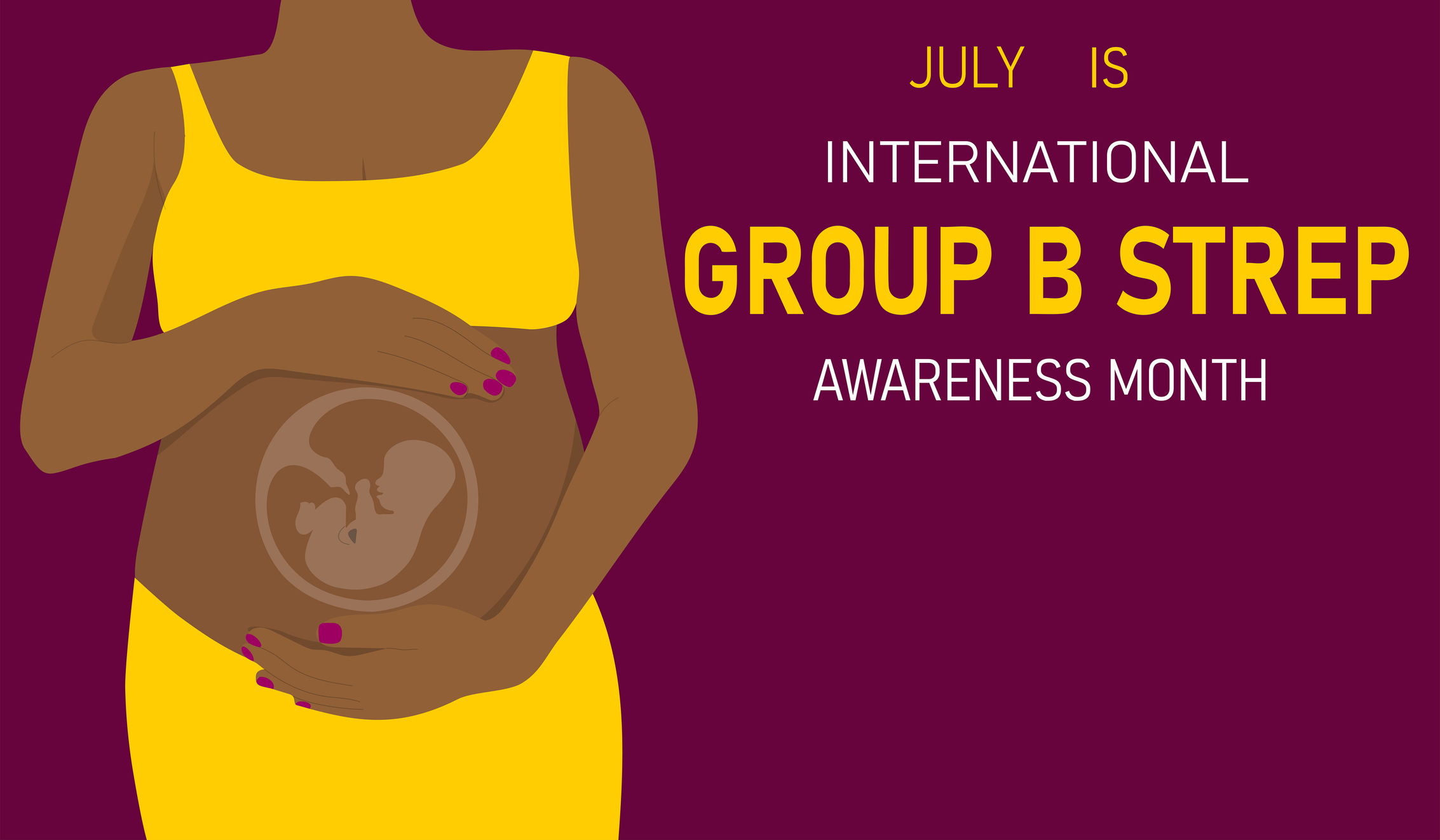
 Group B Strep (GBS), or Strep B, is a bacteria that lives naturally in our bodies and comes and goes without showing symptoms or causing harm unless it enters a part of the body free from bacteria. If the bacteria infects the lining around the brain it causes it to swell resulting in meningitis.
GBS bacteria live in the gastrointestinal and genital tracts. It can cause many types of infection which can be life-threatening. These infections and their symptoms include:
- Bacteremia (bloodstream infection)
- Fever
- Chills
- Low alertness.
- Sepsis (the body’s extreme response to an infection)
- Fever
- Chills
- Low alertness.
- Bone and joint infections
- Fever
- Chills
- Swelling
- Stiffness or inability to use the affected limb or joint.
- Urinary tract infections
- Pain or burning while urinating.
- Frequent urination.
- Feeling the need to urinate despite having an empty bladder.
- Bloody urine.
- Pressure or cramping in the groin or lower abdomen.
- Meningitis
- Fever
- Headache
- Stiff neck.
- Nausea and vomiting.
- Sensitivity to light.
- Confusion
- Pneumonia
- Chest pain when breathing or coughing.
- Confusion
- Cough
- Fatigue
- Fever or chills.
- Nausea, vomiting, or diarrhea.
- Shortness of breath.
- Skin and soft tissue infections
- Fever
- Red skin.
- Swollen skin or infected area.
- Skin or infected area is warm to the touch.
- Skin or infected area is full of pus or other drainage.
GBS bacteria most commonly causes bacteremia, sepsis, pneumonia, and meningitis in newborns. This occurs when bacteria is passed on to the newborn as it goes through the birth canal during vaginal delivery.
GBS disease symptoms in newborns and babies include:
- Fever
- Difficulty when feeding.
- Irritability or lethargy in the infant.
- Difficulty breathing.
- A blueish color to their skin.
Doctors diagnose GBS disease by taking samples of a patient’s blood, urine, or spinal fluid depending on the type of infection.
Treatment for GBS depends on the type of infection. Doctors usually treat GBS disease with antibiotics. People with soft tissue and bone infections may need surgery.
It is important to start treatment as soon as possible.
If you would like to get screened for GBS bacteria, you can schedule an appointment with an OB/GYN at Jamaica Hospital Medical Center’s Women’s Health Center. To learn more, please call (718) 291-3276.
 Follow
All content of this newsletter is intended for general information purposes only and is not intended or implied to be a substitute for professional medical advice, diagnosis or treatment. Please consult a medical professional before adopting any of the suggestions on this page. You must never disregard professional medical advice or delay seeking medical treatment based upon any content of this newsletter. PROMPTLY CONSULT YOUR PHYSICIAN OR CALL 911 IF YOU BELIEVE YOU HAVE A MEDICAL EMERGENCY.
