Can You Reverse Type 2 Diabetes?

Type 2 diabetes has long been identified as an incurable chronic disease based on traditional means of treatment. However, losing weight and making other lifestyle changes may help manage diabetes and prevent long-term health complications.

Having excess weight or obesity is the leading risk factor for Type 2 diabetes. Almost 90% of the 37 million Americans with Type 2 diabetes are classified as having excess weight or obesity. If you have excess weight, your risk of developing Type 2 diabetes is about 2.4 times higher than those at a healthy weight. For those with obesity, the risk is about six times higher.

Obesity significantly increases the risk of developing serious health conditions, including Type 2 diabetes. This type of diabetes is directly linked to excess body weight and lack of physical activity. Nearly half of new diabetes cases in the United States each year are caused by obesity.

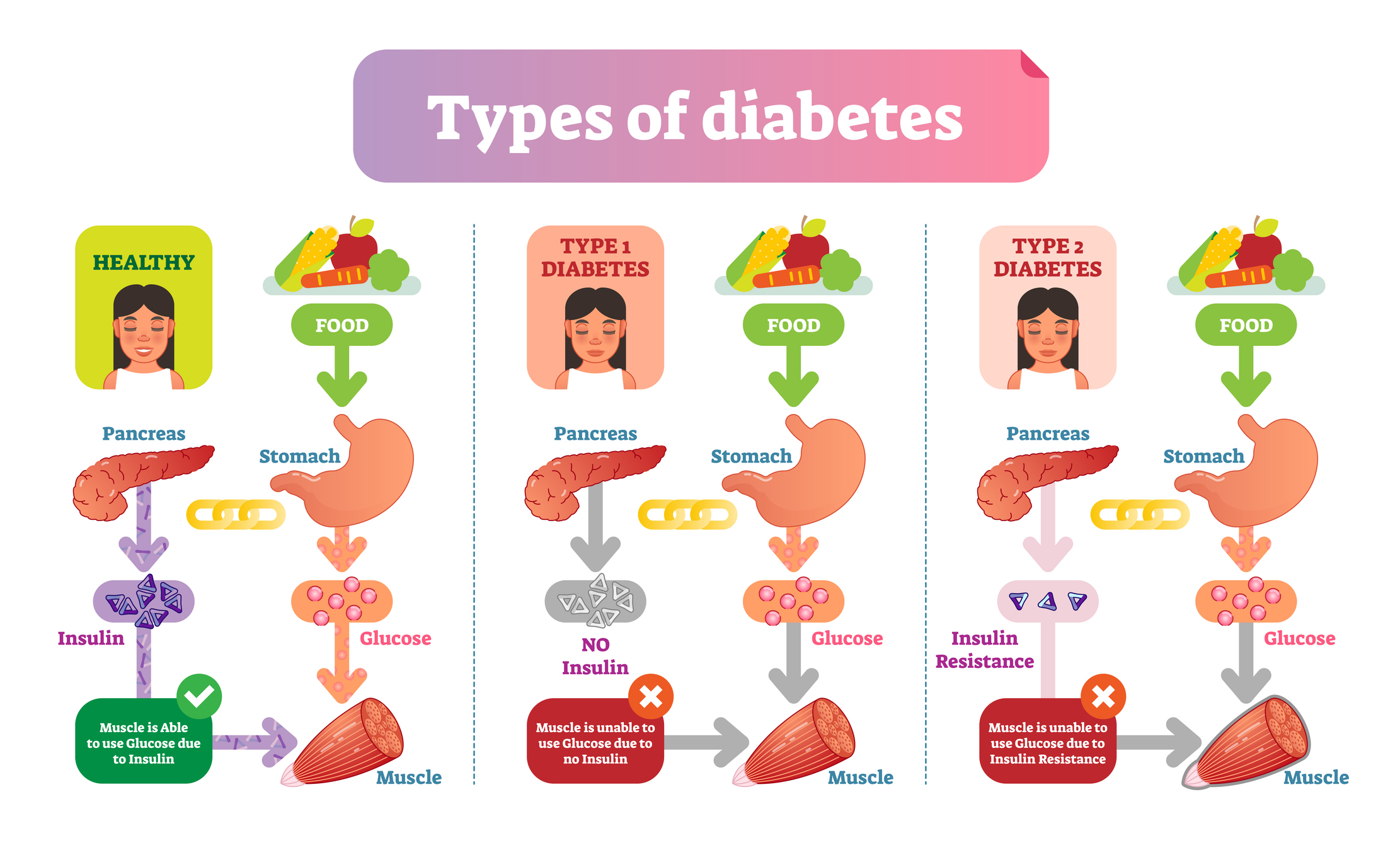
Type 2 diabetes is characterized by high blood sugar or glucose levels. It occurs when the body’s ability to produce or respond to insulin is impaired. The pancreas releases insulin after we eat, as it is a hormone that helps the body’s cells use glucose for energy. With Type 2 diabetes, the cells don’t use insulin effectively. This is known as insulin resistance.

There is research that shows that extra fat around the liver and visceral fat, the fat that surrounds the internal organs, plays a role in blocking insulin, which prevents glucose from entering the cells. The higher a person’s body fat percentage, the harder it is for their cells to respond properly to insulin.

While carrying extra weight anywhere in the body can increase the risk of developing Type 2 diabetes, there is evidence that suggests that people who carry excess belly fat are at a greater risk of the disease.

Studies have shown that substantial weight loss through healthy lifestyle habits, medication, or surgery can prevent Type 2 diabetes.

Weight loss is proven to help prevent Type 2 diabetes. Research shows that losing even as little as 3% to 5% of your body weight through healthy lifestyle changes can help control diabetes. Losing extra weight can help control blood sugar levels, boost energy levels, and improve overall health and well-being.

Some strategies for weight loss include:

  • Setting a weight loss goal
  • Eating smaller portions
  • Focusing on nutrient-dense foods
  • Increasing water intake
  • Exercising regularly

One study found that people who have obesity and Type 2 diabetes and followed a six-month diet plan lost an average of 30 pounds, and nearly half achieved remission of diabetes. This means that they have sustained their blood glucose levels within a normal range for three months or more without taking diabetes medication.

Remission is most likely to occur in the early stages of type 2 diabetes. Studies show that losing just 10% to 15% of body weight within two years of diagnosis is enough to achieve remission. In later stages of diabetes, the body may lose its ability to make insulin, making remission less likely. However, some people with advanced type 2 diabetes may achieve remission by losing 20% to 25% of their body weight.

There are many medications that can help with weight loss. Liraglutide and semaglutide are two injectable diabetes medications that are approved by the Food and Drug Administration (FDA) to treat obesity. These GLP-1 receptor antagonists are a class of medications that mainly manage blood sugar levels in people with Type 2 diabetes. They not only improve blood sugar control, but they can also promote weight loss by reducing appetite and slowing stomach emptying. Another injectable option is tirzepatide, a GLP-1 and GIP agonist that also lowers weight and improves blood sugar.

Bariatric, or weight loss surgery, can also treat obesity and promote weight loss. This procedure is designed to reduce food intake and decrease hunger to help people achieve and maintain a healthy weight.

The American Diabetes Association (ADA) recommends bariatric surgery as a treatment option for people with diabetes who have a body mass index (BMI) of 35 kg/m2 or greater. Various bariatric surgeries can be performed. They include:

  • Gastric sleeve
  • Gastric bypass
  • Adjustable gastric band

A research review found that bariatric surgery can effectively help manage Type 2 diabetes in up to 80% of people, and quickly. For some people, blood sugar levels may return to healthy levels within days or weeks after the procedure.

For more information about Jamaica Hospital’s endocrinology service, or to make an appointment, please call 718-206-7001.

All content of this newsletter is intended for general information purposes only and is not intended or implied to be a substitute for professional medical advice, diagnosis or treatment. Please consult a medical professional before adopting any of the suggestions on this page. You must never disregard professional medical advice or delay seeking medical treatment based upon any content of this newsletter. PROMPTLY CONSULT YOUR PHYSICIAN OR CALL 911 IF YOU BELIEVE YOU HAVE A MEDICAL EMERGENCY.
The Difference between Type 1 and Type 2 Diabetes

Diabetes is a chronic disease that occurs when the body doesn’t produce enough insulin or can’t use the insulin it produces effectively.

There are two main types of diabetes: type 1 and type 2.

Type 1 and type 2 diabetes have similar names, however, they are different diseases with distinctive causes.

A key difference between type 1 and type 2 diabetes is type 1 is caused by an autoimmune reaction and develops early in life. Type 2 diabetes develops over several years and is related to lifestyle factors such as being inactive and carrying excess weight, and is usually diagnosed in adults.

Type 1 diabetes is believed to be caused by an autoimmune reaction where the immune system attacks and destroys the insulin-producing beta cells in the pancreas, mistaking them for foreign invaders. After the beta cells are destroyed, the body can no longer produce insulin.

Researchers are unsure why the immune system attacks the body’s cells. They believe it may be due to genetic and environmental factors, such as being exposed to viruses.

People who have type 2 diabetes have an insulin resistance. The body can still produce insulin but is unable to use it effectively.

Researchers aren’t sure why some people become insulin-resistant and others don’t, but several lifestyle factors may contribute to it, such as being inactive and carrying excess weight.

Other genetic and environmental factors may also play a role. When a person develops type 2 diabetes, the pancreas will overcompensate by producing more insulin. Because the body can’t effectively use the insulin, glucose accumulates in the bloodstream.

Risk factors for type 1 diabetes are less clear than risk factors for type 2 diabetes.

The known risk factors for type 1 diabetes include:

  • Family history
  • Age

Risk factors for type 2 diabetes include:

  • Having prediabetes or slightly elevated blood sugar levels
  • Carrying excess weight or having obesity
  • Having a lot of belly fat
  • Being physically active less than three times a week
  • Being over the age of 45
  • Having had gestational diabetes
  • Giving birth to a baby weighing more than nine pounds
  • Being Black, Hispanic or Latino, American Indian, or Alaska Native due to structural inequities contributing to health disparities
  • Having an immediate family member with type 2 diabetes
  • Having polycystic ovary syndrome (PCOS)

If not managed properly, type 1 and type 2 diabetes can lead to symptoms that can include:

  • Urinating frequently
  • Feeling very thirsty and drinking a lot of fluids
  • Feeling very hungry
  • Feeling very fatigued
  • Having blurry vision
  • Having cuts or sores that don’t heal properly
  • Having very dry skin
  • Having more infections than usual

People with type 1 and type 2 diabetes can also experience irritability, mood changes, and unintentional weight loss.

Unfortunately, type 1 diabetes can’t be prevented. However, it is possible to lower the risk of developing type 2 diabetes through lifestyle changes that include:

  • Maintaining a moderate weight
  • Working with a healthcare provider to develop a healthy weight-loss plan, if you are overweight
  • Increasing activity levels
  • Eating a balanced diet and reducing the intake of sugary foods and overly processed foods

If you are experiencing diabetes symptoms, you can call to schedule an appointment with an endocrinologist at Jamaica Hospital Medical Center’s Ambulatory Care Center at (718) 206-7001.

All content of this newsletter is intended for general information purposes only and is not intended or implied to be a substitute for professional medical advice, diagnosis or treatment. Please consult a medical professional before adopting any of the suggestions on this page. You must never disregard professional medical advice or delay seeking medical treatment based upon any content of this newsletter. PROMPTLY CONSULT YOUR PHYSICIAN OR CALL 911 IF YOU BELIEVE YOU HAVE A MEDICAL EMERGENCY.

What is Pediatric Diabetes?

Approximately 10% of all Americans have diabetes, with an increasing number of these cases occurring in children and teenagers under the age of 20. Diabetes that occurs within this age range (referred to as pediatric diabetes) usually presents as type 1 diabetes, which causes the body to stop producing insulin. However, type 2 diabetes, which causes insufficient insulin production and causes cells to absorb less sugar from the bloodstream, has begun to account for more of these cases over time.

According to Dr. Hariram Ganesh, a pediatric endocrinologist at Forest Hills Pediatrics, increasing rates of obesity and economic factors are largely to blame for the increased prevalence of pediatric type 2 diabetes.

“Rising obesity rates have caused rates of type 1 and type 2 diabetes in children to even out,” said Dr. Ganesh. “Junk food is much cheaper and more accessible than healthy options. Many families would rather spend a dollar on fast food than 60 dollars on something healthy at the grocery store. “

Children with prediabetes may exhibit certain signs, such as excessive thirst and the frequency with which they need to use the bathroom. Additionally, black marks may occur around the neck, armpits, groin, or other parts of the body due to abnormally high insulin levels. Some other signs you may notice include:

  • Yellow, brown, or red patches of skin
  • Hardened or thickened skin on the fingers or toes
  • Blisters (in rare cases)
  • Skin infections or rashes

If you notice any of these signs, you should bring your child to your primary physician as soon as possible. They can help determine whether your child’s symptoms warrant a referral to an endocrinologist or are indicative of a less severe problem.

While neither type 1 nor type 2 diabetes has a cure, both are treatable. For children with type 2 diabetes, an initial plan of three to six months of dietary changes and exercise coupled with medication may help manage the condition. In cases of type 1 diabetes, however, treatment options are more limited.

“Type 1 primarily involves insulin dependence and cannot be managed with diet and exercise alone,” said Dr. Ganesh. “Even if a child loses weight, they’ll continue to need insulin. Otherwise, they may end up in the hospital.”

Still, Dr. Ganesh emphasizes the importance of diet and exercise, regardless of any diabetes diagnoses your child may or may not have received.

“Diabetes is just one problem among many related to childhood obesity, and in many cases, a diagnosis may only be a matter of time. Parents should make a point to emphasize a healthy diet and physical activity for their children, whether that involves playing with them or finding a local place for them to regularly participate in physical recreation,” said Dr. Ganesh.

If your child is exhibiting signs that may be indicative of prediabetes, schedule an appointment at Jamaica Hospital Medical Center’s Ambulatory Care Center now by calling (718) 206-7001.

All content of this newsletter is intended for general information purposes only and is not intended or implied to be a substitute for professional medical advice, diagnosis or treatment. Please consult a medical professional before adopting any of the suggestions on this page. You must never disregard professional medical advice or delay seeking medical treatment based upon any content of this newsletter. PROMPTLY CONSULT YOUR PHYSICIAN OR CALL 911 IF YOU BELIEVE YOU HAVE A MEDICAL EMERGENCY.