BACKPACK SAFETY TIPS


With school in full swing, you may have noticed that your children are carrying, in some cases, more than their body weight in books and supplies affiliated with their school work.  Below are some tips on how to save your childs back from their heavy backpack-

All content of this newsletter is intended for general information purposes only and is not intended or implied to be a substitute for professional medical advice, diagnosis or treatment. Please consult a medical professional before adopting any of the suggestions on this page. You must never disregard professional medical advice or delay seeking medical treatment based upon any content of this newsletter. PROMPTLY CONSULT YOUR PHYSICIAN OR CALL 911 IF YOU BELIEVE YOU HAVE A MEDICAL EMERGENCY.


What is Sepsis? Jamaica Hospital Educates the Community During Sepsis Awareness Month

September is Sepsis Awareness Month and Jamaica Hospital wants to educate the community about this very serious condition.

Septicemia

Sepsis is a potentially life-threatening complication that stems from an infection. Sepsis occurs when chemicals released into the bloodstream meant to fight an infection trigger inflammatory responses throughout the body. This inflammation can damage multiple organ systems, causing them to fail. If not identified and treated early, sepsis can progress to a condition known as septic shock, characterized by a dramatic drop in blood pressure, which may lead to death.

Sepsis is viewed by most doctors to be a three-stage syndrome, starting with sepsis, progressing through severe sepsis, and eventually into septic shock. The goal for healthcare providers is to look for the early symptoms of sepsis and administer antibiotics and IV fluids immediately before the condition becomes more dangerous.

Early symptoms include having a suspected or confirmed infection, plus a:

• Body temperature above 101.4 F
• Heart rate higher than 90 beats a minute
• Respiratory rate higher than 20 breaths a minute

Sepsis can affect anyone, but it is most common in older adults or those with a weakened immune system. The number of cases of sepsis in the United States appears be increasing. Some of the factors attributed to this rise include:

• A growing population of people over 65 years old. This group tends to have a weaker immune system.
• An increase in the amount of antibiotic-resistant bacteria. When these drugs used to treat infections do not work, it can lead to sepsis.
• More Americans are living with weakened immune systems, caused by HIV, cancer treatments or transplant drugs.

Since hospitals and nursing homes typically treat people who are either older or who’s immunity levels are compromised, sepsis can often occur in these settings.

Understanding the need to address the situation, Jamaica Hospital has taken a very proactive approach to combating sepsis. The hospital has initiated comprehensive protocols to both identify and treat sepsis. These efforts have led to steadily improving outcomes for our patients.

All content of this newsletter is intended for general information purposes only and is not intended or implied to be a substitute for professional medical advice, diagnosis or treatment. Please consult a medical professional before adopting any of the suggestions on this page. You must never disregard professional medical advice or delay seeking medical treatment based upon any content of this newsletter. PROMPTLY CONSULT YOUR PHYSICIAN OR CALL 911 IF YOU BELIEVE YOU HAVE A MEDICAL EMERGENCY.

What to Expect After Your Celiac Disease Diagnosis

celiac disease -485705368If you have received a diagnosis from your doctor that confirms you have celiac disease; it is natural to wonder what comes next.  Many doctors will offer guidelines which may include tips to live gluten-free. While these guidelines are essential, it is also very important that you truly understand your medical condition.

According to the Celiac Disease Foundation, celiac disease is defined as, “a genetic autoimmune disorder where the ingestion of gluten leads to damage in the small intestine.” It is estimated that the disease affects one in every one hundred people worldwide.  If left untreated, celiac disease can cause long-term health conditions such as gall bladder malfunction, infertility or miscarriage, pancreatic insufficiency, early onset osteoporosis or osteopenia as well as vitamin and mineral deficiencies.

In addition to having a better understanding of celiac disease, educating yourself about the changes to expect in your lifestyle, will prove helpful. Some of the changes include:

  • Discarding of any food that contains gluten. This means sticking to a strict diet that excludes wheat, barley, farina, oats, rye and other items that are known to have gluten.
  • Excluding certain items from your diet may deprive you of some nutrients; it is recommended that you speak to your doctor about which vitamins and dietary supplements you should take.
  • Evaluating the ingredients in medications; some may have small amounts of gluten.
  • Taking care of your body by exercising and implementing more fruits and fresh vegetables into your diet.
  • Following up with your physician or dietitian as recommended. This is important as it will help them to monitor your nutritional intake and check for deficiencies.

Finding resources that can help you transition or stick to new your lifestyle, such as your doctor, support groups, organizations such as the Celiac Disease Foundation or a local hospital can help make life after your celiac diagnosis a little easier.

The Nutritional Services Department at Jamaica Hospital Medical Center supports National Celiac Awareness Day. This observance falls on September 13 of each year and was created to help people learn more about celiac disease and how it impacts lives.  Jamaica Hospital’s registered dietitians assist many patients, including those with celiac disease to grow their knowledge about nutrition, wellness and healthy eating. An appointment with a registered dietitian consists of a comprehensive nutrition assessment, nutrition education, behavior modification counseling and goal setting.

To schedule an appointment, please call 718-206-7001.

All content of this newsletter is intended for general information purposes only and is not intended or implied to be a substitute for professional medical advice, diagnosis or treatment. Please consult a medical professional before adopting any of the suggestions on this page. You must never disregard professional medical advice or delay seeking medical treatment based upon any content of this newsletter. PROMPTLY CONSULT YOUR PHYSICIAN OR CALL 911 IF YOU BELIEVE YOU HAVE A MEDICAL EMERGENCY.

Are You Parenting an Anxious Child?

Similar to adults, children can feel worried and anxious.  In fact, feeling anxious about certain things at different stages of their growth is normal.  However, if anxiety and worry are chronic, there is a chance that a serious problem is developing.

Early on, younger children may have separation anxiety from their parents. They may become clingy, have difficulty sleeping, wake during the night, start wetting the bed or have nightmares.  These behaviors are typically temporary and should begin to subside around age two or three.  If they persist as your child gets older, you may want to monitor their behavior for signs that are indicative of an anxiety disorder.

Some signs to look out for are:

  • lack the confidence to try new things or seem unable to face simple, everyday challenges
  • find it hard to concentrate
  • have problems with sleeping or eating
  • are prone to angry outbursts
  • have negative thoughts going round and round their head, or keep thinking that bad things are going to happen
  • start avoiding everyday activities, such as seeing friends, going out in public or attending school

There are many ways to help your child through these worrisome times.  Work with your child to recognize what “triggers” their anxiety and urge them to ask for help when the feel unsure. Try sticking to a regular routine and suggest reading books on the topic with your children.  Additionally, if you know a change is coming such as a new home, talk to your child and be clear on what they should expect.

Most importantly, don’t try to shield your child from situations, rather encourage your child to find ways to manage their anxiety.  Using simple relaxation techniques such as taking slow breaths can really help them navigate an episode.

If you have tried these methods and your child is still anxious, you can make an appointment with a trained mental health professional at the Jamaica Hospital Medical Center‘s Mental Health Center.  Call 718-206-7071 for an appointment.

All content of this newsletter is intended for general information purposes only and is not intended or implied to be a substitute for professional medical advice, diagnosis or treatment. Please consult a medical professional before adopting any of the suggestions on this page. You must never disregard professional medical advice or delay seeking medical treatment based upon any content of this newsletter. PROMPTLY CONSULT YOUR PHYSICIAN OR CALL 911 IF YOU BELIEVE YOU HAVE A MEDICAL EMERGENCY.

Sickle Cell Awareness for Expecting Mothers

 September is National Sickle Cell Awareness Month. Sickle cell disease (also called SCD) is a condition in which the red blood cells in your body are shaped like a sickle (like the letter C). This can result in interruption of blood flow, and prevent oxygen from reaching tissue and organs. When this occurs, painful events can occur with an associated risk of muscle, bone and organ damage.

A careful history should be taken from all pregnant women seeking to identify risk factors for genetic disorders. A simple blood test either before conception or during pregnancy can determine whether either parent carries a sickle cell trait. During pregnancy, SCD poses problems to both mother and fetus.

With regular prenatal care, most women with SCD can have a healthy pregnancy. However, if you have SCD, you’re more likely than other women to have health complications that can affect your pregnancy. These complications include pain episodes, infection and vision problems. During pregnancy, SCD may become more severe, and pain episodes may happen more often. Pain episodes usually happen in the organs and joints. They can last a few hours to a few days, but some last for weeks.

As a pregnant woman with sickle cell disease certain risk factors may increase:

  • Miscarriage
  • Premature birth
  • Having a baby with low birth weight (less than 5 pounds, 8 ounces)

If you have SCD and you’re pregnant or planning to get pregnant, talk to your health care provider about the medicines you are taking. Your provider may change your medicine to one that is safe for your baby during pregnancy.

For more hospital events, highlights, health and  fitness tips, visit us on  and follow us on Twitter 

All content of this newsletter is intended for general information purposes only and is not intended or implied to be a substitute for professional medical advice, diagnosis or treatment. Please consult a medical professional before adopting any of the suggestions on this page. You must never disregard professional medical advice or delay seeking medical treatment based upon any content of this newsletter. PROMPTLY CONSULT YOUR PHYSICIAN OR CALL 911 IF YOU BELIEVE YOU HAVE A MEDICAL EMERGENCY.

September 10th is World Suicide Prevention Day – JHMC Wants You to Know the Facts About Suicide Prevention

Suicide affects millions; over 800,000 people take their lives each year, and the number of people who attempt suicide is twenty five times that amount. In addition to the lives lost, suicide also affects the many friends and family members devastated by the loss of their loved one.

Suicide is largely preventable though. Through education and awareness, we can get those people who are contemplating suicide the help they need.

Educational and Creative composition with the message Stop Suicide

One of the best tools in preventing suicide is to know the risk factors. Over 90% of people who attempt suicide live with depression or another mental disorder. Alcohol or substance abuse is often a contributing factor. Adverse factions to traumatic events or stress can also lead to someone wanting to take their own life.

Other risk factors for suicide include:

• Family history of mental disorder or substance abuse
• Family history of suicide
• Family violence
• Physical or sexual abuse
• Keeping firearms in the home
• Chronic physical illness, including chronic pain
• Exposure to the suicidal behavior of others

Someone who is considering suicide usually displays certain behaviors. Loved ones should look for the following warning signs:

Always talking or thinking about death
Trouble sleeping and eating — that gets worse over time
Displaying reckless behavior that could result in death, such as driving fast or running red lights
Losing interest in things one used to care about
Making comments about being hopeless, helpless, or worthless
Talking about suicide or killing one’s self
Visiting or calling people to say goodbye

If someone you know appears to be contemplating suicide, take the issue seriously. Let the person know that you care and understand and are listening and attempt to get them immediate help from a health care professional.

If your loved one appears to be in imminent danger of committing suicide, do not leave him or her alone. Remove any weapons or drugs he or she could use. Accompany him or her to the nearest emergency room or call 911.

September 10 has been designated World Suicide Prevention Day. Many organizations from around the world have joined this cause. Jamaica Hospital’s supports their efforts and the hospital’s Department of Psychiatry offers many inpatient and outpatient services to help those in need.

All content of this newsletter is intended for general information purposes only and is not intended or implied to be a substitute for professional medical advice, diagnosis or treatment. Please consult a medical professional before adopting any of the suggestions on this page. You must never disregard professional medical advice or delay seeking medical treatment based upon any content of this newsletter. PROMPTLY CONSULT YOUR PHYSICIAN OR CALL 911 IF YOU BELIEVE YOU HAVE A MEDICAL EMERGENCY.

Hospice Pet Therapy

There are many beneficial reasons why a beloved pet should be a part of a patient’s medical treatment program, especially during end of life care. When a pet visits a patient there is an increased amount of positive activity, conversation, and emotional connection.
Pets can:
• Provide unconditional love
• Reduce anxiety and stress
• Provide soothing companionship
• Reduce depression
• Lowers blood pressure

Most often dogs are the animal of choice used in pet therapy because of their loving, compassionate presence. They are also able to sense subtle human emotional and physical signs.  Cats are also frequently requested because they are also very calming and bond well with people. Pigs have been used also because they are highly intelligent animals and are also affectionate and calming. Other animals that have been used are birds, horses, and rabbits. Any animal that is going to be used in pet therapy must be house broken, nonaggressive, able to sit, stay and come on command, and be properly vaccinated.
A person who is under hospice care needs to know that they are surrounded at all times by things that make them feel safe and secure. Having a pet visit a hospice patient, whether it be the patient’s own or a specially trained therapy pet, can provide immeasurable benefits to both the patient and their loved ones.

All content of this newsletter is intended for general information purposes only and is not intended or implied to be a substitute for professional medical advice, diagnosis or treatment. Please consult a medical professional before adopting any of the suggestions on this page. You must never disregard professional medical advice or delay seeking medical treatment based upon any content of this newsletter. PROMPTLY CONSULT YOUR PHYSICIAN OR CALL 911 IF YOU BELIEVE YOU HAVE A MEDICAL EMERGENCY.

Diabetes and Loss of Vision

Diabetic eye disease is comprised of a number of eye conditions one of which is diabetic retinopathy.

All forms of diabetic eye disease have the potential to cause vision loss or blindness, but diabetic retinopathy is the most common cause of vision loss among diabetics and often goes undetected until vision loss occurs.

If you are a diabetic who has chronically high or uncontrolled blood sugar, you are at risk of damaging the tiny blood vessels in the retina which can lead to diabetic retinopathy.  The disease causes blood vessels in the retina to leak fluid or bleed causing a distortion in vision.

The retina detects light and converts it to signals sent through the optic nerve to the brain.  Diabetic retinopathy can cause blood vessels in the retina to leak fluid or bleed, causing a distortion in vision.

Diabetic retinopathy may progress through four stages:

  1. Mild non-proliferative retinopathy. Small areas of balloon-like swelling in the retina’s tiny blood vessels, called micro-aneurysms, occur at this earliest stage of the disease. These micro-aneurysms may leak fluid into the retina.
  2. Moderate non-proliferative retinopathy. As the disease progresses, blood vessels that nourish the retina may swell and distort. They may also lose their ability to transport blood.
  3. Severe non-proliferative retinopathy. Many more blood vessels are blocked, depriving blood supply to areas of the retina. These areas secrete growth factors that signal the retina to grow new blood vessels.
  4. Proliferative diabetic retinopathy (PDR). At this advanced stage, growth factors secreted by the retina trigger the proliferation of new blood vessels, which grow along the inside surface of the retina and into the vitreous gel, the fluid that fills the eye. The new blood vessels are fragile, which makes them more likely to leak and bleed. Accompanying scar tissue can contract and cause retinal detachment—the pulling away of the retina from underlying tissue, like wallpaper peeling away from a wall. Retinal detachment can lead to permanent vision loss.

Some ways to delay diabetic retinopathy and vision loss are:

  • Controlling your diabetes – take medications as prescribed, maintaining a recommended level of physical activity and a healthy diet.
  • Eye Exam – because diabetic retinopathy often goes unnoticed people with diabetes should get a comprehensive dilated eye exam at least once a year.

Vision lost to diabetic retinopathy is sometimes irreversible. However, early detection and treatment can reduce the risk of blindness by 95 percent.  To make an appointment at the Jamaica Hospital Medical Center’s Department of Ophthalmology call, 718-206-5900.

All content of this newsletter is intended for general information purposes only and is not intended or implied to be a substitute for professional medical advice, diagnosis or treatment. Please consult a medical professional before adopting any of the suggestions on this page. You must never disregard professional medical advice or delay seeking medical treatment based upon any content of this newsletter. PROMPTLY CONSULT YOUR PHYSICIAN OR CALL 911 IF YOU BELIEVE YOU HAVE A MEDICAL EMERGENCY.

How Does Cupping Therapy Benefit Your Health?

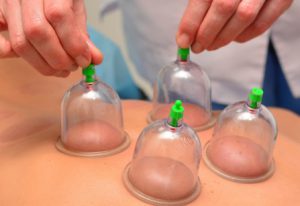
cupping 484372683Anyone who watched the Olympics this summer couldn’t help but notice the large, circular marks on the bodies of many of the competitors. These are the result of cupping therapy, a growing trend among athletes and celebrities.

While gaining a great deal of attention recently, the practice of cupping actually dates back to ancient Egyptian, Chinese and Middle Eastern cultures where it is believed to help with pain, blood flow, and relaxation.

How does cupping work? First, it’s important to know that there are two different types of cupping.

Dry cupping is one type of therapy that involves a therapist placing special cups on the patient for a few minutes to create a suction sensation. The suction is created by placing a flammable substance inside the cups to start a fire. Once the fire inside the cup is extinguished, they are placed upside down on the patient’s skin. As the air inside the cups cools, it creates a vacuum which causes the skin under the cup to rise and redden as the blood vessels expand. The suction process takes approximately three minutes.

While dry cupping ends after this process is completed; a second form of cupping, known as wet cupping can take place if desired. During the wet cupping process, the therapist will make light cuts in the skin with a scalpel after the cups are removed, then reapply the cups to draw a small quantity of blood (and presumed toxins) out of the body. After the cups are removed the second time, ointments and bandages are applied to prevent infection.

Those who practice cupping as a form of therapy usually get anywhere from three to seven cups applied per session.

While there is very little research to prove the effectiveness of cupping, some studies have stated that it could be used to help with the management of pain and assist with conditions such as acne, herpes zoster and cervical spondylosis.

Cupping is considered safe is performed by a qualified therapist, but it can lead to mild discomfort and in some cases, it can cause burns, bruises, or skin infections. It is recommended that you speak to your doctor before you start cupping.

All content of this newsletter is intended for general information purposes only and is not intended or implied to be a substitute for professional medical advice, diagnosis or treatment. Please consult a medical professional before adopting any of the suggestions on this page. You must never disregard professional medical advice or delay seeking medical treatment based upon any content of this newsletter. PROMPTLY CONSULT YOUR PHYSICIAN OR CALL 911 IF YOU BELIEVE YOU HAVE A MEDICAL EMERGENCY.

Tips For Healthy Summer Living

Iwomen exercising -512303848t is not unusual for people to ignore their weight and fitness goals during summer.  The season puts many in the state of mind to relax or let loose, often abandoning diet and exercise regimens once followed.

In the summer, we tend to have less time to work out because a good portion of our time is spent attending social obligations such as barbecues; where we typically eat and drink more than normal.

Additionally, we travel more and fast food often becomes our meal of choice because it is easy to grab and go. Unfortunately, there aren’t too many healthy fast food options.

Although we are nearing the end of summer, it is not too late to take advantage of the rest of the season and get back on track with your goals.  Following these tips can help you along the way:

  • Reduce consumption of sugary drinks. Summer drinks such as lemonade or iced- tea are sometimes packed with large amounts of sugar.  If sugar calories are not burned by the body, they can be converted into fat.
  • Drink alcoholic beverages in moderation. Did you know that having a pint of beer could be equivalent to having a slice of pepperoni pizza? Alcoholic beverages can be high in empty calories.  Moderating your alcohol consumption or having light versions of your favorite drink (also in moderation); can help you maintain a healthy weight.
  • Be mindful of your portions. When we are socializing we tend to eat more but paying attention to portion size can help reduce excessive consumption. Other helpful tips are eating before going to your event, as well as steering clear of foods that tempt you the most and opting for healthier choices.
  • Pack healthy meals to go. Packing healthy meals to go is easy. Grab items such as apples, nuts and yogurt that will easily fit in your bag.
  • Squeeze in exercise. There is the saying, “something is better than nothing.” This is true with exercise. A few minutes of exercise each day can offer many benefits to your health.  If it is too hot outside, doing simple activities such as dancing or jogging in place in your home can help you to stay active and manage your weight.

These guidelines can be helpful; however, it is recommended that you speak to your doctor if weight gain persists. Abnormal weight gain is at times an indicator of a more serious health issue.

All content of this newsletter is intended for general information purposes only and is not intended or implied to be a substitute for professional medical advice, diagnosis or treatment. Please consult a medical professional before adopting any of the suggestions on this page. You must never disregard professional medical advice or delay seeking medical treatment based upon any content of this newsletter. PROMPTLY CONSULT YOUR PHYSICIAN OR CALL 911 IF YOU BELIEVE YOU HAVE A MEDICAL EMERGENCY.