
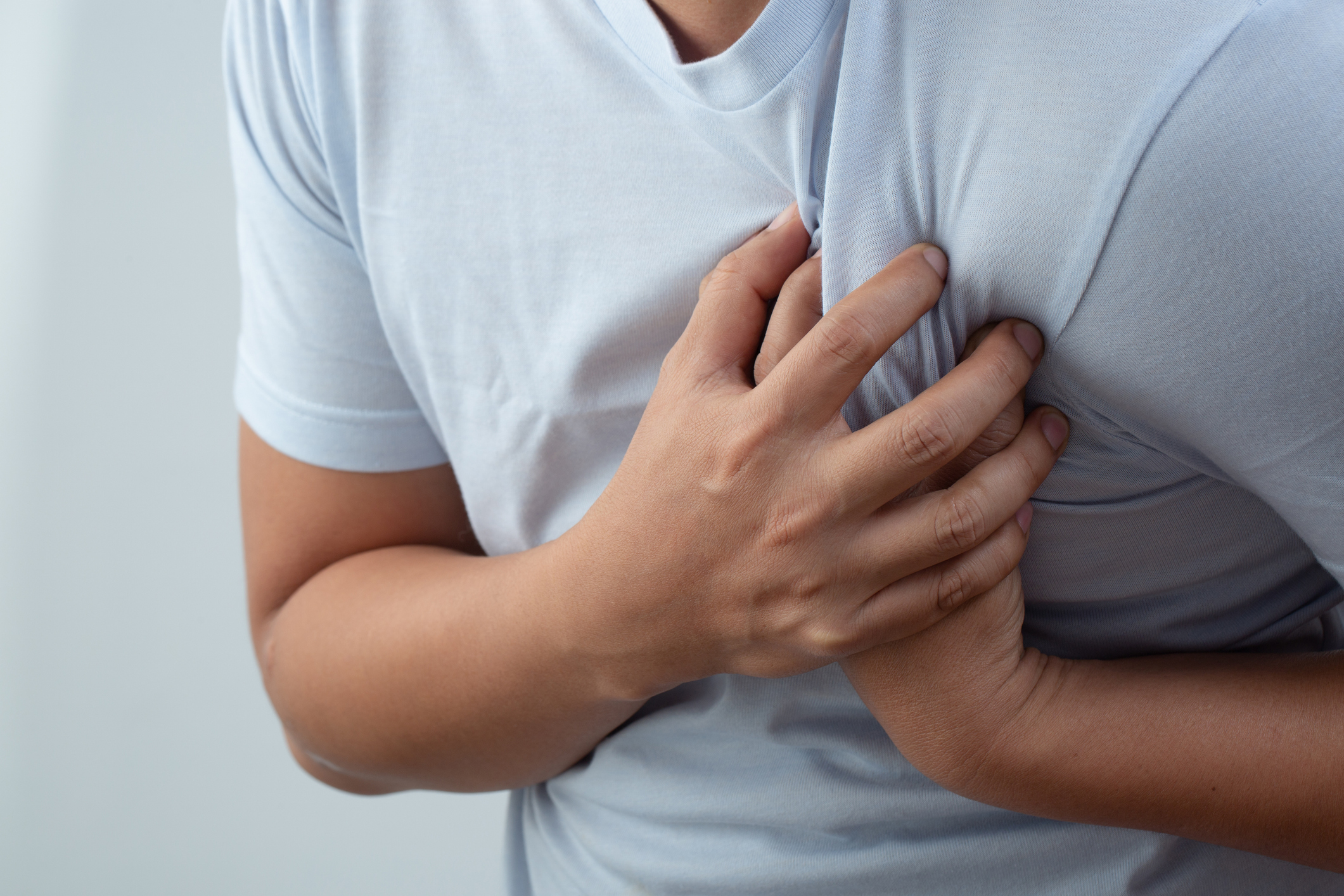
 Sudden cardiac arrest occurs when the heart stops beating abruptly because of a sudden loss of electrical function. This medical emergency requires immediate attention because blood flow to the brain and other vital organs stops within seconds.
Someone experiencing sudden cardiac arrest may lose consciousness, collapse, stop breathing or gasp for air, or not respond when shaken. Although sudden cardiac arrest often occurs without warning, individuals may have shortness of breath, chest pain, dizziness, or a rapid beating heart beforehand.
A person experiencing sudden cardiac arrest may die within minutes if not treated immediately. According to American Heart Association data, 9 out of every 10 people who experience cardiac arrest outside of a hospital die.
If someone appears to be in sudden cardiac arrest, you must call 911 and begin CPR immediately. Use an AED (Automated External Defibrillator) if one is available.
Sudden cardiac arrest can have several causes, including:
- Arrhythmias (abnormal heart rhythm)
- Heart attack
- Coronary artery disease
- Congenital heart defects
- Cardiomyopathy
- Heart valve disease
- Recreational drug use
- Severe blood loss
- Electrolyte imbalances
Some individuals have a higher risk of sudden cardiac arrest than others. A person may be at a higher risk if they:
- Have experienced a previous heart attack
- Have had heart failure
- Have certain inherited heart conditions
- If they are living with diabetes, chronic kidney disease, or hypertension and high cholesterol
- A history of serious arrhythmias
- Are a survivor of a prior sudden cardiac arrest episode
Those who are obese, smoke, or use illicit substances are also at risk.
Research shows that between 40% and 63% of sudden cardiac arrest cases are preventable and the risk can be reduced, because the vast majority of causes stem from underlying heart conditions.
Prevention can be achieved through knowing your family history, requesting specific screenings and early detection, managing underlying illnesses, and practicing heart-healthy habits. Jamaica Hospital Medical Center’s Cardiology Department can help you manage your heart health. To schedule an appointment, please call 718-206-7100.
 Follow
All content of this newsletter is intended for general information purposes only and is not intended or implied to be a substitute for professional medical advice, diagnosis or treatment. Please consult a medical professional before adopting any of the suggestions on this page. You must never disregard professional medical advice or delay seeking medical treatment based upon any content of this newsletter. PROMPTLY CONSULT YOUR PHYSICIAN OR CALL 911 IF YOU BELIEVE YOU HAVE A MEDICAL EMERGENCY.