
What is Misophonia?

Misophonia is a sensory condition that causes a person to have extreme sensitivity to specific sounds or stimuli, also known as triggers, resulting in them experiencing intense emotional, physical, and behavioral responses to those triggers.

The symptoms of misophonia revolve around how a person reacts to trigger sounds. The reactions are a part of the body’s natural “fight-or-flight” instincts.

When a person experiences an emotional reaction to a trigger, the feelings can be intense or overwhelming. These feelings escalate rapidly, causing irritation or annoyance to quickly turn into anger or rage. Emotional reactions can include:

· Anger

· Anxiety

· Disgust

· Fear

· Irritation

If a person experiences a physical reaction to a trigger, the self-protective process automatically kicks in, similarly to what happens when a person is in a dangerous or frightening situation. Physical reactions can include:

· Increase in blood pressure

· Chest pressure or tightness

· Goosebumps

· Increase in heart rate

· Sweating

When a person experiences a behavioral reaction to a trigger, the reaction is usually impulse- or instinct-driven. This means that a person may not have full control over those reactions. Violent reactions, towards either people or objects, are possible but not common. Behavioral reactions can include:

· Avoiding situations where trigger sounds can happen

· Leaving the area when a trigger sound happens

· Verbal or vocal reactions, such as talking or yelling at who/what made the sound

· Non-violent action to stop the sound

· Violent action to stop the sound

This phenomenon of misophonia affects people differently. Some people may only have one trigger that causes those responses. However, some people can have several trigger sounds.

Additionally, they can have responses that are more or less severe. Some may not be able to control the emotions they feel, but can control their responses. Others may not be able to control either, causing them to react impulsively. In the most severe cases, people may not be able to do certain things or be in specific environments.

There is research that shows that misophonia can affect anyone, but it seems to be more common in women. Estimates on how it affects people based on sex vary, ranging from 55%-83% of cases happening in women.

Misophonia can develop at any age. However, research indicates that it is most likely to develop in the early teenage years.

More research is necessary to determine if other factors can affect who is most likely to develop misophonia, but available research indicates misophonia may affect approximately one in five people during their lifetime.

Experts aren’t sure what causes misophonia. However, they suspect it may be a combination of factors, including:

· Brain structure differences

· Other conditions such as neurodivergence, mental health conditions, and hearing-related conditions or symptoms

· Family history or genetics

The American Psychiatric Association hasn’t recognized misophonia in the fifth and most recent edition of the Diagnostic and Statistical Manual of Mental Disorders (DSM-5), yet. However, in 2022, an expert committee created a consensus definition for research, diagnosis, and treatment purposes.

A healthcare provider can recognize the most common features of misophonia by asking questions about what you experience. Based on your answers, they can tell you if you seem to have the condition. However, that is not the same as a formal diagnosis.

Although misophonia isn’t an officially recognized condition, that doesn’t mean its effects are untreatable. The similarities and links between misophonia and other conditions, such as obsessive-compulsive disorder (OCD) or post-traumatic stress disorder (PTSD), indicate that people with this condition may benefit from various forms of mental health therapy.

While mental health therapies can’t cure a condition such as misophonia, they can help with the following:

· Identifying triggers

· Finding ways to minimize or prevent trigger sounds

· Developing coping strategies and techniques to avoid impulsive reactions to trigger sounds

· Reducing sensitivity to existing triggers

Treatments for misophonia-related conditions, such as anxiety or OCD, can also help with misophonia symptoms. A healthcare provider is the best person to tell you if treating related conditions can help and what treatments they recommend.

Many people with sound sensitivity conditions, including misophonia, can adapt to or manage this condition using common items, technology, or adaptation techniques, including:

· Earplugs or noise-canceling headphones/earbuds

· Listening to something to keep the brain’s hearing-related processes focused on something other than listening for a trigger sound

· Noise generator sounds, especially white, pink, or brown noise sounds

If you need the assistance and support of a mental health professional at Jamaica Hospital Medical Center, please call 718-206-5575 to schedule an appointment.

All content of this newsletter is intended for general information purposes only and is not intended or implied to be a substitute for professional medical advice, diagnosis or treatment. Please consult a medical professional before adopting any of the suggestions on this page. You must never disregard professional medical advice or delay seeking medical treatment based upon any content of this newsletter. PROMPTLY CONSULT YOUR PHYSICIAN OR CALL 911 IF YOU BELIEVE YOU HAVE A MEDICAL EMERGENCY.
RSV Vaccine

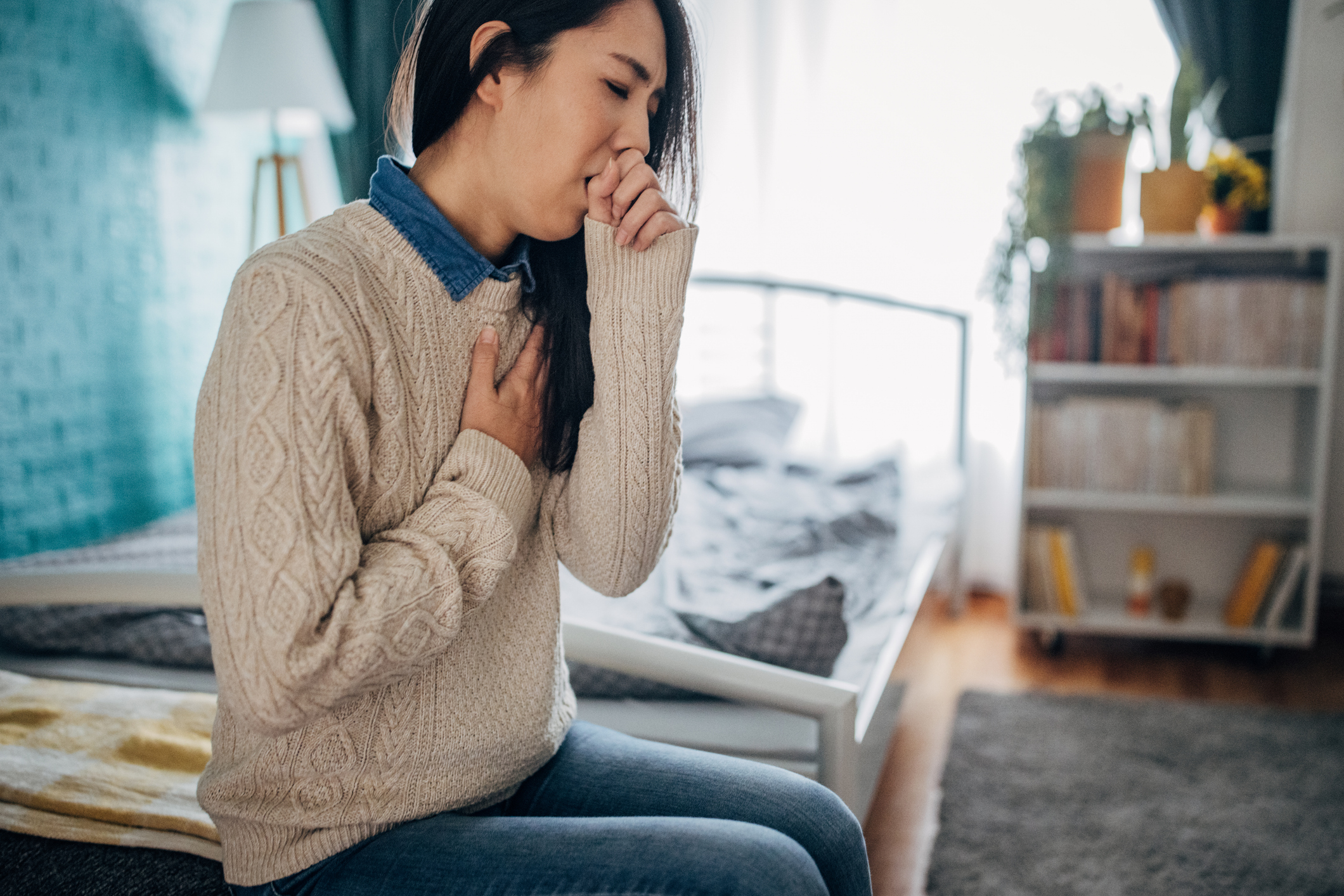
Respiratory syncytial virus, or RSV, is a common respiratory virus that infects the nose, throat, and lungs. A seasonal virus, RSV, spreads in the fall and winter, often in conjunction with other respiratory viruses, typically peaking in December and January.  

Signs and symptoms of RSV most commonly appear about four to six days after exposure to the virus. In adults and older children, RSV usually causes mild cold-like signs and symptoms, including: 

  • Congested or runny nose 
  • Dry cough 
  • Low-grade fever 
  • Sore throat 
  • Sneezing 
  • Headache 
  • Lack of energy 
  • Decreased appetite 

Distinguishing RSV symptoms from those of the common cold or other respiratory viruses, such as the flu or COVID-19, can be challenging.  

RSV can infect anyone. However, severe cases of RSV affect babies who are 12 months and younger, older adults, people with heart and lung disease, or anyone who is immunocompromised. Severe infection can spread to the lower respiratory tract, causing pneumonia or bronchiolitis, presenting symptoms such as: 

  • Fever 
  • Severe cough 
  • Wheezing 
  • Rapid or difficulty breathing 
  • Cyanosis, or a bluish color of the skin due to a lack of oxygen 

Infants are affected most severely by RSV. Signs and symptoms of severe infection in infants include: 

  • Short, shallow, and rapid breathing 
  • Struggling to breathe 
  • Cough 
  • Decreased appetite 
  • Unusual tiredness 
  • Irritability 

RSV is very contagious. You can easily spread the virus while symptomatic, which is usually a period of three to eight days. RSV can enter the body through the eyes, nose, or mouth. It is spread through respiratory droplets when you cough or sneeze and through direct contact, such as shaking hands.  

RSV can cause many complications, including: 

  • Hospitalization 
  • Middle ear infection 
  • Asthma 
  • Repeated infections 

To treat RSV, the Centers for Disease Control and Prevention (CDC) recommends a single dose of any FDA-licensed RSV vaccine for all adults 75 and older, and adults 60-74 at increased risk of severe RSV. Adults 60-74 who are at increased risk include those with: 

  • Chronic heart or lung disease 
  • A weakened immune system or certain other chronic medical conditions 
  • Those who are residents of nursing homes 

The CDC also recommends a one-time dose of RSV vaccine for pregnant women from week 32 through week 36 of pregnancy, for the prevention of RSV in their infants during the first six months of life. Most infants will not need both maternal vaccination and infant RSV antibodies. The recommended administration of infant RSV antibody is from October through March, with the optimal timing for antibody administration being shortly before the RSV season begins in October-November, or within a baby’s first week of life if born October through March, ideally during the birth hospitalization.  

Additionally, the CDC recommends that eligible adults get the RSV vaccine at any time, with the best time being in late summer and early fall before RSV usually starts to spread. 

If you or a loved one would like to receive the RSV vaccine, you can schedule an appointment at Jamaica Hospital Medical Center’s Ambulatory Care Center by calling (718) 206-7001. 


All content of this newsletter is intended for general information purposes only and is not intended or implied to be a substitute for professional medical advice, diagnosis or treatment. Please consult a medical professional before adopting any of the suggestions on this page. You must never disregard professional medical advice or delay seeking medical treatment based upon any content of this newsletter. PROMPTLY CONSULT YOUR PHYSICIAN OR CALL 911 IF YOU BELIEVE YOU HAVE A MEDICAL EMERGENCY.

Benefits of Yoga for Heart Health

There are many aerobic exercises that can increase the heart rate and help prevent or manage heart disease. However, calming exercises such as yoga are good for the heart as well.  

Yoga is a mind-body activity that involves moving through a series of body poses and breathing exercises that can improve strength, flexibility, balance, and relaxation. There are dozens of different formats, or practices of yoga, such as hatha, anusara, and ashtanga, that emphasize different focuses, such as toning, strength training, or meditation.  

One of yoga’s clearest benefits to the heart is its ability to relax the body and mind. Emotional stress can cause several physical effects, including the release of hormones such as cortisol and adrenaline, which can narrow the arteries and increase blood pressure. The relaxation response that yoga provides not only slows the heart rate and lowers blood pressure; it may also reduce inflammation and promote favorable changes in blood vessel function that protect the heart.  

Additionally, practicing yoga can help lower blood cholesterol and blood glucose levels.  

As mind-body practices, yoga encourages people to slow down and be more mindful about heart-healthy behaviors, such as eating well and getting enough sleep. These habits, along with positive emotions that some forms of yoga aim to inspire, such as compassion and gratitude, may also help foster cardiovascular health.  

Recent studies support the benefits of yoga for heart health. One study has shown that blood measurements and waist circumference, which are signs of heart disease, improved in middle-aged adults with metabolic syndrome who practiced yoga for three months.  

Another study has shown that attending slow-paced yoga classes twice a week reduced the frequency of atrial fibrillation episodes in patients with that condition. Additionally, in another report, patients with heart failure who went through an eight-week yoga program showed improvement in exercise capacity and quality of life. They also had lower blood levels of markers for inflammation, which contributes to heart disease.  

Research has also indicated that yoga may be a useful tool in helping smokers quit, as smoking is one of the biggest risk factors for heart disease.  

If you would like to learn about other ways to be heart healthy, you can schedule an appointment at Jamaica Hospital Medical Center’s Cardiology Department by calling (718) 206-7100. 

All content of this newsletter is intended for general information purposes only and is not intended or implied to be a substitute for professional medical advice, diagnosis or treatment. Please consult a medical professional before adopting any of the suggestions on this page. You must never disregard professional medical advice or delay seeking medical treatment based upon any content of this newsletter. PROMPTLY CONSULT YOUR PHYSICIAN OR CALL 911 IF YOU BELIEVE YOU HAVE A MEDICAL EMERGENCY.
Meet Our Doctors: Dr. Dawodu

We are pleased to introduce Dr. Olanrewaju (Lanre) Dawodu, the newest member of the obstetrics and gynecology team at Jamaica Hospital Medical Center.

Dr. Dawodu is an attending physician, specializing in minimally invasive gynecological surgery (MIGS). She chose minimally invasive gynecological surgery as a specialty because it allows her to treat complex conditions, such as fibroids, endometriosis, infertility, and chronic pelvic pain. “I am passionate about using advanced surgical techniques that not only relieve symptoms, but also speed recovery and restore function, allowing those affected to reclaim their health and quality of life”, she said. Dr. Dawodu was drawn to medicine because it allows her to combine science, hands-on skills, and patient advocacy. “Over time, I became especially motivated by the need to improve care for women whose health concerns are often minimized or overlooked,” she explained.

Dr. Dawodu attended Wayne State University for her undergraduate degree and Meharry Medical College for medical school. She completed her residency at the Hospital of the University of Pennsylvania and a fellowship at Columbia University Irving Medical Center, and is board-certified in obstetrics and gynecology. Dr. Dawodu treats patients with fibroids, menstrual disorders, endometriosis, chronic pelvic pain, ovarian cysts, and other benign but complex gynecologic conditions. She specializes in both uterine-preserving procedures and definitive treatments such as hysterectomy. “I offer the full spectrum of minimally invasive surgical options, including hysteroscopy, laparoscopy, and robotic surgery, tailoring each approach to a patient’s individual needs and goals”, says Dr. Dawodu.

Although Dr. Dawodu wasn’t born or raised in Queens, she has lived in New York City for the past four years and is proud to serve the Queens community through Jamaica Hospital. “I am excited to build a comprehensive program in complex benign gynecology here in Queens”, she said. She also noted that Jamaica Hospital wonderfully serves a diverse population and she is eager to provide advanced surgical options to patients who might not otherwise have access to them, stating, “I hope to bring compassionate care, surgical expertise, and a focus on patient-centered outcomes. My goal is to help my patients feel heard, validated, and empowered in their healthcare decisions, while ensuring they have access to the latest minimally invasive treatments.” Beyond surgery, Dr. Dawodu is committed to mentorship, education, and improving the efficiency of care. She is excited to grow with Jamaica Hospital as it expands access to minimally invasive gynecologic options in Queens.

We are proud to welcome Dr. Dawodu to our team and look forward to the work she and the rest of the Department of Obstetrics and Gynecology will do to provide high-quality care to our community.

All content of this newsletter is intended for general information purposes only and is not intended or implied to be a substitute for professional medical advice, diagnosis or treatment. Please consult a medical professional before adopting any of the suggestions on this page. You must never disregard professional medical advice or delay seeking medical treatment based upon any content of this newsletter. PROMPTLY CONSULT YOUR PHYSICIAN OR CALL 911 IF YOU BELIEVE YOU HAVE A MEDICAL EMERGENCY.

How to Care for a Loved One Who Has Dementia

Caring for a loved one with dementia comes with many emotional and physical challenges. Whether you are providing round-the-clock care at home, or visiting them at a homecare facility a couple or few times a week, understanding how to better care for a loved one with the condition can have a transformative effect on your relationship with them.

Dementia is a general term that represents a group of diseases and illnesses that cause the loss of cognitive functioning to the point that it interferes with a person’s daily life and activities.

Cognitive changes they may experience include:

  • Memory loss, usually noticed by someone else
  • Problems communicating or finding words
  • Trouble with visual and spatial abilities, such as getting lost while driving
  • Problems with reasoning or problem-solving
  • Trouble performing complex tasks
  • Trouble with planning and organizing
  • Poor coordination and control of movements
  • Confusion and disorientation

Some people with dementia can’t control their emotions, and they may also have psychological changes, such as:

  • Personality changes
  • Depression
  • Anxiety
  • Agitation
  • Inappropriate behavior
  • Hallucinations

Dementia is caused by damage to your brain, affecting its nerve cells and destroying the brain’s ability to communicate with its various areas. Dementia can also result from blocked blood flow to the brain, depriving it of oxygen and nutrients. Without oxygen and nutrients, brain tissue dies.

Progressive dementias get worse over time. Types of dementias that worsen and aren’t reversible include:

  • Alzheimer’s disease (the most common cause of dementia)
  • Vascular dementia
  • Lewy body dementia
  • Frontotemporal dementia
  • Mixed dementia

As your loved one may be experiencing changes in thinking, remembering, and reasoning in ways that affect their daily life and activities, they will need more help with simple, everyday tasks. Here are some ways you can care for a loved one to ensure they are provided with compassionate and effective support:

  • Establish a consistent daily routine that offers a sense of security for your loved one. Schedule their meals, medications, and activities at the same times each day. This can help reduce confusion and anxiety and make the caregiving process smoother.
  • Communicate clearly and calmly with your loved one. This can be achieved by doing the following:
    • Using simple words and short sentences
    • Maintaining eye contact and speaking slowly
    • Being patient and giving them time to process and respond
  • Making your loved one’s environment dementia-friendly to ensure the home is safe and easy to navigate. You can do this by:
    • Removing tripping hazards
    • Labeling drawers and rooms with words and pictures
    • Using night lights to reduce nighttime disorientation
  • Encourage their independence and dignity by allowing them to do as much as they can on their own, breaking tasks into manageable steps, and offering gentle guidance when needed
  • Avoid arguing and correcting a misstatement or memory error. Use validation therapy by acknowledging their feelings and redirecting the conversation gently, as this can reduce their agitation
  • Engage in meaningful activities that stimulate the mind and body, which can boost their mood and cognitive function. These activities can include:
    • Listening to music
    • Looking at old photos
    • Simple puzzles and crafts
  • Watch for signs of discomfort as individuals with dementia may not always clearly express their pain or discomfort. Watch for non-verbal cues, such as restlessness, facial expressions, or changes in behavior
  • Take care of yourself. As a caregiver of a loved one with dementia, burnout is common. Prioritize your own health by taking breaks, seeking emotional support, and joining caregiver support groups
  • Plan for your loved one’s future by making early decisions about legal documents, long-term care options, and financial planning
  • Use assistive technology and tools such as reminder clocks, GPS trackers, and medication dispensers

If your loved one is experiencing any of these dementia symptoms, you can schedule an appointment with a neurologist at Jamaica Hospital Medical Center’s Ambulatory Care Center by calling (718) 206-7001. If they are experiencing an emergency, call 911.


All content of this newsletter is intended for general information purposes only and is not intended or implied to be a substitute for professional medical advice, diagnosis or treatment. Please consult a medical professional before adopting any of the suggestions on this page. You must never disregard professional medical advice or delay seeking medical treatment based upon any content of this newsletter. PROMPTLY CONSULT YOUR PHYSICIAN OR CALL 911 IF YOU BELIEVE YOU HAVE A MEDICAL EMERGENCY.

National Sudden Cardiac Arrest Awareness Month

October is National Sudden Cardiac Arrest Awareness Month. It is a call to action aimed at raising awareness about the signs and symptoms of sudden cardiac arrest and highlighting its impact on individuals, as well as guiding how to help save lives.

Here are some things to know about cardiac arrest:

· More than 356,000 out-of-hospital cardiac arrests occur annually in the U.S., and nearly 90% of them are fatal

· Cardiopulmonary resuscitation (CPR) can double or triple survival rates, yet fewer than half of victims receive bystander aid

· Sudden cardiac arrest kills one person every two minutes

· About 70% of cardiac arrests happen at home

· An estimated 10,000 cardiac arrests occur at work each year in the U.S.

· Sudden cardiac arrest is the leading cause of death on school campuses

Having a heart attack can increase your risk of experiencing sudden cardiac arrest; however, there are distinct differences between a heart attack and cardiac arrest, their causes, and symptoms.

A heart attack occurs when blood flow to the heart is severely reduced or blocked. The blockage is typically caused by a buildup of fat, cholesterol, or other substances in the coronary arteries.

Sudden cardiac arrest occurs when the heart suddenly stops beating and pumping blood to vital organs.

Signs of sudden cardiac arrest include:

· Unconsciousness

· No breathing or only gasping for air

Many factors can put someone at risk of sudden cardiac arrest, including:

· Family history of coronary artery disease

· Smoking

· High blood pressure and high cholesterol

· Obesity

· Diabetes

· A sedentary lifestyle

· Drinking too much alcohol

· Using illegal drugs such as cocaine or amphetamines

Every second counts in a sudden cardiac arrest. In 95% of sudden cardiac arrest cases, the victim is lost. Survival from an out-of-hospital cardiac arrest greatly depends on nearby loved ones or bystanders promptly calling 911, initiating CPR, and using an automated external defibrillator (AED). For every minute that immediate CPR and use of a defibrillator are delayed, the odds of survival decrease by 10%.

Knowing how to start CPR and how to use an AED greatly increases the chance of survival of a sudden cardiac arrest. The survival rate of sudden cardiac arrest is about 10% for out-of-hospital incidences and 21% for in-hospital events, yet research shows that high-quality CPR has a significant impact on survival outcomes, whether inside or outside the hospital.

Unfortunately, sometimes people refrain from helping someone who needs CPR because of the fear of injuring the person or doing something wrong. Calling 911 and starting chest compressions is better than doing nothing at all because it can help give the person a better chance of survival.

Here is what you can do when someone is in sudden cardiac arrest:

· Call 911 or have someone nearby call 911 immediately. The emergency dispatcher can guide you on what you can do until advanced medical help arrives. This includes how to perform Hands-Only CPR.

· Check to see if the person is breathing or responsive

· Send someone to get the AED

· If the person is not breathing, or gasping for air, and they are not responsive, start CPR immediately. If you don’t know CPR, perform hands-only CPR, pushing hard and fast on the center of the chest

· Use an AED if available. Portable AEDs are available in many public places

Sudden cardiac arrest can affect anyone and everyone. That is why it is important to be educated about sudden cardiac arrest, the warning signs, and how to respond if someone around you goes into cardiac arrest.

All content of this newsletter is intended for general information purposes only and is not intended or implied to be a substitute for professional medical advice, diagnosis or treatment. Please consult a medical professional before adopting any of the suggestions on this page. You must never disregard professional medical advice or delay seeking medical treatment based upon any content of this newsletter. PROMPTLY CONSULT YOUR PHYSICIAN OR CALL 911 IF YOU BELIEVE YOU HAVE A MEDICAL EMERGENCY.

A Delicious and Comforting Potpie Recipe that Will Keep You Cozy This Fall

As fall progresses, the days will become shorter, the nights will become colder, and we will be looking for things to keep us cozy on those crisp autumn evenings. Here is a potpie recipe that is both delicious and comforting.

https://www.foodnetwork.com/recipes/basic-potpie-recipe-recipe-1939630

All content of this newsletter is intended for general information purposes only and is not intended or implied to be a substitute for professional medical advice, diagnosis or treatment. Please consult a medical professional before adopting any of the suggestions on this page. You must never disregard professional medical advice or delay seeking medical treatment based upon any content of this newsletter. PROMPTLY CONSULT YOUR PHYSICIAN OR CALL 911 IF YOU BELIEVE YOU HAVE A MEDICAL EMERGENCY.
ADHD Awareness Month

October is ADHD Awareness Month, a time dedicated to raising awareness, challenging stigma, and celebrating the unique strengths that often come with a neurodivergent brain.

Adult attention-deficit/hyperactivity disorder (ADHD) is a mental health disorder that includes a combination of persistent problems, such as difficulty paying attention, hyperactivity, and impulsive behavior. Adult ADHD can lead to unstable relationships, poor work or school performance, low self-esteem, and other problems.

Some people with ADHD have fewer symptoms as they age, but some adults continue to have major symptoms that interfere with daily functioning. Adult ADHD symptoms include:

  • Impulsiveness
  • Disorganization and problems prioritizing
  • Poor time management skills
  • Problems focusing on a task
  • Trouble multitasking
  • Excessive activity or restlessness
  • Poor planning
  • Low frustration tolerance
  • Frequent mood swings
  • Problems following through and completing tasks
  • Hot temper
  • Trouble coping with stress

Symptoms can range from mild to severe. Many adults with ADHD aren’t aware they have it.

The exact cause of ADHD is not clear, but research efforts continue. Factors that may be involved in the development of ADHD include:

  • Genetics
  • Environment
  • Problems during development

Factors that may increase the risk of ADHD may include:

  • You have blood relatives, such as a parent or sibling, with ADHD or another mental health disorder
  • Your mother smoked, drank alcohol, or used drugs during pregnancy
  • As a child, you were exposed to environmental toxins such as lead, found mainly in paint and pipes in older buildings
  • You were born prematurely

Signs and symptoms of ADHD in adults can be difficult to spot. However, the core symptoms of ADHD start early in life, before the age of 12, continuing into adulthood, creating major problems.

There is no single test that can confirm an ADHD diagnosis. A diagnosis will likely include:

  • A physical exam
  • Questions about your current medical issues, personal and family medical history, and the history of your symptoms
  • ADHD rating scales or psychological tests

Standard treatments for ADHD in adults typically involve medication, education, skills training, and psychological counseling. A combination of these is often the most effective treatment as they can help manage many symptoms of ADHD, but they won’t cure it.

If you need the assistance and support of a mental health professional at Jamaica Hospital Medical Center, please call 718-206-5575 to schedule an appointment.


All content of this newsletter is intended for general information purposes only and is not intended or implied to be a substitute for professional medical advice, diagnosis or treatment. Please consult a medical professional before adopting any of the suggestions on this page. You must never disregard professional medical advice or delay seeking medical treatment based upon any content of this newsletter. PROMPTLY CONSULT YOUR PHYSICIAN OR CALL 911 IF YOU BELIEVE YOU HAVE A MEDICAL EMERGENCY.
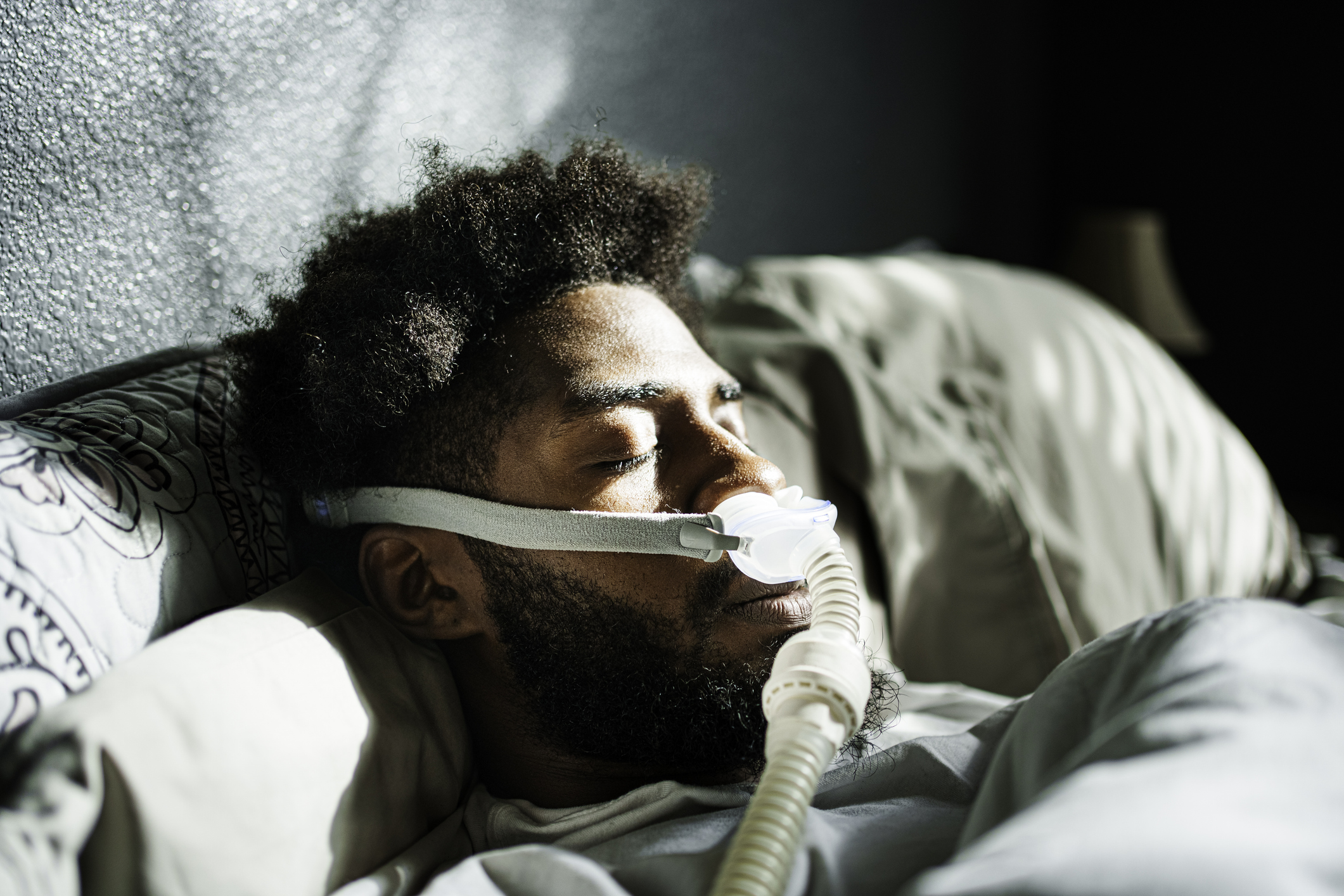
How to Prepare for Cold and Flu Season

As we progress through the fall season and approach winter, it is essential to take proactive steps to protect yourself and your loved ones from seasonal illnesses.

Here are some steps you can take to prepare for the upcoming cold and flu season:

  • Getting vaccines, such as the flu shot, can help your body’s immune system recognize and defend against a variety of viruses before you get infected. They can also reduce the severity of symptoms if you do fall ill.
  • Avoiding and preventing the spread of illnesses by practicing good hygiene habits can help reduce your exposure to germs and viruses. Some good hygiene habits you can practice include:
    • Washing your hands regularly, especially before eating and after using the restroom
    • Covering your mouth when you cough or sneeze, even if it is just seasonal allergies
    • Wiping down commonly used surfaces in your home, such as door handles, toilets, faucets, remotes, and other areas you and your loved ones may touch regularly
    • Avoiding sharing personal products and utensils with others
    • Wearing a mask to help reduce your exposure to respiratory illnesses
    • Limiting time in shared spaces, when you can, to help stop germs from spreading around your home
  • Taking care of yourself by protecting your immune system. Some ways you can protect your immune system include:
    • Getting a good night’s rest can help strengthen your body and immune system against illnesses
    • Adding vitamin-dense fruits and vegetables to your meals can help you maintain your energy and ward off viral and bacterial infections.
    • Staying hydrated, which can help loosen mucus and increase blood flow
    • Staying physically active can help your body build resistance and resilience against infectious diseases
    • Taking time to relax and manage stress is important to keep your immune system running at full capacity. Experiencing stress may affect self-care routines and lower the body’s resistance to infections

If you do start to feel under the weather, it is important to take quick action to protect your health and prevent the spread of illness to others. By following these simple steps, you can recover more comfortably and help keep you and your loved ones safe.

If you are experiencing any cold or flu symptoms, you can schedule an appointment with a doctor at Jamaica Hospital Medical Center’s Ambulatory Care Center. Please call (718) 206-7001.

All content of this newsletter is intended for general information purposes only and is not intended or implied to be a substitute for professional medical advice, diagnosis or treatment. Please consult a medical professional before adopting any of the suggestions on this page. You must never disregard professional medical advice or delay seeking medical treatment based upon any content of this newsletter. PROMPTLY CONSULT YOUR PHYSICIAN OR CALL 911 IF YOU BELIEVE YOU HAVE A MEDICAL EMERGENCY.

How to Read Your Eye Prescription

When a person goes to an eye doctor appointment, they may receive a prescription after their exam. This prescription is made up of an odd series of letters and numbers that are instructions for making your glasses. Here is what they mean:

In a typical prescription, there are two acronyms, one for each eye.

  • D.- is short for oculus dexter, which is your right eye
  • S.- is short for oculus sinister, which is your left eye

The sphere column is often abbreviated as SPH. This is the lens power needed to fix your vision. A minus sign (-) next to the number means nearsightedness. This means you see better up close and need distance correction. A plus sign (+) indicates that you are farsighted and can see better from far away and need your near vision corrected.

Lens power is measured in diopters, the unit of measurement used to calculate the focusing strength of a pair of glasses or contact lenses. If you see the sphere field written above as -9.00 D, this means there are 9 diopters of nearsightedness. The measuring system is an integer line, with zero in the middle, needing no correction. The further you get away from zero on either the minus or plus side, the stronger your prescription is.

The cylinder number is how much astigmatism you have, if any. This is when part of the cornea has a different curve. Normally, an eye is shaped like a basketball, rotated in any direction, with the curve staying the same. An eye with astigmatism is oval, or egg-shaped, or more like a football, with one curve being longer than the other. The CYL number corrects the different second curve.

The axis number tells you where the astigmatism is on the cornea. The axis is written in degrees between 1 and 180, indicating which way the astigmatism lines up.

The add column is where any additional lens power is written. For example, some people over the age of 40 may not want an extra pair of glasses for reading and may choose to wear bifocals instead. The lower half of the lens will give them their reading vision.

Additionally, there may be a field for prism on the right side. This is a special type of correction built into the lens for some people with double vision. This means they see two separate images of the same object. The prism fuses the two images together so they will only see one image.

The prescription for contact lenses is different because they sit directly on the eye. A contact lens prescription includes measurements specific to the size and brand of your contacts. Before you fill a prescription for contact lenses, you will need a contact lens fitting to see if they are right for you.

If you require an eye exam, you can schedule an appointment at Jamaica Hospital Medical Center’s Ophthalmology Center by calling (718) 206-5900.

All content of this newsletter is intended for general information purposes only and is not intended or implied to be a substitute for professional medical advice, diagnosis or treatment. Please consult a medical professional before adopting any of the suggestions on this page. You must never disregard professional medical advice or delay seeking medical treatment based upon any content of this newsletter. PROMPTLY CONSULT YOUR PHYSICIAN OR CALL 911 IF YOU BELIEVE YOU HAVE A MEDICAL EMERGENCY.