What to Do Next After Receiving a Dementia Diagnosis

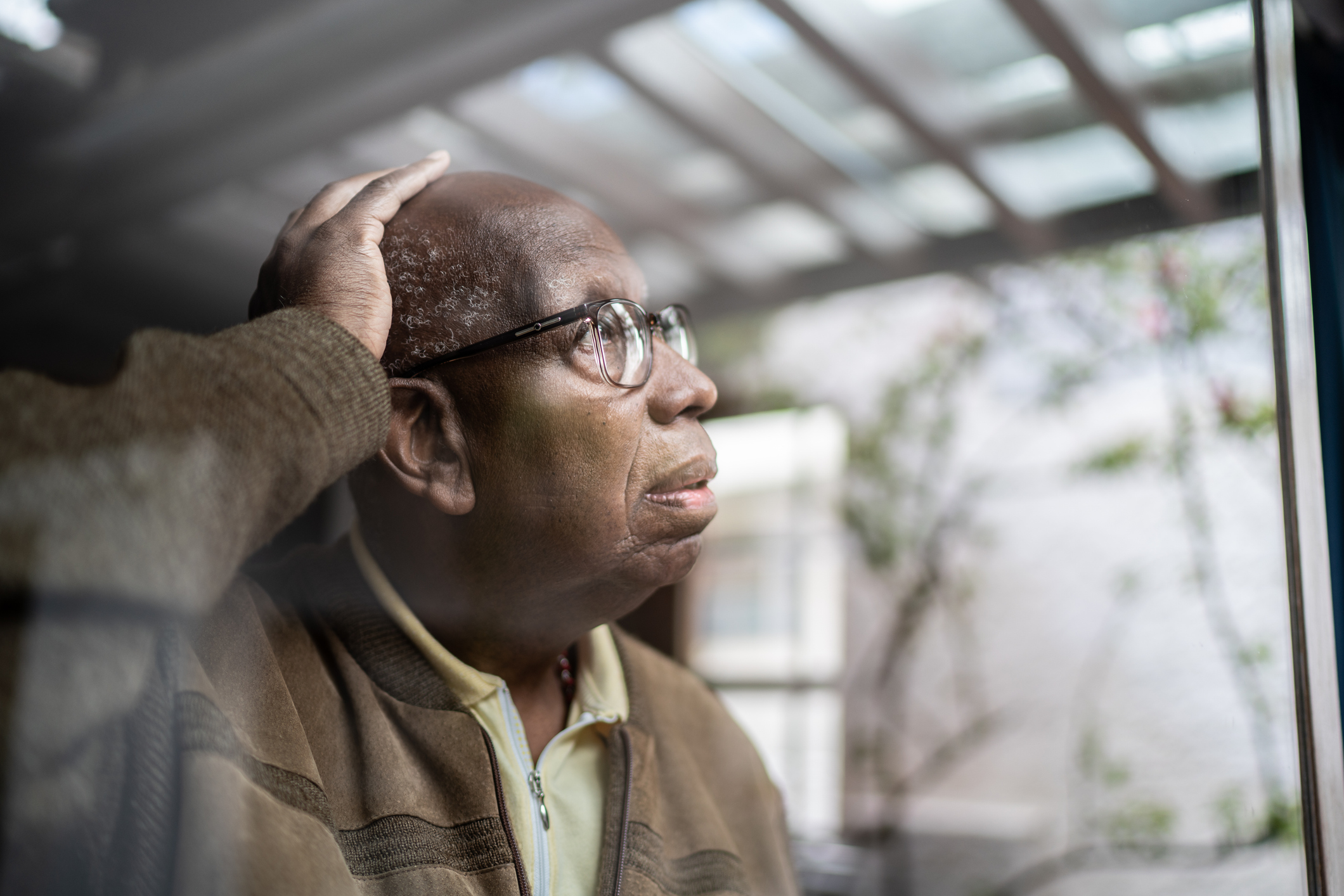
Receiving a dementia diagnosis can be devastating. Whether it is you are a loved one, several questions are raised after the diagnosis, namely “What do I do next?”  

After receiving a dementia diagnosis, it is important to be as proactive as possible. There are several steps you can take to help you or a loved one plan for the future, as well as help everyone involved feel that they are informed, supported, and less alone. Steps include: 

  1. Learn about and understand the specific dementia diagnosis, as it helps guide healthcare decisions, treatment options, and expectations for the future.

Dementia is not a specific disease, but an overall term that describes a group of symptoms such as memory loss and the loss of other mental abilities severe enough to interfere with daily life. Dementia is caused by physical changes in the brain.  

  • Different types of dementia include: 
  • Lewy Body Dementia and Parkinson’s Disease 
  • Creutzfeldt-Jakob Disease 
  • Down Syndrome and Alzheimer’s Disease 
  • Frontotemporal Dementia 
  • Huntington’s Disease 
  • Korsakoff Syndrome 

There are many signs and symptoms of dementia. They include: 

    • Memory loss that disrupts daily life 
    • Challenges in planning or solving problems 
    • Difficulty completing familiar tasks 
    • Confusion with time and place 
    • Trouble understanding visual images and spatial relationships 
    • New problems with words in speaking or writing 
    • Misplacing things and losing the ability to retrace steps 
    • Decreased or poor judgment 
    • Withdrawal from work or social activities 
    • Changes in mood and personality 
  1. Communicate with you or your loved one’s healthcare providers to discuss what can be expected and how to best manage symptoms.  
  2. Plan for the future by consulting with various financial and legal experts to discuss advance care directives, such as a living will and durable power of attorney, as they outline any wishes for future medical treatment and designate someone to make decisions on your or your loved one’s behalf if/when you are unable to. A financial adviser can help you or your loved one organize and manage any expenses that may relate to long-term care
  3. Communicate with family members and caregivers openly about your or your loved one’s diagnosis, any care preferences, and plans so that everyone is on the same page.  
  4. Maintain any and all social connections and participate in activities that encourage cognitive function. Maintaining a support network is important, as dealing with dementia can make you or a loved one feel isolated. 
  5. Ask your or your loved one’s healthcare provider about which treatments are available and recommended based on one’s specific dementia diagnosis, and ask about eligibility for clinical trials. 
  6. Start any of the recommended treatments or medications that may help manage dementia symptoms. Be sure to schedule regular appointments with your healthcare providers so they can monitor the condition and adjust care as needed. Monitor your symptoms and keep your healthcare providers up to date with them so they can offer any interventions that can help with any new symptoms that present themselves. 
  7. Remove any household hazards that may lead to falls or injuries. According to the Alzheimer’s Association, adults ages 65 and older living with dementia are at a 45.5% risk of getting injured or dying from falls, compared to 30.9% of people in the same age group who don’t have dementia. It is important to note that falls are the leading cause of death for that age group. 

A dementia diagnosis is a difficult time for any family that must experience it. It is important to make sure that you, your loved ones, and any caregivers are prepared for the challenges that may arise on this journey.  

If you or a loved one is experiencing any symptoms of dementia, you can consult with a neurologist at Jamaica Hospital Medical Center. To schedule an appointment, please call (718) 206-7246. 


All content of this newsletter is intended for general information purposes only and is not intended or implied to be a substitute for professional medical advice, diagnosis or treatment. Please consult a medical professional before adopting any of the suggestions on this page. You must never disregard professional medical advice or delay seeking medical treatment based upon any content of this newsletter. PROMPTLY CONSULT YOUR PHYSICIAN OR CALL 911 IF YOU BELIEVE YOU HAVE A MEDICAL EMERGENCY.

How to Care for a Loved One Who Has Dementia

Caring for a loved one with dementia comes with many emotional and physical challenges. Whether you are providing round-the-clock care at home, or visiting them at a homecare facility a couple or few times a week, understanding how to better care for a loved one with the condition can have a transformative effect on your relationship with them.

Dementia is a general term that represents a group of diseases and illnesses that cause the loss of cognitive functioning to the point that it interferes with a person’s daily life and activities.

Cognitive changes they may experience include:

  • Memory loss, usually noticed by someone else
  • Problems communicating or finding words
  • Trouble with visual and spatial abilities, such as getting lost while driving
  • Problems with reasoning or problem-solving
  • Trouble performing complex tasks
  • Trouble with planning and organizing
  • Poor coordination and control of movements
  • Confusion and disorientation

Some people with dementia can’t control their emotions, and they may also have psychological changes, such as:

  • Personality changes
  • Depression
  • Anxiety
  • Agitation
  • Inappropriate behavior
  • Hallucinations

Dementia is caused by damage to your brain, affecting its nerve cells and destroying the brain’s ability to communicate with its various areas. Dementia can also result from blocked blood flow to the brain, depriving it of oxygen and nutrients. Without oxygen and nutrients, brain tissue dies.

Progressive dementias get worse over time. Types of dementias that worsen and aren’t reversible include:

  • Alzheimer’s disease (the most common cause of dementia)
  • Vascular dementia
  • Lewy body dementia
  • Frontotemporal dementia
  • Mixed dementia

As your loved one may be experiencing changes in thinking, remembering, and reasoning in ways that affect their daily life and activities, they will need more help with simple, everyday tasks. Here are some ways you can care for a loved one to ensure they are provided with compassionate and effective support:

  • Establish a consistent daily routine that offers a sense of security for your loved one. Schedule their meals, medications, and activities at the same times each day. This can help reduce confusion and anxiety and make the caregiving process smoother.
  • Communicate clearly and calmly with your loved one. This can be achieved by doing the following:
    • Using simple words and short sentences
    • Maintaining eye contact and speaking slowly
    • Being patient and giving them time to process and respond
  • Making your loved one’s environment dementia-friendly to ensure the home is safe and easy to navigate. You can do this by:
    • Removing tripping hazards
    • Labeling drawers and rooms with words and pictures
    • Using night lights to reduce nighttime disorientation
  • Encourage their independence and dignity by allowing them to do as much as they can on their own, breaking tasks into manageable steps, and offering gentle guidance when needed
  • Avoid arguing and correcting a misstatement or memory error. Use validation therapy by acknowledging their feelings and redirecting the conversation gently, as this can reduce their agitation
  • Engage in meaningful activities that stimulate the mind and body, which can boost their mood and cognitive function. These activities can include:
    • Listening to music
    • Looking at old photos
    • Simple puzzles and crafts
  • Watch for signs of discomfort as individuals with dementia may not always clearly express their pain or discomfort. Watch for non-verbal cues, such as restlessness, facial expressions, or changes in behavior
  • Take care of yourself. As a caregiver of a loved one with dementia, burnout is common. Prioritize your own health by taking breaks, seeking emotional support, and joining caregiver support groups
  • Plan for your loved one’s future by making early decisions about legal documents, long-term care options, and financial planning
  • Use assistive technology and tools such as reminder clocks, GPS trackers, and medication dispensers

If your loved one is experiencing any of these dementia symptoms, you can schedule an appointment with a neurologist at Jamaica Hospital Medical Center’s Ambulatory Care Center by calling (718) 206-7001. If they are experiencing an emergency, call 911.


All content of this newsletter is intended for general information purposes only and is not intended or implied to be a substitute for professional medical advice, diagnosis or treatment. Please consult a medical professional before adopting any of the suggestions on this page. You must never disregard professional medical advice or delay seeking medical treatment based upon any content of this newsletter. PROMPTLY CONSULT YOUR PHYSICIAN OR CALL 911 IF YOU BELIEVE YOU HAVE A MEDICAL EMERGENCY.

Dementia

Dementia is a general term that represents a group of diseases and illnesses that cause the loss of cognitive functioning to the point that it interferes with a person’s daily life and activities.

Cognitive changes they may experience include:

  • Memory loss, usually noticed by someone else
  • Problems communicating or finding words
  • Trouble with visual and spatial abilities, such as getting lost while driving
  • Problems with reasoning or problem-solving
  • Trouble performing complex tasks
  • Trouble with planning and organizing
  • Poor coordination and control of movements
  • Confusion and disorientation

Some people with dementia can’t control their emotions, and they may also have psychological changes, such as:

  • Personality changes
  • Depression
  • Anxiety
  • Agitation
  • Inappropriate behavior
  • Hallucinations

Dementia is caused by damage to your brain, affecting its nerve cells and destroying the brain’s ability to communicate with its various areas. Dementia can also result from blocked blood flow to the brain, depriving it of oxygen and nutrients. Without oxygen and nutrients, brain tissue dies.

Progressive dementias get worse over time. Types of dementias that worsen and aren’t reversible include:

  • Alzheimer’s disease (the most common cause of dementia)
  • Vascular dementia
  • Lewy body dementia
  • Frontotemporal dementia
  • Mixed dementia

Other disorders linked to dementia include:

  • Huntington’s disease
  • Traumatic brain injury (TBI)
  • Creutzfeldt-Jakob disease
  • Parkinson’s disease

Some causes of dementia-like symptoms can be reversed with treatment, including:

  • Infections and immune disorders
  • Metabolic or endocrine problems
  • Low levels of certain nutrients
  • Medication side effects
  • Subdural bleeding
  • Brain tumors
  • Normal-pressure hydrocephalus

Many risk factors can contribute to dementia, including:

  • Age
  • Family history

A healthcare provider must recognize the pattern of loss of skills and function to be able to diagnose the cause of dementia. No single test can diagnose dementia, therefore, a series of tests may be conducted to determine a diagnosis. These tests include:

  • Cognitive and neuropsychological tests
  • Neurological evaluation
  • Brain scans
    • CT or MRI
    • PET scans
  • Laboratory tests
  • Psychiatric evaluation

Most types of dementia can’t be cured, but there are ways to manage your symptoms, including:

  • Medications
  • Therapies

If you are experiencing any of these symptoms, you can schedule an appointment with a doctor at Jamaica Hospital Medical Center’s Ambulatory Care Center by calling (718) 206-7001. If you are experiencing an emergency, call 911.


All content of this newsletter is intended for general information purposes only and is not intended or implied to be a substitute for professional medical advice, diagnosis or treatment. Please consult a medical professional before adopting any of the suggestions on this page. You must never disregard professional medical advice or delay seeking medical treatment based upon any content of this newsletter. PROMPTLY CONSULT YOUR PHYSICIAN OR CALL 911 IF YOU BELIEVE YOU HAVE A MEDICAL EMERGENCY.