
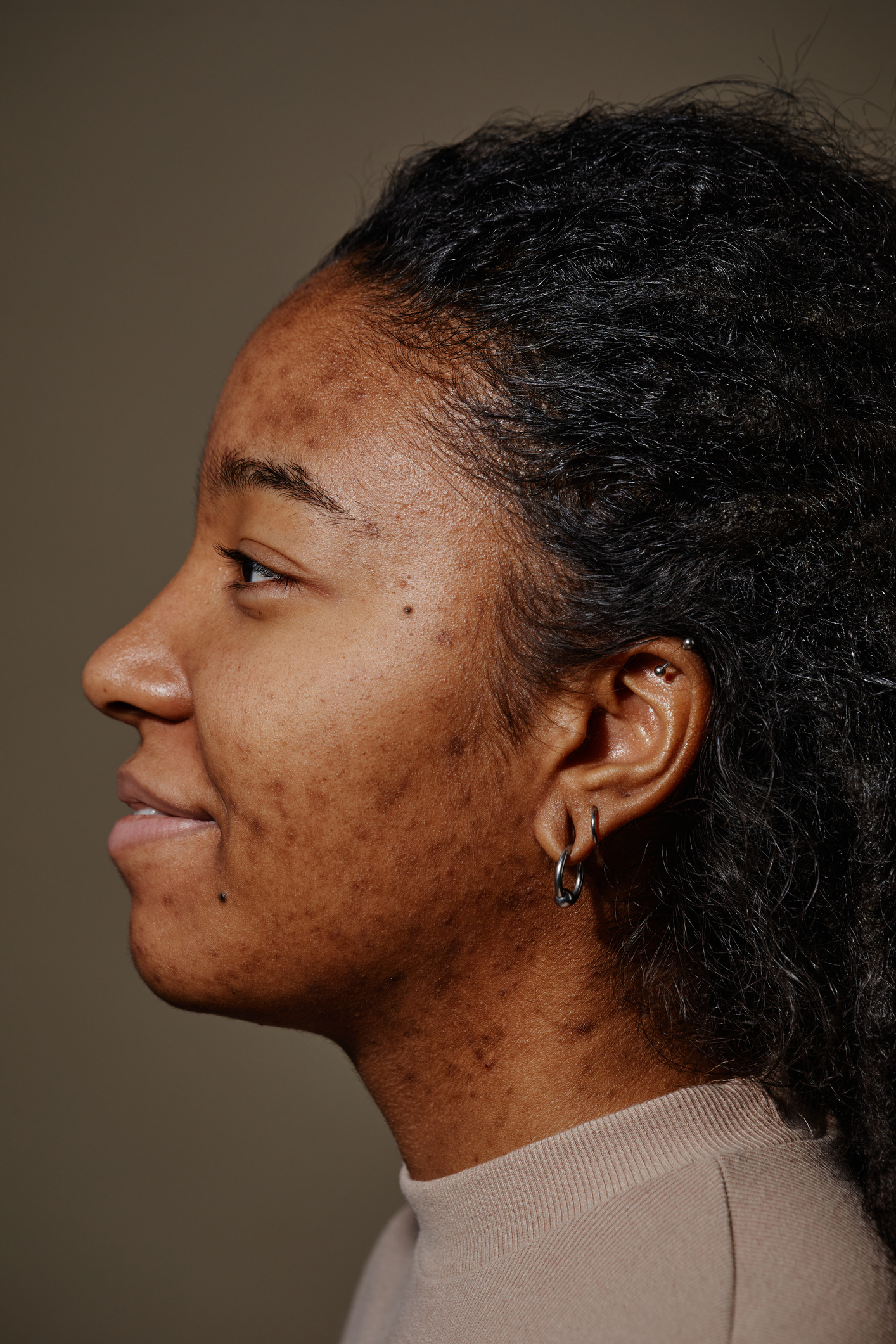
 Hyperpigmentation is a common condition that makes some of the areas of the skin darker than others.
Hyperpigmentation occurs when the skin cells that create melanin in the skin get damaged or become unhealthy and produce too much melanin. The extra melanin can clump and cause the area to appear darker and create brown, black, gray, red, or pink patches or spots.
There are many things that can lead to hyperpigmentation, including:
- Adrenal disorders, such as Addison’s disease
- Hormone changes, such as those during pregnancy or puberty
- Genetics, such as families who have freckles
- An injury to the skin, such as acne, cuts, or burns
- Melasma
- Medications, such as birth control pills and drugs that cause sensitivity to light
- Not getting the correct number of vitamins, such as B12 and folic acid
- Thyroid disorders
- Sun damage
Hyperpigmentation doesn’t cause any symptoms other than dark spots. If you have spots on your skin with any other symptoms, talk to your healthcare provider or a dermatologist.
When diagnosing hyperpigmentation, a healthcare provider may:
- Ask about your medical history, including when the darkened skin began and what medications you are taking
- Perform a physical exam to look at your skin
- Order blood tests to check vitamins, hormones, and iron, as well as your thyroid function
- Examine your skin under a Wood lamp, which is a special ultraviolet light
- Take a small sample of your skin for a biopsy
Depending on the causes for hyperpigmentation, your healthcare provider may suggest lifestyle changes, such as:
- Avoiding sun damage by staying out of the sun, using sunscreen, and wearing protective clothing
- Taking vitamins
- Stopping any medications that may be causing it
Your healthcare provider may also recommend prescription or over-the-counter (OTC) topical therapy, such as:
- Azelaic acid
- Corticosteroids
- Glycolic acid
- Hydroquinone
- Kojic acid
- Salicylic acid
- Skin bleach
- Tretinoin
- Vitamin C or B3
Other hyperpigmentation treatments may include:
- Chemical peels
- Cryotherapy
- Laser skin resurfacing
- Pigment lesion laser
Hyperpigmentation can’t always be prevented. However, protecting your skin from the sun helps. Here are some tips to protect your skin from the sun, including:
- Applying a “broad spectrum” sunscreen with an SPF of 30 or higher every day
- Using physical blockers, such as titanium dioxide or zinc oxide
- Avoiding too much sun exposure
- Wearing protective clothing and hats
If you are experiencing any signs of hyperpigmentation, you can schedule an appointment with a dermatologist at Jamaica Hospital Medical Center’s Ambulatory Care Center, please call (718) 206-7001.
 Follow
All content of this newsletter is intended for general information purposes only and is not intended or implied to be a substitute for professional medical advice, diagnosis or treatment. Please consult a medical professional before adopting any of the suggestions on this page. You must never disregard professional medical advice or delay seeking medical treatment based upon any content of this newsletter. PROMPTLY CONSULT YOUR PHYSICIAN OR CALL 911 IF YOU BELIEVE YOU HAVE A MEDICAL EMERGENCY.