Warning Signs of Blood Clots

Blood clots are gel-like clumps of blood that have partially solidified in a blood vessel. Clotting is a natural and essential process that stops bleeding when you’re injured. However, some blood clots can form anywhere along the 60,000 miles of blood vessels in the body and are most likely to happen in the veins. These are called venous blood clots. The most common kinds of venous blood clots are: 

  • Deep vein thrombosis (DVT)- DVT usually forms in the legs in the deep veins of the body. Thrombosis is when clots stay put and block blood flow. 
  • Pulmonary embolism (PE)- Embolisms are blood clots that break free and travel to other parts of the body. If a DVT breaks off and travels to the lungs, it can create a pulmonary embolism.  

Arterial clots are less common, occurring when a blood clot clogs an artery. These clots can block oxygen from reaching the heart or brain, which can lead to a heart attack or stroke. 

Anyone can develop a blood clot; however, certain factors can increase the risk of developing them, including: 

  • Prolonged immobility, such as during long flights or hospital stays 
  • Surgery, especially involving the legs, hips, or abdomen 
  • Pregnancy and the postpartum period 
  • Hormonal birth control or hormone replacement therapy 
  • Smoking 
  • Obesity 
  • Family history of blood clots or clotting disorders 
  • Cancer or cancer treatments 
  • Age 

Recognizing the signs and symptoms of a blood clot can be lifesaving. Here are the signs and symptoms to watch out for: 

  • Swelling in one limb 
  • Pain or tenderness in the affected area 
  • Red or discolored skin 
  • Warmth in the skin 
  • Sudden shortness of breath 
  • Chest pain 
  • Coughing, possibly with blood 
  • Rapid heartbeat or palpitations 
  • Leg fatigue or heaviness 
  • Dizziness or fainting 

Blood clots are known to be silent killers as their symptoms can be similar to symptoms of other, less serious conditions. That’s why it is crucial to understand and recognize the signs and symptoms of blood clots, especially if you are at an increased risk of developing them. Awareness and timely action can help prevent major complications from a stroke, pulmonary embolism, or heart attack.  

If you are experiencing symptoms of a blood clot or think you may be at risk of developing one, you can schedule an appointment with one of our vascular surgeons in NYC or learn more about the services at our vascular surgery center in New York. Please call 718-206-6713. 

All content of this newsletter is intended for general information purposes only and is not intended or implied to be a substitute for professional medical advice, diagnosis or treatment. Please consult a medical professional before adopting any of the suggestions on this page. You must never disregard professional medical advice or delay seeking medical treatment based upon any content of this newsletter. PROMPTLY CONSULT YOUR PHYSICIAN OR CALL 911 IF YOU BELIEVE YOU HAVE A MEDICAL EMERGENCY.
Jamaica Hospital Offers Effective, Non-Surgical Treatment for Varicose Veins

Jamaica Hospital now offers the VenaCure EVLT therapy to treat a condition that affects over 25 million Americans – varicose veins.

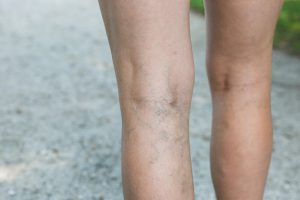
Varicose veins are bulging, bluish cords that run beneath the surface of your skin and are most prevalent on the legs and feet. They are sometimes surrounded by patches of flooded capillaries known as spider veins.   While varicose veins are usually harmless, in some cases they can become painful and tender to the touch. They can also lead to swollen ankles and hinder circulation in the limbs.

Up until recently, the most common way to treat varicose veins is through the use of compression stockings designed to help leg muscles push blood upward, or taking over-the-counter medications such as aspirin or ibuprofen to alleviate swelling. In more serious cases, doctors can perform a variety of interventions, including the use of heat with radiofrequency to close the veins, injecting chemicals into the vein, or even some surgical options that either strip or remove the vein entirely.

Now, Jamaica Hospital is offering a new and more effective way of treating varicose veins.  The VenaCure EVLT system is the number one physician choice in laser vein treatment and brings remarkable results and significant advantages to remedying superficial vein reflux.  During this laser vein treatment, a thin fiber is inserted into the damaged vein. A laser light is emitted through a fiber, delivering just the right amount of energy, causing these superficial veins to close and reroute blood flow to other veins.

This minimally invasive and clinically proven treatment option boasts a 98 percent success rate with minimal to-no scarring, offers less discomfort and a quicker recovery period than other forms of therapy for varicose veins.  The VenaCure EVLT procedure is also easy to perform, results in less complications, is done in your doctor’s office, and can get you back on your feet in less than an hour.

For more information about VenaCure EVLT treatment, or to schedule an appointment with one of Jamaica Hospital’s vascular surgeons, please call 718-206-7110.

All content of this newsletter is intended for general information purposes only and is not intended or implied to be a substitute for professional medical advice, diagnosis or treatment. Please consult a medical professional before adopting any of the suggestions on this page. You must never disregard professional medical advice or delay seeking medical treatment based upon any content of this newsletter. PROMPTLY CONSULT YOUR PHYSICIAN OR CALL 911 IF YOU BELIEVE YOU HAVE A MEDICAL EMERGENCY.

Information About Varicose Veins

According to the U.S. Department of Health and Human Services, approximately half of Americans age 50 and older have varicose veins. These veins are most commonly located in the legs, appear to bulge from the skin and are dark purple or blue in color.

ThinkstockPhotos-483873488The veins in a person’s legs carry blood back up to the heart and should only allow blood to flow in one direction. However, when the valves in a person’s veins become weak and allow blood to flow away from the heart, blood pools and the veins in that area become stretched or enlarged, thereby, creating a varicose vein.

While varicose veins are very common among both men and women, there are several factors that can increase a person’s risk of being affected. These include:
 Heredity
 Hormonal changes, such as puberty, pregnancy, and menopause
 Increasing age
 Obesity
 Sun exposure

Not only can varicose veins cause discomfort and embarrassment for the men and women who have them, but they can also sometimes lead to more serious health conditions. If left untreated, varicose veins can lead to:

 Blood Clots- These are extremely dangerous, as they may dislodge from the vein and travel to the lungs or heart, preventing either from functioning properly.
 Sores and Ulcers- Varicose veins may lead to sores and ulcers of the skin because of long-term buildup of fluid.

Varicose veins may also cause ongoing swelling, rashes, and pain, and can increase a person’s chances of infection.

Varicose veins may signal a higher risk for circulatory problems. If you have varicose veins that cause pain, swelling, itching, tiredness, or numbness in the legs, you should seek medical attention. Jamaica Hospital Department of Vascular Surgery offers a variety of options to treat varicose veins.
Treatment options available include:

 Sclerotherapy: A solution is injected to seal off the area in which blood is pooling.
 Laser treatment: Without the use of needles or incisions, strong bursts of light are delivered precisely onto varicose veins to make them fade and eventually disappear.
 Endovenous Radiofrequency: A catheter is inserted into the vein and radiofrequency or laser energy seals the vein wall. This approach is used in treating deeper varicose veins.
 Surgical litigation and stripping: Varicose veins are removed entirely.

If you have varicose veins and would like to schedule a consultation with a vascular surgeon at Jamaica Hospital, please call 718-206-7108.

All content of this newsletter is intended for general information purposes only and is not intended or implied to be a substitute for professional medical advice, diagnosis or treatment. Please consult a medical professional before adopting any of the suggestions on this page. You must never disregard professional medical advice or delay seeking medical treatment based upon any content of this newsletter. PROMPTLY CONSULT YOUR PHYSICIAN OR CALL 911 IF YOU BELIEVE YOU HAVE A MEDICAL EMERGENCY.