Sudden Cardiac Arrest

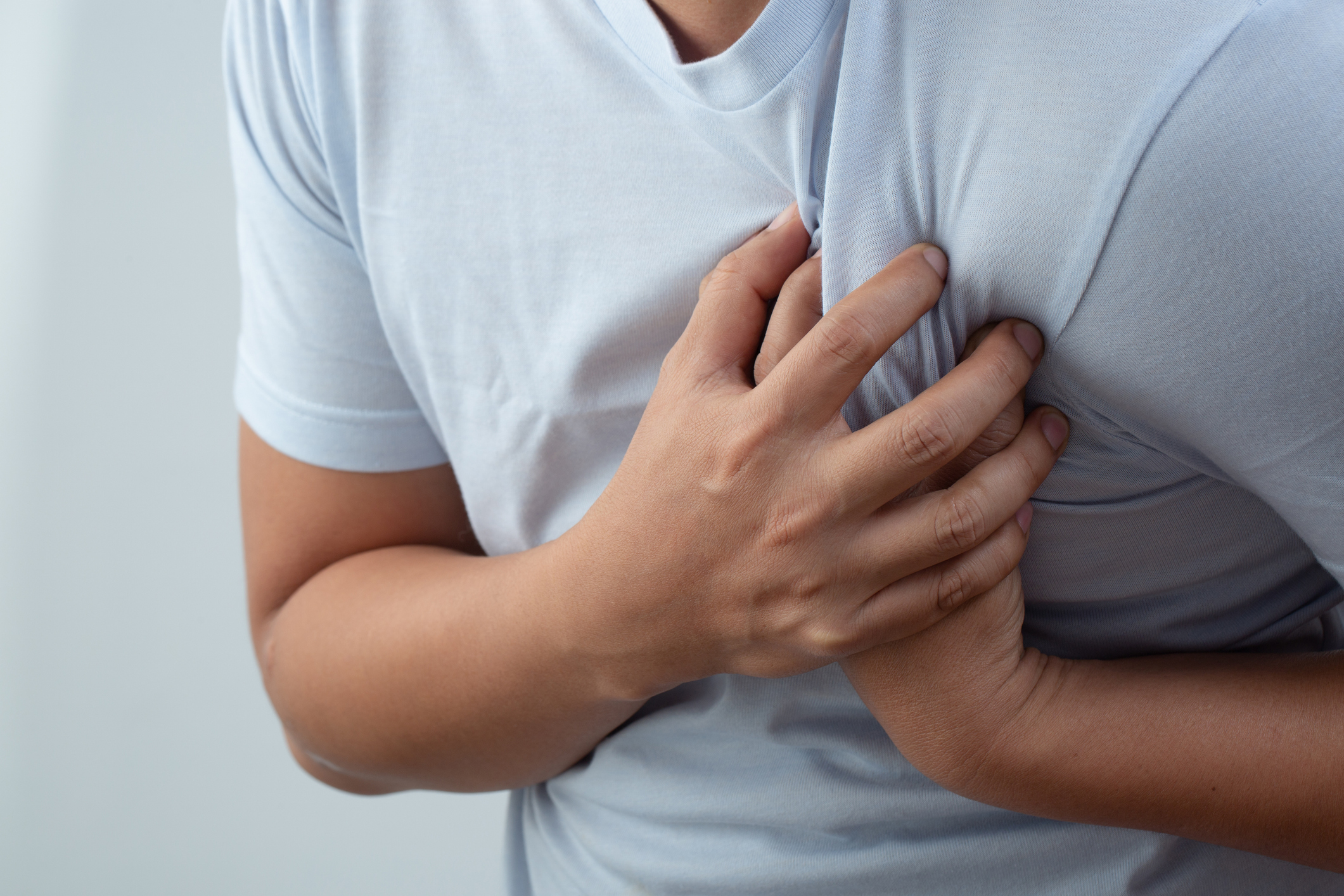
man has a sudden pain in his chest.Sudden cardiac arrest occurs when the heart stops beating abruptly because of a sudden loss of electrical function.  This medical emergency requires immediate attention because blood flow to the brain and other vital organs stops within seconds.

Someone experiencing sudden cardiac arrest may lose consciousness, collapse, stop breathing or gasp for air, or not respond when shaken.  Although sudden cardiac arrest often occurs without warning, individuals may have shortness of breath, chest pain, dizziness, or a rapid beating heart beforehand.

A person experiencing sudden cardiac arrest may die within minutes if not treated immediately.  According to American Heart Association data, 9 out of every 10 people who experience cardiac arrest outside of a hospital die.

If someone appears to be in sudden cardiac arrest, you must call 911 and begin CPR immediately.  Use an AED (Automated External Defibrillator) if one is available.

Sudden cardiac arrest can have several causes, including:

  • Arrhythmias (abnormal heart rhythm)
  • Heart attack
  • Coronary artery disease
  • Congenital heart defects
  • Cardiomyopathy
  • Heart valve disease
  • Recreational drug use
  • Severe blood loss
  • Electrolyte imbalances

Some individuals have a higher risk of sudden cardiac arrest than others.  A person may be at a higher risk if they:

  • Have experienced a previous heart attack
  • Have had heart failure
  • Have certain inherited heart conditions
  • If they are living with diabetes, chronic kidney disease, or hypertension and high cholesterol
  • A history of serious arrhythmias
  • Are a survivor of a prior sudden cardiac arrest episode

Those who are obese, smoke, or use illicit substances are also at risk.

Research shows that between 40% and 63% of sudden cardiac arrest cases are preventable and the risk can be reduced, because the vast majority of causes stem from underlying heart conditions.

Prevention can be achieved through knowing your family history,  requesting specific screenings and early detection, managing underlying illnesses, and practicing heart-healthy habits. Jamaica Hospital Medical Center’s Cardiology Department can help you manage your heart health. To schedule an appointment, please call 718-206-7100.

All content of this newsletter is intended for general information purposes only and is not intended or implied to be a substitute for professional medical advice, diagnosis or treatment. Please consult a medical professional before adopting any of the suggestions on this page. You must never disregard professional medical advice or delay seeking medical treatment based upon any content of this newsletter. PROMPTLY CONSULT YOUR PHYSICIAN OR CALL 911 IF YOU BELIEVE YOU HAVE A MEDICAL EMERGENCY.
National Sudden Cardiac Arrest Awareness Month

October is National Sudden Cardiac Arrest Awareness Month. It is a call to action aimed at raising awareness about the signs and symptoms of sudden cardiac arrest and highlighting its impact on individuals, as well as guiding how to help save lives.

Here are some things to know about cardiac arrest:

· More than 356,000 out-of-hospital cardiac arrests occur annually in the U.S., and nearly 90% of them are fatal

· Cardiopulmonary resuscitation (CPR) can double or triple survival rates, yet fewer than half of victims receive bystander aid

· Sudden cardiac arrest kills one person every two minutes

· About 70% of cardiac arrests happen at home

· An estimated 10,000 cardiac arrests occur at work each year in the U.S.

· Sudden cardiac arrest is the leading cause of death on school campuses

Having a heart attack can increase your risk of experiencing sudden cardiac arrest; however, there are distinct differences between a heart attack and cardiac arrest, their causes, and symptoms.

A heart attack occurs when blood flow to the heart is severely reduced or blocked. The blockage is typically caused by a buildup of fat, cholesterol, or other substances in the coronary arteries.

Sudden cardiac arrest occurs when the heart suddenly stops beating and pumping blood to vital organs.

Signs of sudden cardiac arrest include:

· Unconsciousness

· No breathing or only gasping for air

Many factors can put someone at risk of sudden cardiac arrest, including:

· Family history of coronary artery disease

· Smoking

· High blood pressure and high cholesterol

· Obesity

· Diabetes

· A sedentary lifestyle

· Drinking too much alcohol

· Using illegal drugs such as cocaine or amphetamines

Every second counts in a sudden cardiac arrest. In 95% of sudden cardiac arrest cases, the victim is lost. Survival from an out-of-hospital cardiac arrest greatly depends on nearby loved ones or bystanders promptly calling 911, initiating CPR, and using an automated external defibrillator (AED). For every minute that immediate CPR and use of a defibrillator are delayed, the odds of survival decrease by 10%.

Knowing how to start CPR and how to use an AED greatly increases the chance of survival of a sudden cardiac arrest. The survival rate of sudden cardiac arrest is about 10% for out-of-hospital incidences and 21% for in-hospital events, yet research shows that high-quality CPR has a significant impact on survival outcomes, whether inside or outside the hospital.

Unfortunately, sometimes people refrain from helping someone who needs CPR because of the fear of injuring the person or doing something wrong. Calling 911 and starting chest compressions is better than doing nothing at all because it can help give the person a better chance of survival.

Here is what you can do when someone is in sudden cardiac arrest:

· Call 911 or have someone nearby call 911 immediately. The emergency dispatcher can guide you on what you can do until advanced medical help arrives. This includes how to perform Hands-Only CPR.

· Check to see if the person is breathing or responsive

· Send someone to get the AED

· If the person is not breathing, or gasping for air, and they are not responsive, start CPR immediately. If you don’t know CPR, perform hands-only CPR, pushing hard and fast on the center of the chest

· Use an AED if available. Portable AEDs are available in many public places

Sudden cardiac arrest can affect anyone and everyone. That is why it is important to be educated about sudden cardiac arrest, the warning signs, and how to respond if someone around you goes into cardiac arrest.

All content of this newsletter is intended for general information purposes only and is not intended or implied to be a substitute for professional medical advice, diagnosis or treatment. Please consult a medical professional before adopting any of the suggestions on this page. You must never disregard professional medical advice or delay seeking medical treatment based upon any content of this newsletter. PROMPTLY CONSULT YOUR PHYSICIAN OR CALL 911 IF YOU BELIEVE YOU HAVE A MEDICAL EMERGENCY.