Maternal Health Awareness Day

January 23rd is observed as Maternal Health Awareness Day, a day that recognizes the importance of spreading awareness and reducing maternal mortality. 

Maternal mortality refers to deaths due to complications from pregnancy or childbirth. It is a major problem in the United States. The U.S. has the highest maternal mortality rates among developed countries and is the only advanced country to have maternal mortality rates that have increased in recent decades. 

Black and indigenous women in the U.S. are particularly at risk, as their maternal mortality rates are two to three times as high as those of other women. What’s more, black women in the U.S. are four times more likely to die due to pregnancy-related complications compared to their white counterparts. 

The Centers for Disease Control and Prevention (CDC) defines pregnancy-related deaths as any deaths that occur during pregnancy or within one year of the end of pregnancy from pregnancy complications that affect the mental or physical health of a woman, her baby, or both.  

Pregnancy-related deaths may occur due to: 

  • The pregnancy causing a new medical or mental health problem 
  • The pregnancy starting a chain of events that result in death 
  • The pregnancy making an unrelated medical condition worse 

According to the CDC, an estimated 80% of pregnancy-related deaths are preventable.  

Many social factors contribute to pregnancy-related deaths. Social factors are any nonmedical conditions, such as where women live, work, and spend their free time, that can affect their health. Social factors such as their income and access to high-quality care can affect a woman’s ability to manage conditions, like high blood pressure or diabetes, that can increase maternal risk.  

The CDC recommends these tips for pregnant and expectant women, which can help prevent and treat severe pregnancy-related complications: 

  • Starting prenatal care early 
  • Seeing a healthcare provider throughout the pregnancy 
  • Attending all postpartum visits 

If you would like to learn more about maternal health, you can schedule an appointment with an OB/GYN at Jamaica Hospital Medical Center’s Women’s Health Center. To learn more, please call (718) 291-3276. 

All content of this newsletter is intended for general information purposes only and is not intended or implied to be a substitute for professional medical advice, diagnosis or treatment. Please consult a medical professional before adopting any of the suggestions on this page. You must never disregard professional medical advice or delay seeking medical treatment based upon any content of this newsletter. PROMPTLY CONSULT YOUR PHYSICIAN OR CALL 911 IF YOU BELIEVE YOU HAVE A MEDICAL EMERGENCY.

What May Cause Lung Cancer in Nonsmokers?

Lung cancer is the leading cause of cancer-related deaths in the United States. Tobacco smoking is the leading cause of lung cancer. However, people who smoke tobacco aren’t the only ones at risk of developing lung cancer.  

The Centers for Disease Control and Prevention (CDC) estimates that 10% to 20% of lung cancer cases each year happen in people who never smoke. 

Nonsmokers can develop lung cancer if they are exposed to secondhand smoke, air pollution, radioactive gases such as radon, asbestos, diesel exhaust, or other harmful chemicals. 

According to the CDC, about 50% to 60% of lung cancers found in nonsmokers are adenocarcinomas, which is a type of non-small cell lung cancer that begins in the cells that line the tiny air sacs in the lungs and make substances such as mucus. Additionally, about 10% to 20% are squamous cell carcinomas, cancer that forms in the thin, flat cells lining the inside of the lungs, and 6% to 8% are small cell lung cancers, and the rest are other types of lung cancer. 

Lung cancers in nonsmokers are often different than those that are in smokers, as they usually develop in younger people, and often have certain gene changes that differ from those in tumors found in smokers. 

A person’s genes can influence their risk of developing certain diseases, including some types of cancer, as some genes help control when cells grow, divide into new cells, and die. These genes are oncogenes and tumor suppressor genes. 

Oncogenes help cells grow, divide, or stay alive. Tumor suppressor genes help control cell division or cause cells to die at the right time.  

Cancer can develop when any DNA changes that activate oncogenes or deactivate tumor suppressor genes occur. These changes in many different genes are usually needed to cause cancer to develop. The two primary types of gene changes are inherited gene changes and acquired gene changes.  

Inherited gene changes are gene changes passed down from a person’s parents. These inherited changes to a person’s DNA may increase their risk of developing certain cancers.  

Acquired gene changes cannot be inherited but are acquired during a person’s lifetime and may occur in any individual cell. Certain acquired gene changes can affect the cell’s ability to control how it grows and will ultimately mutate a non-cancer cell into a cancer cell. 

It is more common for nonsmoking women, especially Asian nonsmoking women, to develop lung cancer, as they are more than twice as likely to develop it as male nonsmokers. This is due to women having an acquired gene change, such as epidermal growth factor receptor (EGFR). 

Symptoms of lung cancer are the same for smokers and nonsmokers. Lung cancer symptoms include: 

  • Feeling tired or weak all the time 
  • Loss of appetite 
  • A cough that doesn’t go away or gets worse 
  • Coughing up blood or rust-colored phlegm 
  • Chest pains 
  • Shortness of breath 
  • Unexplained weight loss 
  • Hoarseness 
  • Bronchitis or pneumonia that doesn’t go away or keeps coming back 
  • Wheezing  

If a smoker is exhibiting symptoms of lung cancer, they should see a healthcare provider. 

Although there isn’t any screening guidance for nonsmokers, taking steps such as being aware of lung cancer symptoms and reducing exposure to air pollutants and radon can help reduce your risk of developing lung cancer. Some additional steps include: 

  • Avoid secondhand smoke 
  • Monitor the air quality in your community 
  • Test your home for radon 
  • Protect yourself at work by avoiding any chemicals or cleaning products that contain carcinogens 

If you would like to learn more about cancer treatments for lung cancer, or to learn more about our cancer care program, you can schedule an appointment with an oncologist at our MediSys Health Network Cancer Center by calling (718) 206-6742. 


All content of this newsletter is intended for general information purposes only and is not intended or implied to be a substitute for professional medical advice, diagnosis or treatment. Please consult a medical professional before adopting any of the suggestions on this page. You must never disregard professional medical advice or delay seeking medical treatment based upon any content of this newsletter. PROMPTLY CONSULT YOUR PHYSICIAN OR CALL 911 IF YOU BELIEVE YOU HAVE A MEDICAL EMERGENCY.

Does My Child Need a Tonsillectomy?

Children can be affected by many ailments as they grow up, including problems with their tonsils.  

Tonsils are lumps of tissue on either side of the throat, and are part of the body’s lymphatic system, which helps fight infection. Tonsils are the body’s first line of defense against any bacteria and viruses that enter through the mouth or nose. Since the tonsils defend against bacteria and viruses, they can become infected, resulting in strep throat or chronic tonsillitis, a chronic bacterial infection in the tonsils.  

If a child suffers from frequent tonsil infections, it may be recommended that they receive a tonsillectomy. 

A tonsillectomy is a surgical procedure that involves the removal of the tonsils. Tonsillectomies are one of the most common surgical procedures performed on children.   

There are two types of tonsillectomies: 

  • Traditional tonsillectomy: Both tonsils are completely removed. 
  • Intracapsular tonsillectomy: All of the affected tonsil tissue is removed, except for a small layer to protect the throat muscles underneath.  

An intracapsular tonsillectomy has many benefits, including: 

  • Faster recovery 
  • Less pain 
  • No need for as much painfor as much pain medicine 
  • A lower risk of bleeding 
  • Can eat and drink after the procedure 

Children can also have a tonsillectomy if they have enlarged tonsils that block their airflow, which can lead to breathing issues, especially while they sleep. 

Tonsillectomies can offer many benefits to children who suffer from frequent tonsil infections or sleep apnea. However, it can come with risks as with any surgical procedure. It is important to consider the pros and cons and discuss them with a healthcare provider to determine the best option for your child. Here are some pros and cons your healthcare provider may discuss: 

  • Pros: 
    • Improved quality of life 
    • Fewer infections 
    • Improved breathing 
    • Less time off from school 
  • Cons: 
    • Surgical risks 
    • Post-surgery pain and recovery 
    • No immunity from future infections 
    • Potential of a change in voice 

It is important to consult with an ear, nose, and throat (ENT) specialist before you consider having your child’s tonsils removed.  

An ENT will determine whether they should have a tonsillectomy after they assess their frequency of infections, the size of their tonsils, and how much the child’s overall health and quality of life are impacted by the condition. 

Our friendly on-site staff members are happy to provide you with the information you need about the surgical options available to your child at Jamaica Hospital Medical Center. For more information about our Queens, NYC surgical services or to make an appointment, please call (718)206-6713. 

All content of this newsletter is intended for general information purposes only and is not intended or implied to be a substitute for professional medical advice, diagnosis or treatment. Please consult a medical professional before adopting any of the suggestions on this page. You must never disregard professional medical advice or delay seeking medical treatment based upon any content of this newsletter. PROMPTLY CONSULT YOUR PHYSICIAN OR CALL 911 IF YOU BELIEVE YOU HAVE A MEDICAL EMERGENCY.

Is Obstructive Sleep Apnea Linked to Parkinson’s Disease?

A new study conducted by Oregon Health and Science University and the Portland Veterans Administration (VA) Health Care System has found that people who have untreated obstructive sleep apnea (OSA) can have an increased risk of eventually developing Parkinson’s disease. 

Obstructive sleep apnea is a common sleep disorder that occurs when people repeatedly stop and start breathing while they sleep due to the throat muscles relaxing and blocking their airway.  

Parkinson’s disease is a progressive neurodegenerative disorder of the nervous system that worsens over time.  

The study analyzed the health records of 13,737,081 U.S. veterans collected by the Department of Veterans Affairs from 1999 to 2022. The average age of the participants in the study was 60.5 years, with 9.8% being women. 

1,552,505 participants of the study had obstructive sleep apnea. Six years after their original OSA diagnosis, there were 1.6 cases of Parkinson’s disease for every 1,000 individuals with obstructive sleep apnea, compared to those without it. 

What’s more, the study shows that because OSA causes repeated airflow blockages during sleep, it leads to low oxygen levels and briefly interrupted blood flow to the brain and blood vessels. It can also lead to ischemia-reperfusion, which occurs when blood flow is restored after a period of reduced blood supply, leading to cells becoming damaged instead of healing. When this occurs, it causes fragmented sleep and triggers the autonomic centers in the brain, making neurons and blood vessels vulnerable. Similarly, Parkinson’s disease causes neurons to slowly break down and die, affecting neurological function. 

People who are suffering from OSA can improve their sleep quality with early treatment using common treatments for sleep apnea, such as a continuous positive airway pressure (CPAP) mask or the new Inspire device. Unlike the CPAP mask, the Inspire device works inside the body with a patient’s natural breathing process, using mild stimulation to open the airway during sleep, allowing oxygen to flow naturally. The patient uses a small handheld remote to turn Inspire on before bed and off when they wake up.  could help lower their risk of developing Parkinson’s disease. 

If you would like to get tested for sleep apnea, you can make an appointment at Jamaica Hospital Medical Center’s Sleep Center by calling 718-206-5916. 

To learn more about CPAP or Inspire at Jamaica Hospital Medical Center, please visit Jamaicahospital.org or call 718-206-7110 to make an appointment with an ENT doctor.   

If you would like to learn more about Parkinson’s disease, you can schedule an appointment with a neurologist at Jamaica Hospital Medical Center’s Ambulatory Care Center. Please call (718) 206-7001. 

All content of this newsletter is intended for general information purposes only and is not intended or implied to be a substitute for professional medical advice, diagnosis or treatment. Please consult a medical professional before adopting any of the suggestions on this page. You must never disregard professional medical advice or delay seeking medical treatment based upon any content of this newsletter. PROMPTLY CONSULT YOUR PHYSICIAN OR CALL 911 IF YOU BELIEVE YOU HAVE A MEDICAL EMERGENCY.

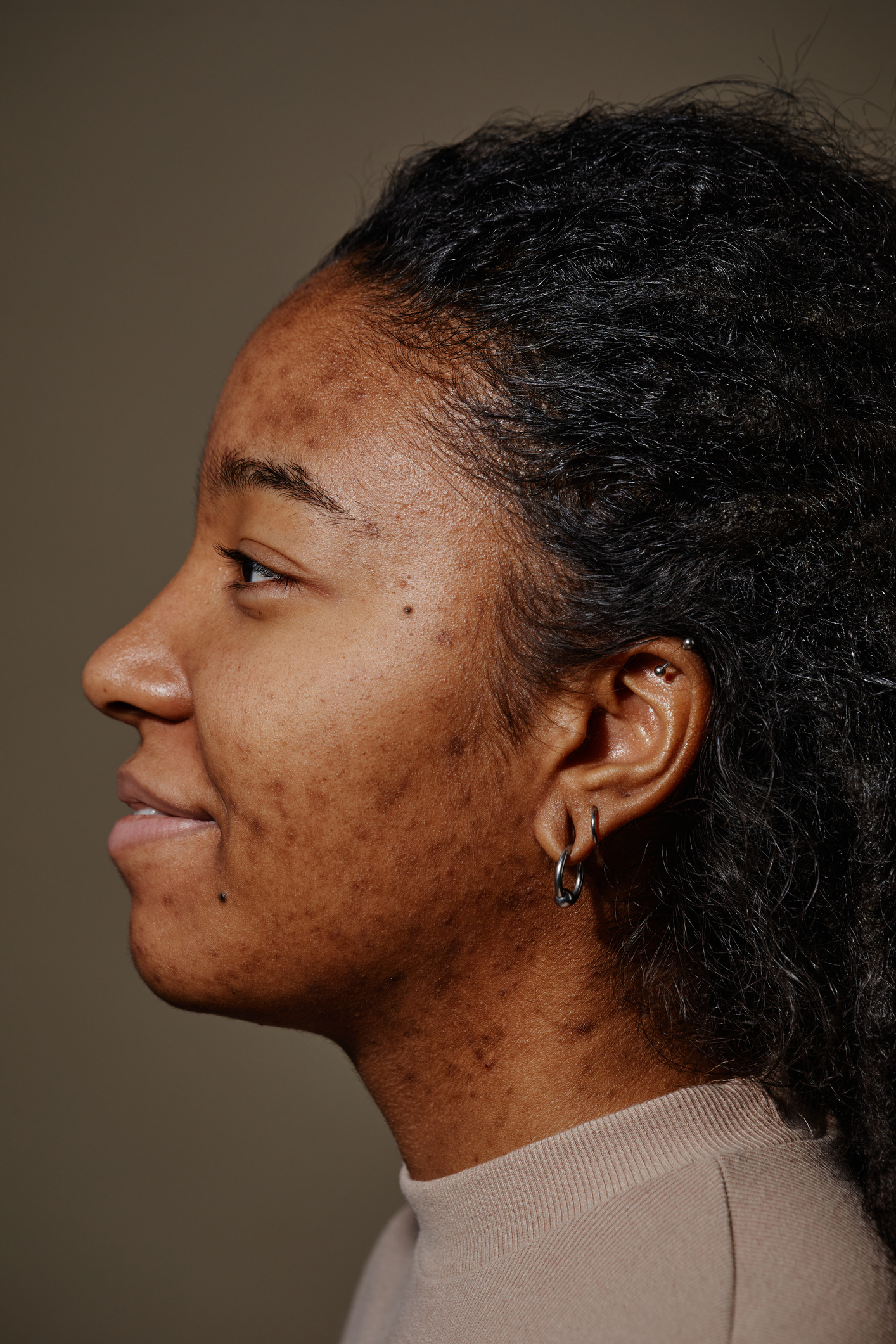
Hidradenitis Suppurativa

Hidradenitis suppurativa, also known as acne inversa, is a condition that causes small, painful lumps to form underneath the skin. These lumps usually develop in areas such as the armpits, the groin, buttocks, and breasts where the skin rubs together.  

Hidradenitis suppurativa starts after puberty and usually before the age of 40. It can last for many years, worsening over time.  

Hidradenitis suppurativa can affect one or more areas of the body, with several signs and symptoms, including: 

  • Blackheads- small, pitted areas of the skin that often appear in pairs 
  • Painful pea-sized lumps that form under the skin in areas where more sweat and oil glands are present, or where the skin rubs together, that can last for weeks or months 
  • Leaking bumps or sores that can get bigger, break open, and drain pus with an odor 
  • Tunnels that form under the skin. These tunnels connect lumps and heal slowly, and drain blood and pus 

Some people who have hidradenitis suppurative experience only mild symptoms; however, the course of the disease varies extremely. Excess weight and smoking are associated with worse symptoms, but people who are thin and smoke can also experience severe symptoms of the disease. 

Hidradenitis suppurativa occurs when hair follicles become blocked. The cause of the blockage isn’t known; however, experts think it may be connected to hormones, genetic predisposition, cigarette smoking, or excess weight.  

Several risk factors can increase the chance of developing hidradenitis suppurativa. They include: 

  • Age 
  • Sex 
  • Race 
  • Family history 
  • Certain conditions 
  • Smoking 

Severe and persistent hidradenitis can cause complications, including: 

  • Infection in the affected area 
  • Restricted movement due to sores and scar tissue  
  • Skin cancer, such as squamous cell carcinoma, has been reported with long-term hidradenitis suppurativa 
  • Scars and skin changes after wounds have healed, leaving pitted skin and rope-like scars 
  • Swelling in the arms, legs, or genital area, due to scar tissue caused by hidradenitis that blocks the lymph nodes in those areas from draining 
  • Psychological effects and social isolation, such as depression, anxiety, or not wanting to go out in public due to the location, drainage, and odor of the sores 
  • Lifelong pain 

Hidradenitis suppurativa can often be mistaken for acne or pimples. A healthcare provider can make a diagnosis based on signs and symptoms, skin appearance, and medical history. Hidradenitis suppurativa can be difficult to diagnose and requires specialized care, so a healthcare provider may refer a patient to a dermatologist.  

There aren’t any laboratory tests available to diagnose hidradenitis suppurativa; however, if there is pus or drainage present in the wounds, samples may be taken for testing. 

Treatment for hidradenitis suppurativa can include medications, surgeries, or both to help control symptoms and prevent complications of the condition.  

Medications used to treat hidradenitis suppurativa can include: 

  • Antibiotics 
  • Steroid injections 
  • Hormonal therapy 
  • Biologics 
  • Retinoids 
  • Pain medicine 

Surgical procedures used to treat hidradenitis suppurativa include: 

  • Uncovering the tunnels under the skin by removing tissue to expose them 
  • Punch debridement, which removes a single inflamed bump 
  • Laser therapy 
  • Surgical removal of all the infected skin 

If you or a loved one is suffering from hidradenitis suppurativa, you can visit Jamaica Hospital Medical Center’s Division of Dermatology. To make an appointment, please call (718) 206- 6742. 

All content of this newsletter is intended for general information purposes only and is not intended or implied to be a substitute for professional medical advice, diagnosis or treatment. Please consult a medical professional before adopting any of the suggestions on this page. You must never disregard professional medical advice or delay seeking medical treatment based upon any content of this newsletter. PROMPTLY CONSULT YOUR PHYSICIAN OR CALL 911 IF YOU BELIEVE YOU HAVE A MEDICAL EMERGENCY.
Does Nasal Irrigation Effectively Fight the Common Cold?

As the winter season progresses, so does cold season.

When we come down with a cold, we try different methods to relieve our cold symptoms.

However, using a simple saline or saltwater solution can help reduce the duration of these symptoms.  

A pilot study conducted in 2019 found that flushing the nose with a 3% saline solution, which is higher than the standard 0.9% concentration, can reduce cold symptoms in approximately two days.  

Additionally, researchers say that saline nasal drops may help reduce transmission rates of cold viruses.  

In the same 2019 study, 93% of participants reported that the 3% saline solution made a difference in their symptoms, and 61% indicated that they would use it again during another cold.  

Most people may catch a cold two or three times each year, as the cold virus spreads easily via contaminated droplets. Saline solution is an affordable, easy-to-use treatment that may help slow down the spread of the cold virus between family members.  

Saline nasal drops may also help to clear up a runny nose. The solution may help reduce viral load, the amount of the virus in a person’s system, by flushing out the nasal passages.  

Saline nasal drops help flush out mucous and inflammatory mediators, which are chemical messengers that play a crucial role in initiating and regulating the body’s inflammatory response. This can improve cold symptoms and give the immune system a better chance to fight the infection.  

When you are looking to buy saline nasal drops or sprays, it is important to look for a saline percentage or the words “hypertonic” or “extra-strength” on the label. Many brands of saline solutions sell 3% hypertonic nasal spray, but it is important to read the labels carefully to confirm the product does not contain other added medications.  

You can also make a saline solution at home with salt, baking soda, and water. It is important to only use distilled or boiled and cooled tap water when preparing the solution, as the quality of tap water varies, and there may be things such as bugs and germs present.  

To make the saline solution, combine three tablespoons of salt and one teaspoon of baking soda. Avoid any salts that contain iodine, preservatives, or anti-caking agents because these can irritate your nose. Put one teaspoon of the salt-baking soda mixture into eight ounces of distilled or boiled water. Baking soda helps reduce irritation; however, you may still experience some irritation in the nose or throat after using the saline solution.  

Although hypertonic nasal drops or sprays could be prepared correctly, they can still irritate the nose and throat. Some people may even experience a temporary burning sensation. Use the hypertonic saline solution as tolerated. It is important to talk to your healthcare provider about alternative cold remedies if the saline solution doesn’t work well for you and if your cold symptoms persist or get worse. 

If you are suffering from common cold symptoms and would like to learn more about nasal irrigation, you can make an appointment with an ENT doctor at Jamaica Hospital Medical Center by calling 718-206-7110. 

All content of this newsletter is intended for general information purposes only and is not intended or implied to be a substitute for professional medical advice, diagnosis or treatment. Please consult a medical professional before adopting any of the suggestions on this page. You must never disregard professional medical advice or delay seeking medical treatment based upon any content of this newsletter. PROMPTLY CONSULT YOUR PHYSICIAN OR CALL 911 IF YOU BELIEVE YOU HAVE A MEDICAL EMERGENCY.

Tips to Help You Keep Your New Year’s Health Resolutions

Every New Year’s Eve, we ambitiously make resolutions that we intend to keep. Unfortunately, keeping those resolutions is easier said than done.  

For many of us, we set many long-term goals as a New Year’s resolution. Setting long-term goals, such as losing a certain amount of weight without a plan or outline of specific ways to accomplish that goal, often sets us up for failure. This is why experts recommend that we achieve long-term goals by making a plan and taking small incremental steps that help us change our behaviors over time. These behavioral modifications must be repeated for them to become routine. 

Here are some additional tips to help you stay on track with keeping your New Year’s resolution: 

  • Instead of stopping an old habit, try starting a new habit. Rather than stop eating candy, try to eat more fruits and vegetables. Starting a new habit can push an old habit aside, which may make it more likely that you will stick with your new routine 
  • Add another habit onto one of your current ones. For example, you can do stretches after brushing your teeth. Pairing a new habit with an old or current one can be an effective way to create a long-term lifestyle change 
  • Focus on the process of achieving your goal rather than focusing on the outcome. Fixating on the outcome can cause you to be discouraged when you have trouble accomplishing that goal 
  • Track your progress by using an app, journal, or calendar to help you monitor the progress you are making. Keeping data on your progress can be a positive reinforcement and help keep you accountable 
  • Plan ahead by considering any challenges you may face while trying to keep your resolution. For example, if you are trying to eat healthy, think about what you are going to buy at the grocery store or what you may order at a restaurant. If you are trying a new exercise routine, schedule when you are going to exercise so it doesn’t conflict with any other activities 
  • Give yourself grace when you make a mistake. Being negative and self-critical when you mess up may make you less likely to stick to your new habits. Be more compassionate with yourself and be as consistent as you can  

If you would like help keeping your New Year’s health resolutions, you can schedule an appointment with a physician at Jamaica Hospital Medical Center’s Ambulatory Care Center. Please call (718) 206-7001. 

All content of this newsletter is intended for general information purposes only and is not intended or implied to be a substitute for professional medical advice, diagnosis or treatment. Please consult a medical professional before adopting any of the suggestions on this page. You must never disregard professional medical advice or delay seeking medical treatment based upon any content of this newsletter. PROMPTLY CONSULT YOUR PHYSICIAN OR CALL 911 IF YOU BELIEVE YOU HAVE A MEDICAL EMERGENCY.

Thyroid Awareness Month

January is Thyroid Awareness Month, a month that observes the importance of raising awareness of thyroid disorders and how they affect the lives of millions of people around the world.  

The thyroid is a gland located in front of the neck. It is a part of the body’s endocrine system and produces hormones that play an important role in many of the body’s systems, such as cells and tissues, the heart, brain, liver, and kidneys.  

The hormones the thyroid produces include: 

  • Thyroxine (T4)- the primary hormone made and released by the thyroid. It is the hormone that the thyroid makes the most of; however, it doesn’t have much of an effect on the metabolism 
  • Triiodothyronine (T3)- the thyroid makes lesser amounts of this hormone, but it has a much bigger impact on the metabolism than T4 
  • Reverse triiodothyronine- the thyroid makes very small amounts of RT3. This hormone reverses the effects of T3 
  • Calcitonin- this hormone helps regulate the amount of calcium in the blood 

These hormones also affect several bodily functions, including: 

  • Blood pressure 
  • Body temperature 
  • Heart rate 
  • Metabolism 
  • Breathing 
  • Digestion 
  • Brain development 
  • Mental activity 
  • Skin and bone maintenance 
  • Fertility 

Four main conditions affect the thyroid, including: 

  • Hypothyroidism, which is an underactive thyroid gland 
  • Hyperthyroidism, which is an overactive thyroid gland 
  • Goiter, which is an enlarged thyroid gland 
  • Thyroid cancer 

Different thyroid conditions have different symptoms. Symptoms depend on whether the thyroid is under- or over-producing hormones and can often be silent or present symptoms that are overlooked due to their subtlety.  

Symptoms that may signal a thyroid condition include: 

  • Slow or rapid heart rate 
  • Unexplained weight loss or weight gain 
  • Difficulty tolerating the cold or heat 
  • Depression (caused by hypothyroidism) or anxiety (caused by hyperthyroidism) 
  • Irregular menstrual periods 

When a healthcare provider wants to check the health of a person’s thyroid, they perform a blood test that measures the levels of thyroid-stimulating hormone (TSH). They will also check the levels of T4 and T3 in the blood. If the results of these tests come back and are abnormal, the healthcare provider may suggest an imaging test such as a thyroid scan or an ultrasound of the thyroid.  

There are several treatment options for thyroid conditions, depending on what they are and their severity. The three main treatment options for thyroid conditions include: 

  • Medication 
  • Surgery 
  • Radiation therapy and chemotherapy 

Thyroid conditions are common and can affect anyone at any age. However, some people face a higher risk if they: 

  • Have a family history of thyroid disease 
  • Have an autoimmune condition, such as type 1 diabetes, rheumatoid arthritis, or lupus 
  • Take a medication that’s high in iodine 
  • Are older than 60, especially if you’re female 

Fortunately, there is a way for a person to keep their thyroid healthy. This can be done by getting enough iodine in their diet with foods that are fortified with iodine, such as cheese, cow milk, eggs, yogurt, saltwater fish, shellfish, seaweed, soy milk, and soy sauce. 

If you would like to get your thyroid checked or to receive more information about Jamaica Hospital’s endocrinology service, you can make an appointment by calling 718-206-7001. 


All content of this newsletter is intended for general information purposes only and is not intended or implied to be a substitute for professional medical advice, diagnosis or treatment. Please consult a medical professional before adopting any of the suggestions on this page. You must never disregard professional medical advice or delay seeking medical treatment based upon any content of this newsletter. PROMPTLY CONSULT YOUR PHYSICIAN OR CALL 911 IF YOU BELIEVE YOU HAVE A MEDICAL EMERGENCY.
The Importance of an Annual Physical Exam

A new year is upon us, and we are all looking for ways to improve our health. An important way to do so is to get an annual physical exam.

Getting a physical exam provides us with an opportunity to check our overall health and prevent any health issues from becoming more serious. It can also cultivate a relationship with a primary healthcare provider who can help:

· Manage current health issues

· Prevent illnesses

· Monitor the risk of chronic disease

· Identify illnesses that don’t have symptoms

· Monitor your weight, blood pressure, heart rate, and basic body chemistry

· Adjust your lifestyle to one that is suitable for your age

Even if you feel fine, it is a good idea to see your healthcare provider to ensure you are taking the right steps to maintain and improve your health.

If you would like to receive a physical exam, you can schedule an appointment with a physician at Jamaica Hospital Medical Center’s Ambulatory Care Center. Please call (718) 206-7001.

All content of this newsletter is intended for general information purposes only and is not intended or implied to be a substitute for professional medical advice, diagnosis or treatment. Please consult a medical professional before adopting any of the suggestions on this page. You must never disregard professional medical advice or delay seeking medical treatment based upon any content of this newsletter. PROMPTLY CONSULT YOUR PHYSICIAN OR CALL 911 IF YOU BELIEVE YOU HAVE A MEDICAL EMERGENCY.

Jamaica Hospital Named City & State New York’s Top Mental Health Care Provider

Jamaica Hospital Medical Center has been named as one of New York State’s 2025 Top Mental Health Care Providers by City & State New York magazine.

According to City & State New York, its list of Top Mental Health Care Providers features dozens of elite healthcare organizations that offer innovative programs and standout services to help New Yorkers thrive and successfully face challenges to their mental health.

Being named as one of New York State’s top mental health care providers highlights Jamaica Hospital’s Department of Psychiatry’s commitment to meeting the mental health needs of the community it serves.

Jamaica Hospital’s Department of Psychiatry provides comprehensive mental health care for the most culturally and ethnically diverse community in the United States, including a Comprehensive Psychiatry Emergency Program with about 6,000 annual visits, two inpatient units with over 1,800 admissions annually, and New York City’s only 24/7 mobile crisis team responding within two hours. At our sister institution, Flushing Hospital Medical Center, we complement these services with our complete substance use disorder and chemical dependency program.

Additionally, the department offers integrated outpatient care through about 42,000 annual visits and specialized programs in psycho-oncology, obesity care, and perinatal health.

Jamaica Hospital is proud to be recognized for its high-quality mental healthcare and as a Top Mental Health Care Provider among New York’s distinguished healthcare organizations. “This recognition honors our commitment to a simple but powerful idea: exceptional mental health care must be accessible, culturally attuned, and integrated with overall health. We are proud to serve as a beacon of hope and healing for the resilient and diverse community we call home,” stated Dr. Daniel Chen, Chairman of the Department of Psychiatry and Addiction Services at Jamaica Hospital.

All content of this newsletter is intended for general information purposes only and is not intended or implied to be a substitute for professional medical advice, diagnosis or treatment. Please consult a medical professional before adopting any of the suggestions on this page. You must never disregard professional medical advice or delay seeking medical treatment based upon any content of this newsletter. PROMPTLY CONSULT YOUR PHYSICIAN OR CALL 911 IF YOU BELIEVE YOU HAVE A MEDICAL EMERGENCY.