Cold, Flu, or Pneumonia?

The winter season can be difficult to navigate when there is the risk of developing one of three respiratory illnesses, such as the common cold, flu, or pneumonia. All three of these illnesses share similar symptoms but are all different and range from mild to severe.  

The common cold is the least serious of the three respiratory illnesses, as it presents milder symptoms. Common cold symptoms include: 

  • Mild cough 
  • Sore throat 
  • Runny nose 
  • Congestion 

When a person is suffering from the common cold, they will usually feel run-down for a couple of days and are able to treat their symptoms with over-the-counter remedies such as cough syrup and cold medications. 

Unlike a cold, the flu or influenza hits hard and fast, with more intense symptoms usually beginning more suddenly than a cold. Symptoms of the flu include: 

  • A high, sudden fever 
  • A stuffy nose 
  • A dry cough 
  • Headaches  
  • Muscle aches 
  • Extreme fatigue 
  • Chills and sweats 
  • Lack of appetite 

A flu vaccine is available to help prevent an infection from the flu virus, as well as medications that can help reduce the severity of symptoms. 

Pneumonia is typically caused by a bacterial or viral infection, with the illness and its symptoms being more severe than the cold or flu. Symptoms of pneumonia include: 

  • Chest pains that increase when you cough 
  • Coughing up blood or mucus 
  • High fever 
  • Difficulty breathing 
  • Inability to breathe deeply 
  • Chills  
  • Extreme and weakening fatigue 
  • Lack of appetite 
  • Clammy skin and frequent sweating 

Bacterial and viral pneumonia are treatable with antibiotics and antivirals, respectively. Pneumonia can be very serious and even life-threatening for the elderly, very young children, and those with chronic lung conditions. Vaccines for pneumonia are available for high-risk patients. 

Preventing respiratory illnesses such as the common cold, flu, or pneumonia requires taking proactive steps to reduce the risk of developing and/or spreading these infections, including: 

  • Washing your hands regularly 
  • Avoiding contact with individuals who are sick with any of these respiratory illnesses 
  • Getting your annual flu vaccination 
  • Getting vaccinated with the pneumococcal and Hib vaccines if you are in an at-risk group 

If you are experiencing any symptoms of a cold, flu, or pneumonia, you can schedule an appointment with a physician at Jamaica Hospital Medical Center’s Ambulatory Care Center. Please call (718) 206-7001. 

All content of this newsletter is intended for general information purposes only and is not intended or implied to be a substitute for professional medical advice, diagnosis or treatment. Please consult a medical professional before adopting any of the suggestions on this page. You must never disregard professional medical advice or delay seeking medical treatment based upon any content of this newsletter. PROMPTLY CONSULT YOUR PHYSICIAN OR CALL 911 IF YOU BELIEVE YOU HAVE A MEDICAL EMERGENCY.
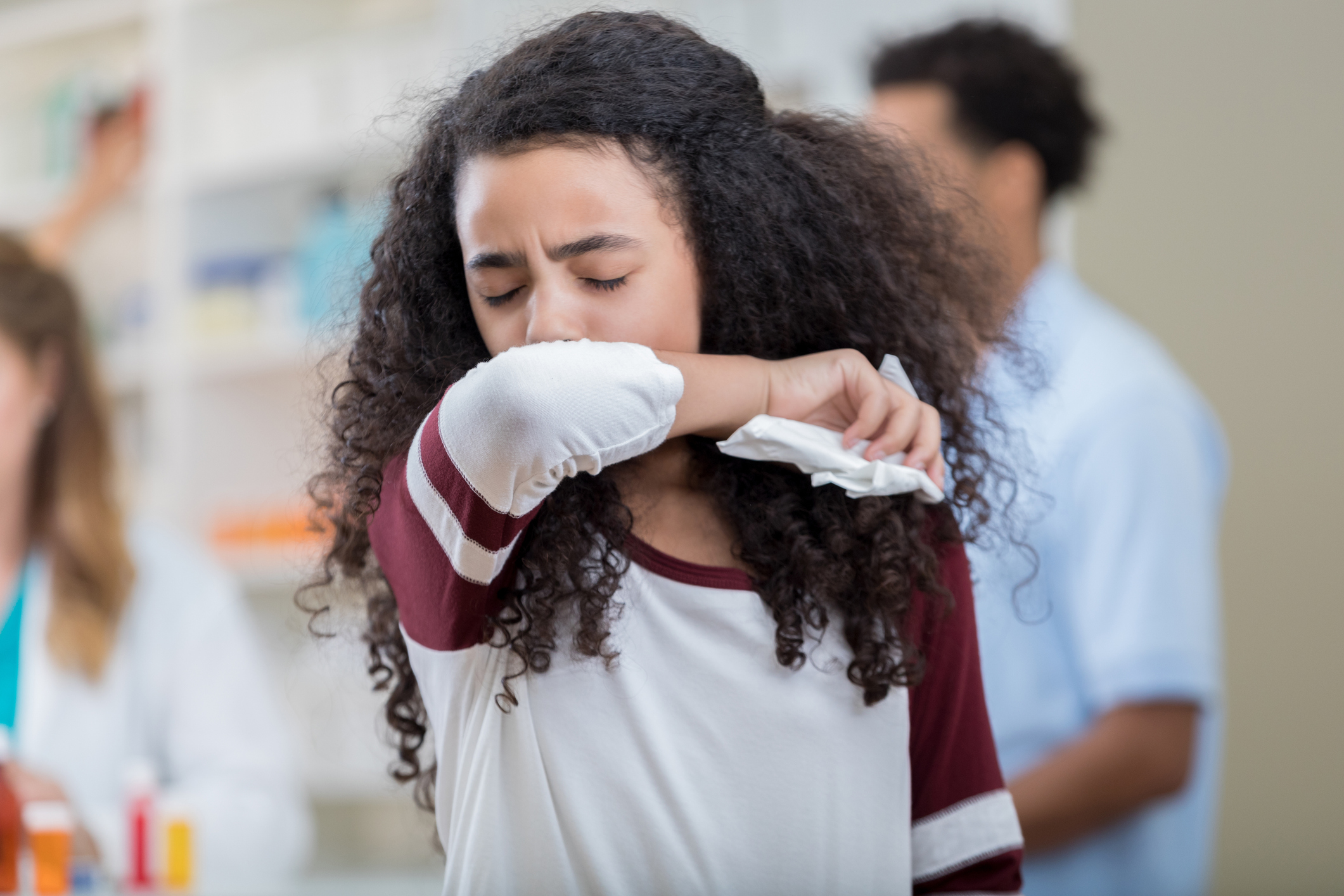
Walking Pneumonia in Children

Walking pneumonia is a mild form of pneumonia. Pneumonia is a lung infection that causes your airways to swell, and the air sacs in your lungs to fill with mucus and other fluids. It can also cause a high fever and a cough with mucus.

A cold lasting longer than seven to ten days, especially with a cough that gets worse over time is often a sign of walking pneumonia. Other symptoms may include:

· A fever of 101 degrees F or below

· Fatigue

· Headache, chills, sore throat, and other cold or flu-like symptoms

· Fast breathing or breathing with grunting or wheezing sounds

· Labored breathing that makes rib muscles retract

· Ear pain

· Chest or stomach pain

· Malaise or feeling of discomfort

· Vomiting

· Loss of appetite

· Rash

· Joint pain

Symptoms can come on suddenly or take longer to start. The symptoms are often mild, but can sometimes be more severe

Most children with walking pneumonia don’t feel sick enough to stay home, but even a child who feels fine should stay home for a few days until antibiotic treatment kicks in and symptoms improve

Walking pneumonia symptoms usually depend on where the infection is concentrated. A child with an infection in the top or middle part of the lungs will probably have labored breathing. A child with an infection in the lower part of the lungs may have no breathing problems but may have an upset stomach, nausea, or vomiting.

Walking pneumonia is often caused by bacteria called Mycoplasma pneumoniae. Other bacteria, viruses, or mold can also cause it.

Doctors usually diagnose walking pneumonia by performing an exam. They will check a child’s breathing and listen for a crackling sound that often indicates walking pneumonia. If needed, a chest x-ray or test of mucus samples from the child’s throat or nose will be ordered to confirm the diagnosis.

Walking pneumonia is treated with antibiotics because they are an effective treatment. A five to ten-day course of oral antibiotics is usually recommended. If your doctor prescribes antibiotics, make sure your child takes them on schedule for as long as directed to recover more quickly.

To schedule an appointment with a physician at Jamaica Hospital Medical Center, please call 718-206-7001.

All content of this newsletter is intended for general information purposes only and is not intended or implied to be a substitute for professional medical advice, diagnosis or treatment. Please consult a medical professional before adopting any of the suggestions on this page. You must never disregard professional medical advice or delay seeking medical treatment based upon any content of this newsletter. PROMPTLY CONSULT YOUR PHYSICIAN OR CALL 911 IF YOU BELIEVE YOU HAVE A MEDICAL EMERGENCY.

How to tell the difference between a long lasting cold, bronchitis or pneumonia

difference between a cold and bronchitisThat dreaded time of year is here, it is cold season.  In the United States, this season starts around September and typically lasts until March or April.

Chances are like many, you may catch a cold. If you do, you may display symptoms that include sneezing, scratchy or sore throat, runny or stuffy nose, coughing, congestion or a low-grade fever. These symptoms are normal but can worsen when left untreated and may cause serious illnesses such as bronchitis or pneumonia to develop.

It is important to know when your condition is worsening. There are several signs that can help you to recognize when your common cold has become something more.

Here are some symptoms of bronchitis to look out for:

  • A cold that persists for two weeks or more
  • Shortness of breath or wheezing
  • Coughs that produce thick clear, white, green or yellow mucous or blood
  • Rapid breathing
  • Soreness of the chest

Pneumonia can develop after having a serious cold or flu. Symptoms can be mild or severe depending on factors such as age and your state of health. The symptoms of pneumonia can include:

  • Violent coughing spasms that produce very little mucous
  • Coughs with bloody or yellow or greenish mucous
  • Fever
  • Sharp or stabbing chest pain when you breathe deeply or cough
  • Loss of appetite
  • Fatigue
  • Clammy skin or excessive sweating
  • Chills
  • Muscle aches

If your cold persists longer than two weeks and you are experiencing these symptoms, it is important that you contact your doctor as soon as possible. In severe cases, pneumonia can be life threatening.

To schedule an appointment with a physician at Jamaica Hospital Medical Center, please call 718-206-7001.

All content of this newsletter is intended for general information purposes only and is not intended or implied to be a substitute for professional medical advice, diagnosis or treatment. Please consult a medical professional before adopting any of the suggestions on this page. You must never disregard professional medical advice or delay seeking medical treatment based upon any content of this newsletter. PROMPTLY CONSULT YOUR PHYSICIAN OR CALL 911 IF YOU BELIEVE YOU HAVE A MEDICAL EMERGENCY.