
Dealing with Loss During the Holiday Season

The holiday season is a time filled with joy and happiness. But it can also be full of sadness and grief, especially when you are struggling with the loss of a loved one.  

It can be very challenging to deal with grief during the holiday season, as seasonal events and holiday traditions can serve as a reminder of what has been lost, which can magnify a person’s sense of loss and sorrow. The happiness of others can make those who are grieving feel isolated and alone.  

However, seasonal events and holiday traditions can also serve as comforting rituals that allow those who are grieving an opportunity to connect with family and friends, focus on cherished memories, and try to recapture their sense of joy.  

If you are mourning the loss of loved ones this holiday season, here are some ways to help cope with your grief: 

  • Do what feels right for you, as you are not obligated to participate in any activities that don’t feel doable. Create realistic expectations for yourself and others, but it is important to be gentle and kind to yourself. However, holiday activities could be a good distraction that brings joyful feelings and good memories.  
  • Accept whatever you are feeling. Everyone grieves and mourns differently. Some people may try to avoid the pain and sad feelings, while others may feel every emotion. Some people may feel bad if they aren’t up to enjoying the holiday, and others may feel guilty because they are feeling joyful. A person may cycle through these feelings throughout the season.  
  • Get support for your emotions and grief. Talking with family and friends about your emotions and mental health needs. It is important to be honest about how you would like to do things this year. If you would like to talk about those who have passed, then do so, and let others know that it is okay. If you are participating in a holiday activity, let people know that you may bow out quickly if it becomes too much for you, and if possible, have a friend there to support you.  
  • Put the focus on children in the family. Many of the activities we participate in during the holidays place special attention on children, and it may be helpful to focus on them during this difficult time. It is important to recognize that the choices you make in regard to how you get through the holidays may affect the children in the family. They may not understand why you don’t want to join family festivities if you withdraw. If you participate in activities that are important to them, you could allow yourself to feel their joy and excuse yourself when you have reached your limit. 
  • Sometimes, the anticipation of the holiday is worse than the actual holiday itself. Planning comforting activities ahead of time to give you something to look forward to, instead of building up the anxiety of the pain that the holiday could bring. It is important to make sure to include breaks for quiet grounding time and rest in your plans. An emotion like grief can drain your energy, so you may feel worn out more easily than usual. Add music, rest, meditation, prayer, rest, journaling, a walk, a comforting movie, and other downtime to your holiday activities.  
  • In moments of grief and loss, we can feel paralyzed by the intense emotions such as sadness, anger, or resentment, and sometimes relief can be found by giving to others. Focusing on others instead of yourself and taking action that makes a difference can help broaden our perspectives. Honor a loved one that you’ve lost by donating in their name to a charity or cause that they cherished, or buy something that symbolizes them or what you shared to donate to a family in need. You can also try volunteering to help people in a way that is related to what caused the pain you’re feeling. Some examples include: 
  • If you have lost someone to suicide, you can volunteer for a depression or suicide hotline 
  • If a hospital or nursing home took good care of your loved one, bring holiday gift baskets and cards for the staff 
  • If you were a caregiver for your loved one who has passed, you know how hard it is to do caregiving during the holidays. Consider supporting a caregiver you know with a gift, a meal, or some practical help 
  • It can be helpful to participate in holiday rituals that acknowledge and honor the memory of someone who has passed, especially if it relates directly to their interests. Some ideas include: 
  • Light candles 
  • Talk or write about the person on social media 
  • Donate children’s toys or books 
  • Dedicate a prayer or religious service to the loved one’s memory 
  • Plant a tree in memory of the deceased in your own yard or in a forest 
  • Make a card or write a holiday letter with the person’s picture 
  • It is important not to hesitate to ask for help or accept help and support when it is offered to you. Let others host, cook, or handle the organization of activities, so you don’t have to take on everything yourself. Others can help you with decorating, shopping, shipping packages or cards, wrapping gifts, driving you to any family gatherings and parties, or getting your home ready for visitors. 
  • Losing loved ones that you have celebrated with for a long time can make it feel like the yearly celebrations will never be the same again. In some ways, they won’t be the same, and accepting this will help you manage your expectations. It is important to remember that different isn’t always bad. If it is possible, embrace the difference and acknowledge that there can still be joy in your life. Starting new activities that don’t have specific memories tied to a loved one may make it easier. Activities that may create new memories could include: 
  • Holding a virtual family gathering 
  • Planning a family movie night 
  • Try a new recipe for the holiday menu 
  • Having a new meal delivered from a grocery store or restaurant 
  • Volunteer to serve meals at a shelter for people without homes 
  • If you feel that participating in holiday activities will be too much for you and you would like to withdraw, let your family and friends know before doing so. However, plan comforting alternative activities for yourself and let someone know what you will be doing. It is a good idea to make sure someone checks in with you regularly, especially on the actual holiday. Grieving is something that is very personal. No one can tell you how to grieve or how long it may take. Life without a loved one who has passed away will never be the same, but you will get through this. 

Losing a cherished loved one is always difficult. Celebrating birthdays, holidays, or any happy moments and milestones without a loved one who has passed away can put a damper on observing them. When participating in holiday activities and celebrations, remember the good times you shared with them. It is also important to note that there is no specific way to grieve because everyone grieves differently. There is also no timeline for healing. Take time for yourself when you need to, and ask for help and support when you need it.  

If you or a loved one is struggling with a loss, contact the Substance Abuse and Mental Health Services Administration (SAMHSA) National Helpline at 1-800-662-4357 for information on support and treatment facilities in your area.  

You can also call or text the 988 Lifeline to speak with a trained live agent. 

If you or a loved one needs the assistance and support of a mental health professional at Jamaica Hospital Medical Center, please call 718-206-5575 to schedule an appointment. 

All content of this newsletter is intended for general information purposes only and is not intended or implied to be a substitute for professional medical advice, diagnosis or treatment. Please consult a medical professional before adopting any of the suggestions on this page. You must never disregard professional medical advice or delay seeking medical treatment based upon any content of this newsletter. PROMPTLY CONSULT YOUR PHYSICIAN OR CALL 911 IF YOU BELIEVE YOU HAVE A MEDICAL EMERGENCY.
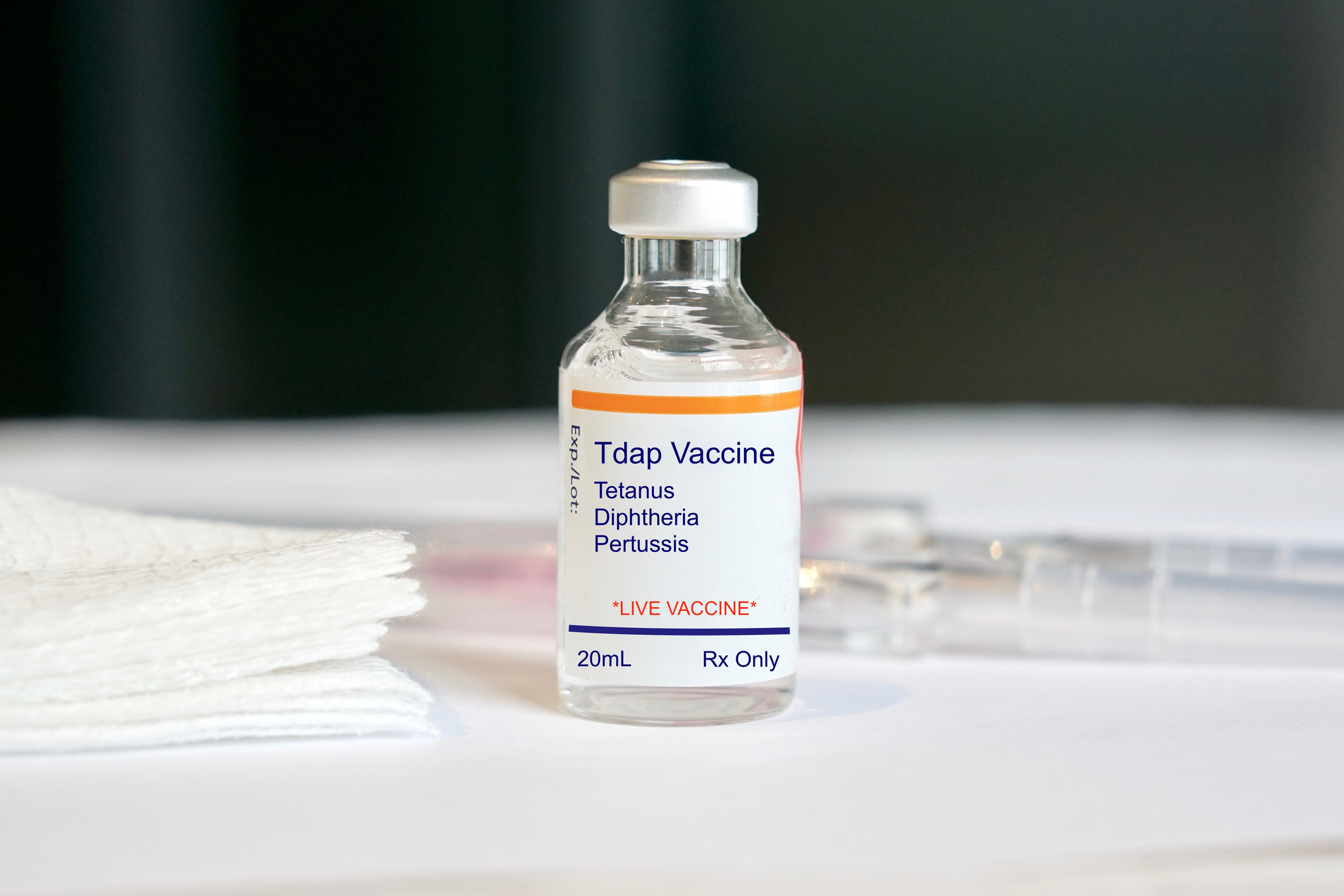

The Importance of Handwashing During Cold and Flu Season

The Centers for Disease Control and Prevention (CDC) found that only 31% of men and 65% of women wash their hands after using a public restroom. 

Not washing our hands can lead to the spread of germs and increase the risk of getting illnesses that affect our health. 

Personal hygiene begins and ends with our hands. Frequent handwashing is one of the simplest and most effective ways to stay healthy and reduce the spread of germs.  

Germs can spread easily when we touch our faces, prepare food, or handle shared objects. You can pick up and pass along germs when you: 

  • Touch your eyes, nose, or mouth with unwashed hands 
  • Prepare or eat food with unwashed hands 
  • Touch contaminated surfaces or objects 
  • Blow your nose, cough, or sneeze into your hands and then touch others or shared items 

Therefore, it is extremely important to keep you and your loved ones healthy by washing your hands often. There are several instances when it is important to wash your hands, including: 

  • Before, during, and after preparing food 
  • Before eating 
  • Before and after caring for someone who’s sick 
  • Before and after treating a wound 
  • After using the bathroom 
  • After changing diapers or cleaning a child who has used the bathroom 
  • After blowing your nose, coughing, or sneezing 
  • After touching animals or handling pet food 
  • After touching garbage 

Some other facts that highlight the importance of handwashing include: 

  • 80% of spreadable diseases can be transferred by touch 
  • Washing your hands a few times a day can reduce diarrhea rates by 40% 
  • Touching your face with dirty hands can spread sicknesses such as pneumonia, the common cold, and the flu 
  • Pneumonia is the number one cause of childhood death, and is preventable by regular handwashing 
  • When you flush a toilet with the seat up, a bacteria-filled mist is spread over about 6 square meters, and worse, 90% of these bacteria cover the sinks in public bathrooms. 
  • Most bacteria on our hands are under our fingernails, so it is important to scrub under them when washing our hands 
  • Damp hands are 1,000 times more likely to spread bacteria than dry hands, yet only 20% of people dry their hands after washing them 
  • Reusable cloth towels have millions of bacteria in their fibers. Using disposable paper towels is the cleanest way to dry our hands 
  • Studies show that people who wash their hands have 24% fewer sick days because of respiratory illness, and 51% fewer sick days due to a sick stomach 

It is important to wash your hands after being in public places where you may touch shared surfaces such as door handles, shopping carts, or checkout screens, and before touching your eyes, nose, or mouth. 

Clean hands prevent infections and sickness, so it is important to learn the basics of hand hygiene. Here are five steps to wash your hands the right way: 

  • Wet your hands with clean, warm, or cold running water, turn off the tap, and apply soap 
  • Lather the backs of your hands, between your fingers, and under your nails 
  • Scrub for at least 20 seconds. You can hum or sing the “Happy Birthday” song to time yourself 
  • Rinse your hands well under clean, running water 
  • Dry your hands with a clean towel or dry air 

If soap and water aren’t available, use an alcohol-based hand sanitizer that contains at least 60% alcohol.  

Making a habit of good hand hygiene is an easy, effective way to prevent infections and sickness. 

If you are sick and would like to be seen by a physician, you can schedule an appointment at Jamaica Hospital Medical Center’s Ambulatory Care Center by calling (718) 206-7001. 


All content of this newsletter is intended for general information purposes only and is not intended or implied to be a substitute for professional medical advice, diagnosis or treatment. Please consult a medical professional before adopting any of the suggestions on this page. You must never disregard professional medical advice or delay seeking medical treatment based upon any content of this newsletter. PROMPTLY CONSULT YOUR PHYSICIAN OR CALL 911 IF YOU BELIEVE YOU HAVE A MEDICAL EMERGENCY.

When To Worry About Heart Palpitations

Heart palpitations are feelings or sensations of a fast-beating, fluttering, or pounding heart.  They are felt when the heart beats outside its usual rhythm.

Heart palpitations are common; most aren’t cause for concern.  They can be caused by fever, anxiety, stress, fear, drinking alcohol or caffeine, dehydration, menopause, pregnancy, or overactive thyroids.   Certain medications and supplements can also cause heart palpitations.

While palpitations are often harmless, they can sometimes be a sign of a serious health problem.  Heart palpitations lasting more than a few seconds or minutes can be a sign of arrhythmia or other heart rhythm issues.

Additionally, heart palpitations accompanied by symptoms such as chest pain, shortness of breath, fainting, dizziness, or excessive sweating can be signals of heart failure or other conditions needing immediate care.

A doctor can diagnose heart palpitations by conducting a physical examination, which includes listening to your heart and lungs.  Your doctor may also order tests such as an EKG, echocardiogram, or Holter monitoring to check for an irregular heartbeat. They may also review lifestyle factors such as your diet to determine the potential cause of your heart palpitations.

Treatment for heart palpitations depends on the cause. Prescription medications or surgery may be recommended if there is an underlying issue, such as heart disease or arrhythmia. Otherwise, your doctor may suggest lifestyle changes, such as drinking less coffee, quitting smoking, avoiding certain foods, or doing less strenuous exercises to reduce triggers that lead to palpitations.


All content of this newsletter is intended for general information purposes only and is not intended or implied to be a substitute for professional medical advice, diagnosis or treatment. Please consult a medical professional before adopting any of the suggestions on this page. You must never disregard professional medical advice or delay seeking medical treatment based upon any content of this newsletter. PROMPTLY CONSULT YOUR PHYSICIAN OR CALL 911 IF YOU BELIEVE YOU HAVE A MEDICAL EMERGENCY.

Holiday Decorating Safety Tips

Christmas is around the corner, and many of us are decorating our homes for the holiday. However, according to the American Red Cross, December is the peak time for home fires involving candles and holiday decorations.  

Here are some safety tips from the American Red Cross: 

  • For holiday lighting, choose decorations that are flame-resistant or flame-retardant.  
  • Some lights are only for indoor or outdoor use, but not both. It is important to make sure you have the right lights for where you are decorating 
  • Replace any string lights with worn or broken cords or loose bulb connections 
  • Follow the manufacturer’s instructions for the number of lights you can safely connect 
  • Use clips instead of nails to hang lights, so the cords do not get damaged 
  • If you choose to use a real Christmas tree, pick one that has fresh, green needles that do not fall off when touched. Before placing the tree in the stand, cut two inches from the base of the trunk. 
  • Make sure the tree is at least three feet away from any heat source like fireplaces, radiators, candles, heat vents, or lights, and make sure the tree is not blocking an exit 
  • Add water to the tree every day 
  • Never use lit candles to decorate the tree, and always turn off the tree lights before leaving home or going to bed 
  • If you are buying an artificial tree, look for a fire-resistant label. When putting it up, keep it away from fireplaces, radiators, and other sources of heat. Never use electric lights on metallic trees 
  • When using candles to decorate, remember that a candle is an open flame, and it can easily ignite anything that can burn. As an alternative, use flameless candles, as they can look and smell like real candles. If you choose to use real candles: 
    • Blow out all candles when you leave a room or go to bed 
    • Avoid the use of candles in the bedroom and other areas where people fall asleep 
    • Keep candles at least one foot away from anything that can burn 
    • Use candle holders that are sturdy and won’t tip over easily. Put candle holders on a sturdy, uncluttered surface 
    • Light candles carefully 
    • Don’t burn a candle all the way down. Make sure to put them out before they get too close to the holder or container 
    • Never use a candle if oxygen is used in the home 

If you are going to use candles as decoration, it is important to place smoke alarms on each level of your home, including inside and outside bedrooms and sleeping areas. In addition to testing your smoke alarms once a month, change the batteries at least once a year if your model requires it. Check the manufacturer’s date of your smoke alarms. If they’re 10 years or older, they need to be replaced because the sensor becomes less sensitive over time. Follow the manufacturer’s instructions. 

It is important to decorate as safely as possible. If you or a loved one gets injured while decorating, you can receive treatment at Jamaica Hospital Medical Center’s Ambulatory Care Center. Please call (718) 206-7001. Call 911 if there is an emergency. 


All content of this newsletter is intended for general information purposes only and is not intended or implied to be a substitute for professional medical advice, diagnosis or treatment. Please consult a medical professional before adopting any of the suggestions on this page. You must never disregard professional medical advice or delay seeking medical treatment based upon any content of this newsletter. PROMPTLY CONSULT YOUR PHYSICIAN OR CALL 911 IF YOU BELIEVE YOU HAVE A MEDICAL EMERGENCY.
Jamaica Hospital’s New Ambulatory Surgery Unit

Jamaica Hospital Medical Center recently opened its new Ambulatory Surgical Unit (ASU).  

The expanded ASU enables the hospital to enhance its surgical services by increasing volume and provides a more efficient and enhanced layout, with a dedicated space for the timely service of elective and same-day procedures. “The new ASU will allow us to increase our volume and accommodate our growing surgical services to meet the needs of our community”, said Dr. Antonietta Morisco, Chairperson of Anesthesiology. 

Jamaica Hospital’s ASU features four state-of-the-art operating rooms, a spacious admitting and recovery area for patients, and a comfortable waiting area for family members. Patients who have been to the ASU are amazed at how beautiful and modern the facility is and have said they have had a wonderful experience there. 

The ASU has the latest technology to support minimally invasive surgical procedures, highlighted by a da Vinci robot. A few of the surgical subspecialties provided at the ASU include general surgery, ENT, urology, orthopedics, podiatry, gynecology, pain management, and pediatrics. Jamaica Hospital’s new ASU has a dedicated team of doctors, nurses, anesthesiologists, and support staff.  

With the new amenities at the Ambulatory Surgery Unit, the team at the ASU looks forward to continuing to provide the community with high-quality care, building on its commitment to giving patients the best and most stress-free experience possible before, during, and after their surgical procedures.  


All content of this newsletter is intended for general information purposes only and is not intended or implied to be a substitute for professional medical advice, diagnosis or treatment. Please consult a medical professional before adopting any of the suggestions on this page. You must never disregard professional medical advice or delay seeking medical treatment based upon any content of this newsletter. PROMPTLY CONSULT YOUR PHYSICIAN OR CALL 911 IF YOU BELIEVE YOU HAVE A MEDICAL EMERGENCY.

What is the New Flu Virus Variant?

A new variant of the flu virus, known as H3N2 subclade K, is affecting the U.S. this season, having circulated in other countries since the summer.  

This variant is a mutated strain of H3N2, which is a subtype of influenza A. According to the Centers for Disease Control and Prevention (CDC), H3N2 is the main type of flu spreading in the U.S. as of mid-November.  

Additionally, scientists from around the world have reported that H3N2 subclade K, a mutation of H3N2, has undergone several mutations, which haven’t been seen before in flu viruses. These mutations may make this new strain more severe than usual, with some experts suggesting that these changes could reduce the effectiveness of the current flu vaccine in preventing infection.  

However, it is important to note that it is still recommended to receive the flu vaccine, as the CDC notes that the H3N2 subclade K strain can cause severe symptoms in older adults over the age of 65 and children under the age of five. Other people who are vulnerable to severe symptoms of the subclade K strain include: 

  • Anyone who is immunocompromised 
  • Pregnant people 
  • People with underlying chronic conditions such as diabetes, heart disease, or lung disease 

Doctors warn that flu infections, if left untreated or not treated early enough, can increase the risk of complications such as ear infections and sinus infections, as well as more serious complications such as pneumonia, hospitalization, and even death. 

Last year, data from the CDC showed that the U.S. had the most total flu-related hospitalizations in about 15 years, and close to 280 pediatric deaths from the flu. 

People who are infected with the flu usually develop symptoms about one to four days after being exposed. Flu symptoms include: 

  • Fever and chills 
  • Muscle and body aches 
  • Headaches 
  • Sore throat 
  • Cough 
  • Deep fatigue or tiredness 
  • Runny nose or stuffy nose 
  • Vomiting and diarrhea (in some cases, especially in children) 

For most healthy people, the flu resolves within a week or two with rest and fluids. However, certain symptoms are red flags that indicate you need to seek immediate medical attention. 

  • Difficulty breathing or shortness of breath 
  • Persistent pain or pressure in the chest or abdomen 
  • Persistent dizziness, confusion, or inability to wake up 
  • Seizures 
  • Not urinating, which is a sign of severe dehydration 
  • Severe muscle pain 
  • A high fever that does not respond to fever-reducing medication 
  • Symptoms that improve but then return with a fever and worse cough 

It is important to remember that getting vaccinated is the best way to prevent serious symptoms of the flu virus. There are also several steps you can take to reduce your risk of getting and spreading the flu. They include: 

  • Washing your hands frequently with soap and water. 
  • Avoiding touching your eyes, nose, and mouth. 
  • Staying home when you are sick to prevent the spread of the virus to others. 
  • Covering your cough and sneeze with a tissue or your elbow. 
  • Considering wearing a mask in crowded indoor spaces, especially if you are around high-risk individuals. 

If you are experiencing any flu symptoms, you can schedule an appointment with a doctor at Jamaica Hospital Medical Center’s Ambulatory Care Center. Please call (718) 206-7001. 


All content of this newsletter is intended for general information purposes only and is not intended or implied to be a substitute for professional medical advice, diagnosis or treatment. Please consult a medical professional before adopting any of the suggestions on this page. You must never disregard professional medical advice or delay seeking medical treatment based upon any content of this newsletter. PROMPTLY CONSULT YOUR PHYSICIAN OR CALL 911 IF YOU BELIEVE YOU HAVE A MEDICAL EMERGENCY.
Cold Cap Hair Loss Cancer Treatment

Hair loss can be a big concern for people who are going through chemotherapy. While hair typically grows back after treatment, the loss of hair can be distressing, as it is a reminder of how cancer has changed them. 

Cold capping, or scalp cooling, is a type of therapy that might reduce hair loss caused by chemotherapy.  

Cold capping treatment uses a device to lower the temperature of the scalp and constrict the blood vessels. The cold helps keep cell-killing chemo away from hair follicles to protect the hair.  

The two main types of scalp cooling devices are automated and manual, and they work in different ways.  

Automated cold caps are automated scalp cooling systems that are regulated by the Food and Drug Administration (FDA) and are covered by insurance. They work by connecting a special cap to an automated device that circulates a liquid or gel cooled to a specific temperature. Automated cold caps are only approved for chemo-induced hair loss related to solid tumor cancers, not blood cancers. 

Manual scalp cooling devices are frozen gel caps that are not regulated by the FDA and are not covered by insurance. This type of device doesn’t use an automated cooling system. Instead, it is manually cooled in a freezer or with dry ice. The temperature for frozen gel caps must be much lower compared to automated cold cap systems, because the cap starts to warm as soon as it is put on a person’s head. A new frozen cap must be put on every 30 minutes.  

A cancer care team may advise against a patient using cold capping if they: 

  • Have blood cancers, such as leukemia or lymphoma, or have a central nervous system cancer 
  • Have a history of migraines 
  • Live with liver disease 
  • Had or will have radiation therapy to the skull 
  • Are preparing for a bone marrow transplant 
  • Are under the age of 18 

Research has shown that each person responds to scalp cooling differently. These devices work better for certain types or doses of chemotherapy. For example, if a chemo regimen includes anthracycline, scalp cooling might not work as well to reduce or prevent hair loss.  

Some research also suggests that scalp cooling to prevent hair loss might not work as well for people with a thicker hair layer, compared to those with a thinner layer of hair. This could be because thicker hair insulates the scalp, preventing it from cooling down enough.  

Additionally, there is research that suggests that the fit of a cooling cap is important. Cooling caps that aren’t fitted tightly have been linked with more hair loss. Increased hair loss often happens in patches where the cap’s contact with the scalp is poor. Therefore, it is highly recommended to receive cold cap therapy with the assistance or guidance of a trained healthcare professional. 

Scalp cooling side effects are rare and usually tolerable. The most common side effects reported include: 

  • Headaches 
  • Nausea 
  • Dry skin 
  • Claustrophobia 
  • General discomfort related to feeling cold 

There have been a small number of reports of scalp thermal injuries that happened when people use the non-regulated manual cold caps. The MediSys Health Network Cancer Center offers cold cap treatment approved by the FDA to help patients lower their risk of chemotherapy hair loss. 

If you would like to learn more about cancer treatments such as cold capping, or to learn more about our cancer care program, you can schedule an appointment with an oncologist at our MediSys Health Network Cancer Center by calling (718) 206-6742. 


All content of this newsletter is intended for general information purposes only and is not intended or implied to be a substitute for professional medical advice, diagnosis or treatment. Please consult a medical professional before adopting any of the suggestions on this page. You must never disregard professional medical advice or delay seeking medical treatment based upon any content of this newsletter. PROMPTLY CONSULT YOUR PHYSICIAN OR CALL 911 IF YOU BELIEVE YOU HAVE A MEDICAL EMERGENCY.

What is HER2 Breast Cancer?

HER2-positive (HER2+) breast cancer is a fast-growing form of invasive breast cancer, one that spreads to other parts of the body. When a person has this type of cancer, tests show high levels of a specific protein, human growth factor receptor 2, which manages how cells grow and divide.

In 2023, the American Cancer Society estimated that invasive breast cancers would affect more than 290,000 women. Invasive breast cancers are cancers that have spread to the surrounding breast tissue. These cancers include:

· Invasive ductal carcinoma

· Lobular breast cancer

Additionally, of those 290,000 cases, between 15% and 20% of those breast cancers will be HER2-positive. Men rarely develop HER2-positive breast cancer.

Similar to many types of breast cancer, HER2-positive breast cancer may not cause obvious symptoms. When it does cause obvious symptoms, you may experience:

· A change in the size, shape, or contour of the breast

· A mass or lump, which may feel as small as a pea

· A lump or thickening in or near the breast or in the underarm that persists through a menstrual cycle

· A change in the look or feel of the skin of the breast. The skin may look dimpled, scaly, or inflamed, and may look reddish or darker than usual.

· A marble-like hardened area under the skin

· A blood-stained or clear fluid discharge from the nipple

HER2-positive breast cancer happens when the HER2 gene mutates, creating the HER2 protein. HER2 proteins or receptors are on all breast cells’ surfaces.

Normally, HER2 proteins manage breast cell growth and repair, making sure cells divide as needed to replace any cells that are damaged or dying. When HER2 genes mutate, they create more copies of themselves, which means more proteins that cause more breast cells to divide and grow and become cancerous tumors.

Many factors can increase the risk of developing HER2 breast cancer, including:

· Having an inherited genetic mutation, such as BRCA1 or BRCA2

· Having a personal history of breast cancer

· Having a condition such as atypical ductal hyperplasia

· Starting your menstrual cycle earlier than usual

· Starting menopause later than usual

· Taking hormone replacement therapy

· Having more than one alcoholic beverage in a day

· History of radiation therapy for conditions, including types of lymphoma

HER2-positive breast cancer causes many complications as it can spread or metastasize. About half of the people with it are diagnosed after the cancer has spread to other areas of the body, including the brain. Metastatic breast cancer in the brain can be life-threatening.

All breast cancers are diagnosed by healthcare providers when they perform breast biopsies. If the biopsies find cancer, a medical pathologist will examine breast tissue cells for signs of HER2 proteins. Laboratory tests can include:

· Immunohistochemistry

· Fluorescence in situ hybridization (FISH)

Since HER2-positive breast cancer is a form of invasive breast cancer, treatments will vary depending on factors such as cancer stage and HER2 status. Treatments may include:

· Targeted therapy

· Chemotherapy

If you would like to learn more about HER2-positive breast cancer, or to learn more about our cancer care program, you can schedule an appointment with an oncologist at our MediSys Health Network Cancer Center by calling (718) 206-6742.

All content of this newsletter is intended for general information purposes only and is not intended or implied to be a substitute for professional medical advice, diagnosis or treatment. Please consult a medical professional before adopting any of the suggestions on this page. You must never disregard professional medical advice or delay seeking medical treatment based upon any content of this newsletter. PROMPTLY CONSULT YOUR PHYSICIAN OR CALL 911 IF YOU BELIEVE YOU HAVE A MEDICAL EMERGENCY.

How Long Should You Keep Thanksgiving Leftovers?

It is the day after Thanksgiving, and the refrigerator is full of leftovers. It is important to know how long these leftovers should actually last to avoid foodborne illnesses.  

The U.S. Department of Agriculture’s (USDA) Food and Safety and Inspection Service recommends throwing out refrigerated leftovers after three to four days. If certain foods are kept in the freezer, they can still be eaten for three to four months after Thanksgiving.  

It is important to properly store and refrigerate all leftovers within two hours at 40 degrees Fahrenheit or colder. To store them, pack the leftovers into small containers and resealable plastic bags. Storing food in smaller portions makes it easier and more convenient for them to be used when taken straight from the freezer. Using freezer or storage-specific plastic bags and plastic wrap helps prevent freezer burn because they are thicker than normal bags. Push out as much air as possible to limit any exposure to the surface of the food, which also helps prevent freezer burn. 

Throw away any food that doesn’t keep well in the refrigerator, such as salads, which can become soggy and wilted. Greens such as kale and cabbage can last for up to three days.  

Remove any stuffing from inside the turkey and store it separately in airtight containers. Stuffing can last up to four days in the refrigerator and two to three months in the freezer.  

When storing leftover turkey, cut the turkey into smaller pieces and store them separately in small airtight containers. Turkey can last for four days in the fridge and four months in the freezer.  

Gravy can last for four days in the fridge and up to four months in the freezer. When reheating the gravy, add it to a saucepan and cover it with a lid, and bring it to a rolling boil.  

Homemade cranberry sauce can stay good for a week to 10 days in the fridge. Canned cranberry sauce can be kept for up to two weeks when stored in an airtight container and refrigerated. It is not recommended to freeze cranberry sauce.  

Potatoes and yams can be stored in the refrigerator for four days and up to two months in the freezer.  

Desserts such as fruit pies can be kept at room temperature for two days. After two days, they can be stored in the refrigerator, loosely covered, for two more days.  

It is important to note that you should always reheat leftovers to 165 degrees Fahrenheit, as it destroys most foodborne pathogens, preventing you from developing food poisoning.   

If you or a loved one is experiencing symptoms of food poisoning, you can receive treatment at Jamaica Hospital Medical Center’s Ambulatory Care Center. Please call (718) 206-7001 to schedule an appointment. 

All content of this newsletter is intended for general information purposes only and is not intended or implied to be a substitute for professional medical advice, diagnosis or treatment. Please consult a medical professional before adopting any of the suggestions on this page. You must never disregard professional medical advice or delay seeking medical treatment based upon any content of this newsletter. PROMPTLY CONSULT YOUR PHYSICIAN OR CALL 911 IF YOU BELIEVE YOU HAVE A MEDICAL EMERGENCY.

Healthy Holiday Recipe: Rustic Apple Pie with Dried Cherries

Tomorrow is Thanksgiving, and we all look forward to what’s for dessert after a delicious meal.  

Apple pie is a dessert commonly found on a Thanksgiving dessert table. Apples are high in fiber and vitamin C. Adding cherries to an apple pie provides an additional source of antioxidants, making this dessert a heart-healthy choice. 

Here is a recipe for a rustic apple pie that combines fresh apples with tangy dried cherries for a unique twist on a Thanksgiving classic.  

Rustic Apple Pie with Dried Cherries Recipe | Ellie Krieger | Food Network 

All content of this newsletter is intended for general information purposes only and is not intended or implied to be a substitute for professional medical advice, diagnosis or treatment. Please consult a medical professional before adopting any of the suggestions on this page. You must never disregard professional medical advice or delay seeking medical treatment based upon any content of this newsletter. PROMPTLY CONSULT YOUR PHYSICIAN OR CALL 911 IF YOU BELIEVE YOU HAVE A MEDICAL EMERGENCY.