
Foods Rich In Magnesium

Magnesium is a mineral that can be found in various foods. It helps support more than 300 different chemical processes throughout the human body, such as: 

  • Muscle function 
  • Regulating blood pressure and blood sugar levels 
  • Promoting energy production 
  • Nerve function and bone health 
  • Mental health 

When eating foods containing magnesium, experts recommend consuming between 310 and 420 milligrams (mg) of magnesium per day, depending on age and sex: 

  • Babies 6 months and younger: 30 mg 
  • 7 to 12 months: 75 mg 
  • 1 to 3 years old: 80 mg 
  • 4 to 8 years: 130 mg 
  • 9 to 13 years 240 mg 
  • 14 to 18 years (male): 410 mg 
  • 14 to 18 years (female): 360 mg 
  • 19 to 30 years (male): 400 mg 
  • 19 to 30 years (female): 310 mg 
  • 31 and older male: 420 mg 
  • 31 and older female: 320 mg 

Pregnant women should get an additional 40 mg of magnesium per day. Some, but not all, prenatal vitamins include magnesium.  

Many foods contain magnesium, including: 

  • Nuts and seeds: 
    • Roasted almonds- 1oz = 80 mg of magnesium 
    • Roasted cashews- 1oz = 72 mg of magnesium 
    • Whole flaxseeds- 1 Tbsp = 40 mg of magnesium 
    • Dry roasted peanuts- 1 oz = 49 mg of magnesium 
    • Hulled and roasted pumpkin seeds- 1 oz = 15 mg of magnesium 
    • Chia seeds- 1oz = 111 mg magnesium 
  • Legumes: 
    • Boiled black beans- ½ cup = 60 mg of magnesium 
    • Cooked and prepared edamame- ½ cup = 50 mg of magnesium 
    • Cooked lima beans- ½ cup = 40 mg of magnesium 
  • Fiber-rich whole grains: 
    • Cooked quinoa- ½ cup = 60 mg of magnesium 
    • Plain, unfrosted shredded wheat- 1 cup = 56 mg of magnesium 
  • Low-fat dairy products: 
    • Nonfat milk- 1 cup = 24 to 27 mg of magnesium 
    • Plain low-fat yogurt- 8oz = 42 mg of magnesium 
  • Greens: 
    • Cooked spinach- ½ cup = 78 mg of magnesium 
    • Cooked Swiss chard- ½ cup = 75 mg of magnesium 
    • Collard greens- ½ cup = 25 mg of magnesium 
  • Fruit: 
    • One whole avocado = 58 mg of magnesium  
    • One medium banana = 32 mg of magnesium 
    • One small papaya = 33 mg of magnesium 
    • Blackberries- 1 cup = 29 mg of magnesium 
  • Vegetables: 
    • Green peas- ½ cup = 31 mg of magnesium 
    • Sweet corn- ½ cup = 27 mg of magnesium 
    • One medium potato with skin on = 48 mg of magnesium 
  • Dark chocolate that is 70%-85% cocoa- 1oz = 64 mg of magnesium 
  • 2 liters of water- up to 240 mg of magnesium 

If you have a magnesium deficiency, a healthcare provider may suggest magnesium supplements. When magnesium is combined with other substances, it can help bring out specific benefits, including: 

  • Magnesium glycinate: helps promote sleep 
  • Magnesium citrate: helps digestion 
  • Magnesium oxide: an antacid and aid to relieve migraines 
  • Magnesium sulfate (Epsom salt): used as a muscle relaxant 

Eating a meal that contains magnesium-rich foods is the foundation of a healthy diet and is beneficial for your overall health.  

It is important to note that you should first speak with your doctor about making any changes to your diet and before taking any new supplements. To consult a physician about the best ways to get your daily amount of magnesium, you can schedule an appointment at Jamaica Hospital Medical Center’s Ambulatory Care Center. Please call (718) 206-7001. 


All content of this newsletter is intended for general information purposes only and is not intended or implied to be a substitute for professional medical advice, diagnosis or treatment. Please consult a medical professional before adopting any of the suggestions on this page. You must never disregard professional medical advice or delay seeking medical treatment based upon any content of this newsletter. PROMPTLY CONSULT YOUR PHYSICIAN OR CALL 911 IF YOU BELIEVE YOU HAVE A MEDICAL EMERGENCY.
Best Sleep Postures

Everyone has a particular position they use while sleeping. However, people frequently overlook the importance of their sleeping position.  

Your sleep posture can influence how your body feels, the quality of your sleep, and even certain health conditions. Finding the right sleep position can relieve stress on the spine and joints, and may also impact factors such as a person’s breathing and risk of heartburn.  

The best sleep position is one that promotes healthy spine alignment from the hips to the head. What works best for a person depends on their health situation and what they find comfortable. 

Some sleep positions are healthier than others. For example, sleeping on the side or back is considered more beneficial than sleeping on the stomach. In either of these positions, it is easier to keep your spine supported and balanced because it relieves pressure, allowing the muscles to relax and recover.  

Spinal support is only one part of the equation. Sleeping positions can also have effects on a range of health issues, including sleep apnea, acid reflux, and pain.  

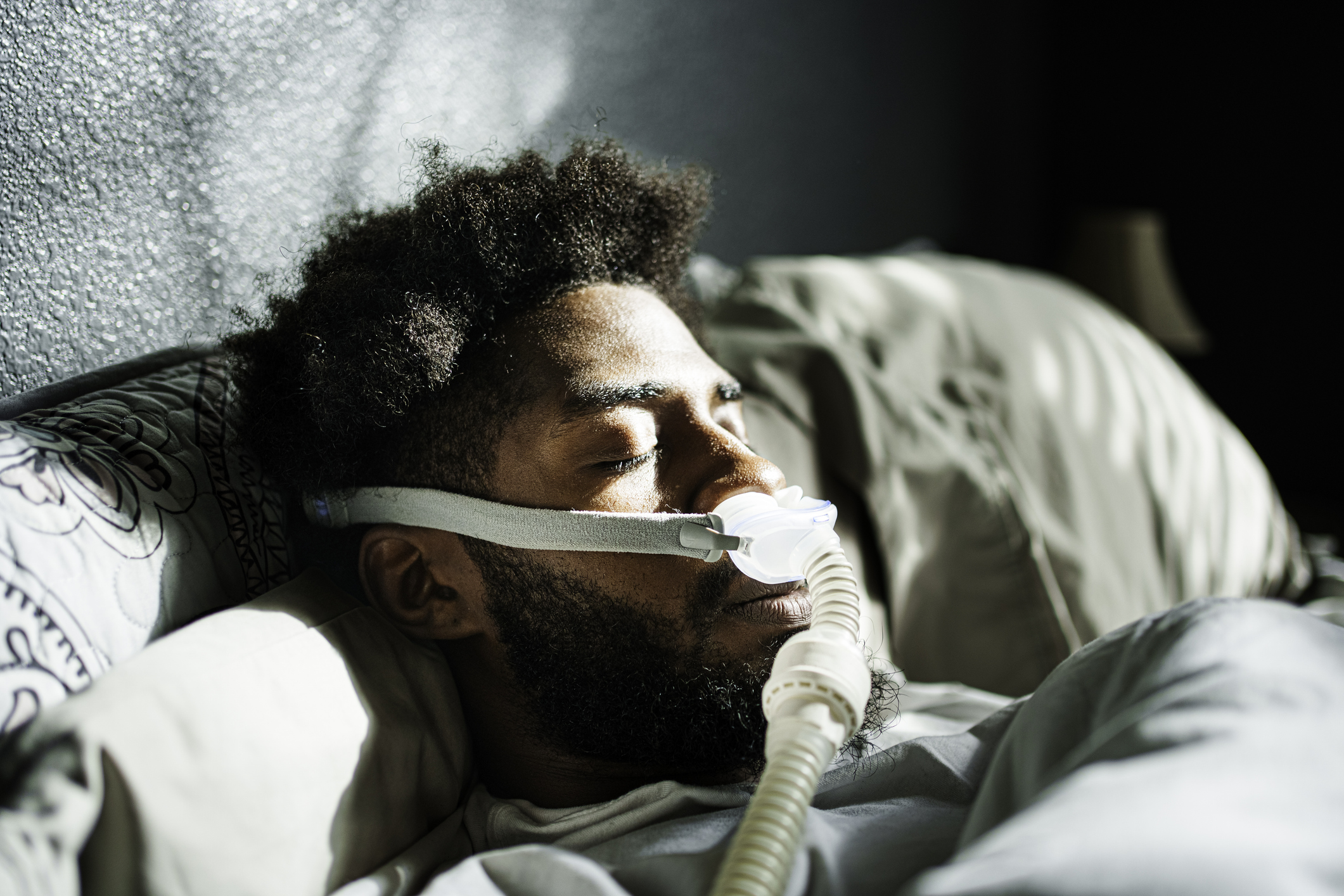
If a person is suffering from sleep apnea, the best sleep position to help reduce symptoms is to sleep on their side or stomach because it keeps their airways open while they sleep. 

For a person with heartburn and gastroesophageal reflux disease (GERD), the best sleeping position is on their left side, which helps make it harder for stomach acid to reach the junction between the stomach and esophagus. 

Sleeping on your side with your knees slightly bent with a small pillow between them is the best sleeping position for someone who has lower back pain, which allows the entire spine to stay in a neutral position, and that spinal alignment helps reduce neck and back pain.  

To help someone relieve their neck pain, the best sleeping position is on their back with their arms in a similar position. This reduces the overactivity of the muscles around the neck and doesn’t put more pressure on one side of their body.  

If someone is experiencing both hip and knee pain, they can reduce the pain by sleeping on their side with a pillow between their knees, which can keep the hips, pelvis, and spine aligned, easing pressure on joints and muscles.  

For women who are pregnant, the best sleeping position is on their left side with their knees bent, which improves circulation, making it easier for nutrient-rich blood to reach the placenta, and can help reduce pressure on the liver and lower back. It may also help ease swelling in the legs, feet, and hands.  

When a person has allergies or a stuffy nose, sleeping upright is the best sleeping position to help their airways stay open, allowing the stuffy nose to drain. 

Getting a good night’s sleep is important to your health and well-being. However, sometimes the position you choose to sleep in can cause or worsen breathing problems, such as sleep apnea, or aggravate back and neck pain. If any of these conditions arise, you may want to try to sleep in a different position. 

If you are having difficulty sleeping and would like help, Jamaica Hospital’s state-of-the-art sleep center can help diagnose and treat various sleep disorders. For more information or to make an appointment, please call 718-206-5916. 

All content of this newsletter is intended for general information purposes only and is not intended or implied to be a substitute for professional medical advice, diagnosis or treatment. Please consult a medical professional before adopting any of the suggestions on this page. You must never disregard professional medical advice or delay seeking medical treatment based upon any content of this newsletter. PROMPTLY CONSULT YOUR PHYSICIAN OR CALL 911 IF YOU BELIEVE YOU HAVE A MEDICAL EMERGENCY.

Sleep Paralysis

Sleep paralysis is a type of parasomnia that occurs when the body is between stages of sleep and wakefulness lasting for a few seconds to a couple of minutes.

During an episode of sleep paralysis, you are aware of your surroundings but can’t speak or move. You can still move your eyes and breathe. You may also feel:

  • Fear
  • Panic
  • Helplessness
  • Anxious

When it ends, you may feel confused because you will regain movement of your body as if nothing happened. You can feel nervous about going to sleep after an episode of sleep paralysis, and it can affect how you feel and function during the day.

Sleep paralysis isn’t dangerous, however, it can cause emotional distress during an episode. Some cases of sleep paralysis are linked to other disorders.

You can experience several symptoms during an episode of sleep paralysis either right before falling asleep or as you’re waking up, including:

  • You can’t move your arms and legs
  • You can’t speak
  • Sensations of pressure against your chest or moving out of your own body
  • Hallucinations, such as a dangerous person in your room
  • Daytime sleepiness

Symptoms may first appear in childhood or adolescence. Episodes are more frequent in your 20s and 30s.

The exact cause of sleep paralysis is unknown. However, healthcare providers believe it could happen due to the following:

  • Narcolepsy
  • Sleep deprivation
  • An irregular sleep schedule
  • Obstructive sleep apnea
  • Mental health conditions such as anxiety, bipolar disorder, post-traumatic stress disorder (PTSD), or panic disorder
  • Certain medications
  • Substance use disorder

To diagnose sleep paralysis, healthcare providers can confirm or rule it out after a physical exam and a sleep evaluation. A provider may ask you about the following:

  • Your symptoms, such as how often you experience sleep paralysis, what it feels like, and when it started
  • The quantity and quality of sleep you get, such as how many hours you sleep at night and whether you feel tired during the day
  • Your medical history, including what medications you currently take and whether you smoke, use alcohol, or non-prescribed drugs
  • Your family history and if you’re aware of any biological family members who experience sleep paralysis

To further diagnose sleep paralysis, a healthcare provider may recommend testing if they suspect certain sleep disorders like narcolepsy. Tests can include:

  • An overnight sleep study
  • Multiple sleep latency test (MSLT)

Treatment for sleep paralysis will depend on the reason why you have it. A healthcare provider may recommend the following:

  • Taking medications that prevent you from reaching the REM stage of sleep
  • Taking medications to treat an underlying mental health condition or sleep disorder, such as antidepressants
  • Improving your sleep hygiene
  • Talking to a mental health provider if you experience frequent stress

There isn’t much you can do to prevent sleep paralysis from happening. However, there are steps you can take to lower your risk.

One of the best ways to avoid sleep paralysis is to improve your quality of sleep. You can do this by:

  • Having a set sleep schedule with specific times for going to bed and waking up
  • Creating a comfortable sleep environment that is dark and quiet
  • Putting phones, tablets, e-readers, and computers away before bedtime
  • Relaxing before bed by taking a bath, reading, or listening to soothing music

If you are suffering from sleep paralysis, Jamaica Hospital’s state-of-the-art sleep center can help diagnose and treat various sleep disorders. For more information, or to make an appointment, please call 718-206-5916.

All content of this newsletter is intended for general information purposes only and is not intended or implied to be a substitute for professional medical advice, diagnosis or treatment. Please consult a medical professional before adopting any of the suggestions on this page. You must never disregard professional medical advice or delay seeking medical treatment based upon any content of this newsletter. PROMPTLY CONSULT YOUR PHYSICIAN OR CALL 911 IF YOU BELIEVE YOU HAVE A MEDICAL EMERGENCY.

Food Dos and Don’ts for Sleep

We all enjoy a snack before bed. Sometimes those snacks can keep us awake or help us sleep.

Certain nutrients and hormones in foods help promote sleep. Tryptophan, found in turkey and fish, stimulates serotonin production. Melatonin, found in milk and cherries, makes you sleepy. Potassium found in bananas and magnesium also found in bananas and almonds help promote muscle relaxation.

Simple carbs and saturated fats in foods represent the danger zones of pre-sleep snacks. Both can reduce serotonin levels and can be difficult to digest.

With that in mind, here are some additional food dos and don’ts to consider before bedtime.

Some food do’s before bedtime:

  • Peanut butter on whole-grain bread.
  • Lean cheese on whole grain crackers.
  • Fortified cereal and milk.
  • Herbal teas like chamomile and mint.
  • Yogurt

Some food don’ts before bedtime:

  • Sweets and sugar
  • Dark chocolate
  • Fast food
  • Caffeine

Lastly, alcohol can make you sleepy but it can cause a restless night of sleep, and certain spicy foods we eat are hard to digest and may cause you to wake up.

Maintaining a well-balanced diet of fruits and vegetables, lean proteins, and complex carbohydrates across all meals and not just at night can promote healthy sleep and help you wake up refreshed.

If you still have trouble falling asleep or getting a restful night’s sleep, you should speak with your doctor as there may be an underlying medical issue. Jamaica Hospital’s state-of-the-art sleep center can help diagnose and treat various sleep disorders. For more information, or to make an appointment, please call 718-206-5916.

All content of this newsletter is intended for general information purposes only and is not intended or implied to be a substitute for professional medical advice, diagnosis or treatment. Please consult a medical professional before adopting any of the suggestions on this page. You must never disregard professional medical advice or delay seeking medical treatment based upon any content of this newsletter. PROMPTLY CONSULT YOUR PHYSICIAN OR CALL 911 IF YOU BELIEVE YOU HAVE A MEDICAL EMERGENCY.

How Does Blue Light Affect Sleep?

Devices such as smartphones, laptops, and smart televisions emit blue light, which is a color on the light spectrum that’s visible to the human eye. Blue light also contains the highest level of energy on the light spectrum.

While blue light may offer benefits when utilized during the day, such as helping to boost attention and mood, it can cause several problems when used at night. The most common is interfering with our sleep cycles.

According to the Centers for Disease Control and Prevention (CDC), exposure to blue light emitted from devices used at night can make it difficult for us to fall asleep or can wake us up too early.

Blue light has this effect because light plays an essential role in aligning circadian rhythms, which is the body’s internal clock that helps to regulate sleep and wake cycles. The CDC explains that the “body’s circadian clock responds to light, as a signal to be awake, and dark, as a signal to fall asleep.”

Blue light stimulates the part of our brain that makes us alert and it suppresses the body’s secretion of melatonin; the hormone that makes us feel sleepy. Exposure can trick our brains into thinking it’s daytime even when using devices such as smartphones, tablets, or laptops at night.

To prevent this problem, and reduce the risk of blue light exposure, the Sleep Foundation recommends:
• Turning off electronics two to three hours before bedtime
• Dimming the lights on electronics or using night mode
• Using smartphone or computer applications designed to reduce the emission of blue light
• Using an eye mask to sleep if you are unable to turn off or dim certain light sources

Creating a healthy sleep environment can help us to achieve the rest our bodies need to reenergize and heal. This involves making sure that lights do not interfere with our sleep.

To learn more about creating a healthy sleep environment, or to speak with a specialist about sleep-related health problems you may be experiencing, please schedule an appointment with Jamaica Hospital’s Sleep Center by calling 718-206-7001.

All content of this newsletter is intended for general information purposes only and is not intended or implied to be a substitute for professional medical advice, diagnosis or treatment. Please consult a medical professional before adopting any of the suggestions on this page. You must never disregard professional medical advice or delay seeking medical treatment based upon any content of this newsletter. PROMPTLY CONSULT YOUR PHYSICIAN OR CALL 911 IF YOU BELIEVE YOU HAVE A MEDICAL EMERGENCY.

How to Prepare for the End of Daylight Saving Time

Each year on November sixth, daylight saving time comes to an end, setting clocks back by one hour. This means an earlier sunrise in the morning and sunset in the evening, which may contribute to a few different types of health issues in many people throughout the United States.

When daylight saving time ends, sunlight is absent for a greater part of the day for most people. This can be disruptive to the body’s circadian rhythm (the cycle of physical, mental, and behavioral functions that operates on a 24-hour cycle). While the effects of this may often be as simple as feeling hungrier or drowsier at an earlier time of the day, it could also lead to more significant, long-lasting problems such as seasonal affective disorder (SAD).

Seasonal affective disorder, also known as seasonal depression, is typically characterized by a lack of energy and motivation in many people, but can lead to symptoms as serious as suicidal ideation in some cases. It can last as long as five months and affects up to three percent of the United States population.

There are steps you can take to avoid symptoms of seasonal affective disorder and other adverse effects that accompany the end of daylight saving time. These include:

  • Adjusting your sleep schedule to increase sunlight exposure: Going to bed and rising earlier will allow more time spent during daylight. Be sure to get enough sleep each night and wake up at a set time each morning.
  • Focusing on a healthy diet and regular exercise: A balanced diet and exercise are beneficial for both your physical and mental health. This remains true when it comes to coping with an adjusted daily schedule, as both of these can improve your mood throughout the day and counter-act increased drowsiness and symptoms of depression.
  • Investing in a light box: Light therapy is an artificial means of providing your body with ultraviolet light. It can help with adjusting to a decrease in available sunlight. Before purchasing a light box, ensure that it’s designed to treat SAD, that it’s bright enough, that it protects your eyes, and that it can fit securely and comfortably within one or more spaces that you frequently occupy.

If you’re experiencing negative mental health symptoms as daylight saving time comes to an end, you can schedule an appointment at Jamaica Hospital Medical Center’s Mental Health Clinic by calling (718) 206-5575.

All content of this newsletter is intended for general information purposes only and is not intended or implied to be a substitute for professional medical advice, diagnosis or treatment. Please consult a medical professional before adopting any of the suggestions on this page. You must never disregard professional medical advice or delay seeking medical treatment based upon any content of this newsletter. PROMPTLY CONSULT YOUR PHYSICIAN OR CALL 911 IF YOU BELIEVE YOU HAVE A MEDICAL EMERGENCY.

How Bipolar Disorder Can Affect Your Sleep

Getting the appropriate amount of sleep, along with maintaining a nutritious diet and exercising regularly are considered the three most important aspects to living a healthy lifestyle. For those living with bipolar disorder however, getting the right amount of sleep is both very important and a major challenge.

Bipolar disorder, also referred to as manic depression, is a mental health condition that causes extreme mood swings that include emotional highs (mania or hypomania) and lows (depression). While experiencing the manic or hypomanic phase of the illness, those with bipolar disorder can go on little or no sleep for lengthy periods of time.  Conversely, during the depression or low phase, individuals may require excessive amounts of sleep (up to 14 hours per day).

Bipolar disorder can affect sleep in many ways, including:

  • Insomnia – Insomnia includes not only difficulty falling asleep, but problems staying asleep or getting too little sleep.
  • Hypersomnia – A condition marked by over-sleeping, which is sometimes even more common than insomnia during periods of depression in bipolar disorder.
  • Delayed sleep phase syndrome – Delayed sleep phase syndrome is a circadian rhythm disturbance. It can be associated with depression.
  • Irregular sleep-wake schedule – When people with bipolar disorder have a lack of a sleep routine, the irregular cycle can greatly interfere with appropriate treatment of the disorder.
  • Nightmares, vivid dreams and night terrors – These may also affect people with bipolar disorder.

Disrupted sleep can aggravate a mood disorder so it’s important to address some of the issues that can affect sleep.  There are several ways a person with bipolar disorder can attempt to get regular sleep. These methods are known as sleep hygiene and can include:

  • Creating a schedule – Establishing a regular time to go to sleep and to wake up can be beneficial as it can reduce the changes in mood that accompany bipolar disorder.
  • Optimizing your bedroom – Try making the bedroom as comfortable as possible. This can include having the right kind of bedding and pillows as well as eliminating light, noise, and other distractions.
  • Limiting activities – The bedroom is a place reserved for sleeping. Try to limit other activities, such as watching TV or working on your laptop, in the bedroom.
  • Diet and exercise – Avoiding alcohol and caffeine use before bedtime as well as eating large meals can help improve sleep. It’s also a good idea to keep a few hours between exercise and bedtime.
  • Take time to relax – If you can, wind down before bedtime. Consider a warm bath, some pleasure reading, or meditating before turning off the lights.

Your doctor may also suggest light therapy, certain medications or sleep aides to help you improve your sleep patterns. To make an appointment with a mental health professional at Jamaica Hospital Medical Center’s outpatient Mental Health Center, please call 718-206-5575.

All content of this newsletter is intended for general information purposes only and is not intended or implied to be a substitute for professional medical advice, diagnosis or treatment. Please consult a medical professional before adopting any of the suggestions on this page. You must never disregard professional medical advice or delay seeking medical treatment based upon any content of this newsletter. PROMPTLY CONSULT YOUR PHYSICIAN OR CALL 911 IF YOU BELIEVE YOU HAVE A MEDICAL EMERGENCY.

Make Improving Your Sleep Your New Year’s Resolution

The holidays are over and it is time to get our bodies back on a regular schedule of eating and sleeping.  Many of us will make a New Year’s resolution to make changes to our schedules and sleep better.  The question is do we actually get enough sleep to be able to stay healthy and function well.
Here are some tips from the National Sleep Foundation to help you get better sleep in 2018:
• Keep a regular sleep time schedule, even on weekends
• Do things that relax you prior to getting in to bed
• Keep the sound and light level in the bedroom at comfortable levels
• Try to avoid caffeine and alcohol before going to bed
• Make sure your mattress and pillows are comfortable
It is recommended that adults get between seven and nine hours of sleep per night. Teenagers require about an hour more than adults.  Young children should get between 10 to 11 hours of sleep every night.
Following these tips will help you become a better rested person, which can improve your overall physical and mental health.
If you are experiencing difficulty sleeping, you might want to consult with your doctor to see if could be do anything differently. Jamaica Hospital has a sleep center for people who are experiencing chronic sleep problems. To get more information about the sleep center, please call 718-206-5916.

All content of this newsletter is intended for general information purposes only and is not intended or implied to be a substitute for professional medical advice, diagnosis or treatment. Please consult a medical professional before adopting any of the suggestions on this page. You must never disregard professional medical advice or delay seeking medical treatment based upon any content of this newsletter. PROMPTLY CONSULT YOUR PHYSICIAN OR CALL 911 IF YOU BELIEVE YOU HAVE A MEDICAL EMERGENCY.

Jet Lag and Sleep

jet lag Jet lag can profoundly affect sleep and alertness.  This sleep disorder occurs when your body’s internal clock (circadian rhythms), which tells you when to sleep, becomes imbalanced after traveling to different time zones.

According to the National Sleep Foundation, when a person travels to a new time zone their “circadian rhythms are slow to adjust and remain on their original biological schedule for several days. This results in our bodies telling us it is time to sleep, when it’s actually the middle of the afternoon, or it makes us want to stay awake when it is late at night.”

Jet lag can lead to daytime fatigue, gastrointestinal problems, mood changes, a general unwell feeling, headaches, mild depression, insomnia and difficulty staying alert and concentrating.   These symptoms generally appear within a day or two of travel and can worsen the longer you travel and the more time zones you cross.

There are several ways to combat or minimize the effects of jet lag.  Here are a few you can try:

  • Avoid alcohol the day before your flight and during your flight.
  • Get plenty of rest before you fly.
  • Avoid caffeine or other caffeinated beverages before or while traveling.
  • Drink lots of water.
  • Wear sunglasses during your flight.
  • Move around the plane on long flights.
  • Adapt immediately to the schedule of your destination. While it may be tempting to sleep during the day after your arrival, it is advised that you stay up and active and expose your body to sunlight.
  • Avoid heavy meals upon arrival to your destination.

Symptoms of jet lag are mostly temporary and typically last a few days; however, if you are a frequent flyer they may become more severe. You can speak with your doctor or a sleep specialist who may recommend treatments such as light therapy, melatonin supplements or prescription medication.

To schedule an appointment with a sleep specialist at Jamaica Hospital Medical Center, please call 718- 206-5916.

All content of this newsletter is intended for general information purposes only and is not intended or implied to be a substitute for professional medical advice, diagnosis or treatment. Please consult a medical professional before adopting any of the suggestions on this page. You must never disregard professional medical advice or delay seeking medical treatment based upon any content of this newsletter. PROMPTLY CONSULT YOUR PHYSICIAN OR CALL 911 IF YOU BELIEVE YOU HAVE A MEDICAL EMERGENCY.

How Does Sleep Affect Your Immune System?

Lack of sleep can affect your immune system, but how? Studies show that people that don’t get quality sleep or enough hours of sleep are more likely to get sick after being exposed to a virus like the flu. The recovery time from a cold is also prolonged as a result of not getting enough sleep.

Sleep deprivation may decrease production of the amount of infection-fighting antibodies and cells that strengthen the immune system. Essentially our bodies need sleep to fight infectious diseases and recover faster from common cold viruses.

How much sleep do you need to bolster your immune system? The optimal amount of sleep for most adults is seven to eight hours of good sleep each night. Teenagers need nine to 10 hours of sleep. School-aged children may need 10 or more hours of sleep.

It’s very common to be told to get some rest when fighting off a cold or infection. Now we know why. As we move through cold and flu season, the key to staying healthy might just be getting a good night’s sleep.

However sleep does not always come easy to everyone. If you or someone you know is experiencing trouble with their sleep patterns, Jamaica Hospital Medical Center’s Sleep Center is available to treat you. This state-of-the-art Sleep Center is a 4-bed unit that features comfortable, homelike rooms with sound proof walls for total privacy. For more information please call, 718-206-5916.

For more hospital events, highlights, health and  fitness tips, visit us on 

 and follow us on Twitter !

All content of this newsletter is intended for general information purposes only and is not intended or implied to be a substitute for professional medical advice, diagnosis or treatment. Please consult a medical professional before adopting any of the suggestions on this page. You must never disregard professional medical advice or delay seeking medical treatment based upon any content of this newsletter. PROMPTLY CONSULT YOUR PHYSICIAN OR CALL 911 IF YOU BELIEVE YOU HAVE A MEDICAL EMERGENCY.