
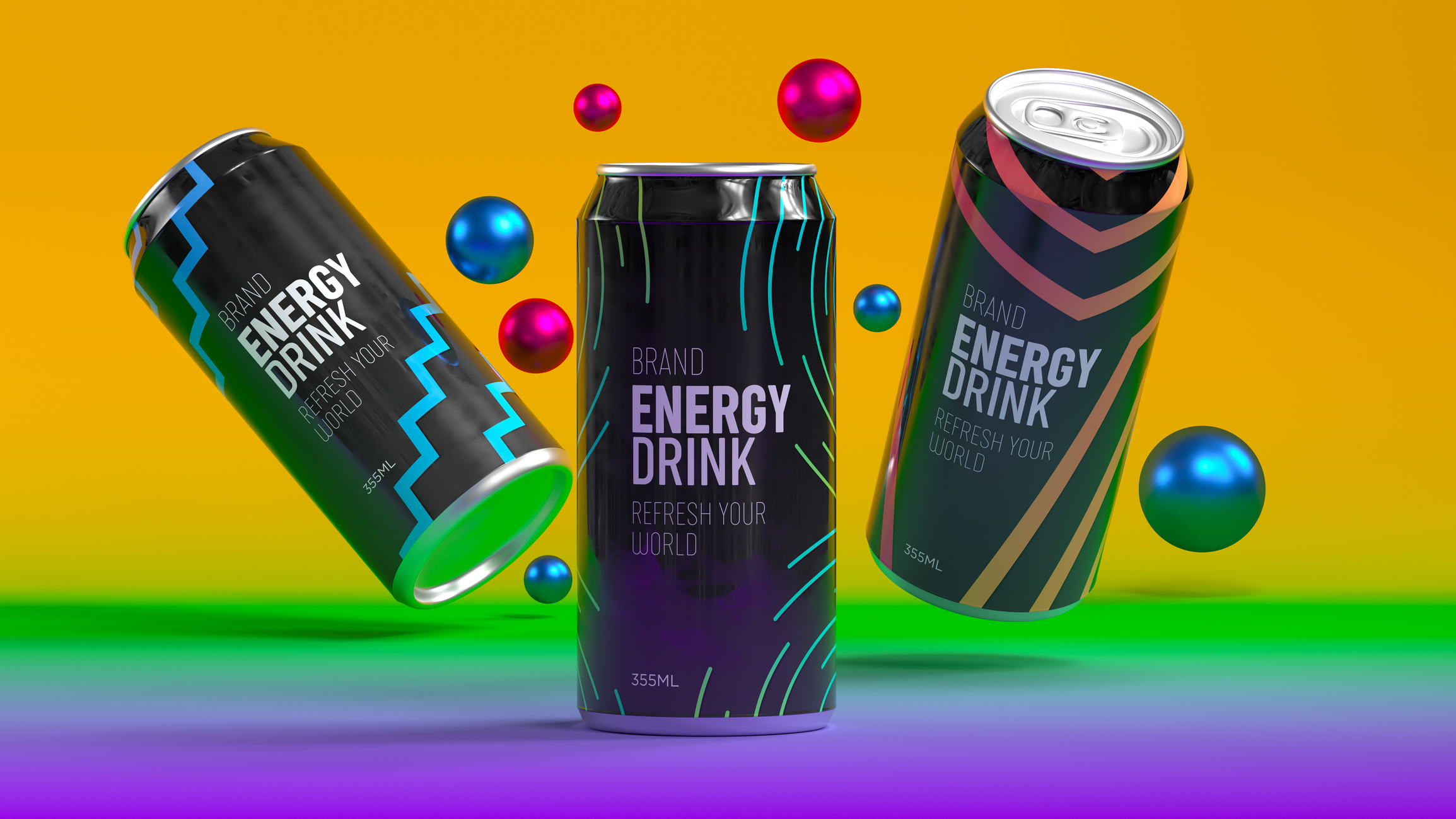
 We have all been at the point where we need a “pick-me-up” during the day. Whether it is to start the day in the morning on the way to work or school, or an energy boost in the middle of the day. When this happens, we may reach for a coffee or an energy drink.
Although energy drinks can give us an energy and productivity boost when we need them, unfortunately, drinking energy drinks daily can significantly raise our blood pressure due to their high caffeine and stimulant content.
Caffeine can temporarily increase blood pressure by blocking a chemical that relaxes blood vessels called adenosine. When this occurs, blood vessels constrict instead of dilating. This triggers the nervous system to release stress hormones such as adrenaline, causing the heart to beat faster and blood pressure to rise.
Energy drinks typically increase systolic blood pressure by 5 to 15mmHg and diastolic blood pressure by 5 to 10 mmHg within an hour of consumption. This rise in blood pressure is usually temporary for healthy adults.
The effects of drinking energy drinks every day may be more dangerous for people with existing hypertension or other cardiovascular problems.
Caffeine levels in energy drinks can vary between 80 and 350 milligrams (mg) per serving, depending on the brand and size. A standard 8-ounce cup of coffee contains about 100 mg of caffeine. That means one energy drink could contain the same amount of caffeine as an espresso or more than three cups of coffee.
Energy drinks can also have synthetic caffeine that may be absorbed more quickly than natural caffeine from coffee. What’s more, they can typically contain more than just caffeine. Energy drinks may contain additional stimulants, such as taurine, guarana, and ginseng, that can amplify caffeine’s effects on the cardiovascular system. The combination of these stimulants and high sugar content can contribute to elevated blood pressure. Stimulants like guarana and taurine can further amplify cardiovascular stress by increasing heart rate, enhancing the effects of caffeine, and overstimulating the nervous system.
Unfortunately, there isn’t a one-size-fits-all answer to how many energy drinks are safe to drink in one day because energy drinks can vary in caffeine and stimulant content. Furthermore, there is no universally safe amount to consume daily due to their potential health risks.
However, the Food and Drug Administration (FDA) recommends a maximum of 400 milligrams of caffeine per day for healthy adults, which is approximately the equivalent of four small cups of coffee. It is important to know that one or two energy drinks can surpass that limit, especially when combined with other caffeinated beverages throughout the day.
Energy drinks may cause heart palpitations, arrhythmias, and increased heart rate, especially when consumed in excess or with alcohol and other stimulants. These arrhythmias can lead to complications like stroke, even in younger adults.
It is important to know that you should avoid energy drinks if you have high blood pressure, take heart-related medications, or have any underlying heart conditions.
If you are experiencing any symptoms of high blood pressure, you can schedule an appointment at Jamaica Hospital Medical Center’s Cardiology Department by calling (718) 206-7100. If you are experiencing an emergency, please dial 911 right away.
 Follow
All content of this newsletter is intended for general information purposes only and is not intended or implied to be a substitute for professional medical advice, diagnosis or treatment. Please consult a medical professional before adopting any of the suggestions on this page. You must never disregard professional medical advice or delay seeking medical treatment based upon any content of this newsletter. PROMPTLY CONSULT YOUR PHYSICIAN OR CALL 911 IF YOU BELIEVE YOU HAVE A MEDICAL EMERGENCY.