
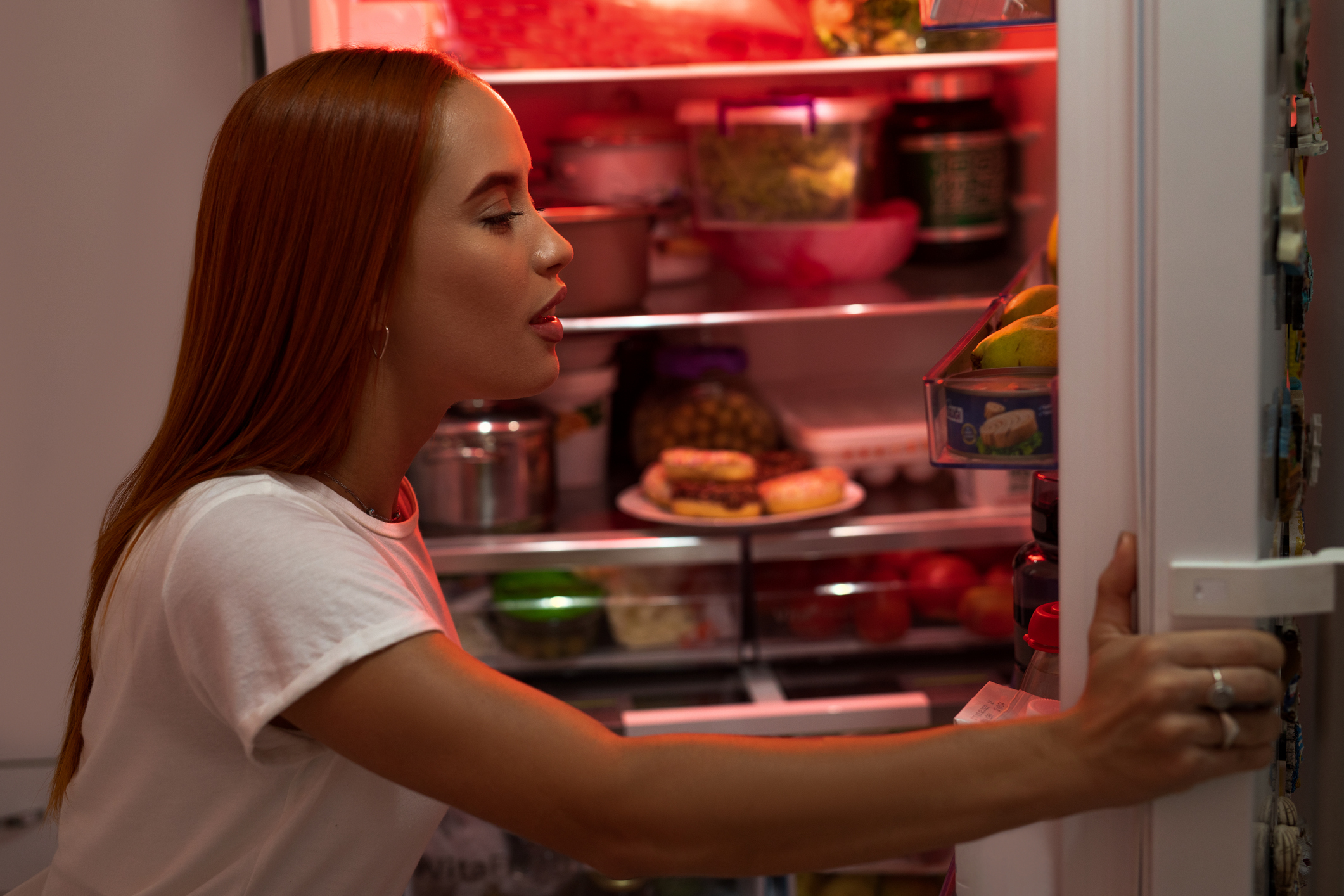
 We all enjoy a snack before bed. Sometimes those snacks can keep us awake or help us sleep.
Certain nutrients and hormones in foods help promote sleep. Tryptophan, found in turkey and fish, stimulates serotonin production. Melatonin, found in milk and cherries, makes you sleepy. Potassium found in bananas and magnesium also found in bananas and almonds help promote muscle relaxation.
Simple carbs and saturated fats in foods represent the danger zones of pre-sleep snacks. Both can reduce serotonin levels and can be difficult to digest.
With that in mind, here are some additional food dos and don’ts to consider before bedtime.
Some food do’s before bedtime:
- Peanut butter on whole-grain bread.
- Lean cheese on whole grain crackers.
- Fortified cereal and milk.
- Herbal teas like chamomile and mint.
- Yogurt
Some food don’ts before bedtime:
- Sweets and sugar
- Dark chocolate
- Fast food
- Caffeine
Lastly, alcohol can make you sleepy but it can cause a restless night of sleep, and certain spicy foods we eat are hard to digest and may cause you to wake up.
Maintaining a well-balanced diet of fruits and vegetables, lean proteins, and complex carbohydrates across all meals and not just at night can promote healthy sleep and help you wake up refreshed.
If you still have trouble falling asleep or getting a restful night’s sleep, you should speak with your doctor as there may be an underlying medical issue. Jamaica Hospital’s state-of-the-art sleep center can help diagnose and treat various sleep disorders. For more information, or to make an appointment, please call 718-206-5916.
 Follow
All content of this newsletter is intended for general information purposes only and is not intended or implied to be a substitute for professional medical advice, diagnosis or treatment. Please consult a medical professional before adopting any of the suggestions on this page. You must never disregard professional medical advice or delay seeking medical treatment based upon any content of this newsletter. PROMPTLY CONSULT YOUR PHYSICIAN OR CALL 911 IF YOU BELIEVE YOU HAVE A MEDICAL EMERGENCY.