
Surprising Habits and Lifestyle Factors That Can Worsen ADHD

Attention-Deficit/Hyperactivity Disorder (ADHD) affects attention, motivation, and emotional regulation. Although biological components such as genetics and neurobiology play critical roles, daily habits and lifestyle factors can greatly influence how symptoms appear.  

Common lifestyle factors that can affect ADHD include: 

  • Exercise frequency 
  • Diet and nutrition 
  • Sleep quality 
  • Environmental clutter 
  • Digital habits and screen time 

These lifestyle factors interact with dopamine and executive function, which is the brain’s management system, and are core to ADHD regulation. 

A person’s diet can greatly impact their attention and mood. Diets that are rich in whole foods support steady energy and neurotransmitter production. Protein-rich foods, such as eggs, meat, legumes, and nuts, support dopamine synthesis, which can improve attention and motivation. 

Conversely, processed foods high in sugar can cause rapid blood sugar spikes and crashes, as well as worsening hyperactivity, distractibility, and irritability. Diets that are nutrient-poor can also increase fatigue and emotional volatility over time. 

Frequently eating fast food, sugary snacks, and heavily processed meals is connected to poorer focus, cognitive stability, and emotional regulation. Food dyes, artificial additives, and preservatives can further disrupt concentration in sensitive individuals. What’s more, these artificial ingredients can increase inflammation and oxidative stress, which affects brain function. However, eating balanced meals containing complex carbohydrates, healthy fats, and proteins help stabilize blood sugar and sustain energy, which are essential for managing ADHD. Additionally, small, frequent meals help maintain steady focus and prevent crash moments throughout the day.  

Physical activity is one of the most effective non-medical tools for managing ADHD, as it naturally increases dopamine, norepinephrine, and serotonin, which are neurotransmitters essential for focus and emotional stability. Moving regularly helps regulate mood, improve sleep quality, and reduce impulsivity. The best forms of physical activity that show the strongest benefits include: 

  • Aerobic exercises, such as running, cycling, or swimming 
  • Strength training 
  • Short movement breaks throughout the day 

Even quick moments of activity can improve clarity and decrease restlessness. Physical activity also provides a healthy outlet for hyperactivity and frustration. 

Poor sleep can worsen ADHD. Sleep conditions, such as sleep deprivation, can disrupt memory, mood, and impulse control, all areas that are already sensitive to ADHD. Poor or inconsistent sleep intensifies distractibility, irritability, and emotional reactivity, creating a feedback loop of worsening symptoms. Consistent routines that make a difference and can help improve sleep hygiene include: 

  • Keeping a regular bedtime 
  • Reducing screen exposure before sleep 
  • Using breathing exercises or white noise to promote deeper rest 
  • Limiting caffeine in the afternoon 
  • Creating a dark, quiet environment 

A messy or overstimulating environment can overwhelm the ADHD brain. Cluttered spaces can act as constant visual distractions, contributing to decision fatigue. A structured workspace improves calm and focus. You can create an ADHD-friendly workspace by: 

  • Clearing surfaces and organizing materials 
  • Reducing sensory overload 
  • Creating visual cues and labeled bins 
  • Minimalizing decor 

Recognizing personal stress triggers, such as deadline pressure, overstimulation, or social expectations, allows you to address challenges ADHD may present. Techniques like meditation, yoga, or rhythmic breathing calm the nervous system and help manage impulsivity. Practicing regular mindfulness strengthens attention and emotional regulation over time.  

Building support networks plays a critical role in ADHD management. Surrounding yourself with understanding family, friends, or peer groups creates accountability and emotional validation. Sharing experiences with others who understand ADHD promotes motivation and resilience. 

If you have ADHD and need the assistance and support of a mental health professional at Jamaica Hospital Medical Center, please call 718-206-5575 to schedule an appointment. 

All content of this newsletter is intended for general information purposes only and is not intended or implied to be a substitute for professional medical advice, diagnosis or treatment. Please consult a medical professional before adopting any of the suggestions on this page. You must never disregard professional medical advice or delay seeking medical treatment based upon any content of this newsletter. PROMPTLY CONSULT YOUR PHYSICIAN OR CALL 911 IF YOU BELIEVE YOU HAVE A MEDICAL EMERGENCY.


Shingles

Shingles, or herpes zoster, is a viral infection caused by the varicella-zoster virus, the same virus that causes chickenpox. It causes painful rashes and nerve damage. If you previously had chickenpox, the virus stays dormant in your body and can reactivate in your nerves later in life as shingles.   

The most common symptom of shingles is a painful, raised, or blistered rash. It may appear near the waist or on one side of the face, neck, chest, belly, or back. It can also sometimes show up on other parts of the body. Other symptoms that can appear before or along with the rash include:  

  • Deep, burning, or shooting nerve pain  
  • Itching or tingling  
  • Areas of reddish or discolored skin  
  • Fever  
  • Chills  
  • Headache  
  • A general feeling of being unwell  
  • An upset stomach  

Some of the early symptoms of shingles, such as nerve pain and discoloration, can appear weeks before the rash. Other symptoms may show up in the days leading up to it. The rash turns into blisters about three to four days after it appears. Within about 10 days, the blisters dry out and turn into scabs. The scabs may take a few weeks to completely go away.   

The most common complication of shingles is nerve pain that doesn’t go away when the rash does. This can last for months or years and can be extremely painful. Other complications of shingles include:  

  • Bacterial infection  
  • Vision loss from an eye infection  
  • Facial paralysis or Ramsay Hunt syndrome  
  • Hearing loss, tinnitus, and other hearing issues  
  • Brain inflammation  
  • Vertigo  
  • Pneumonia  

A healthcare provider will diagnose shingles by learning about your symptoms and examining the rash. If the rash follows the areas of skin along a nerve and doesn’t cross the midline of your body, that is a clue you have shingles. A healthcare provider may also send scrapings or a swab of fluid from your blisters to a lab for diagnosis.  

There is no cure for shingles. However, a healthcare provider may recommend managing symptoms with:  

  • Antivirals  
  • Over-the-counter pain relievers  
  • Corticosteroids  

If you have previously had chickenpox, you can reduce the risk of developing shingles by getting a shingles vaccine.   

If you are experiencing any symptoms of shingles, you can schedule an appointment at Jamaica Hospital Medical Center’s Ambulatory Care Center. Please call (718) 206-7001. 

All content of this newsletter is intended for general information purposes only and is not intended or implied to be a substitute for professional medical advice, diagnosis or treatment. Please consult a medical professional before adopting any of the suggestions on this page. You must never disregard professional medical advice or delay seeking medical treatment based upon any content of this newsletter. PROMPTLY CONSULT YOUR PHYSICIAN OR CALL 911 IF YOU BELIEVE YOU HAVE A MEDICAL EMERGENCY.
How To Tell the Difference: RSV, Cold, or The Flu

A young woman lying on the sofa in the living room, feeling sick.Fall and winter are the times of year when illnesses such as the flu, cold, and RSV (respiratory syncytial virus) peak. All three are contagious respiratory illnesses that share common symptoms.

Symptoms that a cold, the flu, and RSV share include:

  • Cough
  • Runny/stuffy nose
  • Fatigue
  • Sore throat

Although a cold, the flu, and RSV share overlapping symptoms, they are caused by different viruses.  A cold may be caused by rhinoviruses or coronaviruses. The flu is caused by the influenza virus, and RSV is caused by a specific RNA virus called respiratory syncytial virus.

Key differences among the cold, RSV, and the flu include that cold symptoms are generally limited to the upper respiratory tract and develop gradually. Cold symptoms such as a cough or runny nose are mild and usually go away on their own within 7-10 days.

RSV can affect the lower airways; symptoms may start like a cold and gradually worsen to include a low-grade fever, persistent cough, wheezing, decreased appetite, and difficulty breathing. RSV can linger in high-risk individuals and lead to pneumonia or bronchiolitis, especially in infants.

The flu usually hits suddenly, and you may also experience chills, body aches, headaches, and fever.

While most mild symptoms of a cold, the flu, or RSV can be managed at home, certain symptoms require urgent medical attention, including:

  • Difficulty breathing or shortness of breath
  • Persistent cough lasting more than 2-3 weeks
  • Wheezing
  • Fever lasting more than 3 days
  • Fever over 103°F (39.4°C)
  • Sinus pain

Schedule an appointment as soon as possible with a healthcare provider if you are experiencing severe symptoms, and even sooner if you are in a high-risk group, consisting of pregnant people, adults age 65 and older, infants, individuals living with chronic diseases such as diabetes or kidney disease, or those who are immunocompromised.

To schedule an appointment with a doctor at Jamaica Hospital Medical Center, please call 718-206-7001.

All content of this newsletter is intended for general information purposes only and is not intended or implied to be a substitute for professional medical advice, diagnosis or treatment. Please consult a medical professional before adopting any of the suggestions on this page. You must never disregard professional medical advice or delay seeking medical treatment based upon any content of this newsletter. PROMPTLY CONSULT YOUR PHYSICIAN OR CALL 911 IF YOU BELIEVE YOU HAVE A MEDICAL EMERGENCY.

What is a False Awakening?

A false awakening is when a sleeping person believes they are awake, only to realize they were dreaming.  

False awakenings usually occur during rapid eye movement (REM) sleep, which is the sleep stage most closely associated with dreaming. Common dreamed activities experienced during false awakenings include: 

  • Waking up and getting ready for the day 
  • Waking up in the middle of the night and going to the bathroom or kitchen, then returning to bed 
  • Exploring or wandering around the dream environment 
  • Thinking about a dream you just had before the false awakening, believing you are now awake 

False awakenings differ greatly from normal dreams because they are typically realistic compared to the fantastical nature of normal dreams. A person may believe they woke up in their own bedroom, or are in another familiar place, such as their workplace or school. This dream setting may be identical to real life, or there may be tiny details that are different, such as doors that don’t lead where they’re supposed to, lights that don’t turn on, or odd shadows. Oftentimes, it isn’t until later that they realize they’re dreaming. 

The imagery in false awakenings most commonly feels like that of waking life, especially when they are experienced right before waking up in the morning. However, as with regular dreams, some false awakening dreams may be strangely vivid. Others may be vague and dimly lit, especially those that occur in the middle of the night. What’s more, people tend to remember dreams from false awakenings more easily than regular dreams.  

Researchers have suggested that despite the dreamer believing they are awake after a false awakening, they retain a certain sense of consciousness. Unlike in a regular dream, the sleeper who dreams of a false awakening is aware that both dreams and reality exist. They may also have a suspicion that something is out of place, without being fully aware they are dreaming.  

Although false awakenings have been described as vivid and uncanny, experts do not believe they are harmful. However, like other events that occur during the time between wake and sleep, false awakenings may sometimes cause feelings of fear, unease, or anxiety. 

You may have an out-of-body experience or sense a presence in the room during a false awakening, which may be followed by a feeling of dread. Earlier sleep researchers classified these ominous experiences as type 2 false awakenings, as opposed to the more neutral type 1 false awakenings. 

False awakenings can also happen multiple times in a row, which may be troubling if the sleeper feels like they are unable to wake up. Similarly, false awakenings may lead to false memories, in which the person recalls having done something but later finds evidence that it was all a dream.  

A recent survey found that people who experience false awakenings are more likely to experience other REM-related sleep phenomena as well. Other REM-related phenomena include: 

  • Sleep paralysis 
  • Out-of-body experiences 
  • Lucid dreaming 

Experiencing REM phenomena may also be linked to the ability to recall dreams.  

False awakenings, sleep paralysis, and lucid dreaming are all considered to arise from a state halfway between REM sleep and wakefulness.  

Sleep paralysis occurs when a person is falling asleep or is waking up, and they are mentally awake but are unable to move most of their muscles, mirroring muscle paralysis that happens naturally during REM sleep. It is more likely to happen to people with insomnia symptoms, poor sleep quality, or significant stress.  

Researchers have found that hallucinations occur with sleep paralysis 75% of the time.  

Lucid dreaming occurs when the sleeper remains asleep but gains awareness that they are dreaming. People who have frequent lucid dreams also tend to experience higher-than-usual rates of false awakenings. Sometimes lucid dreams and false awakenings happen together. However, lucid dreams may be ended by a false awakening, and a false awakening can happen before a lucid dream.   

Although false awakenings aren’t dangerous, people have found them to be distressing. If false awakenings are impacting your quality of sleep or daily life, consult with your healthcare provider on how to improve your sleep quality. They may also be able to treat any underlying sleep disorders that are causing fragmented sleep. 

If you are having difficulty sleeping and would like help, the staff at Jamaica Hospital’s state-of-the-art sleep center can help diagnose and treat various sleep disorders. For additional information or to make an appointment, please call 718-206-5916. 

All content of this newsletter is intended for general information purposes only and is not intended or implied to be a substitute for professional medical advice, diagnosis or treatment. Please consult a medical professional before adopting any of the suggestions on this page. You must never disregard professional medical advice or delay seeking medical treatment based upon any content of this newsletter. PROMPTLY CONSULT YOUR PHYSICIAN OR CALL 911 IF YOU BELIEVE YOU HAVE A MEDICAL EMERGENCY.
Bipolar Disorder Treatments

Bipolar disorder, formerly called manic depression, is a mental health condition that causes intense shifts in mood, energy levels, and behavior. These shifts can last for hours, days, weeks, or months and can interrupt a person’s ability to carry out day-to-day tasks. 

Many people with bipolar disorder experience both manic/hypomanic episodes, where they feel extremely energetic, happy, excited, or overactive, and depressive episodes, where they feel sad, irritable, or empty. These changing mood states don’t always follow a set pattern, and depression doesn’t always follow manic phases. A person may also experience the same mood state several times, with periods of a state of mental tranquility and stability that’s free of mood disturbances, called euthymia, in between, or before experiencing the opposite mood. 

Mood changes in bipolar disorder can happen over weeks, months, and sometimes years. An important aspect of mood changes is that they are a departure from a person’s regular self and are sustained for a long time. It can be several days or weeks in the case of a manic episode and several weeks or months in the case of a depressive episode. 

The severity of depressive and manic phases can differ from person to person and in the same person at different times. Some people with bipolar disorder will have episodes of mania or hypomania many times throughout their lives, while others may rarely experience them. Signs and symptoms of a manic episode include: 

  • Excessive happiness, hopefulness, and excitement 
  • Sudden and severe changes in mood, such as going from joyful to angry and hostile 
  • Restlessness 
  • Rapid speech and racing thoughts 
  • Increased energy and less need for sleep 
  • Increased impulsivity and poor judgment 
  • Making grand and unattainable plans 
  • Reckless and risk-taking behavior, such as drug and alcohol misuse 
  • Psychosis, such as experiencing hallucinations and delusions (in the most severe manic episodes) 

Most of the time, people experiencing a manic episode are unaware of the negative consequences of their actions. If a person is having an intense manic episode, especially if they’re experiencing hallucinations and delusions, they may need to be hospitalized to protect themselves and others from harm. With bipolar disorder, suicide is an ever-present danger, with some people becoming suicidal in manic episodes, not just in depressive ones. 

Some people with bipolar disorder can have milder manic-like symptoms called hypomania. When experiencing hypomania, they may feel great and feel like they can get a lot done. They may feel like nothing is wrong during an episode; however, family and friends may notice their mood swings and activity level changes and think they’re unusual for them. 

After a hypomanic episode, a person might experience severe depression. The symptoms of depressive episodes in bipolar disorder are the same as those of major depression, including: 

  • Overwhelming sadness 
  • Low energy and fatigue 
  • Lack of motivation 
  • Feelings of hopelessness or worthlessness 
  • Loss of enjoyment of things that were once pleasurable for you 
  • Difficulty concentrating and making decisions 
  • Uncontrollable crying 
  • Irritability 
  • Increased need for sleep 
  • Insomnia or hypersomnia 
  • A change in appetite that causes weight loss or gain 
  • Thoughts of death or suicide 

Bipolar disorder is a lifelong condition. The goal of treatment is to manage symptoms. Treatment for bipolar disorder is guided by a mental healthcare team consisting of a psychiatrist, psychologist, social worker, or psychiatric nurse. 

Depending on your needs, treatment for bipolar disorder may include: 

  • Talk therapy that includes: 
    • Interpersonal and social rhythm therapy 
    • Cognitive behavioral therapy (CBT) 
    • Psychoeducation 
    • Family-focused therapy 
  • Medicines, such as mood stabilizers, antipsychotics, antidepressants, an antidepressant-antipsychotic combination, or anti-anxiety medicines 
  • Intensive outpatient programs or a program involving a partial stay in a hospital 
  • Treatment for alcohol or drug misuse 
  • An extended hospital stay 

If you are experiencing a mental health emergency or crisis, call 911. Call, text, or chat 988 to speak to a trained crisis counselor who offers support 24/7/365. For ongoing mental health support or assistance from a mental health professional at Jamaica Hospital Medical Center, please call 718-206-5575 to schedule an appointment. 

All content of this newsletter is intended for general information purposes only and is not intended or implied to be a substitute for professional medical advice, diagnosis or treatment. Please consult a medical professional before adopting any of the suggestions on this page. You must never disregard professional medical advice or delay seeking medical treatment based upon any content of this newsletter. PROMPTLY CONSULT YOUR PHYSICIAN OR CALL 911 IF YOU BELIEVE YOU HAVE A MEDICAL EMERGENCY.
How Energy Drinks Can Increase Blood Pressure

We have all been at the point where we need a “pick-me-up” during the day. Whether it is to start the day in the morning on the way to work or school, or an energy boost in the middle of the day. When this happens, we may reach for a coffee or an energy drink.  

Although energy drinks can give us an energy and productivity boost when we need them, unfortunately, drinking energy drinks daily can significantly raise our blood pressure due to their high caffeine and stimulant content. 

Caffeine can temporarily increase blood pressure by blocking a chemical that relaxes blood vessels called adenosine. When this occurs, blood vessels constrict instead of dilating. This triggers the nervous system to release stress hormones such as adrenaline, causing the heart to beat faster and blood pressure to rise.  

Energy drinks typically increase systolic blood pressure by 5 to 15mmHg and diastolic blood pressure by 5 to 10 mmHg within an hour of consumption. This rise in blood pressure is usually temporary for healthy adults. 

The effects of drinking energy drinks every day may be more dangerous for people with existing hypertension or other cardiovascular problems.  

Caffeine levels in energy drinks can vary between 80 and 350 milligrams (mg) per serving, depending on the brand and size. A standard 8-ounce cup of coffee contains about 100 mg of caffeine. That means one energy drink could contain the same amount of caffeine as an espresso or more than three cups of coffee.  

Energy drinks can also have synthetic caffeine that may be absorbed more quickly than natural caffeine from coffee. What’s more, they can typically contain more than just caffeine. Energy drinks may contain additional stimulants, such as taurine, guarana, and ginseng, that can amplify caffeine’s effects on the cardiovascular system. The combination of these stimulants and high sugar content can contribute to elevated blood pressure. Stimulants like guarana and taurine can further amplify cardiovascular stress by increasing heart rate, enhancing the effects of caffeine, and overstimulating the nervous system.  

Unfortunately, there isn’t a one-size-fits-all answer to how many energy drinks are safe to drink in one day because energy drinks can vary in caffeine and stimulant content. Furthermore, there is no universally safe amount to consume daily due to their potential health risks. 

However, the Food and Drug Administration (FDA) recommends a maximum of 400 milligrams of caffeine per day for healthy adults, which is approximately the equivalent of four small cups of coffee. It is important to know that one or two energy drinks can surpass that limit, especially when combined with other caffeinated beverages throughout the day.  

Energy drinks may cause heart palpitations, arrhythmias, and increased heart rate, especially when consumed in excess or with alcohol and other stimulants. These arrhythmias can lead to complications like stroke, even in younger adults.

It is important to know that you should avoid energy drinks if you have high blood pressure, take heart-related medications, or have any underlying heart conditions. 

If you are experiencing any symptoms of high blood pressure, you can schedule an appointment at Jamaica Hospital Medical Center’s Cardiology Department by calling (718) 206-7100. If you are experiencing an emergency, please dial 911 right away. 

All content of this newsletter is intended for general information purposes only and is not intended or implied to be a substitute for professional medical advice, diagnosis or treatment. Please consult a medical professional before adopting any of the suggestions on this page. You must never disregard professional medical advice or delay seeking medical treatment based upon any content of this newsletter. PROMPTLY CONSULT YOUR PHYSICIAN OR CALL 911 IF YOU BELIEVE YOU HAVE A MEDICAL EMERGENCY.
National Epilepsy Awareness Month

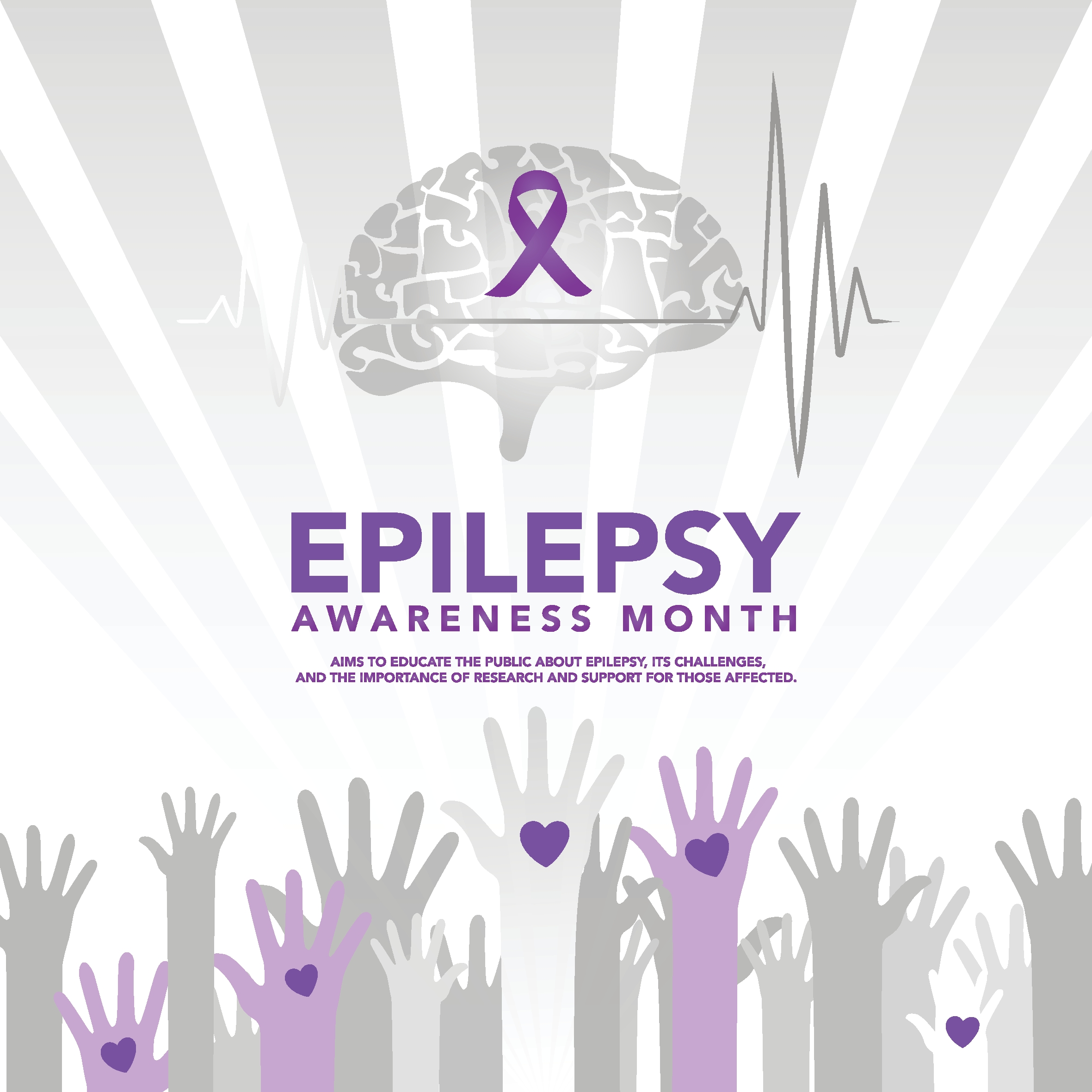
November is observed as National Epilepsy Awareness Month. Epilepsy is a neurological disorder characterized by recurrent seizures. It affects people of all ages and can greatly impact daily life.  

Epilepsy is a lot more common than people realize, as approximately one in 26 people will develop epilepsy at some point in their lives. Additionally, 470,000 children in the U.S. live with epilepsy, with approximately one in 150 children diagnosed with epilepsy.  

Epilepsy can manifest in various forms. The disorder is classified based on seizure type and underlying cause: 

  • Generalized epilepsy affects both hemispheres of the brain, resulting in widespread symptoms, such as convulsions or absence seizures 
  • Focal epilepsy is limited to one area of the brain, which often causes localized symptoms, such as sensory changes or motor disruptions 
  • Unknown or idiopathic epilepsy is when the underlying cause of seizures can’t be determined  

Terms like seizures and epilepsy are often used interchangeably. However, these terms are distinct concepts with unique characteristics and implications.  

When a person has had two or more seizures more than twenty-four hours apart that haven’t been brought on by specific events, such as a stroke, brain injury, infection, fever, or fluctuations in blood sugar, they are considered to have epilepsy. A person can also be diagnosed with epilepsy if they have one or more unprovoked seizures and a probability of future seizures. 

A seizure is a single event. It is an electrical disturbance in the brain that interferes with its normal function. Scientists and clinicians compare it to an “electrical storm in the brain” in which brain cells hyper-synchronize in an abnormal pattern, disrupting the brain signal balance.  

Seizures vary from person to person depending on which type of seizures they experience. This is due to epilepsy being a spectrum disorder, which means the causes, type, and severity can differ greatly for those affected by it. 

Common types of seizures include: 

  • Tonic-clonic seizures 
  • Absence seizures 
  • Focal seizures 
  • Febrile seizures 

The exact causes of epilepsy vary and aren’t entirely known. Typically, epilepsy and seizures result from abnormal signals from neurons in the brain. It can be genetic or acquired through events, such as physical injury or infection. What’s more, the cause of up to 50% of epilepsy cases worldwide is idiopathic, which means unknown. 

Some underlying causes of acquired epilepsy include: 

  • Head trauma 
  • Brain structure abnormalities 
  • Infectious disease 
  • Stroke 
  • Tumor 

 Healthcare providers diagnose epilepsy by conducting tests to detect abnormalities in a patient’s brainwaves. Tests can also detect seizure activity, including where a seizure starts in the brain.  

The most common diagnostic test for epilepsy is the EEG. However, other brain scans, such as MRI or PET, can be used depending on the patient’s seizure, epilepsy type, or both. To determine whether a patient has epilepsy, a healthcare provider compares their test results to the guidelines and criteria established by the International League Against Epilepsy (ILAE). 

To treat epilepsy, healthcare providers prescribe a patient’s treatment based on the type or types of seizures they are experiencing.  

Epilepsy treatments available include: 

  • Medications 
  • Dietary changes 
  • Medical devices 
  • Surgery  

It is important to note that finding the right treatment plan may require trial and error. 

Living with epilepsy requires careful management of triggers, following medication regimens, and awareness of safety precautions. Staying informed about epilepsy and building a strong support system can help individuals lead fulfilling lives despite the difficulties the disorder creates. 

If you are experiencing any symptoms of epilepsy, you can consult with a neurologist at Jamaica Hospital Medical Center. To schedule an appointment, please call (718) 206-7246. 

All content of this newsletter is intended for general information purposes only and is not intended or implied to be a substitute for professional medical advice, diagnosis or treatment. Please consult a medical professional before adopting any of the suggestions on this page. You must never disregard professional medical advice or delay seeking medical treatment based upon any content of this newsletter. PROMPTLY CONSULT YOUR PHYSICIAN OR CALL 911 IF YOU BELIEVE YOU HAVE A MEDICAL EMERGENCY.
Wellness Wednesday: Taking Screen Breaks

We all use some type of screen every day in today’s digital age. Whether for professional or personal use, we often use screens more than we should.  

The impact of excessive screen time on mental and physical health cannot be overlooked.  

Staring at a screen for long periods of time can lead to continuous and intense focus, resulting in mental fatigue and other significant mental health challenges, such as increased feelings of anxiety and depression.  

Excessive screen time affects your physical health as it pertains to your weight, cardiovascular fitness, and metabolic health due to time spent being sedentary. 

Additionally, staring at screens for too long can cause digital eye strain, which is now one of the most common complaints in optometry offices. Symptoms of digital eye strain include: 

  • Dry eyes 
  • Blurred vision 
  • Headaches 
  • Difficulty focusing at a distance 

Taking regular breaks from screens offers a chance to reset, reduce stress levels, and encourage a healthier mental state. It can also result in better sleep quality, as reducing screen time before bedtime helps the brain unwind and enables more restful sleep.  

Here are some ways you can incorporate screen time breaks into your daily routine: 

  • Follow the 20-20-20 rule, which consists of every 20 minutes, looking at something 20 feet away for 20 seconds. This gives your focusing muscles a brief rest and reduces the cumulative strain 
  • Engage in physical activity during screen breaks to enhance both mental and physical health 
  • Schedule specific break times during the day to step away from your device 
  • Set a screen curfew by using apps or tools that remind you to take breaks or limit screen time 
  • Create screen-free zones 
  • Replace your screen with a book, board game, coloring book, a sport, or time outside 

Mindfulness can also play a key role in managing screen time effectively. By becoming more aware of screen habits, you can recognize when to step away from your screens and engage in alternative, enriching activities.  

All content of this newsletter is intended for general information purposes only and is not intended or implied to be a substitute for professional medical advice, diagnosis or treatment. Please consult a medical professional before adopting any of the suggestions on this page. You must never disregard professional medical advice or delay seeking medical treatment based upon any content of this newsletter. PROMPTLY CONSULT YOUR PHYSICIAN OR CALL 911 IF YOU BELIEVE YOU HAVE A MEDICAL EMERGENCY.

Tips for Adjusting To Daylight Saving Time

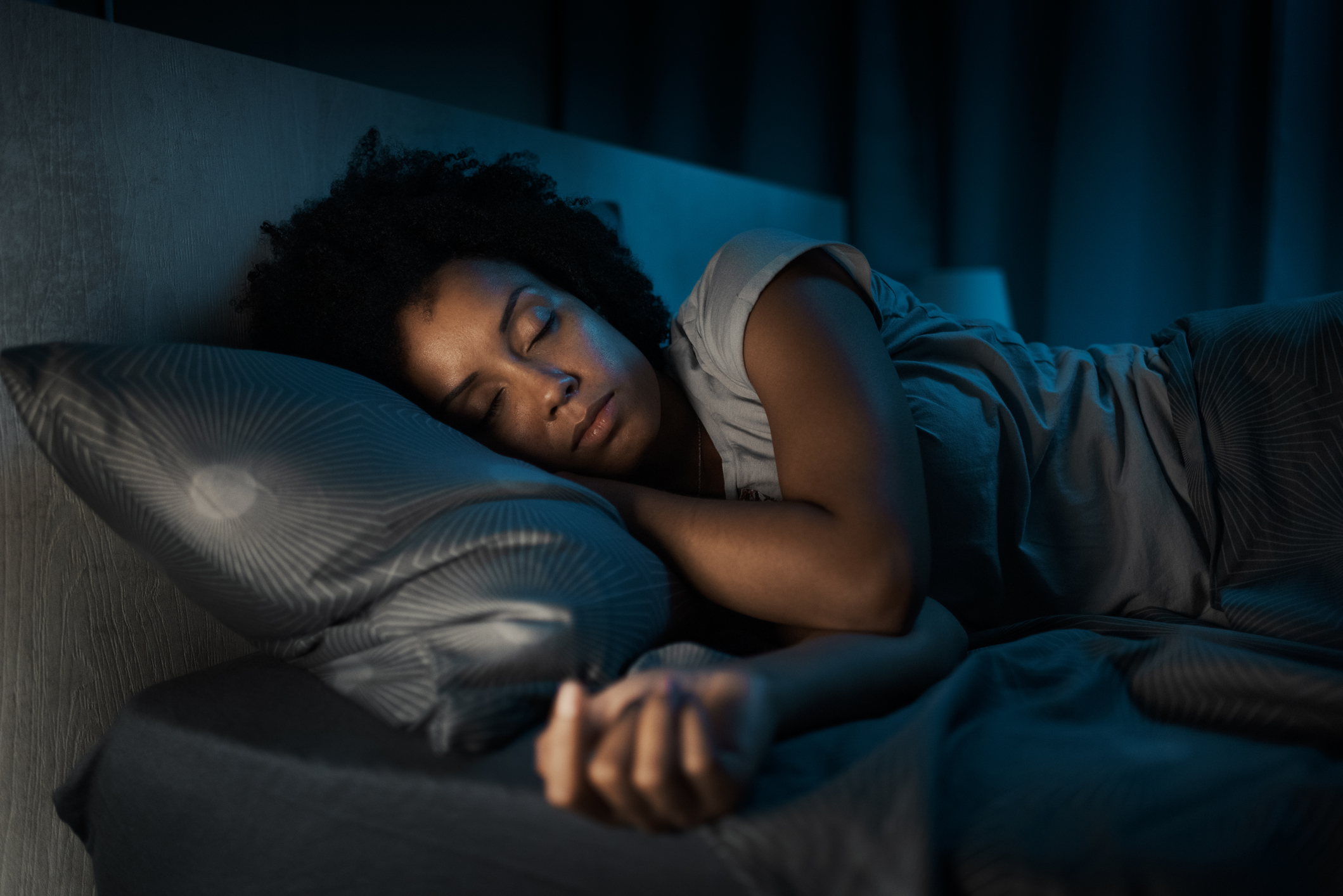
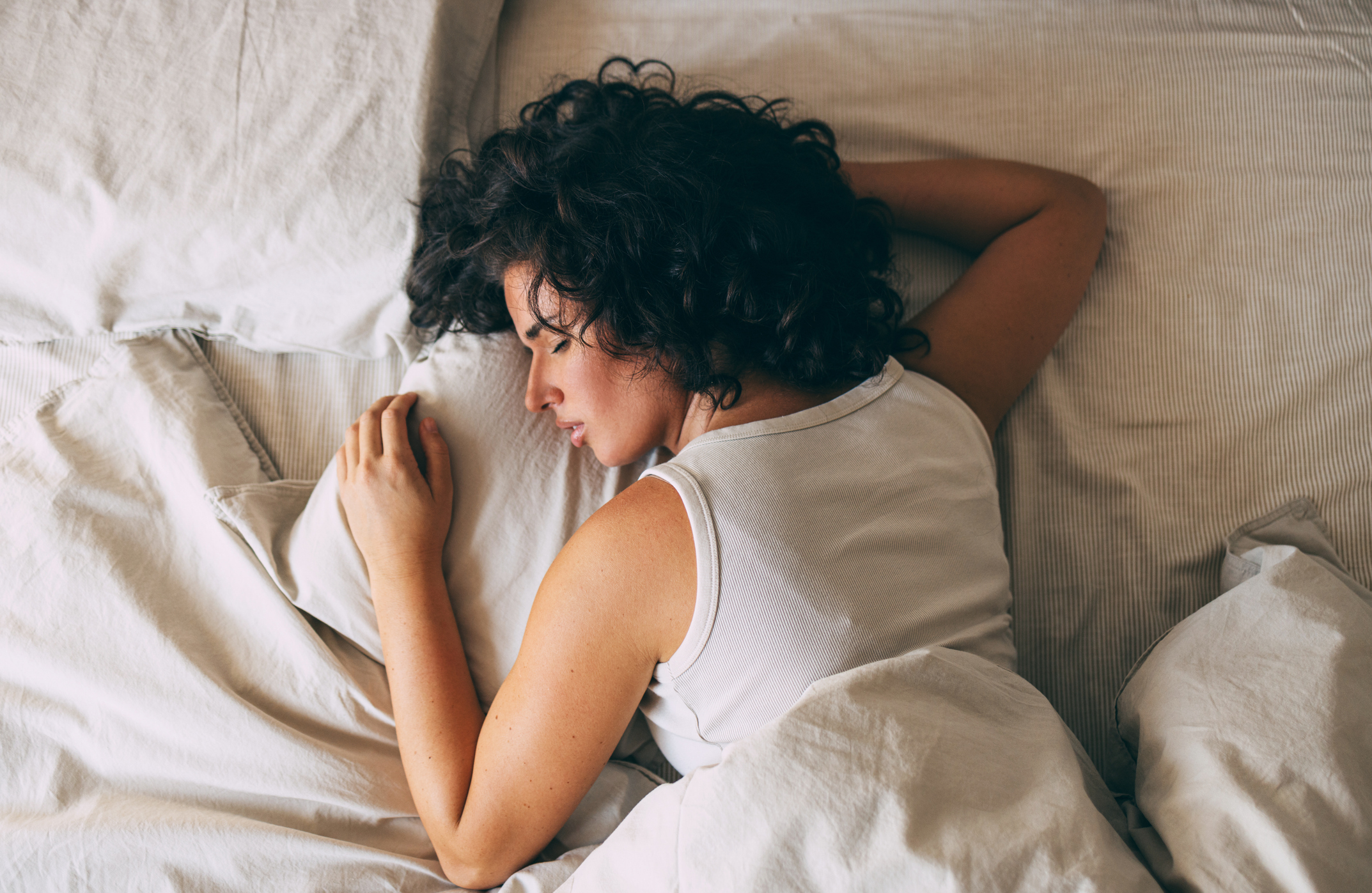
A woman with curly hair peacefully sleeping in a cozy bed, showcasing relaxation and restfulness. Perfect representation of comfort and tranquility for a restful night.Daylight Saving Time recently ended on November 1st, 2026. Clocks were set back by one hour, which means you gained an extra hour of sleep, and it will get darker earlier in the evening.

Although you’ve gained some extra sleep time, your internal body clock, or circadian rhythm, may still need time to adjust. During this period of adjustment, you may:

  • Wake up earlier than you intend, due to earlier sunrises/ morning light
  • Feel sleepy earlier in the evening
  • Experience mood swings, or changes in energy and concentration

It usually takes our bodies a few days or about a week to adjust. Here are a few tips you can follow to help you transition and reset your body:

  • Keep a consistent sleep schedule: Go to bed and wake up at the same time each day
  • Maintain seven or more hours of sleep
  • Limit caffeine and alcohol intake close to bedtime
  • Turn off screens one hour before bedtime
  • Get more morning sunlight, which helps reset your body’s internal clock
  • Exercise during the day
  • Avoid long naps, lasting more than 20- 30 minutes

If you are still having difficulty adjusting, evaluate your sleep habits to see if they are affecting your sleep, be mindful of stress or anxiety that may be hindering a restful night’s sleep, and try stress-relieving or coping techniques.  Talk with a healthcare provider if you experience sleep problems that last more than 2-3 weeks after the time change.

To schedule an appointment with a sleep specialist at Jamaica Hospital Medical Center, please call 718-206-5916.


All content of this newsletter is intended for general information purposes only and is not intended or implied to be a substitute for professional medical advice, diagnosis or treatment. Please consult a medical professional before adopting any of the suggestions on this page. You must never disregard professional medical advice or delay seeking medical treatment based upon any content of this newsletter. PROMPTLY CONSULT YOUR PHYSICIAN OR CALL 911 IF YOU BELIEVE YOU HAVE A MEDICAL EMERGENCY.