National Breastfeeding Month

August is National Breastfeeding Month. It is a time when communities and health organizations work in tandem to share the many health benefits of breastfeeding for the nursing mother and baby and to celebrate the natural and healthful bond between a new mother and her infant.  

There are five great health benefits of breastfeeding, including: 

  • Breast milk is the best source of nutrition for most babies. As the baby grows, the mother’s breast milk will change to meet the baby’s nutritional needs. 
  • Breastfeeding can help protect babies against some short- and long-term illnesses and diseases. Breastfed babies have a lower risk of asthma, obesity, Type 1 diabetes, and sudden infant death syndrome (SIDS). Breastfed babies are also less likely to have ear infections and stomach bugs.  
  • Breast milk shares antibodies from a mother to her baby. These antibodies help babies develop a strong immune system and protect them from illnesses.  
  • Mothers can breastfeed anytime and anywhere. Mothers can feed their babies on the go without worrying about having to mix formula or prepare bottles. Breastfeeding can also provide a source of comfort for babies whose normal routine is disrupted while traveling. 
  • Breastfeeding has health benefits for the mother as well. Breastfeeding can reduce the mother’s risk of breast and ovarian cancer, Type 2 diabetes, and high blood pressure.  

Ways you can celebrate National Breastfeeding Month include: 

  • Learn more and educate others about breastfeeding 
  • Support breastfeeding mothers 
  • Advocate for better breastfeeding policies 
  • Donate to relevant breastfeeding advocacy organizations 
  • Share stories and experiences about breastfeeding 
  • Volunteer during National Breastfeeding Month 
  • Participate in breastfeeding events 
  • Express gratitude for those who are breastfeeding 

At Jamaica Hospital’s Baby Friendly USA-designated Department of Women’s Health Services, we are passionate about meeting the various needs of women in our community. We proudly treat women from all walks of life, and we provide a warm and welcoming environment. To learn more about our OB/GYN services, such as breastfeeding, please contact us at 718-291-3276 for more information. 

All content of this newsletter is intended for general information purposes only and is not intended or implied to be a substitute for professional medical advice, diagnosis or treatment. Please consult a medical professional before adopting any of the suggestions on this page. You must never disregard professional medical advice or delay seeking medical treatment based upon any content of this newsletter. PROMPTLY CONSULT YOUR PHYSICIAN OR CALL 911 IF YOU BELIEVE YOU HAVE A MEDICAL EMERGENCY.

Children’s Eye Health and Safety Month

August is Children’s Eye Health and Safety Month. As many parents prepare their children for the new school year, it is essential to have their eyes checked.  

Vision is a vital part of a child’s development. It is how they learn, play, and interact with the world around them. Uncorrected vision problems can impair child development, interfere with learning, and even lead to permanent vision loss.  

Unfortunately, many eye problems in children go undetected, which can lead to long-term issues. Regular eye exams are crucial in identifying problems early, ensuring your child has the best chance for healthy vision. Good vision is essential for their performance in school, in sports, and for their overall well-being. 

Vision issues in children are common in the United States. They are vulnerable to many eye problems, including: 

  • Injuries 
  • Infections 
  • Nearsightedness 

There are many things to be aware of that may indicate a problem with your child’s eyes, including: 

  • Their eyes do not line up or appear crossed 
  • Their eyelids are red-rimmed, crusted, or swollen 
  • Their eyes are watery or inflamed 
  • They rub their eyes a lot 
  • They close or cover one eye 
  • They tilt their head forward 
  • They have trouble reading or doing other close-up work  
  • They hold objects close to their eyes to see 
  • They blink more than usual or seem cranky when doing close-up work 
  • Things are blurry or hard to see for them 

There are many ways to protect your child’s eye health, including: 

  • Getting regular eye exams 
  • Wearing protective eyewear during sports and other activities 
  • Limiting screen time 
  • Practicing healthy nutrition 

If you would like to schedule an eye exam for your child, you can visit an ophthalmologist at Jamaica Hospital Medical Center. To schedule an appointment, please call (718) 206-5900. 


All content of this newsletter is intended for general information purposes only and is not intended or implied to be a substitute for professional medical advice, diagnosis or treatment. Please consult a medical professional before adopting any of the suggestions on this page. You must never disregard professional medical advice or delay seeking medical treatment based upon any content of this newsletter. PROMPTLY CONSULT YOUR PHYSICIAN OR CALL 911 IF YOU BELIEVE YOU HAVE A MEDICAL EMERGENCY.

Cystic Fibrosis Awareness Month

May is Cystic Fibrosis Awareness Month. It is observed as a month that encourages education about the battle against the disease, which affects more than 30,000 people in the United States.

Cystic Fibrosis is a genetic disorder that affects the lungs, causing constant lung infections. It also impacts other organs in the body where mucus builds up, such as the pancreas.

There are two types of cystic fibrosis, classic cystic fibrosis and atypical cystic fibrosis.

Classic cystic fibrosis often affects multiple organs. It is usually diagnosed in the first few years of life.

Symptoms of classic cystic fibrosis include:

  • Frequent lung infections
  • Loose or oily poop
  • Trouble breathing
  • Frequent wheezing
  • Frequent sinus infections
  • A nagging cough
  • Slow growth
  • Failure to thrive (inability to gain weight despite having a good appetite and taking in enough calories)

Atypical cystic fibrosis is a milder form of the disease. It may only affect one organ, or symptoms may come and go. It is usually diagnosed in older children or adults.

People with atypical cystic fibrosis may have some of the same symptoms as those with classic cystic fibrosis. Over time, they might experience symptoms that can include:

  • Chronic sinusitis
  • Nasal polyps
  • Dehydration or heatstroke from abnormal electrolyte levels
  • Diarrhea
  • Pancreatitis
  • Unintended weight loss

Changes to the cystic fibrosis transmembrane conductance regulator (CFTR) gene cause cystic fibrosis. It affects the cells that make mucus, sweat, and digestive juices. When the CFTR protein doesn’t work as it should, it results in a thick, sticky mucus in the respiratory, digestive, and reproductive systems, as well as extra salt in sweat.

Changes in the CFTR gene that cause cystic fibrosis are divided into several different groups based on the problems they cause. Different groups of gene changes affect how much CFTR protein is made and how well it works.

To have cystic fibrosis, children must get one copy of the changed CFTR gene from each parent. If children get only one copy, they won’t develop cystic fibrosis. But they will be carriers and could pass the changed gene to their children. People who are carriers may have no symptoms of cystic fibrosis or a few mild symptoms.

Because cystic fibrosis is a genetic condition, family history is a risk factor. Cystic fibrosis occurs in all races. However, it is most common in white people of North European ancestry. Because it is less common in people who are Black, Hispanic, Middle Eastern, Native American, or Asian, this may lead to a much later diagnosis.

A late diagnosis may cause worse health issues. Early and effective treatment can improve your quality of life, prevent complications, and help you live longer. If you are a person of color and have symptoms that could be cystic fibrosis, talk to your healthcare provider so you can get tested for it.

To diagnose cystic fibrosis, healthcare providers usually perform a physical exam, review your symptoms, and perform tests.

Every state in the U.S. now routinely screens newborns for cystic fibrosis. Early diagnosis means treatment can begin right away. Testing can include:

  • Newborn screening
  • A sweat test
  • Genetic testing

Cystic fibrosis tests may be recommended for older children and adults who weren’t screened at birth. A healthcare provider may suggest genetic and sweat tests if you have repeated bouts of symptoms of cystic fibrosis.

Unfortunately, there is no cure for cystic fibrosis, however, treatment can ease symptoms, lessen complications, and improve quality of life. Close monitoring and early, aggressive intervention are recommended to slow the worsening of cystic fibrosis over time, which can lead to a longer life.

The goals of treatment include:

  • Preventing and controlling infections that occur in the lungs
  • Removing and loosening mucus from the lungs
  • Treating and preventing intestinal blockages
  • Getting enough nutrition

To learn more about cystic fibrosis or to make an appointment with a pulmonologist at Jamaica Hospital Medical Center, please call (718) 206-7126.

All content of this newsletter is intended for general information purposes only and is not intended or implied to be a substitute for professional medical advice, diagnosis or treatment. Please consult a medical professional before adopting any of the suggestions on this page. You must never disregard professional medical advice or delay seeking medical treatment based upon any content of this newsletter. PROMPTLY CONSULT YOUR PHYSICIAN OR CALL 911 IF YOU BELIEVE YOU HAVE A MEDICAL EMERGENCY.
Common Pediatric Surgeries

Children can experience several health conditions, some of which may require surgery. These surgical procedures can be minor or major. Pediatric surgery focuses on diagnosing and treating surgical conditions in infants, children, and adolescents. These conditions can include:

  • Surgery for abnormalities of the groin in childhood and adolescence, such as undescended testes, hernias, and hydroceles
  • Surgical repair of birth defects
  • Surgical repair of serious injuries
  • Surgical removal of tumors
  • Transplantation surgeries
  • Minimally invasive endoscopic procedures
  • All other general surgical procedures for children

The most common pediatric surgical procedures are those related to the ear, nose, and throat, such as tonsillectomies, adenoidectomies, and tympanostomy tube replacement. Other common pediatric surgical procedures include:

  • Appendectomy
  • Gallbladder removal
  • Thyroidectomy
  • Hernia repair
  • Trauma surgeries

The pediatric surgeons at Jamaica Hospital Medical Center provide many different surgical services to younger patients. For more information about our Queens, NYC pediatric surgical services or to make an appointment, please call (718) 206-7001.

All content of this newsletter is intended for general information purposes only and is not intended or implied to be a substitute for professional medical advice, diagnosis or treatment. Please consult a medical professional before adopting any of the suggestions on this page. You must never disregard professional medical advice or delay seeking medical treatment based upon any content of this newsletter. PROMPTLY CONSULT YOUR PHYSICIAN OR CALL 911 IF YOU BELIEVE YOU HAVE A MEDICAL EMERGENCY.

Ear Infections

An ear infection, or acute otitis media, occurs when a virus or bacteria infects the space behind the eardrum. Children are more likely to get ear infections than adults, making them one of the most common childhood illnesses besides colds.

Signs and symptoms of an ear infection common in children include:

  • Ear pain, especially when lying down
  • Tugging or pulling at an ear
  • Trouble sleeping
  • Crying more than usual
  • Fussiness
  • Trouble hearing or responding to sounds
  • Loss of balance
  • Fever of 100˚ F (38˚ C) or higher
  • Drainage fluid from the ear
  • Headache
  • Loss of appetite

Common signs and symptoms of an ear infection in adults include:

  • Ear pain
  • Drainage of fluid from the ear
  • Trouble hearing

Ear infections often begin after a cold or another upper respiratory infection. The germs travel into your middle ear through the Eustachian tube, causing the Eustachian tube to swell and become blocked. The blockage leads to poor Eustachian tube function and infected fluid in your middle ear.

Ear infections aren’t contagious, but the viruses and/or bacteria that cause them are.

Several factors can cause a risk of ear infections, including:

  • Age
  • Family history
  • Colds
  • Chronic illnesses
  • Ethnicity
  • Poor air quality and smoky environments

Most healthcare providers can tell if you have an ear infection based on symptoms and a physical exam. Other tests include:

  • Tympanometry test
  • Acoustic reflectometry test
  • Tympanocentesis test

Treatment for ear infections can include:

  • Pain medication
  • Anesthetic drops
  • Antibiotic therapy

To make an appointment with an ENT doctor at Jamaica Hospital Medical Center, please call 718-206-7110.


All content of this newsletter is intended for general information purposes only and is not intended or implied to be a substitute for professional medical advice, diagnosis or treatment. Please consult a medical professional before adopting any of the suggestions on this page. You must never disregard professional medical advice or delay seeking medical treatment based upon any content of this newsletter. PROMPTLY CONSULT YOUR PHYSICIAN OR CALL 911 IF YOU BELIEVE YOU HAVE A MEDICAL EMERGENCY.
Lazy Eye in Children

Lazy eye or amblyopia is reduced vision in one eye caused by abnormal visual development early in life. The weaker or lazy eye often wanders inward or outward. Amblyopia generally develops from birth up to seven years old, and rarely affects both eyes.

Signs and symptoms of lazy eye include:

  • A wandering or crossed eye
  • Eyes that appear not to work together
  • Poor depth perception
  • Squinting or shutting an eye
  • Head tilting
  • Abnormal results of vision screening tests

It is important to note that some children display no symptoms of amblyopia. The child’s strong eye and brain can compensate for the weaker eye, making it appear that the child has good vision. Over time, the brain gets used to working with only one eye. The eye that’s being ignored by the brain doesn’t develop normal vision.

There are three main causes of amblyopia, including:

  • Strabismus- which occurs when a child’s eyes aren’t aligned. The eyes don’t work together, leading the brain to ignore one eye
  • Refractive error or need for glasses- children are especially at risk if one eye has a larger need for glasses compared to the other eye
  • Conditions that cause poor vision in one eye, like cataracts or droopy eyelid, prompt the brain to ignore the blurry pictures seen by that eye

Additional factors that can place a child at a higher risk for amblyopia, include:

  • A family history of amblyopia
  • Prematurity
  • Developmental delay
  • Craniofacial disorders
  • Certain genetic conditions, such as:
    • Down syndrome (trisomy 21)
    • 22q deletion syndrome
    • Williams syndrome
    • Noonan syndrome

Vision screening is the best way to diagnose amblyopia and its risk factors. Photoscreening, a type of vision screening that uses a special camera to determine how well a child can see, is often performed in conjunction with vision testing.

Treatment options depend on the cause of lazy eye and how much the condition affects your child’s vision. Treatment your doctor may recommend include:

  • Corrective eyewear
  • Eye patches
  • Bangerter filter
  • Eye drops
  • Surgery

Treatment while your child is young and the eyes are still developing, gives them a better chance of overcoming amblyopia. The goal is to make your child’s brain use both eyes. Getting the eyes to work as a team becomes harder as your child grows. Therefore, early treatment is best. Treatment may not work if started after seven to ten years of age.

If your child is experiencing symptoms of lazy eye, schedule an appointment at Jamaica Hospital Medical Center’s Ophthalmology Center now by calling (718) 206-5900.


All content of this newsletter is intended for general information purposes only and is not intended or implied to be a substitute for professional medical advice, diagnosis or treatment. Please consult a medical professional before adopting any of the suggestions on this page. You must never disregard professional medical advice or delay seeking medical treatment based upon any content of this newsletter. PROMPTLY CONSULT YOUR PHYSICIAN OR CALL 911 IF YOU BELIEVE YOU HAVE A MEDICAL EMERGENCY.

Walking Pneumonia in Children

Walking pneumonia is a mild form of pneumonia. Pneumonia is a lung infection that causes your airways to swell, and the air sacs in your lungs to fill with mucus and other fluids. It can also cause a high fever and a cough with mucus.

A cold lasting longer than seven to ten days, especially with a cough that gets worse over time is often a sign of walking pneumonia. Other symptoms may include:

· A fever of 101 degrees F or below

· Fatigue

· Headache, chills, sore throat, and other cold or flu-like symptoms

· Fast breathing or breathing with grunting or wheezing sounds

· Labored breathing that makes rib muscles retract

· Ear pain

· Chest or stomach pain

· Malaise or feeling of discomfort

· Vomiting

· Loss of appetite

· Rash

· Joint pain

Symptoms can come on suddenly or take longer to start. The symptoms are often mild, but can sometimes be more severe

Most children with walking pneumonia don’t feel sick enough to stay home, but even a child who feels fine should stay home for a few days until antibiotic treatment kicks in and symptoms improve

Walking pneumonia symptoms usually depend on where the infection is concentrated. A child with an infection in the top or middle part of the lungs will probably have labored breathing. A child with an infection in the lower part of the lungs may have no breathing problems but may have an upset stomach, nausea, or vomiting.

Walking pneumonia is often caused by bacteria called Mycoplasma pneumoniae. Other bacteria, viruses, or mold can also cause it.

Doctors usually diagnose walking pneumonia by performing an exam. They will check a child’s breathing and listen for a crackling sound that often indicates walking pneumonia. If needed, a chest x-ray or test of mucus samples from the child’s throat or nose will be ordered to confirm the diagnosis.

Walking pneumonia is treated with antibiotics because they are an effective treatment. A five to ten-day course of oral antibiotics is usually recommended. If your doctor prescribes antibiotics, make sure your child takes them on schedule for as long as directed to recover more quickly.

To schedule an appointment with a physician at Jamaica Hospital Medical Center, please call 718-206-7001.

All content of this newsletter is intended for general information purposes only and is not intended or implied to be a substitute for professional medical advice, diagnosis or treatment. Please consult a medical professional before adopting any of the suggestions on this page. You must never disregard professional medical advice or delay seeking medical treatment based upon any content of this newsletter. PROMPTLY CONSULT YOUR PHYSICIAN OR CALL 911 IF YOU BELIEVE YOU HAVE A MEDICAL EMERGENCY.

Volvulus

Volvulus is a condition that occurs when the intestine twists on itself, obstructing the flow of material through the bowel. This can cut off the blood supply to the intestine. Volvulus is commonly due to a birth defect called malrotation. This complication can cause the intestinal tissue to die, and can lead to the following symptoms:

  • Yellow or green vomit
  • Severe abdominal pain
  • Abdominal swelling or distention
  • Rapid heart rate
  • Rapid breathing
  • Bloody stools
  • Constipation
  • Shock

Volvulus of the small intestine usually occurs in infants and children. Children with volvulus may not have long-term problems if the condition is treated promptly. However, surgery is required within hours of the onset of symptoms for this to occur.

Volvulus in adults typically forms in the colon. This is known as sigmoid volvulus.

Some factors that may increase the risk of volvulus include:

  • Chronic constipation
  • A high-fiber diet
  • Past abdominal surgery

Volvulus is diagnosed based on its symptoms, which include abdominal pain, nausea, abdominal distention, constipation, and inability to pass gas. A healthcare provider may suspect volvulus based on the symptoms and begin looking for a possible cause. This can be done by performing a physical exam and ordering:

  • Lab tests
  • CT scan
  • X-rays
  • Contrast enema

Volvulus treatment focuses on two goals, fixing the twisted intestine and preventing future episodes. The process of untwisting the intestines is called “reducing” the volvulus. This requires a flexible sigmoidoscopy procedure, which uses a flexible, tube-like instrument equipped with a light and camera. Inserting and advancing the instrument can help untwist a sigmoid volvulus and restore blood supply while allowing the gastroenterologist to see and assess any tissue damage. This may help determine if surgery is necessary.

If you or your child is suffering from symptoms of volvulus, you can schedule an appointment with a gastroenterologist at Jamaica Hospital Medical Center by calling (718) 206-6742.

All content of this newsletter is intended for general information purposes only and is not intended or implied to be a substitute for professional medical advice, diagnosis or treatment. Please consult a medical professional before adopting any of the suggestions on this page. You must never disregard professional medical advice or delay seeking medical treatment based upon any content of this newsletter. PROMPTLY CONSULT YOUR PHYSICIAN OR CALL 911 IF YOU BELIEVE YOU HAVE A MEDICAL EMERGENCY.
Whooping Cough

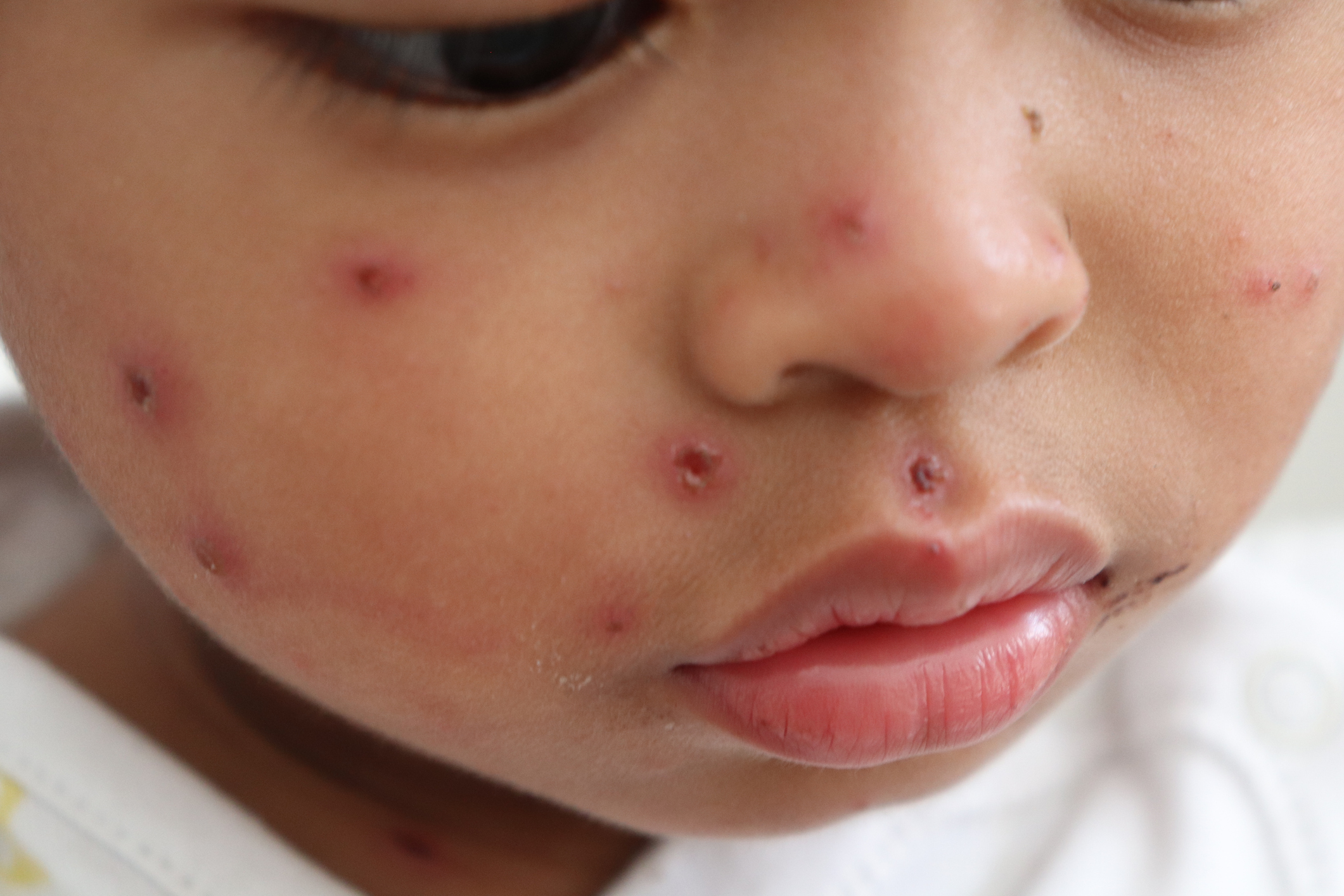
Whooping cough or pertussis, is a highly contagious respiratory tract infection that causes a distinct “whooping” cough.

Whooping cough primarily affects children too young to have completed the full course of vaccinations, and teenagers and adults whose immunity has faded.

Once you become infected with whooping cough, it takes seven to 10 days for signs and symptoms to appear, but it could take longer. The symptoms are usually mild at first and resemble the symptoms of a common cold, which include:

  • Runny nose
  • Nasal congestion
  • Red, watery eyes
  • Fever
  • Cough

After a week or two, the signs and symptoms of whooping cough worsen. Thick mucus accumulates inside your airways, causing uncontrollable coughing. Severe and prolonged coughing attacks may also cause:

  • Vomiting
  • Extreme fatigue
  • A high-pitched “whoop” sound during the next breath of air

Whooping cough is caused by a type of bacteria called Bordetella pertussis. When the bacteria enter your respiratory system, they attach to the tiny, hair-like extensions that line your respiratory tract called cilia. The bacteria then release toxins damaging the cilia, causing the airways to swell, increasing mucus secretions, and creating severe coughing.

It is difficult to diagnose whooping cough early because the signs and symptoms resemble those of other common respiratory illnesses, like a cold, flu, or bronchitis. Doctors can sometimes diagnose whooping cough by asking about symptoms and listening to the cough. Medical tests may be needed to confirm the diagnosis. Tests can include:

  • A nose and throat culture and test
  • Blood tests
  • A chest X-ray

The best way to prevent whooping cough is with the pertussis vaccine, which doctors often give in combination with vaccines against two other serious diseases, diphtheria and tetanus.

Treatment for whooping cough is dependent on age and vaccination history. Infants are typically hospitalized for treatment because whooping cough is more dangerous for that age group.

Treatment for older children and adults can be managed at home. Antibiotics can be prescribed to kill the bacteria causing whooping cough.

To speak with a doctor about appropriate vaccinations, please schedule an appointment at Jamaica Hospital by calling (718) 206-7001 or your primary care physician as soon as possible.

All content of this newsletter is intended for general information purposes only and is not intended or implied to be a substitute for professional medical advice, diagnosis or treatment. Please consult a medical professional before adopting any of the suggestions on this page. You must never disregard professional medical advice or delay seeking medical treatment based upon any content of this newsletter. PROMPTLY CONSULT YOUR PHYSICIAN OR CALL 911 IF YOU BELIEVE YOU HAVE A MEDICAL EMERGENCY.

National Bullying Prevention Month

October is National Bullying Prevention Month. It is a time to acknowledge that bullying has devastating effects on children and families.

There are many forms of bullying. It can be verbal, physical, through social exclusion, or digital sources like email, texts, or social media. Unlike mutual teasing or fighting, bullying occurs when one person or group of people is perceived as being more powerful than another and takes advantage of that power through repeated physical assaults, threats of harm, intimidation, or by purposely excluding a person from a valued social group.

Being bullied can severely affect a person’s self-image, social interactions, and school performance, leading to mental health problems such as depression, anxiety, and substance abuse. It can lead to suicidal thoughts and behaviors as well.

There are many steps you can take to prevent bullying, including:

  • Addressing bullying at school- educators and teachers can create a safe and supportive learning environment and a classroom culture of positivity, inclusivity, and respect.
  • Talking about bullying at home- parents and caregivers can talk with their children about their school and digital life, and the many roles children can play in bullying.
  • Supporting your community- mentors can model kindness, inclusivity, and respect.
  • Raising awareness- share information about bullying prevention, its impact, and resources for support on social media to educate your community.
  • Support anti-bullying organizations- contribute to or volunteer with organizations dedicated to bullying prevention and support for victims.
  • Organize anti-bullying events- plan or participate in events, workshops, and seminars in your community that focus on bullying prevention and promote empathy.
  • Engage in school programs- encourage schools to implement anti-bullying programs and provide resources for students, teachers, and parents.
  • Be an upstander- teach children and teenagers the importance of standing up for others and reporting bullying incidents when they occur.

Participating in bullying prevention allows you to join the fight against bullying and create a more inclusive and empathetic society.

All content of this newsletter is intended for general information purposes only and is not intended or implied to be a substitute for professional medical advice, diagnosis or treatment. Please consult a medical professional before adopting any of the suggestions on this page. You must never disregard professional medical advice or delay seeking medical treatment based upon any content of this newsletter. PROMPTLY CONSULT YOUR PHYSICIAN OR CALL 911 IF YOU BELIEVE YOU HAVE A MEDICAL EMERGENCY.