
What is the New Flu Virus Variant?

A new variant of the flu virus, known as H3N2 subclade K, is affecting the U.S. this season, having circulated in other countries since the summer.  

This variant is a mutated strain of H3N2, which is a subtype of influenza A. According to the Centers for Disease Control and Prevention (CDC), H3N2 is the main type of flu spreading in the U.S. as of mid-November.  

Additionally, scientists from around the world have reported that H3N2 subclade K, a mutation of H3N2, has undergone several mutations, which haven’t been seen before in flu viruses. These mutations may make this new strain more severe than usual, with some experts suggesting that these changes could reduce the effectiveness of the current flu vaccine in preventing infection.  

However, it is important to note that it is still recommended to receive the flu vaccine, as the CDC notes that the H3N2 subclade K strain can cause severe symptoms in older adults over the age of 65 and children under the age of five. Other people who are vulnerable to severe symptoms of the subclade K strain include: 

  • Anyone who is immunocompromised 
  • Pregnant people 
  • People with underlying chronic conditions such as diabetes, heart disease, or lung disease 

Doctors warn that flu infections, if left untreated or not treated early enough, can increase the risk of complications such as ear infections and sinus infections, as well as more serious complications such as pneumonia, hospitalization, and even death. 

Last year, data from the CDC showed that the U.S. had the most total flu-related hospitalizations in about 15 years, and close to 280 pediatric deaths from the flu. 

People who are infected with the flu usually develop symptoms about one to four days after being exposed. Flu symptoms include: 

  • Fever and chills 
  • Muscle and body aches 
  • Headaches 
  • Sore throat 
  • Cough 
  • Deep fatigue or tiredness 
  • Runny nose or stuffy nose 
  • Vomiting and diarrhea (in some cases, especially in children) 

For most healthy people, the flu resolves within a week or two with rest and fluids. However, certain symptoms are red flags that indicate you need to seek immediate medical attention. 

  • Difficulty breathing or shortness of breath 
  • Persistent pain or pressure in the chest or abdomen 
  • Persistent dizziness, confusion, or inability to wake up 
  • Seizures 
  • Not urinating, which is a sign of severe dehydration 
  • Severe muscle pain 
  • A high fever that does not respond to fever-reducing medication 
  • Symptoms that improve but then return with a fever and worse cough 

It is important to remember that getting vaccinated is the best way to prevent serious symptoms of the flu virus. There are also several steps you can take to reduce your risk of getting and spreading the flu. They include: 

  • Washing your hands frequently with soap and water. 
  • Avoiding touching your eyes, nose, and mouth. 
  • Staying home when you are sick to prevent the spread of the virus to others. 
  • Covering your cough and sneeze with a tissue or your elbow. 
  • Considering wearing a mask in crowded indoor spaces, especially if you are around high-risk individuals. 

If you are experiencing any flu symptoms, you can schedule an appointment with a doctor at Jamaica Hospital Medical Center’s Ambulatory Care Center. Please call (718) 206-7001. 


All content of this newsletter is intended for general information purposes only and is not intended or implied to be a substitute for professional medical advice, diagnosis or treatment. Please consult a medical professional before adopting any of the suggestions on this page. You must never disregard professional medical advice or delay seeking medical treatment based upon any content of this newsletter. PROMPTLY CONSULT YOUR PHYSICIAN OR CALL 911 IF YOU BELIEVE YOU HAVE A MEDICAL EMERGENCY.

Infant Botulism

Infant botulism is a rare, life-threatening condition that causes a slow form of paralysis. It affects infants under one year old.  

Infant botulism differs from botulism in older children and adults as it develops slowly and worsens gradually. Recognizing symptoms early and seeking medical care promptly can make a significant difference in treatment and recovery. Symptoms of infant botulism can include: 

  • Respiratory difficulty and possible respiratory arrest 
  • Choking when trying to feed 
  • Constipation  
  • Weak or poor feeding 
  • Eyelid drooping 
  • Lack of facial expressions, being unable to lift their head, or other signs of muscle weakness or paralysis 
  • Weak and altered crying 
  • Weakness or decreased muscle tone, which prevents them from reaching or grabbing 
  • Changes in bowel movement, such as not pooping for days or weeks at a time 

Since infants cannot express how or what they are feeling, it is essential to recognize and be aware of potential warning signs. 

Infants can contract botulism if they eat something, such as honey, that contains spores from the bacteria Clostridium botulinum, which is why infants under a year old should never be given honey. A recent outbreak of infant botulism is suspected to be linked to the contamination of infant formula. When an infant ingests Clostridium botulinum, the bacteria multiply and make a toxin, which disrupts the infant’s nervous system after entering its bloodstream, causing symptoms of botulism.  

Infants under a year old are at a higher risk of contracting botulism, with 95% of cases occurring in infants younger than six months old.  

A healthcare provider can diagnose infant botulism by observing symptoms and performing physical and neurological exams. Testing stool for botulinum toxin is the best way for a healthcare provider to confirm a diagnosis. 

Infant botulism is treatable with an antitoxin called botulism immune globulin, which is administered through an IV.  

The Department of Pediatrics at Jamaica Hospital Medical Center provides comprehensive healthcare to infants, children, and adolescents. If your infant is experiencing symptoms of botulism, you can make an appointment by calling 718-206-7001 

All content of this newsletter is intended for general information purposes only and is not intended or implied to be a substitute for professional medical advice, diagnosis or treatment. Please consult a medical professional before adopting any of the suggestions on this page. You must never disregard professional medical advice or delay seeking medical treatment based upon any content of this newsletter. PROMPTLY CONSULT YOUR PHYSICIAN OR CALL 911 IF YOU BELIEVE YOU HAVE A MEDICAL EMERGENCY.

RSV Vaccine

Respiratory syncytial virus, or RSV, is a common respiratory virus that infects the nose, throat, and lungs. A seasonal virus, RSV, spreads in the fall and winter, often in conjunction with other respiratory viruses, typically peaking in December and January.  

Signs and symptoms of RSV most commonly appear about four to six days after exposure to the virus. In adults and older children, RSV usually causes mild cold-like signs and symptoms, including: 

  • Congested or runny nose 
  • Dry cough 
  • Low-grade fever 
  • Sore throat 
  • Sneezing 
  • Headache 
  • Lack of energy 
  • Decreased appetite 

Distinguishing RSV symptoms from those of the common cold or other respiratory viruses, such as the flu or COVID-19, can be challenging.  

RSV can infect anyone. However, severe cases of RSV affect babies who are 12 months and younger, older adults, people with heart and lung disease, or anyone who is immunocompromised. Severe infection can spread to the lower respiratory tract, causing pneumonia or bronchiolitis, presenting symptoms such as: 

  • Fever 
  • Severe cough 
  • Wheezing 
  • Rapid or difficulty breathing 
  • Cyanosis, or a bluish color of the skin due to a lack of oxygen 

Infants are affected most severely by RSV. Signs and symptoms of severe infection in infants include: 

  • Short, shallow, and rapid breathing 
  • Struggling to breathe 
  • Cough 
  • Decreased appetite 
  • Unusual tiredness 
  • Irritability 

RSV is very contagious. You can easily spread the virus while symptomatic, which is usually a period of three to eight days. RSV can enter the body through the eyes, nose, or mouth. It is spread through respiratory droplets when you cough or sneeze and through direct contact, such as shaking hands.  

RSV can cause many complications, including: 

  • Hospitalization 
  • Middle ear infection 
  • Asthma 
  • Repeated infections 

To treat RSV, the Centers for Disease Control and Prevention (CDC) recommends a single dose of any FDA-licensed RSV vaccine for all adults 75 and older, and adults 60-74 at increased risk of severe RSV. Adults 60-74 who are at increased risk include those with: 

  • Chronic heart or lung disease 
  • A weakened immune system or certain other chronic medical conditions 
  • Those who are residents of nursing homes 

The CDC also recommends a one-time dose of RSV vaccine for pregnant women from week 32 through week 36 of pregnancy, for the prevention of RSV in their infants during the first six months of life. Most infants will not need both maternal vaccination and infant RSV antibodies. The recommended administration of infant RSV antibody is from October through March, with the optimal timing for antibody administration being shortly before the RSV season begins in October-November, or within a baby’s first week of life if born October through March, ideally during the birth hospitalization.  

Additionally, the CDC recommends that eligible adults get the RSV vaccine at any time, with the best time being in late summer and early fall before RSV usually starts to spread. 

If you or a loved one would like to receive the RSV vaccine, you can schedule an appointment at Jamaica Hospital Medical Center’s Ambulatory Care Center by calling (718) 206-7001. 


All content of this newsletter is intended for general information purposes only and is not intended or implied to be a substitute for professional medical advice, diagnosis or treatment. Please consult a medical professional before adopting any of the suggestions on this page. You must never disregard professional medical advice or delay seeking medical treatment based upon any content of this newsletter. PROMPTLY CONSULT YOUR PHYSICIAN OR CALL 911 IF YOU BELIEVE YOU HAVE A MEDICAL EMERGENCY.

Inguinal Hernia Repair- Pediatric Surgery

Inguinal hernia surgery is one of the most common surgeries performed in infants and children.

An inguinal hernia happens when part of the membrane lining the abdominal cavity or intestine protrudes through a weak spot in the abdomen, often along the inguinal canal. This can form a bulge in the groin or scrotum, which can be painful.

There are two types of inguinal hernias, direct inguinal hernia and indirect inguinal hernia.

A direct inguinal hernia penetrates directly through the wall of the inguinal canal.

An indirect inguinal hernia enters the inguinal canal through the top. This usually occurs because of a birth defect, when the opening of a fetus’s canal doesn’t close all the way during development in the uterus. The inguinal canal extends from a child’s abdomen to their genitals.

Inguinal hernias usually only develop on one side of a child’s groin, developing on the right side more often than on the left side. About 10% of the time, inguinal hernias develop on both sides of the groin.

Inguinal hernias are most common in children six years of age or younger, and are more common in premature infants, with 90% of them affecting baby boys.

A baby boy’s testicle forms above the lower abdominal wall and descends through the inguinal canal into the scrotum. The place where the testicle passes through is more susceptible to a hernia because it is a preexisting opening.

In females, the inguinal canal is narrower and begins under the abdominal wall. It carries the round ligament that supports the uterus, and this tough ligament helps to reinforce the muscle wall. However, if a female has connective tissue disease, they may be more susceptible to hernias where connective tissue attaches the uterus to the inguinal canal. Congenital indirect inguinal hernias may also affect baby girls, but it is rare.

Not all inguinal hernias have symptoms. Sometimes, symptoms come and go. A hernia may slide in and out of the opening, or a child may only feel it during certain activities.

In children, you may see a lump in their groin area that gets bigger when they cry. It may go away when they sleep. An inguinal hernia may not always be noticeable because it may be tucked behind muscle fibers.

Some signs and symptoms of an inguinal hernia include:

  • A bulge in the area of the pubic bone, which becomes more obvious when upright, especially if you cough or strain
  • A burning or aching sensation at the bulge
  • Pain or discomfort in your groin, especially when bending over, coughing, or lifting
  • A heavy or dragging sensation in the groin
  • Weakness or pressure in the groin
  • Occasional, pain and swelling around the testicles when the protruding intestine descends into the scrotum
  • Crankiness and difficulty feeding in infants

Some inguinal hernias have no apparent cause. Other causes of hernias can include:

  • Increased pressure within the abdomen
  • A preexisting weak spot in the abdominal wall
  • Straining during bowel movements or urination
  • Strenuous activity
  • Chronic coughing or sneezing

Some risk factors that contribute to developing an inguinal hernia include:

  • Being male
  • Family history
  • Premature birth and low birth weight
  • Previous inguinal hernia or hernia repair

A physical exam is usually performed to diagnose an inguinal hernia in a child. A doctor will check for a bulge in the child’s groin or scrotum area while they are straining or crying, and then determine if it goes away when they are relaxed. If the child is old enough, they may ask them to stand and cough or strain because standing and coughing can make a hernia more prominent.

An inguinal hernia in a child is usually treated as soon as possible, as children are more at risk of dangerous complications from them. Complications that can develop from an inguinal hernia include:

  • Incarcerated hernia- occurs when the contents of the hernia get stuck. When this happens, a child’s healthcare provider can’t push the hernia back into their abdomen
  • Strangulated hernia- occurs when the hernia gets stuck and cuts of the blood supply to the child’s intestines. The lack of blood flow to a child’s intestines can cause tissue death. This is a serious and painful condition and is a medical emergency

Healthcare providers recommend surgery for most inguinal hernias. The types of surgeries used to repair inguinal hernias include:

  • Open surgery
  • Laparoscopic surgery

Our friendly on-site staff members are happy to provide you with the information you need about the surgical options available to your child at Jamaica Hospital Medical Center. For more information about our Queens, NYC surgical services or to make an appointment, please call (718) 206-7001.


All content of this newsletter is intended for general information purposes only and is not intended or implied to be a substitute for professional medical advice, diagnosis or treatment. Please consult a medical professional before adopting any of the suggestions on this page. You must never disregard professional medical advice or delay seeking medical treatment based upon any content of this newsletter. PROMPTLY CONSULT YOUR PHYSICIAN OR CALL 911 IF YOU BELIEVE YOU HAVE A MEDICAL EMERGENCY.

ADHD Awareness Month

October is ADHD Awareness Month, a time dedicated to raising awareness, challenging stigma, and celebrating the unique strengths that often come with a neurodivergent brain.

Adult attention-deficit/hyperactivity disorder (ADHD) is a mental health disorder that includes a combination of persistent problems, such as difficulty paying attention, hyperactivity, and impulsive behavior. Adult ADHD can lead to unstable relationships, poor work or school performance, low self-esteem, and other problems.

Some people with ADHD have fewer symptoms as they age, but some adults continue to have major symptoms that interfere with daily functioning. Adult ADHD symptoms include:

  • Impulsiveness
  • Disorganization and problems prioritizing
  • Poor time management skills
  • Problems focusing on a task
  • Trouble multitasking
  • Excessive activity or restlessness
  • Poor planning
  • Low frustration tolerance
  • Frequent mood swings
  • Problems following through and completing tasks
  • Hot temper
  • Trouble coping with stress

Symptoms can range from mild to severe. Many adults with ADHD aren’t aware they have it.

The exact cause of ADHD is not clear, but research efforts continue. Factors that may be involved in the development of ADHD include:

  • Genetics
  • Environment
  • Problems during development

Factors that may increase the risk of ADHD may include:

  • You have blood relatives, such as a parent or sibling, with ADHD or another mental health disorder
  • Your mother smoked, drank alcohol, or used drugs during pregnancy
  • As a child, you were exposed to environmental toxins such as lead, found mainly in paint and pipes in older buildings
  • You were born prematurely

Signs and symptoms of ADHD in adults can be difficult to spot. However, the core symptoms of ADHD start early in life, before the age of 12, continuing into adulthood, creating major problems.

There is no single test that can confirm an ADHD diagnosis. A diagnosis will likely include:

  • A physical exam
  • Questions about your current medical issues, personal and family medical history, and the history of your symptoms
  • ADHD rating scales or psychological tests

Standard treatments for ADHD in adults typically involve medication, education, skills training, and psychological counseling. A combination of these is often the most effective treatment as they can help manage many symptoms of ADHD, but they won’t cure it.

If you need the assistance and support of a mental health professional at Jamaica Hospital Medical Center, please call 718-206-5575 to schedule an appointment.


All content of this newsletter is intended for general information purposes only and is not intended or implied to be a substitute for professional medical advice, diagnosis or treatment. Please consult a medical professional before adopting any of the suggestions on this page. You must never disregard professional medical advice or delay seeking medical treatment based upon any content of this newsletter. PROMPTLY CONSULT YOUR PHYSICIAN OR CALL 911 IF YOU BELIEVE YOU HAVE A MEDICAL EMERGENCY.


How to Prepare for Cold and Flu Season

As we progress through the fall season and approach winter, it is essential to take proactive steps to protect yourself and your loved ones from seasonal illnesses.

Here are some steps you can take to prepare for the upcoming cold and flu season:

  • Getting vaccines, such as the flu shot, can help your body’s immune system recognize and defend against a variety of viruses before you get infected. They can also reduce the severity of symptoms if you do fall ill.
  • Avoiding and preventing the spread of illnesses by practicing good hygiene habits can help reduce your exposure to germs and viruses. Some good hygiene habits you can practice include:
    • Washing your hands regularly, especially before eating and after using the restroom
    • Covering your mouth when you cough or sneeze, even if it is just seasonal allergies
    • Wiping down commonly used surfaces in your home, such as door handles, toilets, faucets, remotes, and other areas you and your loved ones may touch regularly
    • Avoiding sharing personal products and utensils with others
    • Wearing a mask to help reduce your exposure to respiratory illnesses
    • Limiting time in shared spaces, when you can, to help stop germs from spreading around your home
  • Taking care of yourself by protecting your immune system. Some ways you can protect your immune system include:
    • Getting a good night’s rest can help strengthen your body and immune system against illnesses
    • Adding vitamin-dense fruits and vegetables to your meals can help you maintain your energy and ward off viral and bacterial infections.
    • Staying hydrated, which can help loosen mucus and increase blood flow
    • Staying physically active can help your body build resistance and resilience against infectious diseases
    • Taking time to relax and manage stress is important to keep your immune system running at full capacity. Experiencing stress may affect self-care routines and lower the body’s resistance to infections

If you do start to feel under the weather, it is important to take quick action to protect your health and prevent the spread of illness to others. By following these simple steps, you can recover more comfortably and help keep you and your loved ones safe.

If you are experiencing any cold or flu symptoms, you can schedule an appointment with a doctor at Jamaica Hospital Medical Center’s Ambulatory Care Center. Please call (718) 206-7001.

All content of this newsletter is intended for general information purposes only and is not intended or implied to be a substitute for professional medical advice, diagnosis or treatment. Please consult a medical professional before adopting any of the suggestions on this page. You must never disregard professional medical advice or delay seeking medical treatment based upon any content of this newsletter. PROMPTLY CONSULT YOUR PHYSICIAN OR CALL 911 IF YOU BELIEVE YOU HAVE A MEDICAL EMERGENCY.
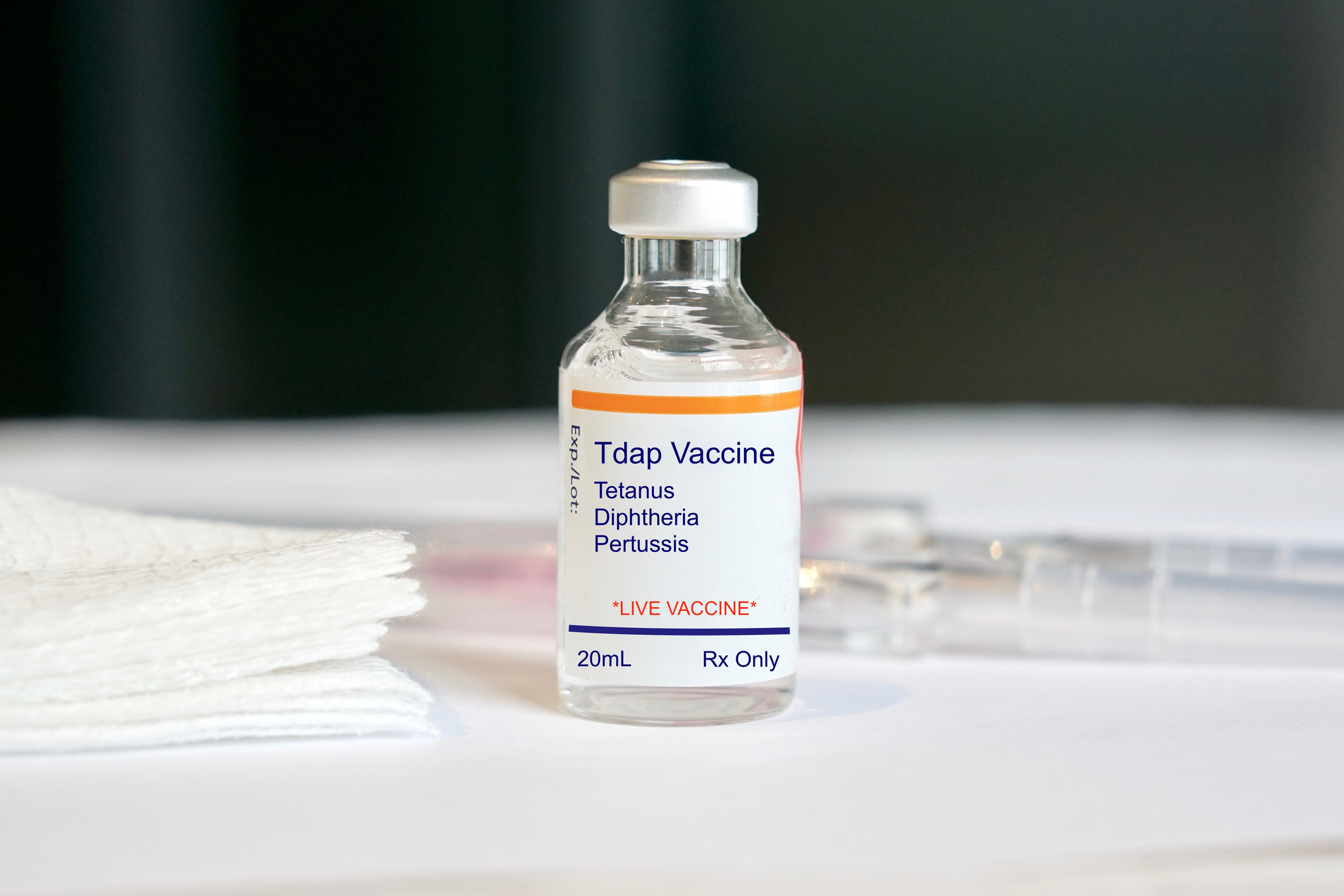
What Parents Should Expect When Their Child Is Getting an Appendectomy

When a child experiences abdominal pain, it can be a cause of concern for parents. One of the most common causes of severe stomach pain in children is appendicitis. Appendicitis occurs when the appendix becomes inflamed or infected. If it is left untreated, it can rupture, leading to serious complications.

Signs and symptoms of appendicitis in children include:

  • Sudden pain in the lower right side of the abdomen
  • Nausea or vomiting
  • Fever
  • Loss of appetite
  • Swelling or bloating in the abdomen

Symptoms of appendicitis may vary, and younger children may have difficulty articulating their pain.

The best treatment for appendicitis is a surgical procedure called an appendectomy. An appendectomy is often an emergency surgery.

Your child may not have a lot of time to get ready for the appendectomy. The healthcare team will want to know when your child last ate because having food in the stomach can cause problems when your child is under anesthesia. If the surgery is planned ahead of time, ask the healthcare provider when your child should stop eating and drinking beforehand.

After the appendectomy, your child will need to rest as it may take a few weeks for them to feel back to normal.

Some tips to help your child have a smooth recovery after the appendectomy include:

  • Follow the surgeon’s post-operative care instructions closely
  • Limit strenuous activities to avoid putting strain on the surgical area
  • Keep your child hydrated and encourage them to eat a light, nutritious diet to aid in their recovery

It is important to call your healthcare provider if your child:

  • Has fever higher than 101.5°F (38.6°C) or higher
  • Has abdominal swelling
  • Has green or yellow drainage from any incision
  • Has pain that gets worse as hours or days pass
  • Has redness or swelling around the incision
  • Shows signs of sluggishness
  • Is vomiting
  • Will not drink
  • Doesn’t start to eat one or two days after surgery
  • Hasn’t had a bowel movement for two days after the surgery
  • Has diarrhea

The pediatric surgeons at Jamaica Hospital Medical Center provide many different surgical services to younger patients. For more information about our Queens, NYC pediatric surgical services or to make an appointment, please call (718) 206-7001.


All content of this newsletter is intended for general information purposes only and is not intended or implied to be a substitute for professional medical advice, diagnosis or treatment. Please consult a medical professional before adopting any of the suggestions on this page. You must never disregard professional medical advice or delay seeking medical treatment based upon any content of this newsletter. PROMPTLY CONSULT YOUR PHYSICIAN OR CALL 911 IF YOU BELIEVE YOU HAVE A MEDICAL EMERGENCY.
Measles

Measles is a highly contagious disease caused by the measles virus. It can affect anyone, but it is most common in children.

Some risk factors for measles include:

  • Being unvaccinated
  • Traveling internationally
  • Having a Vitamin A deficiency

Measles infects the respiratory tract and then spreads throughout the body. Signs and symptoms of measles appear around 10 to 14 days after exposure to the virus, including:

  • Fever
  • Dry cough
  • Runny nose
  • Sore throat
  • Inflamed eyes
  • Koplik’s spots (tiny white spots with bluish-white centers on a red background, which form on the inner lining of the cheek)
  • A skin rash made up of large, flat blotches that often flow into one another

The infection occurs in stages that span over two to three weeks. These stages include:

  • Infection and incubation- the measles virus spreads in the body for 10 to 14 days after infection. During that time, there are no signs or symptoms.
  • Nonspecific signs and symptoms- measles typically begins with a mild to moderate fever, a persistent cough, a runny nose, inflamed eyes, and a sore throat. This mild illness can last two to three days.
  • Acute illness and rash- a rash that can consist of small red spots, with some that may be slightly raised. Spots and bumps in tight clusters give the skin a splotchy red appearance. The face is usually the first place it appears. The rash spreads down the arms, chest, and back, then over the thighs, lower legs, and feet over the next few days. At the same time, the fever rises to temperatures as high as 104 to 105.8.
  • Recovery- the measles rash can last for about seven days. The rash fades gradually from the face and lastly the thighs and feet. As other symptoms go away, coughing and the darkening or peeling of the skin where the rash was, last about 10 days.

A person with measles can spread the virus to others for about eight days. Starting four days before the rash appears and ending when the rash has been present for four days.

When an infected person coughs, sneezes, or talks, infectious droplets spray into the air where others can breathe them in. Infectious droplets can stay in the air for about an hour and on a surface for several hours.

Many complications can arise from measles, including:

  • Diarrhea and vomiting
  • Ear infection
  • Bronchitis, laryngitis, or croup
  • Pneumonia
  • Encephalitis
  • Pregnancy problems

The U.S. Centers for Disease Control and Prevention (CDC) recommends that children and adults receive the measles vaccine to prevent infection.

Your healthcare provider can usually diagnose measles based on the disease’s characteristic rash and the Koplik’s spot on the inner lining of the cheek. Your healthcare provider may ask whether you or your child received measles vaccines, whether you traveled outside of the U.S. recently, and if you had contact with anyone who has a rash or fever.

The rash can be confused with many other illnesses. However, a blood test can be done to confirm whether the rash is measles. A test using a throat swab or urine sample can also be used.

There is no specific treatment for a measles infection once it occurs. Treatment can include providing comfort measures to relieve symptoms, such as rest and treating or preventing complications.

Some measures can be taken to protect individuals who don’t have immunity to measles after they have been exposed to the virus, including:

  • Post-exposure vaccination
  • Immune serum globulin
  • Medications
    • Fever reducers
    • Antibiotics
    • Vitamin A

If you become sick with severe symptoms, particularly after potential exposure to the measles virus, you must receive treatment from a doctor as soon as possible. You can schedule an appointment with a doctor at Jamaica Hospital Medical Center’s Ambulatory Care Center. Please call (718) 206-7001.

All content of this newsletter is intended for general information purposes only and is not intended or implied to be a substitute for professional medical advice, diagnosis or treatment. Please consult a medical professional before adopting any of the suggestions on this page. You must never disregard professional medical advice or delay seeking medical treatment based upon any content of this newsletter. PROMPTLY CONSULT YOUR PHYSICIAN OR CALL 911 IF YOU BELIEVE YOU HAVE A MEDICAL EMERGENCY.

Back to School Health Tips

As children prepare for the school year, it is important for them to return to school healthy.

Here are some tips to make sure your child is healthy before they go back to school:

  • Make sure they are up to date on their vaccinations. Vaccinations are essential for protecting children and others against various diseases.
  • Make sure they get their flu and COVID-19 shots. Every child six months or older should get their yearly flu shots, as flu season typically starts in the fall and peaks between December and February.
  • Make sure they get vision and hearing tests done. Children should have their hearing and vision tested with their doctor from infancy through high school. Watch for signs of hearing or vision loss and talk to your child’s healthcare provider if you notice any changes.
  • Help your child make healthy food choices, even at school. Encourage them to eat plenty of fruits and vegetables. When eating bread or pasta, choose 100% whole-grain products. Encourage them to choose water, not juice or soda.
  • Make sure to take care of their mental health. Managing school stress, relationships, and friendships can be overwhelming. Encourage them to talk about their emotional health.
  • Make sure to limit their screen time. Children under the age of two years old should have no screen time. Limit screen time to one to two hours a day for children two years old and over. Parents are encouraged to delay access to smartphones until at least 14 years old.
  • Be sure to monitor their social media use. Social media use starting during childhood can play a significant role in the relationships and experiences that impact children’s and teens’ growth, development, and mental health. Parents are encouraged to set aside time to discuss social media use, including setting privacy limits on who can see and interact with them.
  • Make sure your child gets a good night’s sleep. Adequate sleep helps kids focus each day at school and is important for their health. Children between the ages of three and five should sleep 10 to 13 hours (including naps). Children six to 12 years of age should sleep nine to 12 hours a night. Teenagers 13 to 18 years of age should sleep eight to 10 hours a night.

These back-to-school health tips will help you and your family return to the classroom safely and be confident in your health.


All content of this newsletter is intended for general information purposes only and is not intended or implied to be a substitute for professional medical advice, diagnosis or treatment. Please consult a medical professional before adopting any of the suggestions on this page. You must never disregard professional medical advice or delay seeking medical treatment based upon any content of this newsletter. PROMPTLY CONSULT YOUR PHYSICIAN OR CALL 911 IF YOU BELIEVE YOU HAVE A MEDICAL EMERGENCY.

National Immunization Awareness Month

August is National Immunization Awareness Month (NIAM). It is a day observed to highlight the importance of vaccination for people of all ages.  

Vaccinations are important at every stage of life. They are one of the safest preventative care measures available and help play a vital role in keeping you healthy.  

Vaccines work by stimulating the immune system to protect the body against viruses or bacteria that cause infection. After vaccination, the immune system is better prepared to respond quickly when the body encounters the disease-causing organism. 

From infants to older adults, immunizations play a critical role in preventing serious diseases such as measles, whooping cough, flu, shingles, and HPV-related cancers. Skipping vaccines can leave you and your family vulnerable to these illnesses.  

Getting vaccinated plays an important role in keeping your family and community healthy, as vaccinations help protect you from infectious diseases and can lessen the severity of illness. They don’t just help protect you; they also help keep diseases from spreading to others, such as your family, neighbors, classmates, coworkers, and others in the community. Especially those most vulnerable to illness, such as infants, elderly people, and those with weakened immune systems.   

National Immunization Awareness Month offers a timely reminder as families prepare for back-to-school and flu season approaches. If you would like to help raise awareness about the importance of vaccination, encourage friends and family to talk to a healthcare provider they trust about staying up to date on their vaccinations. 

All content of this newsletter is intended for general information purposes only and is not intended or implied to be a substitute for professional medical advice, diagnosis or treatment. Please consult a medical professional before adopting any of the suggestions on this page. You must never disregard professional medical advice or delay seeking medical treatment based upon any content of this newsletter. PROMPTLY CONSULT YOUR PHYSICIAN OR CALL 911 IF YOU BELIEVE YOU HAVE A MEDICAL EMERGENCY.