Back to School Health Tips

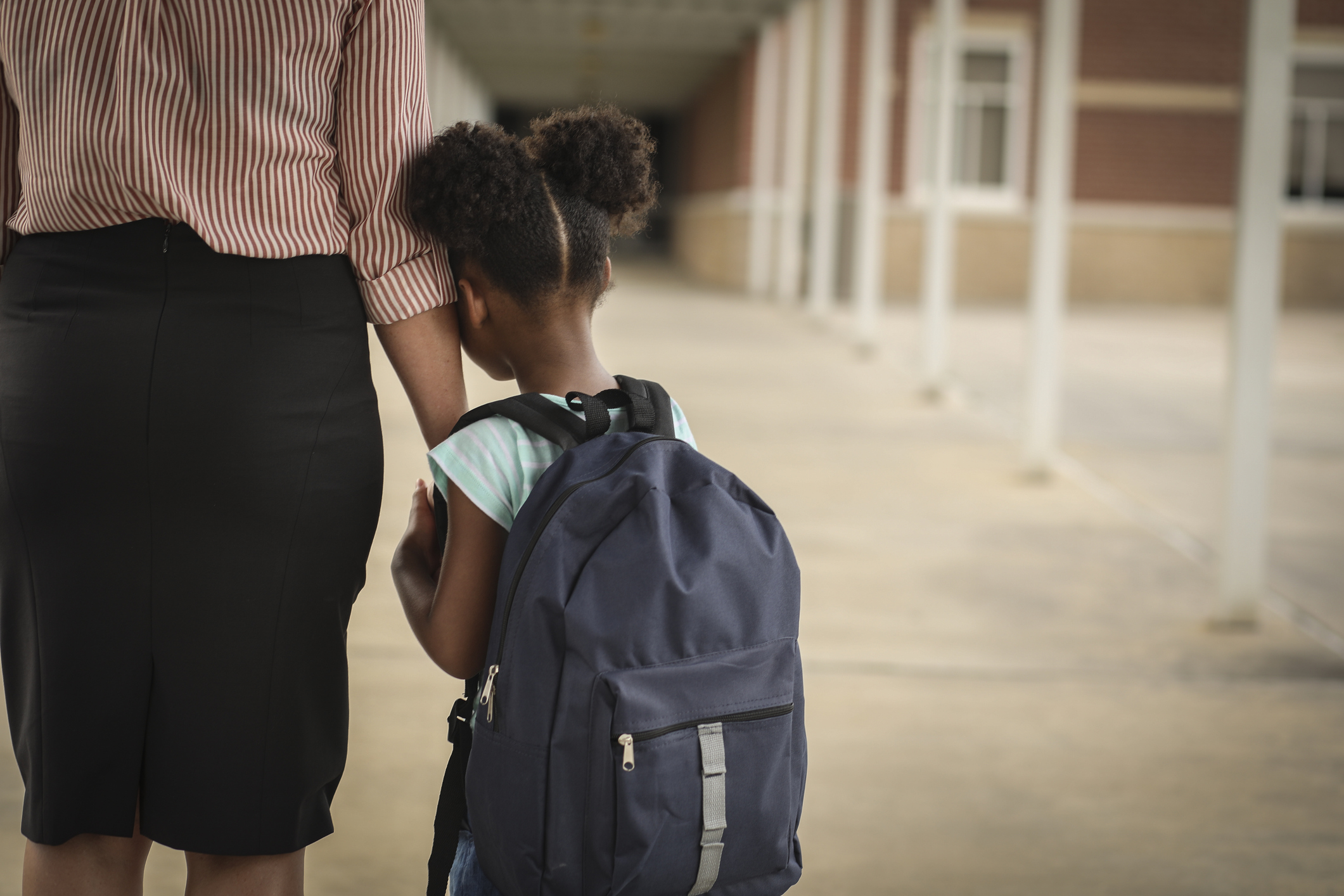
As children prepare for the school year, it is important for them to return to school healthy.

Here are some tips to make sure your child is healthy before they go back to school:

  • Make sure they are up to date on their vaccinations. Vaccinations are essential for protecting children and others against various diseases.
  • Make sure they get their flu and COVID-19 shots. Every child six months or older should get their yearly flu shots, as flu season typically starts in the fall and peaks between December and February.
  • Make sure they get vision and hearing tests done. Children should have their hearing and vision tested with their doctor from infancy through high school. Watch for signs of hearing or vision loss and talk to your child’s healthcare provider if you notice any changes.
  • Help your child make healthy food choices, even at school. Encourage them to eat plenty of fruits and vegetables. When eating bread or pasta, choose 100% whole-grain products. Encourage them to choose water, not juice or soda.
  • Make sure to take care of their mental health. Managing school stress, relationships, and friendships can be overwhelming. Encourage them to talk about their emotional health.
  • Make sure to limit their screen time. Children under the age of two years old should have no screen time. Limit screen time to one to two hours a day for children two years old and over. Parents are encouraged to delay access to smartphones until at least 14 years old.
  • Be sure to monitor their social media use. Social media use starting during childhood can play a significant role in the relationships and experiences that impact children’s and teens’ growth, development, and mental health. Parents are encouraged to set aside time to discuss social media use, including setting privacy limits on who can see and interact with them.
  • Make sure your child gets a good night’s sleep. Adequate sleep helps kids focus each day at school and is important for their health. Children between the ages of three and five should sleep 10 to 13 hours (including naps). Children six to 12 years of age should sleep nine to 12 hours a night. Teenagers 13 to 18 years of age should sleep eight to 10 hours a night.

These back-to-school health tips will help you and your family return to the classroom safely and be confident in your health.


All content of this newsletter is intended for general information purposes only and is not intended or implied to be a substitute for professional medical advice, diagnosis or treatment. Please consult a medical professional before adopting any of the suggestions on this page. You must never disregard professional medical advice or delay seeking medical treatment based upon any content of this newsletter. PROMPTLY CONSULT YOUR PHYSICIAN OR CALL 911 IF YOU BELIEVE YOU HAVE A MEDICAL EMERGENCY.

Updated Vaccine for Returning Students

The new school year is right around the corner. That means parents will be taking their children shopping for new school supplies and clothes. In addition to updating their child’s wardrobe and supplies, parents should remember to schedule vaccinations before the school year begins.

Vaccines are the best way to prevent your child from getting many illnesses and spreading them to others. Each age group has recommended vaccines they need to receive before starting their new grade:

Vaccines for children aged four to six before they start kindergarten:

  • Flu – needed every year
  • COVID-19
  • Measles, mumps, and rubella (MMR)
  • Diphtheria, tetanus, and pertussis (DTaP)
  • Chickenpox
  • Polio

Vaccines for children aged seven to 10 before they start elementary school:

  • Flu
  • COVID-19

Vaccines for children aged 11 to 12 before they begin middle school:

  • Flu
  • COVID-19
  • Tetanus, diphtheria, and pertussis (Tdap)
  • Meningococcal conjugate (MenACWY)
  • HPV

Vaccines for children aged 13-18 before they enter junior and high school:

  • Flu
  • COVID-19
  • Meningococcal conjugate (MenACWY)
  • HPV

Vaccines for college-aged teenagers:

  • Flu
  • COVID-19
  • Meningococcal conjugate (MenACWY)
  • HPV

You can find the complete schedule of recommended vaccines for your child by age on the Centers for Disease Control and Prevention’s website. To schedule an appointment for your child to receive the vaccines needed, you can call Jamaica Hospital Medical Center’s Ambulatory Care Center at 718-206-7001.


All content of this newsletter is intended for general information purposes only and is not intended or implied to be a substitute for professional medical advice, diagnosis or treatment. Please consult a medical professional before adopting any of the suggestions on this page. You must never disregard professional medical advice or delay seeking medical treatment based upon any content of this newsletter. PROMPTLY CONSULT YOUR PHYSICIAN OR CALL 911 IF YOU BELIEVE YOU HAVE A MEDICAL EMERGENCY.

National School Backpack Awareness Day

As students begin a new school year, Jamaica Hospital Medical Center is taking the opportunity to inform our community about backpack usage, potential medical issues that it can cause, and ways to prevent these issues for National School Backpack Awareness Day.

Most students use backpacks to carry the books and supplies they need for school each day, often hauling loads weighing as much as 20% of their body weight. When students frequently carry this kind of weight, the muscles and joints in their back, neck, and shoulders can become strained or injured due to continuous stress. This can also lead to posture problems, causing misalignment in the musculoskeletal system, interfering with proper joint movement and function, and wearing away the spine.

Your child’s choice of backpack can substantially help to avoid these problems. Look for a backpack that:

  • Fits your child properly
  • Features two wide, padded shoulder straps and a waist strap
  • Has a padded back
  • Is lightweight

These features are most helpful when utilized properly. All straps on a backpack should be tightened to keep the load as close to a student’s back as possible, reducing the stress it places on their muscles. Additionally, keep the heaviest items low and toward the center of the backpack, removing any items that aren’t necessary for the day. Lastly, be sure your child is lifting the weight of the backpack from their knees, not their back.

If your child is experiencing frequent or chronic back pain, you can schedule an appointment with a doctor at Jamaica Hospital’s Ambulatory Care Center to diagnose and treat the problem by calling (718) 206-7001.

All content of this newsletter is intended for general information purposes only and is not intended or implied to be a substitute for professional medical advice, diagnosis or treatment. Please consult a medical professional before adopting any of the suggestions on this page. You must never disregard professional medical advice or delay seeking medical treatment based upon any content of this newsletter. PROMPTLY CONSULT YOUR PHYSICIAN OR CALL 911 IF YOU BELIEVE YOU HAVE A MEDICAL EMERGENCY.

Back To School – Time To Reestablish Your Child’s Sleep Schedule

Summer vacation is an opportunity for children to extend their bedtimes at night and sleep a little later in the morning. While most parents tend to be a bit more flexible with their kid’s sleeping habits during this time of the year, it’s important to remember that back to school is just around the corner and now is the time to reestablish a proper sleeping routine for your children.

After a relaxing summer, children might need some time to adjust to a regular schedule. Here are some tips to help your child ease into his or her school-time sleep pattern and to maintain healthy sleep habits throughout the year:

  • Every night, beginning 1-2 weeks before school begins, set an incrementally earlier bedtime and wake-up time.
  • Once your child’s sleep schedule is established, stick with it! Don’t use the weekend to “catch up on sleep.”
  • Establish a relaxing bedtime routine to allow your child to unwind including a bath and a bed-time story (for young children) or a reading time (for older children).
  • Limit television, video games, and other electronic distractions before and during bedtime.
  • Avoid big meals and caffeinated beverages close to bedtime as they may prevent your child from falling asleep.
  • Maintain a peaceful bedroom environment which includes a comfy bed, appropriate room temperature and lights turned off, or with a night light if your child needs one.
  • Be a role model by setting a good example for your child. Establish your own regular sleep schedule and maintain a home that promotes healthy sleep.

Getting your child back on track at bedtime will allow for a smooth transition for the first day of school and will help your children reach their full learning potential.

All content of this newsletter is intended for general information purposes only and is not intended or implied to be a substitute for professional medical advice, diagnosis or treatment. Please consult a medical professional before adopting any of the suggestions on this page. You must never disregard professional medical advice or delay seeking medical treatment based upon any content of this newsletter. PROMPTLY CONSULT YOUR PHYSICIAN OR CALL 911 IF YOU BELIEVE YOU HAVE A MEDICAL EMERGENCY.

Importance of a Back to School Dental Check Up

child at dentist -469174173When planning your child’s return to school in the fall, as parents you have a list of supplies and purchases that need to me be made to make sure they have everything they need to have a great school year. While planning your child’s entrance back to school, make sure you schedule an appointment for your child’s dental check-up.

Healthy teeth are important to your child’s overall health. Did you know that a correlation between oral infections and diabetes, asthma, heart disease and obesity has been identified?  According to the National Institutes of Health, 20% to 30% of children and adolescents in the United States have chronic health conditions due to a lack of good oral hygiene.

Chronic illness may interfere with a child’s ability to succeed in school.  There has been statistical evidence that shows a direct link between chronic illness and missed school time that can lead to a decline in your child’s school performance.

Some ways to promote healthy teeth in your child are:

  • Brush teeth regularly – At the age of 3, you can begin to teach your child proper brushing techniques by using a drop of fluoride toothpaste on a soft-bristled toothbrush.
  • Avoid Sugar – Ingesting sweets brings about an acidity that causes decay-producing bacteria. A sugary snack can lead to a mouth full of cavities.
  • Regular dental treatments – Your child should see a dentist around the time of his/her first birthday and then regularly thereafter. It is important to establish relationship of trust between your child and their dentist.

If you feel anxious about a visit to the dentist, try not to convey those feelings to your child.  Encourage your child to discuss any fears about visiting a dentist and be reassuring that the dental professional is there to help them.

If you are interested in making an appointment for your child to see a dentist, the Department of Dentistry at Jamaica Hospital Medical Center provides valuable services to the community. For an appointment call, 718-206-6980.


When planning your child’s return to school after the summer break, make certain that scheduling an appointment for a dental checkup is on your list of priorities.

Healthy teeth are important to your child’s overall health. Did you know that there is a correlation between oral infections and diabetes, asthma, heart disease and obesity?  According to the National Institutes of Health, 20% to 30% of children and adolescents in the United States have chronic health conditions due to a lack of good oral hygiene.

Chronic illness may interfere with a child’s ability to succeed in school.  There has been statistical evidence that shows a direct link between chronic illness and missed school time that can lead to a decline in your child’s school performance.

Some ways to promote healthy teeth in your child are:

  • Brushing teeth regularly – At the age of 3, you can begin to teach your child proper brushing techniques by using a drop of fluoride toothpaste on a soft-bristled toothbrush.
  • Avoiding sugar – Ingesting sweets can produce acids that cause decay-producing bacteria to develop.
  • Scheduling regular dental treatments – Your child should see a dentist around the time of his/her first birthday and then regularly thereafter. It is important to establish relationship of trust between your child and their dentist.

If you feel anxious about a visit to the dentist, try not to convey those feelings to your child.  Encourage them to discuss any fears about visiting a dentist and be reassuring that the dental professional is there to help.

If you are interested in making an appointment for your child to see a dentist, the Department of Dentistry at Jamaica Hospital Medical Center provides valuable services to the community. For an appointment, please call 718-206-6980.


All content of this newsletter is intended for general information purposes only and is not intended or implied to be a substitute for professional medical advice, diagnosis or treatment. Please consult a medical professional before adopting any of the suggestions on this page. You must never disregard professional medical advice or delay seeking medical treatment based upon any content of this newsletter. PROMPTLY CONSULT YOUR PHYSICIAN OR CALL 911 IF YOU BELIEVE YOU HAVE A MEDICAL EMERGENCY.