
Are Allergy Symptoms Worsening?

As we enter the height of spring, seasonal allergy symptoms may seem to be getting worse for those who suffer from them.

Seasonal allergy symptoms can include:

  • Sneezing
  • A runny or stuffy nose
  • Watery, itchy eyes
  • Itchy sinuses, throat, or ear canals
  • Ear congestion
  • Postnasal drainage

Public health and research organizations like the Centers for Disease Control and Prevention (CDC) and the Asthma and Allergy Foundation of America point to climate change as a possible contributing factor to worsening allergy seasons.

Due to the warmer temperatures, pollinating plants experience earlier and longer growing seasons, which allows them to produce more pollen.

“Climate change impacts allergy season because the consistent rhythm of, in this case of pollen, for example, new flowers being generated through spring is all off kilter. Areas that were not pollinating at a given time are pollinating earlier, while other areas are pollinating later”, says Frederic Bertley, PhD, president and CEO of the Center of Science and Industry.

More than a quarter of adults and about 1 in 5 children experience seasonal allergies in the United States.

However, despite the increasing severity of allergy season, there are ways to decrease exposure to pollen and reduce symptoms, including:

  • Keeping pollen out of your home by closing doors and windows
  • Installing HEPA filters
  • Giving your home a deep clean
  • Washing your hands often
  • Tracking pollen levels before you go outdoors
  • Showering after being outdoors
  • Staying indoors if pollen levels are high

In addition to decreasing exposure, there are over-the-counter allergy medications that you can take to relieve symptoms, including:

  • Antihistamines
  • Decongestants
  • Nasal and oral corticosteroids

You can receive an accurate diagnosis and effective treatment for seasonal allergies at Jamaica Hospital Medical Center’s Ambulatory Care Center. To schedule an appointment, please call (718) 206-7001.

All content of this newsletter is intended for general information purposes only and is not intended or implied to be a substitute for professional medical advice, diagnosis or treatment. Please consult a medical professional before adopting any of the suggestions on this page. You must never disregard professional medical advice or delay seeking medical treatment based upon any content of this newsletter. PROMPTLY CONSULT YOUR PHYSICIAN OR CALL 911 IF YOU BELIEVE YOU HAVE A MEDICAL EMERGENCY.
Carpal Tunnel Syndrome

Carpal tunnel syndrome is one of the most common hand conditions. It is caused by extra pressure on the median nerve in the wrist’s carpal tunnel.

Symptoms of carpal tunnel syndrome usually start gradually and can include:

  • Tingling and numbness in the wrist, hand, or fingers
  • Weakness
  • Pain in the wrist, hand, or fingers
  • Trouble using hands to hold or control objects

Several factors have been linked to the risk of carpal tunnel syndrome. Although they may not directly cause carpal tunnel, they may increase the risk of irritation or damage to the median nerve. These include:

  • Anatomical factors
  • Sex assigned at birth
  • Nerve-damaging conditions
  • Inflammatory conditions
  • Medicines
  • Obesity
  • Body fluid changes
  • Other medical conditions
  • Workplace factors

To diagnose carpal tunnel syndrome, a healthcare provider will ask questions about your symptoms and perform a physical exam and other tests that include:

  • Tinel’s sign
  • Phalen’s test
  • X-ray
  • MRI
  • Ultrasound
  • Electromyography
  • A nerve conduction study

Healthcare providers treat carpal tunnel syndrome with nonsurgical treatments first. The most common carpal tunnel treatments include:

  • Modifying your daily routine
  • Supporting and strengthening your wrist
  • Taking over-the-counter medication
  • Wearing a splint (especially at night)
  • Physical therapy
  • Changing your posture or working environment
  • Corticosteroids

You may need carpal tunnel surgery if nonsurgical treatments don’t relieve symptoms. The goal of carpal tunnel surgery is to relieve pressure by cutting the ligament pressing on the median nerve. The three different techniques used in carpal tunnel surgery include:

  • Endoscopic surgery
  • Open surgery
  • Ultrasound-guided surgery

It is best to treat carpal tunnel syndrome as early as possible after symptoms start. There are simple things that you can do for yourself that may help symptoms go away, such as:

  • Taking more frequent breaks to rest the hands
  • Not doing activities that make symptoms worse
  • Using cold packs to reduce swelling

If you have any questions or concerns about carpal tunnel syndrome or carpal tunnel surgery, you can receive more detailed information from a doctor at Orthopedic Specialists of New York, located on Jamaica Hospital Medical Center’s campus. To schedule an appointment, please call (718) 206-6923.

All content of this newsletter is intended for general information purposes only and is not intended or implied to be a substitute for professional medical advice, diagnosis or treatment. Please consult a medical professional before adopting any of the suggestions on this page. You must never disregard professional medical advice or delay seeking medical treatment based upon any content of this newsletter. PROMPTLY CONSULT YOUR PHYSICIAN OR CALL 911 IF YOU BELIEVE YOU HAVE A MEDICAL EMERGENCY.

Patient Testimonial- Wayne Texeira says, “Dr. Lasic and Jamaica Hospital Medical Center Gave Me a Second Chance.”

“I got a second chance”, is what Wayne Texeira said after his experience at Jamaica Hospital Medical Center. While working at Jamaica Hospital, Mr. Wayne Texiera suddenly couldn’t breathe and fell to his knees. He saw the lights fading and passed out. While in the ER, he was told his lungs were filling with fluid, he had heart failure, and he almost died. His doctor, Dr. Zoran Lasic, told Mr. Texiera that he had to change his lifestyle after performing an angiogram that showed that he had 30% functionality in his heart.

Over the next year, through the care and recommendations from Dr. Lasic, Mr. Texeira lost 45 pounds, quit smoking, and stopped eating unhealthy foods. He also gained 60% functionality in his heart, which is remarkable. “I am very grateful to Jamaica Hospital Medical Center, the staff, and the doctors. My perception changed after I got a second chance.” Now living in Georgia with his wife and daughter, the catalyst for his lifestyle change, “I kept looking at her and I didn’t want her not to have a father, Mr. Texeira said. With a second chance, Mr. Texeira is grateful, “Life has been good. I have no regrets.”

All content of this newsletter is intended for general information purposes only and is not intended or implied to be a substitute for professional medical advice, diagnosis or treatment. Please consult a medical professional before adopting any of the suggestions on this page. You must never disregard professional medical advice or delay seeking medical treatment based upon any content of this newsletter. PROMPTLY CONSULT YOUR PHYSICIAN OR CALL 911 IF YOU BELIEVE YOU HAVE A MEDICAL EMERGENCY.

Guillain-Barre Syndrome

Guillain-Barre syndrome is a rare autoimmune condition in which the body’s immune system attacks the peripheral nerves, causing sudden numbness and muscle weakness.

Guillain-Barre syndrome often begins with tingling and weakness starting in the legs and feet and spreads to the upper body and arms. Some people may notice the first symptoms in the arms or face. As the condition progresses, muscle weakness can turn into paralysis. Symptoms of Guillain-Barre syndrome include:

  • A pins and needles feeling in the fingers, toes, ankles, or wrists
  • Weakness in the legs that spreads to the upper body
  • An unsteady walk, or not being able to walk or climb stairs
  • Trouble with facial movements, including speaking, chewing, or swallowing
  • Double vision or inability to move the eyes
  • Severe pain that may feel achy, shooting, or cramp-like, and may be worse at night
  • Trouble with bladder control or bowel function
  • Rapid heart rate
  • Low or high blood pressure
  • Trouble breathing

People with Guillain-Barre syndrome usually experience their most significant weakness within two weeks after symptoms begin.

The symptoms of Guillain-Barre syndrome differ depending on the type, as there are several forms of the condition. The main types are:

  • Acute Inflammatory Demyelinating Polyradiculoneuropathy (AIDP)
  • Miller Fisher syndrome (MFS)
  • Acute motor axonal neuropathy (AMAN) and acute motor-sensory axonal neuropathy (AMSAN)

There is no exact known cause of Guillain-Barre syndrome. It usually appears days or weeks after a respiratory or digestive tract infection. Rarely, a recent surgery or vaccination can trigger it.

In Guillain-Barre syndrome, the immune system attacks the nerves. In AIDP, the myelin sheath protecting the nerves is damaged. The damage prevents nerves from transmitting signals to your brain, causing weakness, numbness, or paralysis. It can be triggered by:

  • Most commonly, an infection with Campylobacter, a type of bacteria often found in undercooked poultry
  • Influenza virus
  • Cytomegalovirus
  • Epstein-Barr virus
  • Zika virus
  • Hepatitis A, B, C, and E
  • HIV
  • Mycoplasma pneumonia
  • Surgery
  • Trauma
  • Hodgkin lymphoma
  • Rarely, influenza vaccinations or childhood vaccinations
  • COVID-19 virus

Healthcare providers can typically diagnose Guillain-Barre syndrome based on symptoms and medical history. They may ask how and when your symptoms started and if you have been sick recently. They will also perform physical and neurological exams to look for signs of muscle weakness and weak or absent deep tendon reflexes.

Unfortunately, many other neurological conditions share similar symptoms to Guillain-Barre syndrome, so a healthcare provider will need to perform other tests to rule out other conditions. These tests can include:

  • Electromyography (EMG) and nerve conduction tests
  • A spinal tap
  • An imaging test

There is no cure for Guillain-Barre syndrome. However, two types of treatment can speed recovery and reduce symptoms. They include:

  • Plasma exchange
  • Immunoglobulin therapy

These treatments are equally effective. Mixing them or using one after the other is no more effective than using either method alone. You are also likely to be given medicine to:

  • Relieve severe pain
  • Prevent blood clots

People with Guillain-Barre syndrome need physical help and therapy before and during recovery. Care may include:

  • Movement of your arms and legs by caregivers before recovery helps keep muscles flexible and strong
  • Physical therapy during recovery helps you cope with fatigue and regain strength and proper movement
  • Training with adaptive devices, such as a wheelchair or braces, to give you mobility and self-care skills

You can receive pain management treatments, such as nerve blocks, at Jamaica Hospital Medical Center. To schedule an appointment with a pain specialist, please call (718) 206-7246.


All content of this newsletter is intended for general information purposes only and is not intended or implied to be a substitute for professional medical advice, diagnosis or treatment. Please consult a medical professional before adopting any of the suggestions on this page. You must never disregard professional medical advice or delay seeking medical treatment based upon any content of this newsletter. PROMPTLY CONSULT YOUR PHYSICIAN OR CALL 911 IF YOU BELIEVE YOU HAVE A MEDICAL EMERGENCY.

Tips for Choosing a Therapist

When considering therapy, it is essential to know what you are seeking therapy for. Whether it is to restore a relationship, recover from trauma, adjust to a new life phase, improve your mental health, or just talk to someone, finding the right therapist is the first step.

After you figure out the reason or reasons why you are seeking therapy, it is important to consider the kind of therapist that best fits your mental health needs. Here are some tips for searching for a therapist:

  • Think about your goals ahead of time
  • Consult your insurance and finances
  • Ask someone you trust
  • Explore local resources
  • Use a reliable online database
  • Reach out to organizations that address your area of concern
  • Ask questions about the things that matter to you
  • Pay close attention to your own responses

Once you have found some prospective therapists, there are many questions to consider before and/or during your therapy sessions. These questions include:

  • Do I feel comfortable opening up to this person, and is there a strong connection? Studies show that this is crucial for achieving success in any therapy.
  • Is the therapist empathic and a good listener?
  • Does the therapist seem to have an agenda? Are they trying to have you commit too soon to a schedule before accurately assessing your motivation and the range of available options?
  • What are their credentials and level of expertise, and have they treated many others with your particular condition?
  • What types of therapy do they offer? They should be able to explain why one type is better than another for your particular condition.
  • How do they manage the fee/billing, and do they offer a sliding scale?
  • How do they collaborate with your psychiatrist or PCP, as this will greatly improve the quality of care?
  • Do they offer evening and weekend hours, and what is the recommended frequency of sessions?
  • Finally, what are the agreed-upon goals and endpoints for therapy?

Choosing a therapist is not an easy task. It is important to take your time before you make a decision, as it is not to be taken lightly. It is also important to note that you are not obligated to stay if a therapist isn’t the right fit. You can get free consultations through your insurance.

If you need the assistance and support of a mental health professional at Jamaica Hospital Medical Center, please call 718-206-5575 to schedule an appointment.

All content of this newsletter is intended for general information purposes only and is not intended or implied to be a substitute for professional medical advice, diagnosis or treatment. Please consult a medical professional before adopting any of the suggestions on this page. You must never disregard professional medical advice or delay seeking medical treatment based upon any content of this newsletter. PROMPTLY CONSULT YOUR PHYSICIAN OR CALL 911 IF YOU BELIEVE YOU HAVE A MEDICAL EMERGENCY.
How Stress Affects Diabetes #StressAwarenessMonth

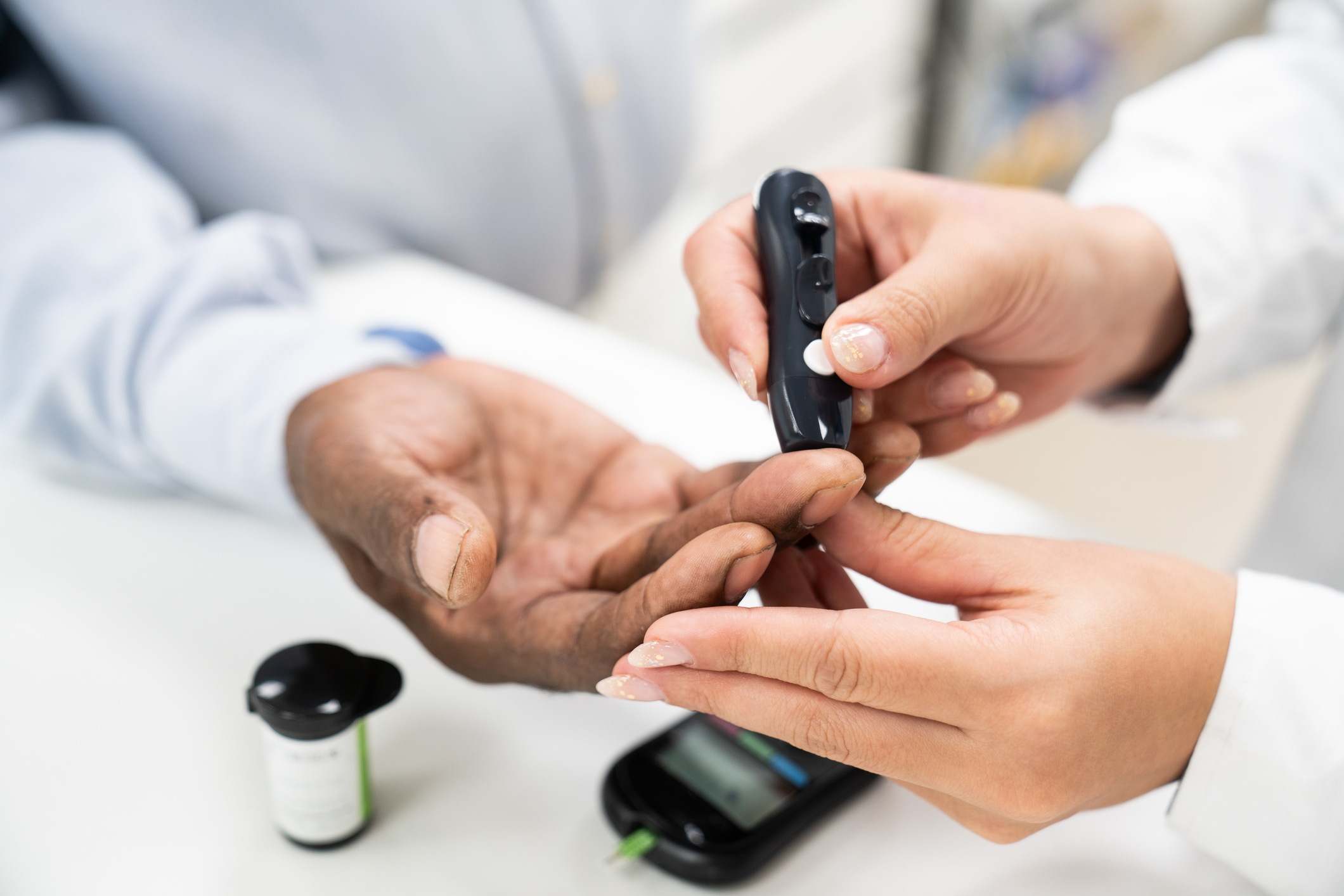
When we are under stress, the body releases hormones that increase blood glucose levels. This can cause adverse symptoms in people with diabetes.

If you experience stress or feel threatened, your body reacts with the fight-or-flight response. During this response, the body releases adrenaline and cortisol into the bloodstream increasing respiratory rates. This can also increase blood glucose levels if the body can’t adequately process it.

Stress affects people differently. The type of stress that people experience can impact their body’s physical response.

When people with type 2 diabetes are under mental stress, they can experience an increase in their blood glucose levels. People who have type 1 diabetes may have a more varied response as they experience either an increase or decrease in their blood glucose levels.

Mental symptoms of stress include:

  • Feeling unmotivated
  • Feeling irritable
  • Feeling depressed
  • Feeling restless
  • Feeling anxious

When you are under physical stress, your blood sugar can also increase. This can happen due to sickness or injury. This affects people with type 1 and type 2 diabetes.

Physical symptoms of stress include:

  • Headaches
  • Muscle pain or tension
  • Sleeping too much or too little
  • General feelings of illness
  • Fatigue

There are several ways to manage the effects of different forms of stress which could help lessen or limit the stressors in your life, including:

  • Exercising regularly
  • Practicing relaxing activities such as yoga or tai chi
  • Practicing mindfulness techniques such as meditation
  • Avoiding known stressors, such as high-stress social situations
  • Reducing caffeine intake
  • Spending time with loved ones

If you are feeling stressed, you can also connect with people online or in your community for solidarity and support by:

  • Joining an online support group
  • Joining an in-person support group
  • Seeking therapy

If mental or physical stress symptoms are affecting your diabetes, you can schedule an appointment with an endocrinologist, please call Jamaica Hospital Medical Center’s Ambulatory Care Center at (718) 206-7001.


All content of this newsletter is intended for general information purposes only and is not intended or implied to be a substitute for professional medical advice, diagnosis or treatment. Please consult a medical professional before adopting any of the suggestions on this page. You must never disregard professional medical advice or delay seeking medical treatment based upon any content of this newsletter. PROMPTLY CONSULT YOUR PHYSICIAN OR CALL 911 IF YOU BELIEVE YOU HAVE A MEDICAL EMERGENCY.

Gut Health

Digestive problems such as heartburn, gas, bloating, and constipation reflect what is happening throughout your body. They can also be indicative of problems that may be affecting your gut health.

The main drivers of gut health change are shifts in stomach acid, gut immunity, and gastrointestinal flora, or the “gut microbiome.” The gut microbiome refers to the microorganisms living in your intestines.

Each person has about 200 different species of bacteria, viruses, and fungi in their digestive tract. Some microorganisms can be harmful to our health; however, many are incredibly beneficial and even necessary for a healthy body.

Research indicates that having a large variety of bacteria in the gut may help reduce the risk of conditions that include:

  • Diabetes
  • Inflammatory bowel disease (IBD)
  • Psoriatic arthritis

Over the past few decades, research has found a connection between gut health and mental health disorders, autoimmune diseases, endocrine conditions, gastrointestinal disorders, cardiovascular disease, and cancer.

A higher level of diversity in gut bacteria may be associated with improved gut health, as well as your general mental and physical health.

You may be able to improve and possibly reset your gut health through lifestyle and diet changes. Some ways you can improve your gut health naturally include:

  • Managing and lowering your stress levels
  • Eating the right foods
  • Getting enough sleep
  • Eating slowly
  • Staying hydrated
  • Taking a prebiotic or probiotic
  • Checking for food intolerances
  • Changing your diet
  • Being more physically active
  • Getting help for issues such as anxiety and depression

Diet and gut health are very closely linked. Avoiding processed foods, high-fat foods, and foods high in refined sugars is important for maintaining a healthy microbiome, as these foods may promote the growth of damaging bacteria.

Eating certain foods that actively promote the growth of beneficial bacteria contributes to your overall health. These foods include:

  • Foods high in fiber
  • Garlic
  • Fermented foods
  • Collagen-boosting foods

Jamaica Hospital’s Division of Gastroenterology consists of board-certified gastroenterologists who provide high-quality, expert care to patients suffering from such conditions in inpatient and outpatient settings. To schedule an appointment, please call 718-206-6742 or 718-206-7001.

All content of this newsletter is intended for general information purposes only and is not intended or implied to be a substitute for professional medical advice, diagnosis or treatment. Please consult a medical professional before adopting any of the suggestions on this page. You must never disregard professional medical advice or delay seeking medical treatment based upon any content of this newsletter. PROMPTLY CONSULT YOUR PHYSICIAN OR CALL 911 IF YOU BELIEVE YOU HAVE A MEDICAL EMERGENCY.

Dementia

Dementia is a general term that represents a group of diseases and illnesses that cause the loss of cognitive functioning to the point that it interferes with a person’s daily life and activities.

Cognitive changes they may experience include:

  • Memory loss, usually noticed by someone else
  • Problems communicating or finding words
  • Trouble with visual and spatial abilities, such as getting lost while driving
  • Problems with reasoning or problem-solving
  • Trouble performing complex tasks
  • Trouble with planning and organizing
  • Poor coordination and control of movements
  • Confusion and disorientation

Some people with dementia can’t control their emotions, and they may also have psychological changes, such as:

  • Personality changes
  • Depression
  • Anxiety
  • Agitation
  • Inappropriate behavior
  • Hallucinations

Dementia is caused by damage to your brain, affecting its nerve cells and destroying the brain’s ability to communicate with its various areas. Dementia can also result from blocked blood flow to the brain, depriving it of oxygen and nutrients. Without oxygen and nutrients, brain tissue dies.

Progressive dementias get worse over time. Types of dementias that worsen and aren’t reversible include:

  • Alzheimer’s disease (the most common cause of dementia)
  • Vascular dementia
  • Lewy body dementia
  • Frontotemporal dementia
  • Mixed dementia

Other disorders linked to dementia include:

  • Huntington’s disease
  • Traumatic brain injury (TBI)
  • Creutzfeldt-Jakob disease
  • Parkinson’s disease

Some causes of dementia-like symptoms can be reversed with treatment, including:

  • Infections and immune disorders
  • Metabolic or endocrine problems
  • Low levels of certain nutrients
  • Medication side effects
  • Subdural bleeding
  • Brain tumors
  • Normal-pressure hydrocephalus

Many risk factors can contribute to dementia, including:

  • Age
  • Family history

A healthcare provider must recognize the pattern of loss of skills and function to be able to diagnose the cause of dementia. No single test can diagnose dementia, therefore, a series of tests may be conducted to determine a diagnosis. These tests include:

  • Cognitive and neuropsychological tests
  • Neurological evaluation
  • Brain scans
    • CT or MRI
    • PET scans
  • Laboratory tests
  • Psychiatric evaluation

Most types of dementia can’t be cured, but there are ways to manage your symptoms, including:

  • Medications
  • Therapies

If you are experiencing any of these symptoms, you can schedule an appointment with a doctor at Jamaica Hospital Medical Center’s Ambulatory Care Center by calling (718) 206-7001. If you are experiencing an emergency, call 911.


All content of this newsletter is intended for general information purposes only and is not intended or implied to be a substitute for professional medical advice, diagnosis or treatment. Please consult a medical professional before adopting any of the suggestions on this page. You must never disregard professional medical advice or delay seeking medical treatment based upon any content of this newsletter. PROMPTLY CONSULT YOUR PHYSICIAN OR CALL 911 IF YOU BELIEVE YOU HAVE A MEDICAL EMERGENCY.

MS Awareness Month

March is observed as Multiple Sclerosis (MS) Awareness Month, a month that raises awareness about the disease.

Multiple sclerosis is a disease that causes the breakdown of the protective covering of nerves called myelin. Multiple sclerosis can cause numbness, weakness, trouble walking, vision changes, and other symptoms. This interrupts communication between the brain and the rest of the body. MS eventually causes permanent damage to the nerve fibers.

Launched in 2003, National MS Education and Awareness Month is a nationwide effort by MS Focus: The Multiple Sclerosis Foundation and affiliated groups to raise awareness of multiple sclerosis. The vital goals of this campaign are to promote an understanding of the scope of the disease and to assist those with MS in making educated decisions about their healthcare.

MS Awareness Month benefits those with MS, their families, and communities. It is also an opportunity for family and friends of people with MS to learn more about the disease.

There are several ways to get involved in MS Awareness Month, including:

  • Sign up for an MS walk
  • Attend educational events
  • Share your story
  • Make a donation
  • Wear orange
  • Spread the word on social media

MS affects everyone differently. MS Awareness Month brings awareness to the condition’s many forms.

Getting involved during MS Awareness Month can help raise awareness for this condition and lead to a cure.

All content of this newsletter is intended for general information purposes only and is not intended or implied to be a substitute for professional medical advice, diagnosis or treatment. Please consult a medical professional before adopting any of the suggestions on this page. You must never disregard professional medical advice or delay seeking medical treatment based upon any content of this newsletter. PROMPTLY CONSULT YOUR PHYSICIAN OR CALL 911 IF YOU BELIEVE YOU HAVE A MEDICAL EMERGENCY.

The Difference between Type 1 and Type 2 Diabetes

Diabetes is a chronic disease that occurs when the body doesn’t produce enough insulin or can’t use the insulin it produces effectively.

There are two main types of diabetes: type 1 and type 2.

Type 1 and type 2 diabetes have similar names, however, they are different diseases with distinctive causes.

A key difference between type 1 and type 2 diabetes is type 1 is caused by an autoimmune reaction and develops early in life. Type 2 diabetes develops over several years and is related to lifestyle factors such as being inactive and carrying excess weight, and is usually diagnosed in adults.

Type 1 diabetes is believed to be caused by an autoimmune reaction where the immune system attacks and destroys the insulin-producing beta cells in the pancreas, mistaking them for foreign invaders. After the beta cells are destroyed, the body can no longer produce insulin.

Researchers are unsure why the immune system attacks the body’s cells. They believe it may be due to genetic and environmental factors, such as being exposed to viruses.

People who have type 2 diabetes have an insulin resistance. The body can still produce insulin but is unable to use it effectively.

Researchers aren’t sure why some people become insulin-resistant and others don’t, but several lifestyle factors may contribute to it, such as being inactive and carrying excess weight.

Other genetic and environmental factors may also play a role. When a person develops type 2 diabetes, the pancreas will overcompensate by producing more insulin. Because the body can’t effectively use the insulin, glucose accumulates in the bloodstream.

Risk factors for type 1 diabetes are less clear than risk factors for type 2 diabetes.

The known risk factors for type 1 diabetes include:

  • Family history
  • Age

Risk factors for type 2 diabetes include:

  • Having prediabetes or slightly elevated blood sugar levels
  • Carrying excess weight or having obesity
  • Having a lot of belly fat
  • Being physically active less than three times a week
  • Being over the age of 45
  • Having had gestational diabetes
  • Giving birth to a baby weighing more than nine pounds
  • Being Black, Hispanic or Latino, American Indian, or Alaska Native due to structural inequities contributing to health disparities
  • Having an immediate family member with type 2 diabetes
  • Having polycystic ovary syndrome (PCOS)

If not managed properly, type 1 and type 2 diabetes can lead to symptoms that can include:

  • Urinating frequently
  • Feeling very thirsty and drinking a lot of fluids
  • Feeling very hungry
  • Feeling very fatigued
  • Having blurry vision
  • Having cuts or sores that don’t heal properly
  • Having very dry skin
  • Having more infections than usual

People with type 1 and type 2 diabetes can also experience irritability, mood changes, and unintentional weight loss.

Unfortunately, type 1 diabetes can’t be prevented. However, it is possible to lower the risk of developing type 2 diabetes through lifestyle changes that include:

  • Maintaining a moderate weight
  • Working with a healthcare provider to develop a healthy weight-loss plan, if you are overweight
  • Increasing activity levels
  • Eating a balanced diet and reducing the intake of sugary foods and overly processed foods

If you are experiencing diabetes symptoms, you can call to schedule an appointment with an endocrinologist at Jamaica Hospital Medical Center’s Ambulatory Care Center at (718) 206-7001.

All content of this newsletter is intended for general information purposes only and is not intended or implied to be a substitute for professional medical advice, diagnosis or treatment. Please consult a medical professional before adopting any of the suggestions on this page. You must never disregard professional medical advice or delay seeking medical treatment based upon any content of this newsletter. PROMPTLY CONSULT YOUR PHYSICIAN OR CALL 911 IF YOU BELIEVE YOU HAVE A MEDICAL EMERGENCY.