
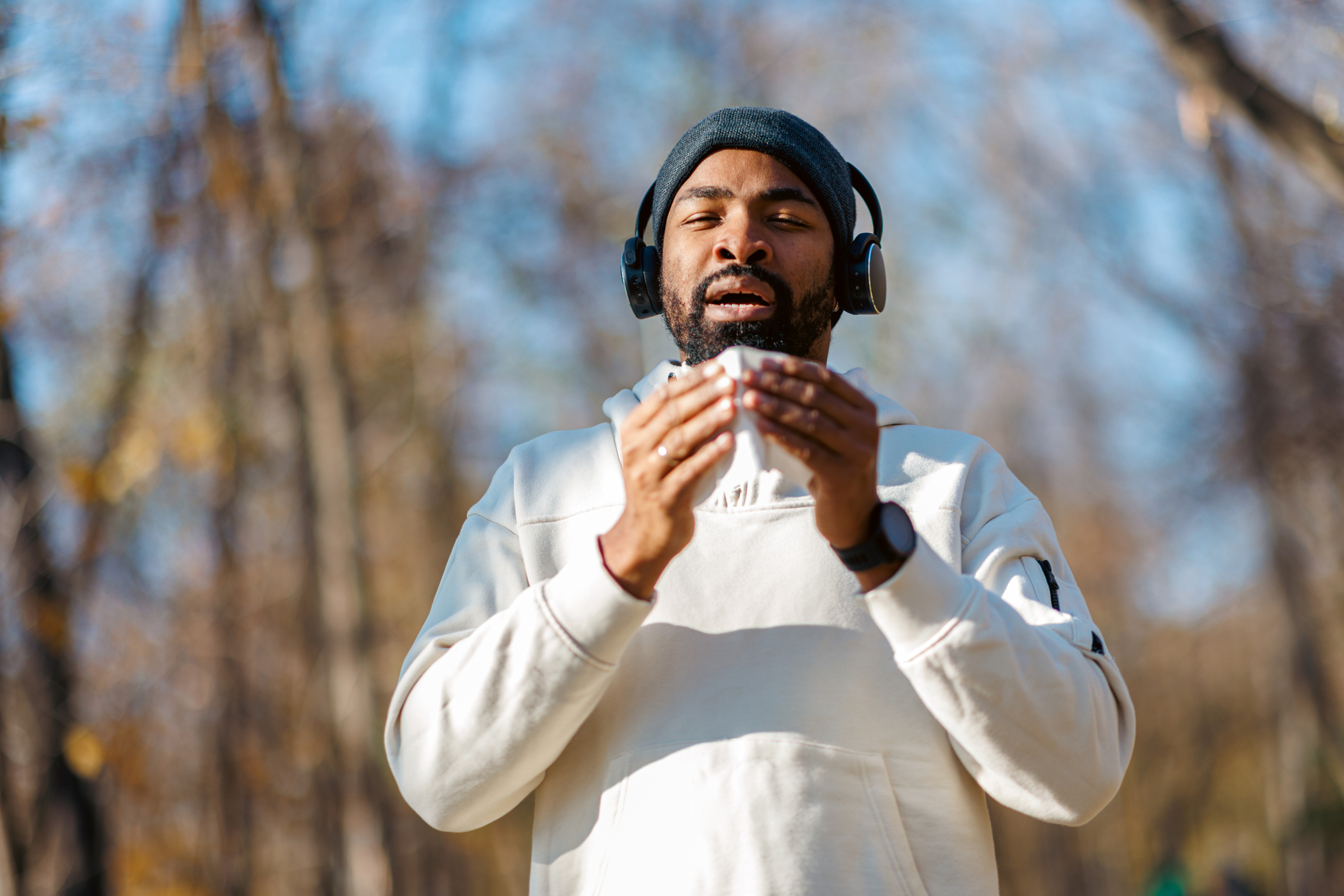
 The fall season is approaching, and with it comes fall allergy season. As the leaves start to fall, they can contain mold spores that can trigger seasonal allergies for millions. Nearly 25% of adults in the United States experience seasonal allergies throughout the year. Although seasonal allergies typically peak during April, May, and June, they can also be severe during September through December.
Ragweed pollen and mold spores are the most common allergens in the fall. The ragweed plant can grow wild anywhere, but is most prevalent in the eastern and Midwest regions of the U.S. Ragweed pollen typically begins to peak in late August through late September and can last until the first frost. Its lifespan is usually limited to one season, but it can produce up to one billion grains of pollen, which is a lot for one season. Mold spores are also seen during this time of year, especially as the leaves begin to decompose. Early signs of leaves beginning to decompose and possibly being infected with mold are if they start to turn black or white.
Even though there are different allergens for each season, the symptoms that you may experience are similar. They include:
- Sneezing
- Itchy/watery eyes
- Runny nose
- Post-nasal drainage
Fall weather can affect allergies because of warm, dry, and windy days, exacerbating symptoms due to the pollen from the ragweed plant being widely dispersed. Rain can temporarily reduce pollen levels, but can cause an increase in mold growth, especially when heat and humidity are present. If you have an underlying dust mite allergy, it is important to note that you may experience worsening allergy symptoms during the fall due to spending more time indoors.
The American College of Allergy, Asthma, and Immunology (ACAAI) suggests these five tips to help you get ahead of fall allergy season:
- Avoid allergy triggers by keeping an eye on daily pollen counts, staying indoors as much as possible during high pollen count days, and avoiding going out in the morning when ragweed pollen is at its highest during the fall
- Change your clothing and remove your shoes as soon as you come in from outdoors, so you don’t track pollen into your home
- Start taking allergy medication two weeks or so before the fall season arrives and before your symptoms begin
- Consider immunotherapy if you have severe or chronic allergies
- Visit an allergist if your allergy symptoms become severe
You can receive an accurate diagnosis and effective treatment for seasonal allergies at Jamaica Hospital Medical Center’s Ambulatory Care Center. To schedule an appointment, please call (718) 206-7001.
 Follow
All content of this newsletter is intended for general information purposes only and is not intended or implied to be a substitute for professional medical advice, diagnosis or treatment. Please consult a medical professional before adopting any of the suggestions on this page. You must never disregard professional medical advice or delay seeking medical treatment based upon any content of this newsletter. PROMPTLY CONSULT YOUR PHYSICIAN OR CALL 911 IF YOU BELIEVE YOU HAVE A MEDICAL EMERGENCY.