How Too Much Screen Time Can Affect a Child’s Health

In today’s digital society, screen time has become an integral part of a child’s life. However, a child’s heavy reliance on screen time has raised serious public health concerns because it is believed that too much screen time might harm their cognitive, linguistic, social-emotional growth, and overall physical health.  

A study published in the Journal of the American Medical Association Pediatrics in 2023, found that screen time may be associated with delayed development in young children. These findings were based on parent reports of screen time use at one year old and development skills at two and four years old from a group of nearly 8,000 young children.  

According to data, using a validated screen tool, one-year olds who were exposed to more than four hours of screen time per day showed delays in communication and problem solving at ages two and four. Additionally, more screen time for one-year olds was associated with developmental delays in fine motor, personal, and social skills at age two.  

This research supports several previous studies that have shown a correlation between the amount of screen time among young children and the presence of developmental delays, particularly in communication and problem-solving skills. A landmark National Institutes of Health (NIH) study that began in 2018, found that children who spent more than two hours a day on screen-time activities scored lower on language and thinking tests, and some children with more than seven hours a day of screen time, experienced thinning of the brain’s cortex, the area of the brain related to critical thinking and reasoning.  

Too much screen time can be linked to: 

  • Obesity 
  • Focus and attention issues 
  • Irregular sleep 
  • Headaches  
  • Eye strain 
  • Behavioral problems 
  • Impaired academic performance 
  • Aggression/Violence 
  • Less physical activity 
  • Depression 
  • Anxiety  
  • Addictiveness 

The American Academy of Pediatrics (AAP) discourages screen time use by children younger than two (18 to 24 months). They recommend the following guidelines for screen time use for older children: 

  • Ages 2-5- no more than one hour a day 
  • Parents of kids and teens ages 5-18- should determine what media limits work best for their children. They should consider their age, health, and personality. Screen time should not take the place of enough sleep or being physically active.  

If a parent does allow their toddler (18 to 24 months) to use a screen, the AAP recommends that it be an educational program that they watch with their toddler.  

Here are some tips to reduce or limit your child’s screen time: 

  • Eliminate background TV 
  • Keep TVs, smartphones, and computers out of the bedroom 
  • Don’t eat in front of a screen 
  • Co-watch whenever possible 
  • Choose media wisely 
  • Keep bedtime, mealtime, and family time screen-free 
  • Limit your own phone use 
  • Emphasize the big three: sleep, healthy nutrition, and exercise 

If you would like to limit your child’s screen time and need the assistance and support of a pediatrician, you can visit Jamaica Hospital Medical Center’s Ambulatory Care Center. To schedule an appointment, please call (718) 206-7001. 

All content of this newsletter is intended for general information purposes only and is not intended or implied to be a substitute for professional medical advice, diagnosis or treatment. Please consult a medical professional before adopting any of the suggestions on this page. You must never disregard professional medical advice or delay seeking medical treatment based upon any content of this newsletter. PROMPTLY CONSULT YOUR PHYSICIAN OR CALL 911 IF YOU BELIEVE YOU HAVE A MEDICAL EMERGENCY.

How to Read Your Eye Prescription

When a person goes to an eye doctor appointment, they may receive a prescription after their exam. This prescription is made up of an odd series of letters and numbers that are instructions for making your glasses. Here is what they mean:

In a typical prescription, there are two acronyms, one for each eye.

  • D.- is short for oculus dexter, which is your right eye
  • S.- is short for oculus sinister, which is your left eye

The sphere column is often abbreviated as SPH. This is the lens power needed to fix your vision. A minus sign (-) next to the number means nearsightedness. This means you see better up close and need distance correction. A plus sign (+) indicates that you are farsighted and can see better from far away and need your near vision corrected.

Lens power is measured in diopters, the unit of measurement used to calculate the focusing strength of a pair of glasses or contact lenses. If you see the sphere field written above as -9.00 D, this means there are 9 diopters of nearsightedness. The measuring system is an integer line, with zero in the middle, needing no correction. The further you get away from zero on either the minus or plus side, the stronger your prescription is.

The cylinder number is how much astigmatism you have, if any. This is when part of the cornea has a different curve. Normally, an eye is shaped like a basketball, rotated in any direction, with the curve staying the same. An eye with astigmatism is oval, or egg-shaped, or more like a football, with one curve being longer than the other. The CYL number corrects the different second curve.

The axis number tells you where the astigmatism is on the cornea. The axis is written in degrees between 1 and 180, indicating which way the astigmatism lines up.

The add column is where any additional lens power is written. For example, some people over the age of 40 may not want an extra pair of glasses for reading and may choose to wear bifocals instead. The lower half of the lens will give them their reading vision.

Additionally, there may be a field for prism on the right side. This is a special type of correction built into the lens for some people with double vision. This means they see two separate images of the same object. The prism fuses the two images together so they will only see one image.

The prescription for contact lenses is different because they sit directly on the eye. A contact lens prescription includes measurements specific to the size and brand of your contacts. Before you fill a prescription for contact lenses, you will need a contact lens fitting to see if they are right for you.

If you require an eye exam, you can schedule an appointment at Jamaica Hospital Medical Center’s Ophthalmology Center by calling (718) 206-5900.

All content of this newsletter is intended for general information purposes only and is not intended or implied to be a substitute for professional medical advice, diagnosis or treatment. Please consult a medical professional before adopting any of the suggestions on this page. You must never disregard professional medical advice or delay seeking medical treatment based upon any content of this newsletter. PROMPTLY CONSULT YOUR PHYSICIAN OR CALL 911 IF YOU BELIEVE YOU HAVE A MEDICAL EMERGENCY.

Why Do We Eat When We Are Stressed?

Stress can impact our health in various ways, including our eating behaviors. It can influence our appetite, how much we eat, and the types of food we choose. Studies show that stressful events activate systems associated with metabolism, cognition, and reward.

When a person is stressed or overwhelmed, their body produces cortisol, the hormone that creates the body’s fight-or-flight response to help protect itself. When a person has elevated cortisol levels for a prolonged period of time, such as during repeated and constant stressors, this can lead to fat storage, weight gain, and increased consumption of foods that are energy-dense and high in sugar and fat. These types of foods are “comfort” foods that can seem like they are counteracting stress; however, they may contribute to a person’s stress-induced craving for those foods.

There are several ways to manage stress eating, including:

  • Practicing mindful eating
  • Finding healthier options for your sweet or savory cravings
  • Watching your portion sizes
  • Meditating
  • Exercising
  • Finding sources of social support

If you need the assistance and support of a mental health professional at Jamaica Hospital Medical Center, please call 718-206-5575 to schedule an appointment.


All content of this newsletter is intended for general information purposes only and is not intended or implied to be a substitute for professional medical advice, diagnosis or treatment. Please consult a medical professional before adopting any of the suggestions on this page. You must never disregard professional medical advice or delay seeking medical treatment based upon any content of this newsletter. PROMPTLY CONSULT YOUR PHYSICIAN OR CALL 911 IF YOU BELIEVE YOU HAVE A MEDICAL EMERGENCY.

ALS

Amyotrophic lateral sclerosis, commonly referred to as ALS, is a neurological disorder that affects nerve cells in the brain and spinal cord. ALS causes loss of muscle control.

ALS is often called Lou Gehrig’s disease after the baseball player who was diagnosed with it. There is no exact known cause of the disease. However, a small number of cases, about 10%, are inherited. For the other cases, there isn’t a known cause.

The symptoms of ALS can vary from person to person. Symptoms depend on which nerve cells are affected. ALS typically begins with muscle weakness that gradually worsens over time. Symptoms might include:

  • Trouble walking or doing usual daily activities
  • Tripping and falling
  • Weakness in the legs, feet, or ankles
  • Hand weakness or clumsiness
  • Weakness associated with muscle cramps and twitching in the arms, shoulders, and tongue
  • Untimely crying, laughing, or yawning
  • Thinking or behavioral changes

ALS often starts in the hands, feet, arms, or legs, with muscle twitching and weakness in an arm or leg. It then spreads to other parts of the body, causing muscles to get weaker as more nerve cells die. The disease eventually affects control of the muscles needed to move, speak, chew, eat, swallow, and breathe. Unfortunately, there is no cure for this fatal disease.

There is generally no pain in the early stages of ALS. Pain is also not common in the later stages. ALS usually doesn’t affect bladder control. And it also doesn’t affect the senses, including the ability to taste, smell, touch, and hear.

There are several risk factors for ALS, including:

  • Genetics
  • Age
  • Sex

Several environmental factors have been associated with an increased risk of ALS. They include:

  • Smoking
  • Environmental toxin exposure
  • Military service

ALS can cause several complications as the disease progresses, including:

  • Breathing problems
  • Speaking problems
  • Eating problems
  • Dementia

ALS can be hard to diagnose early because it can have similar symptoms to other diseases. Tests that can rule out other conditions or help diagnose the disease can include:

  • Electromyogram (EMG)
  • Nerve conduction study
  • MRI
  • Blood and urine tests
  • Spinal tap
  • Muscle biopsy
  • Nerve biopsy

Treatments for ALS can’t reverse the damage, but they can slow the progression of symptoms. They can also prevent complications and make you more comfortable and independent.

You may need a team of healthcare providers and doctors trained in many areas to provide your care. This team will work together to prolong your survival and improve your quality of life. They will work to select the right treatment options for you.

The Food and Drug Administration (FDA) has approved two medicines for treating ALS:

  • Riluzole
  • Edaravone

There are many forms of therapy and forms of support when ALS affects your ability to breathe, speak, and move. They include:

  • Breathing care
  • Physical therapy
  • Occupational therapy
  • Speech therapy
  • Nutritional support
  • Psychological and social support

If you are experiencing any symptoms of ALS, you can consult with a neurologist at Jamaica Hospital Medical Center. To schedule an appointment, please call (718) 206-7246.

All content of this newsletter is intended for general information purposes only and is not intended or implied to be a substitute for professional medical advice, diagnosis or treatment. Please consult a medical professional before adopting any of the suggestions on this page. You must never disregard professional medical advice or delay seeking medical treatment based upon any content of this newsletter. PROMPTLY CONSULT YOUR PHYSICIAN OR CALL 911 IF YOU BELIEVE YOU HAVE A MEDICAL EMERGENCY.

Ovarian Cancer Awareness Month

September is Ovarian Cancer Awareness Month, a month to raise awareness, shine a light on ovarian cancer, and amplify the voices of those in the community who have experienced this disease.

Ovarian cancer is a growth of cells that forms in the ovaries. The cells multiply quickly and can invade and destroy healthy body tissue. It is the deadliest of all gynecologic cancers.

Types of ovarian cancer include:

  • Epithelial ovarian cancer- this type is the most common. It includes several subtypes, such as serous carcinoma and mucinous carcinoma.
  • Stromal tumors- this type includes rare tumors that are usually diagnosed at an earlier stage than other ovarian cancers.
  • Germ cell tumors- these types of rare ovarian cancers tend to occur at a younger age.

When ovarian cancer first develops, the signs and symptoms are subtle, which makes the disease difficult to detect in the early stages (I-II). This is why only 20% of ovarian cancer cases are diagnosed in the early stages. Often, symptoms don’t appear until the disease is in its advanced stages (III-IV). When ovarian cancer symptoms do occur, they’re usually attributed to other, more common conditions. Signs and symptoms of ovarian cancer may include:

  • Abdominal bloating or swelling
  • Quickly feeling full when eating
  • Weight loss
  • Discomfort in the pelvic area
  • Fatigue
  • Back pain
  • Changes in bowel habits
  • A frequent need to urinate

Several factors can increase your risk of ovarian cancer, including:

  • Older age
  • Inherited gene changes
  • Family history of ovarian cancer
  • Being overweight or obese
  • Postmenopausal hormone replacement therapy
  • Endometriosis
  • Age when menstruation started and ended
  • Never having been pregnant

There is no sure way to prevent ovarian cancer. However, there may be ways to reduce your risk, including:

  • Considering taking birth control pills
  • Discussing risk factors with your healthcare provider

Several tests and procedures can be performed to diagnose ovarian cancer. They include:

  • A pelvic exam
  • Imaging tests
  • Blood tests
  • Surgery
  • Genetic testing

The type of cell where the cancer begins determines the type of ovarian cancer you have and helps your healthcare provider decide on the best treatment options for you.

Once it is confirmed that you have ovarian cancer, your healthcare provider will use the information from your tests and procedures to assign your cancer a stage. The lowest stage, stage I, indicates that the cancer is confined to the ovaries. By stage IV, the cancer has spread to distant areas of the body.

Treatment of ovarian cancer usually involves a combination of surgery and chemotherapy. Other treatments may be used in certain situations.

Surgical operations to remove ovarian cancer include:

  • Surgery to remove one ovary
  • Surgery to remove both ovaries
  • Surgery to remove both ovaries and the uterus
  • Surgery for advanced cancer

Chemotherapy is often used after surgery to kill any cancer cells that might remain, but it can also be used before surgery.

Other therapy treatments for ovarian cancer can include:

  • Targeted therapy
  • Hormone therapy
  • Immunotherapy

Palliative care is another treatment option as it focuses on providing relief from pain and other symptoms of a serious illness and can be used while undergoing other aggressive treatments such as surgery and chemotherapy.

To schedule an appointment with an oncologist at our MediSys Health Network Cancer Center, or to learn more about our cancer care program, please call (718) 206-6742.


All content of this newsletter is intended for general information purposes only and is not intended or implied to be a substitute for professional medical advice, diagnosis or treatment. Please consult a medical professional before adopting any of the suggestions on this page. You must never disregard professional medical advice or delay seeking medical treatment based upon any content of this newsletter. PROMPTLY CONSULT YOUR PHYSICIAN OR CALL 911 IF YOU BELIEVE YOU HAVE A MEDICAL EMERGENCY.

Employee Spotlight Shines on Mary Rose Galvez

This month, we are proud to shine our Employee Spotlight on Mary Rose Galvez, a Physical Therapist at Jamaica Hospital Medical Center. Mary Rose has been employed at the hospital for 21 years.

Mary Rose was born and raised in Quezon City in Manila, Philippines. She went to the School of the Holy Spirit for both elementary and high school and then attained her degree in Physical Therapy at PRI College of Sciences. She was one of four children and the only daughter.

She moved to the United States in the year 2000, first residing near family in Warwick, Rhode Island. Then a year later, she moved to New York City for work. Today, she lives in Queens Village with her husband Jerome and their two children, Justin who is 18 and Myra who is 16. In her free time, Mary Rose enjoys spending time with family, watching movies, and taking day trips on the weekends. She enjoys traveling, especially visiting family in the Philippines, as well as hiking, going to the beach, exploring waterfalls, historic houses, mansions and lighthouses.  Mary Rose likes to eat a variety of cuisines, like Thai, Vietnamese, Japanese, and of course, Filipino.

Mary Rose tells us that music is her life, and she listens to it whenever she can. The era of music she likes most is from the 70’s, 80’s and 90’s. While she was in high school Mary Rose played volleyball and softball. These days, her favorite sport to play is badminton. She also likes party planning and decorating.

Mary Rose thoroughly enjoys her career. Her colleagues work very closely with one another, and she likes being part of the Physical Therapy Team at Jamaica Hospital. Working with her patients gives her a great deal of satisfaction because she knows she is helping to improve their lives. We look forward to having Mary Rose as part of our team for many more years to come.

All content of this newsletter is intended for general information purposes only and is not intended or implied to be a substitute for professional medical advice, diagnosis or treatment. Please consult a medical professional before adopting any of the suggestions on this page. You must never disregard professional medical advice or delay seeking medical treatment based upon any content of this newsletter. PROMPTLY CONSULT YOUR PHYSICIAN OR CALL 911 IF YOU BELIEVE YOU HAVE A MEDICAL EMERGENCY.

How to Prepare for Fall Allergy Season

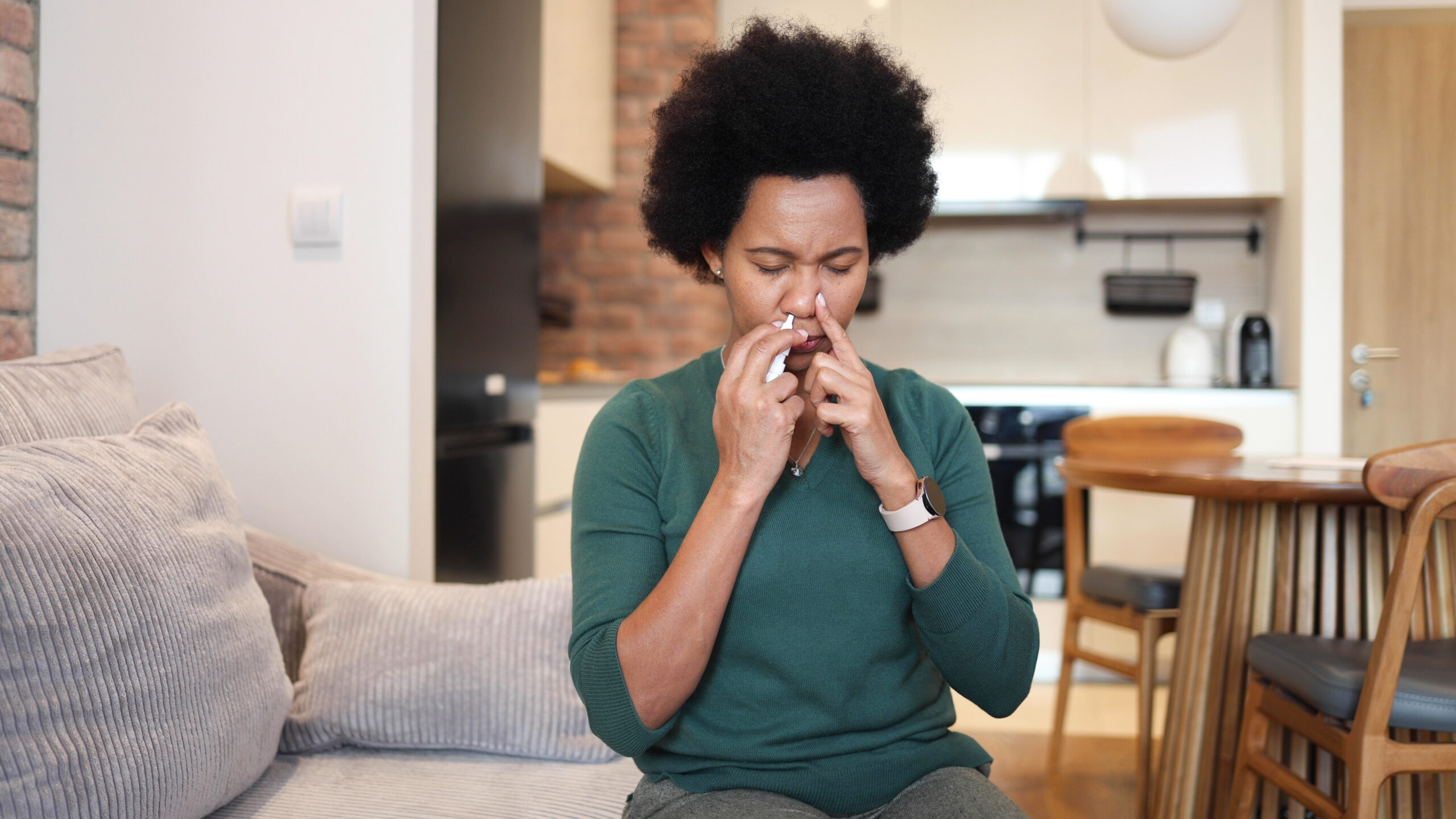
The fall season is approaching, and with it comes fall allergy season. As the leaves start to fall, they can contain mold spores that can trigger seasonal allergies for millions. Nearly 25% of adults in the United States experience seasonal allergies throughout the year. Although seasonal allergies typically peak during April, May, and June, they can also be severe during September through December.

Ragweed pollen and mold spores are the most common allergens in the fall. The ragweed plant can grow wild anywhere, but is most prevalent in the eastern and Midwest regions of the U.S. Ragweed pollen typically begins to peak in late August through late September and can last until the first frost. Its lifespan is usually limited to one season, but it can produce up to one billion grains of pollen, which is a lot for one season. Mold spores are also seen during this time of year, especially as the leaves begin to decompose. Early signs of leaves beginning to decompose and possibly being infected with mold are if they start to turn black or white.

Even though there are different allergens for each season, the symptoms that you may experience are similar. They include:

  • Sneezing
  • Itchy/watery eyes
  • Runny nose
  • Post-nasal drainage

Fall weather can affect allergies because of warm, dry, and windy days, exacerbating symptoms due to the pollen from the ragweed plant being widely dispersed. Rain can temporarily reduce pollen levels, but can cause an increase in mold growth, especially when heat and humidity are present. If you have an underlying dust mite allergy, it is important to note that you may experience worsening allergy symptoms during the fall due to spending more time indoors.

The American College of Allergy, Asthma, and Immunology (ACAAI) suggests these five tips to help you get ahead of fall allergy season:

  1. Avoid allergy triggers by keeping an eye on daily pollen counts, staying indoors as much as possible during high pollen count days, and avoiding going out in the morning when ragweed pollen is at its highest during the fall
  2. Change your clothing and remove your shoes as soon as you come in from outdoors, so you don’t track pollen into your home
  3. Start taking allergy medication two weeks or so before the fall season arrives and before your symptoms begin
  4. Consider immunotherapy if you have severe or chronic allergies
  5. Visit an allergist if your allergy symptoms become severe

You can receive an accurate diagnosis and effective treatment for seasonal allergies at Jamaica Hospital Medical Center’s Ambulatory Care Center. To schedule an appointment, please call (718) 206-7001.


All content of this newsletter is intended for general information purposes only and is not intended or implied to be a substitute for professional medical advice, diagnosis or treatment. Please consult a medical professional before adopting any of the suggestions on this page. You must never disregard professional medical advice or delay seeking medical treatment based upon any content of this newsletter. PROMPTLY CONSULT YOUR PHYSICIAN OR CALL 911 IF YOU BELIEVE YOU HAVE A MEDICAL EMERGENCY.

Bunions

A bunion is a bony bump that forms on the joint at the base of the big toe. It occurs when some of the bones in the front part of the foot move out of their regular position, causing the big toe to get pulled toward the smaller toes. It also forces the joint at the base of the big toe to stick out.

Bunions can develop for many reasons. It can be a combination of factors such as family history, abnormal bone structure, increased motion, or choice of footwear. It can also be caused by something putting extra pressure on the big toe joint for a long time, pushing the joint out of its natural alignment. These can include:

  • The way you walk
  • Health conditions that cause inflammation, such as rheumatoid arthritis or lupus
  • Standing for a long time or working on your feet

Anyone can develop a bunion. Certain groups of people are more likely to have bunions, including:

  • Females
  • People whose biological parents have bunions or issues with their foot mechanics. More than 70% of people with bunions have a biological parent who has had them
  • People with a history of foot injuries, including athletes

Bunions have many symptoms, including:

  • A bulging bump on the outside of the base of the big toe
  • Swelling and/or a change in color or soreness around the big toe joint
  • Corns or calluses often form where the first and second toes rub against each other
  • Ongoing pain or pain that comes and goes
  • Stiffness or limited movement of the big toe, which could lead to trouble walking
  • Hard skin on the sole

Bunions can lead to health problems, including:

  • Bursitis
  • Hammertoe
  • Metatarsalgia
  • Osteoarthritis

To diagnose a bunion, a healthcare provider will perform a physical exam and ask about your symptoms. A foot X-ray of your foot can help determine the best way to treat it.

Treatment for a bunion may vary and depends on how severe the bunion is and how much pain it causes. The most common treatments for bunions include:

  • Changing footwear
  • Bunion pads and taping
  • Orthotic devices such as shoe inserts
  • Pain relievers
  • Using ice or an ice pack
  • Corticosteroids
  • Physical therapy
  • Surgery

Surgery isn’t always necessary when treating a bunion. It is only recommended when simpler treatments don’t ease symptoms, if the bunion causes frequent pain, or if it limits daily activities.

To prevent bunions, it is important to choose the shoes you wear carefully. They should be supportive and have a wide toe box and no pointed toes. There should also be space between the tip of your longest toes and the end of the shoe. Your shoes should match the shape of your feet without squeezing or pressing any part of your foot.

If you are experiencing any bunion symptoms, you can speak with a podiatrist at our Queens Podiatry Center, located on the Jamaica Hospital campus. To make an appointment, please call (718) 206-6713/6712.

All content of this newsletter is intended for general information purposes only and is not intended or implied to be a substitute for professional medical advice, diagnosis or treatment. Please consult a medical professional before adopting any of the suggestions on this page. You must never disregard professional medical advice or delay seeking medical treatment based upon any content of this newsletter. PROMPTLY CONSULT YOUR PHYSICIAN OR CALL 911 IF YOU BELIEVE YOU HAVE A MEDICAL EMERGENCY.

Can You Reverse Type 2 Diabetes?

Type 2 diabetes has long been identified as an incurable chronic disease based on traditional means of treatment. However, losing weight and making other lifestyle changes may help manage diabetes and prevent long-term health complications.

Having excess weight or obesity is the leading risk factor for Type 2 diabetes. Almost 90% of the 37 million Americans with Type 2 diabetes are classified as having excess weight or obesity. If you have excess weight, your risk of developing Type 2 diabetes is about 2.4 times higher than those at a healthy weight. For those with obesity, the risk is about six times higher.

Obesity significantly increases the risk of developing serious health conditions, including Type 2 diabetes. This type of diabetes is directly linked to excess body weight and lack of physical activity. Nearly half of new diabetes cases in the United States each year are caused by obesity.

Type 2 diabetes is characterized by high blood sugar or glucose levels. It occurs when the body’s ability to produce or respond to insulin is impaired. The pancreas releases insulin after we eat, as it is a hormone that helps the body’s cells use glucose for energy. With Type 2 diabetes, the cells don’t use insulin effectively. This is known as insulin resistance.

There is research that shows that extra fat around the liver and visceral fat, the fat that surrounds the internal organs, plays a role in blocking insulin, which prevents glucose from entering the cells. The higher a person’s body fat percentage, the harder it is for their cells to respond properly to insulin.

While carrying extra weight anywhere in the body can increase the risk of developing Type 2 diabetes, there is evidence that suggests that people who carry excess belly fat are at a greater risk of the disease.

Studies have shown that substantial weight loss through healthy lifestyle habits, medication, or surgery can prevent Type 2 diabetes.

Weight loss is proven to help prevent Type 2 diabetes. Research shows that losing even as little as 3% to 5% of your body weight through healthy lifestyle changes can help control diabetes. Losing extra weight can help control blood sugar levels, boost energy levels, and improve overall health and well-being.

Some strategies for weight loss include:

  • Setting a weight loss goal
  • Eating smaller portions
  • Focusing on nutrient-dense foods
  • Increasing water intake
  • Exercising regularly

One study found that people who have obesity and Type 2 diabetes and followed a six-month diet plan lost an average of 30 pounds, and nearly half achieved remission of diabetes. This means that they have sustained their blood glucose levels within a normal range for three months or more without taking diabetes medication.

Remission is most likely to occur in the early stages of type 2 diabetes. Studies show that losing just 10% to 15% of body weight within two years of diagnosis is enough to achieve remission. In later stages of diabetes, the body may lose its ability to make insulin, making remission less likely. However, some people with advanced type 2 diabetes may achieve remission by losing 20% to 25% of their body weight.

There are many medications that can help with weight loss. Liraglutide and semaglutide are two injectable diabetes medications that are approved by the Food and Drug Administration (FDA) to treat obesity. These GLP-1 receptor antagonists are a class of medications that mainly manage blood sugar levels in people with Type 2 diabetes. They not only improve blood sugar control, but they can also promote weight loss by reducing appetite and slowing stomach emptying. Another injectable option is tirzepatide, a GLP-1 and GIP agonist that also lowers weight and improves blood sugar.

Bariatric, or weight loss surgery, can also treat obesity and promote weight loss. This procedure is designed to reduce food intake and decrease hunger to help people achieve and maintain a healthy weight.

The American Diabetes Association (ADA) recommends bariatric surgery as a treatment option for people with diabetes who have a body mass index (BMI) of 35 kg/m2 or greater. Various bariatric surgeries can be performed. They include:

  • Gastric sleeve
  • Gastric bypass
  • Adjustable gastric band

A research review found that bariatric surgery can effectively help manage Type 2 diabetes in up to 80% of people, and quickly. For some people, blood sugar levels may return to healthy levels within days or weeks after the procedure.

For more information about Jamaica Hospital’s endocrinology service, or to make an appointment, please call 718-206-7001.

All content of this newsletter is intended for general information purposes only and is not intended or implied to be a substitute for professional medical advice, diagnosis or treatment. Please consult a medical professional before adopting any of the suggestions on this page. You must never disregard professional medical advice or delay seeking medical treatment based upon any content of this newsletter. PROMPTLY CONSULT YOUR PHYSICIAN OR CALL 911 IF YOU BELIEVE YOU HAVE A MEDICAL EMERGENCY.

Covid and Laryngitis

As new COVID-19 variants emerge, new symptoms of the virus are being reported. One of those symptoms is acute laryngitis. Laryngitis is the inflammation of your larynx, also known as your voice box, and/or vocal cords.

Laryngitis typically begins suddenly and worsens progressively over the first three days. The symptoms usually go away afterward. Symptoms of laryngitis include:

  • A hoarse voice
  • Losing your voice from time to time
  • A sore throat
  • A constant need to clear your throat
  • An irritating, persistent cough

The hoarseness you may experience with COVID-19 is similar to the hoarseness you would experience with the flu or any other upper respiratory illness. COVID-19-causing laryngitis is particularly concerning because the SARS-CoV-2 virus itself causes inflammation. That means that many of the secondary symptoms you will experience, such as coughing, can be quite violent and can irritate your voice box further.

There isn’t much you can do to prevent the development of laryngitis or other throat and vocal cord problems when you have COVID-19. However, there are many ways to treat the condition, including:

  • Staying hydrated
  • Using cough drops and other over-the-counter cough suppressants
  • Avoiding speaking
  • Avoiding smoking and drinking alcohol
  • Gargling with salt water
  • Keeping the air in your house moist by using a humidifier
  • Eating a healthy diet can help prevent acid reflux, which can worsen your condition

If you are experiencing symptoms of laryngitis, you can make an appointment with an ENT doctor at Jamaica Hospital Medical Center. Please call 718-206-7110.

All content of this newsletter is intended for general information purposes only and is not intended or implied to be a substitute for professional medical advice, diagnosis or treatment. Please consult a medical professional before adopting any of the suggestions on this page. You must never disregard professional medical advice or delay seeking medical treatment based upon any content of this newsletter. PROMPTLY CONSULT YOUR PHYSICIAN OR CALL 911 IF YOU BELIEVE YOU HAVE A MEDICAL EMERGENCY.