Meet Our Doctors: Dr. Dawodu

We are pleased to introduce Dr. Olanrewaju (Lanre) Dawodu, the newest member of the obstetrics and gynecology team at Jamaica Hospital Medical Center.

Dr. Dawodu is an attending physician, specializing in minimally invasive gynecological surgery (MIGS). She chose minimally invasive gynecological surgery as a specialty because it allows her to treat complex conditions, such as fibroids, endometriosis, infertility, and chronic pelvic pain. “I am passionate about using advanced surgical techniques that not only relieve symptoms, but also speed recovery and restore function, allowing those affected to reclaim their health and quality of life”, she said. Dr. Dawodu was drawn to medicine because it allows her to combine science, hands-on skills, and patient advocacy. “Over time, I became especially motivated by the need to improve care for women whose health concerns are often minimized or overlooked,” she explained.

Dr. Dawodu attended Wayne State University for her undergraduate degree and Meharry Medical College for medical school. She completed her residency at the Hospital of the University of Pennsylvania and a fellowship at Columbia University Irving Medical Center, and is board-certified in obstetrics and gynecology. Dr. Dawodu treats patients with fibroids, menstrual disorders, endometriosis, chronic pelvic pain, ovarian cysts, and other benign but complex gynecologic conditions. She specializes in both uterine-preserving procedures and definitive treatments such as hysterectomy. “I offer the full spectrum of minimally invasive surgical options, including hysteroscopy, laparoscopy, and robotic surgery, tailoring each approach to a patient’s individual needs and goals”, says Dr. Dawodu.

Although Dr. Dawodu wasn’t born or raised in Queens, she has lived in New York City for the past four years and is proud to serve the Queens community through Jamaica Hospital. “I am excited to build a comprehensive program in complex benign gynecology here in Queens”, she said. She also noted that Jamaica Hospital wonderfully serves a diverse population and she is eager to provide advanced surgical options to patients who might not otherwise have access to them, stating, “I hope to bring compassionate care, surgical expertise, and a focus on patient-centered outcomes. My goal is to help my patients feel heard, validated, and empowered in their healthcare decisions, while ensuring they have access to the latest minimally invasive treatments.” Beyond surgery, Dr. Dawodu is committed to mentorship, education, and improving the efficiency of care. She is excited to grow with Jamaica Hospital as it expands access to minimally invasive gynecologic options in Queens.

We are proud to welcome Dr. Dawodu to our team and look forward to the work she and the rest of the Department of Obstetrics and Gynecology will do to provide high-quality care to our community.

All content of this newsletter is intended for general information purposes only and is not intended or implied to be a substitute for professional medical advice, diagnosis or treatment. Please consult a medical professional before adopting any of the suggestions on this page. You must never disregard professional medical advice or delay seeking medical treatment based upon any content of this newsletter. PROMPTLY CONSULT YOUR PHYSICIAN OR CALL 911 IF YOU BELIEVE YOU HAVE A MEDICAL EMERGENCY.


ADHD Awareness Month

October is ADHD Awareness Month, a time dedicated to raising awareness, challenging stigma, and celebrating the unique strengths that often come with a neurodivergent brain.

Adult attention-deficit/hyperactivity disorder (ADHD) is a mental health disorder that includes a combination of persistent problems, such as difficulty paying attention, hyperactivity, and impulsive behavior. Adult ADHD can lead to unstable relationships, poor work or school performance, low self-esteem, and other problems.

Some people with ADHD have fewer symptoms as they age, but some adults continue to have major symptoms that interfere with daily functioning. Adult ADHD symptoms include:

  • Impulsiveness
  • Disorganization and problems prioritizing
  • Poor time management skills
  • Problems focusing on a task
  • Trouble multitasking
  • Excessive activity or restlessness
  • Poor planning
  • Low frustration tolerance
  • Frequent mood swings
  • Problems following through and completing tasks
  • Hot temper
  • Trouble coping with stress

Symptoms can range from mild to severe. Many adults with ADHD aren’t aware they have it.

The exact cause of ADHD is not clear, but research efforts continue. Factors that may be involved in the development of ADHD include:

  • Genetics
  • Environment
  • Problems during development

Factors that may increase the risk of ADHD may include:

  • You have blood relatives, such as a parent or sibling, with ADHD or another mental health disorder
  • Your mother smoked, drank alcohol, or used drugs during pregnancy
  • As a child, you were exposed to environmental toxins such as lead, found mainly in paint and pipes in older buildings
  • You were born prematurely

Signs and symptoms of ADHD in adults can be difficult to spot. However, the core symptoms of ADHD start early in life, before the age of 12, continuing into adulthood, creating major problems.

There is no single test that can confirm an ADHD diagnosis. A diagnosis will likely include:

  • A physical exam
  • Questions about your current medical issues, personal and family medical history, and the history of your symptoms
  • ADHD rating scales or psychological tests

Standard treatments for ADHD in adults typically involve medication, education, skills training, and psychological counseling. A combination of these is often the most effective treatment as they can help manage many symptoms of ADHD, but they won’t cure it.

If you need the assistance and support of a mental health professional at Jamaica Hospital Medical Center, please call 718-206-5575 to schedule an appointment.


All content of this newsletter is intended for general information purposes only and is not intended or implied to be a substitute for professional medical advice, diagnosis or treatment. Please consult a medical professional before adopting any of the suggestions on this page. You must never disregard professional medical advice or delay seeking medical treatment based upon any content of this newsletter. PROMPTLY CONSULT YOUR PHYSICIAN OR CALL 911 IF YOU BELIEVE YOU HAVE A MEDICAL EMERGENCY.

Ovarian Cancer Awareness Month

September is Ovarian Cancer Awareness Month, a month to raise awareness, shine a light on ovarian cancer, and amplify the voices of those in the community who have experienced this disease.

Ovarian cancer is a growth of cells that forms in the ovaries. The cells multiply quickly and can invade and destroy healthy body tissue. It is the deadliest of all gynecologic cancers.

Types of ovarian cancer include:

  • Epithelial ovarian cancer- this type is the most common. It includes several subtypes, such as serous carcinoma and mucinous carcinoma.
  • Stromal tumors- this type includes rare tumors that are usually diagnosed at an earlier stage than other ovarian cancers.
  • Germ cell tumors- these types of rare ovarian cancers tend to occur at a younger age.

When ovarian cancer first develops, the signs and symptoms are subtle, which makes the disease difficult to detect in the early stages (I-II). This is why only 20% of ovarian cancer cases are diagnosed in the early stages. Often, symptoms don’t appear until the disease is in its advanced stages (III-IV). When ovarian cancer symptoms do occur, they’re usually attributed to other, more common conditions. Signs and symptoms of ovarian cancer may include:

  • Abdominal bloating or swelling
  • Quickly feeling full when eating
  • Weight loss
  • Discomfort in the pelvic area
  • Fatigue
  • Back pain
  • Changes in bowel habits
  • A frequent need to urinate

Several factors can increase your risk of ovarian cancer, including:

  • Older age
  • Inherited gene changes
  • Family history of ovarian cancer
  • Being overweight or obese
  • Postmenopausal hormone replacement therapy
  • Endometriosis
  • Age when menstruation started and ended
  • Never having been pregnant

There is no sure way to prevent ovarian cancer. However, there may be ways to reduce your risk, including:

  • Considering taking birth control pills
  • Discussing risk factors with your healthcare provider

Several tests and procedures can be performed to diagnose ovarian cancer. They include:

  • A pelvic exam
  • Imaging tests
  • Blood tests
  • Surgery
  • Genetic testing

The type of cell where the cancer begins determines the type of ovarian cancer you have and helps your healthcare provider decide on the best treatment options for you.

Once it is confirmed that you have ovarian cancer, your healthcare provider will use the information from your tests and procedures to assign your cancer a stage. The lowest stage, stage I, indicates that the cancer is confined to the ovaries. By stage IV, the cancer has spread to distant areas of the body.

Treatment of ovarian cancer usually involves a combination of surgery and chemotherapy. Other treatments may be used in certain situations.

Surgical operations to remove ovarian cancer include:

  • Surgery to remove one ovary
  • Surgery to remove both ovaries
  • Surgery to remove both ovaries and the uterus
  • Surgery for advanced cancer

Chemotherapy is often used after surgery to kill any cancer cells that might remain, but it can also be used before surgery.

Other therapy treatments for ovarian cancer can include:

  • Targeted therapy
  • Hormone therapy
  • Immunotherapy

Palliative care is another treatment option as it focuses on providing relief from pain and other symptoms of a serious illness and can be used while undergoing other aggressive treatments such as surgery and chemotherapy.

To schedule an appointment with an oncologist at our MediSys Health Network Cancer Center, or to learn more about our cancer care program, please call (718) 206-6742.


All content of this newsletter is intended for general information purposes only and is not intended or implied to be a substitute for professional medical advice, diagnosis or treatment. Please consult a medical professional before adopting any of the suggestions on this page. You must never disregard professional medical advice or delay seeking medical treatment based upon any content of this newsletter. PROMPTLY CONSULT YOUR PHYSICIAN OR CALL 911 IF YOU BELIEVE YOU HAVE A MEDICAL EMERGENCY.
National Breastfeeding Month

August is National Breastfeeding Month. It is a time when communities and health organizations work in tandem to share the many health benefits of breastfeeding for the nursing mother and baby and to celebrate the natural and healthful bond between a new mother and her infant.  

There are five great health benefits of breastfeeding, including: 

  • Breast milk is the best source of nutrition for most babies. As the baby grows, the mother’s breast milk will change to meet the baby’s nutritional needs. 
  • Breastfeeding can help protect babies against some short- and long-term illnesses and diseases. Breastfed babies have a lower risk of asthma, obesity, Type 1 diabetes, and sudden infant death syndrome (SIDS). Breastfed babies are also less likely to have ear infections and stomach bugs.  
  • Breast milk shares antibodies from a mother to her baby. These antibodies help babies develop a strong immune system and protect them from illnesses.  
  • Mothers can breastfeed anytime and anywhere. Mothers can feed their babies on the go without worrying about having to mix formula or prepare bottles. Breastfeeding can also provide a source of comfort for babies whose normal routine is disrupted while traveling. 
  • Breastfeeding has health benefits for the mother as well. Breastfeeding can reduce the mother’s risk of breast and ovarian cancer, Type 2 diabetes, and high blood pressure.  

Ways you can celebrate National Breastfeeding Month include: 

  • Learn more and educate others about breastfeeding 
  • Support breastfeeding mothers 
  • Advocate for better breastfeeding policies 
  • Donate to relevant breastfeeding advocacy organizations 
  • Share stories and experiences about breastfeeding 
  • Volunteer during National Breastfeeding Month 
  • Participate in breastfeeding events 
  • Express gratitude for those who are breastfeeding 

At Jamaica Hospital’s Baby Friendly USA-designated Department of Women’s Health Services, we are passionate about meeting the various needs of women in our community. We proudly treat women from all walks of life, and we provide a warm and welcoming environment. To learn more about our OB/GYN services, such as breastfeeding, please contact us at 718-291-3276 for more information. 

All content of this newsletter is intended for general information purposes only and is not intended or implied to be a substitute for professional medical advice, diagnosis or treatment. Please consult a medical professional before adopting any of the suggestions on this page. You must never disregard professional medical advice or delay seeking medical treatment based upon any content of this newsletter. PROMPTLY CONSULT YOUR PHYSICIAN OR CALL 911 IF YOU BELIEVE YOU HAVE A MEDICAL EMERGENCY.

Menopause and Memory Issues

Menopause occurs when a person goes 12 consecutive months without a menstrual period. Memory lapses and trouble concentrating are common symptoms of menopause and even perimenopause. These menopausal symptoms are caused by the female sex hormone estrogen, which is necessary for maintaining sexual and reproductive health.  

Low estrogen levels can cause temporary bouts of brain fog and impact verbal memory, including the ability to recall words and names. However, this type of menopause-related forgetfulness isn’t the same as the early signs of dementia. 

Dementia is a general term that represents a group of diseases and illnesses that cause a decline in cognitive functioning to the point that it interferes with a person’s daily life and activities. It is caused by damage to the brain, affecting its nerve cells and destroying the brain’s ability to communicate with its various areas. 

The first signs of dementia are typically things like getting lost in familiar places or confusion about how to perform everyday activities, such as driving home from the store, and inability to remember names.  

Another key factor in someone affected by dementia is age. Alzheimer’s disease mainly affects people over the age of 65. Less than 10% of cases occur in people younger than 65, especially those without a family history of early-onset Alzheimer’s. 

Menopause, on the other hand, usually happens in your mid-40s to mid-50s, and perimenopause can start years earlier.  

Midlife “brain fog” can be frustrating and worrisome at times. However, with some extra care and attention to your health, it can be managed and controlled.  

Here are some ways to cope with menopausal memory issues: 

  • Get enough sleep 
  • Eat a balanced diet that includes brain-enhancing foods, such as cruciferous vegetables rich in color, to serve as antioxidants 
  • Create and stick to a regular exercise routine 
  • Stop multitasking, as it can drain the brain’s abilities 
  • Exercise your brain by doing activities that can improve your mental fitness, such as: 
  • Doing crossword puzzles, board games, or chess 
  • Going for a vigorous walk 
  • Reading a novel 
  • Taking up a new physical activity, such as ballroom dancing or boxing 
  • Meditating 
  • Starting a journal about positive experiences 
  • Learning a foreign language 
  • Trying tai chi 

If you are experiencing symptoms of menopausal memory loss, you can visit Jamaica Hospital Medical Center’s Women’s Health Center or contact us at 718-291-3276 to make an appointment.   

All content of this newsletter is intended for general information purposes only and is not intended or implied to be a substitute for professional medical advice, diagnosis or treatment. Please consult a medical professional before adopting any of the suggestions on this page. You must never disregard professional medical advice or delay seeking medical treatment based upon any content of this newsletter. PROMPTLY CONSULT YOUR PHYSICIAN OR CALL 911 IF YOU BELIEVE YOU HAVE A MEDICAL EMERGENCY.

Cardiovascular Disease in Women

Cardiovascular disease can be deadly for anyone. However, women face unique risks, largely due to differences in anatomy and hormones. They are more likely to have other heart attack symptoms and have a higher chance of developing symptoms from heart failure 

Over 60 million women (44%) in the United States are living with some form of heart disease. Heart disease is the leading cause of death in women in the United States and can affect them at any age.  

There are three types of heart disease. They include: 

  • Coronary artery disease is the most common heart disease, caused by plaque in the walls of the arteries that supply blood to the heart and other parts of the body. After menopause, women are at a higher risk of coronary artery disease because of hormonal changes.  
  • Arrhythmia is a condition in which the heart beats too slowly, too fast, or irregularly. A common example is atrial fibrillation.  
  • Heart failure happens when the heart is too weak to pump enough blood to support other organs in the body. This condition is serious, but it doesn’t mean the heart has stopped beating. 

Although some women have no symptoms, other women may experience: 

  • Angina is usually felt as a dull or heavy chest discomfort or ache 
  • Pain in the neck, jaw, or throat 
  • Pain in the upper abdomen or back 

These symptoms may happen when you are resting or active. Women may also have other symptoms, including: 

  • Nausea 
  • Vomiting 
  • Tiredness that won’t go away of feels excessive 

In some women, the first signs and symptoms if heart disease can be: 

  • A heart attack 
  • Palpitations 

A heart attack occurs when blood flow to the heart muscle is reduced or blocked. The amount of damage to the heart muscle depends on the artery and the treatment.  

The warning signs of a heart attack include: 

  • Chest discomfort that lasts more than a few minutes or doesn’t go away and returns 
  • Pain or discomfort in the arms, back, neck, jaw, and stomach 
  • Shortness of breath 

Other signs can include: 

  • Breaking out in a cold sweat 
  • Nausea 
  • A rapid or irregular heartbeat 
  • Unusual tiredness 
  • Lightheadedness 

Medical treatment for a heart attack is based on the type of heart attack and where the blockage in the coronary artery is.  

A complete blockage of the artery of the heart is a STEMI or ST-elevation myocardial infarction. A partial blockage is an NSTEMI heart attack or a non-ST-elevation myocardial infarction. The different ways to restore blood flow to the affected heart muscle during a heart attack include: 

  • Clot-dissolving medications 
  • Balloon angioplasty and stenting 
  • Surgery 

If you are experiencing an emergency, please call 911 right away. If you are experiencing heart attack symptoms, you can schedule an appointment at Jamaica Hospital Medical Center’s Cardiology Department by calling (718) 206-1700.  

All content of this newsletter is intended for general information purposes only and is not intended or implied to be a substitute for professional medical advice, diagnosis or treatment. Please consult a medical professional before adopting any of the suggestions on this page. You must never disregard professional medical advice or delay seeking medical treatment based upon any content of this newsletter. PROMPTLY CONSULT YOUR PHYSICIAN OR CALL 911 IF YOU BELIEVE YOU HAVE A MEDICAL EMERGENCY.

Robot-assisted Hysterectomy

A hysterectomy is a surgical procedure that removes the uterus.

Depending on the reason for the surgery, a hysterectomy can involve removing surrounding organs and tissues, such as the fallopian tubes and ovaries.

Your healthcare provider will discuss the type of hysterectomy you need depending on your condition. This will determine if your fallopian tubes and/or ovaries will be removed.

The different types of hysterectomy surgeries include:

  • A total hysterectomy removes the uterus and cervix but leaves the ovaries. Since you still have ovaries, you won’t enter menopause immediately after surgery.
  • A supracervical hysterectomy removes just the upper part of the uterus while leaving the cervix. You can also have your fallopian tubes and ovaries removed at the same time. Since you still have a cervix, you will still need pap smears.
  • A total hysterectomy with bilateral salpingo-oophorectomy removes the uterus, cervix, fallopian tubes, and ovaries. Since your ovaries are removed, menopause will start immediately if you haven’t already completed it.
  • A radical hysterectomy with bilateral salpingo-oophorectomy removes the uterus, cervix, fallopian tubes, ovaries, the upper portion of the vagina, and some surrounding tissue, and lymph nodes. Healthcare providers use this procedure when cancer is involved. Since your ovaries are removed, you will enter menopause.

A healthcare provider may suggest alternative treatments before recommending a hysterectomy, depending on the reason for needing one. Sometimes, those treatments don’t help, or surgery is the only option to treat the condition.

Surgeons perform hysterectomies to treat the following:

  • Abnormal or heavy vaginal bleeding
  • Severe pelvic pain
  • Uterine fibroids and other noncancerous tumors
  • Severe endometriosis
  • Uterine prolapse that can lead to urinary incontinence or fecal incontinence
  • Cervical, ovarian, or uterine cancer
  • Conditions with the lining of your uterus, such as hyperplasia or adenomyosis
  • Serious complications of childbirth such as uterine rupture

Many people have a hysterectomy to prevent cancer. For people at high risk for certain types of cancer, removing the uterus and/or surrounding reproductive organs can reduce the chances of developing cancer.

Healthcare providers can use several different surgical approaches to perform a hysterectomy. A surgical procedure that is performed is a robot-assisted laparoscopic hysterectomy.

A robot-assisted laparoscopic hysterectomy is similar to an abdominal laparoscopy, however, a surgeon performs the procedure with the help of a robotic machine.

A surgeon inserts a laparoscope through the abdomen incisions. They insert small, thin surgical tools through three to five other small incisions around your belly button. The surgeon controls robotic arms and instruments.

The recovery is similar to a laparoscopic hysterectomy.

There are many potential advantages of robotic-assisted laparoscopic hysterectomy including:

  • Robot-assisted surgery provides the surgeon with 3D images of inside your abdomen and pelvis that create a clearer picture for them to reference as they operate.
  • Under the surgeon’s direction, the robot can move more freely and with more versatility than a human hand
  • Minimal scarring
  • Less pain
  • Faster recovery times
  • Less risk of wound infection,
  • Shorter hospital stays
  • Less blood loss

For more information about robotic surgery at Jamaica Hospital Medical Center or to learn more about other surgical options, please call (718) 206-7001 to make an appointment.


All content of this newsletter is intended for general information purposes only and is not intended or implied to be a substitute for professional medical advice, diagnosis or treatment. Please consult a medical professional before adopting any of the suggestions on this page. You must never disregard professional medical advice or delay seeking medical treatment based upon any content of this newsletter. PROMPTLY CONSULT YOUR PHYSICIAN OR CALL 911 IF YOU BELIEVE YOU HAVE A MEDICAL EMERGENCY.
Elevate Her- Gestational Diabetes

Gestational diabetes is a type of diabetes that develops exclusively in pregnancy when blood sugar levels are too high.

Gestational diabetes develops when hormones from the placenta interfere with your body’s ability to make or use insulin. Insulin breaks down the glucose from food and delivers it to your cells. It keeps the glucose levels in your blood at a healthy level. If insulin doesn’t work right or you don’t have enough of it, sugar builds up in your blood and leads to diabetes.

Anyone can get gestational diabetes during pregnancy. However, certain factors can increase your risk, including:

  • Heart disease
  • High blood pressure
  • Being obese or overweight before pregnancy
  • Personal history of gestational diabetes in previous pregnancies
  • Family history of Type 2 diabetes
  • Having prediabetes
  • Having polycystic ovary syndrome
  • Having previously delivered a baby weighing more than nine pounds
  • Being of a certain race or ethnicity, such as Black, Hispanic, American Indian, and Asian American
  • Being of an advanced maternal age

There are usually no obvious warning signs of gestational diabetes. Symptoms are too mild and often go unnoticed until your pregnancy care provider tests you for the disease. If you do have symptoms, they can include:

  • Frequent urination
  • Excessive thirst
  • Tiredness
  • Nausea

Gestational diabetes that isn’t carefully managed can lead to high blood sugar levels. High blood sugar can cause problems for you and your baby, including an increased likelihood of needing a C-section to deliver the baby. If you have gestational diabetes, your baby may be at an increased risk of:

  • Excessive birth weight
  • Preterm birth
  • Serious breathing difficulties at birth
  • Low blood sugar
  • Obesity and Type 2 diabetes later in life
  • Stillbirth

To diagnose gestational diabetes, your healthcare provider will test your blood sugar during pregnancy with a blood test. Often the first test is a screening. If you don’t pass the screening, a provider will order a second blood test which is more comprehensive and includes:

  • Glucose challenge test
  • Glucose tolerance test

If you have gestational diabetes, you will need more frequent checkups during your pregnancy. Treatment for gestational diabetes includes:

  • Lifestyle changes
  • Blood sugar monitoring
  • Medication, if necessary

Managing your blood sugar levels helps keep you and your baby healthy. Close management can also help you avoid complications during pregnancy and delivery.

Gestational diabetes isn’t entirely preventable. However, there are steps you can take to reduce your risk. Eating balanced and nutritious meals and getting regular exercise before and after your pregnancy are the best ways to reduce the risk of developing gestational diabetes.

To learn more about the OB/GYN services at Jamaica Hospital Medical Center’s Department of Women’s Health Services or to make an appointment, call 718-291-3276.

All content of this newsletter is intended for general information purposes only and is not intended or implied to be a substitute for professional medical advice, diagnosis or treatment. Please consult a medical professional before adopting any of the suggestions on this page. You must never disregard professional medical advice or delay seeking medical treatment based upon any content of this newsletter. PROMPTLY CONSULT YOUR PHYSICIAN OR CALL 911 IF YOU BELIEVE YOU HAVE A MEDICAL EMERGENCY.

Understanding Menopause

womens health -472504192The life stages of women’s reproductive health begin with puberty (menstruation) and end with menopause. Menopause marks the time when a woman stops having her period and is no longer able to reproduce.  While this stage is a normal part of life it has its challenges as women may experience several, physical and emotional changes.  Here are six simple facts to educate and help prepare you for potential changes ahead.

  1. What is menopause?

Menopause is medically defined as the time in a woman’s life when she has not had her period for 12 months after her last menstrual cycle.  Her ovaries will cease to further produce eggs.

  1. When does it happen?

The average age for women living in the United States to experience menopause is 51 years old. However, in some cases, it can occur as early as a woman’s 30’s or as late has her 60’s. Symptoms can begin to present a few years earlier before the actual onset of menopause. This stage of your reproductive health is referred to as perimenopause.

  1. What are the symptoms?

The symptoms of menopause may vary from person to person; they may include:

  • Hot flashes
  • Night sweats
  • A slowed metabolism and weight gain
  • Vaginal dryness
  • Mood swings
  • Trouble sleeping
  • Thinning hair
  • Incontinence
  1. How to treat or cope with symptoms?

There are several treatments and lifestyle changes you can apply to help relieve symptoms, some of which are:

  • Hormone replacement therapy
  • Getting enough sleep
  • Strengthening pelvic floor muscles by doing Kegel exercises
  • Eating a balanced diet
  • Taking calcium and Vitamin D supplements, as recommended
  • Exercising regularly
  • Taking low-dose anti-depressants as prescribed
  1. Can menopause lead to further complications?

Your risk for developing certain health conditions may increase after menopause. Examples of these include osteoporosis and cardiovascular disease

  1. When should I speak to my doctor about menopause?

If you are experiencing unusual pain, other extreme physical or emotional symptoms which affect your quality of life, it is advised that you speak with your doctor as soon as possible. Your doctor may explore treatment options or suggest lifestyle changes.  It is also recommended that you begin the conversation about menopause during perimenopause (early menopause symptoms).  Your doctor can offer guidance on what to expect.

All content of this newsletter is intended for general information purposes only and is not intended or implied to be a substitute for professional medical advice, diagnosis or treatment. Please consult a medical professional before adopting any of the suggestions on this page. You must never disregard professional medical advice or delay seeking medical treatment based upon any content of this newsletter. PROMPTLY CONSULT YOUR PHYSICIAN OR CALL 911 IF YOU BELIEVE YOU HAVE A MEDICAL EMERGENCY.

January is National Birth Defects Prevention Month.

January is National Birth Defects Prevention Month. Jamaica Hospital would like to join the national effort to increase awareness about birth defects and what can cause them.

While not all birth defects are preventable, there are certain healthy behaviors that can be practiced to increase your chances of having a healthy baby.

The Centers for Disease Control and Prevention (CDC) recommends the following tips for preventing birth defects:

  • Take 400 micrograms of folic acid every day. Folic acid is important because it can help prevent some major birth defects of the baby’s brain and spine. Most vitamins contain the recommended amount of folic acid, but women should check the label to be sure it contains 100% of the daily value (DV) of folic acid.
  • Speak with your healthcare provider before you begin or stop taking any medicine. If you are planning to become pregnant, discuss your current medicines with a healthcare provider, such as your doctor or pharmacist. Creating a treatment plan for your health condition before you are pregnant can help keep you and your developing baby healthy.
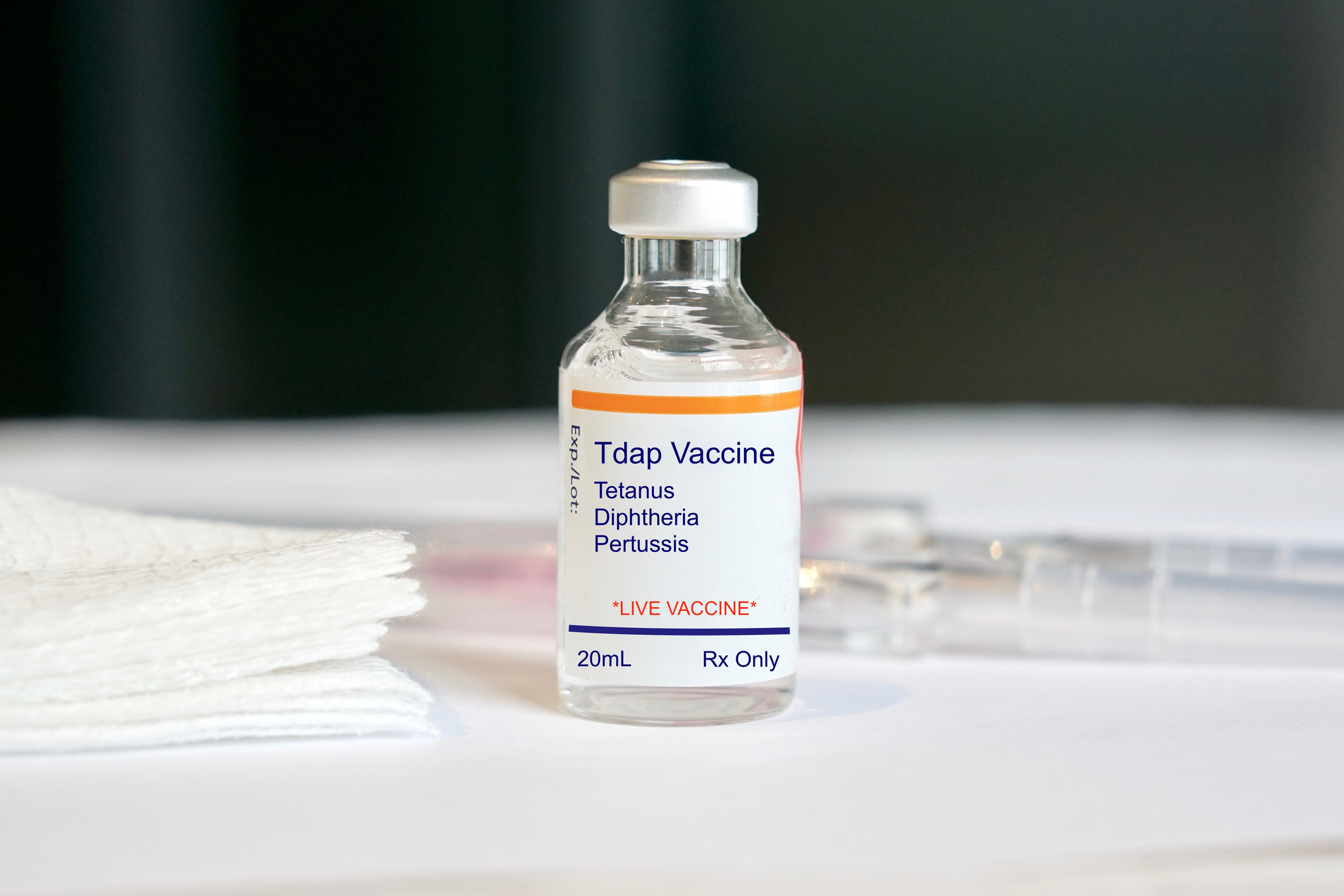
  • Remain up to date with all vaccines, including your flu shot. Vaccines help protect you and your developing baby against serious diseases. Get a flu shot and whooping cough vaccine (also called Tdap) during each pregnancy to help protect yourself and your baby.
  • Attempt to reach a healthy weight before getting pregnant. Obesity increases the risk for several serious birth defects and other pregnancy complications. If you are overweight (or underweight), speak with your healthcare provider about ways to maintain a healthy weight before you become pregnant.
  • Avoid harmful substances, such as alcohol, tobacco, and other drugs during pregnancy. Smoking during pregnancy can harm the developing baby and can cause certain birth defects. Alcohol can also cause problems for a developing baby throughout pregnancy. Using certain drugs during pregnancy can cause health problems for a woman and her developing baby.

By following these recommended tips, you will be doing what is best for you and your baby.

Speak to your doctor about other ways to increase your chances of having a healthy baby. To make an appointment at Jamaica Hospital’s Women’s Health Center, please call 718- 291-3276.

All content of this newsletter is intended for general information purposes only and is not intended or implied to be a substitute for professional medical advice, diagnosis or treatment. Please consult a medical professional before adopting any of the suggestions on this page. You must never disregard professional medical advice or delay seeking medical treatment based upon any content of this newsletter. PROMPTLY CONSULT YOUR PHYSICIAN OR CALL 911 IF YOU BELIEVE YOU HAVE A MEDICAL EMERGENCY.