Primary Heart Attack Center Certification

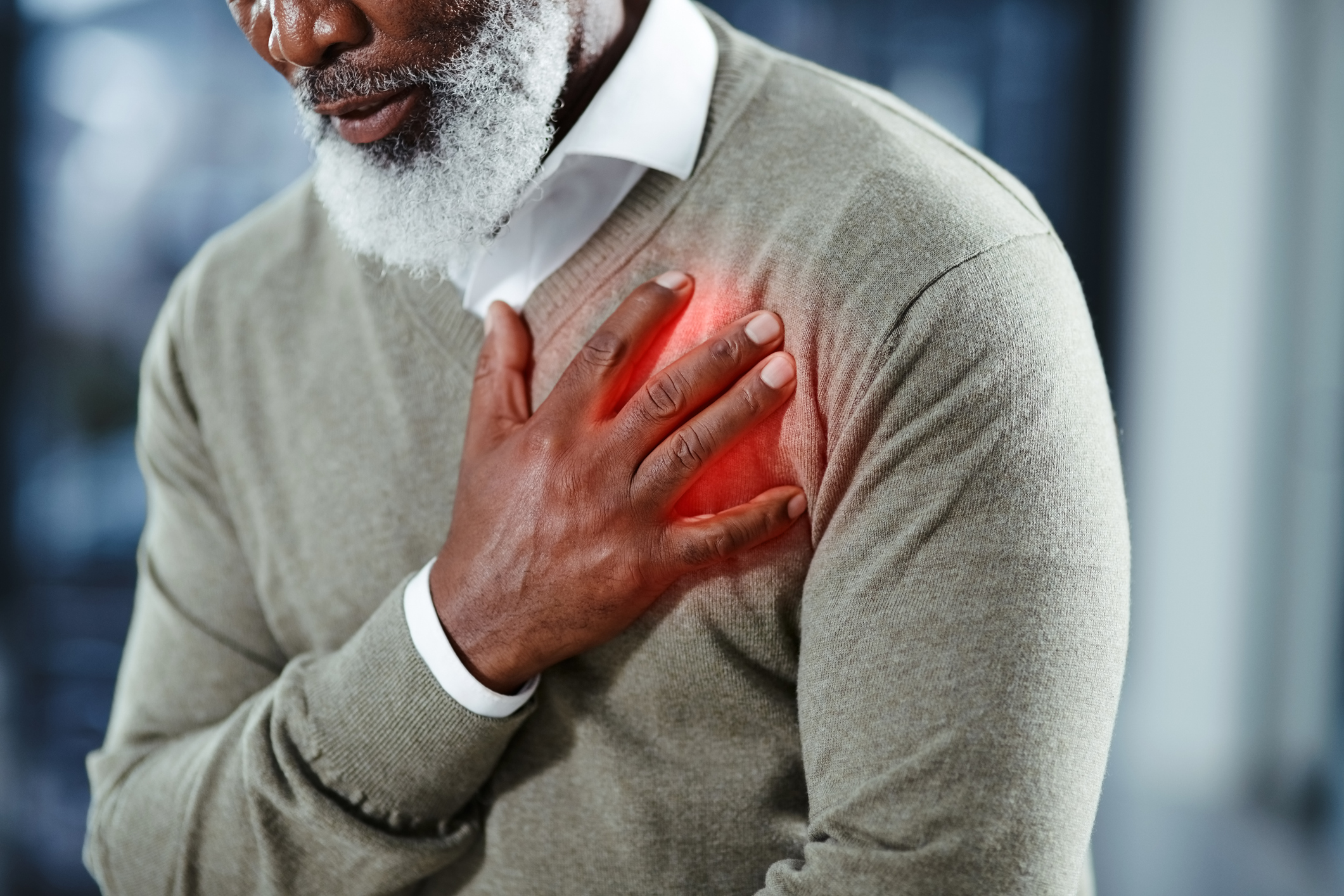
Every year, more than 800,000 people in the U.S. have a heart attack. A heart attack, or myocardial infarction, occurs when blood flow to the heart muscle is reduced or blocked. The blockage is usually due to a buildup of fat, cholesterol, and other substances in the heart’s arteries. The amount of damage to the heart muscle depends on the artery and the treatment.

Most heart attacks are caused by coronary artery disease, which is the most common cause of death in the United States.

The warning signs of a heart attack include:

  • Chest discomfort that lasts more than a few minutes or doesn’t go away and returns
  • Pain or discomfort in the arms, back, neck, jaw, and stomach
  • Shortness of breath

Other signs of a heart attack can include:

  • Breaking out in a cold sweat
  • Nausea
  • A rapid or irregular heartbeat
  • Unusual tiredness
  • Heartburn or indigestion
  • Lightheadedness

Several key factors can affect your risk of having a heart attack. Unfortunately, some heart attack risk factors aren’t things you can modify. They include:

  • Age and sex
  • Family history of heart disease
  • Lifestyle
  • Certain health conditions

Healthcare providers usually diagnose heart attacks in an emergency room setting. If you have heart attack symptoms, you should undergo a physical exam. A healthcare provider will check your pulse, blood oxygen levels, and blood pressure, and listen to your heart and lung sounds. They will also ask about the symptoms you experienced.

A healthcare provider will diagnose a heart attack using the following testing procedures:

  • Blood tests
  • An Electrocardiogram (EKG or ECG)
  • An echocardiogram
  • A coronary angiogram
  • A heart computed tomography (CT) scan
  • A heart MRI
  • An exercise stress test
  • Nuclear heart scans

Treating a heart attack means restoring blood flow to the affected heart muscle immediately. This can happen in various ways, ranging from medication to surgery. Treatment will likely include:

  • Supplementary oxygen
  • Medications
  • Percutaneous coronary intervention
  • Coronary artery bypass grafting

Although several risk factors for a heart attack can’t be modified, there are many ways to reduce your risk of a heart attack, including:

  • Scheduling a check-up with a healthcare provider
  • Quitting tobacco products
  • Exercising regularly
  • Eating nutritious foods
  • Maintaining a healthy weight
  • Managing existing health conditions
  • Reducing stress
  • Taking medications as prescribed
  • Keeping all medical appointments

Jamaica Hospital Medical Center has been awarded the Joint Commission’s Primary Heart Attack Center certification with a gold seal.

This certification standardizes patient care across hospital settings regarding identification, assessment, monitoring, management, data sharing, and performance improvement for multidisciplinary STEMI heart attack care. Our hospital collaborates with the American Heart Association (AHA) in providing patient-centric cardiac care for all patients, their families, and the community the hospital serves.

The protocols and performance measures related to this designation reduce variances and promote standardization of the best practices in cardiac care. This, in turn, assists in improving clinical outcomes.

For more information about heart attacks, visit the American Heart Association’s website: https://www.heart.org/en/health-topics/heart-attack/about-heart-attacks

If you are experiencing an emergency, please dial 911 right away. If you are experiencing heart attack symptoms, you can schedule an appointment at Jamaica Hospital Medical Center’s Cardiology Department by calling (718) 206-7100.


All content of this newsletter is intended for general information purposes only and is not intended or implied to be a substitute for professional medical advice, diagnosis or treatment. Please consult a medical professional before adopting any of the suggestions on this page. You must never disregard professional medical advice or delay seeking medical treatment based upon any content of this newsletter. PROMPTLY CONSULT YOUR PHYSICIAN OR CALL 911 IF YOU BELIEVE YOU HAVE A MEDICAL EMERGENCY.

Acute Coronary Syndrome

Acute coronary syndrome refers to three types of coronary disease that are related to sudden reduced blood flow to the heart.

The three types of coronary artery disease are:

  • Unstable angina
  • Non-ST-elevation myocardial infarction
  • ST-elevation myocardial infarction

Acute coronary syndrome can affect anyone. However, certain risk factors raise the likelihood of developing the condition. Risk factors include:

  • Older age
  • High blood pressure
  • High blood cholesterol
  • Smoking or tobacco use
  • Not enough physical activity
  • An unhealthy diet
  • Obesity or being overweight
  • Diabetes
  • Personal or family history of angina, heart attacks, or stroke
  • History of high blood pressure, preeclampsia, or diabetes during pregnancy
  • Early menopause
  • COVID-19 infection

The symptoms of acute coronary syndrome usually start suddenly. They include:

  • Chest pain or discomfort, which may feel like aching, pressure, tightness, or burning
  • Pain that starts in the chest and spreads to other body parts. These areas include the shoulders, arms, upper belly area, back, neck, or jaw
  • Nausea or vomiting
  • Indigestion
  • Shortness of breath
  • Sudden, heavy sweating
  • A racing heartbeat
  • Feeling lightheaded or dizzy
  • Fainting
  • Unusual fatigue

Acute coronary syndrome is usually caused by a buildup of fatty deposits or plaque in and on the walls of the heart’s arteries. When a fatty deposit breaks open, a blood clot can form and block blood flow to the heart, causing the heart not to receive enough oxygen.

The lack of oxygen can cause cells in the heart muscle to die. This damage can lead to a heart attack. When acute coronary syndrome doesn’t cause heart muscle cells to die, it is called unstable angina.

Acute coronary syndrome is an emergency and is usually diagnosed at a hospital. A healthcare provider runs tests to check the heart and determine the cause of symptoms.

Tests for acute coronary syndrome may include:

  • Electrocardiogram
  • Blood tests

A healthcare provider looks at the symptoms and test results to diagnose acute coronary syndrome. This information can also help classify your condition as a heart attack or unstable angina.

Other tests may be done to rule out other possible causes of symptoms and may also help determine treatment. Tests include:

  • Coronary angiogram
  • Echocardiogram
  • Myocardial perfusion imaging
  • CT angiogram
  • Exercise stress test

There is no cure for acute coronary syndrome. However, early diagnosis and prompt treatment can protect your heart from further damage and help it work as well as possible. A healthcare provider can discuss ways to reduce risks and avoid complications.

The immediate goals of treatment for acute coronary syndrome are to:

  • Relieve pain and distress
  • Improve blood flow
  • Restore heart function quickly and as much as possible

Long-term treatment goals are to:

  • Help the heart work as well as possible
  • Manage risk factors
  • Lower the risk of a heart attack

Treatment for acute coronary syndrome may include medicine, heart procedures, or surgery.

If you are experiencing any symptoms of acute coronary syndrome, you can schedule an appointment with a doctor at Jamaica Hospital Medical Center’s Ambulatory Care Center. Please call (718) 206-7001. If you are experiencing an emergency, call 911.

All content of this newsletter is intended for general information purposes only and is not intended or implied to be a substitute for professional medical advice, diagnosis or treatment. Please consult a medical professional before adopting any of the suggestions on this page. You must never disregard professional medical advice or delay seeking medical treatment based upon any content of this newsletter. PROMPTLY CONSULT YOUR PHYSICIAN OR CALL 911 IF YOU BELIEVE YOU HAVE A MEDICAL EMERGENCY.

Holter Monitor

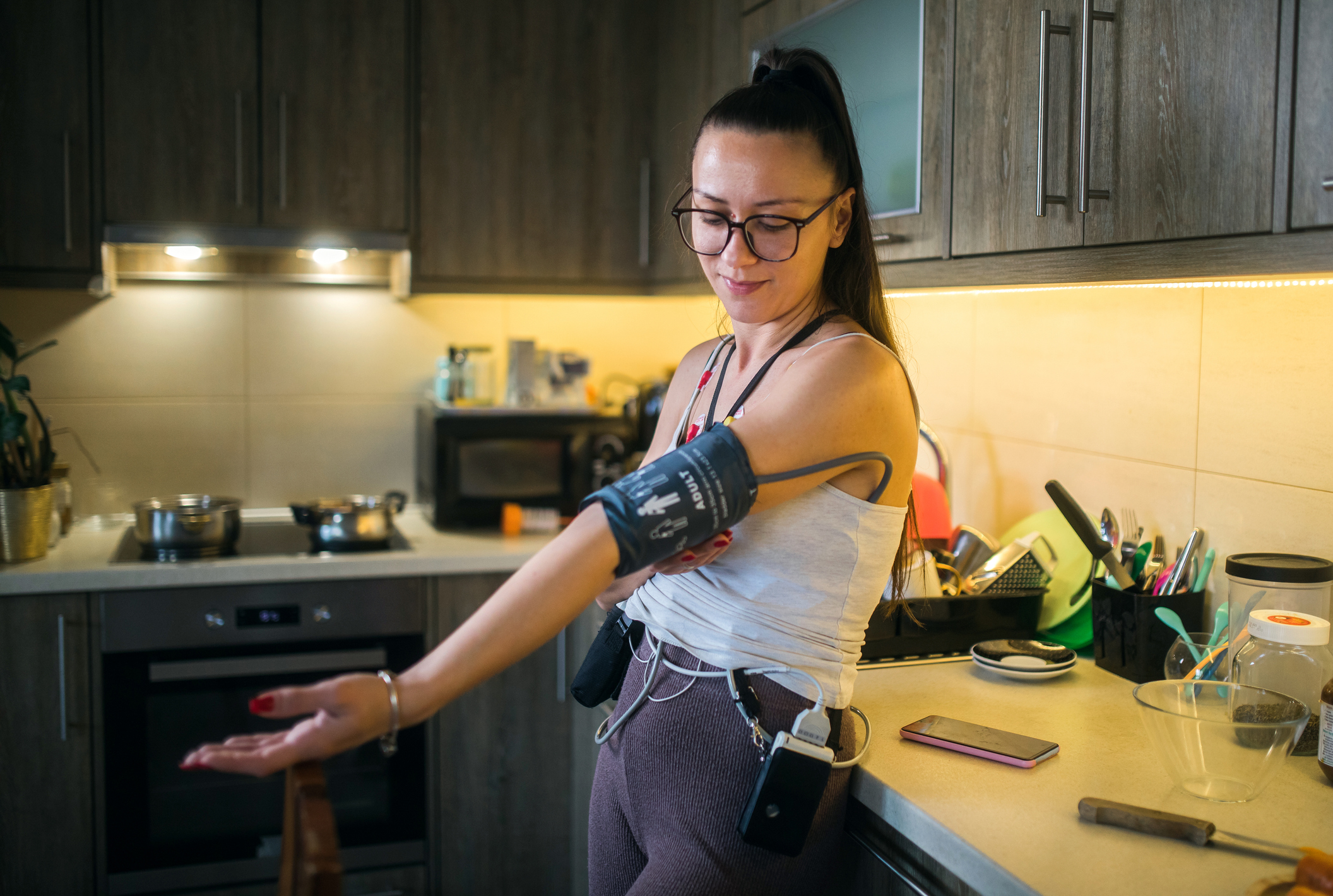
A Holter monitor is a small, wearable electrocardiogram (ECG) that records the heart’s electrical activity over 24 hours or longer while you’re away from your healthcare provider’s office.

A standard or resting ECG is one of the simplest and fastest tests to check the heart. Holter monitor tests may be done if a traditional electrocardiogram (ECG or EKG) doesn’t provide enough details about the heart’s condition. Some personal devices like smartwatches offer electrocardiogram monitoring. Ask your healthcare professional if this is an option for you.

Some reasons you might need to wear a Holter monitor or why your healthcare provider may ask you to wear one include:

  • To evaluate symptoms that may be heart-rhythm-related. Symptoms can include:
    • Chest pain
    • Tiredness
    • Shortness of breath
    • Dizziness
    • Fainting
  • To identify irregular heartbeats or palpitations
  • To assess your risk for future heart-related events in certain conditions. These conditions can include thickened heart walls or hypertrophic cardiomyopathy after a heart attack that causes weakness of the left side of the heart. This is called Wolff-Parkinson-White syndrome. In this syndrome, an abnormal electrical conduction pathway exists in the heart.
  • To see how well a pacemaker is working
  • To find out how well treatment is working for complex abnormal heart rhythms
  • To see how fast or slow your heart rate gets during the day and if you have any pauses in your heart rhythm

While you wear a Holter monitor, you can do most daily activities unless you have instructions to avoid certain things. You may be given a form to record your activities and any symptoms. It’s important to note if and when you have any of the following symptoms:

  • Pounding, fluttering, or skipped heartbeats
  • Shortness of breath
  • Chest pain
  • Lightheadedness

After the allotted time with the Holter monitor, your healthcare provider will review the test results and discuss them with you. Information from Holter monitor testing can show if you have a heart condition and if any medicines you currently take aren’t working.

If you didn’t have any irregular heartbeats while you wore the monitor, you may need to wear a wireless Holter monitor or an event recorder. These devices can be worn longer than a standard Holter monitor. Event recorders are similar to Holter monitors and require you to push a button when you feel symptoms. There are several different types of event recorders.

If you are experiencing any symptoms that may be heart-rhythm-related, you can schedule an appointment at Jamaica Hospital Medical Center’s Cardiology Department by calling (718) 206-7100. If you are experiencing an emergency, please call 911 right away.

All content of this newsletter is intended for general information purposes only and is not intended or implied to be a substitute for professional medical advice, diagnosis or treatment. Please consult a medical professional before adopting any of the suggestions on this page. You must never disregard professional medical advice or delay seeking medical treatment based upon any content of this newsletter. PROMPTLY CONSULT YOUR PHYSICIAN OR CALL 911 IF YOU BELIEVE YOU HAVE A MEDICAL EMERGENCY.
National Afib Awareness Month

September is National Afib Awareness Month. Afib stands for atrial fibrillation, a type of arrhythmia or abnormal heartbeat. During Afib, the heart’s upper chambers, or the atria, beat chaotically and irregularly. They beat out of sync with the lower heart chambers, the ventricles.

Afib can lead to blood clots in the heart. It also increases the risk of stroke, heart failure, and other heart-related complications.

It usually isn’t life-threatening, but it is a serious medical condition that needs proper treatment to prevent serious health issues.

There are many symptoms of Afib, they can include:

  • Feelings of a fast, fluttering, or pounding heartbeat
  • Chest pain
  • Dizziness
  • Fatigue
  • Lightheadedness
  • Reduced ability to exercise
  • Shortness of breath
  • Weakness

People can experience three types of Afib, including:

  • Paroxysmal Afib
  • Persistent Afib
  • Long-standing persistent Afib

The most common cause of Afib is problems with the heart’s structure. Other health problems and heart diseases that can cause Afib include:

  • A congenital heart defect
  • Sick sinus syndrome
  • Obstructive sleep apnea
  • Heart attack
  • High blood pressure
  • Lung diseases, including pneumonia
  • Coronary artery disease
  • Thyroid diseases
  • Infections from viruses

Many factors can increase your risk of Afib, including:

  • Age
  • Caffeine, nicotine, or illegal drug use
  • Drinking too much alcohol
  • Changes in the level of body minerals
  • Family history
  • Long-term health conditions
  • Obesity
  • Some medicines and supplements

Healthy lifestyle choices can reduce the risk of heart disease and prevent Afib. Some basic heart-healthy tips include:

  • Controlling high blood pressure, high cholesterol, and diabetes
  • Not smoking or using tobacco
  • Eating a diet that is low in salt and saturated fat
  • Exercising at least 30 minutes a day at least five days a week
  • Getting at least seven to nine hours of sleep a day
  • Maintaining a healthy weight
  • Reducing and managing stress

Afib is diagnosed when a healthcare provider examines you and asks questions about your medical history and symptoms. Tests may be done to look for conditions causing irregular heartbeats such as heart disease or thyroid disease, including:

  • Blood tests
  • ECG or EKG
  • Holter monitor
  • Event recorder
  • Implantable loop recorder
  • Exercise stress tests
  • Chest X-ray

The goals of Afib treatment are to reset and control the heartbeat and prevent blood clots. Treatment for Afib depends on how long you’ve had it, your symptoms, and the cause of the irregular heartbeat. Afib treatment can include:

  • Medications
  • Cardioversion therapy
  • Surgery or catheter procedures

If you are experiencing any symptoms of Afib, you can schedule an appointment at Jamaica Hospital Medical Center’s Cardiology Department by calling (718) 206-7100. If you are experiencing an emergency, please dial 911 right away.


All content of this newsletter is intended for general information purposes only and is not intended or implied to be a substitute for professional medical advice, diagnosis or treatment. Please consult a medical professional before adopting any of the suggestions on this page. You must never disregard professional medical advice or delay seeking medical treatment based upon any content of this newsletter. PROMPTLY CONSULT YOUR PHYSICIAN OR CALL 911 IF YOU BELIEVE YOU HAVE A MEDICAL EMERGENCY.
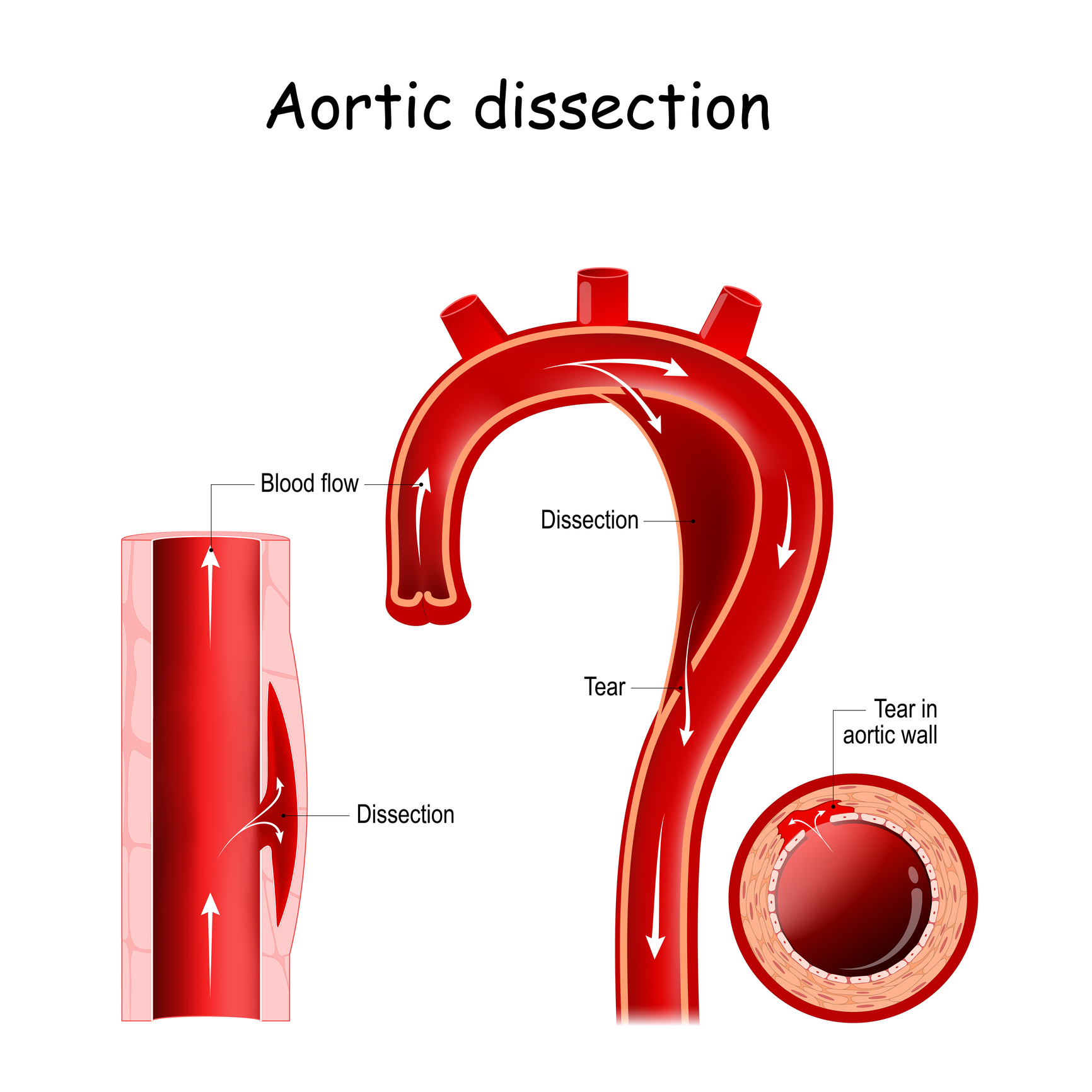
Aortic Dissection

An aortic dissection is a serious condition that occurs when blood rushes through a tear in a weakened area of the aorta’s wall causing it to split or dissect.

Symptoms of aortic dissection can be similar to the symptoms of other heart problems like a heart attack. These signs and symptoms include:

  • Sudden severe chest or upper back pain.
  • Sudden severe stomach pain.
  • Loss of consciousness.
  • Shortness of breath.
  • Symptoms that are similar to those of a stroke.
  • Weak pulse in one arm or thigh.
  • Leg pain
  • Difficulty walking

Aortic dissections are divided into two groups, depending on which part of the aorta is affected. These groups are:

  • Type A- is more common and dangerous. It involves a tear in the part of the aorta where it exits the heart. A tear may also occur in the upper aorta.
  • Type B- involves a tear in the lower aorta only.

Some factors that can raise your risk of aortic dissection include:

  • Hypertension
  • Hardening of the arteries
  • Aortic aneurysm
  • An aortic valve defect
  • A narrowing of the aorta at birth

Certain genetic diseases can also increase the risk of aortic dissection. They include:

  • Turner syndrome
  • Marfan syndrome
  • Other connective tissue disorders.
  • Inflammation of the arteries

Other potential risk factors for aortic dissection include:

  • Sex
  • Age
  • Pregnancy
  • Cocaine use
  • High-intensity weightlifting.

Aortic dissection is uncommon and usually occurs in men in their 60s and 70s. The condition can cause many complications including:

  • Death due to severe internal bleeding.
  • Organ damage, such as kidney failure or life-threatening intestinal damage.
  • Stroke
  • Aortic valve damage or rupture into the lining around the heart.

It can be challenging to detect an aortic dissection because symptoms can mimic those of other diseases and health problems which can delay a diagnosis.

A doctor may think you have aortic dissection if you have:

  • Sudden tearing or ripping chest pain.
  • A difference in blood pressure between the right and left arms.
  • Widening of the aorta on a chest X-ray.

Tests to diagnose aortic dissection include:

  • Transesophageal echocardiogram (TEE)
  • CT scan of the chest.
  • MRA

An aortic dissection is a medical emergency that requires immediate treatment. Treatment can include surgery or medications depending on the area of the aorta involved.

Treatments for Type A and Type B aortic dissection may include:

  • Surgery
  • Medications

After treatment, you may need to take medication to control your blood pressure for the rest of your life. You may also need regular CT or MRI scans to monitor your condition.

If you are experiencing any symptoms of aortic dissection, you can schedule an appointment at Jamaica Hospital Medical Center’s Cardiology Department by calling (718) 206-7100. If you are experiencing an emergency, please dial 911 right away.


All content of this newsletter is intended for general information purposes only and is not intended or implied to be a substitute for professional medical advice, diagnosis or treatment. Please consult a medical professional before adopting any of the suggestions on this page. You must never disregard professional medical advice or delay seeking medical treatment based upon any content of this newsletter. PROMPTLY CONSULT YOUR PHYSICIAN OR CALL 911 IF YOU BELIEVE YOU HAVE A MEDICAL EMERGENCY.
Summer Heart Health Tips

The summer months come with many things. Warmer weather, beautiful flowers, longer days full of trips to the beach, and parties and barbecues. Warmer weather also brings extreme heat and added risk factors that can affect heart health.

As the body works harder to keep its core temperature to normal levels, a strain is placed on our organs, especially the heart. This can have hazardous effects on people with pre-existing cardiovascular problems and people with a healthy heart as well.

Being in extreme heat for too long can cause two serious heat-related illnesses in which your body can’t control its temperature: heat exhaustion and heatstroke.

Heat exhaustion symptoms include:

  • Heavy sweating
  • Nausea or vomiting
  • Muscle cramps
  • Tiredness
  • Dizziness and fainting

Here are some ways to prevent heat exhaustion: Move to a cool place, loosen clothing, use cold compresses, and sip cool (not cold) water.

Heatstroke or sunstroke symptoms include:

  • Fever of 104 degrees or more
  • Severe headache
  • Behavioral changes
  • Confusion
  • Hot, red skin
  • No sweating
  • Rapid heartbeat and loss of consciousness

Here are ways to prevent heatstroke: Quickly move the individual to a cooler place, use cold compresses, and do not give them anything to drink.

People at risk of being severely affected by extreme heat are those with a history of:

  • Heart disease
  • High blood pressure
  • Stroke
  • Obesity
  • Diabetes

There are many ways to take preventative measures to ensure you stay safe in warmer and sometimes extreme temperatures.

You can do this by:

  • Knowing the heat illness warning signs.
  • Seeing your doctor to know if you’re at risk of having heat-related heart problems.
  • Avoiding spending too much time outdoors during the hottest days of the summer
  • Applying sunscreen 30 minutes before going outside, especially during peak sun.
  • Wearing loose, lightweight, and light-colored clothing.
  • Staying cool in areas where there is air-conditioning or a fan. If either isn’t accessible, apply cold compresses (ice-pack or ice-water-filled bottle to your pulse points.
  • Hydrating by drinking plenty of water to help regulate your body temperature, and avoiding drinking too many alcoholic drinks because they can dehydrate you.
  • Eating water-rich foods like watermelon, cucumbers, salads, and cold soups.
  • Being smart about exercising. If it is too hot to work outside, do it indoors.


If you are experiencing any of these symptoms, you can schedule an appointment at Jamaica Hospital Medical Center’s Cardiology Department by calling (718) 206-7100.  If you are experiencing an emergency, please dial 911 right away.


All content of this newsletter is intended for general information purposes only and is not intended or implied to be a substitute for professional medical advice, diagnosis or treatment. Please consult a medical professional before adopting any of the suggestions on this page. You must never disregard professional medical advice or delay seeking medical treatment based upon any content of this newsletter. PROMPTLY CONSULT YOUR PHYSICIAN OR CALL 911 IF YOU BELIEVE YOU HAVE A MEDICAL EMERGENCY.

Ways To Prevent Heart Disease

Heart Health Queens

Cardiovascular disease is a general term that describes a wide range of conditions that affect your heart’s ability to function normally and pump blood to the rest of your body.

If your heart is not working properly, it can lead to serious complications such as heart attack or stroke.

There are several risk factors that can increase your chances of developing complications associated with cardiovascular disease. Some factors such as age or family history are non-modifiable, meaning they cannot be changed. However, there are others that are modifiable and can be changed to lower your risk of developing disease. Modifiable risk factors include tobacco use, lack of exercise, stress, a poor diet and medication adherence. Here are some tips on how you can reduce these risks and prevent heart disease:

1. Exercise Regularly – The American Heart Association recommends including 30 minutes of moderate-intensity aerobic exercise, 5 days a week, in your routine. This will help to keep your heart muscle strong.
2. Eat Healthy – Make sure to eat lots of vegetables, fruits and whole grains. Avoid fatty foods and salt. One of the recommended diets to help prevent heart disease is the DASH (Dietary Approaches to Stop Hypertension) diet.
3. Stop Smoking – Smoking can damage your blood vessels and raise your blood pressure which increases your chances of having a heart attack.
4. Reduce Your Stress – Stress can also raise your blood pressure and put a strain on your heart. One of the ways to reduce stress is practicing relaxation techniques such as meditation or yoga. If you feel your stress is too much to handle on your own, talk to your primary care doctor or a mental health professional.
5. Properly Manage Other Medical Conditions – Having high blood pressure, high cholesterol and diabetes put you at a much greater risk for heart disease. Make sure you take medications that your doctor prescribed to manage these conditions.

Making an appointment for an annual physical with your primary care doctor can also lower your risk. Annual visits can help your doctor detect the early signs of heart disease. Your doctor can talk to you about your risk factors and help you to begin living and maintaining a heart-healthy lifestyle. You should see a doctor immediately if you begin to experience symptoms such as chest pain, fainting, shortness of breath or irregular heartbeat. These are often indicators of serious heart-related problems that require urgent medical attention.

To speak with a Family Medicine doctor about heart disease, please call (718) 206-6942.

Nikki Joseph D.O.

All content of this newsletter is intended for general information purposes only and is not intended or implied to be a substitute for professional medical advice, diagnosis or treatment. Please consult a medical professional before adopting any of the suggestions on this page. You must never disregard professional medical advice or delay seeking medical treatment based upon any content of this newsletter. PROMPTLY CONSULT YOUR PHYSICIAN OR CALL 911 IF YOU BELIEVE YOU HAVE A MEDICAL EMERGENCY.

Living With A Pacemaker

A pacemaker is a small electronic device that is implanted in the chest or abdomen to help control abnormal heart rhythms. It works by producing electrical impulses that stimulate the heart to beat at a normal rate.

Doctors may recommend pacemakers to patients diagnosed with heart arrhythmias (a condition which causes the heart to beat in an irregular rhythm) or patients living with symptoms resulting from bradycardia (slow heart rate).

If a pacemaker is needed to help treat either condition, minimally invasive surgery is required to implant the device.  After implantation, your doctor will discuss in detail, precautions to consider while wearing a pacemaker. You may be advised to:

  • Stay away from magnets or strong magnetic fields.
  • Make certain to take medications as recommended.
  • Keep cellphones at least six inches away from the device.
  • Do not linger in areas with walk-through anti-theft detectors.
  • Carry a pacemaker ID card.
  • Inform airport security agents that you are wearing the device, as your pacemaker can set off metal detectors. Hand-held scanners contain a magnet that may interfere with your device, remind the agent to avoid using the scanner near your pacemaker.
  • Avoid using arc welders and chainsaws.
  • Take special precautions to protect your device during certain medical procedures such as MRI scans or radiation therapy.

Most people living with pacemakers can continue their normal day-to-day physical activities.  Speak to your doctor about what level of physical activity is best for you.

Pacemakers require maintenance. Although the average battery life of your pacemaker is five to 15 years, your doctor may ask you to come in at least once a year to make sure your device is functioning properly.

Jamaica Hospital Medical Center’s Cardiology Department provides pacemaker implantation and evaluation services. To schedule an appointment with one of our highly-trained cardiologists, please call (718) 206-7100.

All content of this newsletter is intended for general information purposes only and is not intended or implied to be a substitute for professional medical advice, diagnosis or treatment. Please consult a medical professional before adopting any of the suggestions on this page. You must never disregard professional medical advice or delay seeking medical treatment based upon any content of this newsletter. PROMPTLY CONSULT YOUR PHYSICIAN OR CALL 911 IF YOU BELIEVE YOU HAVE A MEDICAL EMERGENCY.

What Is CoQ10 and what are its Heart Health Benefits?

Coenzyme Q10 or CoQ10 is an antioxidant that is naturally produced by our bodies to aid cells in growing and functioning properly.

As we age our bodies produce less of it and those diagnosed with heart disease are often found to have inadequate amounts. Although we can obtain CoQ10 from foods such as fish, whole grains and meat, it isn’t enough to significantly increase levels in our bodies.

Supplements are sometimes recommended to make up for a lack of CoQ10.  Studies show they may be beneficial in slightly reducing blood pressure and improving symptoms of heart failure.

Although taking CoQ10 supplements is generally safe, findings are mixed and as with any supplement, there are side effects, as well as drug interactions with certain medications.   It is highly advised that you speak with your doctor before taking CoQ10.

All content of this newsletter is intended for general information purposes only and is not intended or implied to be a substitute for professional medical advice, diagnosis or treatment. Please consult a medical professional before adopting any of the suggestions on this page. You must never disregard professional medical advice or delay seeking medical treatment based upon any content of this newsletter. PROMPTLY CONSULT YOUR PHYSICIAN OR CALL 911 IF YOU BELIEVE YOU HAVE A MEDICAL EMERGENCY.

Jamaica Hospital Supports American Heart Month

heart disease -637632692This month, many candy hearts will be exchanged in honor of Valentine’s Day, but Jamaica Hospital Medical Center wants the community to give some thoughts to hearts that are not made of chocolate. That’s because February is also American Heart Month, a special designation intended to remind everyone the importance of heart health.

According to the Centers for Disease Control and Prevention (CDC), heart disease is the leading cause of death in both men and women in the United States and the numbers are increasing. The good news is, by working with your doctor to monitor your condition and by making changes to your lifestyle, heart disease is preventable for most.

Here are some tips to improve your heart health

  • Schedule an appointment with your doctor, who can conduct a physical evaluation and test your blood pressure and cholesterol levels. If necessary, your doctor can prescribe certain medications to control both.
  • Maintain a healthy diet and control your weight. Obesity is one of the leading contributors to heart disease.
  • Increase your physical activity. By joining a gym or taking up walking, make exercise part of your daily routine
  • Monitor your alcohol intake and if you smoke, quit immediately. Cigarette smoke and alcohol are two factors that put individuals at an increased risk of heart disease.

Please make an appointment to see your doctor to have your heart checked immediately. If you do not have a doctor, you can make an appointment at Jamaica Hospital’s Ambulatory Care Center at 718-206-7001. If a heart condition is suspected, a referral can be to our Cardiology Department, where we can perform a variety of tests to determine the best treatment plan for you.

Join Jamaica Hospital as we recognize American Heart Month. By maintaining a healthy lifestyle and your regularly scheduled appointments, you can enjoy this Valentine’s Day with a clean bill of heart health.

All content of this newsletter is intended for general information purposes only and is not intended or implied to be a substitute for professional medical advice, diagnosis or treatment. Please consult a medical professional before adopting any of the suggestions on this page. You must never disregard professional medical advice or delay seeking medical treatment based upon any content of this newsletter. PROMPTLY CONSULT YOUR PHYSICIAN OR CALL 911 IF YOU BELIEVE YOU HAVE A MEDICAL EMERGENCY.