
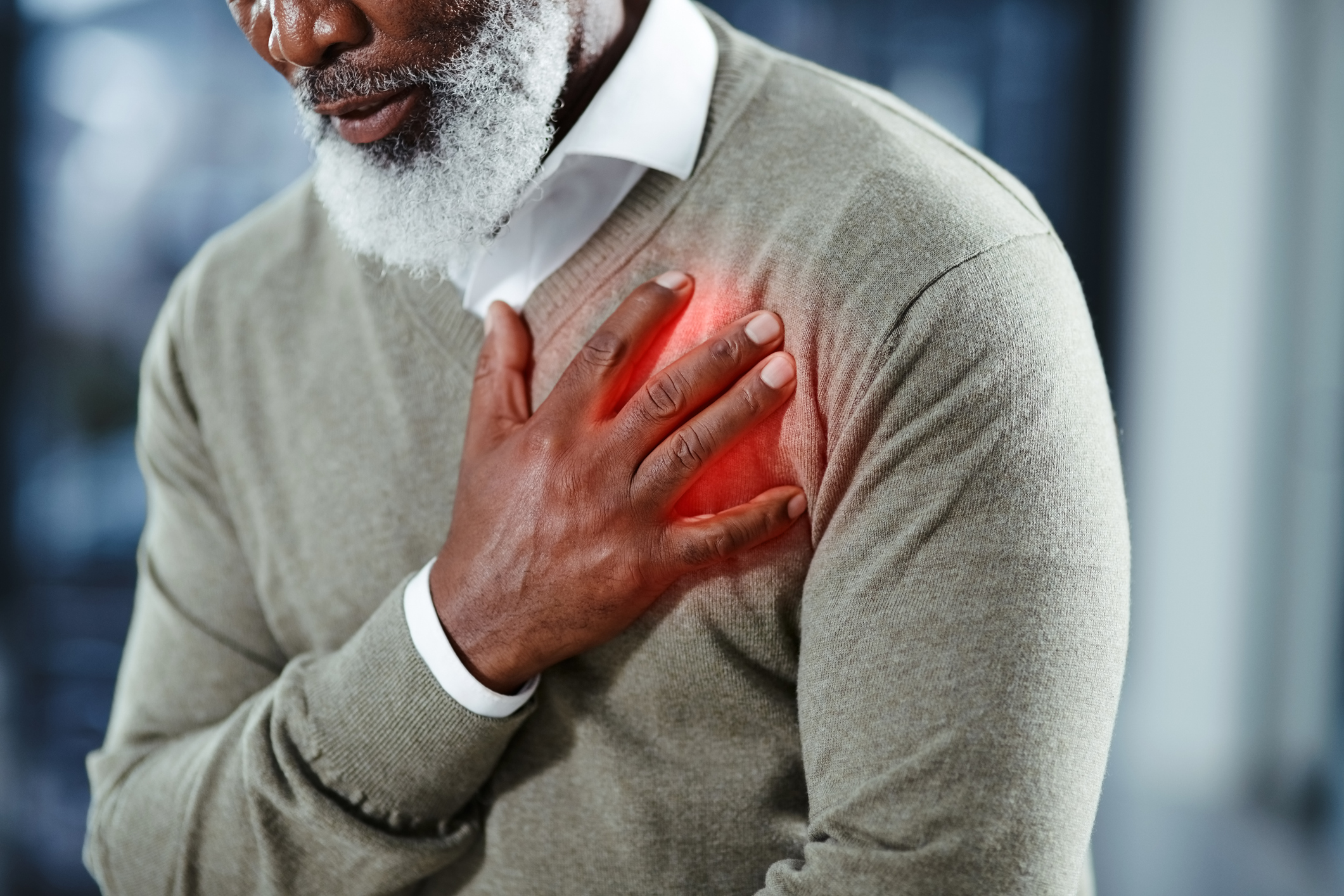
 Every year, more than 800,000 people in the U.S. have a heart attack. A heart attack, or myocardial infarction, occurs when blood flow to the heart muscle is reduced or blocked. The blockage is usually due to a buildup of fat, cholesterol, and other substances in the heart’s arteries. The amount of damage to the heart muscle depends on the artery and the treatment.
Most heart attacks are caused by coronary artery disease, which is the most common cause of death in the United States.
The warning signs of a heart attack include:
- Chest discomfort that lasts more than a few minutes or doesn’t go away and returns
- Pain or discomfort in the arms, back, neck, jaw, and stomach
- Shortness of breath
Other signs of a heart attack can include:
- Breaking out in a cold sweat
- Nausea
- A rapid or irregular heartbeat
- Unusual tiredness
- Heartburn or indigestion
- Lightheadedness
Several key factors can affect your risk of having a heart attack. Unfortunately, some heart attack risk factors aren’t things you can modify. They include:
- Age and sex
- Family history of heart disease
- Lifestyle
- Certain health conditions
Healthcare providers usually diagnose heart attacks in an emergency room setting. If you have heart attack symptoms, you should undergo a physical exam. A healthcare provider will check your pulse, blood oxygen levels, and blood pressure, and listen to your heart and lung sounds. They will also ask about the symptoms you experienced.
A healthcare provider will diagnose a heart attack using the following testing procedures:
- Blood tests
- An Electrocardiogram (EKG or ECG)
- An echocardiogram
- A coronary angiogram
- A heart computed tomography (CT) scan
- A heart MRI
- An exercise stress test
- Nuclear heart scans
Treating a heart attack means restoring blood flow to the affected heart muscle immediately. This can happen in various ways, ranging from medication to surgery. Treatment will likely include:
- Supplementary oxygen
- Medications
- Percutaneous coronary intervention
- Coronary artery bypass grafting
Although several risk factors for a heart attack can’t be modified, there are many ways to reduce your risk of a heart attack, including:
- Scheduling a check-up with a healthcare provider
- Quitting tobacco products
- Exercising regularly
- Eating nutritious foods
- Maintaining a healthy weight
- Managing existing health conditions
- Reducing stress
- Taking medications as prescribed
- Keeping all medical appointments
Jamaica Hospital Medical Center has been awarded the Joint Commission’s Primary Heart Attack Center certification with a gold seal.
This certification standardizes patient care across hospital settings regarding identification, assessment, monitoring, management, data sharing, and performance improvement for multidisciplinary STEMI heart attack care. Our hospital collaborates with the American Heart Association (AHA) in providing patient-centric cardiac care for all patients, their families, and the community the hospital serves.
The protocols and performance measures related to this designation reduce variances and promote standardization of the best practices in cardiac care. This, in turn, assists in improving clinical outcomes.
For more information about heart attacks, visit the American Heart Association’s website: https://www.heart.org/en/health-topics/heart-attack/about-heart-attacks
If you are experiencing an emergency, please dial 911 right away. If you are experiencing heart attack symptoms, you can schedule an appointment at Jamaica Hospital Medical Center’s Cardiology Department by calling (718) 206-7100.
 Follow
All content of this newsletter is intended for general information purposes only and is not intended or implied to be a substitute for professional medical advice, diagnosis or treatment. Please consult a medical professional before adopting any of the suggestions on this page. You must never disregard professional medical advice or delay seeking medical treatment based upon any content of this newsletter. PROMPTLY CONSULT YOUR PHYSICIAN OR CALL 911 IF YOU BELIEVE YOU HAVE A MEDICAL EMERGENCY.