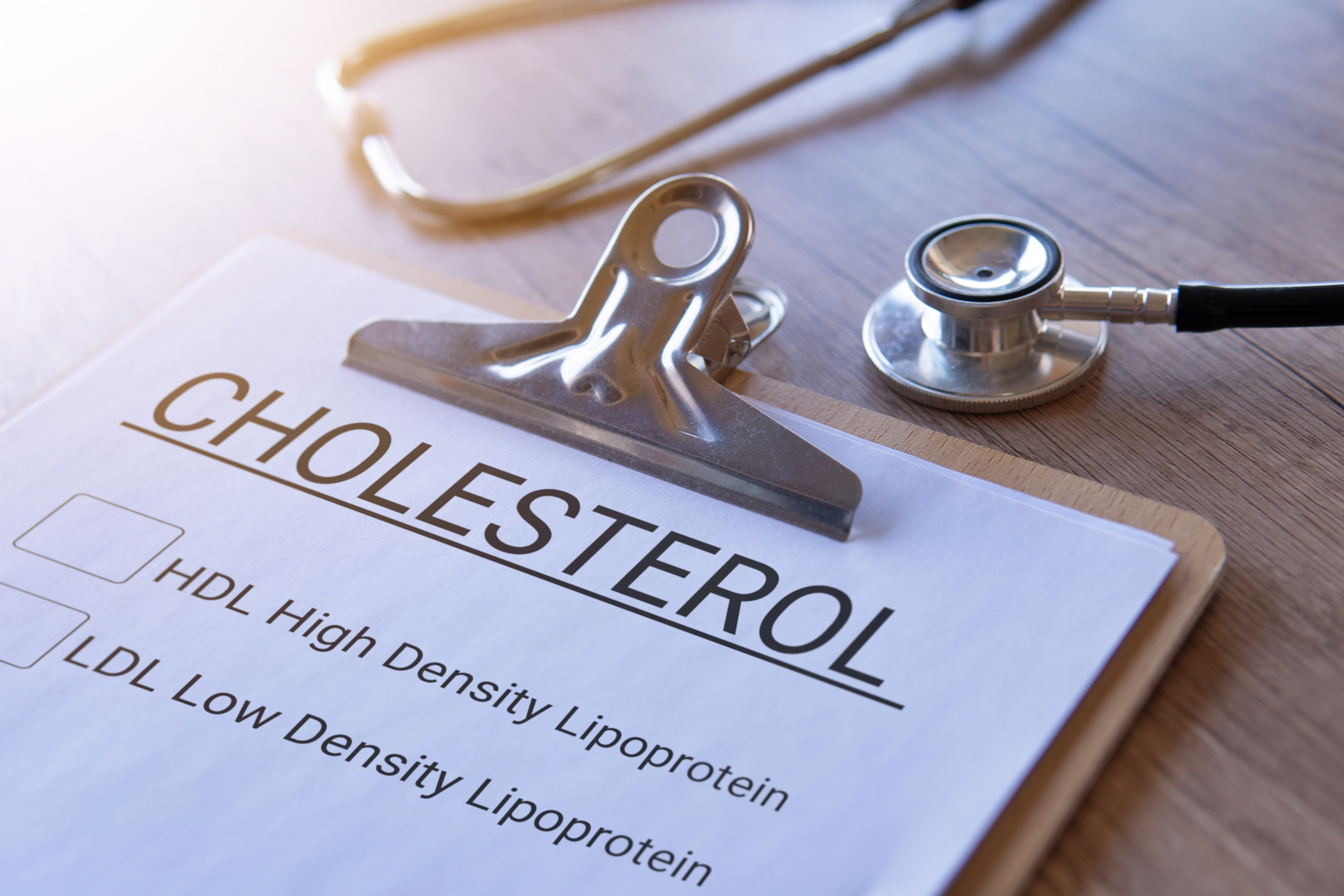
The New 2026 Cholesterol Guidelines

Approximately 1 in 4 adults in the United States has high levels of low-density lipoprotein (LDL) cholesterol, often referred to as “bad” cholesterol. Elevated LDL cholesterol increases the risk of atherosclerotic cardiovascular disease, which can lead to heart attacks and strokes. The longer an individual has high LDL cholesterol, the greater their lifetime risk of experiencing a heart attack or stroke, both of which remain among the leading causes of death in the United States.

Experts agreed that stricter and clearer guidelines were needed to address these trends. Furthermore, new scientific evidence showed that earlier, more personalized, and more aggressive management of cholesterol can prevent cardiovascular disease and complications more effectively over a person’s lifetime.

In response to these findings, the American Heart Association (AHA) and the American College of Cardiology (ACC), in collaboration with nine other leading medical organizations, updated the guidelines for managing cholesterol and other blood lipids for the first time since 2018.

According to the AHA, a major focus of the new guidelines is earlier intervention through healthy lifestyle changes. These include maintaining a healthy weight, engaging in regular physical activity, avoiding tobacco products, prioritizing healthy sleep habits, and taking cholesterol-lowering medication when recommended by a healthcare professional.

The new guidelines strongly emphasize the importance of preventing cardiovascular disease earlier by identifying individuals at higher risk sooner and implementing screening and interventions at younger ages. Adults aged 30 and older are now included in the risk assessment group, instead of the previously recommended age of 40 and older.

Other new recommendations for the management of cholesterol include:

  • Using the new Predicting Risk of Cardiovascular Disease EVENTs (PREVENT™) risk calculator, a new tool to assess risk earlier in adults ages 30-79 years. The PREVENT™ tool estimates a person’s risk of developing heart disease over the next 10 and 30 years.
  • Testing for lipoprotein (a) in all adults at least once in their lifetime. Lipoprotein (a) is a genetic biomarker for heart disease.
  • The consideration of additional testing to improve cardiovascular risk assessment. These tests include a non-contrast coronary artery calcium (CAC) scan and Apolipoprotein B
  • Cholesterol screening in children who may have high cholesterol due to lifestyle habits or inherited conditions, such as familial hypercholesterolemia. Guidelines recommend that screening begin for children aged 9 to 11 who have not previously been screened.
  • Clear targets for LDL cholesterol. Doctors now aim for LDL levels below 100 mg/dL in most patients without risk factors, below 70 mg/dL in those at high risk, and below 55 mg/dL in individuals with heart disease.

The guidelines also advise against taking supplements to lower cholesterol due to insufficient evidence and safety risks.

The primary objective of the new cholesterol guidelines is to reduce LDL cholesterol levels significantly in order to decrease an individual’s overall and lifetime risk of heart attacks and strokes. This approach is personalized and based on individual risk factors. Individuals can apply these guidelines to improve their health by understanding their risk for cardiovascular disease, consulting their healthcare providers for recommended screening tests, comprehending their cholesterol levels, adopting healthier lifestyle choices, and taking any prescribed medications as directed by their doctor.

To schedule an appointment with a doctor at Jamaica Hospital Medical Center, please call 718-206-7001.


All content of this newsletter is intended for general information purposes only and is not intended or implied to be a substitute for professional medical advice, diagnosis or treatment. Please consult a medical professional before adopting any of the suggestions on this page. You must never disregard professional medical advice or delay seeking medical treatment based upon any content of this newsletter. PROMPTLY CONSULT YOUR PHYSICIAN OR CALL 911 IF YOU BELIEVE YOU HAVE A MEDICAL EMERGENCY.

Why Spring is A Good Time to Rebuild Healthy Routines

Spring has finally arrived, and with it comes warm weather, blooming flowers and trees, and longer days. It is a time for renewal and rejuvenation, and as we thaw out from winter, we may realize that spending most of our time indoors has caused us to fall into sedentary habits, such as binging comfort foods, not exercising, and other sluggish routines.  

However, spring is the perfect time to refresh your health goals, rebuild healthy routines, and establish new habits. Here are some ways you can reset for the season: 

Spring cleaning usually relates to deep cleaning our homes and decluttering our closets. However, it can also be a great way to reset your mindset. A clutter-free environment can help encourage mental clarity, productivity, and relaxation. You can start spring cleaning by organizing your workspaces, donating unused clothes and items, and deep-cleaning busy areas to create a space that feels new and cheerful. You can also declutter any digital spaces, such as emails, phone apps, and limit screen time, which can promote a more mindful relationship with technology. 

Warmer temperatures and longer daylight hours make springtime the perfect time to take advantage of the sun. It allows us to enjoy its benefits, as it can boost our mood and energy. The spring sun recharges us with the vitamin D we were lacking after a cold and dreary winter. The sun also helps regulate circadian rhythms, which improves sleep and overall well-being. Even taking a short daily walk during the daytime can increase mental clarity and reduce stress. It is important to note that you should put on sunscreen, wear sunglasses, wide-brimmed hats, and garments with long sleeves and pants while outside to help prevent skin cancer.  

Spring is a great time to assess your work-life balance and make the necessary adjustments that support your well-being. If you suffered from seasonal affective disorder or felt burnt out during winter, spring is an opportunity to rebalance work and life for less stress. Prioritize self-care and set boundaries. Make time for activities that bring you joy and happiness, such as engaging in your favorite hobbies, socializing with friends, or spending time with family. It is also important to schedule breaks, time outdoors, and moments of relaxation. A healthy work-life balance can increase mental clarity, motivation, and happiness, which can help you enter spring with restored energy and focus. 

Warm spring weather provides the perfect temperature to move your workout outdoors. The standard minimum recommended time for moderate-intensity physical activity is 150 minutes per week. Whether it’s a morning jog, yoga in the park, evening walks, or gardening, it will do as long as your muscles are activated, and you do it consistently. Exercising in the sunshine adds a mood-enhancing benefit, as being amongst nature helps reduce cortisol levels, which improves heart health.    

The longer days of spring may also benefit sleep health. The natural light of the sun during the day helps regulate the body’s melatonin production and improve your sleep quality and energy levels. Create a relaxing evening routine by winding down with calming activities such as reading, meditating, or gentle stretching. Try to avoid consuming caffeine or heavy meals late in the evening, as they can disrupt restfulness.  

Spring is the time for new beginnings, which makes it an excellent time to focus on mental wellness. Mindfulness practices, such as meditation, deep breathing, or journaling, can help decrease stress and gain clarity. Take a few minutes each day to practice gratitude, as it can change your mindset and improve your emotional well-being. Think about establishing seasonal goals that fit your values, whether it is improving your fitness, learning a new skill or language, or creating more balance in your life. Connecting with nature, practicing self-reflection, and letting go of old habits can refresh your outlook, which can help you feel more grounded and at peace. 

This season of renewal is a great time to make dietary changes. Trade in heavy, processed foods for seasonal fruits, vegetables, and lighter meals that support digestion and energy. Focus on eating foods that are rich in nutrients, such as berries, leafy greens, citrus fruits, and lean proteins. It is also important to hydrate. Increase your water intake and try drinking herbal teas or lemon water to support natural detoxification. Evaluate your eating habits and identify areas where there can be improvement. Decrease your consumption of excess sugar, refined carbs, and artificial additives. Replace them with foods that are rich in fiber, healthy fats, and lean proteins. Add more fermented foods such as yogurt and kimchi, as they can also promote gut health, boost digestion, and immunity. 

Spring can be a seasonal reset, as it allows you to feel more energized, balanced, and refreshed. Incremental changes such as spending more time outdoors, improving your diet, prioritizing rest, and tidying up your space can make a major impact on both your physical and mental well-being. Embracing renewal and positive habits can help you enter spring rejuvenated, filled with happiness, vitality, and personal growth. 


All content of this newsletter is intended for general information purposes only and is not intended or implied to be a substitute for professional medical advice, diagnosis or treatment. Please consult a medical professional before adopting any of the suggestions on this page. You must never disregard professional medical advice or delay seeking medical treatment based upon any content of this newsletter. PROMPTLY CONSULT YOUR PHYSICIAN OR CALL 911 IF YOU BELIEVE YOU HAVE A MEDICAL EMERGENCY.

IBS Awareness Month

April is observed as IBS Awareness Month, a month dedicated to raising awareness about irritable bowel syndrome (IBS), a common disorder that affects the large intestine.    

Researchers are unclear of what exactly causes IBS, but they categorize it as a neurogastrointestinal (GI) disorder. Neurogastrointestinal disorders, also known as gut-brain interaction, involve problems with how the gut and brain coordinate to help the digestive system work. This communication challenge between the brain and gut can cause: 

  • Dysmotility 
  • Visceral hypersensitivity 

Other potential causes of IBS may include: 

  • Gut bacteria 
  • Severe infections 
  • Food intolerance 
  • Childhood stress 

IBS affects approximately 15% of the U.S. population, causing abdominal pain and changes to the frequency of your bowel movements. Other symptoms of IBS include: 

  • Diarrhea, constipation, or alternating between the two  
  • Feeling like you are unable to empty your bowels after pooping  
  • Cramps 
  • Excess gas and bloating 
  • Mucus in stool that makes it look whitish 

If a person has IBS, they may notice when certain things trigger symptoms. A trigger doesn’t cause IBS itself, but it can cause or worsen symptoms to flare up. Common IBS triggers include: 

  • Periods 
  • Certain foods 
  • Stress 

Researchers categorize IBS based on how a person’s stool looks on the days when they’re having flare ups. Most people with IBS may experience days when they have normal bowel movements and days when they experience abnormal ones. The bowel movements on abnormal days define the type of IBS they have. The types of IBS include: 

  • IBS with constipation (IBS-C)- most of the stool is hard and lumpy 
  • IBS with diarrhea (IBS-D)- most of the stool is loose and watery 
  • IBS with mixed bowel habits (IBS-M)- stool is both hard and lumpy and loose and watery 
  • Post-infectious IBS- generally occurs after an infection in the intestines, and stool is either similar to IBS-D or IBS-M, with a smaller number of cases presenting stool as IBS-C 

To diagnose IBS, a healthcare provider will get a full medical history by asking about your symptoms. Depending on your symptoms, they may need other tests to confirm a diagnosis. These tests include: 

  • Lab tests 
  • Imaging tests 

No specific therapy works for everyone who has IBS. However, most people with IBS can find a treatment plan that works best for them. Typical treatment options for IBS include: 

  • Modifying your diet 
  • Exercising regularly and trying relaxation techniques 
  • Therapy 
  • Medications 

No matter what form of IBS you are experiencing, working with a gastroenterologist can help you manage your symptoms effectively. You can schedule an appointment with a gastroenterologist at Jamaica Hospital Medical Center’s Ambulatory Care Center by calling (718) 206-7001. 

All content of this newsletter is intended for general information purposes only and is not intended or implied to be a substitute for professional medical advice, diagnosis or treatment. Please consult a medical professional before adopting any of the suggestions on this page. You must never disregard professional medical advice or delay seeking medical treatment based upon any content of this newsletter. PROMPTLY CONSULT YOUR PHYSICIAN OR CALL 911 IF YOU BELIEVE YOU HAVE A MEDICAL EMERGENCY.

Managing Seasonal Allergies If You Have Asthma

Spring has finally sprung, and with it comes growing grass, blooming trees, and flowers. The season of renewal also comes with seasonal allergies due to the spreading of grass, tree, and flower pollen, as well as mold spores.  

Seasonal allergic rhinitis or hay fever affects many people who have pollen allergies. About 26% of adults and 19% of children are affected by seasonal allergic rhinitis.  

When a person who suffers from seasonal allergies inhales pollen, it causes allergic reactions in the eyes, nose, sinuses, throat, and lungs. Seasonal allergic rhinitis can also affect those who suffer from asthma, a chronic condition that causes the airways to become narrow and inflamed and can also cause extra mucus to be produced.  

Allergic asthma can be triggered by inhaling mold spores and pollen from trees, flowers, and grass. If a person who suffers from asthma inhales pollen, it can cause their airways to narrow and become swollen, which makes it difficult for them to breathe. 

Asthma symptoms include: 

  • Wheezing 
  • Shortness of breath 
  • Chest pain or tightness 
  • Coughing 

Common treatments for asthma include: 

  • Nasal corticosteroid sprays 
  • Antihistamines 
  • Immunotherapy or allergy shots  

If you suffer from seasonal allergies or asthma, there are several ways to manage allergies and reduce your exposure to pollen, including: 

  • Using the air conditioner 
  • Sleeping with the windows closed 
  • Keeping track of the air quality and pollen counts  
  • Taking your asthma medications as prescribed 
  • Using an air purifier 
  • Washing clothes and bedding regularly 
  • Showering after being outdoors 
  • Staying indoors when the pollen count is high 

If you are experiencing symptoms related to seasonal allergies or asthma, you can schedule an appointment at Jamaica Hospital Medical Center’s Ambulatory Care Center. Please call (718) 206-7001. 

All content of this newsletter is intended for general information purposes only and is not intended or implied to be a substitute for professional medical advice, diagnosis or treatment. Please consult a medical professional before adopting any of the suggestions on this page. You must never disregard professional medical advice or delay seeking medical treatment based upon any content of this newsletter. PROMPTLY CONSULT YOUR PHYSICIAN OR CALL 911 IF YOU BELIEVE YOU HAVE A MEDICAL EMERGENCY.

Happy National Doctors’ Day

Today, March 30th, 2026, is observed as National Doctors’ Day.  

Jamaica Hospital Medical Center would like to celebrate the dedicated and compassionate physicians who strive every day to provide high-quality care to their patients and to the community. Jamaica Hospital would like to recognize them and show our appreciation for all that they do for our hospital, our patients, and our community. 


All content of this newsletter is intended for general information purposes only and is not intended or implied to be a substitute for professional medical advice, diagnosis or treatment. Please consult a medical professional before adopting any of the suggestions on this page. You must never disregard professional medical advice or delay seeking medical treatment based upon any content of this newsletter. PROMPTLY CONSULT YOUR PHYSICIAN OR CALL 911 IF YOU BELIEVE YOU HAVE A MEDICAL EMERGENCY.
Integrative Health: Acupuncture

Integrative health combines modern and holistic medicines that can help prevent the onset of disease, address existing chronic conditions, and promote healing in patients.

This approach places the patient at the center of a treatment plan, considering the physical, emotional, and social needs of that individual.

Treatment plans may also include the use of conventional medicine, such as prescriptions, to manage chronic health conditions, as well as therapies and practices, such as acupuncture.

Acupuncture is a technique in which practitioners insert fine needles into the skin to treat health problems. The needles can be manually manipulated or stimulated with small electrical currents, which is called electroacupuncture.

Originating from traditional Chinese medicine, acupuncture has been in use in some form for at least 2,500 years, gaining worldwide popularity since the 1970s.

According to the World Health Organization (WHO), acupuncture is used as a therapeutic technique in 103 out of 129 countries that reported data.

Data from the National Health Interview Survey showed that the use of acupuncture by adults in the U.S. more than doubled between 2002 and 2022. In 2002, 1% of adults in the U.S. used acupuncture. In 2022, that percentage rose to 2.2%.

National survey data suggest that acupuncture is most used for back, joint, and neck pain in the U.S.

It isn’t fully understood how acupuncture works. However, there is evidence that shows that acupuncture may have effects on the central nervous system, effects on other body tissues, and placebo effects.

Studies done in animals and humans, including studies using imaging procedures to see what is happening in the brain, have shown that acupuncture may affect nervous system function.

Acupuncture may have direct effects on the tissues where the needles have been inserted, which has been seen in connective tissue.

Research has shown that acupuncture may be beneficial for several pain conditions, including knee pain resulting from osteoarthritis and postoperative pain. Acupuncture may also help relieve joint pain associated with the use of aromatase inhibitors, which are drugs used in people diagnosed with breast cancer.

An analysis of data from 20 studies (6,376 participants) of people with painful conditions (back pain, osteoarthritis, neck pain, or headaches) showed that the beneficial effects of acupuncture continued for a year after the end of treatment for all conditions except neck pain.

Acupuncture doesn’t only treat painful conditions. It has also been studied for at least 50 other health problems. There is evidence that indicates acupuncture may help relieve seasonal allergy symptoms, stress incontinence in women, and nausea and vomiting associated with cancer treatment, and may also help relieve symptoms and improve the quality of life in people with asthma, but it has not been shown to improve lung function.

Auricular acupuncture is a type of acupuncture that involves stimulating specific areas of the ear. Research on auricular acupuncture for chronic back pain and cancer pain has had promising results.

Relatively few complications from using acupuncture have been reported. However, complications have resulted from the use of nonsterile needles and improper delivery of treatments. When not delivered properly, acupuncture can cause serious adverse effects, including infections, punctured organs, and injury to the central nervous system.

The U.S. Food and Drug Administration (FDA) regulates acupuncture needles as medical devices and requires that they be sterile and labeled for single use only.

If you are interested in learning more about any of our integrative health services, events, or classes, or would like to schedule an appointment, please call us at (718) 206-5675.

All content of this newsletter is intended for general information purposes only and is not intended or implied to be a substitute for professional medical advice, diagnosis or treatment. Please consult a medical professional before adopting any of the suggestions on this page. You must never disregard professional medical advice or delay seeking medical treatment based upon any content of this newsletter. PROMPTLY CONSULT YOUR PHYSICIAN OR CALL 911 IF YOU BELIEVE YOU HAVE A MEDICAL EMERGENCY.
World Epilepsy Awareness Day (Purple Day)

World Epilepsy Awareness Day, or Purple Day, is observed on March 26th, a global initiative to raise awareness of epilepsy and support the millions of people living with it worldwide. 

Approximately 65 million people are living with epilepsy across the world, and one in 26 people in the U.S. will be diagnosed with epilepsy during their lifetime.  

Epilepsy is a brain condition that causes recurring seizures. Most people who suffer from epilepsy generally have the same type of seizure each time, and symptoms are usually similar from episode to episode. The symptoms of seizures can vary depending on the type of seizure, and because epilepsy is caused by certain activity in the brain, seizures can affect any brain process. Seizure symptoms may include: 

  • Short-term confusion. 
  • A staring spell. 
  • Stiff muscles. 
  • Jerking movements of the arms and legs. 
  • Loss of consciousness. 
  • Psychological symptoms such as fear, anxiety, or déjà vu. 

Sometimes people with epilepsy may have changes in their behavior and may also experience psychosis. 

Seizures can be categorized as either focal or generalized, based on where in the brain the brain activity that causes the seizure originates. 

Focal seizures are the result of brain activity in just one area of the brain. Focal seizures can fall into two categories: focal seizures with preserved consciousness or focal seizures with impaired consciousness.  

Types of focal seizures include: 

  • Temporal lobe seizures 
  • Frontal lobe seizures 
  • Occipital lobe seizures 

Focal seizures may have warning signs called auras in the moments before a seizure begins. Auras might include a feeling in the stomach, emotions such as fear, or the feeling of déjà vu. They can also be a taste, a smell, or a visual, such as a steady or flashing light, a color, or a shape. Some people may even experience dizziness and loss of balance, or hallucinations.  

Generalized seizures are seizures that involve all areas of the brain. Types of generalized seizures include: 

  • Absence seizures 
  • Tonic seizures 
  • Atonic seizures 
  • Clonic seizures 
  • Myoclonic seizures 
  • Tonic-clonic seizures 

There is no identifiable cause of epilepsy in about half of the people with the condition. In the other half, the condition may be traced to various factors, including: 

  • Family history of epilepsy 
  • Head trauma 
  • Brain tumors 
  • Infections, such as meningitis, HIV, viral encephalitis, and some parasitic infections 
  • Abnormal blood vessel formation or bleeding in the brain 
  • Alzheimer’s disease 
  • Strokes, heart attacks, and other conditions that deprive the brain of oxygen 
  • Brain inflammation or swelling  
  • Alcoholism or alcohol withdrawal 
  • Injury before birth 
  • Developmental conditions 

Seizures can be caused by environmental triggers. These seizure triggers don’t cause epilepsy, but they may trigger seizures in people who suffer from epilepsy. Most people with epilepsy don’t have reliable triggers that always cause seizures. However, there are often factors that make it easier to have a seizure, including: 

  • Flashing lights  
  • Alcohol 
  • Illicit drug use 
  • Lack of sleep 
  • Stress 
  • Dehydration 
  • Skipping doses of anti-seizure medicines or taking more than prescribed 
  • Skipped meals 
  • Illness  

Epilepsy is diagnosed when a healthcare provider reviews your symptoms and medical history. They may perform several tests to diagnose epilepsy and to detect the cause of seizures. These tests include: 

  • A neurological exam 
  • Blood tests 
  • Genetic testing 

A healthcare provider may also request brain-imaging tests and scans that detect brain changes, including: 

  • Electroencephalogram (EEG) 
  • High-density EEG 
  • CT scan 
  • MRI 
  • Functional MRI (fMRI) 
  • PET scan 
  • Single-photon emission computerized tomography (SPECT) 
  • Neuropsychological tests 

Along with the test results of these brain-imaging tests, a combination of other techniques may be used to help pinpoint where the seizures start in the brain. They include: 

  • Statistical parametric mapping (SPM) 
  • Electrical source imaging (ESI) 
  • Magnetoencephalography (MEG) 

Treatment can help people who have been diagnosed with epilepsy have fewer seizures or even completely stop having seizures. These treatments include: 

  • Medicines 
  • Therapies that include devices that stimulate the brain 
  • Surgery 
  • A ketogenic diet 

If you are experiencing any symptoms of epilepsy, you can consult with a neurologist at Jamaica Hospital Medical Center. To schedule an appointment, please call (718) 206-7246. 


All content of this newsletter is intended for general information purposes only and is not intended or implied to be a substitute for professional medical advice, diagnosis or treatment. Please consult a medical professional before adopting any of the suggestions on this page. You must never disregard professional medical advice or delay seeking medical treatment based upon any content of this newsletter. PROMPTLY CONSULT YOUR PHYSICIAN OR CALL 911 IF YOU BELIEVE YOU HAVE A MEDICAL EMERGENCY.
American Diabetes Alert Day

American Diabetes Alert Day is observed each year on the fourth Tuesday in March.  The observance was created by the American Diabetes Association to raise awareness of the seriousness of diabetes and highlight the importance of understanding your risk.

According to the Centers for Disease Control and Prevention (CDC), diabetes is the seventh leading cause of death in the United States. Furthermore, the CDC reports that, “More than 40 million Americans have diabetes, and more than 1 in 4 adults with diabetes don’t know they have it.”

Diabetes is a chronic disease that occurs when blood glucose (or blood sugar) levels are too high. This happens because the pancreas does not produce enough insulin to help regulate the amount of sugar that enters the body’s cells. As a result, excess sugar accumulates in the bloodstream.

If diabetes is not managed properly or is left untreated, it can lead to complications and increase the risk of serious health problems.  Diabetes complications include:

  • Damage to the nerves in the body
  • Kidney problems
  • Skin problems
  • Bladder problems
  • Eye diseases that can lead to blindness
  • Gum disease
  • Foot complications that can lead to limb loss
  • Cardiovascular disease, potentially increasing the risk of hypertension, heart attack, or stroke

Some people are more at risk of developing diabetes than others. You may have an increased risk if you:

  • Are overweight or obese
  • Are physically inactive
  • Have non-alcoholic fatty liver disease
  • Have a parent or sibling with diabetes
  • Have ever had gestational diabetes
  • Are age 45 and older
  • Are a Hispanic or Latino, African American, American Indian, or Alaska Native person. (The CDC states that some Pacific Islander and Asian American people also have a higher risk.)

Diabetes Alert Day serves as a “wake up call” to pay attention to these risk factors and properly manage your health.  If you are at risk of developing diabetes, you should speak with your doctor about ways to improve your health and lower the chances of complications occurring.  To schedule an appointment with a doctor at Jamaica Hospital Medical Center, please call 718-206-7001.

All content of this newsletter is intended for general information purposes only and is not intended or implied to be a substitute for professional medical advice, diagnosis or treatment. Please consult a medical professional before adopting any of the suggestions on this page. You must never disregard professional medical advice or delay seeking medical treatment based upon any content of this newsletter. PROMPTLY CONSULT YOUR PHYSICIAN OR CALL 911 IF YOU BELIEVE YOU HAVE A MEDICAL EMERGENCY.

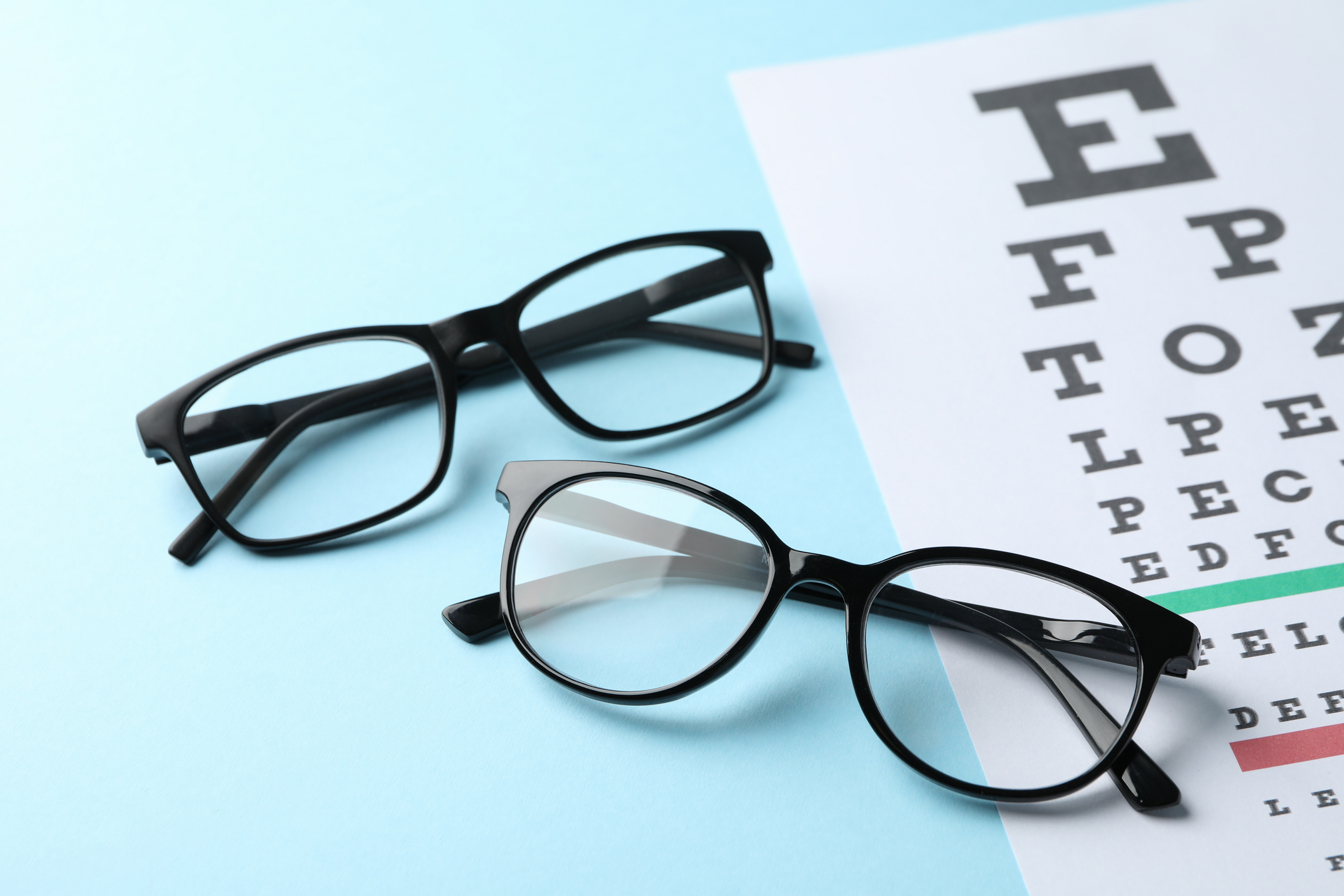
Prescription Glasses Vs. Readers

For some people, their eyesight gradually declines. For others, it can happen quickly. When it comes to wearing glasses, the choice can be between getting prescription glasses or non-prescription “readers” also known as “cheaters”.

With either choice, it is important to get an eye examination to determine if you need prescription glasses, if there’s an issue related to your vision, or if readers are okay to use.

Most people can use over-the-counter (OTC) readers if they match the power of their prescription. An example of this is if their eye doctor recommended +2.00 in each eye, and they purchased OTC readers that had the same power.

It is important to note that despite OTC readers being less expensive than prescription glasses, they are mass-produced, and the quality of their lenses and the materials they are made of are usually inferior to those of prescription glasses, which are privately manufactured.

Additionally, there are rare cases when the pupillary distance, which is the distance between the pupils of the eyes, is very small or very wide, and the lenses in the OTC readers can cause eye strain or double vision.

If you experience any of these symptoms with OTC readers, it is recommended to replace them with a pair of prescription glasses.

However, if you do purchase OTC readers, here are some tips to follow to make sure you get the most benefits from them:

Find a pair of readers with the right power. Reading glasses will have signs or stickers describing their power. In many cases, they will range from +1 to +4 diopters, increments of +.25. Diopters are the unit of measurement used to calculate the focusing strength of a pair of glasses or contact lenses. Look for the number that matches your prescription. If you don’t have a prescription, try +1 first, as it is the lowest power

Test the glasses by using them to read. If you have a book or magazine, try using the glasses to read at a comfortable distance. You can also use the eye chart at the eyeglass display to test the glasses. It is important to try different powers until you can read clearly at a distance that is most comfortable for you

Try glasses with larger lenses first, as they offer more of an optimal zone where the prescription is. This will make it easier to use smaller lenses once you get used to wearing glasses.

If you decide to wear prescription glasses instead of OTC readers, you may want to know how to read your prescription.

An eyeglass prescription is made up of an odd series of letters and numbers that are instructions for making your glasses. Here is what they mean:

In a typical prescription, there are two acronyms, one for each eye.

O.D.- is short for oculus dexter, which is your right eye

O.S.- is short for oculus sinister, which is your left eye

The sphere column is often abbreviated as SPH. This is the lens power needed to fix your vision. A minus sign (-) next to the number means nearsightedness. This means you see better up close and need distance correction. A plus sign (+) indicates that you are farsighted and can see better from far away and need your near vision corrected.

Since lens power is measured in diopters, if the sphere field is written as -9.00 D, which means there are 9 diopters of nearsightedness. The measuring system is an integer line, with zero in the middle, needing no correction. The further you get away from zero on either the minus or plus side, the stronger your prescription is.

The cylinder number is how much astigmatism you have, if any. This is when part of the cornea has a different curve. Normally, an eye is shaped like a basketball, rotated in any direction, with the curve staying the same. An eye with astigmatism is oval, or egg-shaped, or more like a football, with one curve being longer than the other. Their CYL number corrects the different second curves.

The axis number tells you where astigmatism is on the cornea. The axis is written in degrees between 1 and 180, indicating which way the astigmatism lines up.

The add column is where any additional lens power is written. For example, some people over the age of 40 may not want an extra pair of glasses for reading and may choose to wear bifocals instead. The lower half of the lens will give them their reading vision.

Additionally, there may be a field for prism on the right side. This is a special type of correction built into the lens for some people with double vision. This means they see two separate images of the same object. The prism fuses the two images together, so they will only see one image.

If you need an eye exam, you can schedule an appointment at Jamaica Hospital Medical Center’s Ophthalmology Center by calling (718) 206-5900.

All content of this newsletter is intended for general information purposes only and is not intended or implied to be a substitute for professional medical advice, diagnosis or treatment. Please consult a medical professional before adopting any of the suggestions on this page. You must never disregard professional medical advice or delay seeking medical treatment based upon any content of this newsletter. PROMPTLY CONSULT YOUR PHYSICIAN OR CALL 911 IF YOU BELIEVE YOU HAVE A MEDICAL EMERGENCY.

Patient Testimonial: Kiana Jennings

“Thank you to the Department of Neurosurgery, the Stroke Care Team, the OTs, PTs, PCAs, and day-to-day nurses for their care. They were very good and very nice,” is what I said after having a blockage removed at Jamaica Hospital Medical Center.

My name is Kiana Jennings, and I am a 36-year-old flight attendant who has lived in Jamaica, Queens, for the past 13 years, but I am originally from the Bronx. In July of 2025, I had just returned from Sweden and went to take a shower. While I was showering, I suddenly passed out. After regaining consciousness, I was able to crawl to my bedroom, where I attempted to get my phone to call a friend who lived in my apartment building. Unfortunately, I passed out again. Thankfully, my friend hadn’t heard from me in a while, so she did a wellness check. When my friend arrived at my apartment, she found me on the floor of my bedroom and immediately called 911.

When I woke up, I was in the emergency room at Jamaica Hospital and was told by my neurosurgeon that I had a stroke. He then discussed the surgical procedure required to remove a blockage that caused the stroke. I also had partial paralysis on my left side.

The procedure was successful, and the blockage was removed. After the procedure, I was in the hospital’s ICU for two weeks before I was taken to the rehabilitation unit to start my recovery. When I got to rehab, I was weak and couldn’t walk on my own. Thankfully, the occupational therapists took the time to talk to and socialize with me as I was on my recovery journey. In physical therapy, the physical therapist made me work and pushed me to keep going. It was difficult, but I thank them all for helping me build back my strength and get back on my feet. My rehabilitation was tough, but everyone made me feel human and showed sympathy and empathy, as they let me be emotional.

I value all the relationships I made during my time at the hospital. I am thankful to be mobile again and am looking forward to being a flight attendant and traveling the world.

All content of this newsletter is intended for general information purposes only and is not intended or implied to be a substitute for professional medical advice, diagnosis or treatment. Please consult a medical professional before adopting any of the suggestions on this page. You must never disregard professional medical advice or delay seeking medical treatment based upon any content of this newsletter. PROMPTLY CONSULT YOUR PHYSICIAN OR CALL 911 IF YOU BELIEVE YOU HAVE A MEDICAL EMERGENCY.