
First Patient Treated at Jamaica Hospital Medical Center with New, Minimally Invasive Technology to Help Control High Blood Pressure

February 2026 – Jamaica Hospital Medical Center is pleased to announce that it is the first hospital in Queens to offer a new renal denervation (RDN) procedure to treat certain patients with high blood pressure. The hospital’s cardiology team recently and successfully completed its first case. 

Approved by the U.S. Food and Drug Administration (FDA) in November 2023, the Symplicity Spyral™ renal denervation (RDN) system involves a minimally invasive procedure that targets nerves near the kidneys that can become overactive, causing high blood pressure. The procedure – also known as the Symplicity™ blood pressure procedure – is approved for use as an adjunctive treatment in patients with high blood pressure (or hypertension) when lifestyle changes and antihypertensive medications do not adequately control blood pressure. 

Hypertension is the single largest contributor to death, and affects about 50% of U.S. adults. Of the U.S. adults who are aware of their hypertension, about 80% do not have it under control.

The Symplicity blood pressure procedure is clinically proven to help reduce high blood pressure, which can lower serious health risks. After mild sedation, the doctor inserts a very thin tube into the artery leading to the kidney. The doctor then administers energy to calm the excessive activity of the nerves connected to the kidney. The tube is removed, leaving no implant behind. 

High blood pressure is a significant issue for patients worldwide. For people with hypertension, medication and/or lifestyle changes can help reduce blood pressure, but studies have shown that many people still don’t have control over their condition. The Symplicity blood pressure procedure can provide patients with a blood pressure reduction benefit that is ‘always on’ and doesn’t require a permanent implant – it can also help patients regain their peace of mind. We are pleased to have treated our first patient with this new technology, and we look forward to the future of hypertension care by offering innovative solutions to the people of Jamaica, Queens. 

Jamaica Hospital’s Hypertension Center provides the highest quality, patient-centered hypertension care. The Hypertension Center was created to treat patients who do not respond well to traditional hypertension medication treatments. The American Heart Association has recognized our Hypertension Practice Center as meeting or exceeding standards for hypertension treatment. 

If you or someone you know is experiencing high blood pressure or difficulty controlling it, talk to your doctor to see if the Symplicity blood pressure procedure is a possible treatment option: visit this link to learn more.  

All content of this newsletter is intended for general information purposes only and is not intended or implied to be a substitute for professional medical advice, diagnosis or treatment. Please consult a medical professional before adopting any of the suggestions on this page. You must never disregard professional medical advice or delay seeking medical treatment based upon any content of this newsletter. PROMPTLY CONSULT YOUR PHYSICIAN OR CALL 911 IF YOU BELIEVE YOU HAVE A MEDICAL EMERGENCY.


Age-Related Macular Degeneration Awareness Month

Age-related macular degeneration (AMD) is an eye disease that can blur your central vision. It occurs when aging damages the part of the eye that controls sharp, straight-ahead vision, called the macula. The macula is part of the retina, the light-sensitive tissue at the back of the eye. 

Age-related macular degeneration is a common condition and the most common cause of severe loss of eyesight among people 50 and older. It is important to note that people rarely go blind from it. However, losing your central vision makes it harder to see faces, read, drive, or do close-up work like cooking or fixing things around the house. 

There are two types of age-related macular degeneration: dry and wet. Most people with age-related macular degeneration have dry AMD, also called atrophic AMD. This is when the macular gets thinner with age. Dry AMD happens in three stages: 

  • Early 
  • Intermediate 
  • Late 

Wet AMD, also called advanced neovascular AMD, is a less common type of late AMD that causes faster vision loss. Dry AMD can turn into wet AMD at any stage; however, wet AMD always occurs in the late stage. 

The most common symptoms of age-related macular degeneration can include: 

  • Blurry or fuzzy vision 
  • Difficulty recognizing familiar faces 
  • Seeing straight lines appearing wavy 
  • A dark, empty area or blind spot appears in the center of a person’s vision 

The presence of tiny yellow deposits in the retina called drusen is one of the most common early signs of age-related macular degeneration. It can mean the eye is at risk of developing more severe age-related macular degeneration. 

Several risk factors that can contribute to developing age-related macular degeneration include: 

  • Eating a diet high in saturated fat 
  • Smoking 
  • High blood pressure or hypertension 

To diagnose age-related macular degeneration, an eye doctor will look at your medical history and perform an eye exam. They may also perform other tests to help diagnose AMD, including: 

  • A visual acuity test 
  • Pupil dilation 
  • Fluorescein angiography 
  • Amsler grid 

Specific treatment for age-related macular degeneration is determined by your eye doctor based on: 

  • Your age, overall health, and medical history 
  • The extent and nature of the disease 
  • Your tolerance for specific medications, procedures, or low-vision therapies 
  • The expectations for the course of the disease 
  • Your opinion or preference 

There is no current treatment for dry AMD; however, vision rehabilitation programs and low-vision devices can be used to build visual skills, develop new ways to perform daily living activities, and adjust to living with age-related macular degeneration. 

The main treatment for wet AMD is an injection of medications called anti-VEGF agents. VEGF stands for vascular endothelial growth factor. 

There is no cure for age-related macular degeneration. However, research shows that you may be able to lower your risk of AMD, or slow vision loss from AMD by: 

  • Quitting smoking 
  • Getting regular exercise 
  • Maintaining healthy blood pressure and cholesterol levels 
  • Eating healthy foods that include leafy green vegetables and fish 

AMD happens very slowly in some people and faster in others. If you have early AMD, you may not notice vision loss for a long time. It is important to get regular eye exams to find out if you have AMD. 

If you’re experiencing symptoms of dry or wet AMD, you can schedule an appointment at Jamaica Hospital Medical Center’s Ophthalmology Center by calling (718) 206-5900. 


All content of this newsletter is intended for general information purposes only and is not intended or implied to be a substitute for professional medical advice, diagnosis or treatment. Please consult a medical professional before adopting any of the suggestions on this page. You must never disregard professional medical advice or delay seeking medical treatment based upon any content of this newsletter. PROMPTLY CONSULT YOUR PHYSICIAN OR CALL 911 IF YOU BELIEVE YOU HAVE A MEDICAL EMERGENCY.

How Does Negative News Affect Your Mental Health?

Current events in the news have been very tense, stressful, and depressing. The constant barrage of negative news on local and cable news stations, as well as social media, feels never-ending.  

Watching or reading the news can have a negative impact on our mental health.  

When we watch news footage that upsets us, our body’s “fight or flight” response is activated. Adrenaline and the stress hormone cortisol are released, causing us to experience symptoms similar to those we feel when we are in danger, such as a rapid heart rate, shallow breathing, and an upset stomach, among others. 

Negative news can increase symptoms of depression and anxiety. According to Mental Health America (MHA), one study found that people showed an increase in symptoms after only 14 minutes of news consumption. The symptoms worsen when people feel they have no ability to improve the situations they are learning about on the news.  

As these symptoms worsen, they can cause a person to doomscroll. Doomscrolling is when a person actively seeks saddening or negative material to read or scroll through on social media or news media outlets. Doomscrolling can also greatly impact your mental health as it reinforces negative thoughts and a negative mindset, and can also cause feelings of: 

  • Apprehension 
  • Sadness and anger 
  • Uncertainty about the future 

Doomscrolling has many potential effects, including: 

  • May worsen mental health issues 
  • May lead to insomnia 

Doomscrolling can be attributed to someone relying on social media for their news, which can drive addictive behavior. In 2020, the Pew Research Center found that about 53% of U.S. adults said they “often” or “sometimes” get their news from social media. Among the social media sites where they get their news from, 36% of Americans regularly get their news from Facebook, 23% from YouTube, and 15% from Twitter/X.  

Regularly getting your news can be detrimental as clickbait headlines, mis- and disinformation, and social media algorithms are designed to keep you coming back for more, making it difficult to stop returning to apps for your news.  

People are more likely to be negatively affected by the news when it is personally relevant to them and when they share an identity with the people involved in the news story. This is the case for members of the BIPOC and LGBTQIA+ communities because they are more often targets of violence and hate crimes. 

With all the negative news, there are many ways to support ourselves and each other during these times, such as: 

  • Identifying your triggers by taking time to think about the topics that cause symptoms of anxiety and depression, so you can limit your consumption of media with triggering content 
  • Reading the news instead of watching news videos. Studies done by the American Psychological Association (APA) show that this can be less triggering due to written news articles containing less disturbing imagery 
  • Limiting your time watching or reading the news. Although doomscrolling may help you feel more informed, it ultimately does more harm than good. Aim for no more than 30 minutes a day if possible 
  • Engaging in an enjoyable activity after taking in the news to help you decompress 
  • Getting involved with a group that is working on the issues you are passionate about can help you feel empowered to make a change instead of feeling helpless about the world around you 
  • Joining a supportive community of people who share a common identity, such as an affinity group, can help foster resilience and create solidarity during these difficult times of prejudice or injustice 
  • Being conscious of where your news sources come from, as some can be more based on opinions than facts. Make sure the information you’re getting is accurate and provides diverse perspectives 
  • Focusing more on what brings you joy and happiness, such as engaging in social activities, spiritual practices, physical movement, mindfulness and gratitude practices, creative hobbies, journaling, or spending time with a pet 

Today’s 24-hour news cycle can seem difficult to stay clear of. If you need the assistance and support of a mental health professional at Jamaica Hospital Medical Center, please call 718-206-5575 to schedule an appointment. 

All content of this newsletter is intended for general information purposes only and is not intended or implied to be a substitute for professional medical advice, diagnosis or treatment. Please consult a medical professional before adopting any of the suggestions on this page. You must never disregard professional medical advice or delay seeking medical treatment based upon any content of this newsletter. PROMPTLY CONSULT YOUR PHYSICIAN OR CALL 911 IF YOU BELIEVE YOU HAVE A MEDICAL EMERGENCY.

How Does Winter Weather Increase Your Risk of Cardiovascular Disease?

As we get deeper into this winter season, extreme, record-low cold temperatures have brought snow and frigid winds with them. These conditions can severely affect your heart, especially if you already suffer from or are at risk of cardiovascular disease.  

The cold temperatures affect the heart by causing blood vessels to constrict, which is the body’s natural reaction to send blood deeper into the body. This doesn’t cause problems for those with healthy arteries. However, if someone has arteries that were narrowed by fatty plaque, cold-related blood vessel constriction can leave them more vulnerable to chest pain or a heart attack. This is especially true when engaging in a strenuous outdoor activity such as walking quickly in a strong wind or shoveling snow, which can commonly trigger a heart attack. 

Strenuous outdoor activity in cold weather isn’t the only thing that can put the heart at risk. Cold temperatures also increase the risk of suffering from hypothermia. Hypothermia means the body’s temperature has fallen below 95 degrees Fahrenheit or 35 degrees Celsius, and the body can’t produce enough energy to keep its temperature warm enough. Cold-related blood vessel constriction keeps vital organs warm and helps reduce heat loss. If a person has narrowed blood vessels, the heart must work harder to pump blood through the body, which then raises blood pressure and puts stress on the heart. Hypothermia has several symptoms, including: 

  • Lack of coordination 
  • Slowed reaction time 
  • Mental confusion 
  • Shivering 
  • Sleepiness 

Hypothermia can be life-threatening, so it is extremely important to take proper precautions to stay warm by dressing in layers, keeping your head and ears covered, and keeping your hands and feet warm. 

If you are going to engage in any strenuous outdoor activities, here are some tips to keep you safe: 

  • Take frequent breaks 
  • Learn the warning signs of a heart attack and listen to your body 
  • Learn CPR 
  • Be aware of the dangers of hypothermia 
  • Don’t drink alcohol before or immediately after a strenuous activity 
  • Consult with your healthcare provider 

If you have, or are at risk of developing, or are experiencing symptoms of a heart condition, you should consult a cardiologist to explore the most effective precautions you can take to protect your heart health during the winter season. You can schedule an appointment at Jamaica Hospital Medical Center’s Cardiology Department by calling (718) 206-7100. If you are experiencing an emergency, please dial 911 right away. 


All content of this newsletter is intended for general information purposes only and is not intended or implied to be a substitute for professional medical advice, diagnosis or treatment. Please consult a medical professional before adopting any of the suggestions on this page. You must never disregard professional medical advice or delay seeking medical treatment based upon any content of this newsletter. PROMPTLY CONSULT YOUR PHYSICIAN OR CALL 911 IF YOU BELIEVE YOU HAVE A MEDICAL EMERGENCY.
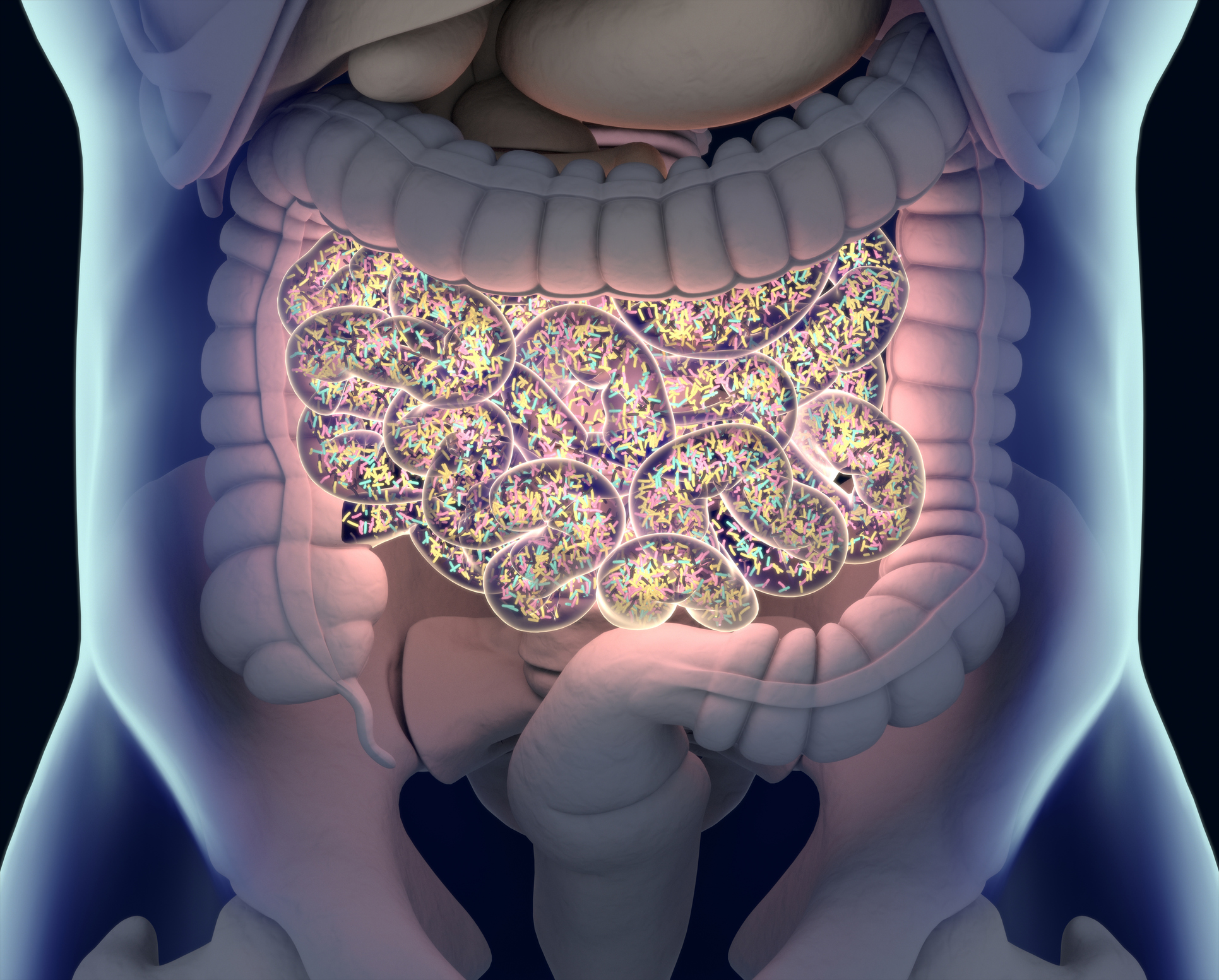
Cold, Flu, or Pneumonia?

The winter season can be difficult to navigate when there is the risk of developing one of three respiratory illnesses, such as the common cold, flu, or pneumonia. All three of these illnesses share similar symptoms but are all different and range from mild to severe.  

The common cold is the least serious of the three respiratory illnesses, as it presents milder symptoms. Common cold symptoms include: 

  • Mild cough 
  • Sore throat 
  • Runny nose 
  • Congestion 

When a person is suffering from the common cold, they will usually feel run-down for a couple of days and are able to treat their symptoms with over-the-counter remedies such as cough syrup and cold medications. 

Unlike a cold, the flu or influenza hits hard and fast, with more intense symptoms usually beginning more suddenly than a cold. Symptoms of the flu include: 

  • A high, sudden fever 
  • A stuffy nose 
  • A dry cough 
  • Headaches  
  • Muscle aches 
  • Extreme fatigue 
  • Chills and sweats 
  • Lack of appetite 

A flu vaccine is available to help prevent an infection from the flu virus, as well as medications that can help reduce the severity of symptoms. 

Pneumonia is typically caused by a bacterial or viral infection, with the illness and its symptoms being more severe than the cold or flu. Symptoms of pneumonia include: 

  • Chest pains that increase when you cough 
  • Coughing up blood or mucus 
  • High fever 
  • Difficulty breathing 
  • Inability to breathe deeply 
  • Chills  
  • Extreme and weakening fatigue 
  • Lack of appetite 
  • Clammy skin and frequent sweating 

Bacterial and viral pneumonia are treatable with antibiotics and antivirals, respectively. Pneumonia can be very serious and even life-threatening for the elderly, very young children, and those with chronic lung conditions. Vaccines for pneumonia are available for high-risk patients. 

Preventing respiratory illnesses such as the common cold, flu, or pneumonia requires taking proactive steps to reduce the risk of developing and/or spreading these infections, including: 

  • Washing your hands regularly 
  • Avoiding contact with individuals who are sick with any of these respiratory illnesses 
  • Getting your annual flu vaccination 
  • Getting vaccinated with the pneumococcal and Hib vaccines if you are in an at-risk group 

If you are experiencing any symptoms of a cold, flu, or pneumonia, you can schedule an appointment with a physician at Jamaica Hospital Medical Center’s Ambulatory Care Center. Please call (718) 206-7001. 

All content of this newsletter is intended for general information purposes only and is not intended or implied to be a substitute for professional medical advice, diagnosis or treatment. Please consult a medical professional before adopting any of the suggestions on this page. You must never disregard professional medical advice or delay seeking medical treatment based upon any content of this newsletter. PROMPTLY CONSULT YOUR PHYSICIAN OR CALL 911 IF YOU BELIEVE YOU HAVE A MEDICAL EMERGENCY.

What to Do Next After Receiving a Dementia Diagnosis

Receiving a dementia diagnosis can be devastating. Whether it is you are a loved one, several questions are raised after the diagnosis, namely “What do I do next?”  

After receiving a dementia diagnosis, it is important to be as proactive as possible. There are several steps you can take to help you or a loved one plan for the future, as well as help everyone involved feel that they are informed, supported, and less alone. Steps include: 

  1. Learn about and understand the specific dementia diagnosis, as it helps guide healthcare decisions, treatment options, and expectations for the future.

Dementia is not a specific disease, but an overall term that describes a group of symptoms such as memory loss and the loss of other mental abilities severe enough to interfere with daily life. Dementia is caused by physical changes in the brain.  

  • Different types of dementia include: 
  • Lewy Body Dementia and Parkinson’s Disease 
  • Creutzfeldt-Jakob Disease 
  • Down Syndrome and Alzheimer’s Disease 
  • Frontotemporal Dementia 
  • Huntington’s Disease 
  • Korsakoff Syndrome 

There are many signs and symptoms of dementia. They include: 

    • Memory loss that disrupts daily life 
    • Challenges in planning or solving problems 
    • Difficulty completing familiar tasks 
    • Confusion with time and place 
    • Trouble understanding visual images and spatial relationships 
    • New problems with words in speaking or writing 
    • Misplacing things and losing the ability to retrace steps 
    • Decreased or poor judgment 
    • Withdrawal from work or social activities 
    • Changes in mood and personality 
  1. Communicate with you or your loved one’s healthcare providers to discuss what can be expected and how to best manage symptoms.  
  2. Plan for the future by consulting with various financial and legal experts to discuss advance care directives, such as a living will and durable power of attorney, as they outline any wishes for future medical treatment and designate someone to make decisions on your or your loved one’s behalf if/when you are unable to. A financial adviser can help you or your loved one organize and manage any expenses that may relate to long-term care
  3. Communicate with family members and caregivers openly about your or your loved one’s diagnosis, any care preferences, and plans so that everyone is on the same page.  
  4. Maintain any and all social connections and participate in activities that encourage cognitive function. Maintaining a support network is important, as dealing with dementia can make you or a loved one feel isolated. 
  5. Ask your or your loved one’s healthcare provider about which treatments are available and recommended based on one’s specific dementia diagnosis, and ask about eligibility for clinical trials. 
  6. Start any of the recommended treatments or medications that may help manage dementia symptoms. Be sure to schedule regular appointments with your healthcare providers so they can monitor the condition and adjust care as needed. Monitor your symptoms and keep your healthcare providers up to date with them so they can offer any interventions that can help with any new symptoms that present themselves. 
  7. Remove any household hazards that may lead to falls or injuries. According to the Alzheimer’s Association, adults ages 65 and older living with dementia are at a 45.5% risk of getting injured or dying from falls, compared to 30.9% of people in the same age group who don’t have dementia. It is important to note that falls are the leading cause of death for that age group. 

A dementia diagnosis is a difficult time for any family that must experience it. It is important to make sure that you, your loved ones, and any caregivers are prepared for the challenges that may arise on this journey.  

If you or a loved one is experiencing any symptoms of dementia, you can consult with a neurologist at Jamaica Hospital Medical Center. To schedule an appointment, please call (718) 206-7246. 


All content of this newsletter is intended for general information purposes only and is not intended or implied to be a substitute for professional medical advice, diagnosis or treatment. Please consult a medical professional before adopting any of the suggestions on this page. You must never disregard professional medical advice or delay seeking medical treatment based upon any content of this newsletter. PROMPTLY CONSULT YOUR PHYSICIAN OR CALL 911 IF YOU BELIEVE YOU HAVE A MEDICAL EMERGENCY.
What May Cause Lung Cancer in Nonsmokers?

Lung cancer is the leading cause of cancer-related deaths in the United States. Tobacco smoking is the leading cause of lung cancer. However, people who smoke tobacco aren’t the only ones at risk of developing lung cancer.  

The Centers for Disease Control and Prevention (CDC) estimates that 10% to 20% of lung cancer cases each year happen in people who never smoke. 

Nonsmokers can develop lung cancer if they are exposed to secondhand smoke, air pollution, radioactive gases such as radon, asbestos, diesel exhaust, or other harmful chemicals. 

According to the CDC, about 50% to 60% of lung cancers found in nonsmokers are adenocarcinomas, which is a type of non-small cell lung cancer that begins in the cells that line the tiny air sacs in the lungs and make substances such as mucus. Additionally, about 10% to 20% are squamous cell carcinomas, cancer that forms in the thin, flat cells lining the inside of the lungs, and 6% to 8% are small cell lung cancers, and the rest are other types of lung cancer. 

Lung cancers in nonsmokers are often different than those that are in smokers, as they usually develop in younger people, and often have certain gene changes that differ from those in tumors found in smokers. 

A person’s genes can influence their risk of developing certain diseases, including some types of cancer, as some genes help control when cells grow, divide into new cells, and die. These genes are oncogenes and tumor suppressor genes. 

Oncogenes help cells grow, divide, or stay alive. Tumor suppressor genes help control cell division or cause cells to die at the right time.  

Cancer can develop when any DNA changes that activate oncogenes or deactivate tumor suppressor genes occur. These changes in many different genes are usually needed to cause cancer to develop. The two primary types of gene changes are inherited gene changes and acquired gene changes.  

Inherited gene changes are gene changes passed down from a person’s parents. These inherited changes to a person’s DNA may increase their risk of developing certain cancers.  

Acquired gene changes cannot be inherited but are acquired during a person’s lifetime and may occur in any individual cell. Certain acquired gene changes can affect the cell’s ability to control how it grows and will ultimately mutate a non-cancer cell into a cancer cell. 

It is more common for nonsmoking women, especially Asian nonsmoking women, to develop lung cancer, as they are more than twice as likely to develop it as male nonsmokers. This is due to women having an acquired gene change, such as epidermal growth factor receptor (EGFR). 

Symptoms of lung cancer are the same for smokers and nonsmokers. Lung cancer symptoms include: 

  • Feeling tired or weak all the time 
  • Loss of appetite 
  • A cough that doesn’t go away or gets worse 
  • Coughing up blood or rust-colored phlegm 
  • Chest pains 
  • Shortness of breath 
  • Unexplained weight loss 
  • Hoarseness 
  • Bronchitis or pneumonia that doesn’t go away or keeps coming back 
  • Wheezing  

If a smoker is exhibiting symptoms of lung cancer, they should see a healthcare provider. 

Although there isn’t any screening guidance for nonsmokers, taking steps such as being aware of lung cancer symptoms and reducing exposure to air pollutants and radon can help reduce your risk of developing lung cancer. Some additional steps include: 

  • Avoid secondhand smoke 
  • Monitor the air quality in your community 
  • Test your home for radon 
  • Protect yourself at work by avoiding any chemicals or cleaning products that contain carcinogens 

If you would like to learn more about cancer treatments for lung cancer, or to learn more about our cancer care program, you can schedule an appointment with an oncologist at our MediSys Health Network Cancer Center by calling (718) 206-6742. 


All content of this newsletter is intended for general information purposes only and is not intended or implied to be a substitute for professional medical advice, diagnosis or treatment. Please consult a medical professional before adopting any of the suggestions on this page. You must never disregard professional medical advice or delay seeking medical treatment based upon any content of this newsletter. PROMPTLY CONSULT YOUR PHYSICIAN OR CALL 911 IF YOU BELIEVE YOU HAVE A MEDICAL EMERGENCY.

Is Obstructive Sleep Apnea Linked to Parkinson’s Disease?

A new study conducted by Oregon Health and Science University and the Portland Veterans Administration (VA) Health Care System has found that people who have untreated obstructive sleep apnea (OSA) can have an increased risk of eventually developing Parkinson’s disease. 

Obstructive sleep apnea is a common sleep disorder that occurs when people repeatedly stop and start breathing while they sleep due to the throat muscles relaxing and blocking their airway.  

Parkinson’s disease is a progressive neurodegenerative disorder of the nervous system that worsens over time.  

The study analyzed the health records of 13,737,081 U.S. veterans collected by the Department of Veterans Affairs from 1999 to 2022. The average age of the participants in the study was 60.5 years, with 9.8% being women. 

1,552,505 participants of the study had obstructive sleep apnea. Six years after their original OSA diagnosis, there were 1.6 cases of Parkinson’s disease for every 1,000 individuals with obstructive sleep apnea, compared to those without it. 

What’s more, the study shows that because OSA causes repeated airflow blockages during sleep, it leads to low oxygen levels and briefly interrupted blood flow to the brain and blood vessels. It can also lead to ischemia-reperfusion, which occurs when blood flow is restored after a period of reduced blood supply, leading to cells becoming damaged instead of healing. When this occurs, it causes fragmented sleep and triggers the autonomic centers in the brain, making neurons and blood vessels vulnerable. Similarly, Parkinson’s disease causes neurons to slowly break down and die, affecting neurological function. 

People who are suffering from OSA can improve their sleep quality with early treatment using common treatments for sleep apnea, such as a continuous positive airway pressure (CPAP) mask or the new Inspire device. Unlike the CPAP mask, the Inspire device works inside the body with a patient’s natural breathing process, using mild stimulation to open the airway during sleep, allowing oxygen to flow naturally. The patient uses a small handheld remote to turn Inspire on before bed and off when they wake up.  could help lower their risk of developing Parkinson’s disease. 

If you would like to get tested for sleep apnea, you can make an appointment at Jamaica Hospital Medical Center’s Sleep Center by calling 718-206-5916. 

To learn more about CPAP or Inspire at Jamaica Hospital Medical Center, please visit Jamaicahospital.org or call 718-206-7110 to make an appointment with an ENT doctor.   

If you would like to learn more about Parkinson’s disease, you can schedule an appointment with a neurologist at Jamaica Hospital Medical Center’s Ambulatory Care Center. Please call (718) 206-7001. 

All content of this newsletter is intended for general information purposes only and is not intended or implied to be a substitute for professional medical advice, diagnosis or treatment. Please consult a medical professional before adopting any of the suggestions on this page. You must never disregard professional medical advice or delay seeking medical treatment based upon any content of this newsletter. PROMPTLY CONSULT YOUR PHYSICIAN OR CALL 911 IF YOU BELIEVE YOU HAVE A MEDICAL EMERGENCY.
Hidradenitis Suppurativa

Hidradenitis suppurativa, also known as acne inversa, is a condition that causes small, painful lumps to form underneath the skin. These lumps usually develop in areas such as the armpits, the groin, buttocks, and breasts where the skin rubs together.  

Hidradenitis suppurativa starts after puberty and usually before the age of 40. It can last for many years, worsening over time.  

Hidradenitis suppurativa can affect one or more areas of the body, with several signs and symptoms, including: 

  • Blackheads- small, pitted areas of the skin that often appear in pairs 
  • Painful pea-sized lumps that form under the skin in areas where more sweat and oil glands are present, or where the skin rubs together, that can last for weeks or months 
  • Leaking bumps or sores that can get bigger, break open, and drain pus with an odor 
  • Tunnels that form under the skin. These tunnels connect lumps and heal slowly, and drain blood and pus 

Some people who have hidradenitis suppurative experience only mild symptoms; however, the course of the disease varies extremely. Excess weight and smoking are associated with worse symptoms, but people who are thin and smoke can also experience severe symptoms of the disease. 

Hidradenitis suppurativa occurs when hair follicles become blocked. The cause of the blockage isn’t known; however, experts think it may be connected to hormones, genetic predisposition, cigarette smoking, or excess weight.  

Several risk factors can increase the chance of developing hidradenitis suppurativa. They include: 

  • Age 
  • Sex 
  • Race 
  • Family history 
  • Certain conditions 
  • Smoking 

Severe and persistent hidradenitis can cause complications, including: 

  • Infection in the affected area 
  • Restricted movement due to sores and scar tissue  
  • Skin cancer, such as squamous cell carcinoma, has been reported with long-term hidradenitis suppurativa 
  • Scars and skin changes after wounds have healed, leaving pitted skin and rope-like scars 
  • Swelling in the arms, legs, or genital area, due to scar tissue caused by hidradenitis that blocks the lymph nodes in those areas from draining 
  • Psychological effects and social isolation, such as depression, anxiety, or not wanting to go out in public due to the location, drainage, and odor of the sores 
  • Lifelong pain 

Hidradenitis suppurativa can often be mistaken for acne or pimples. A healthcare provider can make a diagnosis based on signs and symptoms, skin appearance, and medical history. Hidradenitis suppurativa can be difficult to diagnose and requires specialized care, so a healthcare provider may refer a patient to a dermatologist.  

There aren’t any laboratory tests available to diagnose hidradenitis suppurativa; however, if there is pus or drainage present in the wounds, samples may be taken for testing. 

Treatment for hidradenitis suppurativa can include medications, surgeries, or both to help control symptoms and prevent complications of the condition.  

Medications used to treat hidradenitis suppurativa can include: 

  • Antibiotics 
  • Steroid injections 
  • Hormonal therapy 
  • Biologics 
  • Retinoids 
  • Pain medicine 

Surgical procedures used to treat hidradenitis suppurativa include: 

  • Uncovering the tunnels under the skin by removing tissue to expose them 
  • Punch debridement, which removes a single inflamed bump 
  • Laser therapy 
  • Surgical removal of all the infected skin 

If you or a loved one is suffering from hidradenitis suppurativa, you can visit Jamaica Hospital Medical Center’s Division of Dermatology. To make an appointment, please call (718) 206- 6742. 

All content of this newsletter is intended for general information purposes only and is not intended or implied to be a substitute for professional medical advice, diagnosis or treatment. Please consult a medical professional before adopting any of the suggestions on this page. You must never disregard professional medical advice or delay seeking medical treatment based upon any content of this newsletter. PROMPTLY CONSULT YOUR PHYSICIAN OR CALL 911 IF YOU BELIEVE YOU HAVE A MEDICAL EMERGENCY.

Does Nasal Irrigation Effectively Fight the Common Cold?

As the winter season progresses, so does cold season.

When we come down with a cold, we try different methods to relieve our cold symptoms.

However, using a simple saline or saltwater solution can help reduce the duration of these symptoms.  

A pilot study conducted in 2019 found that flushing the nose with a 3% saline solution, which is higher than the standard 0.9% concentration, can reduce cold symptoms in approximately two days.  

Additionally, researchers say that saline nasal drops may help reduce transmission rates of cold viruses.  

In the same 2019 study, 93% of participants reported that the 3% saline solution made a difference in their symptoms, and 61% indicated that they would use it again during another cold.  

Most people may catch a cold two or three times each year, as the cold virus spreads easily via contaminated droplets. Saline solution is an affordable, easy-to-use treatment that may help slow down the spread of the cold virus between family members.  

Saline nasal drops may also help to clear up a runny nose. The solution may help reduce viral load, the amount of the virus in a person’s system, by flushing out the nasal passages.  

Saline nasal drops help flush out mucous and inflammatory mediators, which are chemical messengers that play a crucial role in initiating and regulating the body’s inflammatory response. This can improve cold symptoms and give the immune system a better chance to fight the infection.  

When you are looking to buy saline nasal drops or sprays, it is important to look for a saline percentage or the words “hypertonic” or “extra-strength” on the label. Many brands of saline solutions sell 3% hypertonic nasal spray, but it is important to read the labels carefully to confirm the product does not contain other added medications.  

You can also make a saline solution at home with salt, baking soda, and water. It is important to only use distilled or boiled and cooled tap water when preparing the solution, as the quality of tap water varies, and there may be things such as bugs and germs present.  

To make the saline solution, combine three tablespoons of salt and one teaspoon of baking soda. Avoid any salts that contain iodine, preservatives, or anti-caking agents because these can irritate your nose. Put one teaspoon of the salt-baking soda mixture into eight ounces of distilled or boiled water. Baking soda helps reduce irritation; however, you may still experience some irritation in the nose or throat after using the saline solution.  

Although hypertonic nasal drops or sprays could be prepared correctly, they can still irritate the nose and throat. Some people may even experience a temporary burning sensation. Use the hypertonic saline solution as tolerated. It is important to talk to your healthcare provider about alternative cold remedies if the saline solution doesn’t work well for you and if your cold symptoms persist or get worse. 

If you are suffering from common cold symptoms and would like to learn more about nasal irrigation, you can make an appointment with an ENT doctor at Jamaica Hospital Medical Center by calling 718-206-7110. 

All content of this newsletter is intended for general information purposes only and is not intended or implied to be a substitute for professional medical advice, diagnosis or treatment. Please consult a medical professional before adopting any of the suggestions on this page. You must never disregard professional medical advice or delay seeking medical treatment based upon any content of this newsletter. PROMPTLY CONSULT YOUR PHYSICIAN OR CALL 911 IF YOU BELIEVE YOU HAVE A MEDICAL EMERGENCY.