
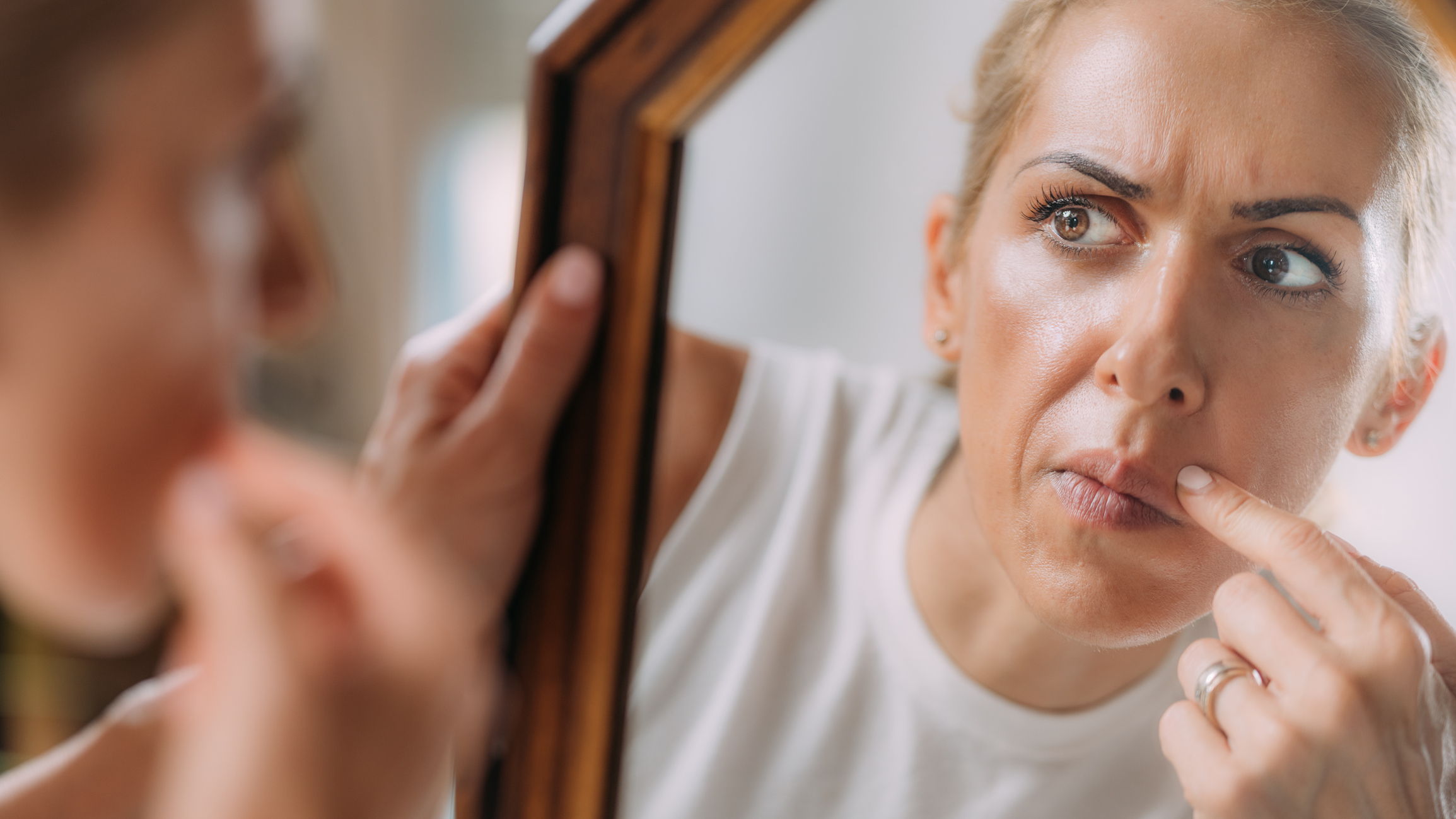
 Body dysmorphia or body dysmorphic disorder (BDD) is a mental health condition that causes you to unfairly and negatively think about how you see and feel about your body and appearance. A person who has body dysmorphia may feel embarrassed, ashamed, or anxious. Other common symptoms of body dysmorphia include:
- Constantly comparing yourself with others
- Constantly asking others if you look okay
- Not believing others when they say you look fine
- Hiding parts of your body under a hat, scarf, or makeup
- Constantly checking yourself in the mirror or avoiding them entirely
- Constantly grooming or exercising
- Picking at your skin with your fingers or tweezers
- Seeing several healthcare providers about your appearance
- Having unnecessary plastic surgeries
- Suicidal ideations
- Avoiding social situations
- Not leaving the house, especially during the day
These symptoms can cause severe disruptions in a person’s life, affecting their thoughts, which can undermine their mental and physical well-being.
Experts estimate that body dysmorphia affects about 2.4% of adults in the U.S. overall, and between 1.7% and 2.9% of people globally.
Body dysmorphia is most likely to begin in the teen or early adult years. Two-thirds of people with body dysmorphia develop the condition before the age of 18, usually around 12 or 13 years old. However, it can also start in early adulthood.
Experts don’t fully know how or why body dysmorphia occurs, but they believe multiple factors are involved, such as:
- Genetics
- Brain structure, chemistry, and activity differences
- Cultural influences and popular media
- A history of childhood abuse, neglect, or bullying
People who suffer from body dysmorphia are more likely to have other mental conditions, including:
- Anxiety disorders
- Depression
- Eating disorders
- Obsessive-compulsive disorder (OCD)
- Substance use disorders
The symptoms of body dysmorphia can take many shapes as a person who suffers from this condition can excessively focus on one or more parts of the body, such as their:
- Face, such as their nose, complexion, wrinkles, acne, and other blemishes
- Hair, such as its appearance or any thinning and/or baldness
- Skin and appearance of their veins
- Breast size
- Muscle size and tone
- Genitalia
There aren’t any medical tests that can diagnose dysmorphia. A healthcare provider will perform a medical evaluation to help rule out other medical conditions and may refer you to a mental health professional for further evaluation. The mental health professional will diagnose body dysmorphia based on:
- A psychological evaluation, which assesses risk factors, thoughts, feelings, and behaviors related to negative self-image
- Your personal, social, family, and medical history
- Signs and symptoms that you have experienced
The treatment for body dysmorphia often can include a combination of:
- Psychotherapies, such as cognitive behavioral therapy (CBT) and family therapy
- Medications, such as antidepressants
You may find that negative thoughts about your body are hard to control, and you may even spend hours each day worrying about the way you look. Your thinking can become so negative and persistent that you may think about suicide at times. If you are having suicidal thoughts or behaviors, dial 988 on your phone to reach the Suicide and Crisis Lifeline. If there is an emergency, call 911.
If you need the assistance and support of a mental health professional at Jamaica Hospital Medical Center, please call 718-206-5575 to schedule an appointment.
 Follow
All content of this newsletter is intended for general information purposes only and is not intended or implied to be a substitute for professional medical advice, diagnosis or treatment. Please consult a medical professional before adopting any of the suggestions on this page. You must never disregard professional medical advice or delay seeking medical treatment based upon any content of this newsletter. PROMPTLY CONSULT YOUR PHYSICIAN OR CALL 911 IF YOU BELIEVE YOU HAVE A MEDICAL EMERGENCY.
