
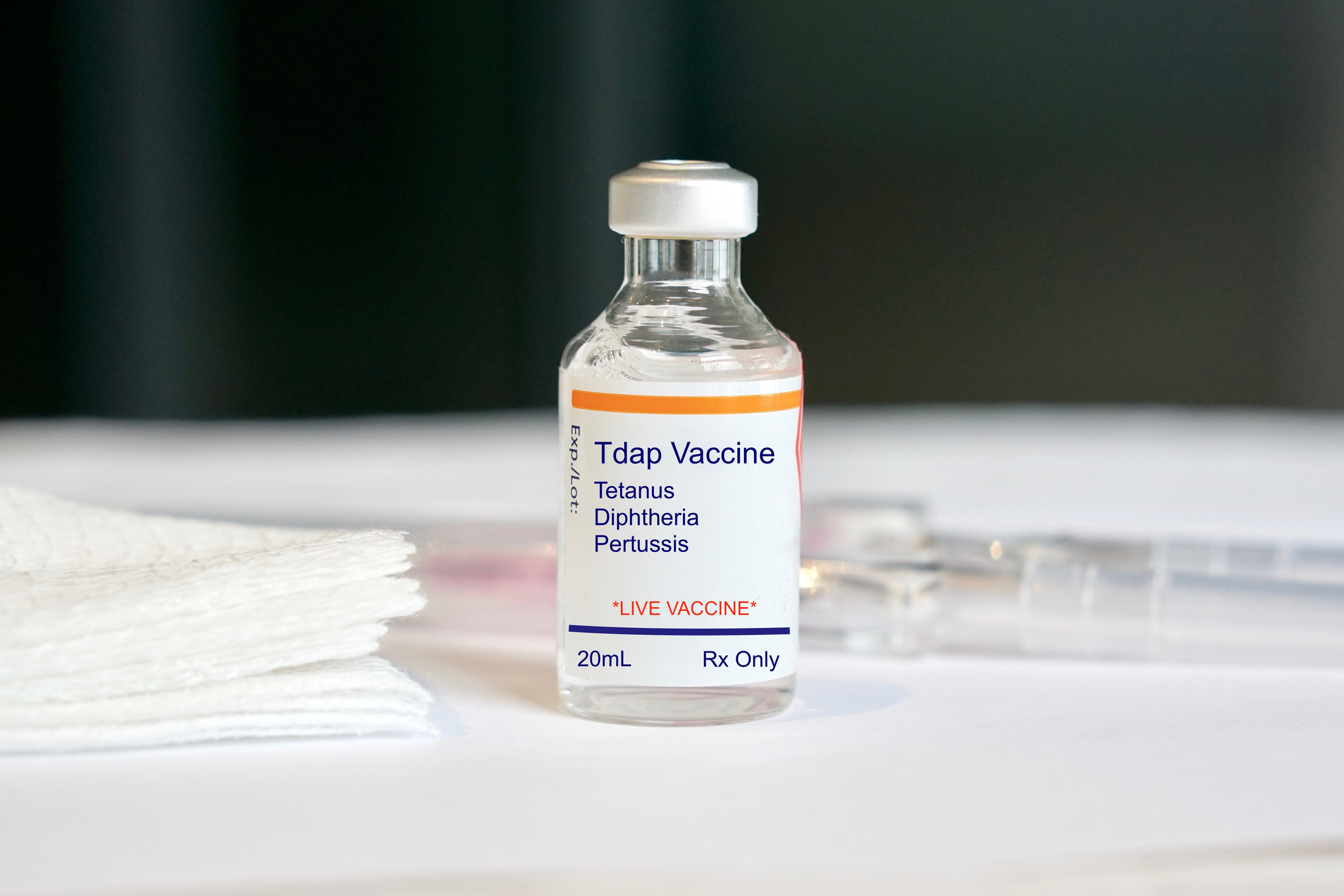
 A tetanus shot is a vaccine that reduces your risk of getting tetanus or lockjaw, a painful and potentially fatal bacterial infection.
The incubation period of tetanus ranges from 3 to 21 days after infection. Most cases occur within 14 days.
Symptoms can include:
- Jaw cramping or the inability to open the mouth
- Muscle spasms often occur in the back, abdomen, and extremities
- Sudden painful muscle spasms, often triggered by sudden noises
- Trouble swallowing
- Seizures
- Headache
- Fever and sweating
- Changes in blood pressure or a fast heart rate
The bacteria that cause tetanus can be found in the environment on metals and in soil. Because of this, the Centers for Disease Control and Prevention (CDC) recommends a series of Tdap or DTap shots in childhood and boosters every ten years. These shots also protect against other bacterial infections, such as diphtheria and pertussis.
Tetanus shots work by training the immune system to identify threats, so it has the tools to fight them when it encounters them again. These shots are known as a toxoid vaccine, which means they contain a weakened version of the toxin released by Clostridium tetani, the tetanus-causing bacteria. The toxoid creates an immune response that protects you if you are exposed to these bacteria in the future.
There are many reasons to get a tetanus shot, including:
- Within 48 hours of getting a wound that is deep and/or contaminated with dirt, feces, or saliva. You will need a booster shot if you haven’t had one in the past five years
- During the first trimester of pregnancy, you can protect your baby from pertussis in their first months of life
- As part of the childhood immunization regimen. The CDC recommends an initial five-shot series between the ages of two months and six years old, and a booster shot between 11 and 12 years old
- Every 10 years after your initial series of shots
You shouldn’t get a tetanus shot if you or your child has an allergic reaction, seizures, or a decreased level of consciousness after getting a tetanus shot in the past. Do not get a tetanus shot until you speak with your healthcare provider. They can make a recommendation as to what is safe for you.
Before you get a tetanus vaccine, it is important to tell your healthcare provider if you have:
- Life-threatening allergies
- Guillain–Barré syndrome
- Suffered from seizures in the past
- Had severe pain or swelling after getting a tetanus shot in the past
- A condition that affects the nervous system
- Recently had transplant surgery
It is also important to tell your healthcare provider about any medications you take, as certain medications, such as corticosteroids, cancer treatments, and immunosuppressants, could interact with the tetanus shot.
Like most vaccinations, there is a chance of side effects. However, the side effects of a tetanus shot are usually mild. The most common side effect is muscle soreness in the arm. Other side effects include:
- Swelling, pain, and redness at the injection site
- Headache
- Fatigue
- Loss of appetite
- Nausea, vomiting, or diarrhea
- Low-grade fever
- Fussiness or irritability in babies
Children and babies rarely experience serious side effects from the DTap vaccine. If they do experience side effects, they would include:
- Fever over 105 degrees Fahrenheit
- Seizures
- Swelling of an entire arm or leg
- Continued, inconsolable crying that lasts for more than a few hours
If you or a loved one is experiencing any symptoms relating to tetanus, you can receive treatment at Jamaica Hospital Medical Center’s Ambulatory Care Center. Please call (718) 206-7001.
 Follow
All content of this newsletter is intended for general information purposes only and is not intended or implied to be a substitute for professional medical advice, diagnosis or treatment. Please consult a medical professional before adopting any of the suggestions on this page. You must never disregard professional medical advice or delay seeking medical treatment based upon any content of this newsletter. PROMPTLY CONSULT YOUR PHYSICIAN OR CALL 911 IF YOU BELIEVE YOU HAVE A MEDICAL EMERGENCY.