Back to School Health Tips

As children prepare for the school year, it is important for them to return to school healthy.

Here are some tips to make sure your child is healthy before they go back to school:

  • Make sure they are up to date on their vaccinations. Vaccinations are essential for protecting children and others against various diseases.
  • Make sure they get their flu and COVID-19 shots. Every child six months or older should get their yearly flu shots, as flu season typically starts in the fall and peaks between December and February.
  • Make sure they get vision and hearing tests done. Children should have their hearing and vision tested with their doctor from infancy through high school. Watch for signs of hearing or vision loss and talk to your child’s healthcare provider if you notice any changes.
  • Help your child make healthy food choices, even at school. Encourage them to eat plenty of fruits and vegetables. When eating bread or pasta, choose 100% whole-grain products. Encourage them to choose water, not juice or soda.
  • Make sure to take care of their mental health. Managing school stress, relationships, and friendships can be overwhelming. Encourage them to talk about their emotional health.
  • Make sure to limit their screen time. Children under the age of two years old should have no screen time. Limit screen time to one to two hours a day for children two years old and over. Parents are encouraged to delay access to smartphones until at least 14 years old.
  • Be sure to monitor their social media use. Social media use starting during childhood can play a significant role in the relationships and experiences that impact children’s and teens’ growth, development, and mental health. Parents are encouraged to set aside time to discuss social media use, including setting privacy limits on who can see and interact with them.
  • Make sure your child gets a good night’s sleep. Adequate sleep helps kids focus each day at school and is important for their health. Children between the ages of three and five should sleep 10 to 13 hours (including naps). Children six to 12 years of age should sleep nine to 12 hours a night. Teenagers 13 to 18 years of age should sleep eight to 10 hours a night.

These back-to-school health tips will help you and your family return to the classroom safely and be confident in your health.


All content of this newsletter is intended for general information purposes only and is not intended or implied to be a substitute for professional medical advice, diagnosis or treatment. Please consult a medical professional before adopting any of the suggestions on this page. You must never disregard professional medical advice or delay seeking medical treatment based upon any content of this newsletter. PROMPTLY CONSULT YOUR PHYSICIAN OR CALL 911 IF YOU BELIEVE YOU HAVE A MEDICAL EMERGENCY.

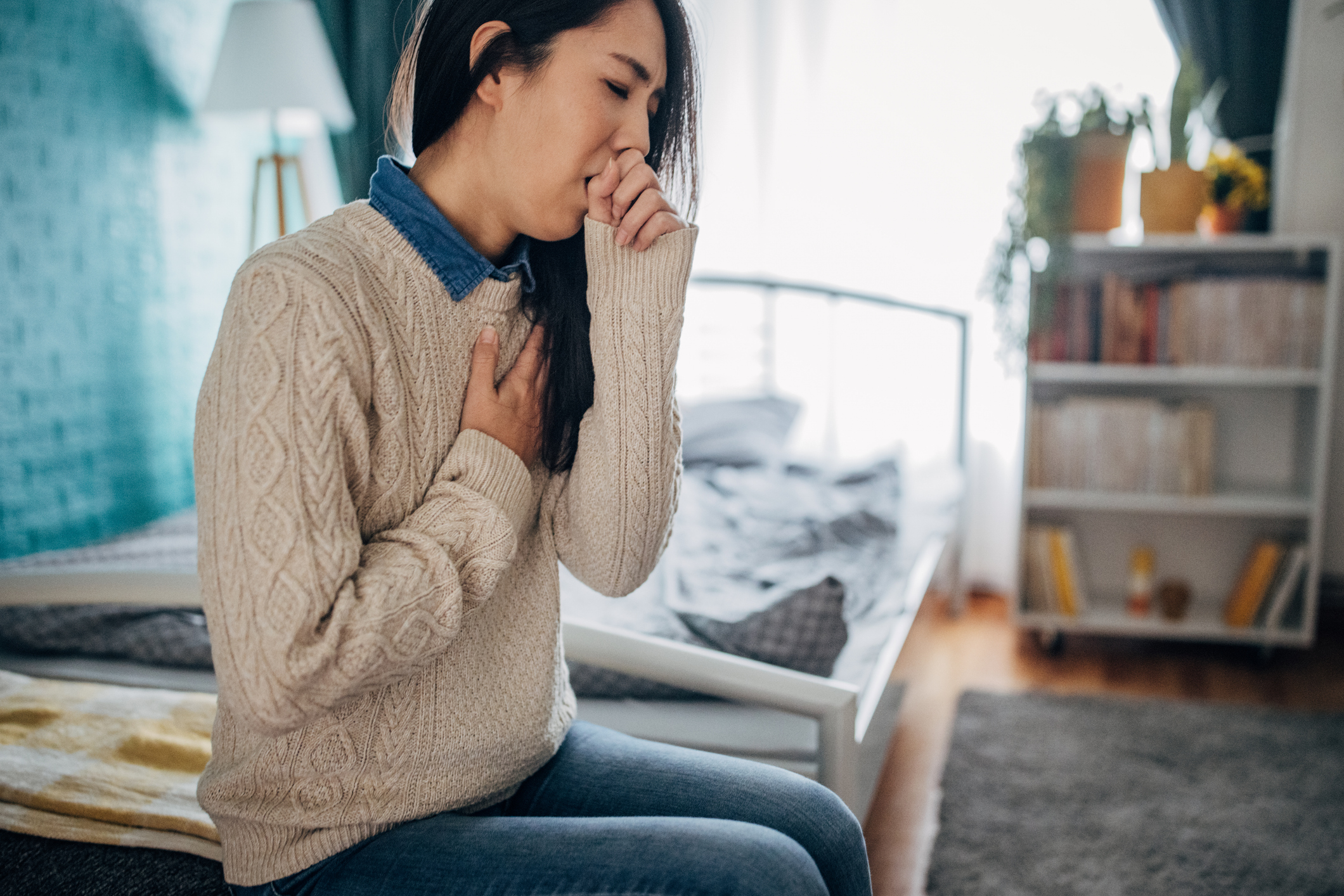
Social Anxiety Disorder

Social anxiety disorder (SAD) is a medical condition that causes fear and anxiety when you are around people in social situations and causes an intense fear of being judged or watched by others.

Social anxiety disorder typically begins in the early to mid-teens, though it can sometimes start in younger children or adults.

Like many other mental health conditions, social anxiety disorder likely arises from a complex interaction of biological and environmental factors, which may include:

  • Inherited traits
  • Brain structure
  • Environment

Several factors increase the risk of developing social anxiety disorder, including:

  • Family history
  • Negative experiences
  • Temperament
  • New social or work demands
  • Having an appearance or condition that draws attention to them

There are many signs and symptoms of social anxiety disorder, including:

  • Emotional and behavioral symptoms
    • Fear of situations in which you may be judged negatively
    • Worry about embarrassing or humiliating yourself
    • Intense fear of interacting or talking with strangers
    • Fear that others will notice that you look anxious
    • Fear of physical symptoms that may cause you embarrassment, such as blushing, sweating, trembling, or having a shaky voice
    • Avoidance of doing things or speaking to people out of fear of embarrassment
    • Avoidance of situations where you might be the center of attention
    • Intense fear or anxiety during social situations
    • Analysis of your performance and identification of flaws in your interactions after a social situation
    • Expectation of the worst possible consequences from a negative experience during a social situation
  • Physical and physiological symptoms
    • Blushing
    • Fast heartbeat
    • Trembling
    • Sweating
    • Upset stomach or nausea
    • Trouble catching your breath
    • Dizziness or lightheadedness
    • Feeling that your mind has gone blank
    • Muscle tension

People living with social anxiety may avoid social situations such as:

  • Interacting with unfamiliar people or strangers
  • Attending parties or social gatherings
  • Going to work or school
  • Starting conversations
  • Making eye contact
  • Dating
  • Eating in front of others
  • Using a public restroom
  • Taking or making phone calls
  • Performing in front of people

The symptoms of social anxiety disorder can change over time. They may flare up if you’re facing many changes, stresses, or demands in your life.

Although avoiding situations that produce anxiety may make you feel better in the short term, your anxiety is likely to continue over the long term if you don’t get treatment. Therefore, you should speak to your doctor about the symptoms you are experiencing. Your healthcare provider will want to determine whether other conditions may be causing your anxiety or if you have a social anxiety disorder along with another physical or mental health disorder. They may determine a diagnosis based on the following:

  • A physical exam to help assess whether any medical condition or medication may trigger symptoms of anxiety
  • A discussion of your symptoms, how often they occur, and in what situations
  • A review of a list of situations to see if they make you anxious
  • Self-report questionnaires about symptoms of social anxiety
  • Criteria listed in the Diagnostic and Statistical Manual of Mental Disorders (DSM-5), published by the American Psychiatric Association

Treatment depends on how much social anxiety disorder affects your ability to function in daily life. Treatments can include:

  • Psychotherapy (the most common treatment)
    • Cognitive behavioral therapy (CBT) is the most effective type of psychotherapy for anxiety
  • Medications
    • Antidepressants
    • Anti-anxiety medications
    • Beta-blockers

If you or someone you know has social anxiety disorder, you can call or schedule an appointment with a mental health provider at Jamaica Hospital Medical Center. Please call 718-206-5575.

All content of this newsletter is intended for general information purposes only and is not intended or implied to be a substitute for professional medical advice, diagnosis or treatment. Please consult a medical professional before adopting any of the suggestions on this page. You must never disregard professional medical advice or delay seeking medical treatment based upon any content of this newsletter. PROMPTLY CONSULT YOUR PHYSICIAN OR CALL 911 IF YOU BELIEVE YOU HAVE A MEDICAL EMERGENCY.

National Immunization Awareness Month

August is National Immunization Awareness Month (NIAM). It is a day observed to highlight the importance of vaccination for people of all ages.  

Vaccinations are important at every stage of life. They are one of the safest preventative care measures available and help play a vital role in keeping you healthy.  

Vaccines work by stimulating the immune system to protect the body against viruses or bacteria that cause infection. After vaccination, the immune system is better prepared to respond quickly when the body encounters the disease-causing organism. 

From infants to older adults, immunizations play a critical role in preventing serious diseases such as measles, whooping cough, flu, shingles, and HPV-related cancers. Skipping vaccines can leave you and your family vulnerable to these illnesses.  

Getting vaccinated plays an important role in keeping your family and community healthy, as vaccinations help protect you from infectious diseases and can lessen the severity of illness. They don’t just help protect you; they also help keep diseases from spreading to others, such as your family, neighbors, classmates, coworkers, and others in the community. Especially those most vulnerable to illness, such as infants, elderly people, and those with weakened immune systems.   

National Immunization Awareness Month offers a timely reminder as families prepare for back-to-school and flu season approaches. If you would like to help raise awareness about the importance of vaccination, encourage friends and family to talk to a healthcare provider they trust about staying up to date on their vaccinations. 

All content of this newsletter is intended for general information purposes only and is not intended or implied to be a substitute for professional medical advice, diagnosis or treatment. Please consult a medical professional before adopting any of the suggestions on this page. You must never disregard professional medical advice or delay seeking medical treatment based upon any content of this newsletter. PROMPTLY CONSULT YOUR PHYSICIAN OR CALL 911 IF YOU BELIEVE YOU HAVE A MEDICAL EMERGENCY.

What Happens If a Polyp is Found in Your Colon

Colorectal cancer is one of the most preventable forms of cancer, but only if you have been screened for warning signs while you are still healthy. Cancer screenings can find precancerous growths or polyps, as most colorectal cancers start as polyps. 

There are different types of colon and rectal polyps. They include: 

  • Hyperplastic polyps: These polyps are not precancerous, and doctors generally remove them anyway, just to be safe. 
  • Adenomas: These colon polyps are precancerous and can take seven to 10 or more years to evolve into cancer—if it ever does. Overall, only 5% of adenomas progress to cancer, but your risk is hard to predict. Doctors remove all the adenomas they find. 
  • Sessile serrated polyps: These polyps were once thought harmless; however, this type of adenoma is now known to be risky and is also removed. 

Thankfully, polyps aren’t cancer, and most of them will not develop into cancer. This can only happen if they are caught in the precancerous phase before they have a chance to grow and turn into cancer.  

After polyps are removed, you will need to return for an additional colonoscopy. There is a 25% to 30 % chance that a repeat colonoscopy will find additional polyps. You may need to come back for follow-up testing to see if more polyps have grown in the future. 

The follow-up care you will need if polyps were removed during your colonoscopy depends on your family history, personal risk factors, and the type of polyps found. Your healthcare provider can help you understand your risk and next steps. 

If the polyps found were benign, your healthcare provider might recommend continuing your usual recommended screening schedule. Sometimes, if many benign polyps were found, your healthcare provider might recommend a more frequent schedule for getting routine colonoscopies.  

If the polyps were pre-cancerous, your healthcare provider may recommend getting a repeat colonoscopy within one to three years. Sometimes, repeating the procedure within six months may be best, because your healthcare provider will want to check the area where each polyp was removed and look for other polyps or problems.  

If polyps were removed during your colonoscopy, this can put you at a higher risk for developing colorectal cancer. This is especially true if you had multiple polyps found, if they were large, or if they are the types of polyps that have a higher risk of becoming cancerous.  

Along with getting routine testing, there are several steps you can take to help reduce your risk of colorectal cancer, including: 

  • Maintaining a healthy weight 
  • Getting regular physical activity 
  • Avoiding red meat and processed foods 
  • Avoiding alcohol 
  • Quitting smoking 

You can receive a colorectal cancer screening from a gastroenterologist at Jamaica Hospital Medical Center’s Ambulatory Care Center. To schedule an appointment, please call (718) 206-7001. 


All content of this newsletter is intended for general information purposes only and is not intended or implied to be a substitute for professional medical advice, diagnosis or treatment. Please consult a medical professional before adopting any of the suggestions on this page. You must never disregard professional medical advice or delay seeking medical treatment based upon any content of this newsletter. PROMPTLY CONSULT YOUR PHYSICIAN OR CALL 911 IF YOU BELIEVE YOU HAVE A MEDICAL EMERGENCY.
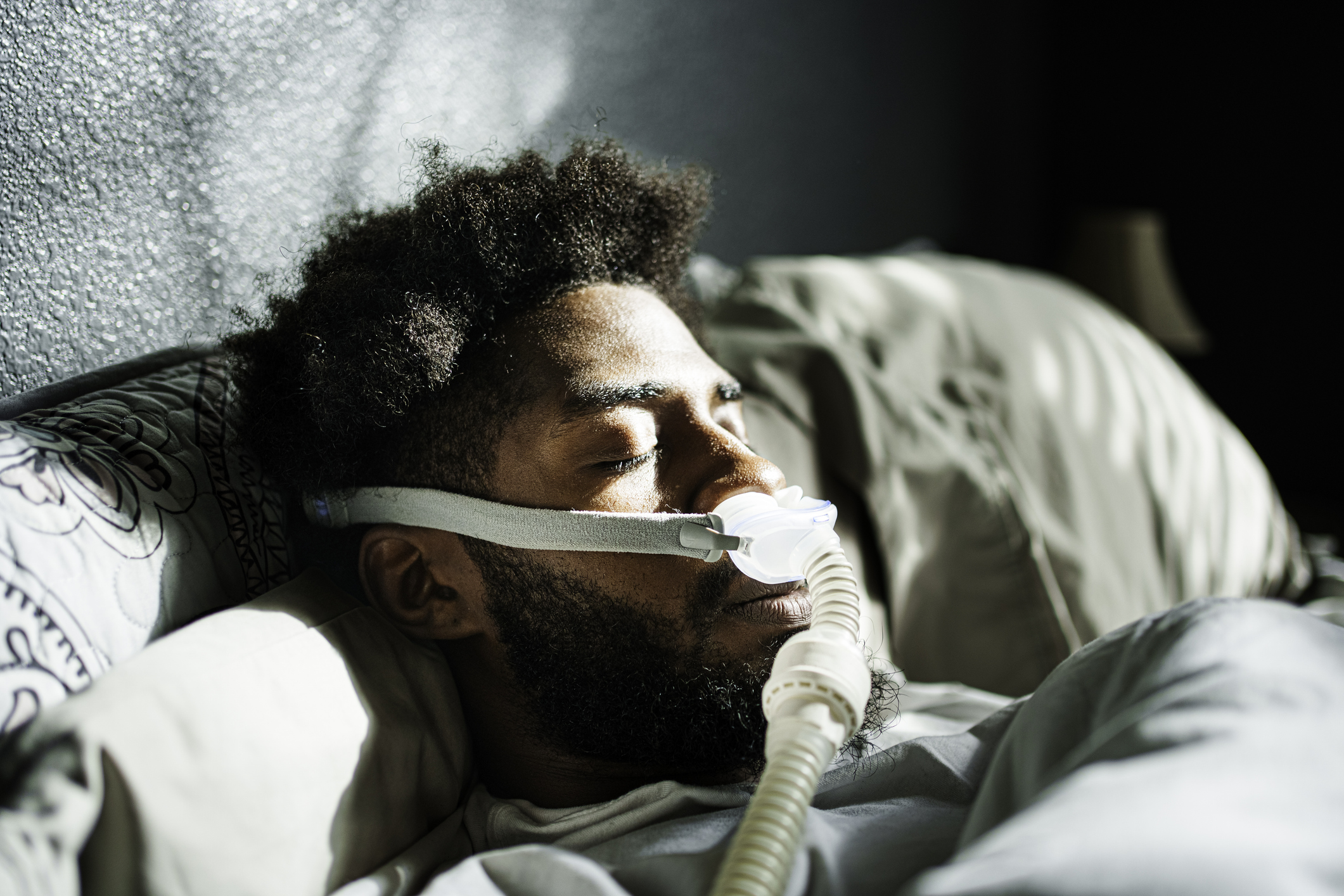
When Should You Be Concerned with Your Stool?

Everybody poops. That is a fact of life. Therefore, it is important to be aware of changes in your bowel movements, as they can indicate if there are potential health issues.  

For example, hard, lumpy poop can mean you’re dehydrated. Red poop may be a sign of rectal bleeding. Pungent poop could indicate an infection or other concerns.  

Some stools can be big or small depending on the day. It can be round or oblong. Or it can be hard, soft, or even liquid in form. The Bristol Stool Chart gives a sense of what’s ideal and what isn’t. It classifies stool into seven types based on shape and consistency. The types include: 

  • Type 1: Separate hard lumps, like little pebbles 
  • Type 2: Hard and lumpy and starting to resemble sausage 
  • Type 3: Sausage-shaped with cracks on the surface 
  • Type 4: Thinner and more snake-like, plus smooth and soft 
  • Type 5: Soft blobs with clear-cut edges 
  • Type 6: Fluffy, mushy pieces with ragged edges 
  • Type 7: Watery with no solid pieces  

Gastroenterologists suggest Type 3 or Type 4 is optimal and reflective of a healthier diet and lifestyle, and is easier to pass. 

The other five types can signal that something may be off internally. For instance: 

  • Type 1 and Type 2 stool signals constipation and can be difficult or painful to pass. The most common cause is not enough fluids. Adding fiber to your diet and exercise to your daily routine can also help move things along.  
  • Type 5 stool can indicate a lack of fiber, which can help soak up fluid and firm things up. Continually pooping in this part of the scale may be a sign of bowel issues. 
  • Types 6 and 7 are in diarrhea territory and could signal an illness, food poisoning, or some other digestive or intestinal issue. Stress can cause this too. See a doctor if your stool consistently registers on this part of the chart.  

Your poop should be a basic brown color. This color comes from the mixing of the various ingredients in your digestive tract, including: 

  • Bile that breaks down fats passing through the digestive system 
  • Bilirubin, a substance created when red blood cells reach the end of their life cycle and exit your body as a waste product 
  • The digested remnants of all the food you ate 

Sometimes, poop can be a color other than brown due to something we ate. Vegetables, fruits, and food dyes can change the color of poop, which is perfectly normal.  

It is important to know that a food-related tint should disappear within a day or so once the source is out of your system. However, if this color lasts longer than normal, it could be a warning sign of other medical issues. For example: 

  • Greenish poop could be due to a bacterial or viral infection, a parasite, or irritable bowel syndrome. It can also be connected to new medications you’re taking 
  • Reddish poop could indicate rectal bleeding or conditions such as hemorrhoids, anal fissures, inflammatory bowel disease, ulcers, or even colorectal cancer 
  • Blackish poop could signal that there is blood in the upper digestive system from ulcers. It may also be a byproduct of taking iron supplements 
  • Yellowish or greyish poop could signal liver, gallbladder, or pancreas disorders 

Contact a healthcare provider if your poop lingers on the wrong part of the color chart for more than a few days. 

Poop smells bad. However, some poop can smell worse than others. Foul-smelling poop is often connected to unwanted bacteria living in your gut, disrupting your usual digestive process.  

Symptoms should clear up quickly if the smell is because of something you ate. Speak to a healthcare provider if the issue lasts longer than normal to see if there could be an underlying medical condition that is causing the smell. 

Staying aware of the size, shape, color, and smell of your poop is good to do, but not necessary to do every day. If something is wrong with your digestive system, you will know.  

If you would like to speak with a gastroenterologist at Jamaica Hospital Medical Center’s Ambulatory Care Center, please call (718) 206-7001 to schedule an appointment. 

All content of this newsletter is intended for general information purposes only and is not intended or implied to be a substitute for professional medical advice, diagnosis or treatment. Please consult a medical professional before adopting any of the suggestions on this page. You must never disregard professional medical advice or delay seeking medical treatment based upon any content of this newsletter. PROMPTLY CONSULT YOUR PHYSICIAN OR CALL 911 IF YOU BELIEVE YOU HAVE A MEDICAL EMERGENCY.
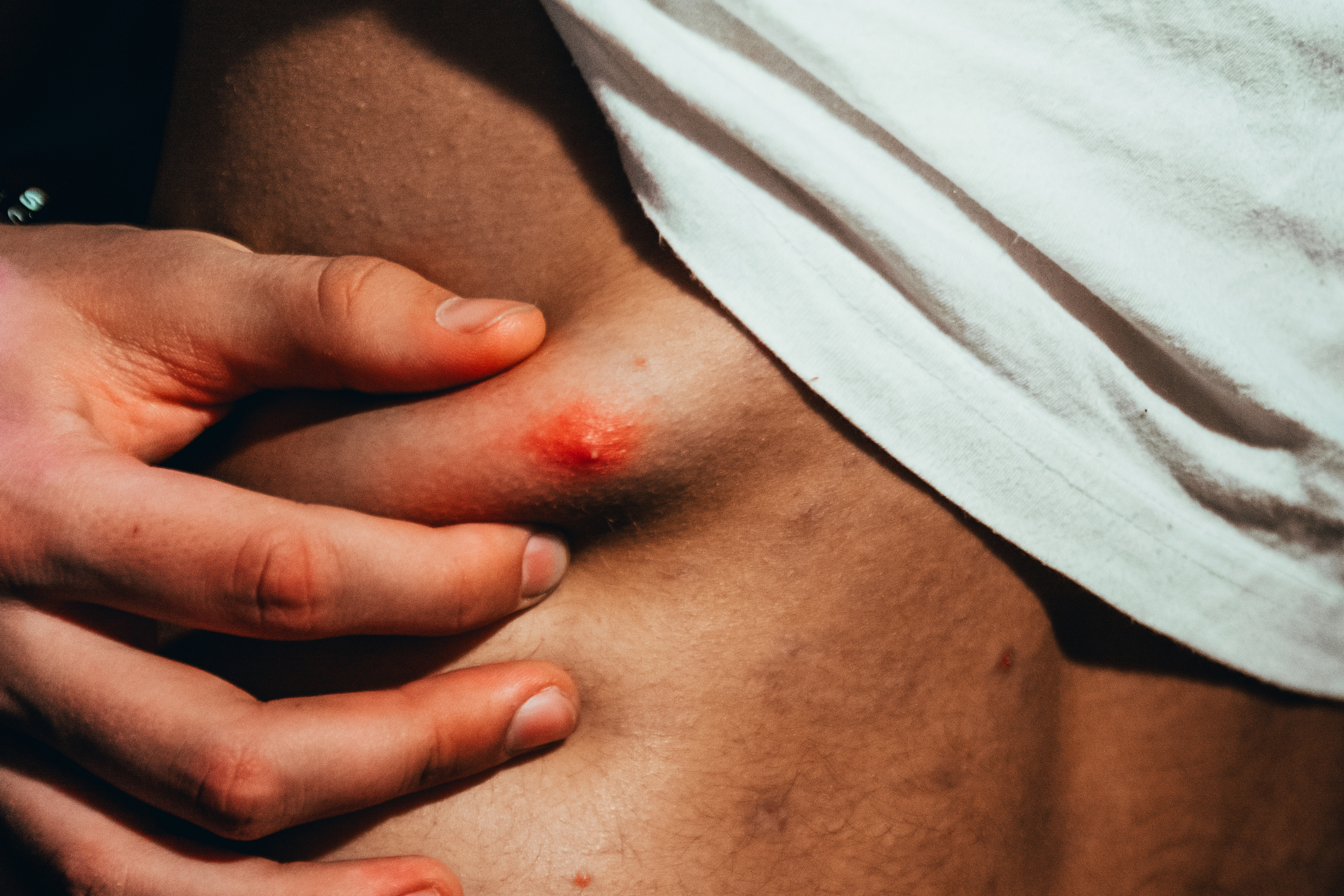
Chronic Traumatic Encephalopathy (CTE)

Chronic traumatic encephalopathy (CTE) is a degenerative brain condition that happens after repeated head injuries. CTE usually affects athletes who play contact sports or military personnel.  

CTE causes neurodegeneration, which means it permanently destroys nerve cells in your brain. Over time, this damage can cause changes in your behavior and mental abilities. It has been associated with second impact syndrome, when a second head injury occurs before symptoms of a previous head injury have fully resolved.  

Experts are still trying to understand how repeated head injuries and other factors might contribute to the changes in the brain that result in CTE. Researchers are looking at how the number of head injuries someone experiences and how bad the injuries are may affect the risk of CTE.  

There are no specific symptoms that have been linked to CTE, as it shares symptoms with other brain conditions that cause neurodegeneration. It can affect your: 

  • Cognitive function, which can cause: 
  • Memory loss 
  • Trouble solving problems or making plans 
  • Trouble making a choice or judging what you should do next 
  • Mild cognitive impairment 
  • Mood and personality, which can cause: 
  • Anxiety 
  • Depression 
  • Mood swings, especially acting or feeling more aggressive or impulsive 
  • Personality changes 
  • Thoughts of self-harm, suicide, or suicidal behavior 
  • Motor function, which can cause: 
  • Balance issues 
  • Loss of coordination 
  • Tremors, twitches, or other muscle movements you can’t control 

There is no way to diagnose CTE in a living person. The only way healthcare providers can confirm CTE is by examining samples of a person’s brain with a microscope during their autopsy.  

Even though a healthcare provider may not be able to definitively diagnose CTE while a person is alive, they can still make an educated assumption by building a diagnosis using a few factors, including: 

  • A physical exam 
  • A neurological exam 
  • The symptoms a person is experiencing 
  • A person’s medical history, especially if they have had head injuries 

Experiencing CTE symptoms doesn’t automatically mean a person has it. There are a lot of conditions that can cause similar symptoms. A healthcare provider will use tests to help diagnose or rule out these other issues. Tests include: 

  • Blood tests 
  • CT scan 
  • Lumbar puncture 
  • MRI 
  • PET scan 

There is no treatment for CTE because there is currently no cure for it. Unfortunately, if a person has CTE, their symptoms will continue to get worse. Avoiding head injuries is the only way to lower your risk of developing CTE. Wear the right protective equipment for all activities and sports, especially helmets or protective headwear. 

If you are experiencing any symptoms of CTE, you can schedule an appointment with a doctor at Jamaica Hospital Medical Center’s Ambulatory Care Center by calling (718) 206-7001. If you are experiencing an emergency, call 911. 


All content of this newsletter is intended for general information purposes only and is not intended or implied to be a substitute for professional medical advice, diagnosis or treatment. Please consult a medical professional before adopting any of the suggestions on this page. You must never disregard professional medical advice or delay seeking medical treatment based upon any content of this newsletter. PROMPTLY CONSULT YOUR PHYSICIAN OR CALL 911 IF YOU BELIEVE YOU HAVE A MEDICAL EMERGENCY.
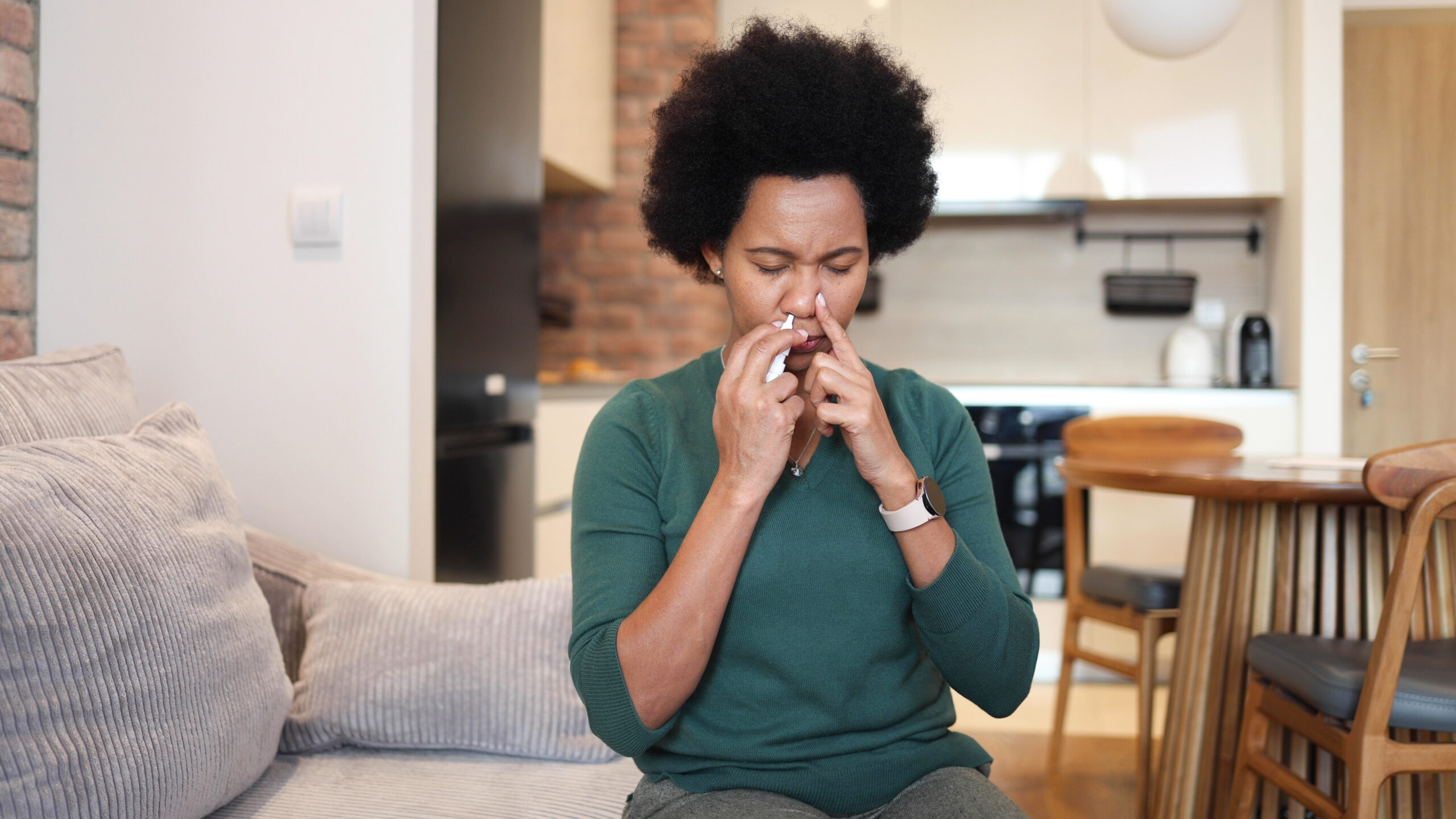
Treating Mosquito Bites

Mosquito bites are common during the summer months. They are itchy bumps that form after a female mosquito has bitten us.

Mosquito bites generally cause mild symptoms, which may include:

  • Itching
  • Redness
  • Small blisters
  • A small amount of swelling

While these symptoms are usually minor, some individuals, particularly those with certain immune disorders, may experience a severe reaction. Symptoms of a severe reaction can include:

  • Swollen lymph nodes
  • Low-grade fever
  • Significant swelling

Severe reactions are more common in children than in adults. Some children may develop Skeeter Syndrome, a localized allergic reaction to the bite, which results in large, swollen, and painful areas. These symptoms can persist for several weeks.

Treating a mosquito bite can be done at home. The Centers for Disease Control and Prevention (CDC) recommends that we:

  • Wash the bite and surrounding area with soap and water.
  • Apply an ice pack for 10 minutes to reduce swelling and itching. Reapply ice pack as needed.
  • Apply a mixture of baking soda and water, which can help reduce the itch response.
    • Mix 1 tablespoon baking soda with just enough water to create a paste.
    • Apply the paste to the mosquito bite.
    • Wait 10 minutes.
    • Wash off the paste.
  • Use an over-the-counter anti-itch or antihistamine cream to help relieve itching. Follow the product label directions.

However, if you are experiencing a persistent fever, difficulty breathing, headaches, body aches, throat swelling, hives, or any other signs of a severe reaction or infection, you must seek medical attention.


All content of this newsletter is intended for general information purposes only and is not intended or implied to be a substitute for professional medical advice, diagnosis or treatment. Please consult a medical professional before adopting any of the suggestions on this page. You must never disregard professional medical advice or delay seeking medical treatment based upon any content of this newsletter. PROMPTLY CONSULT YOUR PHYSICIAN OR CALL 911 IF YOU BELIEVE YOU HAVE A MEDICAL EMERGENCY.

World Lung Cancer Day

August 1st is observed as World Lung Cancer Day. It is a day dedicated to the global initiative of raising awareness about lung cancer, its impact, and the importance of prevention, early detection, and advanced treatments.  

According to the World Health Organization, lung cancer is the leading cause of cancer-related deaths among both men and women, and it is so prevalent that more people die from it than from colon, breast, and liver cancers combined every year.  

World Lung Cancer Day was established in 2012 by the Forum of International Respiratory Societies (FIRS) in collaboration with other health organizations. The day focuses on educating the public about risk factors such as smoking, air pollution, and occupational exposures, while advocating for research and improved access to care. 

World Lung Cancer Day serves as a platform to support those affected by the disease and to emphasize the critical need for collective action in the fight against lung cancer. 

Lung cancer screening helps to identify cancer at an early stage when treatment can be most effective. Early detection through a low-dose computed tomography (LDCT) scan can improve survival rates in individuals with the disease. 

The MediSys Health Network is committed to improving the morbidity and mortality associated with lung cancer. For more information about our program, please contact the Lung Cancer Screening Program at 718-206-LUNG (5864). 

All content of this newsletter is intended for general information purposes only and is not intended or implied to be a substitute for professional medical advice, diagnosis or treatment. Please consult a medical professional before adopting any of the suggestions on this page. You must never disregard professional medical advice or delay seeking medical treatment based upon any content of this newsletter. PROMPTLY CONSULT YOUR PHYSICIAN OR CALL 911 IF YOU BELIEVE YOU HAVE A MEDICAL EMERGENCY.
Asthma in the Summer

Summer can be a difficult season for people with asthma. The heat and humidity can affect airways, with the hot air causing them to tighten and narrow. This can trigger symptoms such as wheezing, breathing difficulty, shortness of breath, and other symptoms that increase the likelihood of asthma attacks.  

Similarly, humid air is not only heavy and hard to breathe in, but it can trap irritants and allow allergens such as dust mites and mold to thrive and diminish air quality, triggering asthma symptoms. This effect occurs regardless of the type of asthma a person has. If a person has allergic asthma, they may find managing their asthma to be especially difficult in the summer. The same is true if a person has exercise-induced asthma and tends to be more active during the summer.   

Asthma symptoms are usually more common in the fall and winter; however, summer creates unique risks as there are more causes of summer asthma. Causes of summer asthma symptoms include: 

  • Having asthma means the lungs are sensitive to extreme heat. Breathing in hot air can aggravate airways and trigger symptoms. Becoming dehydrated can cause a person to breathe more rapidly than normal, which can also play a role in setting off symptoms.  
  • Ozone is a product of atmospheric chemicals and sunlight. Although more research is needed to discount statistical uncertainty and better assess adult lung function in response to different levels of exposure, many researchers believe this pollutant can exacerbate asthma, especially in children. This is based on studies that show lung function worsens in the days after ozone levels peak, affecting people with asthma and even people without it. 
  • If you have allergic asthma and are triggered by certain allergens that are especially prevalent in June, July, and August, it stands to reason you’re more likely to have asthma attacks during these months.  
  • March through June: tree pollen is high 
  • May through early June: grass pollen is high 
  • June: outdoor mold spores peak and decrease after the first frost 
  • August through the first frost: weed pollen is high (daily peaks around noon) 
  • Whether it is a small campfire or a raging wildfire, exposure to smoke is more likely in the summer months. Smoke carries fine particulate matter that can get into a person’s airways and have a major impact on asthma.  

If you have a history of worsened asthma in the summer, an asthma healthcare provider will work with you to create a seasonal action plan, which may include incorporating additional medications and/or lifestyle measures into your overall management measures.  

It is key to head into summer with your asthma well under control. It is not under control if: 

  • You use a rescue inhaler more than twice a week 
  • Asthma symptoms interrupt sleep more than twice a month 
  • You need a new rescue inhaler more than twice a year 

Avoiding allergens altogether may be difficult, especially if you enjoy being outside in warm weather. In addition to following your prescribed treatment plan, this may involve taking some special precautions in the summertime, including: 

  • Checking the pollen counts for your area 
  • Staying indoors and/or limiting outdoor activities on days with extreme heat, high humidity, high pollen counts, wildfire smoke days, thunderstorm warnings, and ozone alert days 
  • Showering after outdoor activities 
  • Not letting dust accumulate in your home 
  • Using a dehumidifier and an air conditioner 
  • Considering immunotherapy 

It is important to follow your asthma action plan, try to avoid triggers, and stick to the asthma medication regimen prescribed by your healthcare provider. These steps may include taking daily asthma controller medication to prevent asthma symptoms and rescue medications to treat acute symptoms.  

If your asthma symptoms are becoming difficult to deal with, you can visit Jamaica Hospital Medical Center’s Ambulatory Care Center. To schedule an appointment, please call (718) 206-7001. 


All content of this newsletter is intended for general information purposes only and is not intended or implied to be a substitute for professional medical advice, diagnosis or treatment. Please consult a medical professional before adopting any of the suggestions on this page. You must never disregard professional medical advice or delay seeking medical treatment based upon any content of this newsletter. PROMPTLY CONSULT YOUR PHYSICIAN OR CALL 911 IF YOU BELIEVE YOU HAVE A MEDICAL EMERGENCY.

Menopause and Memory Issues

Menopause occurs when a person goes 12 consecutive months without a menstrual period. Memory lapses and trouble concentrating are common symptoms of menopause and even perimenopause. These menopausal symptoms are caused by the female sex hormone estrogen, which is necessary for maintaining sexual and reproductive health.  

Low estrogen levels can cause temporary bouts of brain fog and impact verbal memory, including the ability to recall words and names. However, this type of menopause-related forgetfulness isn’t the same as the early signs of dementia. 

Dementia is a general term that represents a group of diseases and illnesses that cause a decline in cognitive functioning to the point that it interferes with a person’s daily life and activities. It is caused by damage to the brain, affecting its nerve cells and destroying the brain’s ability to communicate with its various areas. 

The first signs of dementia are typically things like getting lost in familiar places or confusion about how to perform everyday activities, such as driving home from the store, and inability to remember names.  

Another key factor in someone affected by dementia is age. Alzheimer’s disease mainly affects people over the age of 65. Less than 10% of cases occur in people younger than 65, especially those without a family history of early-onset Alzheimer’s. 

Menopause, on the other hand, usually happens in your mid-40s to mid-50s, and perimenopause can start years earlier.  

Midlife “brain fog” can be frustrating and worrisome at times. However, with some extra care and attention to your health, it can be managed and controlled.  

Here are some ways to cope with menopausal memory issues: 

  • Get enough sleep 
  • Eat a balanced diet that includes brain-enhancing foods, such as cruciferous vegetables rich in color, to serve as antioxidants 
  • Create and stick to a regular exercise routine 
  • Stop multitasking, as it can drain the brain’s abilities 
  • Exercise your brain by doing activities that can improve your mental fitness, such as: 
  • Doing crossword puzzles, board games, or chess 
  • Going for a vigorous walk 
  • Reading a novel 
  • Taking up a new physical activity, such as ballroom dancing or boxing 
  • Meditating 
  • Starting a journal about positive experiences 
  • Learning a foreign language 
  • Trying tai chi 

If you are experiencing symptoms of menopausal memory loss, you can visit Jamaica Hospital Medical Center’s Women’s Health Center or contact us at 718-291-3276 to make an appointment.   

All content of this newsletter is intended for general information purposes only and is not intended or implied to be a substitute for professional medical advice, diagnosis or treatment. Please consult a medical professional before adopting any of the suggestions on this page. You must never disregard professional medical advice or delay seeking medical treatment based upon any content of this newsletter. PROMPTLY CONSULT YOUR PHYSICIAN OR CALL 911 IF YOU BELIEVE YOU HAVE A MEDICAL EMERGENCY.