
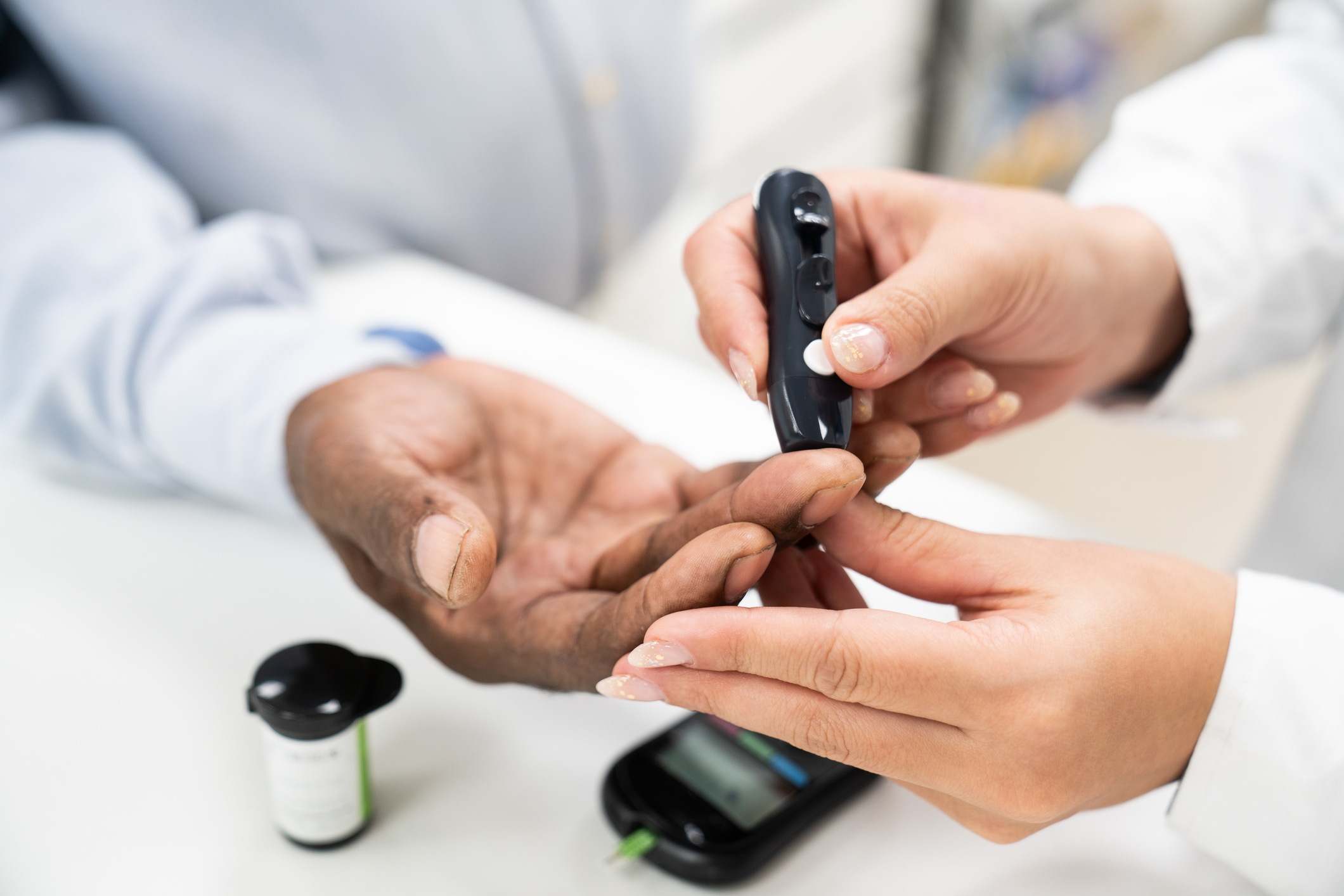
 Type 2 diabetes has long been identified as an incurable chronic disease based on traditional means of treatment. However, losing weight and making other lifestyle changes may help manage diabetes and prevent long-term health complications.
Having excess weight or obesity is the leading risk factor for Type 2 diabetes. Almost 90% of the 37 million Americans with Type 2 diabetes are classified as having excess weight or obesity. If you have excess weight, your risk of developing Type 2 diabetes is about 2.4 times higher than those at a healthy weight. For those with obesity, the risk is about six times higher.
Obesity significantly increases the risk of developing serious health conditions, including Type 2 diabetes. This type of diabetes is directly linked to excess body weight and lack of physical activity. Nearly half of new diabetes cases in the United States each year are caused by obesity.
Type 2 diabetes is characterized by high blood sugar or glucose levels. It occurs when the body’s ability to produce or respond to insulin is impaired. The pancreas releases insulin after we eat, as it is a hormone that helps the body’s cells use glucose for energy. With Type 2 diabetes, the cells don’t use insulin effectively. This is known as insulin resistance.
There is research that shows that extra fat around the liver and visceral fat, the fat that surrounds the internal organs, plays a role in blocking insulin, which prevents glucose from entering the cells. The higher a person’s body fat percentage, the harder it is for their cells to respond properly to insulin.
While carrying extra weight anywhere in the body can increase the risk of developing Type 2 diabetes, there is evidence that suggests that people who carry excess belly fat are at a greater risk of the disease.
Studies have shown that substantial weight loss through healthy lifestyle habits, medication, or surgery can prevent Type 2 diabetes.
Weight loss is proven to help prevent Type 2 diabetes. Research shows that losing even as little as 3% to 5% of your body weight through healthy lifestyle changes can help control diabetes. Losing extra weight can help control blood sugar levels, boost energy levels, and improve overall health and well-being.
Some strategies for weight loss include:
- Setting a weight loss goal
- Eating smaller portions
- Focusing on nutrient-dense foods
- Increasing water intake
- Exercising regularly
One study found that people who have obesity and Type 2 diabetes and followed a six-month diet plan lost an average of 30 pounds, and nearly half achieved remission of diabetes. This means that they have sustained their blood glucose levels within a normal range for three months or more without taking diabetes medication.
Remission is most likely to occur in the early stages of type 2 diabetes. Studies show that losing just 10% to 15% of body weight within two years of diagnosis is enough to achieve remission. In later stages of diabetes, the body may lose its ability to make insulin, making remission less likely. However, some people with advanced type 2 diabetes may achieve remission by losing 20% to 25% of their body weight.
There are many medications that can help with weight loss. Liraglutide and semaglutide are two injectable diabetes medications that are approved by the Food and Drug Administration (FDA) to treat obesity. These GLP-1 receptor antagonists are a class of medications that mainly manage blood sugar levels in people with Type 2 diabetes. They not only improve blood sugar control, but they can also promote weight loss by reducing appetite and slowing stomach emptying. Another injectable option is tirzepatide, a GLP-1 and GIP agonist that also lowers weight and improves blood sugar.
Bariatric, or weight loss surgery, can also treat obesity and promote weight loss. This procedure is designed to reduce food intake and decrease hunger to help people achieve and maintain a healthy weight.
The American Diabetes Association (ADA) recommends bariatric surgery as a treatment option for people with diabetes who have a body mass index (BMI) of 35 kg/m2 or greater. Various bariatric surgeries can be performed. They include:
- Gastric sleeve
- Gastric bypass
- Adjustable gastric band
A research review found that bariatric surgery can effectively help manage Type 2 diabetes in up to 80% of people, and quickly. For some people, blood sugar levels may return to healthy levels within days or weeks after the procedure.
For more information about Jamaica Hospital’s endocrinology service, or to make an appointment, please call 718-206-7001.
 Follow
All content of this newsletter is intended for general information purposes only and is not intended or implied to be a substitute for professional medical advice, diagnosis or treatment. Please consult a medical professional before adopting any of the suggestions on this page. You must never disregard professional medical advice or delay seeking medical treatment based upon any content of this newsletter. PROMPTLY CONSULT YOUR PHYSICIAN OR CALL 911 IF YOU BELIEVE YOU HAVE A MEDICAL EMERGENCY.