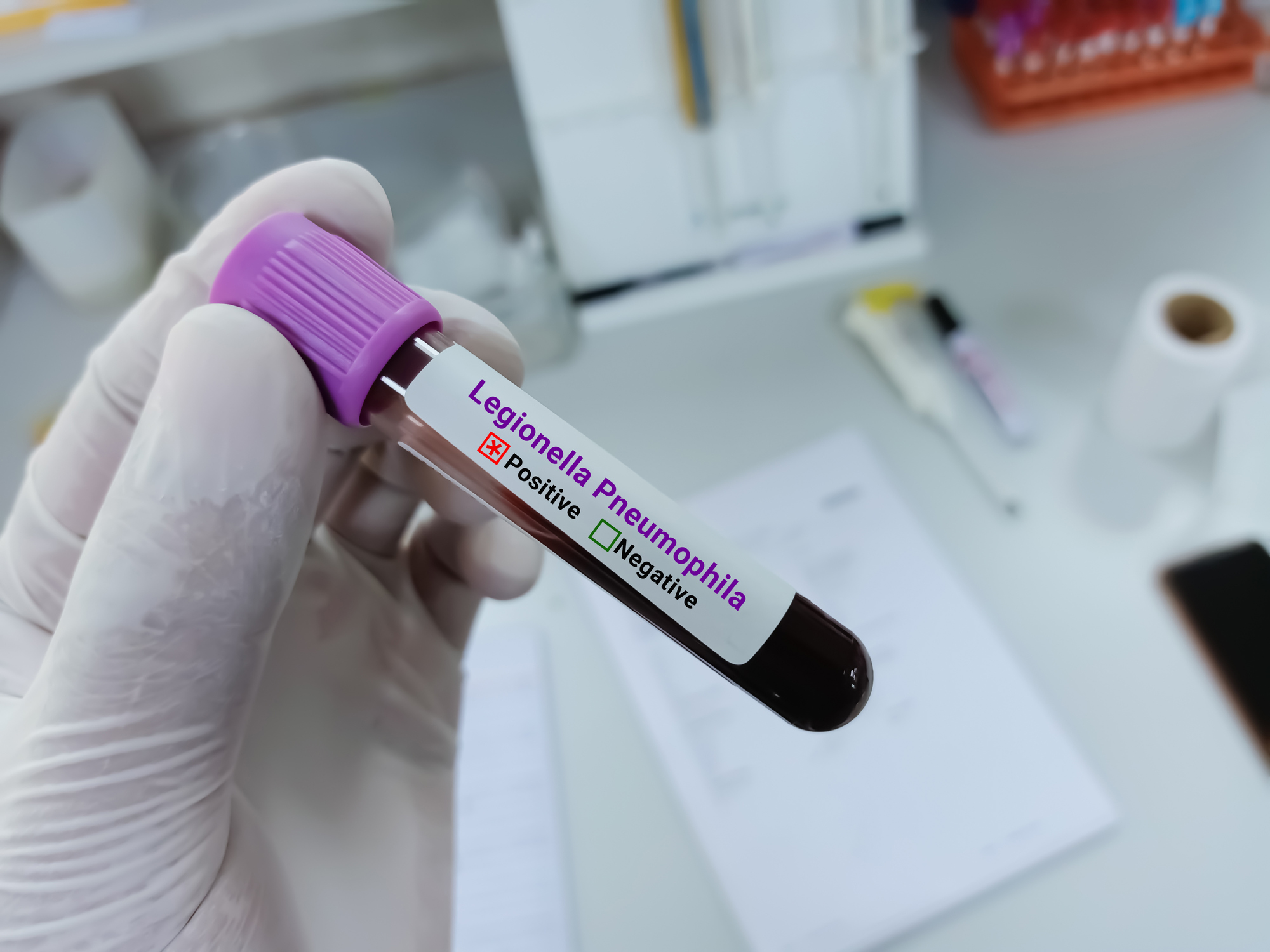
 Legionnaires’ disease is a serious, life-threatening type of pneumonia caused by breathing in mist or getting water that has been contaminated with Legionella bacteria in the lungs.
You can also get Legionnaires’ disease from:
- Hot tubs
- Shower heads
- Faucets
- Humidifiers
- Decorative water features
- Heating and cooling systems, usually only in large buildings
- Intubation during surgery
- Dirt
Legionnaires’ disease is not contagious. Most people don’t get Legionnaires’ disease, even if they have been around Legionella bacteria. But some people are more likely to get sick with Legionella infection than others. You can have an increased risk of getting Legionnaires’ disease if you:
- Are older than 50 years old
- Smoke or used to smoke cigarettes
- Have a weakened immune system caused by certain medical conditions, such as HIV, diabetes, cancer, and kidney or liver disease, and medications that can compromise your immune system
- Have a long-term respiratory illness, such as chronic obstructive pulmonary disease (COPD) or emphysema
- Live in a long-term care facility
- Have stayed in a hospital recently
- Have had surgery requiring anesthesia recently
- Have received an organ transplant recently
Legionnaires’ disease causes pneumonia-like symptoms that start two to 14 days after exposure to Legionella. It can also cause neurological and gastrointestinal symptoms.
Symptoms of Legionnaires’ disease include:
- Fever (often over 104⁰F/40⁰C)
- A dry cough
- Shortness of breath
- Diarrhea
- Muscle aches
- Headache
- Nausea
- Confusion
- Coughing up blood
- Abdominal pain
The most common way to diagnose Legionnaires’ disease is with urine and sputum tests. A healthcare provider may use imaging tests, such as an X-ray or CT scan, to get pictures of the inside of your chest. They will also take a physical exam and ask you about your health and travel history.
Other tests used to diagnose Legionnaires’ disease can include:
- Blood tests
- Bronchoscopy
- Thoracentesis
The treatment for Legionnaires’ disease is antibiotics, either intravenously or in pill form. If you are having trouble breathing, a healthcare provider may give you treatments to help you get enough oxygen. You will probably have to stay in the hospital while you are being treated.
You can reduce your risk at home by making sure shower heads, faucets, hot tubs, and humidifiers are properly cleaned.
If you are experiencing any symptoms of Legionnaires’ disease, you can schedule an appointment with a doctor at Jamaica Hospital Medical Center’s Ambulatory Care Center. Please call (718) 206-7001.
 Follow
All content of this newsletter is intended for general information purposes only and is not intended or implied to be a substitute for professional medical advice, diagnosis or treatment. Please consult a medical professional before adopting any of the suggestions on this page. You must never disregard professional medical advice or delay seeking medical treatment based upon any content of this newsletter. PROMPTLY CONSULT YOUR PHYSICIAN OR CALL 911 IF YOU BELIEVE YOU HAVE A MEDICAL EMERGENCY.